














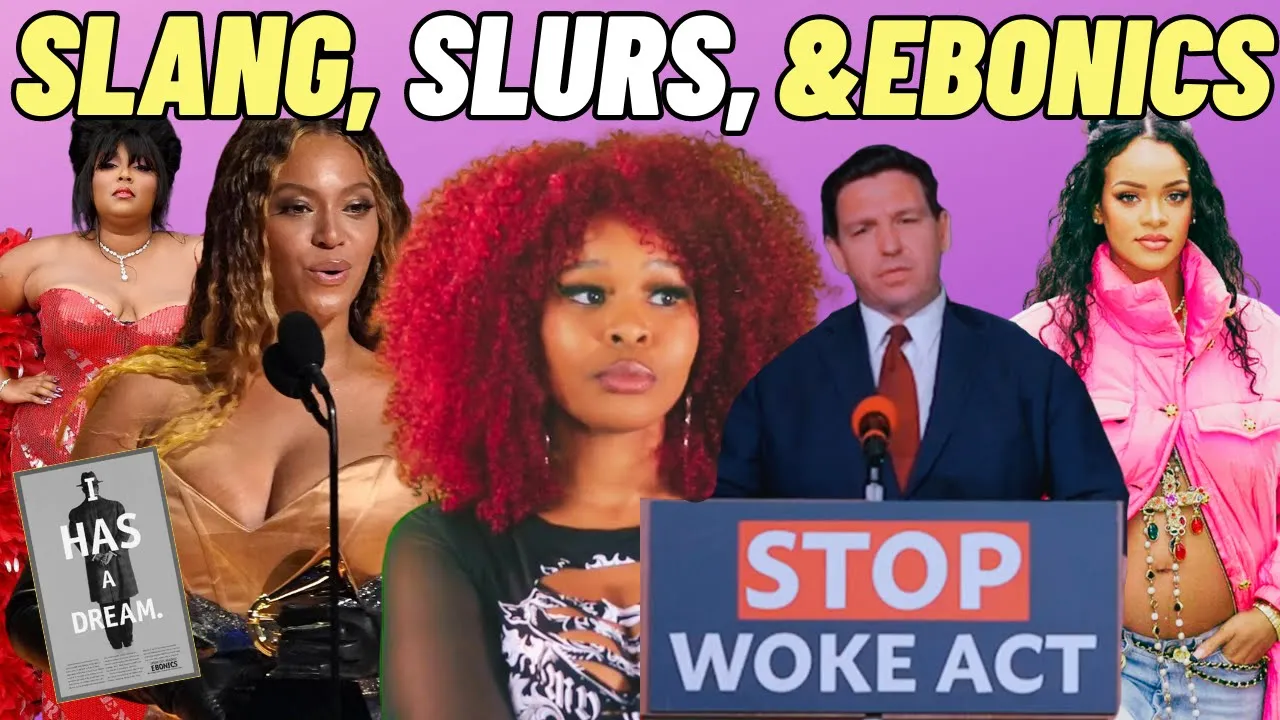






African American Vernacular English (AAVE) is a legitimate dialect of English that originated from the forced separation of enslaved Africans during the 17th century plantation era, evolving through the Great Migration of the 1950s-1960s; it features distinctive phonetic elements like dropped L sounds and CH substitutions, grammatical innovations such as double negatives and occasional tenses, and holds profound cultural significance for African Americans by providing a means of cultural reclamation and identity formation, as evidenced by Kendrick Lamar's historic 2017 Pulitzer Prize win for his authentic representation of the African American experience.
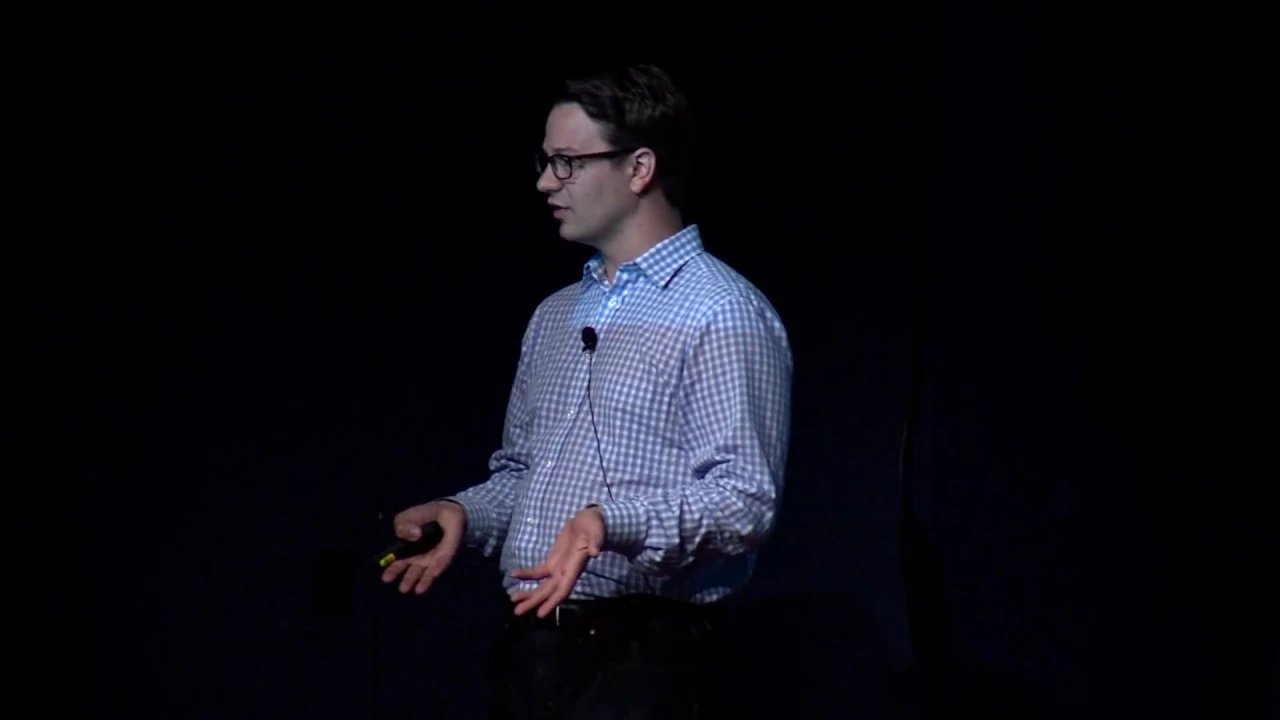
AAVE Origins and Linguistic Bias | TEDx Talk Analysis
Added:Basic sociolinguistics: Understanding how language variation correlates with social factors such as ethnicity, region, and socioeconomic status.
The linguistic definition of a dialect: Recognizing that dialects are systematic, rule-governed language varieties rather than 'incorrect' or 'broken' versions of a standard language.
Fundamental grammatical concepts: Familiarity with syntax, morphology, and verb tenses/aspects to appreciate structured linguistic differences.
Introduction to linguistic prejudice: Awareness of how societal attitudes towards language varieties often reflect biases against the speakers of those varieties.
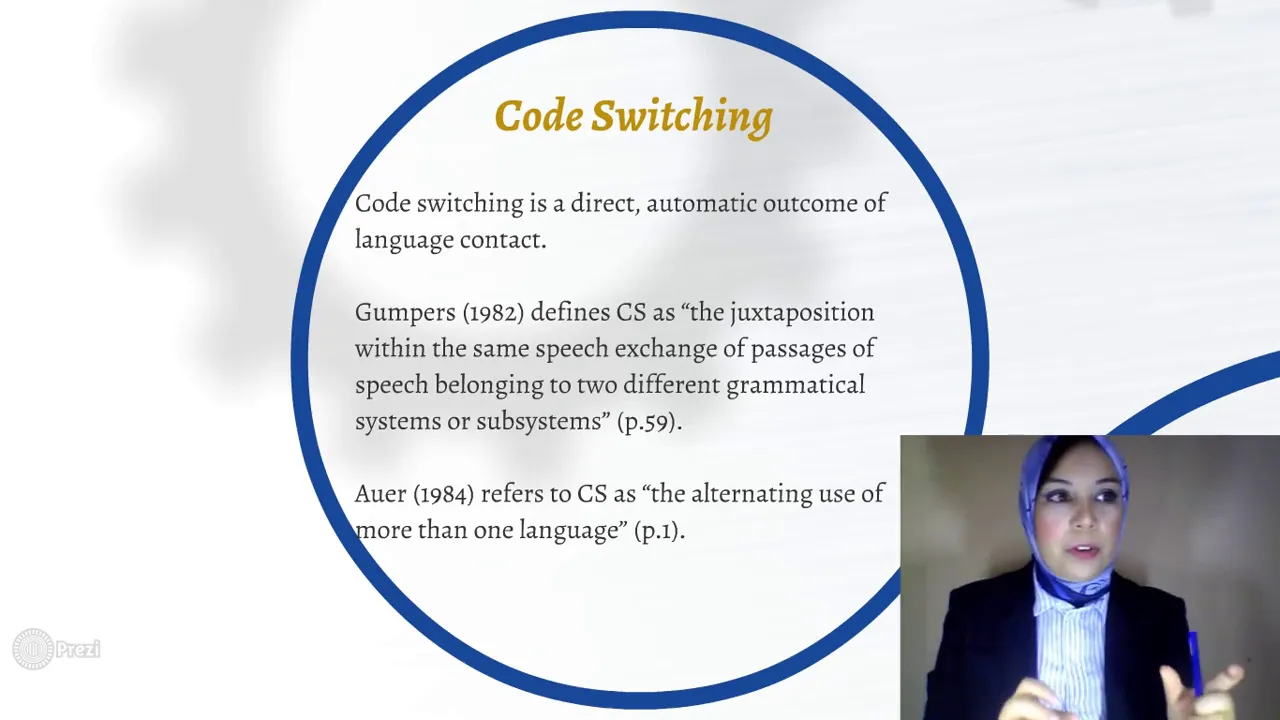
The mechanics of code-switching: Analyzing how and why speakers alternate between different dialects or languages based on social context and audience.
Historical theories of AAVE origins: Investigating the Anglicist Hypothesis versus the Creolist Hypothesis regarding the development of AAVE.
Linguistic profiling and systemic bias: Examining the real-world impacts of linguistic discrimination in housing, employment, and the legal system.
Educational policy and linguistic diversity: Exploring historical and contemporary debates, such as the 1996 Oakland Ebonics controversy, regarding the role of vernaculars in schools.
121.1K views4.3Klikes9:44Original Release: 2019-09-03
[Music] you don't operate you sound funny why are you speaking as though you're uneducated for many african-americans including myself these sentences are merely common everyday occurrences maybe they say cuz instead of because or maybe they say acts instead of ask but it's something that we've all grown up hearing and if hip-hop is the most popular genre of music why is this shaming of African Americans still prevalent in society and what if I were to tell you that this was merely an innovation of the English language well maybe that's true firstly let's give this dialect of speech a name aave the acronym for African American vernacular English formerly known as Ebonics to understand just how this came to be we must first look at the 17th century plantations during the colonial periods as slavery had just arisen in the Americas oftentimes families were torn apart and those who spoke the same language were separated so many slaves who were illiterate at the time had to pick up the language of those around them this is why aave reflects the English grammatical system as well as is a dialect of English language and it is also the only dialect of English that is not native to a specific region of users with New England accents coming from the New England region Bay Area accents coming from well the Bay Area and yes what I'm sure you're all quite familiar with here in Georgia the lovely southern accent however this took a change in the 1950s and 1960s with what is referenced too by many historians as the great migration the great migration references a period in which many African Americans left the sharecropping South in pursuit of factory jobs westward in cities like Los Angeles and San Francisco as well as northwards with cities like Chicago Detroit Cleveland and even Boston and the language moved with them and as many became more educated and able to write this language became the style X took on a written form here are some everyday phonetics of aave and you might even know some some of your own personally as I did stay it is found in popular culture and in many of the songs you may listen to you currently firstly there is a dropped L sound and words like help becoming help and there is a job our sound in words like you're becoming yo and the suffixes are also relatively different the th sound often becomes a CH sound and words like with and the SK sound becomes a k KS sound and words like ask becoming acts here's some of my favorite uses of aave when you first get home and you're putting up the groceries and you say i'll put both of them on the counter when you need to call back that relative and you say on the caller later and yes my favorite when your grandmother is picking on you and your mother says lead up home child alone hey ve is especially predominant in hip-hop rap as well as our our beef with many artists using it as a way to associate with their color cup with their culture aave and oftentimes helps to form a sense of identity however many people say that a a ve is simply a degradation of music and some have even quoted to have said that hip-hop has done more damage in recent years than rape has done more damage to african americans and racism in recent years however as some shame its use others applaud it with Kendrick Lamar Duckworth Duckworth professionally known as Kendrick Lamar winning a Pulitzer Prize for his fifth studio album the Pulitzer Prize is usually awarded to those who are jazz musicians or classical musicians but Kendrick Lamar made history in 2017 when he became the first hip-hop musician to receive such an accreditation Kendrick Lamar of his piece was recorded by the judging committee committee to have said that it was a virtuous t'k collection of vernacular authenticity of the African American experience and hard conjugal mark and I've been quoted to have said in the song and if Anthony killed ducky top dog will be serving life while I grew up without a father and died in the gun fight which is in his song entitled Duckworth his homage to his family name and how many circumstances led him to become who he was with his newfound success success so as you can see here and if Anthony killed ducky replaces reverb killed dropping off the e D suffix top dog would be servin life you can see that the G is dropped off in the word serving becoming servant and while I grew up without a father and died in a gun fight the D being dropped off of the word died and although there are a lot of irregularities in this Kendrick Lamar has been known to take on many many adverse topics ranging from police brutality to belief in a higher power such as a God and even depression furthermore as previously stated there is a relevancy of black identity in the songs with them being the most popular artists of the genre and this is a lot of the reason why you can play a lot of songs with sampling or even audience because streaming is so common nowadays you can hear your dad say girl what you know about this a second aspect of aave that greatly differs from that of standard English the most common dialect of English is the use of double negatives double negatives an example of this would be I don't have nothing I don't have nothing in standard English says I have something the two the two negatives cancelling one another out simply like in math however I don't have nothing an AAV es is a reaffirmation of the statement I don't have anything reaffirm ation works in English typically as the word very in Spanish as the word muy and in French as the word threat and no I've never seen a French class in my life this was penned this was patented by Robert Luth who was an English professor who attended Oxford and he was a prominent figure of the Church of the Catholic Church and he wrote the novel a short introduction to English grammar with critical notes and this took a lot of influence around the 18th century as linguistic structure came to be notable users of the double negatives include Shakespeare sir who are currently literary greats and I've just completed reading Romeo and Juliet in my ninth grade literature class and believe it or not he did in fact do this and it can be quoted and Richard the third where he has been quoted to have said I never was nor never will be however I think a lot of teachers might have a problem with the statement of Coolio ain't no party like a West Coast party because a West Coast party don't stop another aspect of aave innovating and adding to the English language is its use of tenses now in English as well as a few other languages including Spanish there are three main tenses outside of the infinitive these are past present and future tense but an AAV either is what is referenced as an occasional tense which is not currently found in the English language as we know it however I will give an example of such using the verb to swim the past tense of to swim in aave is he swam the present tense he swim in the future tense he gon swim and he be swimming works as an occasional tense translating in standard English - he swims occasionally now you may argue that you just said he swims occasionally that was no there was no AAV there however you have to change the verb that is being used in that sentence for that conjugation to work as such here I can use ASAP ferg who is currently a part of the rock the rap group ASAP mob where he's quoted to have said Fergie be mobbin all day we're in occasional tense is used and I don't exactly know what mobbin means but sure does sound cool in the car furthermore what I'd like to conclude from the use of a a VE in English language is that it adds a cultural importance to many of its users as as when African Americans originally arrived in the Americas there wasn't a lot of culture for us to have after it was written for centuries after centuries furthermore it gives us a reclamation of our heritage in our culture and we can help identify with those who use it as well furthermore it influences popular culture in hip-hop R&B and rap as according to Billboard it's the most village on roof music by sales and downloads I would also like to add that aave should not be seen as degrading of the English language because just like any other language it adds to how people connect to one another it also has its own sense of grammatical structures and how words can be used and many people who identify and use aave can hear exactly when it's being used improperly thus if you were to compare to gah log to Dutch to German or any other language that I might have failed to mention thus far it's simply unfair because each language was made uniquely by its own unique users for its own unique purposes and that should apply to any dialect of English or any dialect of language or any language thank you [Applause]
Up Next

5:00
Origins of African American English: Gullah & History
@ChrisKirtley
221.3K views•2007-10-26
36:52
Constraint Interaction in Optimality Theory: Epenthesis & Deletion
@Vidyamitra
180 views•2018-08-20

19:08
Raising Bilingual Children: Overcoming the Monolingual Myth | Kim Potowski TEDx
@TEDx
124.6K views•2013-05-03

21:32
Accent Expert Explains U.S. Regional Dialects | Part 1
@WIRED
9.3M views•2021-01-21
Related Study Plans & Knowledge Roadmaps
Structured learning paths in Linguistics
linguistics
Optimality Theory: Tableaux & Constraints
01Phonological Basics: Sounds, Syllables & Rules
02Foundations of Optimality Theory: GEN, CON, and EVAL
03The Constraint Inventory: Markedness vs. Faithfulness
+ 2 more learning modules
15h5 modules
Explore Roadmap
linguistics
Morphosyntactic Alignment: S, A & P Systems
01Foundations of Syntax: Transitivity and Arguments
02The Linguistic Variables: Mapping S, A, and P
03Nominative-Accusative Alignment
+ 3 more learning modules
12h6 modules
Explore Roadmap
linguistics
Analyzing Sign Language: Phonology & Syntax
01Foundations of Sign Language Linguistics
02Phonology: The Five Parameters of a Sign
03Morphology: Word Formation and Classifiers
+ 2 more learning modules
14h5 modules
Explore Roadmap
linguistics
Pragmatics: Speech Acts, Grice & Politeness
01Introduction to Pragmatics: Meaning in Context
02Grice’s Cooperative Principle & Implicature
03Speech Act Theory
+ 2 more learning modules
14h5 modules
Explore Roadmap