





















Quantitative tightening (QT) is the Federal Reserve's strategy to reduce its balance sheet by either allowing bonds to mature without reinvestment (moderate QT) or actively selling securities before maturity (aggressive QT), which removes liquidity from the financial system and increases bond yields, potentially causing significant disruption to treasury markets and financial institutions holding large bond portfolios.
Quantitative Tightening (QT) Explained: Fed's Balance Sheet Policy
Added:The mechanics of Quantitative Easing (QE) and how central banks expand their balance sheets to inject liquidity.
The structure of the Federal Reserve's balance sheet, specifically concerning assets like Treasury securities and mortgage-backed securities (MBS).
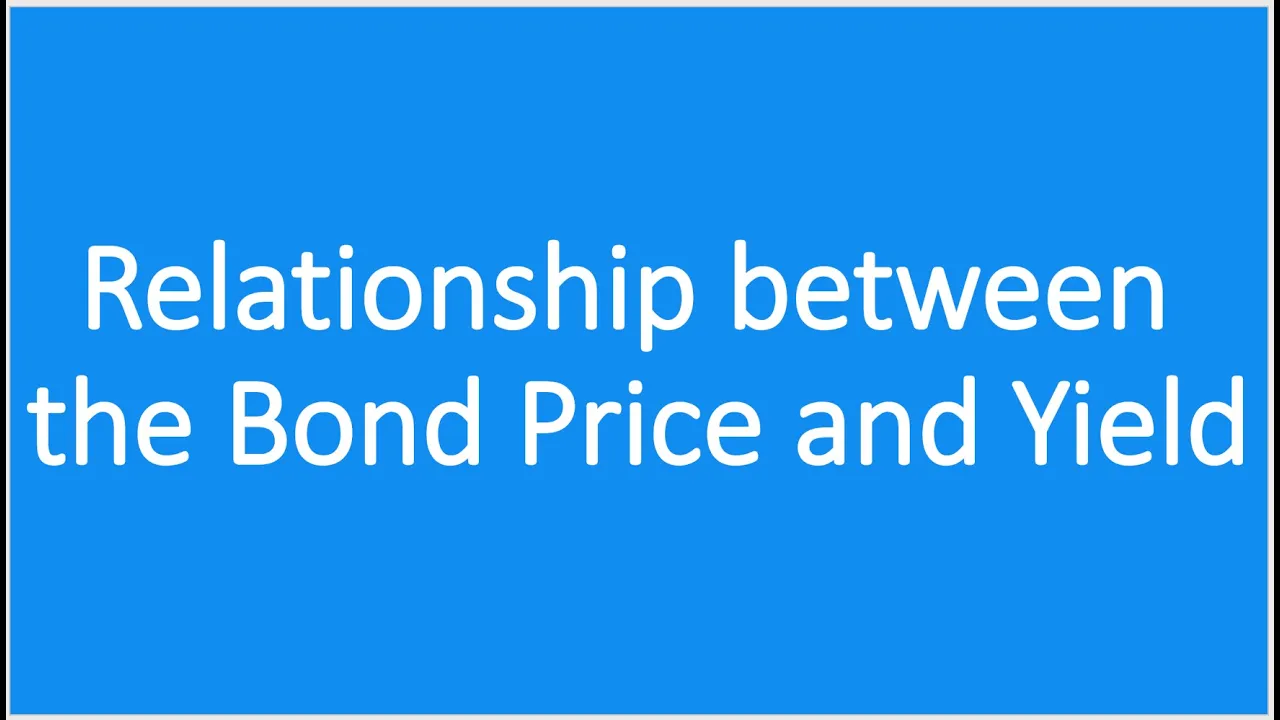
The inverse relationship between bond prices and interest rate yields in the fixed-income market.
Basic monetary policy concepts, including how the Fed uses the Federal Funds Rate to influence borrowing costs.
The historical case study of the Fed's 2017–2019 QT cycle and the resulting liquidity squeeze in the repo market.
How Quantitative Tightening affects bank reserves, commercial lending standards, and broader market liquidity.
The transmission of QT to different asset classes, including equity valuations, corporate bonds, and real estate.
The concept of 'neutral interest rates' (r-star) and determining the optimal size of a central bank's balance sheet.
3K views116likes29:52Original Release: 2022-02-18
hello everybody professor barth is here history professor at arizona state university what is quantitative easing we're going to answer that in this video qt what the heck is it you'll have a solid understanding by the end of this video last week as you are aware the bureau of labor statistics announced that annual inflation jumped seven and a half percent in january now the fomc the federal open market committee the federal reserve will meet on march 15th and 16th and make a decision about interest rates they will raise rates by either a quarter percent or by a half percent the last time the federal reserve raised rates by more than a quarter percent was 22 years ago in the year 2000 but with inflation now at a 40-year high they just might do it the president of the saint louis federal reserve james bullard who's serving on fomc this year warned recently that inflation could quote get out of control end quote if the fed doesn't take aggressive action and he's saying that rates the federal funds rate needs to be a full percentage point by july so we will see the fed released its minutes from their january meeting earlier this week and it showed that they that they intend to begin quantitative tightening qt later this year after they began raising raising the federal funds rate so presumably the federal funds rate will will go up in march then may june july and then we'll probably see qt launch in late summer or early fall so what is quantitative tightening quantum tape tightening or qe is a reduction in the size of the fed's balance balance sheet stated differently it's a reduction in the number of assets owned by the federal reserve and it's the opposite of quantitative easing under quantitative easing the fed purchases treasuries and mortgage-backed securities with currency us dollars created out of thin air in order to make those purchases that treasury note then becomes an asset of the federal reserve system the currency that the fed generates and then uses to purchase that treasury note is transferred over to the account of the bond dealer which is generally tied into the to the private banking system one of two things happens to that money once it once it enters the account the bank either stows it away in their reserve account at the fed increasing their reserve balance in which case the money does not enter circulation or the bank utilizes that currency and the money supply of the overall economy increases now in march 2020 as a pandemic threatened to undo the entire economy the federal reserve as you see here in this graph of of its balance sheet massively increased its assets launched a an unprecedented program of quantitative easing the fed's balance sheet exploded here it is zoomed in look at that up but more than doubled and these asset purchases continued deep into 2021 and as late as last fall the fed was making was still purchasing 120 billion dollars worth of assets every month 120 billion dollars worth of assets every single month and you can see here this is the federal reserve's balance sheet as a percentage of gdp look at that huge jump in march of 2020 went from under 20 of gdp the size of the federal reserve's bouncy sheet to over 35 percent so massive massive uh changes in in in dr drastic measures taken by the federal reserve in the midst of that pandemic the yield on the 10-year treasury on u.s treasuries in general was very low in large part and dropped in large part because the fed was became such a major buyer of bonds on the market when demand for bonds is high the yield is low in other words government can borrow money very cheaply when the yield is low as many different people dealers institutions federal reserve are competing with one another to buy government debt this allows government to borrow money at a low interest rate which in turn encourages governments to run major but budget deficits if you look at the 10-year yield between november 2019 and august 2020 it went down by 73 percent because in large part because of the fed's involvement in the bond market and there were some other variables at play there too but that played but that made a major difference now unlike the quantitative easing that occurred under ben bernanke in the years after 2008 from 2008 to 2014 much of the currency that the fed created out of thin air to expand its balance sheet to purchase all those treasuries and mortgage-backed securities much of that currency has entered the real economy that wasn't necessarily the case after 2008 but it's the case now and so the money supply is measured by m2 has increased by more than 42 percent since the pandemic this is the number one contributor to inflation now as it became clear last fall that inflation was becoming a real problem the federal reserve announced in november that they would begin tapering qe that monthly asset purchases would be reduced each and every month so that all new asset purchases would end by july of 2022 then as the inflation data got worse in december in early january the fed announced that they were accelerating the tapering program so that all new asset purchases would end by the middle of march which means by the way that the fed is still purchasing right now in february 2022 the fed the fed is still purchasing treasuries and mortgage-backed securities and and they're still expanding the size of the fed's balance sheet even as they announce that they plan to begin reducing the size of the balance sheet later this year which is totally insane i made a video about it last weekend um so this is unprecedented for the fed it's a very rapid shift from qe to qt as we'll see in a moment the fed actually launched a quantitative tightening program several years back in 2017 but 2017 was a full three years after the end of qe under bernanke qe ended in december of 2014 qt the last round of qt began in october of 2017. so a three year gap we're not talking about a three year gap this go around um we're looking at maybe a three month gap or or at a maximum a six month gap also in 2017 inflation was not a big problem so we have not ventured into these waters now there are two ways for the fed to pursue quantitative tightening two ways in which effect can reduce the size of its balance sheet the one is more gradual the one the other is more aggressive the question remains how aggressive will the fed be in quantitative tightening the first and most gradual way is to simply allow its bond portfolio to roll off as bonds mature the second and most aggressive way is to outright sell assets before they mature under a moderate qt program the fed allows bonds to roll off as they mature ordinarily when bonds mature the fed replaces those same securities by reinvesting in new securities and so the fed's treasury holdings don't ordinarily decline even as bonds mature they just replace them they reinvest under moderate qt the fed won't necessarily replace those those bonds the u.s treasury will pay cash to the fed at the maturity of the bond and but the fed will decline to reinvest and so the cash that the treasury pays the fed disappears it's entirely ejected from the system and the fed's balance sheet by consequence decreases gradually in the graph we have here is a graph of the fed's balance sheet and you see uh this is uh from a couple months back treasury holding in treasury holdings in the blue and mortgage-backed securities in yellow and this is the year in which these holdings mature so you can see there are in 2022 over a trillion dollars worth of treasuries on the fed's balance sheet that are set to mature under moderate qt program the fed would either only replace some of that trillion dollars or or none of it they would just let it roll off and the the feds the size of the fed's balance sheet would would decrease by over a trillion dollars so you can see there's quite a quite a a good chunk of the fed's balance sheet is actually set to mature in the next few years now this form of moderate qt is what the fed precisely what the fed did in late 2017 through early 2019.
at the peak of the qt program in 2018 the fed allowed up to 50 billion dollars worth of securities every month to be uh to mature and not be replaced so here's a graph of qt in 2017 2018 and there was a monthly cap on how much the fed would allow to mature and and roll off roll off the balance sheet the program ended in 2019 and so it was very brief quite moderate from october 2017 through march of 2019 the fed's balance sheet shrank by 500 billion dollars or by about 16 so it wasn't major quantitative tightening but still 500 billion dollar decrease when your balance sheet amounts to four and a half billion dollars is sizable enough um now the fed in 2017 first under yellen and then powell replaced yellen and continued the program the fed in 2017 2018 never directly sold assets it didn't sell assets it just allowed the existing holdings to mature and roll off and and even again some of the light blue here are treasuries that matured and the fed replaced reinvested um janet yellen fed chair at the at the time that qt this round of qt began said oh it's not a big deal it's very moderate she compared the process to quote watching paint dry even then even with this moderate program of qt the yield on the 10-year treasury jumped from two percent to three and a quarter percent before the fed stepped in and aborted the qt program in early 2019 but the 10-year treasury yield jumped by 58 percent and the yield on the 10-year jumped because the fed wasn't buying as many treasury notes as they were previously okay more on that in a moment um so the fed can take this more moderate route of simply allowing bonds to mature off the balance sheet but this policy in my opinion this policy alone will not be enough to get a grip a real grip on inflation to do that the fed will need to sell assets outright even before they mature some analysts like the st louis federal reserve president who's serving on fomc this year has suggested that this may indeed be necessary to resort to this more aggressive qt program and if so if we have aggressive qt we're talking huge consequences for the economy with this more aggressive form of qt the fed will sell treasuries that have not yet matured it would be sold on the private market and the cash resulting from the sale would be ejected from the financial system potentially trillions of dollars in liquidity could be drained from the market the impact would potentially be devastating for treasuries for the mortgage market for the government's ability to finance massive deficits every year all necessary however in order to prevent inflation from spinning out of control and there is a very real risk here of inflation spinning out of control you think what paul volcker did uh back in the late 70s and early 80s was fun you think you think that people liked that undergoing that well he had to do it to stop the inflation from further spinning out of control because it was already so it was already out of control but to prevent it from really going haywire volcker had to hike those rates up and and so we're aggressive qt may be necessary and and this came out in the fomc's minutes from january look at this um at the meeting participants agreed while participants agreed that details on the timing and pace of balance sheet runoff would be determined at upcoming meetings participants generally noted that current economic and financial conditions would likely warrant a faster pace of balance sheet runoff then during the period of balance sheet reduction from 2017 to 2019 stayed differently qt is going to have to be more aggressive than it wasn't 2017-2019 it's going to be more aggressive than that participants observed that in light of the current high level of the federal reserve securities holdings a significant reduction in the size of the balance sheet would likely be appropriate so one way or the other moderate or aggressive qt will inevitably increase volatility in the bond market as the fed exits the bond market as a fed no longer functions as the bond buyer of last resort the private sector will have to step up and become the primary buyer of treasuries look at this graph here this is a percent the percent of of total outstanding treasury sec uh securities in possession of the federal reserve prior to the pandemic less than 15 percent of treasuries were owned by the federal reserve now we're looking at 25 percent if the fed exits there that's going to leave a major vacuum can the private sector fill it the problem is liquidity won't exist for the private sector to buy up all those treasuries at such a low rate of return i mean the the you know the 10-year has been under 2 that's a low yield so with the fed exiting the bond market however gradually or aggressively demand for treasuries will fall and that will be reflected in a higher yield you'll see the yield for the 10-year treasury note rise the government stated differently will have to pay a higher interest rate on newly issued debt and this is for a government that is addicted to debt this federal government cannot help itself it's just debt debt debt well what happens if you have to pay a higher interest rate on that debt so we've long been in a bond bubble a bond bubble the fed has given artificial stimulus to bond markets through qe what happens when you remove that stimulus the bubble pops treasury yields go up bond prices crash see there's an inverse relationship between bond prices and treasury yields they move in opposite directions as yields rise and you'll see those yields rise those yields are rising as yields rise prices for existing bonds fall if a bondholder whether an individual or an institution wishes to sell a treasury note before maturity they will need to sell it at a lower price than the price at which they purchased it people won't don't want to go pay for an older bond with a lower fixed interest rate when for the same amount they can purchase a new bond with a higher fixed interest rate and so if you want to sell your older bond on a secondary market you've got to sell it at a discount otherwise nobody's going to buy it they're going to buy the newer bond with higher fixed rate so you're going to have to sell it at a discount prices for existing bonds fall as yields rise since the higher interest payments on new bonds look more attractive by comparison to sell an older bond that's not yet matured on the secondary market you must sell at a heavily discounted price to compensate for the otherwise lower yield vis-a-vis the newly issued treasuries that carry a much higher yield financial institutions that possess large sums of treasuries if they have to sell those treasuries before they mature those institutions will take a major hit all right they're going to take a major hit because they won't be able to sell those treasuries on the secondary market at the high price at which they originally had purchased them and the uh the extreme financialization of our economy means that this could have a real domino effect across the entire system especially if bond prices take a real nose dive as yields shoot up so this has major consequences what happens in the bond market again going back to the fed the fomc minutes from january participants who commented on issues related financial stability cited a number of factors that could represent potential vulnerabilities to the financial system a few participants noted that asset valuations were elevated across a range of markets and raised the concern that a major realignment of asset prices could contribute to a future downturn a couple of these participants judge that prolonged accommodative financial conditions could be contributing to financial imbalances in other words the fed's contributing to this all right all this stimulus all this qe has has contributed to these artificially high asset valuations and bonds are included in that among those some participants saw emerging risks to financial stability so associated with the rapid growth and of course they're going to target this crypto assets and decentralized finance platforms the fed really hates defy i'll need to make video on d5 sometime a few participants pointed to risk associated with highly leveraged this is key highly leveraged non-bank financial institutions or the potential vulnerability of prime money market funds to a sudden withdrawal of liquidity what happens when liquidity becomes scarce what's the impact of that now depending on how the bond markets react even the more gradual form of qt could be very disruptive but if the fed moves beyond declining simply declining to purchase new treasuries and begin selling treasuries on a private market that could really cause the bond market to spiral so much so that the fed might even tolerate double-digit inflation double-digit inflation before they would allow bursting of the bond bubble goldman sachs is ringing the alarm about the volatility of in the bond market that would result from an aggressive program of quantitative tightening j.p morgan is predicting the beginning of qt in september with a hundred billion dollars a month reduced from the fed's balance sheet that's jp morgan's prediction and then you look at the charts the yield on the 10-year note is already up 15 since the beginning of january in fact it went up it went over 2 earlier this week it's down a little bit now um and then if you look at the the 10-year since august when all the talk of inflation really started to pick up and tapering and possible quantitative tightening the yield is up 65 from august 65 and if you take it even further back to august of 2020 and can you believe that the yield on the 10-year was a little over half a percent which is nuts man up 273 percent if you purchase treasuries at this uh in the summer of 2020 and fall 2020 okay you made a very poor investment decision all right you made a very important investment decision so that's what's happening with the yield and if you look at the the historic chart this is the market yield on on the 10-year note look at that um where we are now i mean these are it's really like i said this has been a bond bubble um the the yield on the 10-year note historically through the 90s was above 5 look what happened when volker hiked interest rates look at what happened to the yield went above at one point above 15 all right in this market today it goes about two percent of people were like oh my gosh over 15 percent so in other words there's a lot of room here for movement and the higher this goes the more volat the the more uh the the ripple effect would be it would be huge which is why i think again i don't think the federal reserve will even let it get there federal reserve would rather have a lot of inflation than that um another wild card is the repo market a repo or repurchase agreement is a short term usually overnight collateral collateralized loan with treasury serving as the collateral repo market is very important for large financial institutions like investment banks must borrow cash to meet overnight liquidity needs an estimated 1 trillion dollars per day in collateral value is transacted in american repo markets so repo markets are huge now last time the fed tried quantitative tightening even though it was quite moderate it contributed to a major spike in the repo rate in september 2019.
markets freaked out liquidity cash liquidity became very scarce fed responded by lending in the repo market and restarting qe so you see this in this interesting this was qt fed's balance sheet was shrinking and then the repo markets freaked out the fed freaked out and whoop right back to qe man trump didn't like this trump did not like this he was real critical of this but yeah the fed the fed ultimately did what he wanted and went back to qe fed restarted qe and uh and then man then kovid just went wild who would have predicted in late summer 2019 who would have predicted that the size of the fed's balance sheet by february 2022 would be close to nine trillion dollars and now um this time the feds going back to repo market this time the fed says it's prepared for volatility in repo markets through a standing repo facility to inject short-term liquidity as much as 500 billion dollars of cash overnight to the banking system and that would be used to calm down the repo market if need be but this is an entirely new facility so it may be seen if it could could head off another crisis in the overnight landing market so to conclude none of the options that the fed is facing down are pleasant okay let's be uh let's be frank here um uh zolt uh zoltan pascar is his name he's a former fed official or uh former official at the new york fed now he's with credit swiss he said the fed needs a voker moment a voker moment well what does that mean um you know what that means i mean the quantitative tightening and rate increases um the fed is is clueless what to do this is from zero hedge today um fed desperate to figure out how to start a softer session without also crashing the market so yeah the hope is that they could slow down inflation by by engineering as xero hedge calls it a quote soft recession preventing inflation from spinning out of control while also avoiding a crash in the markets but ooh good luck doing that good luck doing that uh to larry summers former treasury secretary under clinton two months ago said there correctly there have been few if any instances in which inflation has been successfully stabilized without recession and again i hate to be a dead horse but the fed is still buying assets remember that the fed is still buying assets as we're talking about qt still doing it it does it qe doesn't even end until march okay the whole thing's madness right the whole thing's madness hey if this is your first time watching video from for myself check out my history money course subscribe to my channel and uh yeah uh it's a pleasure to check in i'll talk to you all soon until then god bless
Up Next
19:57
The Hidden Economics Behind the Shrinking US Money Supply | Analysis
@GeorgeGammon
299.6K views•2024-05-09

5:07
Impact of Yuan in Indo-Russian Trade Amid Sanctions
@WION
261.9K views•2022-07-01
10:33
Behavioral Economics Explained: Rationality, Nudges, and Risk
@crashcourse
1.1M views•2016-03-12

113:18
The Age of Easy Money: Fed & Inflation | Full Documentary
@frontline
21.2M views•2023-03-15
Related Study Plans & Knowledge Roadmaps
Structured learning paths in Economics
economics
Sovereign Debt: Defaults, IMF & Restructuring
01Introduction to Sovereign Debt & Government Bonds
02Debt Sustainability & Credit Ratings
03Anatomy and History of Debt Crises
+ 2 more learning modules
12h5 modules
Explore Roadmap
economics
Market Design: Matching Theory & Gale-Shapley
01Introduction to Market Design and Price-Free Markets
02Two-Sided Matching & The Gale-Shapley Algorithm
03School Choice Systems and Mechanism Design
+ 2 more learning modules
10h5 modules
Explore Roadmap
economics
Impossible Trinity: Forex, Capital & Policy
01Introduction to Monetary Policy and Central Banking
02Exchange Rates and International Capital Flows
03The Mundell-Fleming Model
+ 2 more learning modules
8h5 modules
Explore Roadmap
economics
Healthcare Economics: Market Failures & Systems
01Introduction to Healthcare Markets and Market Failure
02Asymmetric Information and Adverse Selection
03Moral Hazard and Insurance Design
+ 2 more learning modules
12h5 modules
Explore Roadmap