










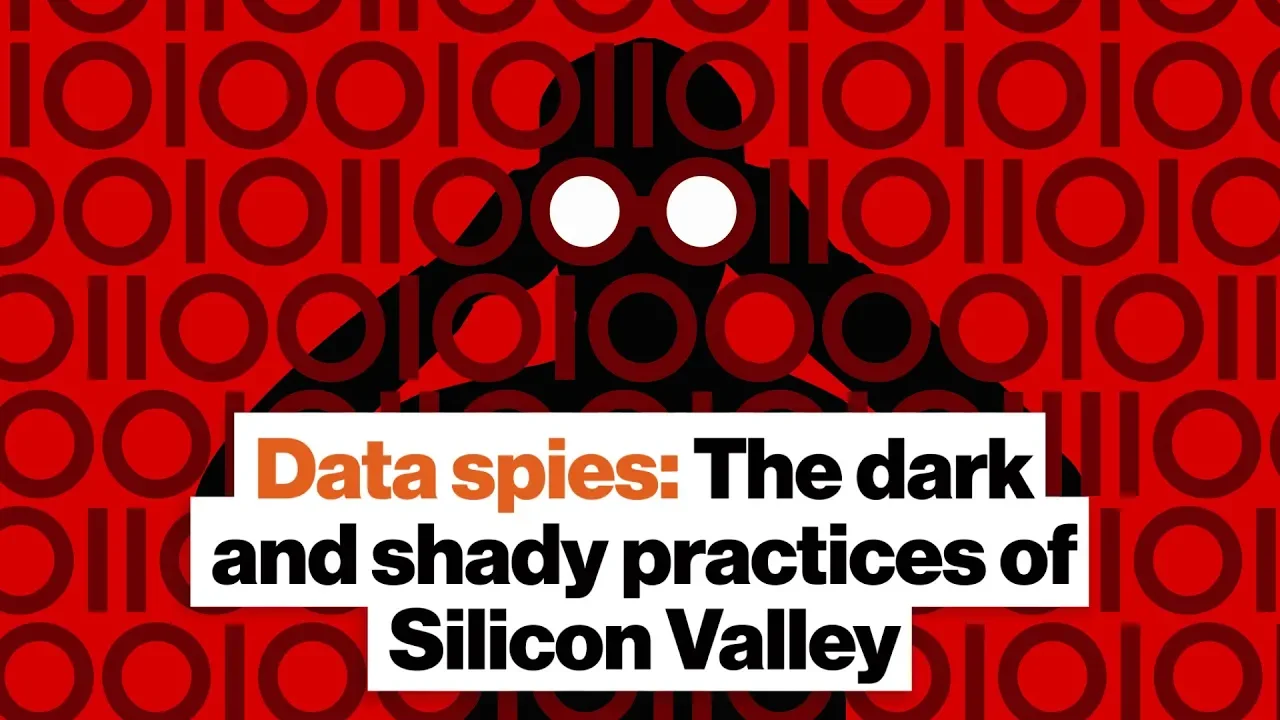














The relationship between Silicon Valley tech companies and the NSA demonstrates how private sector data collection practices, originally designed for commercial advertising purposes, can be exploited by government agencies for mass surveillance, creating a fundamental tension between corporate data gathering and individual privacy rights that challenges democratic accountability and civil liberties.
NSA Surveillance and Silicon Valley: The Digital Privacy Dilemma
Added:The constitutional basis of privacy in the United States, specifically the Fourth Amendment's protections against unreasonable searches and seizures.
The legislative framework of post-9/11 national security, including the USA PATRIOT Act and the Foreign Intelligence Surveillance Act (FISA).
Basic concepts of digital data transmission, including the distinction between content data (e.g., communication text) and metadata (e.g., timestamps, IP addresses, and routing info).
The fundamental business model of major Silicon Valley tech companies, focusing on data aggregation, cloud storage, and user monetization.
The 2013 Edward Snowden disclosures, specifically the operational details of the PRISM program and mass metadata collection.
The evolution of end-to-end encryption (E2EE) and the ongoing debate between national security agencies and tech firms over 'backdoor' access.
Comparative international privacy frameworks, such as the European Union's General Data Protection Regulation (GDPR) and its impact on global surveillance standards.
The concept of 'Surveillance Capitalism' and the ethical implications of private tech giants collaborating with or resisting state intelligence agencies.
3.4M views36.1Klikes53:18Original Release: 2021-09-11
[Music] last time on United States of Secrets we are under emergency conditions extraordinary means are required to deal with a threat they called it the program you're looking for unknown conspirators and the way they devised to do that was to look at everybody authorized at the highest levels of government this is a highly classified program that is crucial to our national security over two presidencies I'm not aware of any case in which Obama said you can't do that I argued it was illegal and unconstitutional and when this comes out all hell is going to break loose now frontlines investigation continues the NSA specifically targets the communications of everyone with the story of the man who exposed it all Snowden said he was risking his freedom and possibly his life this was a stupendous intelligence breach and the convergence of government surveillance and an information revolution the Googles the Facebooks collect as much of our sensitive data as possible but anything you hand to a private company is potentially government tonight on front line Corporate America and National Security State know so much about us and we know so little about them privacy lost part two of United States of Secrets Hong Kong May 2013 [Music] NSA contractor Edward Snowden was holed up deep inside the crowded cowon District he chose Hong Kong he would say later because he trusted the Chinese would not betray him to us authorities before living his home in Hawaii he had downloaded a huge store of top secret files from the nsa's internal networks and he had sent many of them through encrypted channels to a few journalists he trusted two of them Glenn Greenwald of the guardian and documentary filmmaker Laura pess came to the mirror hotel to meet him Greenwald and petress wanted to be sure snowden's story was Rock Solid and they needed to work fast we knew that this was incredibly consequential and that it was super important that we get it right um but also there was always this kind of uncertainty one might even say danger hovering over the room because we didn't know what the NSA knew about what he was doing we didn't know what the Chinese and Hong Kong governments knew about him being there so we thought it was very possible that the door could be barged down at any moment what are some of the positions that you held the guardian also sent a senior correspondent to vet their Source I asked do you mind if I tap the interview on a iPhone and as soon as he saw the iPhone it was like bringing out a microphone direct into the NSA headquarters he was totally appalled so he said you know get that out of the room as quickly as possible even then Snowden still worried that someone might be recording them he would often put a blanket over his head when he wanted to enter this computer system to prevent overhead cameras from picking up the passwords to the encryption as Snowden explained more about the tens of thousands of documents mascal listened carefully I was sort of warming to the idea that you know this guy was for real one of the first files they discussed was this one it directed Verizon Business Services to turn customer phone records over to the NSA the journalists were stunned what this document revealed is that the NSA surveillance system is not directed at very bad people or about terrorists it's directed at the American citizenry and other citizenries around the world indiscriminately in bulk the document directly contradicted what Director of National Intelligence General James Clapper had said before Congress just a few months earlier does the NSA collect any type of data at all on millions or hundreds of millions of Americans no sir it does not not wittingly there are cases where they could in inadvertently perhaps uh collect but not not wittingly I think for Snowden The Clapper testimony was the final nail on the coffin watching President Obama's top National Security official go before the Senate intelligence committee an outright lie about what the NSA was doing convinced him I think on any shadow of a doubt that the only hope for public discussion and reform was for him to do what he was going to do at the guardian's New York Bureau senior editors received a message from Hong Kong I sent a message saying the Guinness is good which meant SNES for real and uh one of the Deputy editors in New York said when he saw those words come over he just went you know fantastic we've got a real story the guardian decided to publish the story as fast as possible they called the White House and gave them 4 hours to comment I remember well getting the phone call and it was one of these situations where it almost took us a few minutes to get our minds around how big of a uh leak this was and how comprehensive uh the set of Revelations were we had very little time to react they sounded the alarm and reached out to an NSA official John dong I have two computers on my desk um a classified computer and unclassified computer and and I'm used to seeing that document on the classified computer and I I did a real Double Take and I remember just sitting there for 30 seconds checking and rechecking to see what computer this classified document appeared on the gravity of it was was quite palpable and I thought this is going to be a really tough story as it comes out at the guardian editor-in Chief Janine Gibson took a return call from the White House she has the deputy head of the NSA and the White House on the phone and they essentially are trying to persuade her not to publish the White House tactic was one that of okay you come and see us let's talk about this and uh you can chat to our officials and we can discuss you know what might be published and what might not Janine has her own script which is to say look if you have any significant objections objections on the grounds of National Security then tell us now is the moment to tell us and of course they don't they just want to stall her the guardian refused to wait British newspaper the guardian reports that Verizon is providing phone records of Bri newspaper to uncover how the it was just the beginning on amans at the Washington Post reporter Barton Gelman the only other reporter to receive documents directly from Snowden was working on another story before publishing he contacted the NSA I sent notes to two high- ranking people and a spokesperson in government and said I have something very sensitive to talk to you about the story concerned another NSA program called prism documents showed how beginning in 2007 nine internet companies were cooperating with the NSA Gelman wanted to make sure his reporting wouldn't damage National Security we very much did want to know what they thought would do concrete harm and how and why and the US government asked me not to publish the names of the nine companies that were supplying information to the government in the prism program and I said why their argument was that if we publish the names then the companies would be less inclined to cooperate and I guess we agreed to disagree on that one Washington Post is reporting that the nation FBI are mining the servers of nine leading us internet the prism Revelations reached beyond the collection of phone records on own CI this was about the acquisition of content of tens of thousands of NSA targets anything did you check your account on Gmail secret spying program is entirely different the prism program is not about metadata it's about content it's photos and videos you send it's the words of your emails it's the sounds of your voice on a Skype call uh it's all the files you have stored on a Cloud Drive service um it's content it's everything the president was on a fundraising trip in Silicon Valley at a press conference he agreed to take one question about the leaks good morning everybody I'm going to take one question I don't want the whole day to just be a bleeding press conference but I'm going to take uh Jackie colm's question uh Mr President could you please react to the reports of uh secret government surveillance of phone and internets and can you also assure Americans that the government your government doesn't have some massive secret database of all their personal online information and activities yeah uh What uh the intelligence Community is doing is looking at phone numbers and durations of calls they are not looking at people's names and they're not looking at content the president Trump to downplay the revelations now with respect to the internet and uh emails this does not apply to US citizens and it does not apply to people living in the United States in the abstract you can complain about big brother and how this is uh uh a potential uh you know you know program runam muck but when you actually look at the details in Hong Kong Snowden was sitting with three people under contract from the guardian they were sitting there on the bed watching um the reaction on CNN not looking at people's names and they're not looking at content Obama was saying the NSA isn't listening to the telephone calls or reading the emails of Americans which is absolutely wrong there were documents that we had that proved that President Obama's claims in that regard were false and we just could tell as well that he at that moment didn't have any idea of the true magnitude of what was coming given how dismissive and Casual his tone was thank you very much guys that's it I Snowden now decided to make a bold move he would reveal his identity posting a video he had recorded a few days earlier Laura set up the camera Glenn was asking the questions and normally stoden wore a T-shirt and Glenn says can you not find a shirt and uh Snowden went off and found the gay gray Shir uh my name is Ed Snowden I'm uh 29 years old I work for Booze Allen Hamilton as an infrastructure analyst for NSA uh in Hawaii what we see is someone who is calm rational persuasive the NSA specifically targets the communications of everyone it ingests them by default it collects them in its system and it filters them and it analyzes them and it measures them and it stores them language was clear sympathetic and when he did the interview it was as if he was a media natural so we knew that when Snowden went public it was going to be a huge story why should people care about surveillance because even if you're not doing anything wrong you're being watched and recorded and he sets out why he's done this thing and what his motives are um and basically sort of puts the ball in the court of the public and says you make up your minds as to whether this is right these things need to be determined by the public not by somebody who was simply hired by the government this is the truth this is what's happening you should decide whether we need to be doing this Edward Snowden according to the guardian is in h contractor who leaked the existence NSA program fled to Hong Kong three weeks ago after copying we knew that the minute we unveiled his identity that he was going to have to go into hiding because the media hoorde was about to descend onto Hong Kong and would be looking for him and the US government would certainly be looking for him at that point he knew it was untenable some enterprising journalist had put up on Twitter the pictures of the hotel room and says does anybody recognize these light fittings and someone was able to establish it was a miror is where Edward Snowden is believed to hotel is just across theb Snowden knew they were on their way uh so about midday he left his hotel room um and there was definitely a kind of air of sadness over our last meeting because I had assumed that the next time I saw him he was going to be in US custody on a television screen Snowden left it to the journalists to decide which documents to publish and then he disappeared into the crowded streets of Hong Kong for 2 weeks he managed to elude the world's press Corp still in Hong Kong and to avoid us authorities Edward been charged with two counts of espion and this guy is a traitor on June 23rd Edward Snowden set off for South America via Russia through Russia supposedly he headed foror he ended up in Russia for one very simple reason and that is that the United States government forced him to stay there by preventing him from leaving is believed to be holed up inside trans Zone mosow airport he could no longer get a ticket and leave Russia because his passport had been revoked by the US government people may die as a consequence of what this man did and anybody who wants to make him a hero is misjudging how they the man on the run from us authorities one of the greatest security breaches in American Russia has granted Edward Snowden a Edward Snowden was granted asylum in Russia less likely he will ever see inside of a US courtroom filed law challenging the back in the US at NSA headquarters the news hit hard headline and it has growning through billions of phone records it was hard to read in the Press NSA is Lawless NSA out of control none of those resonate with us that's not us that's not what we are aiming towards that's not how we hold ourselves accountable our our ultimate goal right is to prevent things from bad things from happening to ensure the National Security you want to draw the Box differently you want to you want to have the security Community work in a small box I got it but before you do that you got to understand you got to understand what the costs might be I mean we we live inside a democracy and you know public will matters in a democracy I just hope it's informed public will and and and and frankly when the decisions are made you understand the costs we have to strike the right balance between protecting our security and preserving our freedoms the president did what Executives in the midst of a controversy often do of our surveillance programs he appointed a panel so I'm tasking this independent group to step back this one to review the nsa's programs and they will provide an interim report in 60 days and a final report by the end of this year so that we can move forward with a better understanding of how these his directions were um go wherever you want you can see any classified program no one can deny you any information you can go anywhere in the intelligence Community you can recommend anything except realize that what I won't accept is any block between me and my constitutional oath of defending the United States us internet companies the highly classified program is code name prism the guardian and the Washington Post both reported that the on the other side of the country in Silicon Valley there was anger and confusion over just what kind of access major internet companies were giving the NSA extracting audio video photographs and email there was shock and disbelief and horror a lot of people I know Silicon Valley type people just felt it can't be right it's not possible Google Facebook these guys are collaborating it's just not what they would do CEOs of internet companies like Facebook and Google deny the company scrambled to respond to the news Google denies that they have direct access who's right they freaked out because they had never heard of a program called prism and they were not letting the NSA get direct access to their servers um they were cooperating with a secret program that they really couldn't describe in sufficient detail to their customers very sens folks are saying it's the they saw here a big threat to their image to their business model which relies on people to trust them with their Communications and they started issuing quite heated statements taking issue with the idea that they would be just handing over free access to the NSA but then there was more bad news The Washington Post citing documents stolen and released by Edward prism was only part of what the NSA was up toly disclosed way the NSA is monitoring in a program called muscular the NSA was secretly extracting data from Fiber Optic Cables overseas where intelligence operations are much less restrained by surveillance laws prism was the front door prism was the court saying you have to cooperate with the NSA and give specific information when asked now they find out that through the back door the government is actually breaking into their infrastructure uh and taking whatever they want they can't intentionally look for us person's information unless they believe it's a legitimate foreign Target but otherwise they're free to collect data um pretty much unrestricted abroad they can hack into companies internal networks and collect information in bulk the NSA did this by invoking a Reagan Era presidential order from a Time long before the modern internet the NSA decided it was okay under executive order 123 and with the backing of the justice department and the White House to break into uh the private links the private data links that connect the data centers of Google and Yahoo around the world you're collecting a very large fraction of the whole planet's internet traffic and that includes a very large number of Americans musular we do not just tap into lines in the United States overseas the ability to do that in bulk is critical for finding the communications of people who are trying to hide if you can look for certain patterns and dive into those Communications you find people utterly unknown to you who are very dangerous Google was shocked they had leased what they thought were secure data lines the idea that one of our own government agencies would go out and uh essentially break into Google's own data streams uh to go beyond what Google thought had been a skeptical and resistant but nevertheless Cooperative relationship I find that quite shocking that is sort of a betrayal of the relationship that I think Google felt like it had with the government the leaked files even showed the NSA operatives bragging about their accomplishment there was that one slide the internal NSA slide showing a little diagram how it worked it sort of boasted about it and it put a little smiley face there this little you know like Emoji gotcha you know saying you know haha you know we we figured out a way to get that information Google which had a better record than most companies on encryption was critized for leaving its internal data lines vulnerable I don't know why Google wasn't encrypting the information track traveling between their data centers but we know that they weren't and we know that the NSA Revelations have prompted them to make massive changes in the way their systems work and they're now trying to encrypt that data on a crash program to get all of that information encrypted the NSA will now have a harder time reading Google's data without Google's knowledge obviously the National Security Agency did not design its programs on the assumption that they would be exposed much of this damage is down to Snowden who is quite deliberately causing as much harm to us companies and the US national interest as he possibly can leaking these stories in media that are most likely to Hype them in ways that will be damaging to the United States it should have been no surprise that the NSA would be digging into the company's data immediately after 9/11 the companies had been warned [Music] this new law that I signed today will allow surveillance of all Communications used by terrorists including emails the internet and cell phones as of today we'll be able to better meet the technological challenges posed by this proliferation of communications technology with the signing of the Patriot Act in 2001 a new era of intelligence gathering and surveillance had been set in motion the American people need to know that we're collecting a lot of information and we are spending a great deal of time trying to gather as much intelligence as we possibly can to chase down every lead to run down every hint so that we can keep America safe and it's happening it's happening it was happening but it was veiled from public view in San Francisco in the summer of 2002 a technician at AT&T Mark kleene was one of the first to witness something there was some speculation that some kind of spying they're doing having to do with the new era of fighting terrorism or something but nobody knew one day an agent of the National Security Agency showed up to talk to one of Klein's supervisors I might happen to answer the door he comes in he's wearing a business suit looking very Stern not smiling at all that's all I knew about it and I thought I'd never hear about this ever again but later inside this AT&T facility Klein noticed something unusual on the sixth floor it's room 641a says on the door and what's mysterious about it is there's no door handle so it looks kind of odd Klein began to investigate I traced the cable incing out of the room I could not find Direct cabling going from the secret room to the phone switch the cabling all seemed to go upstairs upstairs on the seventh floor was where AT&T handled internet traffic what Mark kleene found was an infrastructure that suggested that the government was copying all traffic going through the AT&T internet backbone Klein got hold of engineering drawing that showed the cables he had traced were going to a device called a splitter the splitter is basically a glass prism so you put a cable in there the light beam goes in there and it's split like that one half is going to the secret room and the other half was going to its normal assigned destination but it's been copied in the process and this was important because if one can split the light or divert the light out of one of those networks one can copy everyone's traffic on the network it's kind of unfathomable amount of information the internet chops everything up into little data packets that is your email your web browsing photos you might be sending this is a huge draget operation and I was Furious because I never signed up to work for the NSA but I was in my late 50s and I didn't want to lose my job so I was stuck and I was afraid Klein was afraid to speak out for several years New York Times broke the story about the National Security Agency spying but went public after reading a front page New York time story about NSA spying in 2005 warrs and when Mark Klein came out and said I work at AT&T and the NSA is tapping into our our Network was the first time that the American public realized how far things had gone since 911 how much domestic surveillance there was he raised this allegation no one ever acknowledged that it was actually happening it Still Remains an open question but no one has ever denied it either do you remember the incident in San Francisco where the technician Mark kleene had found the room with the splitter vaguely what was that that about not going to talk about that was it a legal program absolutely legal yes it was MH was it part of warrantless wiretapping I don't think so was it under a fisa court order I'm not going to get into that to the best of my knowledge it's still classified program and I'm not here to divulge National Security information one of the big stories this week the National Security agency's collection news stories on warrantless wiretapping brought unwanted attention to the telecom companies Mr Whitaker has AT&T provided customer information to any law enforcement agency Senator we protect the privacy of our customers and we follow the law and that's all I can say about that are you declining to answer my question Mr Whitaker follow the law Senator does AT&T provide customer information to any law enforcement AG we follow the law Senator that is not an answer Mr Whitaker AT&T Verizon that the Bell phone companies have seen themselves in a kind of partnership with the government for almost 100 years I'm telling you we don't violate the law we follow the law that's legal conclusion Mr for almost 70 years the government guaranteed them a monopoly but I'm asking you for a factual matter and so they have always been and continue to be um faithful handmaidens of the government's will if you're under instructions by the federal government as a matter of State secrecy not to talk say so Senator we follow the law surveillance assistance is now in the structure of these companies it's something they're very comfortable with there's no CEO of a telephone company that's losing sleep over the wiretap assistance that they're providing to law enforcement or the intelligence Community the new internet companies on the other hand were less comfortable cooperating with the government but even before the nsa's prism program they two had been complying one CEO however decided to fight back in 2004 I got a phone call from the FBI uh and they said that they had a letter uh for me and within an hour or two and agent uh had come to hand deliver a letter to me the FBI handed him a letter he looked at the letter and it asked for what he describes as a significant array of information from his company and he noticed that it didn't appear to have been signed by a judge uh didn't appear to be a regular court order it was not a warrant it was not uh stamped or signed uh by a court or a judge was this letter demanding this information from me and it also told me that I could never tell anyone that I had gotten the letter it said I could tell no person Nick Merill ran a small web hosting company in New York named CX it was a company that I started in 1994 we hosted mitsubish Motors Ikea Snapple tanker you know Blue Chip clients and we hosted a lot of uh Independent Media and nonprofit organizations uh that seemed like good people that I wanted to help and and that was where my passion was the letter Merill received was a national security letter or NSL after 9/11 the Patriot Act allowed any FBI office in the country to issue nsls without a Court's review and with a gag order it said he couldn't tell anyone about uh this letter at all uh and that gag order is part of what made him concerned about going even to a lawyer to be honest with you I was terrified to talk to anyone about it so I didn't uh I didn't call any of my colleagues I didn't speak to anyone about it it was clear to me that this was an official and genuine document but I thought that it was not legal and not constitutional and so I decided to disobey the Commandment that I couldn't tell anyone and and I called my lawyer Merill Enlisted the aid of the American civil liberties Union to challenge the letter in court I had a doubt myself about whether I was doing the right thing but what gave me confidence was the fact that we offered to give them the information if they would simply get a real warrant and the fact that they refused to get one that same year the FBI issued 56,000 national security letters but Merill was the first person who had challenged a letter on constitutional grounds he was an independent operator of an internet company who really cared about privacy and and the trust of his users most companies are not in that business most companies are offering services to large numbers of users and don't really want to deal with some kind of lengthy legal fight to litigate is expensive when you're getting tens of thousands of these letters a year uh to litigate any substantial number of them is ruinous uh besides which the big companies that are receiving these letters have regulatory business before the US government and they don't want to annoy the authorities until 2013 no major internet or phone company is known to have questioned the constitutionality of a national security letter I think that Nick challenged that is fantastic I would love it if Google had challenged that it would why didn't they I have no clue no idea I mean the number of people at Google who can know about the existence of the letter is arguably like two or three you know presumably it's the lawyer who has been design designated to receive them so maybe two people at Google would know about it you look at it on its face it looks like it relates to National Security so you comply finally in 2013 Google did challenge 19 nsls by that time the FBI had withdrawn Merrill's National Security letter after an appeal's Court ruled it unconstitutional I think that they were afraid that we would make it to the Supreme Court and they were not 100% certain that they would get the answer that they want the FBI dropped its request but what's interesting is that he's still not able to talk about exactly what they requested other than that it was information and he says that uh if we knew what had been requested that we would be shocked the big internet companies had different priorities at the same time the government was expanding its intelligence gathering the companies were trying to find out as much as possible about their users amassing huge data troves the NSA was [Music] watching these companies are in a very difficult spot because the types of activities they engage in is very similar to surveillance it is surveillance just for advertising ing rather than for law enforcement the private sector is where the whole game is remember I was talking to someone at Google and I was like you mean you keep all that stuff all those things I searched for and he said well yeah from the beginning Google Founders Larry Page and Sergey Brin had discovered that web searches were very revealing and very valuable every search is in some sense an expression of intention uh it's an expression of what you want to do where you want to go what you're looking for and that Maps very nicely with the desire of advertisers to Target their messages towards people um at the moment when they are intending to go buy something from a simple search box Google struck gold I think it's the most effective product the internet has ever seen Google's ad was so effective that all of a sudden their problem was hiding how much money they made so that Microsoft and other competitors didn't come after them Paige and Bren would make billions but it was their 2004 launch of Gmail with vastly more storage than Microsoft's Hotmail and Yahoo mail that immediately sparked controversy for how it mined email content they would scan your mail and try to figure out if there was a relevant ad they could show you alongside the mail they said we're going to basically recover our costs and make a profit by showing ads when you send email or when you receive email and in order to determine what ads to show you they read your emails there was a wave of negative news stories comments blog posts and so forth that came out that day and the alarm Bell was really rung by privacy Advocates who said we cannot allow this to go forward this is crossing a Rubicon you cannot uh scan our emails and Google tried to assure them really no no it's not people you know we're just scanning the mail other places scan your mail for spam you know so we're really not even doing anything different by that we're just showing you ads and uh a lot of people just felt it was creepy if I were to go uh attach alligator clips to the phone wire uh be a felony i' go to prison for that um what GMail proposed was exactly that a kind of wiretap of all email looking at the content to pitch advertising in real time at Google Andrew mlin got a phone call I got a phone call from a staffer for state senator in California named Liz Figaroa the staffer said Senator Figaroa is deeply concerned about this practice of targeting ads to email messages um she's very much interested in pursuing legislation that would ban this practice and um could we have a conversation we walk into this room and it's myself and two of my staff my chief of staff and one of my attorneys and across from us was Larry Sergey and their attorney all of a sudden Sergey started talking to me he said Senator how would you feel if a robot went into your home and read your diary and read your financial records read Your Love Letters read everything but before leaving the house it imploded he said that's not violating privacy I immediately said of course it is yes it is and he said no it isn't nothing's Capp nobody knows about it I said that robot has read everything does that robot know if I'm sad or if I'm feeling fear or what's happening and he looked at me and he said oh no that robot knows a lot more than that believing that Google would never retain the information they collected Senator Figaroa backed off and amended her bill unbeknownst to me ultimately they were going to store the information and that's why they were against it and I think it was also we don't want legislators interrupting our business model they were going to move forward and the whole tech industry went against the bill I believe then and still do that Gmail was a privacy disaster the moment you allow people to look at the content of your communication for some advertising purpose um is the moment that the government is going to come along and say if you're going to let them listen in for advertising why don't you let us listen in for anti-terrorism or for serious crimes it becomes very difficult for courts to say that the private sector can listen in but the government can't in fact much more listening and looking was about to happen how big an impact has Facebook had on our lives it's huge half a billion users I mean in terms of sheer volume this is remarkable my friends at the FBI say that they love Facebook they love it it is a fantastic tool to see who uh one communicates and Associates with what they're interested in ETC Facebook realized that with the Allure of a social network people were willing to tell them just about everything about themselves advertisers are willing to pay for information about people and Facebook has so much data about its members so they got into this personal Data Business collecting information about you and allowing advertisers to access it in order to sell you targeted ads with millions of people posting on Facebook the executives at Google became worried there was a deep sense of anxiety inside Google that Facebook was nailing a new kind of interaction that Google was proving to be very clunky at doing and I suspect that they thought well shoot Facebook has something better to sell to advertisers we need to boost our data Trove too and I think what happens is that it's a race to build the best database So It Begins what you might call the data Wars the idea that to really win in this game you need to have the most data possible to muster more Firepower Google had bought a leading Internet advertising company the double click acquisition Consolidated the fact that Google was uh an advertising company they really became the most powerful company in the Internet Ad world after that one Google executive told me that they made a staggering that was his word amount of money from tracking where you'd been on the web double click had pioneered and refined the tracking of people's web browsing when you go to a website the website has the opportunity to drop a little file onto your computer called a cookie it's basically a tracking number it's just an ID number attached to you and anytime you go to another website that sees that ID number they know oh it's that same person so a cookie is a unique identifier set by any website that your computer interacts with and to be clear doesn't have to be the website that you're visiting you visit any given site and your computer will interact with dozens if not hundreds of servers run by different companies today all the big internet companies use Advanced tracking technology and the NSA has carefully studied their methods for them commercial tracking is an opportunity care of our C the NSA sees all this data that's blowing to these advertisers cost much less and they're thinking look at all this data about people's behavior that's just flying out there to hundreds of different parties and often times not encrypted and so they can just snatch it at the Washington Post Bart Gelman was going through his Snowden files thousands upon thousands of them unpacking highly technical terms engineering jargon and computer code then one day he came across this slide at first he couldn't understand it he consulted with his colleague Internet Security expert Ashan sutani the slide indicated the use of a specific Google cookie it's called the pref cookie that's set by Google even if you've never been on google.com in fact when you turned on your computer and open the browser you were likely to get one of these cookies and we found out that the NSA was piggybacking on that mean of course if you're an NSA collections manager and you want to know how do I figure out you know where Bart was or whether he's changed devices or all this other kind of information about and why don't I just go and get that information that conveniently has been collected for me by Silicon Valley companies who do it for their own commercial motives because Google's using a tracking cookie the NSA can sit back and see all that stuff go by they can monitor all of that activity all those cookies and use it in order to track your browsing activity or inject malware into your computer and if they sent you malware it would take over your computer and entally let them access all your data all your keystrokes all your passwords Etc before publishing the reporters called Google for comment and Google pushed back very hard they said you should not be associating our uh commercial ad cookie technology with US Government surveillance and Ashan said we can prove it we can prove that they're using this that the NSA is piggybacking on your technology and I had their own material indicating how it's used to track people and how it's an identifier so we were going back and forth and the Google person was insisting that this is not a tracking cookie and I said look here's some links this is your own video on YouTube that you made in 2007 about this cookie and how it's an identifier cookies remind us of your preferences from the last time you visited as the article went to press Google emailed an editor at the newspaper claiming that sultani had received funds from a foundation known for supporting privacy projects sultani says he never received the alleged funding it was a personal hit on me and that really surprised me that they would go after me personally and so my editor talked to Google and said is anything technically wrong with the story and the person said um no in fact it was very technically accurate the article had revealed the Privacy risks associated with advertising Frontline asked Google for an interview but they declined all of the major internet companies we called in the course of supporting this program refused to participate Google Apple Twitter Yahoo Facebook just some of the names represented over at the White House on December 17th 2013 Executives from Silicon Valley went to the White House some of the country's top tech companies speaking with the presid they had been called in to advise the president on how to fix the administration's troubled Healthcare website that meeting was supposed to be mainly about healthcare.gov but the Tech officials refused to go along with that agenda and they made the NSA stuff the number one subject there and they you know expressed pretty clearly how unhappy they were with the position that they' been put in they raised strong objections with President Obama the heads and general counsels of major Silicon Valley companies tell the president that what he's authorized and what the NSA is doing is doing huge damage to their Global markets all of them deeply concerned with what the NSA has been doing we make a tremendous amount of money providing technology and online services advertising everything else to people around the world and all of that goes away if people no longer trust um the American government uh and the companies that are subject to its Authority it was another devastating blow for the NSA today's report the next day the panel the president had appointed to review NSA policy and programs issued its report said those programs are important in the fight against Terror it found that some programs like prism had played an important role in preventing terrorist attacks but it was sharply critical of bulk data collection draget surveillance and the use of national security letters of abuse does not make the country it concluded that the NSA was overreaching and that American civil liberties were at risk we say in the report Our concern is about what happened happens after the next 911 in that moment of national Panic after a traumatic attack on the United States will we again throw out civil liberties uh will we again empower the government to erode a little bit of the Constitution as long as the government has spent taxpayers money and built up this huge technical collection infrastructure that could be abused at a time after some other tragedy we've got to be damn sure since we've built this thing that it can't be used against us over the last few months there have been more reports about potential surveillance of smartphone apps and webcam images and hundreds of millions of text messages how the NSA is capable of recording all of a foreign country's phone calls sing is racing to build a computer that can defeat most kinds of encryption allow Thea to map out a person's life let me give you the existential complaint of the American intelligence Community okay here's how it works living inside America's liberal democracy of which by the way the Intel guides are really a part okay American political Elites feel very empowered to criticize the American intelligence Community for not doing enough when they feel in danger and as soon as we've made them feel safe again they feel equally empowered to complain that we're doing too much in late December 2013 Bart Gilman flew to Moscow Snowden had agreed to meet I went to a hotel tell uh that it was arrange in advance I got a phone call uh he gave me a place to meet within a certain time period and he showed up he met me shook my hand uh said almost nothing uh and led me away and we moved to a place that he considered secure Gilman interviewed Snowden for 14 hours over two days I asked him the hard questions about being in Moscow or about whether he thought any of these stories were doing damage or you know all the other things that people want to know when they're thinking about his conduct and I found a guy who was almost zen-like in his Serenity and his comfort with what he had done that he had consciously decided he was willing to take huge risks to provoke a public debate and he provoked a public debate that no one could possibly have foreseen that that's a fundamentally dangerous thing to democracy surveillance that the president himself said was urgent why would can't have 100% security and also then have 100% privacy privac we take our role really seriously I think it's my job to protect everyone who uses Facebook and all the information that they share with us so where we are now is in a place where we're living behind oneway mirrors Corporate America and law enforcement and National Security State know so much about us we know so little about them we know so little about what they're doing how they're doing it and we can't actually hold our government accountable because we truly don't know what it's doing [Music] [Music] for more on this and other Frontline programs visit our website at pbs.org [Music] Frontline front lines United States of Secrets is available on DVD to order visit shop pbs.org or call 1 1800 playay PBS front line is also available for download on iTunes w [Music]
Up Next

59:58
Shoshana Zuboff on Surveillance Capitalism & Democracy
@CCWAfromthearchives
41.6K views•2019-03-14

26:22
Walking in the City: Urban Rituals and the Flâneur in Contemporary India
@PSBTIndia
1.9K views•2016-08-02
54:48
US-China Trade War: Tariffs, Tech Conflict, and Economic Fallout
@frontline
5.4M views•2019-05-13

1:42
Game of Thrones Opening Credits: A Cinematic Analysis
@gameofthrones
46.3M views•2011-04-18
Related Study Plans & Knowledge Roadmaps
Structured learning paths in General & Interdisciplinary Studies
general-studies
Artificial Light: History, Tech & Human Impact
01The Pre-Electric Era: Fire, Oil, and Gas Lighting
02The Incandescent Revolution and Grid Electrification
03Gas Discharge and Fluorescent Illumination
+ 3 more learning modules
14h6 modules
Explore Roadmap
general-studies
Elevator Engineering: History, Physics & Cities
01From Hoists to Safety Brakes: The Dawn of Vertical Lift
02Hydraulic vs. Traction: The Engineering Physics of Elevators
03Modern Speed, Safety, and Algorithms
+ 2 more learning modules
12h5 modules
Explore Roadmap
general-studies
Rubber: Material Science, History & Geopolitics
01Origins of Natural Rubber & Mesoamerican History
02The Chemistry of Natural Rubber & Vulcanization
03The Geopolitics of the Rubber Boom & Colonization
+ 2 more learning modules
12h5 modules
Explore Roadmap
general-studies
Containerization: Evolution, Logistics & Trade
01Ancient Trade & Bulk Cargo: Amphorae to Barrels
02The Industrial Revolution & Cardboard Packaging
03The Containerization Revolution: Malcom McLean
+ 2 more learning modules
12h5 modules
Explore Roadmap