















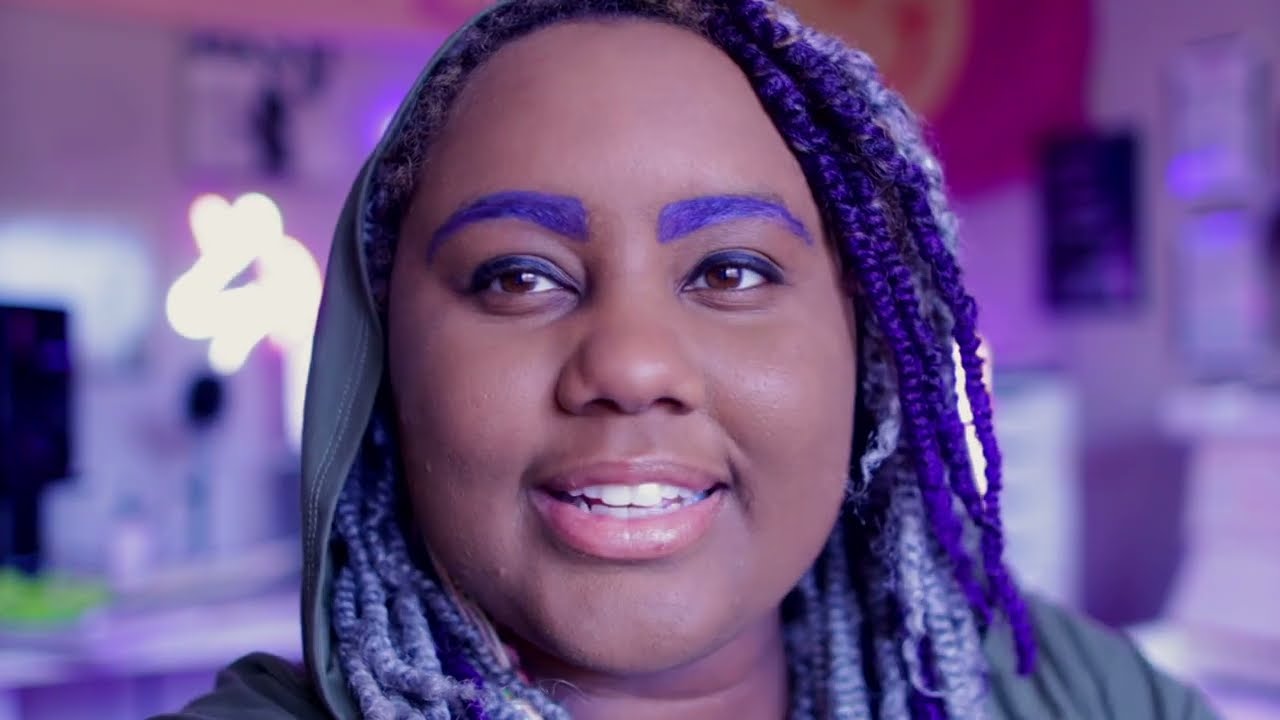


Imposter syndrome is a psychological pattern where individuals doubt their accomplishments and fear being exposed as frauds, despite evidence of their abilities; it affects approximately 70% of people in Western societies and is more prevalent among minority groups including disabled people, who face additional societal messages that they don't belong. The condition manifests through negative internal dialogue that can lead to poor mental and physical health, but can be addressed by recognizing self-gaslighting patterns and using positive affirmations to validate one's feelings and worth.
Understanding Imposter Syndrome in Disability Communities
Added:The general psychological definition and symptoms of Imposter Syndrome (imposter phenomenon), including chronic self-doubt and the inability to internalize achievements.
The distinction between the Medical Model of Disability and the Social Model of Disability, to understand how societal structures define disability status.
The concept of ableism and 'internalized ableism,' where individuals unconsciously absorb societal prejudices against disabled people.
The fundamentals of intersectionality, particularly how holding multiple marginalized identities can compound feelings of exclusion and fraudulence.
Practical methods for disability self-advocacy and requesting reasonable accommodations in academic or professional environments without guilt.
The study of Universal Design and systemic workplace/school reforms that reduce the organizational triggers of imposter syndrome.
The role of peer-support networks and disability culture in fostering collective resilience and deconstructing individual shame.
Evidence-based cognitive-behavioral strategies and therapeutic frameworks tailored to combating systemic self-doubt and marginalized identity invalidation.
79.5K views7.7Klikes10:32Original Release: 2020-07-21
hello lovely people that was a terrible joke and i'm not sorry about it today we're not talking about whether or not i'm the real jessica no we're going to be talking about whether or not i even deserve this space to talk weighty word deserve and whether you deserve to be listening to me i mean if you're finding it a punishment please do feel free to leave i'm not here to lecture you let's talk about imposter syndrome which 95 of people on the internet seem to have but in reality 70 of people in western societies and more specifically disability imposter syndrome which i really can't put a figure to since i'm trying to say disabled people who don't feel like they qualify as disabled people and thus aren't disabled people to be counted as disabled people who don't feel like they're disabled people yes we're firmly in a catch-22 situation hello actually i don't feel qualified to make this video or do i what even our feelings at this point what is imposter syndrome so what is imposter syndrome uh as defined by the journal of psychology imposter syndrome is a psychological pattern in which one doubts one's accomplishments and has a persistent internalized fear of being exposed as a fraud this manifests itself in individuals who incorrectly attribute the success to luck or interpret it as the result of deceiving others into thinking that they are more intelligent that they really are on their own internal metric regardless of outside testing i.e you could be the best in your class academically but still feel like you're not that clever and it's just a fluke it's the feeling that you don't belong here whether here is this office this house this stage this friendship group the time imposter phenomenon was coined in 1978 by dr pauline r clance and dr suzanne a ims in their article imposter phenomenon in high achieving women dynamics and therapeutic intervention they defined it as an individual experience of self-perceived intellectual phoniness due to outside influences the researchers investigated the prevalence by interviewing a sample of 150 high-achieving women all of whom had been formally recognized for their professional excellence by colleagues and it displayed academic achievement throughout high-level degrees and standardized testing scores however despite the consistent evidence of external validation these women lacked the internal acknowledgement of their accomplishments participants attributed their successes to luck and being overestimated by others researchers wrote that they believed the mental framework for imposter syndrome was laid down by early family dynamics gender stereotypes and culture effects of the syndrome are comparable to the symptoms of generalized anxiety characterized by a constant and unpleasant state of inner turmoil it was initially believed that based on clinical experience imposter phenomenon was less prevalent in men further research has determined this experience occurs in demographics outside of just high achieving successful women and is based more on an individual response to particular stimuli it has been argued that the rise of imposter syndrome in more modern times is partially attributable to social media and the easy flow of information within the last minute there are probably a thousand articles published on someone who did something that was amazing that's putting us all to shame and oh my god how can we even consider having a break and the way that we've been raised with the narrative that if we just try hard enough nothing is beyond our grasp and therefore if you haven't got to where you want to be yet then you're just clearly not trying hard enough and it's entirely your own fault just me there is also evidence that the feeling of imposter syndrome is more prevalent in black and minority ethnic communities as julie a dog it writes in her article for the huffington post imposter syndrome hits harder when you're black for people of color imposter syndrome isn't just an imaginary voice in our heads we receive almost daily messages from society that we don't truly belong it has been found that being part of a minority be that based in ethnicity gender or disability vastly increases the sense of otherness that propagates imposter syndrome if every time you turn on the tv or you go to the movies you look up to see people who look nothing like you well then subliminal message is that you don't belong that you aren't good enough and this is especially compounded by inspiration porn that's the time for the portrayal of people with disabilities that's inspirational solely or apart from the basis of their disability we can see it in effect with the only disabled person in the film being the nicest sweetest kindest person ever or a co-breaking savant or able to drag themselves up a mountainside despite having no legs oh and what message does that send to our young disabled people that if you ever have a bad thought if you're not a genius if you're not willing to go through excruciating pain to prove a point then you're just not worthy being here the trope can be expanded to race as well when the only asian character in all of the blockbusters that summer is jaw-droppingly clever what are we saying racism what is disability imposter syndrome disability imposter syndrome is more specific it isn't just about feeling that you shouldn't be taking a seat in the room it's feeling like you shouldn't be sat in the one marked disabled disabled people are not a monolithic group there are different groupings of disabilities yes but we also all experience our disabilities differently within these specific groupings this is due to our unique physical makeup and chromosomes just as much it is to our personalities and surroundings there are also varying degrees of disability obviously and many many types of disability that are not visible to the naked eye they're called invisible disabilities for a reason i have a lot of non-disabled people in my life who tell me that i do a lot and i've been through a lot and i'm really tough and i'm just like really because in actual fact i've only been as strong as i've needed to be for the challenges i've had to face i've lived so long with my disabilities that i don't have a good meter anymore do i do enough do i do too much what is the yardstick that we're measuring me by when i've never encountered a body like mine before and is it even okay to say that i do a lot for a disabled person is that good wait is that insulting what even is a compliment anymore don't get insulted on my behalf though because it's generally said by people who know me really really well and they do genuinely mean please stop pushing your body now i can see the strain that it's under thanks fun fact my wife wants to book a holiday what that means to me is not making videos for a week so you can spend all of your time on the other project that you have to do instead i'm not great at taking time off i only take breaks when i get ill so i have to go to hospital this should probably do something about that noted but i'm not as bad as i once was and i'm not as ill as other people are so am i an imposter am i allowed to take time off to do things i genuinely enjoy playing the sims have i earned that when all of the disabled or chronically ill representation we see in the media is about someone achieving or overcoming that it's hard not to feel like oh yeah we really should how many films are there where the protagonist is gravely wounded and yet soldiers on how often in war films is someone lauded because they dragged themselves despite being in terrible pain through an awful situation in order to help others and we talk about the courage of that in real life too so-and-so had a broken leg but they still went up that mountain but what does that mean for people who lead a life with a pain in their legs so bad it might as well be broken if we're not achieving we're not pushing forwards why are we even here and why do i need external validation to tell me that disabled people are allowed to have a lazy day too because so much media tells me that that is all we do how it manifests for me perhaps in some way it's also a defense mechanism it takes until i have a big injury to remind me that i'm weak it takes until i miss my pills by an hour to remind me i have chronic pain it takes until i'm faced with a piece of paper that to me looks entirely new but apparently i sign every month to remind me that oh yeah my memory problems are really bad and then imposter syndrome asks when the man at the airport says can you walk a little why i'm not putting myself through the pain of walking the whole way ugh imposter syndrome makes us become our own aggressors as we clog ourselves with negative internal dialogue that then results in poor physical and mental health it's just too easy to believe the lies that your brain tells you because it's your brain you don't have much of a choice but to believe it but that doesn't have to be the case you can learn to recognize your own internal gaslighting ghost lighting is a form of manipulating someone by psychological means into creating a cognitive dissonance that has them doubting their own sanity so let's all unlearn our conditioning here are some signs that you may be a victim of your own internal gaslighting minimizing your own problems wondering if other people think you're lying about your struggles putting others before you even if it's debilitating constantly being worried you're wrong heightened anxiety feeling insecure your brain may say things like oh other people have it worse than me so i shouldn't feel upset at all i'm being too dramatic am i making this up i shouldn't be so emotional about this oh i'm not actually sick enough to be diagnosed with this is my fault i know they love me but i'm a burden to them does that sound familiar to you well it probably does to a lot of other people watching this video too maybe it's even a crutch a mode of survival at this point it's okay we're going to unlearn it by tricking our brains to the really cute mirror it's okay your mirror doesn't need to be this cute when your brain spits one of the bad phrases at you we're going to throw one of these at it instead my feelings and emotions are valid i know you probably feel really stupid but just go with it other people's struggles don't invalidate my own my perception is real i'm allowed to be sad just like i'm allowed to be happy i can question my body i am worthy of love and i am worthy of rest i don't need to be amazing all the time i'm good thanks you can shut up now you can say them out loud or you can write them down whatever feels most comfortable for you i mean you'll probably feel really really strange at first especially since your brain is trying to tell you the opposite but eventually you'll see the truth in what at first feels like a lie because you are enough it takes time to recognize when you're gaslighting yourself and even more time for you to start effectively combating it but it works ask yourself where this is stemmed from and what messages from outside your internalizing and then throw them in the mental bin my darling you are enough you do not need to be special you do not need to be extraordinary in order to have the right to exist just come as you are for you are very very welcome here and i will see you in my next video [Music] you
Up Next

17:28
The Psychology of Impostors: Identity, Deception & Society | TEDx Talk
@TEDx
290.8K views•2013-05-23

68:32
Cognitive Skills for Differentiated Instruction | Teacher PD
@BrainWareLearning
631 views•2017-12-17

9:55
Thinking, Fast and Slow: Daniel Kahneman Animated Book Summary
@FightMediocrity
2.3M views•2015-06-05

6:40
The Nocebo Effect: How Beliefs Can Cause Real Harm
@CGPGrey
10.4M views•2013-12-23
Related Study Plans & Knowledge Roadmaps
Structured learning paths in Psychology
psychology
Neuroscience of Creativity: Networks & Training
01Foundations of Creative Cognition
02The Cognitive Neuroscience of Insight & Fixation
03The Triple Network Model of Creativity
+ 1 more learning modules
15h4 modules
Explore Roadmap
psychology
Imposter Syndrome: Etiology & CBT Framework
01Defining the Imposter Phenomenon
02Socio-Developmental Etiologies
03CBT Fundamentals & Thought Distortions
+ 2 more learning modules
15h5 modules
Explore Roadmap
psychology
Adult ADHD: Executive Dysfunction & Scaffolding
01Neurobiology of the ADHD Brain
02The Core Triad of Executive Deficits
03Executive Dysfunction and Emotional Regulation
+ 2 more learning modules
12h5 modules
Explore Roadmap
psychology
Loneliness: Evolution, Neurobiology & CBT
01Evolutionary Origins of Human Connection and Loneliness
02The Neurobiology and Physiology of Chronic Loneliness
03Maladaptive Social Cognition: The Psychological Loop
+ 2 more learning modules
12h5 modules
Explore Roadmap