






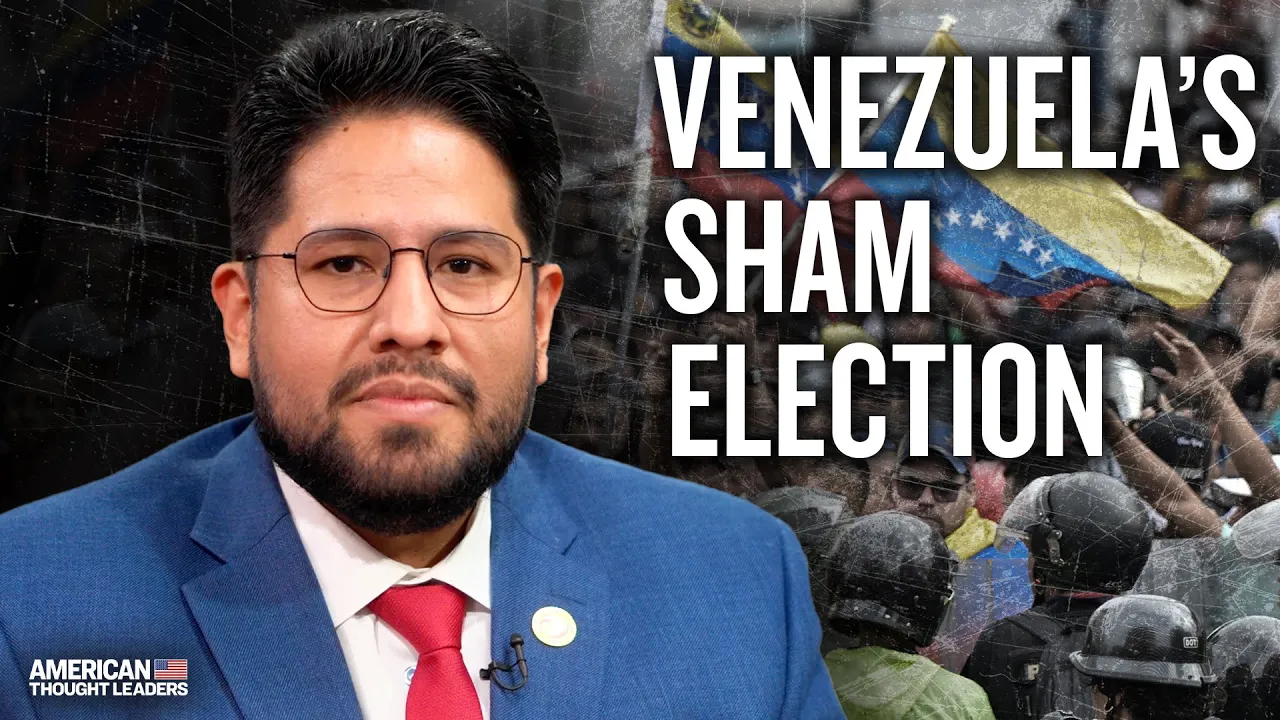










Brazil's democratic institutions have been systematically undermined by an overreaching Supreme Court that has censored journalists, revoked political rights, and manipulated elections to reinstall leftist leader Lula da Silva, while simultaneously strengthening ties with China and Iran through BRICS, representing a global trend of judicial overreach and anti-American foreign policy that threatens Western democratic values.
Brazil's Judicial Corruption: A Warning for the West
Added:The principle of Separation of Powers and the traditional role of an independent judiciary in a constitutional democracy.
A basic overview of Brazil's modern political history, particularly its transition from a military dictatorship to a democracy in 1985.
The concept of 'judicial activism' versus 'judicial overreach', and how courts can exceed their constitutional boundaries.
The geopolitical framework of the BRICS alliance and the strategic interests of China and Iran in Latin America.
A comparative analysis of the Brazilian Supreme Federal Court (STF) and the US Supreme Court regarding jurisdiction, unilateral power, and constitutional limits.
The study of 'lawfare' and democratic backsliding, examining how legal systems can be weaponized globally to suppress political dissent and media freedom.
An investigation into modern censorship debates, specifically analyzing how governments pressure tech platforms and social media under the guise of combating disinformation.
An exploration of asymmetric warfare and foreign influence operations (specifically Chinese and Iranian) targeting democratic institutions in the Western Hemisphere.
182.6K views4.3Klikes54:42Original Release: 2024-01-29
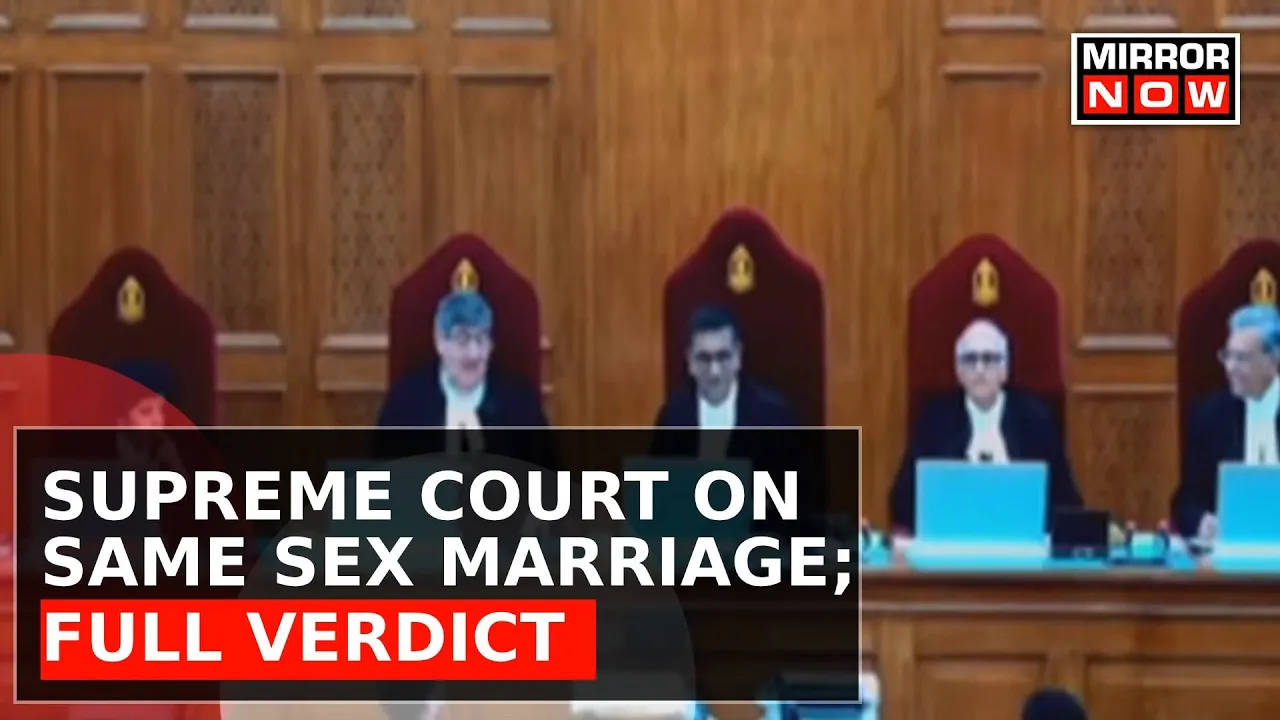
[Music] Paulo figaredo is the grandson of a former president of Brazil and was Brazil's most popular journalist until the Brazilian Supreme Court declared his reporting misinformation and canel his passport froze his bank accounts and suspended his social media he says that leftist ideology anti-americanism and Iran and China's growing influence inside Brazil are a threat to the entire Western World this is a warning that Americans need to start paying attention to what is happening in South America before it's too late I think when most Americans think about Brazil they think about soccer amazing food meat uh and probably the carnival but now we're starting to think about Brazil as political turmoil and some danger emerging even towards the United States so I wanted to bring you in to talk to you about what is is happening in this huge partnering nation of ours and what should Americans know and contemplate as things are changing in that region tell us a little bit about your background your grandpa was obviously quite famous um and it's pretty amazing to hear that somebody who is the grandson of a former president of Brazil now doesn't feel safe living in Brazil but chooses to live here in the United States of America thanks for having me yes I come from a family that's very traditional in Brazil of patriot uh my my great-grandfather was the General that fought against jatu Vargas which was the dictator of Brazil he he started a revolution against the fascist dictator and he lost and he was a political prisoner for years that was in the 30s many years later in the 80s his his son became the president he was the last military the last General that um was the president of Brazil he was the one that made the transition from the military government towards full civilian democracy and a lot of it was because he was persecuted uh his father was persecuted so was a son of a political almost Refugee it's bad that Brazil you used to think all about all these good things about Brazil and now you think about what's going on and I think what we're facing now are the same challenges that the United States and most of the western world are fac facing but just with institutions that are not as strong and and so we're facing it in a harder way I want to get to know a little bit about your your your family and you more do you remember your grandpa and did you have a relationship with him what did he stand for was he conservative was he on conservative was he was very conservative with all the conservative values and uh yeah he he died when I was 17 so so he died when I joined when I when I got into a journalism school and he hated journalists for a good reason um although the Press wasn't as bad back back in his time as it is right now but the last thing was him being disappointed that I was becoming a journalist and uh but he was very influential in my life tell me a little bit about the history of what has been happening recently in Brazil why is it my impression that there is complete political turmoil describe a little bit what happened with bolsero and Lula and um this very visible corruption sure uh so it was interesting because after my grandfather left office all the civilians that came after him were from a type some flavor of the lefts they were all leftists so you had in the beginning sah and then you have Fernando cardu Who was the the present in in the mid90s until early 2000s uh for two terms very was George Soros guys guy in Brazil the professor of sbone very uh I would say the sophisticated European left and then you had Lula which was always since since the 80s my grandfather actually arrested Lula um in the 80s he was a union leader and very Marxist very stalinist in a way uh old raw communism you know um very nationalist which is interesting and but Lula when in 2002 Lula hired a a marketing expert H that changed him completely he started wearing nice suits drinking sophisticated wines and he signaled to The Establishment that he would be more moderate and that's how he got elected and he he was elected and he was extremely popular because at at the same time he fulfilled everything that the this establishment more sophisticated left wanted but also he was very populist in the sense that he started very successful programs and and Brazil was facing a good moment in the economy because of the the the way that the world was set up when was that and that was uh early 2000s from 2003 the Lula took office in 2003 and then he left in 20 12 so would you say that his first term he was you know pretty popular and generally successful popular very popular well remember Brazil is a commodity producer and that was the time that China was booming so China D really needed Brazilian Commodities and and so because of that Brazil had a lot of money and instead of using that money to pay the debt and or invest in infrastructure they used to create a big government with the big social welfare program and and that was elect Charlie very successful so Lula made his successor which was a lady called Duma rusf she's now the president of the bricks Bank um and she she did one term and then the economy started paying the price for the policies that Luda Lula started because they started spending so much and once the world economy was not doing so well the Brazilian government ran out of money also the corruption reached levels that was unimaginable so the whole purpose of the Brazilian government at one point all the Brazilian public companies the Brazilian government was to generate money for the Socialist Workers Party in Brazil and we're talking about billions and billions to the point that the operation car wash started uh investigating what was going on so in in I'm talking about 20 2014 2015 operation car wash started investigating corruption and at the same time Duma was facing political problems because the economy was doing very badly Brazil was in the worst economical crisis in its history because once she couldn't um buy out all the politicians to support her she started losing support so she ended up being impeached in 2015 can you explain what is operation Car Wash and how is President Lula connected to it sure operation car wash started a small operation investigating um some Dollar Deals in the south of Brazil but then it became a huge thing because uh they used a very interesting method inspired in what happened with the the Clean Hands operation in Italy uh so they started getting people arresting them and making deals like the prosecution making deals with them so they would appoint other people that were involved and then they would arrest these other people that would appoint the people that were involved in the top and and he went all the way to arresting Lula for corruption he was actually um convicted in Brazil has a weird system uh with four tiers okay it's not like the US you have the the the first degree court and they have the appeals court and Brazil has four degrees um so so Lula was convicted all the way to the third degree um by a penel of Judges twice for corruption these people who came after Lula and convicted him who are these people and why did they come after him it's interesting because these people are mostly from The Establishment this is why I don't understand yes they're from The Establishment uh but they're from the remember I told you about the like f the other flavor of the left uh more globalists more educated and they were tired with the corruption and inefficient of the Lula government and so they decided Well it's time for us to go back to what we had with fiki so not exactly that but a flavor of that I I can't say they only had bad Mo motivations I think maybe they they had a sense of this country is going in the wrong direction the problem is that in this process they dis respected the due process of law completely at one point they were doing illegal wire Taps they were uh torturing mentally and in some cases possibly physically the prosecutors people uh and they use methods that that were just bad Lula for example I think it's my opinion A lot of people disagree with me but I I don't think he was properly convicted I I think the Supreme Court found an excuse to take him out of prison so he could run for office to the point that from a legal perspective I understand that the argument that they made was correct that Sergio Morrow was not the correct judge to try Lula what was he convicted for he was convicted for corruption he uh he got money from uh construction companies in Brazil while he was President while while he was President yes and so they basically took him out he was sent to jail but then they said that the process that they sent him to jail through was actually flawed and they pulled him out of jail cleaned his record and had him run for president again is that right that that is correct what happened was that um so the left the The Establishment got rid of Lula they got rid of Lula because they said we want to go back to the the way things were with the other flavor up the left so the problem was the world was not the same with social media and this National populist movement uh people were speaking the media lost the Monopoly of of the facts uh the spiral of Silence was broken I like the way that Andrew claven says Donald Trump was the Godzilla of uh of the crazy experiments that the left made the monster the Godzilla came up bosar was a Godzilla from Brazil the no one ever expected that he was going to win and he won and we had the the these guys that got rid of Lula they were like oh this is not what we wanted so at one point the same people I'm talking about the mainstream media the judicial system the prosecutors the establishing the financial Market the same people that got rid of Lula tried to find someone that could defeat bonaro because whoa this is way worse this is way worse than what we had well so who can defeat bolsonaro so they tried the third way that's all they call was like so they they tried several third W candidates that was not bonaro and not Lula but the problem is none of them have votes um so they had to find a way to reestablish Lula as a candidate and Lula brought a vice president that's from that same faction globalist faction from the left was the former Governor of s Paulo who was his his ran against him in 2014 I believe or 2010 but now he's the vice president so the guy that ran against Lula representing the more right is now Lula's vice president that's how big the establishment is in Brazil so they rehabilitated Lula and the same media that used to call him a grook started saying that he had clean records the same Supreme Court Justices that badmouth him said he he had a perfect record and now they're now his friends so that's that's what happened and then he he got back in power with an election that was that favored him the the whole process in so many ways I couldn't describe what was told to Brazilian citizens who knew that Lula was first sent to jail how are they convinced that did they say oh this was a huge mistake or there was corruption that they throw someone under the bus like how do you take somebody from being a villain to being the next president is it just constant media brainwashing like how did they do that the Media Matters way more in Brazil than it does here it's way more influential in Brazil than it is here the mainstream media here in the US I think the process of them losing The credibility completely is almost done no one trusts the media and and the polls show that right so the media has a lot of importance in Brazil and uh they openly campaigned for Lula that was one side the other side is that the Supreme Court um bluntly censored anyone that said anything bad about that sounds actually familiar yeah I was telling you I think Brazil and the US they have the same virus and the virus comes from the United States I I joke that the Americans universities are the one lab they come bad ideas with bad ideas they come up with the virus uh but in Brazil for example instead of having the uh FBI telling people from Twitter that they shouldn't publish a story or Mark Zuckerberg because it's Russian disinformation in Brazil was not like that in Brazil I was on TV on the number one political show on prime time and I used to have orders saying the Supreme Court decid the Supreme electoral Court Superior electoral Court decided that you can't talk about this for for example this is a real thing I couldn't say on air that Lula was unconvicted of corruption because he was never found not guilty he was he was convicted and he was unconvicted so we used to play with that language but then the superior electoral Court decided although that was true we couldn't say it because it was going to mislead the public you had a massive media presence in Brazil which they took away from you was that basically the consequence of you speaking out against the regime I mean what what was the consequence for saying the things that you were not allowed to say well I was doing the number one show the number one political show in the country on Prime Time and uh we had more viewers than CNN and Global and all AUD stations combined times two like what are those numbers uh two million people watching my show every day so this is similar to like Tucker Carlson used to have here in the United States so this was the show and in during the elections I started dealing with a lot of censorship coming from decisions in the court and they said that was temporary that was just to guarantee the election Integrity sounds familiar so it was just temporary but they would reestablish after elections all the freedoms so after elections it didn't happen at all because we started questioning the process of election and the transparency of the process in Brazil the courts decided we couldn't talk about it in the US immediate said well it's the big lie uh we shouldn't talk about it uh it's bad and all that but in Brazil it was not like that at all you couldn't so for example on December 30th of 20122 actually um the court decided that they canceled my Brazilian passport they froze all my bank accounts and Assets in Brazil they blocked my social media which uh only my Twitter had 1.4 million followers my YouTube channel has 1.1 million followers and uh they also issued a fine for every time I said any fake news although there's no legal definition what is a fake news and I believe to the best of my knowledge that I've never said anything fake in my life and on air in the next following two weeks the Department of Justice opened an investigation against my the TV station that I worked for and threaten them to cancel their concession in Brazil TVs are public concessions so they had to fire all the conservative commentators all of them and it was not only me and this is all on the grounds of fake news they claim that you provide misinformation and then who is the they this is the Supreme Court Supreme Court well Alexandra is the right now the def Factor dictator of Brazil the Supreme Court Justice the justice so the Supreme Court and Brazil has more power than the president the more power than anybody and they brag about it recently they they had this little clash with the Senate and they openly said on air that we brought Lula to power so we deserve some credit the app one one of the Supreme Court Justices and I'm quoting him literally he went to a student um meeting dominated by the left and he went on stage I'm talking about Supreme Court Justice and he bragged about it he said we defeated bolism which is like trumpism yeah bolism it's like we defeated we they brag about it um they say that by doing that they save the Brazilian democracy so is was all in the name of democracy does that sound familiar well it sounds familiar only a way worse nightmare because it sounds like the Supreme Court controls all the media and basically tells what what is allowed to be shared and what isn't allowed to be shared and if they don't like it they'll just take you out so well most of the mainstream media agrees with them they don't have to to control them because it's the same ideology they also agree that I need to be censored so B let's talk about bolsero for for a minute so sitting here in the United States I heard the worst things about President Bolero you know he allowed people to die under covid there was a lot of you know a lot of news came way uh in preparation for our conversation I went online um and I was looking for podcasts that can explain to me what is happening in Brazil right now and virtually every single one of these podcasts that I would stumble upon would say something like thank God Lula is back a victory for democracy as in thank God we got rid of bolsero and so I I am wondering what is the truth about bolsero can we even have access to it was he so horrible or did the media do do to him what the media has done to Trump it's the exact same phenomenon uh with the difference that United States has a more prominent conservative media and Brazil has none so anything you read about bolsonaro in the newspapers is garbage and it's weird because I criticize bonaro for a lot of things and they call me a Buist and I was like no it's I defend him because everyone is so unfair to him that I have to step and defend him most of the times from lies but I don't agree with all his policies we have very a lot of differences in the way especially in terms of strategy for the country but the media is they lie so much what they've done with Donald Trump and with bolsonaro it's unprecedent in the history of Journalism because the media was always biased it was biased in the time of my grandfather and he used to complain a lot about it when you look at the numbers now it's not like there's a difference off 10% in the good coverage versus bad coverage no it's not now if you look at Trump's numbers is 5% of good coverage and 70% of bad coverage and the rest in the middle that never happened in the history of the of Journalism and that's exactly what's happening with bolsonaro so bolsonaro's ideas he didn't control policy for covid because the Supreme Court of Brazil decided that the states had the power to decide their policies although the constitution in Brazil doesn't say so like it does in the US but the Supreme Court stepped in and decided no the governors are going to have the power to decide the policy so bonaro never implemented the policies that he wanted most of them but if you if you would they would be very similar to what we're on the sentence that in Florida and I say that because I live in Florida so I know for a fact and I I think everyone of the country now agrees that Florida way except your Governor Gavin newon I believe everyone else agrees that Florida did way better than most States in in the United States what are things that people were happy with bolsero when he was uh president over there obviously not the left but you know people like you on top of the media being very dishonest with about bolsonaro he was not great in the way he dealt with the Press some uh some phrases some quotes were unfortunate it's like um and and um and people got tired of it a lot of people got tired of it as as they did with Donald Trump here people would complain about Donald Trump's tweets and Brazil was more bolsonaro giving interviews but what about his actions I mean here I think people were very upset with the way Donald Trump tweeted or spoke but they were pretty happy with you know his policies well it's the same with Brazil bolsonaro left the country with the country growing uh with uh the the the public uh accounts that treasure he was doing fantastic better than he did in many many years unemployment was going down Brazil had a in in the in the pandemics in 2020 and 2021 and 2022 Brazil did actually way better than most countries uh Bonar stepped in with a program to save companies and to create a base income for people that was um that were staying at home and people like that a lot I think what people liked about like bonaro is that he's authentic I met him like Donald Trump I met him a lot in person I met him I know how he is uh on TV he's the same person same thing with bolsonaro they're very different among themselves but bolsonaro I know him personally fairly well he's the same guy that you see on TV and I think people sense that authenticity uh also he shared the values of the majority of Brazilian population Brazil is a the population in Brazil is conservative inv values we're a Christian country we're more Christian than America we're uh in percentage of population we're majority of the population is against abortion majority of the population is against uh any any type of legalization or liberation of drugs majority of the population in Brazil believes in the family biblical family so it's a it's and B followed all that and I think a lot of people like that where is bolsero living now has he been chased out of the country as well no he's living in he tried he came to the United States and he spent four months here and uh Senator Bob Menendez who's now on the news he uh he he I think he passed a resolution in the US Senate uh asking that he would be extradited or something like that but they threatened him of being extradited to Brazil although he wasn't being uh sought for any crimes but he went back to Brazil and he lost all his his political rights in four months they decided that he could not run for office anymore so they and they open he's like I don't I don't even know how many indictments against him he's facing but the again the same thing as they did to Donald Trump right but a lot stronger because the immune system of Brazil is is worse so I believe if they could U make Donald Trump lose his political rights and become an electable they would and they did that with t BOS I like that and sh was the lead guy behind that you know it's amazing as you describ this power of the Supreme Court in Brazil uh where you have a dictator who gets to control the institutions gets to control the media the news uh gets to control who gets to even run for reelection you know it really begs the the question of can Brazil survive this if you have a situation where there's effectively no freedom there's no political freedom and that's what faces the country now the most people are just they lost their hopes and what I think the M's election in Argentina that shows hope that shows we can defeat establishment they're not indestructible Argentina did it and the United States I believe will do it and I think we can do that in Brazil as well and a lot of that has been done by journalists like myself who are in the United States and we can still speak freely because of thank God First Amendment right well you talk about the power that the courts have and I I want to focus on that for a minute because I remember going to college here in the United States thinking well the courts will solve the issues right like we we'll go to court we'll get a fair trial and now you're seeing the left trying to pack the courts in the United States you're seeing places around the world you can bring up Israel they almost went into a civil war over giving more power to the courts or taking away power from the courts um and so Brazil is this example where the courts have so much power power I don't know if there are term limits in the Brazilian Supreme Court but you have somebody who is not an elected official who has this kind of power plus you can't get rid of them I I think it's a it's a stark warning to the rest of the world that you may think that you're living in a democracy where you can you know vote for an elected official but if the Supreme Court is in a place where they can control everything you don't really quite have the right to vote for anybody in particular not only the Supreme Court but all the courts I think the of the virus that I think Americans universities are exporting the juristocracy virus is one of the worst the transformation from the Democracy the government from the people to the government from the jurist juristocracy from the the the non-elected bureaucrats yes and that's what's been going on it's the same virus uh but in Brazil we have the Supreme Court that is all powerful in the US the U the the Supreme Court only looks at 100 around 100 uh constitutional cases in Brazil the Supreme Court has a right to look at any case there's no uh they don't have to confer CS to uh to any case you can't you will any case any issue can be heard by the Supreme Court so they step in on every subject they want and it's even worse because right now most of the probes they investigating the right in Brazil which is supposedly the one that I'm I'm being investigated under they were created by the Supreme Court there's no Department of Justice the Supreme Court they say they are the victims they open that because they say well people were spreading fake fake news about the Supreme Court so they're the victims they're also the judges because they're overlooking all this and they're going to try all this and also they are the investigators and the accusatorial system system it's it's gone in Brazil they're doing all that themselves and they decided that that they could the Constitution clearly says they can't do it but they decided they can and who are supposed to say what the Constitution deter they interpret it too yes they get to interpret that's unbelievable and I think the part of that because we all imported the system the great system that the American founding fathers imagined but they never thought that this way of interpreting the laws this living Constitution this social justice interpretation they never imagined that this would exist and that's why every country in the world is facing a problem with the judicial system The Establishment noticed that they can well they can circumvent the Democracy the process the leg let's say you want abortion okay well one way is well you pass in a bill and and turn into a law Congress house has to approve then he goes to Senate and then the president has to sign up and and then what you need all this discussion if if it's in a constitutional amendment you have to be ratified by the states this is a nightmare it takes a lot of time you need to have control of a lot of the moving parts and that's exactly what the founding fathers of this country wanted but the elites notice that they can circumvent all that and with a bunch of Judges they can decide Pro abortion this is exactly what happened in the United States in roie way and and this is a great way of avoiding going through the system and that's the problem the whole world is facing right now you mentioned the United States exporting bad ideas as a mom one of the worst ideas well yes but as a mom one the things that really worries me that we're exporting here from the United States is this whole transgenderism movement but coupled with intersectionality and Dei is that something that you're seeing in Brazil as well yes it spreads through the media and through Hollywood mostly and the Academia as well so you immediately see subjects that are not even familiar to Brazil being spoken so for example someone got on the street and in in the main uh Street of Main Avenue of s Paulo and wrote black lives matter and that doesn't make any sense in Brazil but Brazil never had segregation Brazil never had any racial issues everyone is integrated we're all we don't even actually have racist but they start repeating the same things that they hear from the United States so and the same thing with a transgenderism those was the Brazilian culture is so against that and you see that because all Latin cultures are against that the the the Latinos come to the United States and the Democrats are being crushed in some states because of their crazy woke policies including that and still the media talks about that all the time we now have a transgender Congressman uh the global which are the noas out Hollywood talks about it all the time so it's a subject that's so weird for the general public but for the elites it's a a way of signal virtue is it is this associated with the left in Brazil as well as it is here it's it's it's a leftist kind of mentality yeah the right right break down of the family and and the upside down World which is part of their plan yeah globally speaking right well speaking of globally I want to bring up bricks sure uh because I think this is where it becomes quite concerning for Americans so maybe you can explain bricks a little bit and also what's imminent January 2024 the bricks Nations have invited additional Nations to join Iran is one of the countries that might be joining in bricks and then my understanding is Argentina is rejecting the invitation because they're probably sighting with the United States in the west with with Javier M but give give a little bit of background about bricks and its significance in the world what I think is interesting is that uh the financial times published published an article earlier in 2023 saying that uh the bragging about how the US government and Department of State metal with Brazilian election to guarantee that Lula was elected uh and it was very weird they said even the CIA putting press this is the financial times not some crazy uh conspiracy theory uh saying how much the United States wanted Lula to become president the Biden Administration and I always it puzzled me and I've been asking this question around in the United States a lot did they do that because they're stupid or did they do that because they hate America and I I'm getting mixed and ERS no one knows but the fact is that once Lula got elected he immediately started anti-American policies bolsonaro was the most pro- United States President we had since my grandfather who was a personal friends of Ronald Reagan uh bosar was the next one that was Pro United States all the left in Brazil hates America and it's a it's it's a very Latin America thing the Anti-Imperialist that's how they call you see the same words of from from gu Chavez or Maduros and Fidel Castro and and Lula it's kind of like anti- United States they see America as a colonizer is that what it is yeah they it's it's a it's an old idea from the Soviet Union that permeates the culture on the left in Brazil so they're very much against the United States so they want to oppose the United States a lot in any way they can so mle is now sighting with the United States but well the the previous parist they hated America same thing in Brazil Lula is bolsar was Pro America Lula is very much anti-america and the bricks is just a way of hurting the United States so the bricks is not really a thing it's not really an an institution it's just a group of people that meet with the bank uh that was that is funded by China but the main thing about the bricks is it it is a way of agreeing to not do trade for example in US dollars so the main goal of Lula now and Lula already signed 15 treaties with China's and took cus uh probably more now the the reason why the bricks can't bring India and China on the same table countries that have different interests that the only thing that everyone agrees Russia China India is that the power of the United States needs to be undermine they believe in a more multi- polar world and Lula is becoming cozy very cozy with China because on top of everything China brings a lot of money that's good for corruption can you describe what that relationship is like between Lula and the Chinese are you seeing more infrastructure investment from China uh you know what are the things that are are happening to undermine the United States as well so currently Brazil is discussing well first of all China is already very influential in Brazil and they've been able to become influential even under bolsonaro's um Administration they they won a lot of infrastructure uh contracts they they're have their influence on the media is unbelievable they finan most of the Brazilian media groups they have agreements with them they own members of congress with bribe so the Mayor of Rio the city that I live right now he when he was the mayor before and I actually worked with him in the past was a very smart guy but when he left office he became the chairman of byd which is a Chinese electric car manufacturing company which is actually belongs to the China communist party like most companies behind the scenes and he was now he's the Mayor of Rio again he was law based for byd and now he's the mayor of the most important arguably um city in Brazil so they they their tentacles in Brazil are huge but with Lula bado tried to create some barriers the 5G self phone uh contracts in Brazil bolsonaro tried to stop this not completely successful but he tried to stop huwei from from uh winning these contracts uh he he was only partially successful because he ended up winning a lot of it and we all know WWE is a facade for spying that the Chinese Communist Party uses to spy on people around the world with Lula they can do whatever they want now the Chinese the Chinese they can do whatever they want Lula seized China as uh the alternative to the United States to the point that for 150 years the United States were the number one commercial party of Brazil and then Lula on his first term during his first term China became number one and now China does almost twice as much Commerce with Brazil and a lot of that is because of the incompetence of the Department of State because think about it what's geopolitics so Claus VDS used to say the politics is uh the the war is politics it's the continuation of politics right that's what he used to say the Prussian General and geopolitics is pretty much you preparing for a global war and what do you need in a war you need people to fight the war you need food for these people you need iron for the war machines and you need energy so Brazil brail is the sixth largest population in the world Brazil is the fourth largest food producer in the world Brazil is the number two iron ore producer in the world and Brazil produces more energy than most opap countries and dominates nuclear energy technology the Chinese understand that the importance of of Brazil from a geopolitical perspective The Americans don't see they do do you think Americans are retreating from having a stronger relationship with Brazil is there something that you think the us could do or should be doing in order to strengthen that important relationship of course there's Brazil is culturally the one of the closest countries to the United States we all share the same values in general we all share the same culture in a weird World um where all the cultures are different from America right now the Chinese is completely different Indians very different uh Middle Easterns very different the Africans very Brazil is we watch the same movies and that's how America was always the good guys in the movies right P before Hollywood turned crazy uh but culturally Christians we have a presidential system that's very much copied from the United States so we're and the US can have everything so in this disc coupling process that the United States is doing with China I think one lesson that the world learned is that doing Commerce with China is not the same thing as doing Commerce with uh the United Kingdom or Brazil people that share your values it's not the same and I think the United States could do a lot of more a lot more with Brazil well say you want your pharmaceutical companies to be in China or do you want them to be in Brazil they could be in Brazil we have the technology we have the people and have all that and I think once we have an Administration in the United States that loves America that want the best for the American interest they should look at Brazil as a as a possible partner and I hope Lula will be gone by then two holes on both sides that's part of the problem what about Iran uh what is Brazil's relationship with the Iranians and if the IR Ians do come to the table which they seem like they they are joining bricks and what does that look like are the Iranians having a strong influence on the Brazilians now well we had the Iranian ship docking in Brazil uh earlier in in 2023 and being resupplied because Brazil let them um the Brazilian government let them and they even threw a party on the ship it was weirdest thing in the world uh but also Brazil inviting uh Iran and that's that's all part of the anti- United States policy more than anything even the position against Israel is primarily a position against the United States so the stronger guy the the most important guy on Lula's foreign policy let me call it Lula's Anthony blinkin uh he wrote the preface off a book uh exhorting the political importance of Hamas a go called s the political importance of Hamas yes so L it's it's not new the position of Lula anti-israel is not new so the Lula's party was always openly against Israel in Pro Palestine whatever that is and that's where Brazil stands now the foreign policy of Lula's Administration is a disaster most of his policies are economy is not doing well Brazil in20 is expected to grow to grow um 2 and a half to 3% any in in 2023 which you would say wow this it's good no no it's because the Agro business which the crops and all the the meat and all that prod production in Brazil is going to grow 15% and they represent 30% of the country's economy B Lula is very hostile to the Agro business in Brazil so the rest of the countries the manufacturing the service the con destruction everything is going down the drain what is your reaction to what is happening in Argentina right now so you have a neighboring country that is pretty much taking the exact opposite on virtually every single thing that uh president Lula is doing in Brazil what do you know about Javier Malay and and his intentions well I think his intentions are great because the argentinians had enough I hope we don't reach that point because what we in Latin America what we look at that we look at Venezuela and and that's a destination we don't want to reach disaster it's a disaster and every country and people in Brazil say we don't want to become another Venezuela they know they know they know Brazil received I don't know hundreds of thousands of refugees from Venezuela so we know the problem is and Argentina was going that way very fast right now Argentina has 150% inflation right now Argentina has roughly half of the population under the poverty line so they're starving literally and with all that it looked at one point that they they were going on the Venezuelan way so we're all going towards Venezuela Brazil's here Argentina's here because Argentina was a great country before the left they were very important now Argentina is almost irrelevant to the point that Argentina is 1/4 of Brazilian economy it's the state of s Paulo is same size as Argentina in every possible way you can imagine they're way less influential in South America so the country was really in a bad trajectory towards Venezuela and we look at that and we say well if they can do it maybe we can change our route as well our course and maybe we can stop us from becoming a Venezuela was like a step Brazil Argentina Venezuela and and the problem is that I think mle is going to face a lot of resistance from The Establishment but the establishment is way stronger in Latin American countries than it is in the US how are the Brazilians looking at Argentina right now are they saying okay this guy is crazy uh let him ruin Argentina or they saying we kind of wish we had somebody like him saving us I think we have both I think the left and and don't get me wrong there is although I don't think Lula won the election fairly I'm not sure there was fraud I'm sure it wasn't fair and there was no transparency but you I'm not part of the people that said well Lula had no votes they frauded everything I don't believe that I don't believe that was the case I do know that Lula has a lot of votes a lot of lectures um and I think they are not happy with mle Argentina but the majority of the country slightly is looking at M with hope and we're all curious as well to see what he can do right any final words of hope uh specifically when it comes to Brazil and this important relationship that Americans need to have with this massive country south of us I think there are two important things the first important thing is Americans need to start looking at Brazil because Brazil matters a lot and I'm not saying that because I'm Brazilian I'm saying that because I live in the United States this is my country the country of my two daughters so if we want a safer World in where the Americans interests uh Prevail we need to take a closer look at Brazil if we don't the Chinese will this is the first thing the second thing is look at us because we're not that different in a sense that anything that happened in Brazil can happen here so what right now we have roughly six or five Supreme conservative originalist Supreme Court Justice what would you think it would happen if the Democrats could pack the court or these guys are going away sometime do you think your court would be that different from us look at New York look at Alvin Bragg look at all the George Soros uh prosecutors that you have around the country so we're not that different your media is just as bad as ours your universities are gone Hollywood be became a place of Madness the Democratic party is becoming completely radicalized it's not moderate anymore so and the freedom of speech is still holding in this country but not that much thre by a thread by a thread and Americans go if America goes down it's gone I can't go anywhere there's nowhere else to go that's that's why we have to fight the First Amendment needs to be sacred in this country we should never negotiate Free Speech because once free speech is gone everything follows so and that's why they're attacking free speech in Brazil yeah more than anything so you have the First Amendment and if the First Amendment Falls all you have is the Second Amendment and we don't want that there is a movement within even the conservative right that is very focused on just America you know Build That Wall sure secure the borders Focus inward you know protect our constitution but don't get involved with other Wars or other issues around the world and I don't think we need to get into the issue of is Israel and Ukraine and some of the you know actual Wars that are happening right now but when it comes to the topic of Brazil for example what is the risk that you see in isolationism because it seems like China is taking advantage of The Narrative of isolationism and they're kind of saying well if America wants to retreat and leave a vacuum we'll happily step in and take over and you know do do a little bribery and a little investment and you know really take advantage of us retreating can the United States survive with an isolationist mentality I wish the two of us could even sit with somebody like Ronald Reagan and ask him about that because I think he had a vision for understanding what communism and Marxism is about a vision that I think sadly we we have not been able to teach this next Generation how important it is to pay attention to the world's Arena and not just what is happening within our country and just what are what are your remarks on it well I I it's it's a problem that American conservatives fa since the beginning right the conservatives didn't want to get into the World War II yeah and and it's it's it's good when you have two sides they're having a good discussion so you can have liberals and conservatives having a the problem right now is that the left went nuts so it it's there's no discussion anymore right I mean technically speaking I believe most people on the left are out of their mind crazy meaning they lost contact with reality so that's why the discussion is so hard but on the point of the is isolationism America needs to take care of America First no question about it but you need friends this the same thing with your life you need to take care of your life right need to take care of your job and all that but you never lose sight of two things one is that you need friends because you can be by yourself and second is that you need to help people that are not not in a good situation and I think that's that that's very present in the American culture Americans mind their own business in first place but they try to have a social life and they help they donate they it's it's a very charitable country and I think the international policy of the United States should be the same way and Ronald Reagan understood that a lot and I say that because I remember the stories that my grandfather used to say about how Reagan helped him uh and and that was greatly appreciated what it's weird is that the lefts in America they are smart they're smart in the point that I think because of ideological reasons they actually have a network with countries in South America they do meetings here in the US George Soros funds most of the bad causes in Brazil same Bill Gates if you look at it look at what the open Society donates where they donate money in Brazil where well to abortion drugs the same thing is in the US so the left has an Network the right is so concerned with the problems within the country that they have zero it's it's hard to even have members of Congress of the United States Congress listening to what's going on in Brazil and trust me I've been there in person talking with members of Congress trying to ask them look could you guys have hearings about this it's not only that your Administration helped Lula to get in power so you're responsible for the situation of my country you helped it happening it's not only that you didn't interfere MH so the left is very good at it the right is not and this is something we need to improve the US gives significant foreign aid to Brazil do Brazilians know that I mean it it I'm sitting here as an American hearing that Brazilians um are calling us imperialists and colonizers while we're sending them millions of dollars I mean that's comes across pretty leftist yeah the leftists do that they they they hate America and they will gladly take your money but that doesn't mean they will like you it's or us I should say like us because I'm here right it's my country too right well you know the world is becoming a crazier place but I appreciate sitting down with someone who can explain a little a little bit of it to me and uh you know we just need to keep fighting for freedom of speech the most important thing yeah I think if America spreads bad fire places like this are the ones producing the cures yeah congratulations appreciate you saying that thank [Music] you
Up Next

63:25
Citizenship in India: Status, Rights, and Identity
@MittalInstitute
2K views•2013-12-04
88:38
Patronage and Political Machines in Southeast Asian Elections
@NewYorkSoutheastAsiaNetwork
511 views•2023-04-05
7:33
Government Surveillance Methods: 10 Ways You May Be Watched
@BeAmazed
1.6M views•2017-04-09
10:19
Explaining the Saudi-Iranian Proxy Conflict in the Middle East
@Vox
18.2M views•2017-07-17
Related Study Plans & Knowledge Roadmaps
Structured learning paths in Political Science
political-science
Analyzing Clientelism: Patronage & Vote-Buying
01Foundational Concepts of Clientelism
02Mechanics of Patronage and Resource Allocation
03Vote-Buying, Turnout Buying, and Ballot Secrecy
+ 2 more learning modules
12h5 modules
Explore Roadmap
political-science
Economic Statecraft: Sanctions & Chokepoints
01Foundations of Geoeconomics and Economic Statecraft
02The Mechanics of Weaponized Interdependence
03International Sanctions: Types, Implementation, and Efficacy
+ 2 more learning modules
12h5 modules
Explore Roadmap
political-science
Central Bank Independence: Politics & Policy
01Foundations of Central Banking and Monetary Policy
02The Time Inconsistency Problem & Inflation Bias
03The Delegation Model and Designing Independence
+ 2 more learning modules
12h5 modules
Explore Roadmap
political-science
Consociationalism: Power-Sharing & Stability
01Democratic Dilemmas in Divided Societies
02Introduction to Consociational Democracy
03The Four Pillars of Consociational Design
+ 2 more learning modules
12h5 modules
Explore Roadmap