





![AP Government Political Parties Part I - Topics 5.3 & 5.4 [Everything You Need to Know]](https://i.ytimg.com/vi_webp/kx1ORKEw_CU/maxresdefault.webp)
![TRUMP x ZELENSKY: O QUE ACONTECEU? [com Professor Hoc]](https://i.ytimg.com/vi/7WEMqzgjjBU/maxresdefault.jpg)



![La science du CLASH [La Tronche est à VOUS]](https://i.ytimg.com/vi/PbVEMxeOg64/hqdefault.jpg)
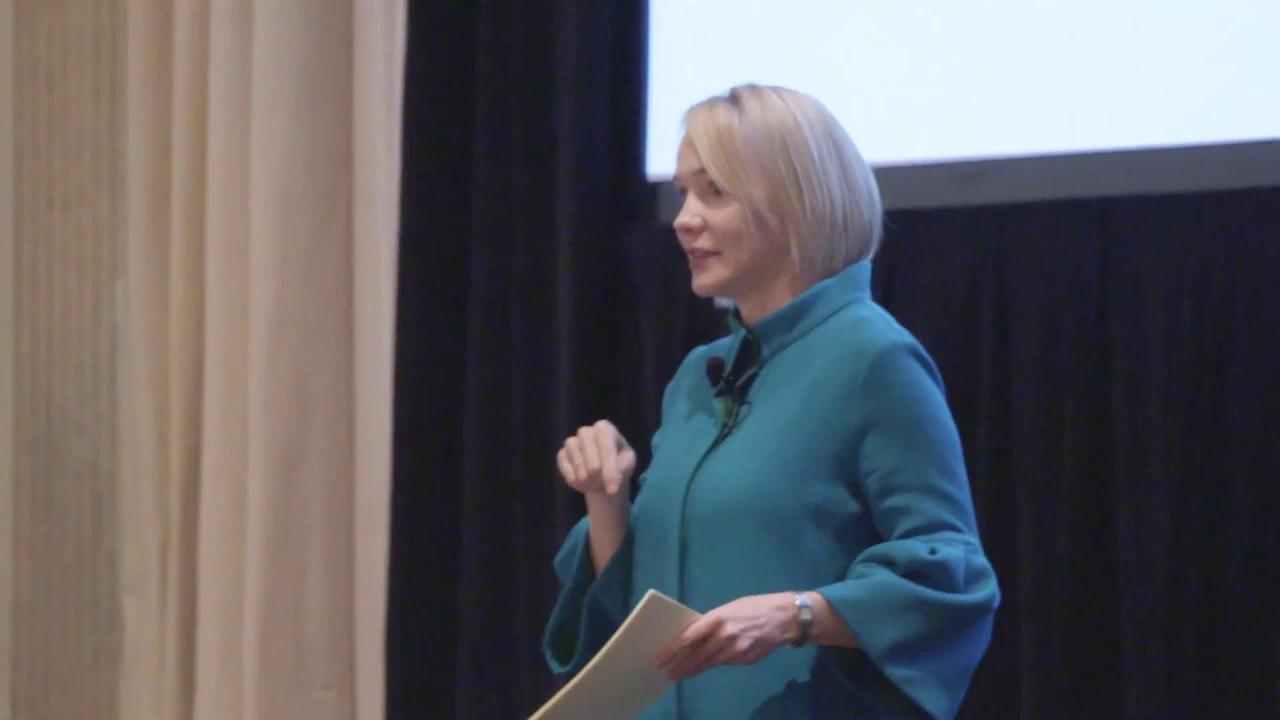
















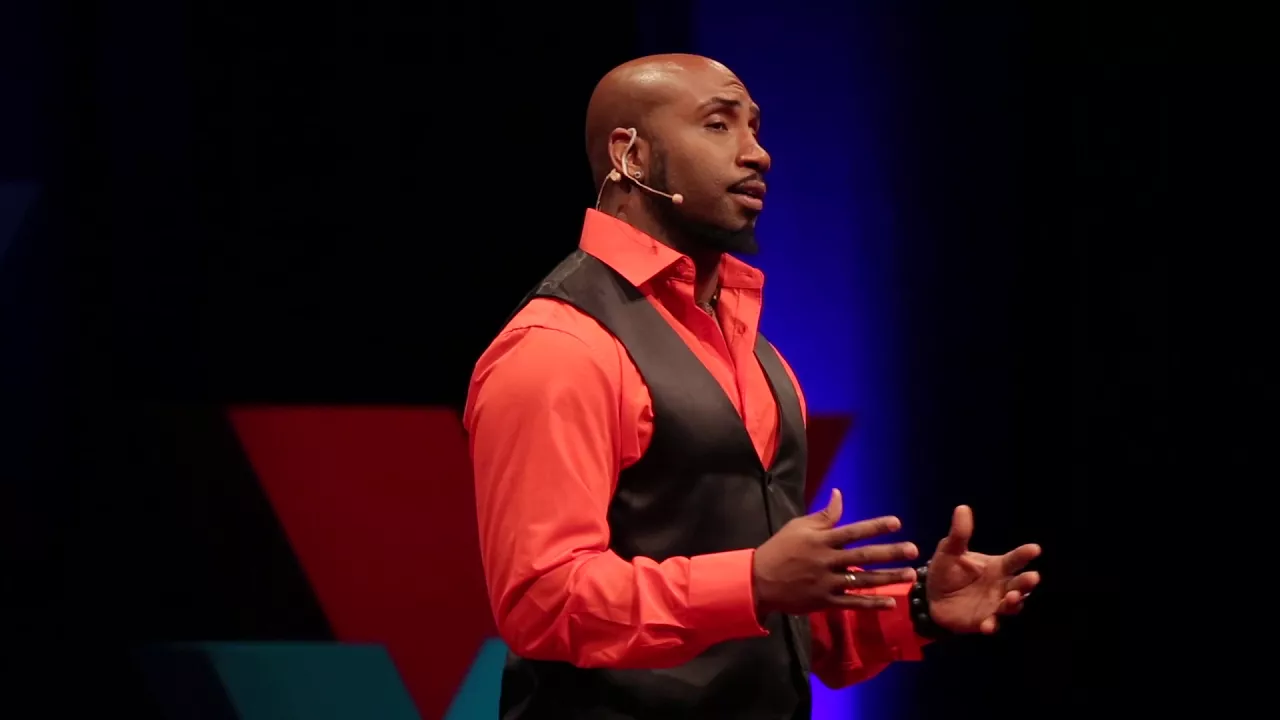
The two-party system in the United States perpetuates political polarization by creating a binary dynamic where parties demonize each other as existential threats, forcing moderate politicians to radicalize to maintain their positions, and preventing the formation of flexible coalitions that could address shared policy goals; this system, which has become fully sorted with parties representing distinct geographic and cultural coalitions, is a historical accident that can be addressed through voting system reforms enabling multi-party systems.
Two-Party System and Democratic Polarization: Causes and Reforms
Added:Duverger's Law and how plurality voting (winner-take-all) inherently encourages a two-party system.
The basic functions of political parties, including voter mobilization, policy aggregation, and candidate nomination.
The concept of political polarization, specifically the distinction between ideological polarization and affective (emotional) polarization.
An understanding of the primary election system and how partisan primaries can pull candidates toward ideological extremes.
Comparative analysis of multi-party systems, studying how proportional representation affects polarization and governance in coalition-based democracies.
In-depth study of electoral reforms, such as Ranked-Choice Voting (RCV), open primaries, and independent redistricting commissions.
The relationship between political polarization and democratic erosion, examining how extreme partisanship can weaken democratic norms and institutions.
The role of media fragmentation, echo chambers, and social media algorithms in amplifying partisan division and public distrust.
7.7K views202likes12:00Original Release: 2021-02-24
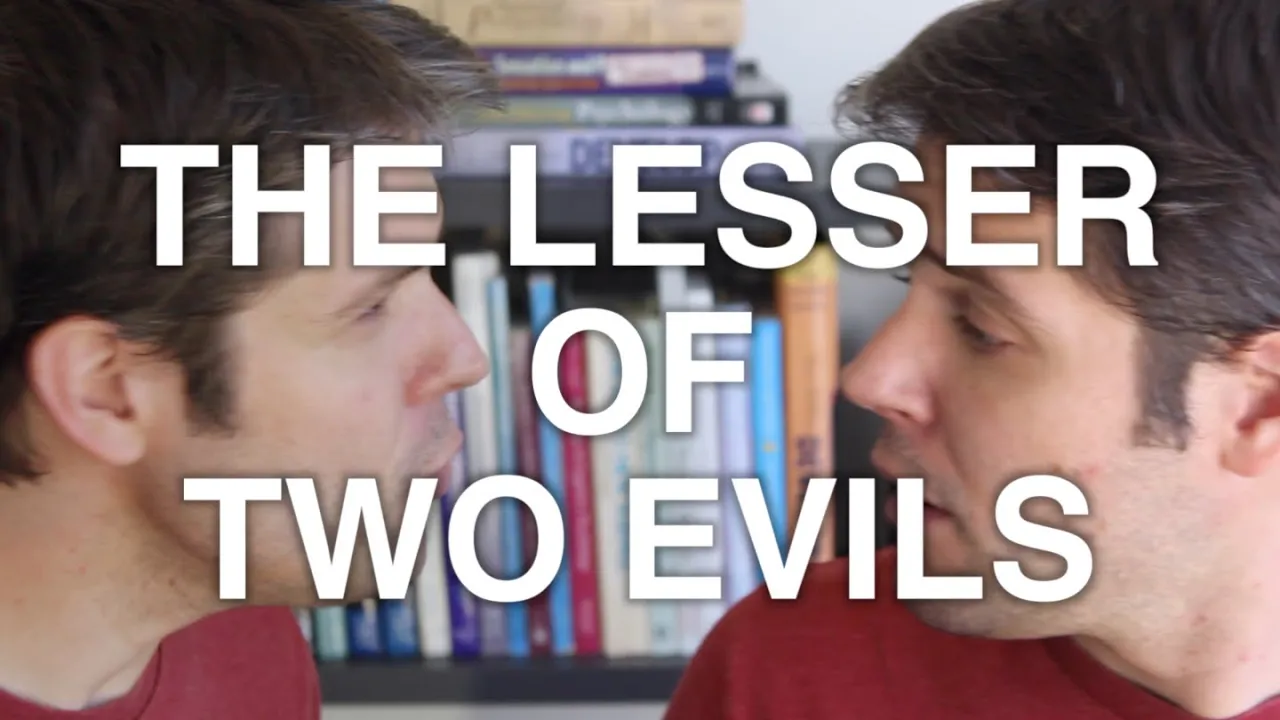
[Music] uh [Music] [Music] [Music] [Music] yeah so i mean i think for me when uh you know i step back and try to get a sense of why you know people like or just like the republican party or the democratic party uh the first thing i think about is this last poll that we just put out which shows that a significant number of republicans are embracing a fairly wide variety of different conspiracy theories from the idea that antifa was involved in the violence at the u.s capital to deep state which has been sort of a long-running one during the trump administration uh to q anon and we asked this one pretty straight right we didn't even mention the word q and on we asked do you think it's accurate that trump the trump administration or trump has been fighting a kind of secret battle against uh you know hollywood elites and democratic party who are involved in sex trafficking child sex trafficking and you know close to one in three republicans said that's mostly or completely accurate so you know that's really really fringe and one of the things that we also found in the poll was that you know there's still a large number of republicans majority in fact that don't believe uh that biden's win in 2020 was legitimate that there was extensive voter fraud and and i'm really interested in seeing whether if republicans continue down this this kind of road and and the leadership doesn't try to distance themselves from uh these these beliefs whether there's an electoral price to pay whether public opinion catches up with them says no no no we have a problem with the republican party moving in this direction with kind of tacitly or directly endorsing these ideas uh and it's still like the idea that voter fraud you know was was endemic to 2020 is is still really not challenged uh in large parts of the republican party so again like i'm really interested to sort of you know see whether um that is something that that you know the party pays for at some point i think i mean the big trend that we're seeing goes beyond the democratic and the republican parties uh and you know it's been growing for a number of years number of people who are identifying themselves as independents even if they vote for democrats or republicans and there there have been a number of stories about the number of people who are deregistering as republicans after this election and you know also a surprising number of people who are deregistering as democrats so people are leaving the two major parties so the only people who i mean the favorability number within the parties makes sense because of the number of people who are um kind of staying within their party or tend to be favorable towards their party you know i i think there's a larger sense that people are frustrated there was another gallup poll out recently 62 percent of people said we need a third party that's been pretty consistent for a while in the in the 60 plus range so i i think you know we have a go into to dan's point you know i mean certainly the republican party is increasingly taken over by like really fringe liberal conspiracy elements uh and that's a fight within the republican party and that it's an i mean it's incredibly dangerous to have one of the two major parties basically embracing uh you know like crazy whack-a-doodle you know out of this world you know lies like i don't know how you have a democracy when you have one of the two major parties that just is so you know divorced from anything resembling reality yeah so i think this idea of you know affected polarization you know there's a a lot of research in political science that has shown that that's happening right so the democrats republicans increasingly have negative views of the opposing party uh and we found in our polls actually that even increased over the trump years so in the last like three or four years we had a question about whether uh the democrats republicans you know were promoting policies that were not just wrong but like existentially dangerous uh to the country and the number of of partisans on our side that believed that increased by double digits over the last three years so you know the rhetoric and communication uh has ramped up and ratcheted up and so yeah people are carson's are taking these cues and started saying yeah i can't trust democrats i can't trust republicans um and that you know is really problematic when you want to get the policy making and you actually have problems like covid that require you know both parties to come to the table with you know relatively the same set of facts uh and engage in in the kind of messy policy making process and so it's really concerning to me to have policymakers engage much more uh of their resources and focus on on communication particularly you know demonizing the other side because it just makes the policy making process that much more difficult i i mean it's not just the policy making process it's democracy itself we have two parties that have very different views of what a fair and legitimate election is and very different views on who should be able to vote when and how and democracy depends on having a shared set of fair processes for holding elections and we are losing that uh in this country and that's a very scary and dangerous thing now uh a two-party system perpetuates that in a number of ways one is this demonizing of the of the other which only works in a two-party system because you can only have the lesser of two evils in a two-party system there's no phrase lesser of three evils because it just doesn't work when you have multiple candidates there's a backfire effect uh and the parties themselves are still these sort of broad big tent heterogeneous coalitions but the thing that binds them together is that the other side is a threat so republican party there's not a lot right now that the republican party unifies around policy wise but there is a shared sense that democrats are dangerous extreme socialist and that's all of the rhetoric and you look at the the kind of story and journey of somebody like lindsey graham i think perfectly exemplifies this that you know lindsey graham in 2016 is talking about trump is dangerous you know he's works with mccain he's sort of a moderate uh in an earlier era working on climate change and over time lindsey graham has radicalized as he's been forced to align himself with more radical folks to his right and this is a a way in which the you know sort of you start off being anti-anti-trump and then you become pro-trump because when you have binary lines you're either on our side or you're against us and that really simplifies and dramatizes the fight in ways that are highly emotional highly polarizing and so we get this this embrace of the rhetoric that the other side is not just you know our political opponent but an enemy un-american dangerous for the country that is incredibly dangerous moreover because of the two-party system we have this narrow fight for control over the uh power in washington and so the republican opposition strategy is to obstruct obstruct describe whatever democrats are doing as extreme dangerous uh bad for the country and then you know hope that they can just you know run on being not the democratic party and being the uh the opponent of socialism regardless of what their policy is and that is incredibly dangerous and you know i know there might be a lot of folks say well haven't we always had a two-party system so like what's new about this and what's new is the fact that we have a fully sorted two-party system in which the two parties represent very different geographic and and cultural uh coalitions uh with with no overlap for most of our history we had two parties at a national level but those two parties were really broad overlapping coalitions with liberal republicans and conservative democrats in many ways it was more like a four-party system and as the parties have sorted we now have have a genuine two-party system and and i i don't see any way to unsort the party it's sort of like you can't un stir the the the jam out of your oatmeal uh you just have to kind of divide it up into different parts and and uh so the the solution as i see it is to break up the parties and to put in place voting systems that allow for more parties to form there are plenty of moderate republicans who don't like what trump and and the q anon caucus are doing to the party but they also don't see themselves as democrats so we have to find a way for center right to to break off there is a probably a two-thirds to 75 percent pro-democracy uh super majority for uh you know a lot of a lot of basic voting uh reform provisions certainly a lot of ever pretty much everything in hr1 polls at solid super majority of basic social welfare state polls as a super majority but that super majority coalition can't form because of the divided nature of our two-party system in a multi-party system you can form different flexible coalitions and there's not the same othering there's not the same binary lesser of two evils dynamic so most of the world's democracies are multi-party systems the only reason we have a two-party system is because we have these antiquated electoral institutions that are nowhere in our constitution are just sort of a historical accident so just modernize and update our [Music] [Applause] democracy [Music] [Applause] [Music] [Applause] [Music] uh
Up Next
5:56
Democratic Backsliding: The Silent Erosion of US Institutions
@Vox
1.3M views•2017-06-22

27:09
Donna Haraway's Cyborg Manifesto Explained: Key Ideas
@TheoryPhilosophy
39.8K views•2020-09-26
7:33
Government Surveillance Methods: 10 Ways You May Be Watched
@BeAmazed
1.6M views•2017-04-09
10:19
Explaining the Saudi-Iranian Proxy Conflict in the Middle East
@Vox
18.2M views•2017-07-17
Related Study Plans & Knowledge Roadmaps
Structured learning paths in Political Science
political-science
Rebel Governance: Legitimacy, Economy & State
01Foundations of Rebel Governance and Statehood
02Establishing Political Legitimacy and the Rebel Social Contract
03Wartime Economies and Rebel Resource Management
+ 2 more learning modules
14h5 modules
Explore Roadmap
political-science
Fiscal Federalism: Power, Tax & Transfers
01Foundations of Federalism & Public Finance
02Tax Authority and Fiscal Decentralization
03Intergovernmental Transfers: Grants and Incentives
+ 2 more learning modules
12h5 modules
Explore Roadmap
political-science
Transitional Justice: Peace vs Accountability
01Foundations of Transitional Justice & The Core Dilemma
02Criminal Tribunals: Prosecuting Atrocities
03Truth Commissions: Restorative Justice and Healing
+ 2 more learning modules
12h5 modules
Explore Roadmap
political-science
Climate Governance: Lobbying, Treaties & Policy
01Foundations of Climate Change & Global Governance
02Collective Action Dilemmas in Climate Politics
03Domestic Politics & Industrial Lobbying
+ 2 more learning modules
12h5 modules
Explore Roadmap