

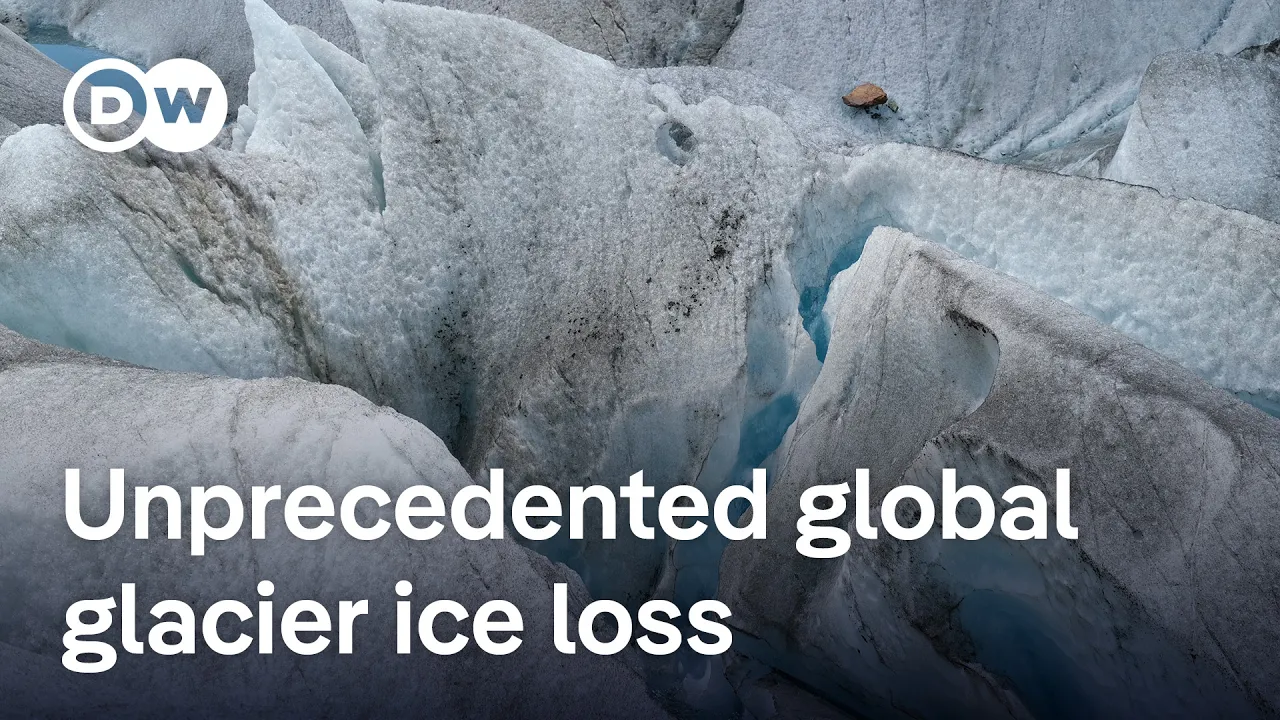












Climate change is accelerating glacier melting in the 'Third Pole' region of Gilgit-Baltistan, Pakistan, causing glacial lakes to form and burst, which destroys entire villages and threatens over 48,000 people living in high-risk areas; communities are increasingly vulnerable as they rely on glacier-fed rivers for their livelihoods while facing more frequent and intense disasters that force relocation and require emergency preparedness measures.
Climate Change Threats to Third Pole Glaciers | BBC News
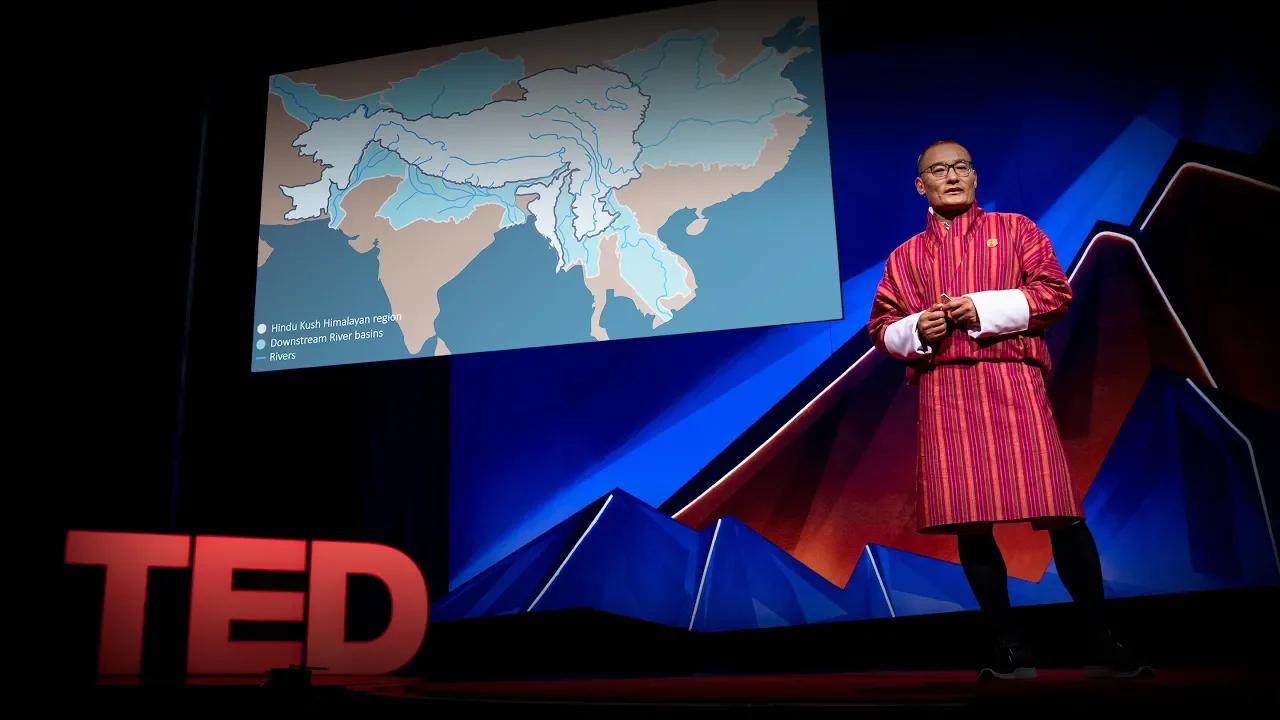
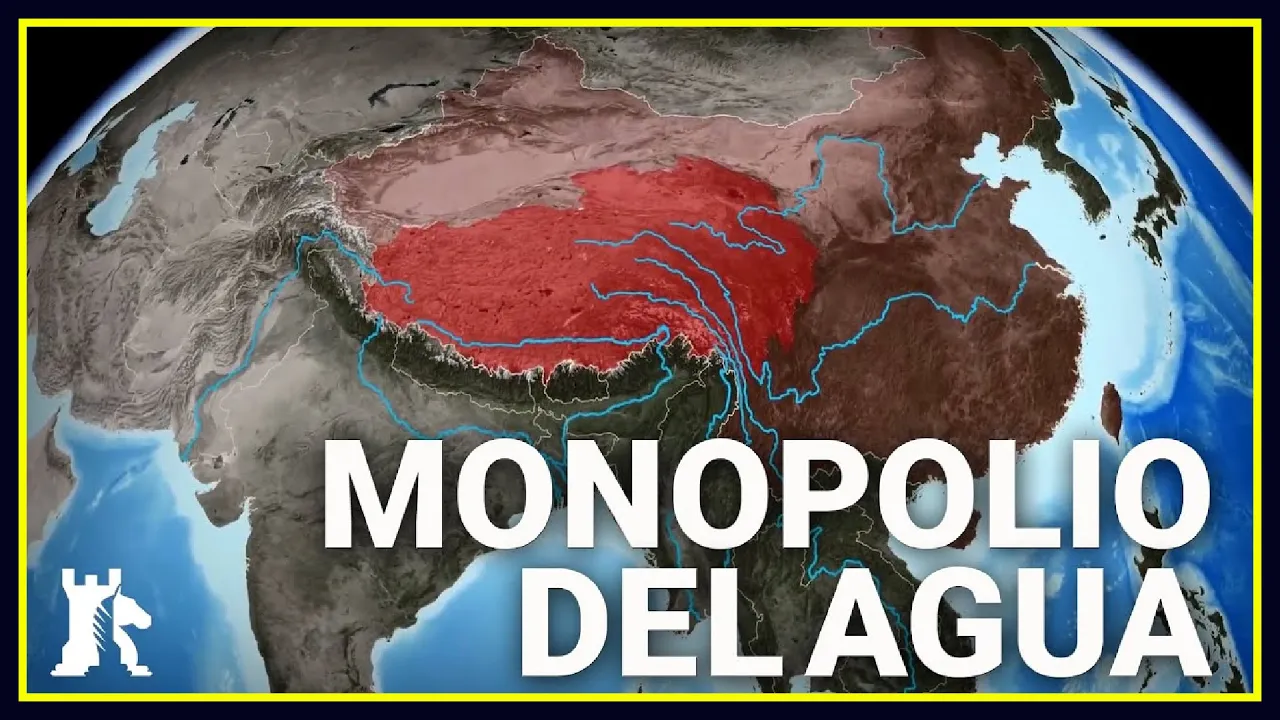
Added:The definition and geographical location of the 'Third Pole' (specifically the Hindu Kush-Himalaya region and the Tibetan Plateau).
Basic principles of glacier hydrology, including how glaciers accumulate ice and act as natural freshwater reservoirs for major river systems.
The fundamental mechanism of global warming, particularly the concept of elevation-dependent warming which accelerates temperature increases at high altitudes.
An introductory understanding of natural geological hazards, such as landslides and flash floods, and how destabilized terrain contributes to them.
The geopolitics of transboundary water management among South and East Asian nations reliant on Third Pole river basins.
Glacial Lake Outburst Floods (GLOFs): Advanced mechanics, mapping high-risk lakes, and engineering early warning systems.
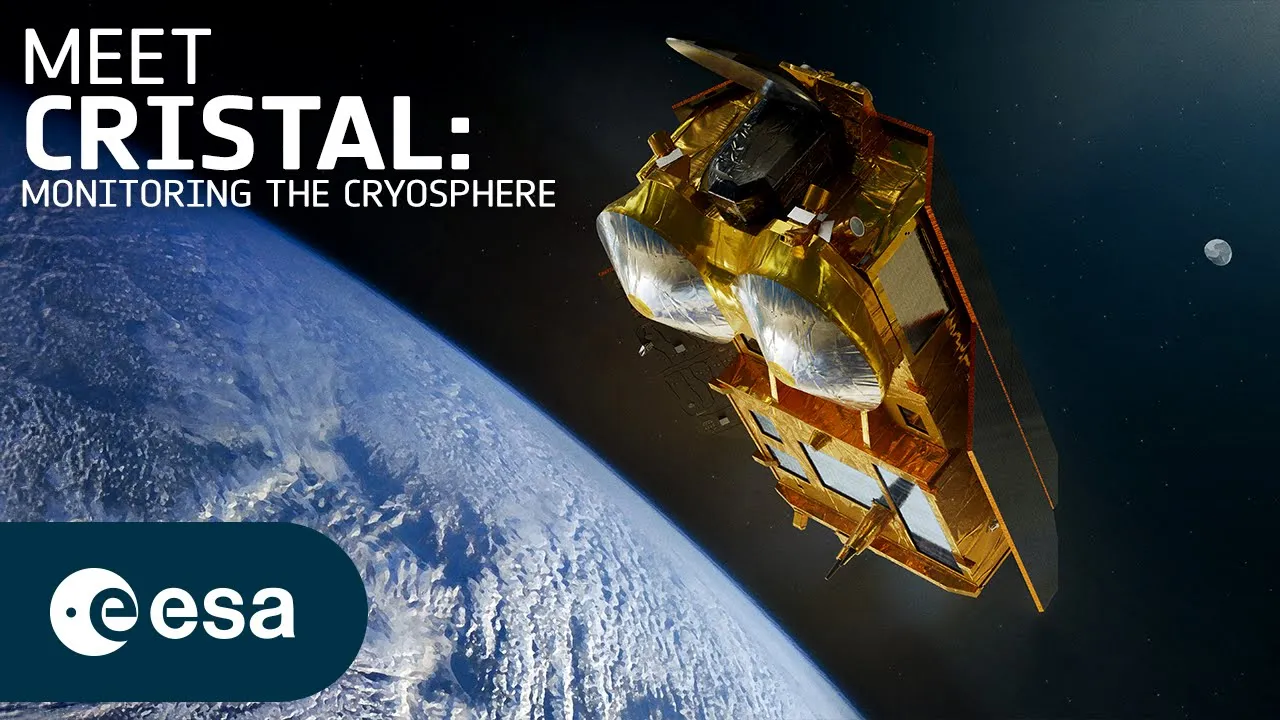
Cryosphere monitoring technologies, including satellite remote sensing and GIS software used to measure glacial mass balance.
Socio-economic adaptation strategies and policy frameworks designed to support mountain communities facing climate-induced displacement.
190.9K views2.7Klikes7:57Original Release: 2024-11-18
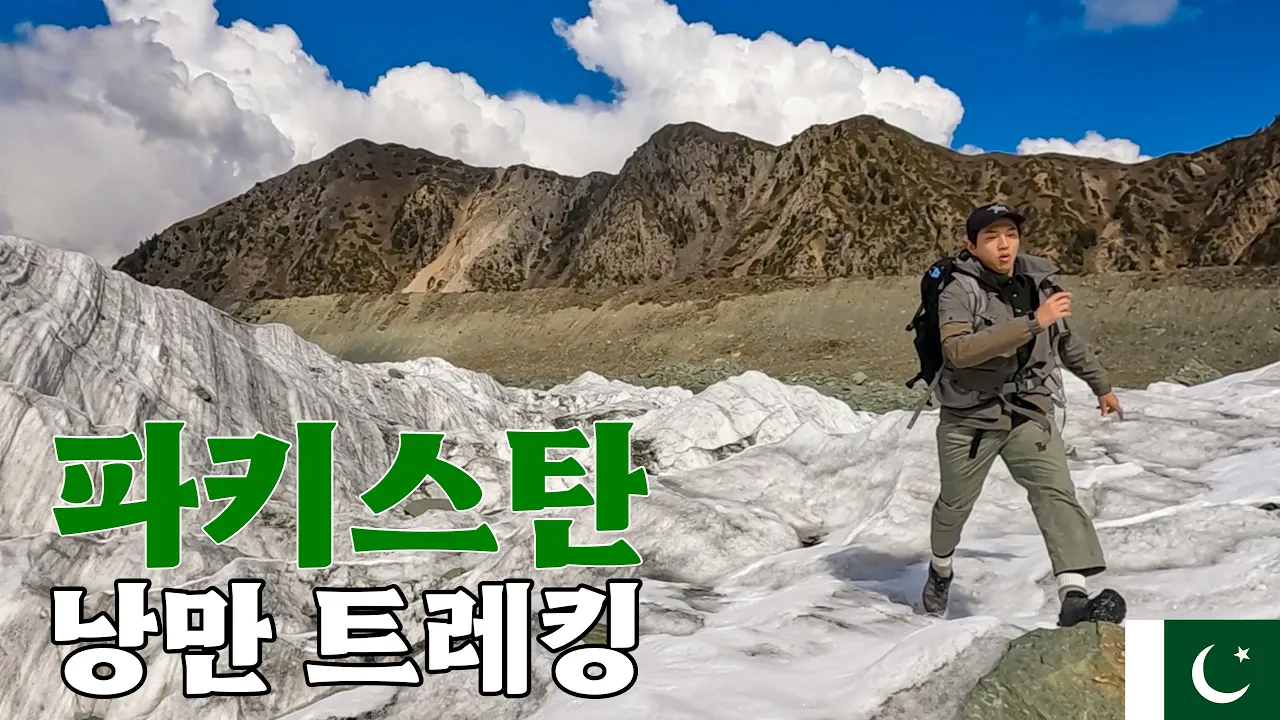
forbiddingly beautiful ice Laden precarious here in Pakistan administered gilgit baltistan Jagged glassiers blackened by soil number over 7,000 they're under threat researchers say that they've seen the weather become more Extreme More unpredictable and that doesn't just have an impact on these incred incedible glaciers but on the whole environment and as the landscape changes so too does the shape of people's lives this is what happens when a glacial Lake bursts tearing the ground Beneath Your Feet entire valleys homes now Rubble this was kl's home now all that's left a sheer Cliff beneath this place there was our home there were a lot of trees Gardens and uh it was whole a green place the spot kl's family lived in for Generations clawed away into the valley in minutes she's still traumatized by what happened uh people were running out of your their home some people are taking out stuff from their home they were trying uh cuz uh they were not sure of will anyone come to us will anyone save us what do you feel now when you stand here looking out across this Valley I remember my childhood memories the time I have spent here and now as I could see the plain areas the baren places it hurts and it makes me being kl's home was known to be at risk 2 years before the flood they were not moved by the government the family said they had nowhere to go the glacia that caused this destruction is just Upstream coated in dust and soil it's still melting so you can see up ahead shisher glacia that dark patch on the horizon now that is the source of the water from 2022 now researchers had seen that the glacia had started moving forward because of temperature changes and it led to the buildup of a body of water of a lake that Lake then burst and it was the water from that Lake that then came cascading down the valley highly exposed to these glacial indu hazards and then there are more areas in this Valley also known to be at risk climate change has I mean increased the intensity and frequency of these disasters across the region so hassanabad is one of the village that is I mean where Glacier news flooding has damaged every infrastructure across the on the I mean this aabad stream where population infrastructure uh roads Hydro power stations everything are at high risk of this I mean GLA new this pattern is repeated throughout this region more than 48,000 people are estimated by the arakan development Network to be living in highrisk areas this was the village of bwat homes a school livelihoods repeatedly flooded years after the glacial Lake burst parts are still underwater it's now considered impossible to live even on its edges the whole village is being relocated but trying to find land that's safe and has access to water isn't easy driving through these valleys you can see how many people live close to the rivers and the streams that the Glaciers are feeding into and that's because their livelihood depend on it but it's also making them vulnerable I can say that after 5 10 years it will be very difficult for us to even survive year by year we are facing more and more disasters so we cannot stop these events because this is a global issue and locally we cannot do for this thing what we do is we can just mitigate or we can just get prepared our people to face such events a drill for potential destruction the village of pasu holds these evacuation exercises several times a year they know that if a flood hits the road's blocked it could take days for anyone from outside to reach them volunteers learn everything from first aid emergency River Crossings if bridges are swept away and high mountain rescues why did you want to volunteer to to help people and help with the rescue uh because I love living in the mountains and working in the society working for the society so we are like we are living here we have grown up here so it's our responsibility e Jazz has been a volunteer for the last 20 years unfortunately because if the floods com into it's a heavy flood we can't do anything you know the area should totally in the wash out but if the small kind of the floods the if the house are damaged obviously we can do there to help to people and the Sur you know the rescue from the the flood areas the people yeah we drive higher into the mountains even at these altitudes the environment is changing 10 years ago the glacier you can see from there is the white white line Muhammad Salah has been taking tour groups to the mountains for more than 20 years he seen for himself the change to the landscape abruptly from last decade there was a changing a global warming it's happened even this year whole Community felt like that even we are introducing the winter sports over here but we couldn't develop an ice rink up in Hopper Valley even on the height altitude of 2,700 M you said all of the things you've seen the changes to the winter sports how does it make you feel seeing all these changes this whole changes after whole changes I I that this is an alarming time upcoming future we have not a secure future I must say if there are not a proper way of conducting the things to maintain the community then I think this Heaven become a hell for us very soon we've been from Village to Village from Valley to Valley on this trip and people keep telling us the same thing that they are seeing more changes now than they've ever done in their lifetime and they're worried that this is just the beginning Sultan Ali's home has been narrowly spared but he knows it may not be again he says there is nowhere else to go you can see my granddaughters they are very vied living here constantly thinking about under what conditions we live our lives what kind of life is this if the flood comes it will take everything away and there's nothing we can do about it I can't blame anyone it's just Our Fate what will this generation remember of this time of uncertainty when the Seasons move and the ice disappears and what will become of the land they will inherit Caroline Davis BBC News gilgit bstan
Up Next
10:28
Ice Stupa Artificial Glaciers: Solving Ladakh's Water Crisis
@SonamWangchuk66
3.2M views•2015-05-03
62:52
HUMUS sapiens: Open Soil Research & DIY Ecology | 36C3 Talk
@mediacccde
1.7K views•2019-12-29
14:30
Microplastics Everywhere: How Plastic Impacts Our Lives
@TEDx
100.9K views•2018-05-08

17:53
Condit Dam Removal: White Salmon River Restoration, Decommissioning and Salmon Passage
@PacificPower1
2.8M views•2013-08-21
Related Study Plans & Knowledge Roadmaps
Structured learning paths in Environmental Science
environmental-science
Phytoremediation: Soil Clean-Up & Plant Biology
01Introduction to Soil Contamination & Heavy Metals
02Plant Anatomy and Nutrient Transport Basics
03Biological Mechanisms of Hyperaccumulation
+ 3 more learning modules
16h6 modules
Explore Roadmap
environmental-science
Ocean Noise: Cetacean Impacts & Mitigation
01Fundamentals of Underwater Acoustics
02Marine Mammal Bioacoustics
03Anthropogenic Noise: Shipping & Seismic Surveying
+ 2 more learning modules
16h5 modules
Explore Roadmap
environmental-science
Road Ecology: Corridors, Overpasses & Fencing
01Foundations of Habitat Fragmentation and Carnivore Ecology
02The Road Barrier: Ecological Impacts of Transport Infrastructure
03Principles of Ecological Corridors and Connectivity Mapping
+ 3 more learning modules
14h6 modules
Explore Roadmap
environmental-science
Ocean Acidification: Kelp Buffering & Shellfish
01Fundamentals of Ocean Chemistry & pH
02Chemical Pathways of Coastal Acidification
03Bivalve Physiology & Calcification Under Stress
+ 2 more learning modules
18h5 modules
Explore Roadmap