











![10 - Frédéric Spillemaeker : « Inventer une nouvelle Amérique: réflexions sur les [...] »](https://i.ytimg.com/vi/7esJc0HFQJg/maxresdefault.jpg)



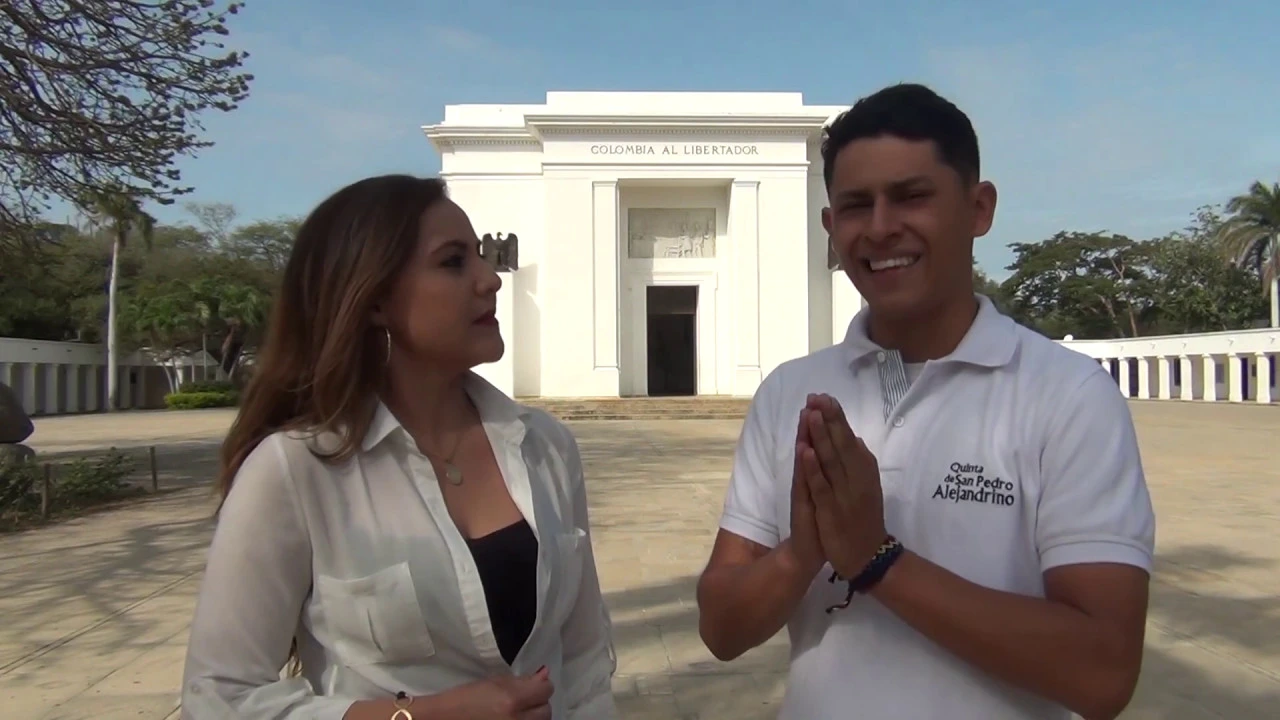

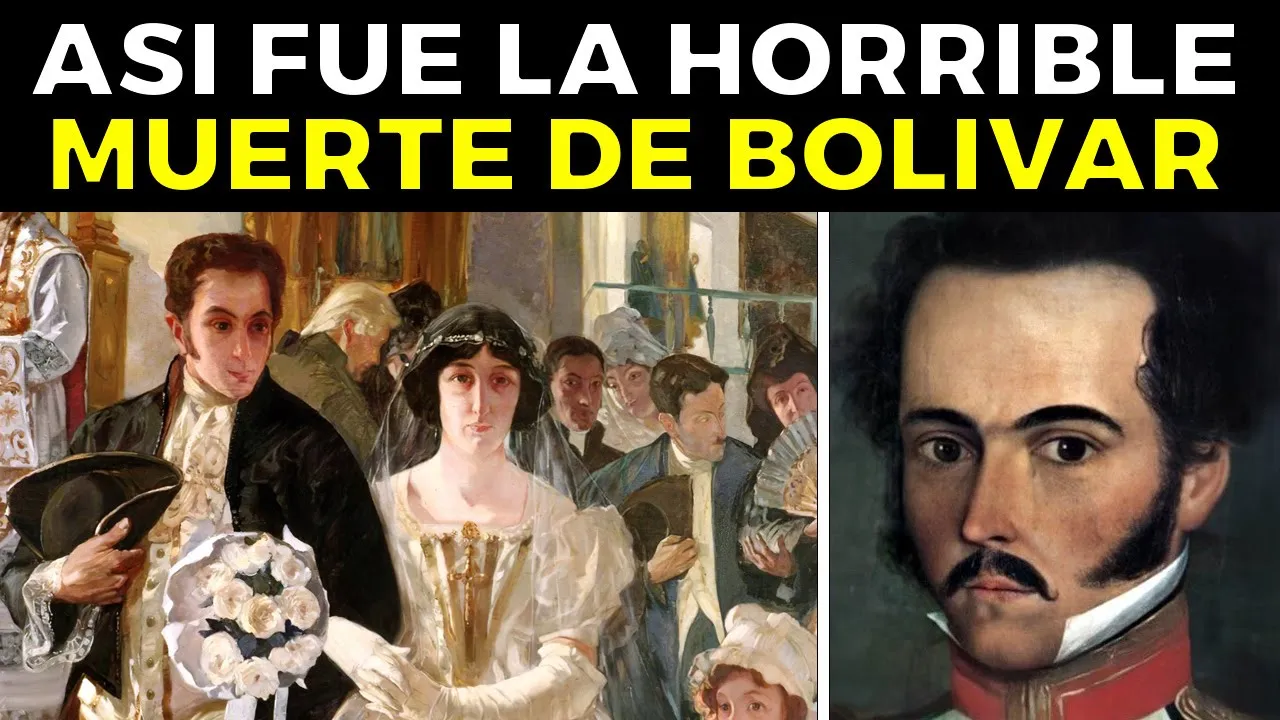
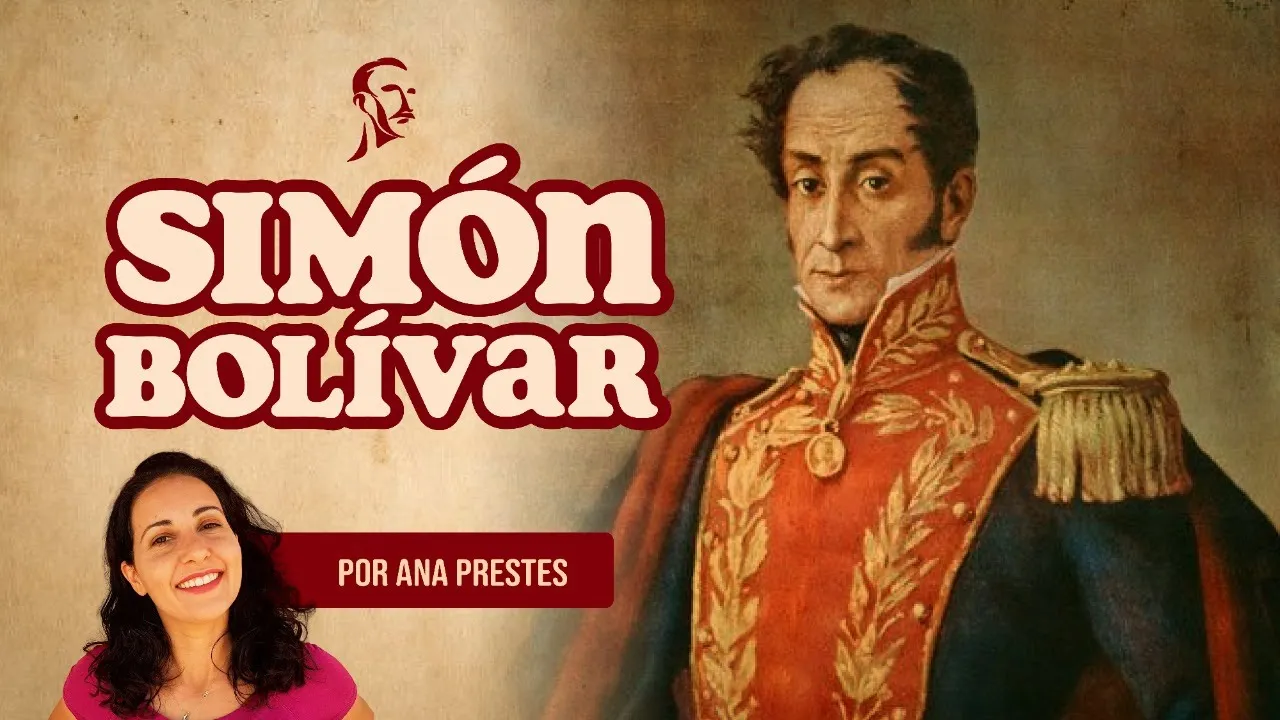
Simón Bolívar, the liberator of much of Northern South America, died on December 17, 1830, at Quinta de San Pedro Alejandrino in Santa Marta, Colombia, after spending his final 16 days in a modest bedroom at this former sugar cane plantation; he weighed only 36 kilograms and succumbed to tuberculosis in the hot, humid Caribbean climate, despite having freed all his slaves following Haiti's condition for supporting his revolution against Spanish rule.
Simón Bolívar's Final Days at Quinta de San Pedro Alejandrino
Added:The biography of Simón Bolívar, specifically his role as 'El Libertador' in leading the campaigns for South American independence from Spanish colonial rule.
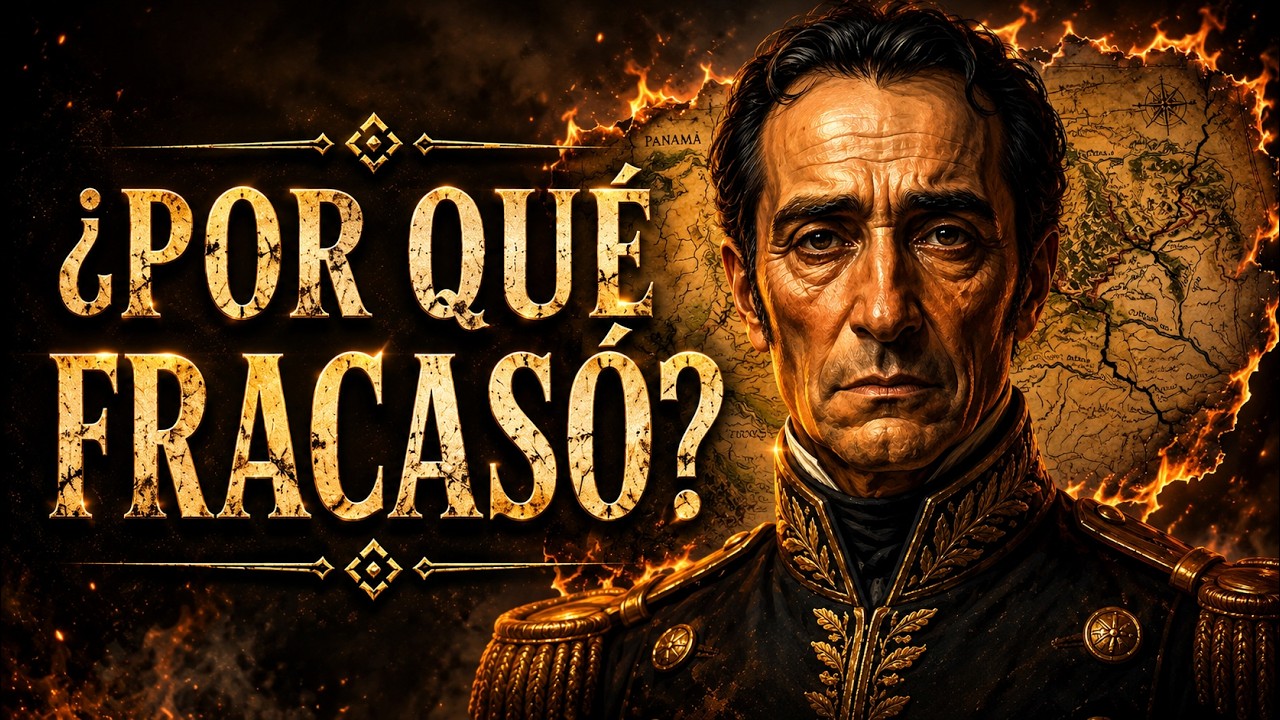
The geopolitical concept and structure of Gran Colombia, the short-lived union of states founded by Bolívar.
The ideological tensions of early 19th-century Latin America, particularly the political conflicts between federalist and centralist factions.
The events leading to Bolívar's resignation from presidency and his political isolation toward the end of his life.
The immediate aftermath of Bolívar's death and how it facilitated the permanent dissolution of Gran Colombia into Venezuela, Colombia, and Ecuador.
The evolution and political legacy of 'Bolivarianism' in modern Latin American politics and international relations.
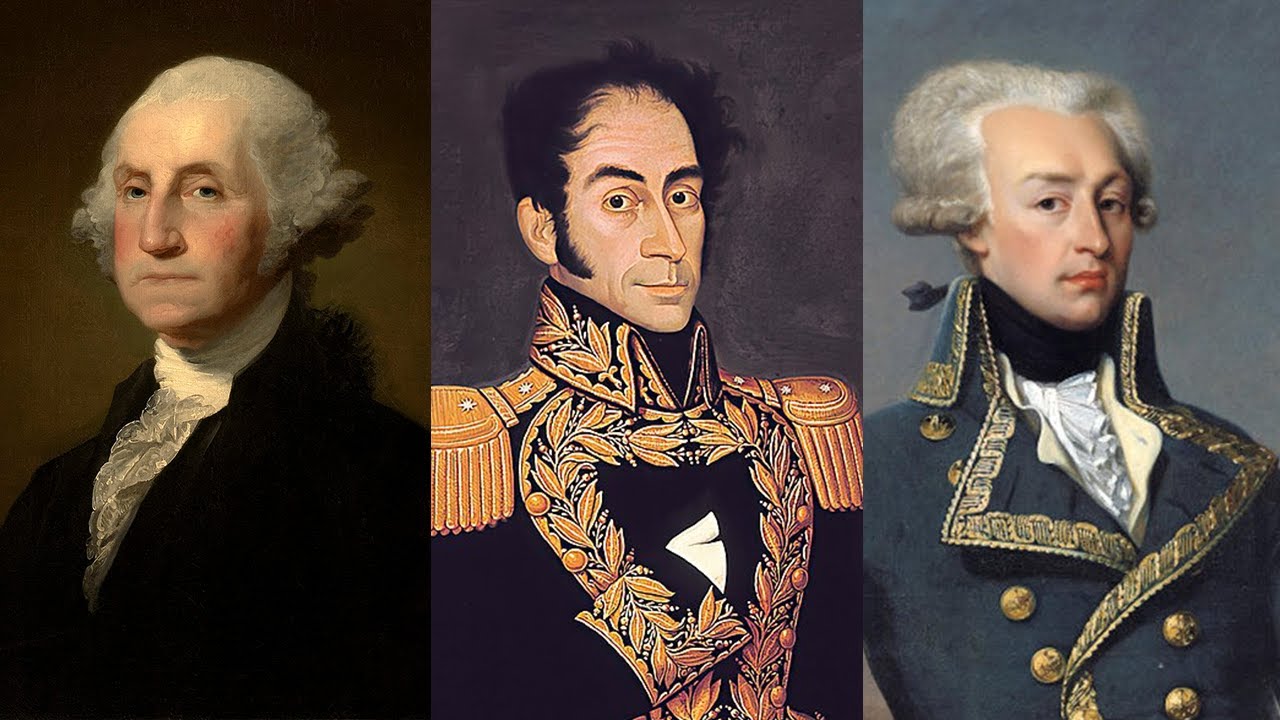
A comparative study of post-independence struggles across the Americas, comparing Bolívar's final years with those of other revolutionary leaders like George Washington or José de San Martín.
The history and significance of the Quinta de San Pedro Alejandrino as a contemporary historical monument and site of cultural heritage in Santa Marta, Colombia.
114 views8likes8:46Original Release: 2023-12-13
I in case you haven't noticed my theme for this Endless Summer is the liberation of Northern South America Grand Colombia in particular and I have been visiting historic sites associated with bouar and santeler and su's struggle to liberate Columbia from the Spaniards I think it's kind of interesting there's a lot of history about this here and if you notice that maybe this isn't the greatest stable video that's because I lost my little camp and had a well let's just say I lost my pocket to DJI and well it stabilized photos much better than I can with this camera so at any rate hope you enjoy it hope you're enjoying the trip there's more to see I have made it all the way to the Caribbean and stuck my feet in the water and now I'm going to start working back south gred very slowly towards otavalo Ecuador at which point I will have linked up my uh travels over land from the Caribbean all the way down to the Bolivian Border in southern Peru stick around there's sure to be more to come feed your head and with that in mind today I'm visiting la quenta where siman boulevar died before he was able to sail for uh Europe and France and I suggest other voters take a little time off from piling occasionally or take longer trips and learn about the culture and history of the places that you love to go visit and play in whitew staying behind me is a monument that he constructed in 1930 on the 100th anniversary of his death which is coming up in a few days on on Thursday December 17th and this is a marel statue of boulevar and death it is actually lifesized he was rather short in the time of his death he only weighed 36 kilos he died of consumption they called it at the time or tuberculosis as it's better known for now being here as a hillbilly I can tell you the local uh climate would be horrible for someone with tuberculos very hot and humid not the easiest to breathe this is the bedroom and the camp bed where blar died see the fly Columbia on it this is where he spent his last days his uh hope was to go to Europe and France but he died to culosis here so this Henda where Sim Boulevard died was a sugar cane Farm basically they grew sugar cane they made Panella out of it which is really dark unrefined sugar and they also distilled some of the juice into rum right here by the way keep in mind Boulevard was broke by the time he died here he had spent everything he had on the Revolution and the wars and he freed all his slaves as one of his first sponsors was Haiti and their condition for giving money toward the revolution to drive the Spanish out of uh South America especially Colombia and Venezuela was that all the slaves had to be freed and Seaman Boulevard did free his however this is a sugarcane or was a sugar cane plantation where they made basically Panella which is dried molasses I guess for you Hillbillies if that helps and way back there in the background is this Distillery or made rum out of it this was heavily a very labor intensive Endeavor growing the sugar cane in all the rest of the process so yes slaves were used so hey there's some contradictions even in the United States as well maybe even more so they freed the slaves first here so in case you haven't noticed my trips aren't just about going in playing in white water in fact don't even share that kind of stuff anymore for the most part let's have real purpose I feed my mind and I'm trying to share with you there are some really cool stuff you can do here Beyond just the ventures and I might add those of you who aren't crazy kayakers like my friends that come rapping with me and make all these trips possible all this is well within your reach so I'm trying to give back and let you see what you two can do and maybe you learn a little about culture and history along the way I think it's a great way to feed your head and to make the most out of your adventuring and I was told by my guide that if you hug this wonderful tree it exudes beneficial energy so hey I think I will what a lovely day in a wonderful big tree only thing comes close to this is maybe Angel Oak or some of the really old grow the trees and Joyce Kilmore Forest up in my part of the world I made it here to San Marta you can see from the sign support there's some cargo containers out there in distance and yeah this ain't the beach cuz it's deeper right here but there are beaches available I've been warned water is not so pristine and the eating fish on the beach is a great way to get Cala if you have not been vaccinated so you've been warned eat whatever the hell you want but if you get really sick or die don't blame me and you know I'll eat almost any street food so I'm giving you a warning anyway so I made this bar you see the port back there and looking back the other way can actually see the beach so warning to you Frugal Travelers everything is expensive here it's like any other Beach all the food is marked up 100% and let me tell you it's not any better than everywhere else I've eaten in Columbia I actually found some place with the reasonable breast similar to what I found elsewhere so we'll see how it goes I'll post a picture so made it all the way to the Caribbean I got my feet in the water got sand stuck all over me so it's official I made it all the way through the cariban I made it to the northern edge of South America and in short order being on the hillbilly and I like mountains better I'm going to start heading south and link up with the otab Balo Ecuador eventually at which point I will have traveled Overland from the top of South America all the way to the bivian Border in South Peru eventually I will take on the southern countries but not this trip because I plan to go back to work in the summer so stay tuned hope you guys are enjoying the videos I'm a lot happier now that I had my breakfast yeah I'm kind of Grumpy in the more until I get some eggs and some coffee so stay tuned got some silly things planned I'll try to be jial the heat humidity is really killing me compared to what I'm accustomed to so there is going to be some history on this segment of the tour which is why I came to Santa Santa Marta there's some crazy statues around here too
Up Next
9:46
Simón Bolívar's Fall: The Congress of Panama and the Collapse of Gran Colombia
@extrahistory
936.5K views•2016-12-24

33:02
The Great Schism of 1054: Causes and Consequences
@SacredCathedrals
113.5K views•2026-02-19
91:57
The Geopolitics of the Ukraine War and the Rise of Global Autocracy
@JordanHarbingerShow
468K views•2025-04-19
17:05
Understanding the Cold War: Superpower Conflicts and the Road to Détente
@OverSimplified
46.1M views•2019-01-24
Related Study Plans & Knowledge Roadmaps
Structured learning paths in History
history
Byzantine Iconoclasm: Theology, Art & Politics
01Foundations of Byzantium and Early Christian Images
02The First Iconoclasm: Leo III and the Crisis of Images
03Empress Irene, Nicaea II, and the Second Iconoclasm
+ 2 more learning modules
9h5 modules
Explore Roadmap
history
Iranian Revolution (Causes, Events & Legacy)
01The Pahlavi Dynasty and the Roots of Discontent
02The Spark of Rebellion and the Rise of Khomeini
031979: The Fall of the Shah and the Climax of the Revolution
+ 2 more learning modules
8h5 modules
Explore Roadmap
history
Mali Empire: Mansa Musa, Trade & Timbuktu
01Foundations of the Mali Empire
02The Trans-Saharan Gold and Salt Trade
03The Reign and Pilgrimage of Mansa Musa
+ 1 more learning modules
6h4 modules
Explore Roadmap
history
1947 Partition: Politics, Borders & Legacies
01Foundations of British India and the Divide
02The Political Negotiations and the Mountbatten Plan
03Drawing the Boundary: The Radcliffe Line
+ 2 more learning modules
8h5 modules
Explore Roadmap