




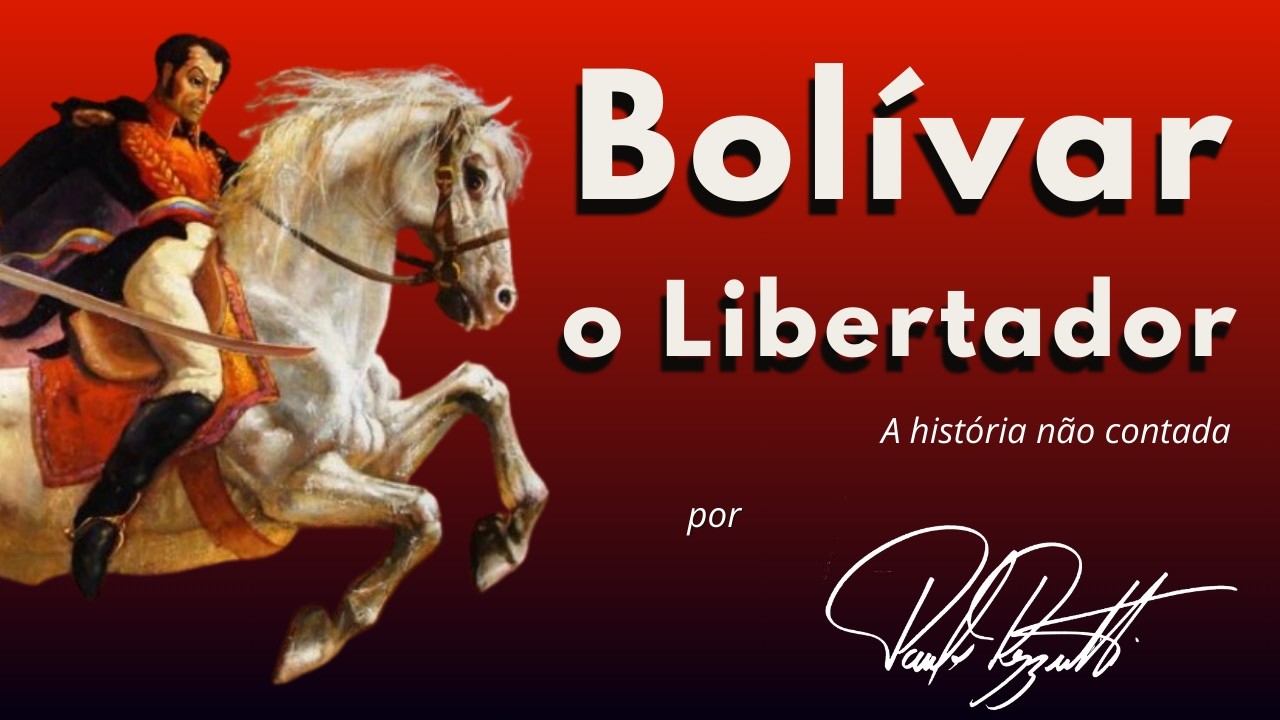

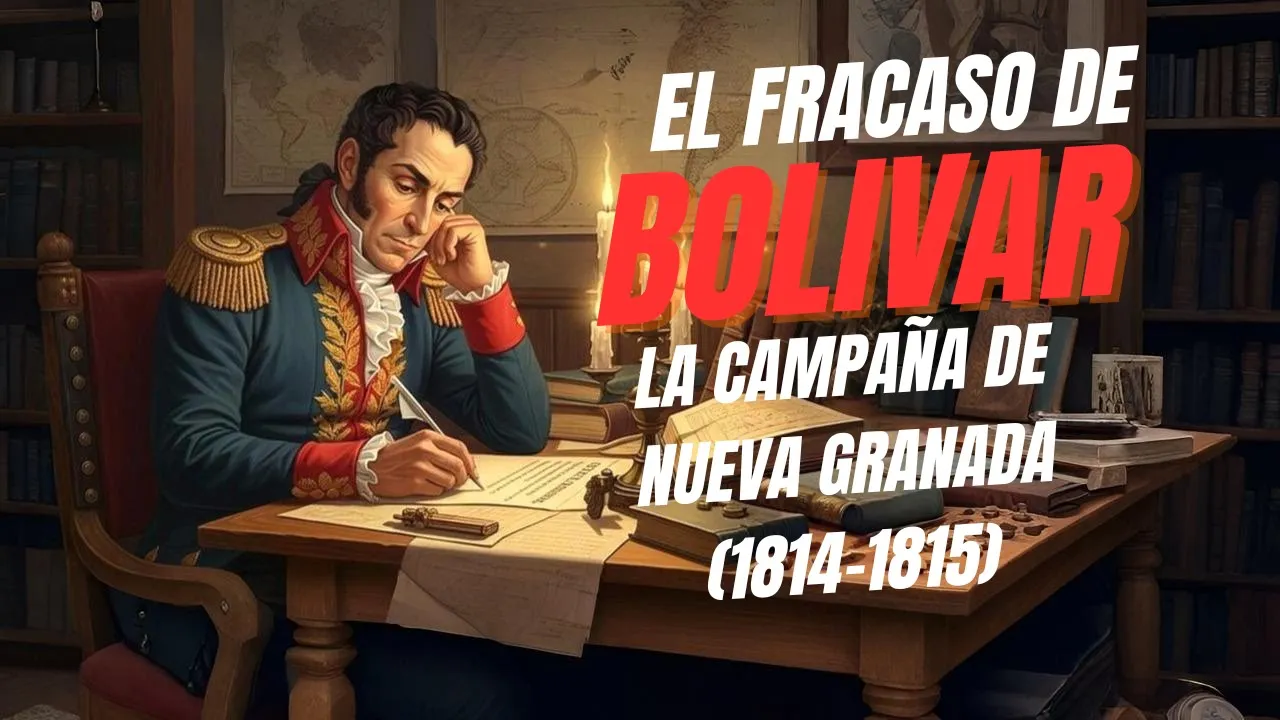
![[UFMS Digital] História da América II - Módulo 1 - Unidade 1](https://i.ytimg.com/vi_webp/30jF6-iQ9po/maxresdefault.webp)




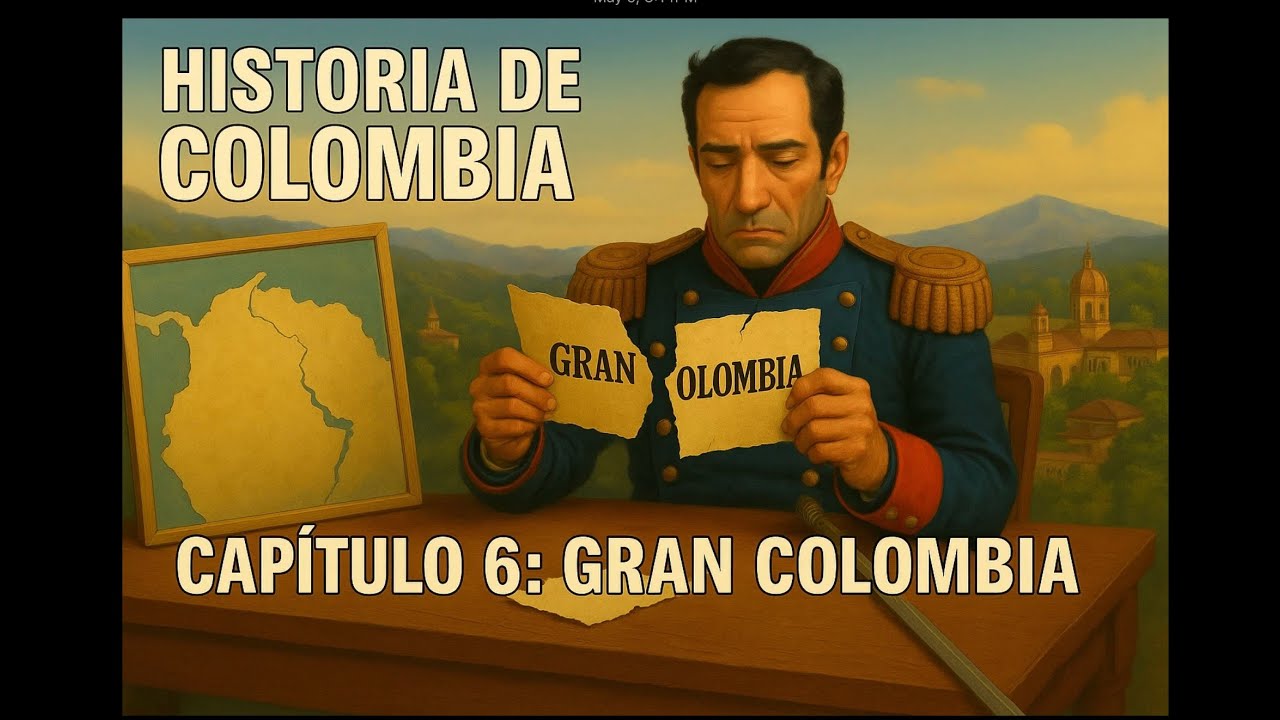








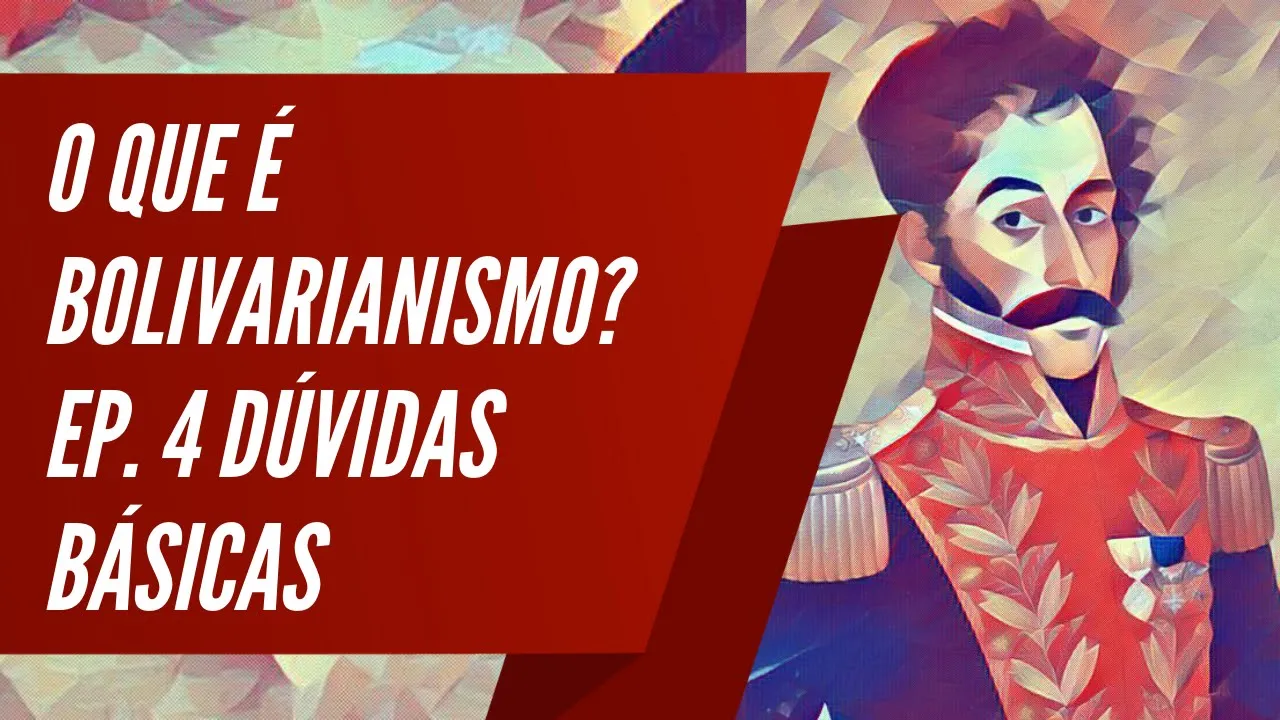
Simón Bolívar's ambitious vision of uniting Spanish American nations into a single federation ultimately failed due to a combination of political opposition from various nations (Peru, Brazil, Argentina), internal power struggles between Bolívar and his vice president Santander, economic collapse from funding multiple revolutions, and his deteriorating health; despite his remarkable personal charisma and military successes, Bolívar was unable to overcome these systemic challenges, leaving behind only the concept of liberty rather than a lasting political institution.
Simón Bolívar's Fall: The Congress of Panama and the Collapse of Gran Colombia
Added:The history of the Spanish American Wars of Independence and Simón Bolívar's role as 'El Libertador' in freeing northern South America.
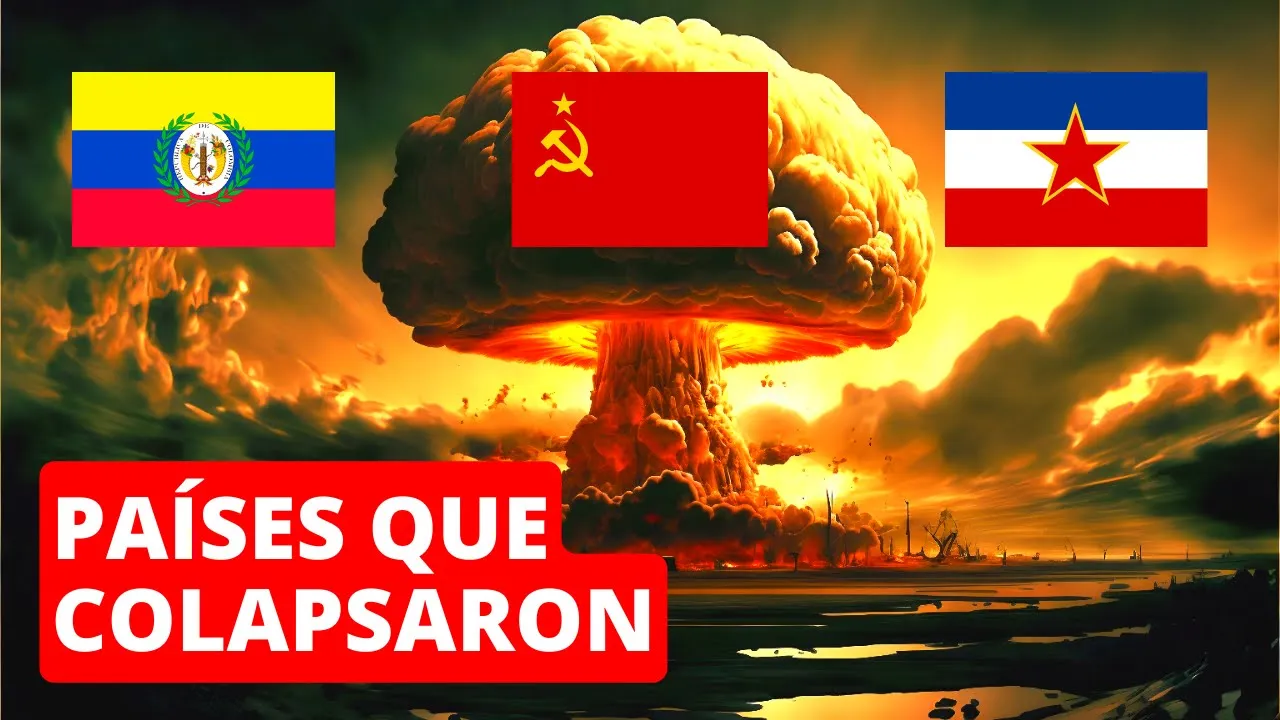
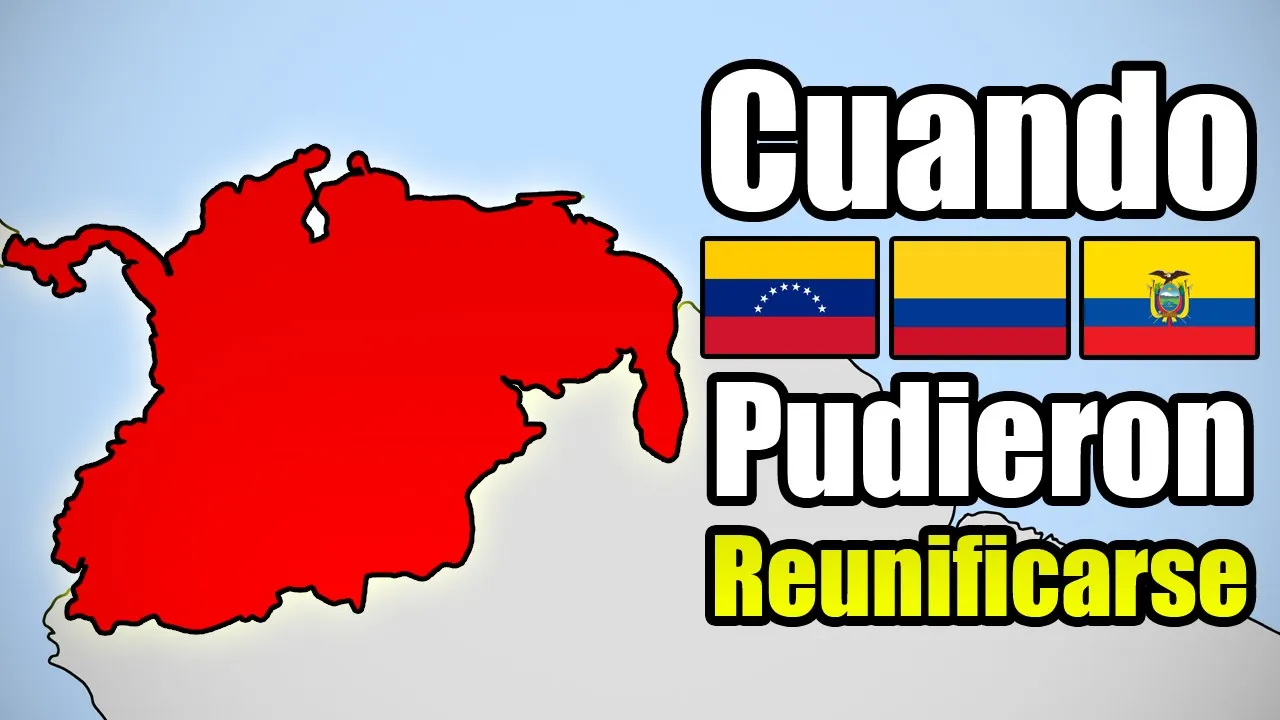
The geopolitical composition and creation of Gran Colombia in 1819, including the modern territories it encompassed (Colombia, Venezuela, Ecuador, and Panama).
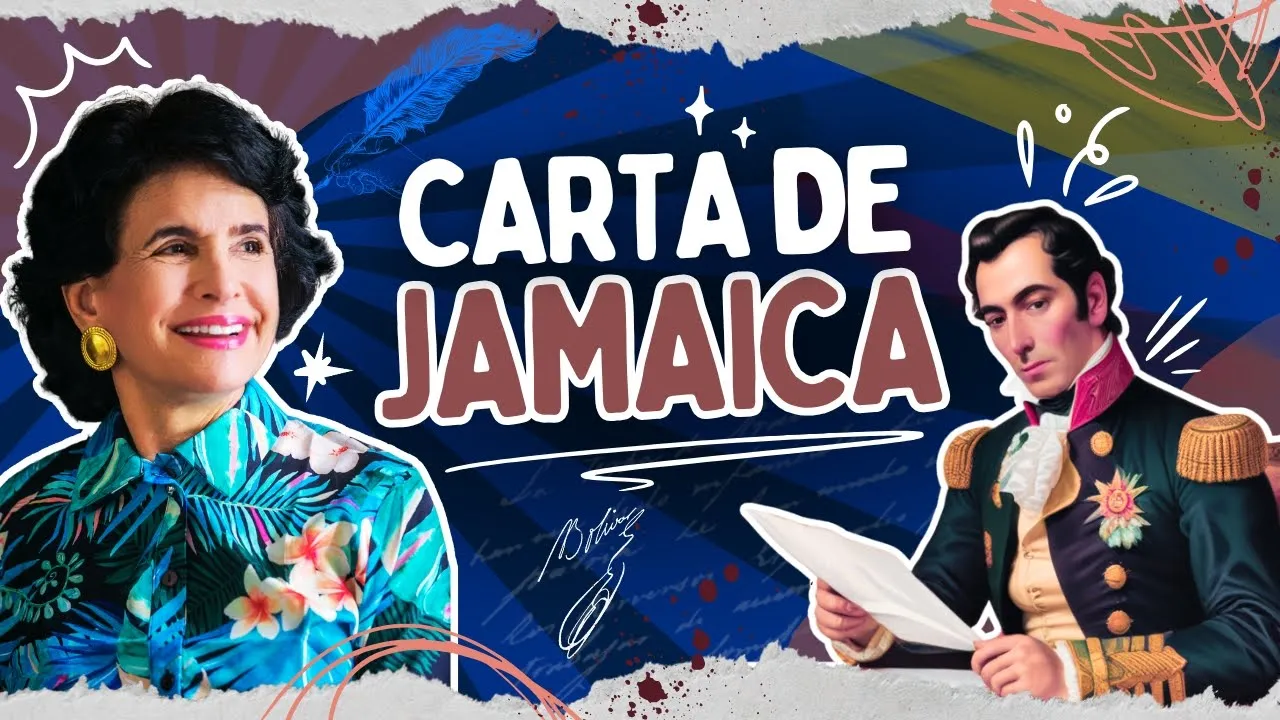
Bolívar's political philosophy of Pan-American unification and a strong centralized executive, as articulated in his Jamaica Letter.
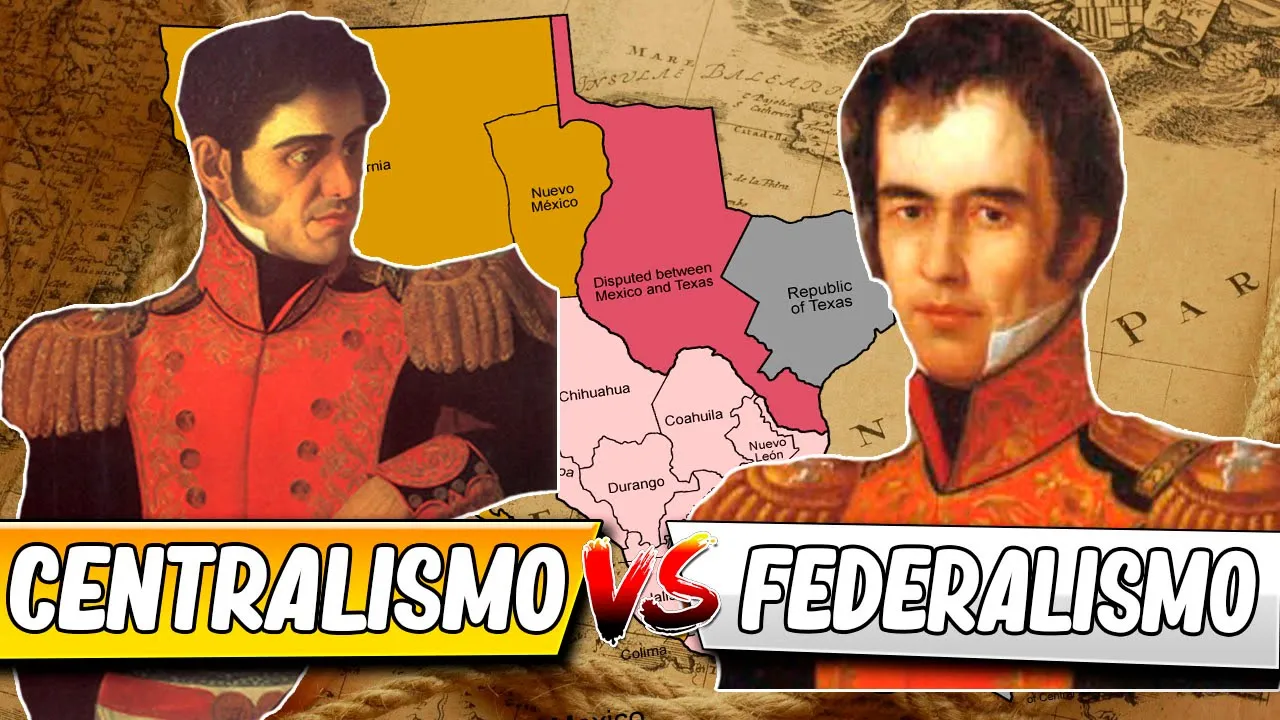
The fundamental ideological conflict in early 19th-century Latin America between Centralists (supporting centralized authority) and Federalists (advocating for regional autonomy).
The immediate aftermath of the dissolution of Gran Colombia and the political stabilization struggles of the newly independent successor states (Venezuela, Ecuador, and New Granada).
The rise of Caudillismo (rule by local military strongmen) as a dominant political force across Latin America following the collapse of centralized federal structures.
The historical evolution of the Pan-American movement, from the Congress of Panama to the formation of the Organization of American States (OAS).
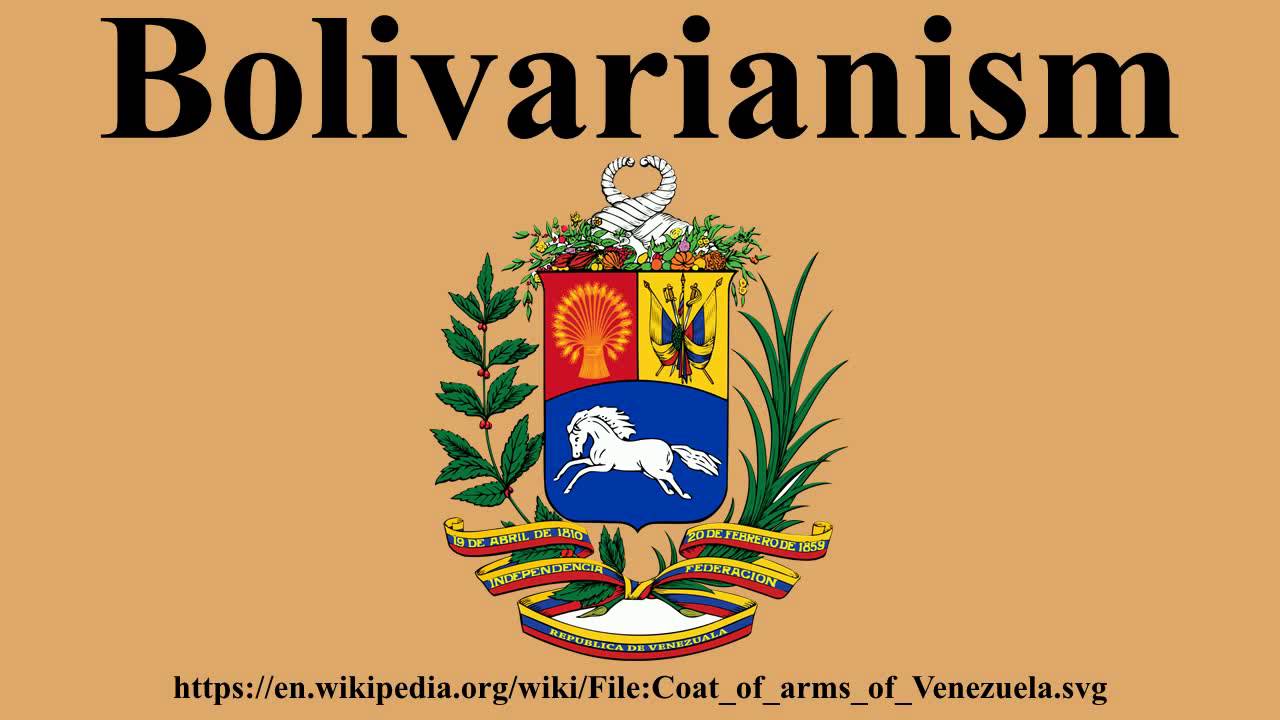
The modern legacy and appropriation of 'Bolivarianism' in 20th and 21st-century Latin American politics, particularly in Venezuela.
936.5K views20.8Klikes9:46Original Release: 2016-12-24
All of Simón's hopes were pinned to his great conference It was going to be like the amphictyonic league that had once, centuries ago, brought all the greeks together in a common confederation, a common understanding of, who they were.
The most common phrase used today to describe the Congress of Panama is: A reasounding failure.
Bolívar decided not to attend the Congress of Panama.
Too many rumors were already circulating about him wanting to make himself a king and he wanted to show that the congress was completely free of his influence but unfortunately Bolívar influence was the only thing still holding this fragile idea of a pan-american league together.
The Peruvians long felt that he had overstayed his welcome in their country, and they wanted nothing to do with joining Gran Colombia.
Brazil was a monarchy, and so wanted nothing to do with these fledgling republics.
Argentina was terrified of being steamrolled by Gran Colombia, and so wanted nothing to do with the congress in general.
And the Bolivian delegates, they just didn't make it there in time.
Worse still, Bolívar's vice president Santander, The man he had left in charge of Gran Colombia, had now been running Gran Colombia for so long, that he chaffed at the idea of Bolívar reasserting himself over the country that he'd essentially abandoned.
So even Santander was no help in forwarding Bolívar's cause at all.
But even as the congress fell appart, more bad news was on the way.
While he was still in Peru, a plot on Bolívar's life was uncovered.
The plan was to kill Bolívar and expel all Colombians from the country, reasserting Peru as it's own state.
Bolívar responded swiftly, exiling or executing those involved.
But while history largely sees these sentences as justified, they did nothing to win him popularity in Peru.
Then, another misfortune struck.
One of Bolívar's most trusted generals, Paez, the man who had led his cavalry, who had inspired the plainsmen, who had been instrumental in winning bolivar the war, rebelled.
But his rebellion was an odd one. He rebelled for Bolívar.
He called Venezuela to break from Gran Colombia, and shake of the rules of Santander, the vice president that Bolívar had left in Bogata.
And so now Bolívar had both his general, Paez, and his vice-president, Santander, begging for him to return with his army and help him crush the other guy.
For the sake of the revolution.
So, Bolívar returned to Gran Colombia, not to take sides, but to heal the breach, and that he did, for a little while.
Because even his enemies said that, when they were with him, they could not help but love him.
It was like a spell, the guy had charisma in spades.
All their grievances melted before his energy and open arms.
But as soon as he was out of sight, all those enmities would spring up again.
And his health was not what it once was, he was now gaunt, skeletal, eaten by consumption, the very disease that had taken his parents.
But, he was never one to quit.
And so he took back up the mantel of power in Gran Colombia.
But his dictatorial ways isolated him more and more.
And as he travelled the countryside he saw the true effects of his revolution, of his republic.
He saw a wasteland with roads destroyed, crops untended.
The populus that he had freed were worse of now than when he stood outside of Rome so many years ago.
And, when he tried to do anything about it he was met time and again with one unasailable fact: The countries treasury was empty.
Santander had even negotiated a huge loan from the british to help keep the government afloat, but that loan was already gone, under whispers of corruption and mismanagement.
More even than corruption though, there was one all consuming source that had swallowed up the money: and that was the army.
For years now, Gran Colombia had essentially footed the bill for Bolívar to gallivant through Spanish America liberating country after country.
Revolutions aren't cheap, and Gran Colombia had just paid for at least six.
Now the people of Gran Colombia strained against that yoke.
But Bolívar, beset on all sides by news of military setbacks, felt that he couldn't shrink the military right now.
Peru had not only broken from the federation, but invaded what was to become Ecuador.
Bolivia was in turmoil, and close to being lost.
There were even insurections in the heart of Gran Colombia.
How could he risk reducing the army at this critical time?
But it was the revolt of Peru that really tore a rift between Bolívar and his vice-president Santander.
Santander practically cheered the loss of Peru.
Not having to garrison such a large and quarrel less state would save the government a fortune.
But Bolívar saw Santander's reaction as a shot in the back.
He saw Santander celebrating something which would ruin his grand project of a universal Spanish-American federation.
He even began to suspect that Santander might have aided the rebellion.
Bolívar was in the field when he got the news about Peru.
Tensions flared, and things escalated.
Santander abrogated the dictatorial powers that Bolívar had been given, and in response, Bolívar, the champion of democracy, turned his army around and began to march on Bogota.
The very first capital he had liberated.
Surprisingly, when he got there no blood was shed.
An uneasy peace was formed, with the vice-president still serving his office, but one thing was clear to Bolívar.
The constitution of Gran Colombia, one so different than the one he had penned for his beloved Bolivia, was the problem.
It kept getting in the way. It preventing him from doing what needed to be done.
So he called for a great convention to rewrite the constitution.
But, again, with his imperialists march of the army against the capital of a country whose democracy he was supposed to defend, there were whispered charges of monarchism.
Everyone said that Bolívar, like Napoleon, would try to give himself a crown.
So Bolívar tried to remain hands off.
He wouldn't attend the convention, he didn't even seem to lobby that hard for anything other than the convention simply taking place.
The voting for the delegates came in.
Santander had campaigned vigorously, and his men were elected in a landslide.
In the end, Bolívar only stayed in power because his delegates walked out, leaving the convention with one man less than the quorum they needed to hold a vote.
He was forced to sabotage the very convention he'd set up.
And in this moment, you get a sense of great sorrow.
You see a man who recognized how far he had strayed from those ideals he lived for.
But at the same time you get a sense of a man who feels trapped, who feels compelled to take each individual action, even though each one is yet one more step away from his own desires.
And so, with the convention in tatters, Bolívar once again took on complete dictatorial powers, abandoning all pretense of rule by republic.
And the assassination attempts started to role in.
More than once, he was saved by his mistress, but his list of friends and comrades had dwindled to a poultry few.
Some had died in his wars. Some had retired, done with public life.
Some he had alienated, and some in the end, he had to put to the firing squad.
Now one more from that list rebelled.
The idea of a Latin-American monarchy was pitched.
And again, though he had not been directly connected with it, Bolívar was accused of looking to make himself king.
With a heavy heart, one of his loyalest generals decided that there would be no peace for the nation, so long as there was Bolívar.
And so, once again, Bolívar picked up the sword.
Where once, he had spent hours in the saddle, he could now only spend an hour or two at a time before was wracked with coughing, But, though well past the vigor of his youth, eaten from the inside out by consumption, Bolívar still remained active, trying to manage the military and the affairs of states.
But as another former friend met his death before his armies on the battlefield, Bolívar knew time was up.
His health was failing.
He would not live much longer. Of this he was accutely aware.
He was reduced to ruin, declared an enemy in many of the states he'd helped to free, and even banned from much of Venezuela, his homeland.
His great dream was crumbling around him, one by one, all the states of Spanish America were abandoning his great project.
Gran Colombia was disintegrating around him, and there was nothing he could do, frail skeleton of a man that he'd become.
So one last time, he tried to put affairs in order, to leave some part of the world that he tried to free ready for a world without him.
He called together all the notable men of the revolution that were left, and asked them to oversee the transition of power.
To help keep the country together while he retired quietly back to europe, which he had not seen since his youth.
But even this was not to be.
The Government wouldn't let him go until new elections were held, and he was destitute.
He sold his silverware in order to try to afford the trip.
When the new ellections were held, the man that he'd asked all those great nobles to let be his successor, didn't win.
And so, Bolívar slunk out of Bogota, to make the arduous trip to Cartahena.
But even the very ship he was to leave on ran aground.
And so he sat, exiled in his own homeland, slowly wasting away like the nation he'd founded.
After one last short trip, he died.
Not on the battlefield, not with fanfare or ceremony, but of a lung rotting from inside out.
He had not left behind order. He had not left behind a single unified state.
He had not left behind a lasting constitution or an enlightened code of laws.
But, he had left behind liberty.
He was the libertador.
Up Next
17:04
Historian Reacts to Simon Bolivar Part 2: Bolivar's Diplomatic Failure
@VloggingThroughHistory
59.9K views•2021-04-16

33:02
The Great Schism of 1054: Causes and Consequences
@SacredCathedrals
113.5K views•2026-02-19
8:49
Mali Empire Origins: Sundiata's Victory and the Gold Trade
@extrahistory
2.4M views•2018-04-14
17:05
Understanding the Cold War: Superpower Conflicts and the Road to Détente
@OverSimplified
46.1M views•2019-01-24
Related Study Plans & Knowledge Roadmaps
Structured learning paths in History
history
Byzantine Iconoclasm: Theology, Art & Politics
01Foundations of Byzantium and Early Christian Images
02The First Iconoclasm: Leo III and the Crisis of Images
03Empress Irene, Nicaea II, and the Second Iconoclasm
+ 2 more learning modules
9h5 modules
Explore Roadmap
history
Iranian Revolution (Causes, Events & Legacy)
01The Pahlavi Dynasty and the Roots of Discontent
02The Spark of Rebellion and the Rise of Khomeini
031979: The Fall of the Shah and the Climax of the Revolution
+ 2 more learning modules
8h5 modules
Explore Roadmap
history
Mali Empire: Mansa Musa, Trade & Timbuktu
01Foundations of the Mali Empire
02The Trans-Saharan Gold and Salt Trade
03The Reign and Pilgrimage of Mansa Musa
+ 1 more learning modules
6h4 modules
Explore Roadmap
history
1947 Partition: Politics, Borders & Legacies
01Foundations of British India and the Divide
02The Political Negotiations and the Mountbatten Plan
03Drawing the Boundary: The Radcliffe Line
+ 2 more learning modules
8h5 modules
Explore Roadmap