












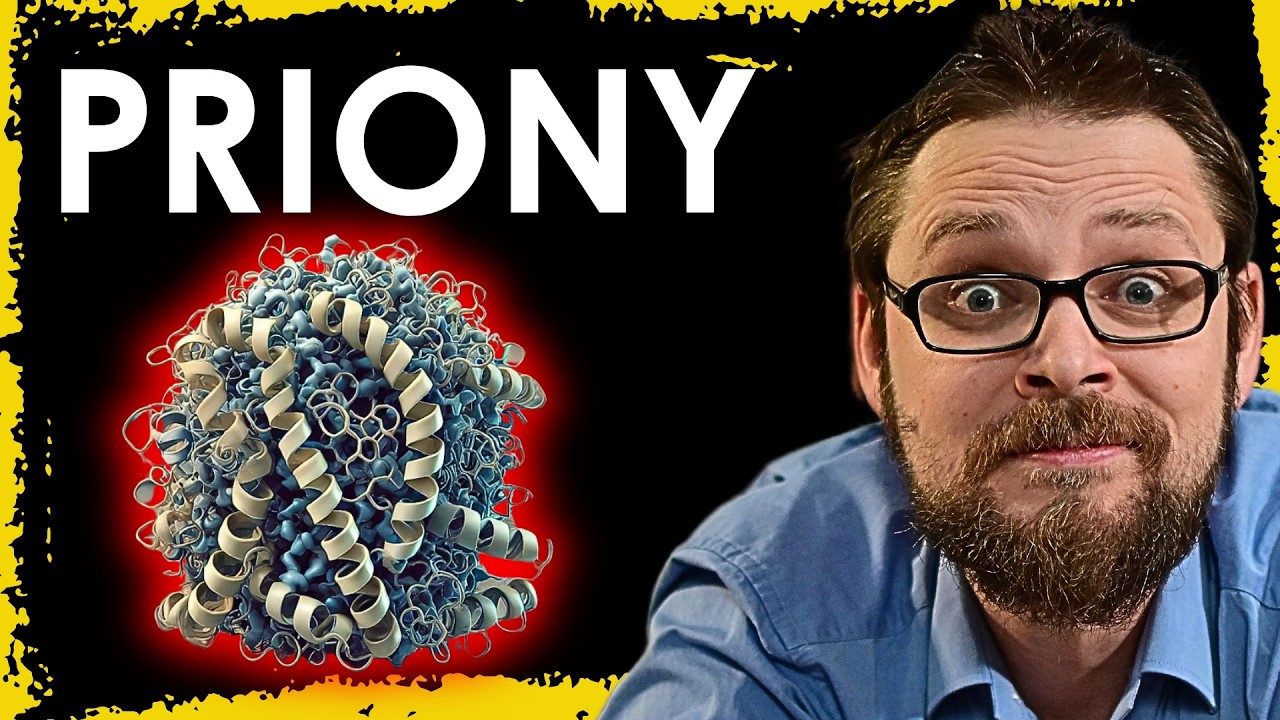
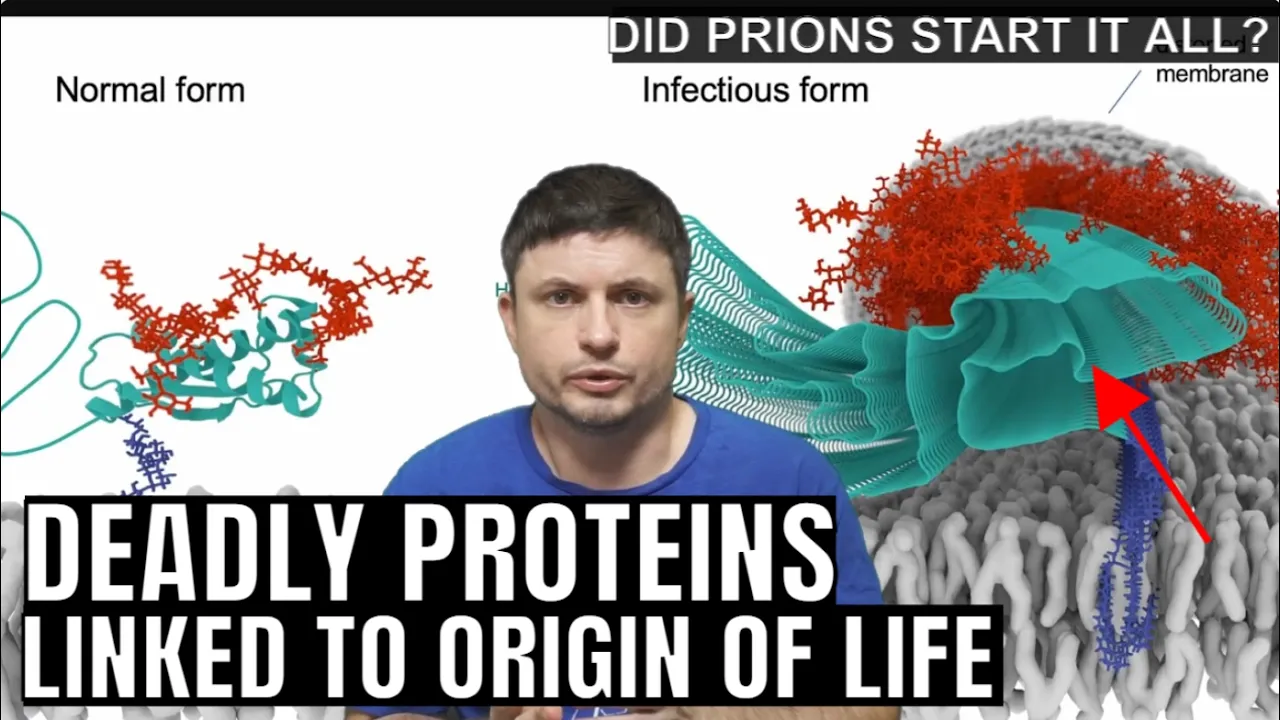









Prions are misfolded proteins that cause fatal neurodegenerative diseases by converting normal proteins into additional prions through a self-replicating cycle; unlike bacteria or viruses, prions are remarkably stable and resistant to cooking, stomach acids, and enzymes, making them uniquely dangerous as they can transmit diseases like mad cow disease (BSE) and variant Creutzfeldt-Jakob disease (vCJD) through contaminated meat consumption, with no known cure once symptoms appear.
Prions: The Science Behind Mad Cow Disease | Neurology Explained
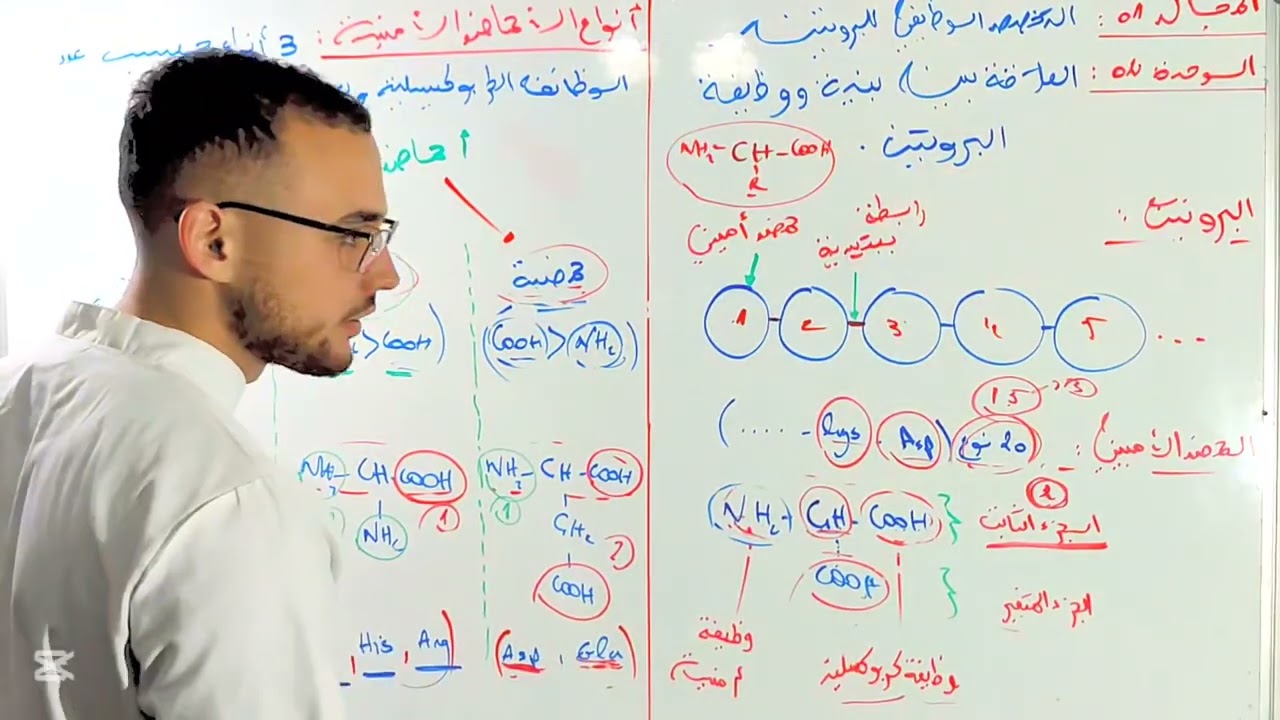
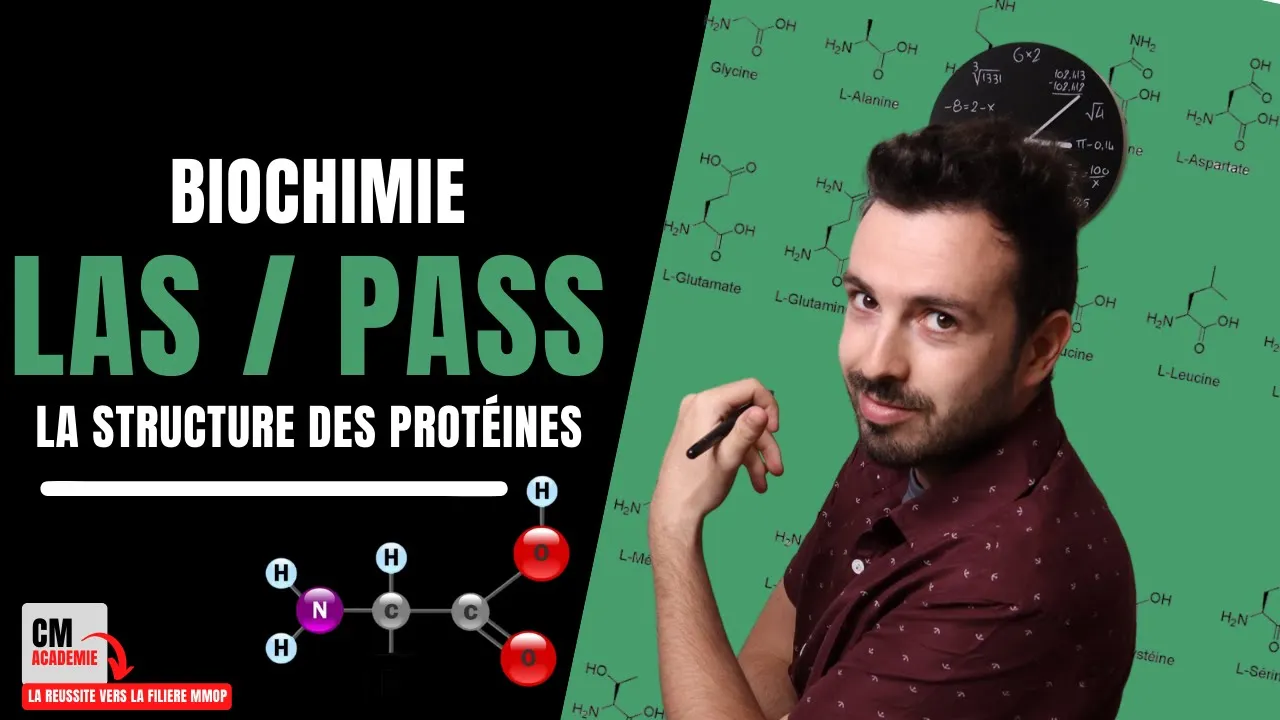
Added:The levels of protein structure (primary, secondary, tertiary) and how precise folding dictates biological function.
The Central Dogma of Molecular Biology, specifically how genetic information typically flows from DNA to RNA to proteins.
Basic neuroanatomy and cellular biology, including the role of neurons and synapses in the central nervous system.
General principles of infectious diseases, including how traditional pathogens (like bacteria and viruses) replicate and trigger immune responses.
The biophysical mechanisms of prion propagation, specifically the template-directed refolding and nucleation-polymerization models.
Comparative analysis of other neurodegenerative proteinopathies, such as Alzheimer's (amyloid-beta) and Parkinson's (alpha-synuclein) diseases.
The history of public health policy, surveillance, and food safety regulations established in response to the BSE ('Mad Cow') epidemic.
Advanced diagnostic methods for transmissible spongiform encephalopathies (TSEs), such as RT-QuIC (Real-Time Quaking-Induced Conversion), and current therapeutic research.
230.8K views10.3Klikes10:20Original Release: 2024-03-15
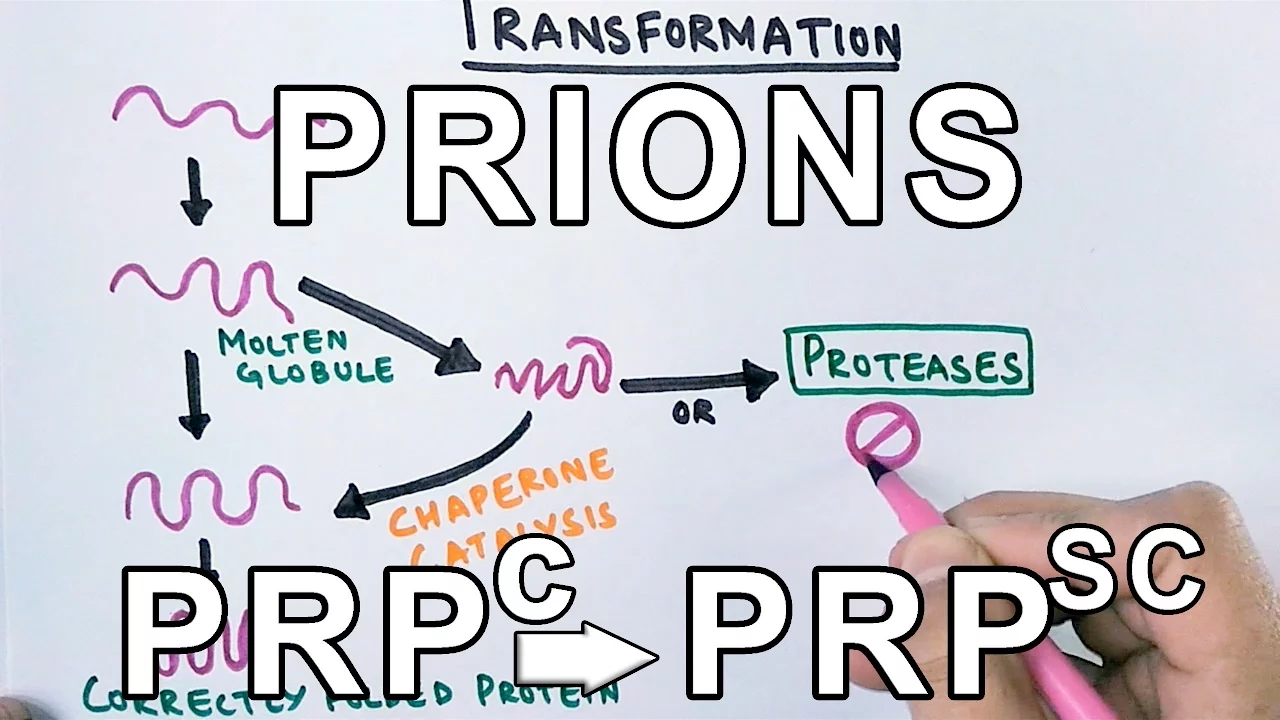
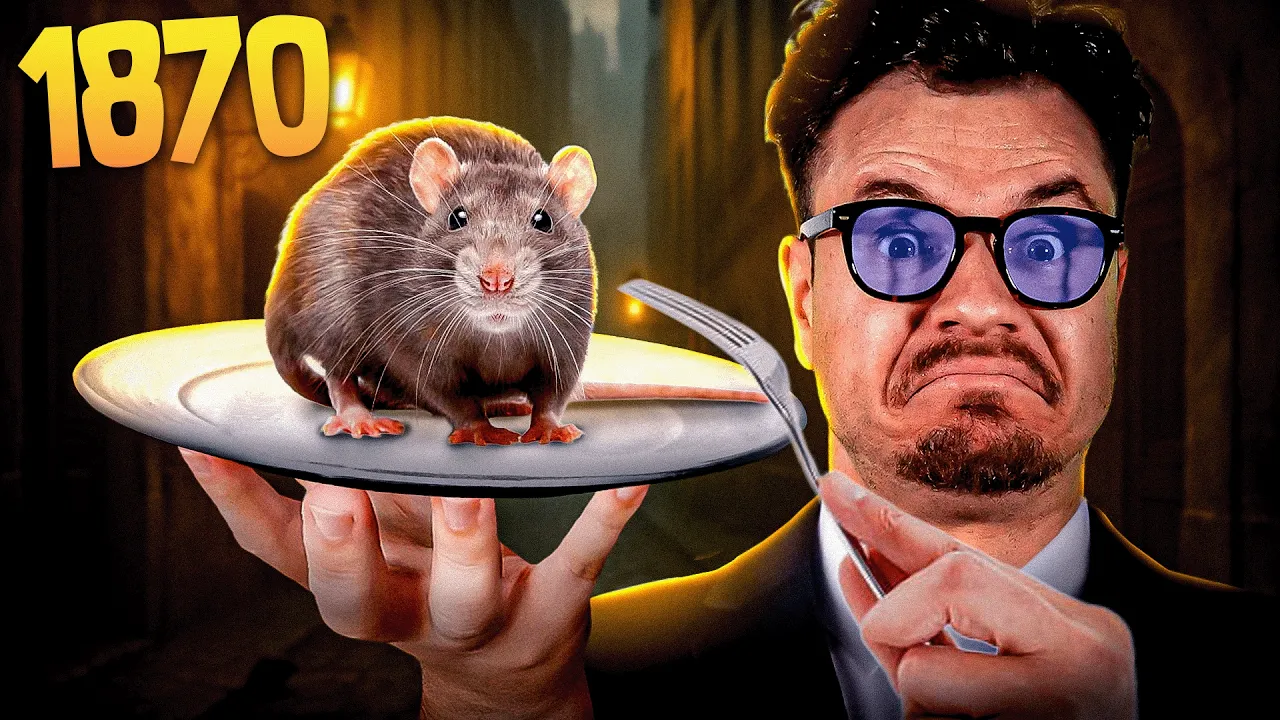
in May 1995 19-year-old Steven Churchill of Wilshire England a previously healthy young man began exhibiting signs of dementia his symptoms included poor memory loss of motor functions and the onset of severe depression he transitioned from a healthy young man to a confused wheelchair bound Nursing Home Patient in a matter of weeks sadly just 6 months after the appearance of his symptoms he succumbed to the effects of aggressive neurological degeneration Churchill was one of many victims of a new Vari of bovine spongiform and sephy apathy or BSE also known as mad cow disease mad cow disease causes the degeneration of neurons in the brains of cattle and more recently humans in the mid 1990s the UK experienced a significant outbreak of bovine spongiform and sephy apathy this triggered widespread hysteria concerns about the meat industry and a Severe loss of trust in the UK government due to its inadequate and delayed response what's most most interesting about this outbreak is that it was not caused by a bacteria or a virus but rather a specific type of protein called a pron in this video we'll see how the simple protein caused an international outbreak speaking of unprecedented my writing has really improved since I started using type AI type AI is a keyboard extension app that acts as a virtual writing assistant it helped me write the script for this video and it can help you write pretty much anything if you're trying to change the tone of an email reply to an awkward text text or send just the right message after that first date type AI can make it easier type AI is best used on your phone and is powered by the same technology as chat GPT so edits are quick and seamless instead of obsessing over whether a text sounds just right type AI will take what you have and create a message that better communicates what you're trying to say if you want to be more impactful or sound more friendly or professional type AI lets you easily adjust the tone to better suit your communication style making the interaction more tailored to your preferen in the context of your message click the link in the description box below for a free trial of type AI premium version a Pon is a protein it's composed of the same amino acids that make up protein in eggs and meat what makes prion different from other proteins is its folding structure the way a protein folds dictates how it behaves and what it does for example to work as an enzyme a protein folds into a shape that produces a pocket where a molecule can fit in and be catalyzed due to a very rare genetic mutation called crel jackup disease proteins misfold at higher rates than usual when a protein is misfolded and can't unfold it's called a pron if a pron encounters another protein it will disrupt its structure and misfold it converting it into a Pon this newly made pron goes on to convert other proteins into prons resulting in a self-replicating cycle misfolded proteins tend to aggregate into groups called ameloid plaques which can appear anywhere in the body such as the skin joints heart kidneys and liver the buildup of ameloid plaques causes swelling and inflammation swelling and inflammation are generally not life-threatening unless it occurs in the brain If ameloid plaques accumulate in the brain they cluster around neurons and cause inflammation as you can see in this microscopic image of neurons covered with ameloid plaques the areas in red are ameloid plaques which tend to be very sticky and accumulate onto neuronal cells these plaques then induce inflammation directly on the neurons and brain tissue this damages brain tissue producing holes in the brain itself creating a sponge-like appearance owing to the name of spongiform enop this inflammatory tissue damage disrupts neuronal signaling resulting in deficiencies in cognition memory and motor functions due to their neurological damage pron infections in the brain are 100% fatal and cannot be treated as soon as symptoms manifest damage is extensive and mortality occurs in less than a year fortunately crouts jackup disease is very very rare though it's genetic it can be transmitted by person to person but only by eating the tissue of the infected person yes you heard that right human prons are only transferred through cannibalism this is a good reason why it's looked down upon to eat people this is also how mad cow disease was initially spread cows that were predisposed and prons were slaughtered some of the infected meat was added to cow feed known as MGM or meat and bone meal MGM cow feed was given to cattle and was a common practice in the industry at the time cows fed with contaminated feed ingested cattle meat containing prons leading to infection subsequently infected cows were processed for meat and some was added to cow feed once again this cyclic process perpetuated the spread of prons eventually tainted meat reached supermarkets where fat sponge of form and cyop was spread to Consumers if you're wondering why prons were not destroyed by cooking or stomach acids it's because the preon protein structure is remarkably stable when prion proteins fold they move sheets of amino acids together in a stacked Arrangement so there is maximum hydrogen bonding hydrogen bonds are notoriously strong and renders prons impervious to Conventional cooking temperatures gastric acids and even proteas enzymes no matter how the beef was cooked or sterilized it could not be made safe for consumption to effectively address outbreaks of mad cow disease infected cattle must be promptly isolated and safely disposed of cattle in close proximity to the affected areas must undergo thorough testing for infection failure to enforce these crucial measures led to the most significant food contamination outbreak in UK history ultimately culminating in the notorious mad cow disease outbreak the origins of the outbreak can be traced to a cattle farm in Sussex England in December 1984 cattle began showing symptoms suggestive of Bine spongiform in copath or BSE postmortem examinations conclusively diagnose the animals with bsse it was discovered that the cows had been consuming feed containing meat and bone meal or MBM derived from cattle affected by BSC unfortunately very minimal precautions were implemented to curtail the spread of BC within the cattle population or invest at implications for human consumption in 1989 as cases of BSC infections continued to escalate among cattle the UK government took decisive action by prohibiting the sale of cattle organ Meats including brain and spinal cord however they continued the sale of General cattle meat to the public simultaneously the US imposed banss and imports of live cattle sheep bison and goats from Nations where BC had been identified agriculture Minister John Gummer assured the public of the safety of beef consumption on May 16th 1990 gumber delivered a now Infamous broadcast aimed at demonstrating the safety of beef consumption by having his four-year-old daughter Cordelia take a bite from a hamburger when Gummer offered her a bite she refused on National Television perhaps serving as an ominous indication of the events to come during the peak of the outbreak between 1992 and 1993 more than 180,000 cattle tested positive for bsse marking the peak number of infections despite the surge the UK government maintained its position offering reassurances to the public that humans were no more than dead and hosts on May 21st 1995 19-year-old Steven Churchill became the first victim of this new disease subsequently labeled variant crell jackup disease or vcjd despite mounting concerns the UK government persisted in asserting the safety of British beef and maintained that there was insufficient evidence to Esta l a definitive link between BC and the new variant found in Churchill a second case of variant crel trup disease affected a 25-year-old male named Peter Hall and would sadly meet the same fate as Churchill not long after Steven Doro the Secretary of State for health disclosed a pivotal finding variant kutzel jackup disease was linked to the consumption of cattle meat contaminated with prons responsible for Bine sponge form and copath public outrage Rose to anger compelling the UK to take decisive action by Banning the use of MBM feed for livestock testing and tracking for cattle soon followed this triggered a dramatic decline in beef consumption across the UK Europe the US and Canada imposed a ban on All Imports of UK meat the UK government itself implemented a sweeping prohibition on all beef sales for a period of 30 months in March 1996 a robust campaign was initiated to confront the escalating threat of BC among cattle the campaign called for over 4.5 million cattle to be systematically slaughtered to isolate the transmission of bsse in 1999 following quarantine measures and extensive testing the incidence of bsse finally began to decline with levels reaching a manageable point the UK government lifted the ban on all meat products the toll on the UK cattle industry was staggering amounting to a colossal $2.4 billion in losses tragically 178 lives were lost to variant crudel jackob disease as a result of consuming contaminated beef the low infection rates among humans were attributed to several key factors these included intense public pressure and media scrutiny of the UK government's reluctance to investigate transmission to humans The public's confidence in the government was severely affected while the government did not intentionally deceive the public its strategy of offering reassurances proved to be a misstep moreover scientific advisory committees were criticized for their slow decisions the UK mad cow disease outbreak became a classic lesson in epidemiology underscoring The Perils of failing to discern clear disease patterns and hesitating to conduct investigations it showed how failing to take simple precautions resulted in widespread catastrophe
Up Next

7:57
Technetium-99m Generator: Molybdenum-99 Production & Quality Control
@nuclearmedicinesnacks4682
4.7K views•2022-11-28

48:47
Graphic Medicine: Comics for Collaborative Healthcare Communication
@nationalpatientadvocate
189 views•2023-12-04

10:28
Neuroanatomy: Central and Peripheral Nervous System Divisions Explained
@AKLECTURES
136.2K views•2014-09-20

3:05
Stages of Labor and Vaginal Birth | Childbirth Animation
@nucleusmedicalmedia
52.1M views•2017-08-18
Related Study Plans & Knowledge Roadmaps
Structured learning paths in Medicine
medicine
Abnormal LFTs: Diagnostic Workup & Pathology
01Liver Anatomy and Basic Physiology
02Introduction to Liver Function Tests (LFTs)
03Hepatocellular vs. Cholestatic Patterns
+ 3 more learning modules
12h6 modules
Explore Roadmap
medicine
Analyzing Blood Smears: RBC, WBC & Platelets
01Introduction to Blood Components & Smear Preparation
02Normal Morphology of Blood Cells
03Erythrocyte Pathologies & Morphological Variants
+ 2 more learning modules
12h5 modules
Explore Roadmap
medicine
Mechanical Ventilation: Waveforms & Alarms
01Anatomy and Physiology of Breathing
02Introduction to Mechanical Ventilation & Core Modes
03Ventilator Settings and Waveform Interpretation
+ 2 more learning modules
12h5 modules
Explore Roadmap
medicine
Neuro Exam: Localization & Stroke Syndromes
01Foundations of Neuroanatomy and Vascular Supply
02The Neurological Examination: Step-by-Step
03Principles of Neurological Localization
+ 3 more learning modules
18h6 modules
Explore Roadmap