




















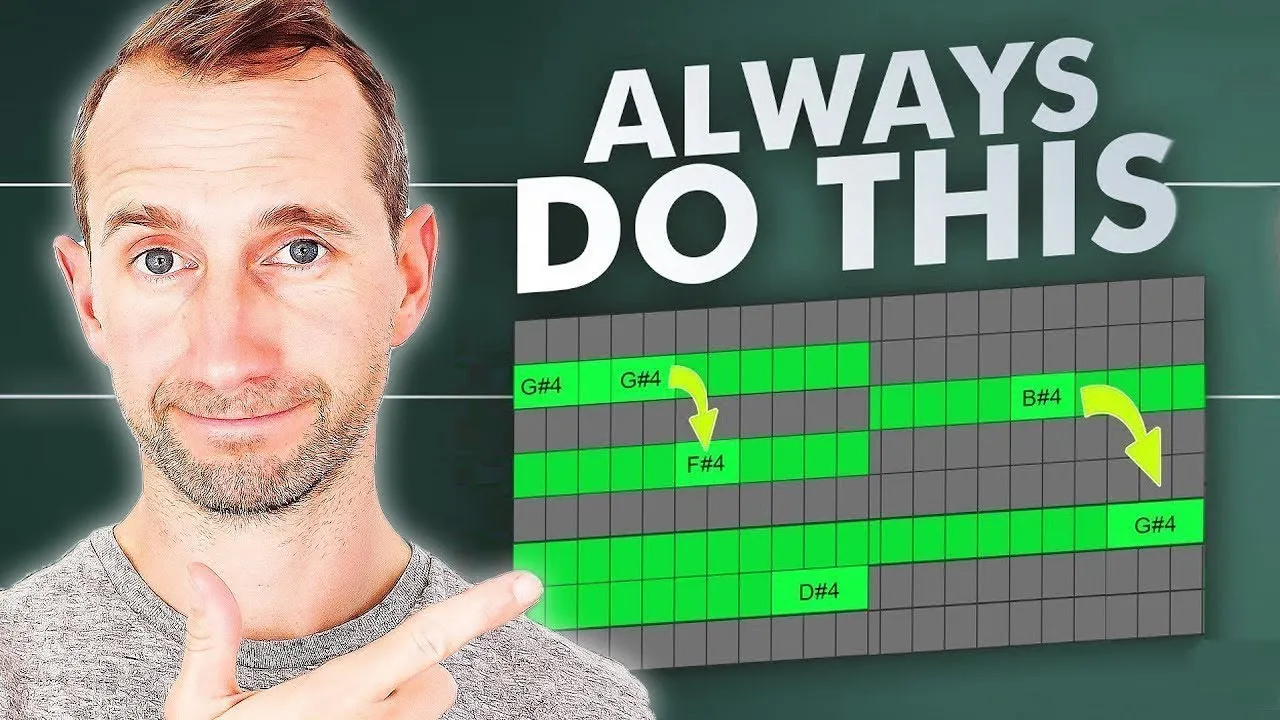


To find vocal harmony for any song, identify the chords in the song and the notes in the melody line, then select harmony notes from the available notes in each chord (such as B and D for G major, F# and A for D major, and C and E for C major), and experiment with these notes in the same rhythm as the melody to create a complementary harmony line.
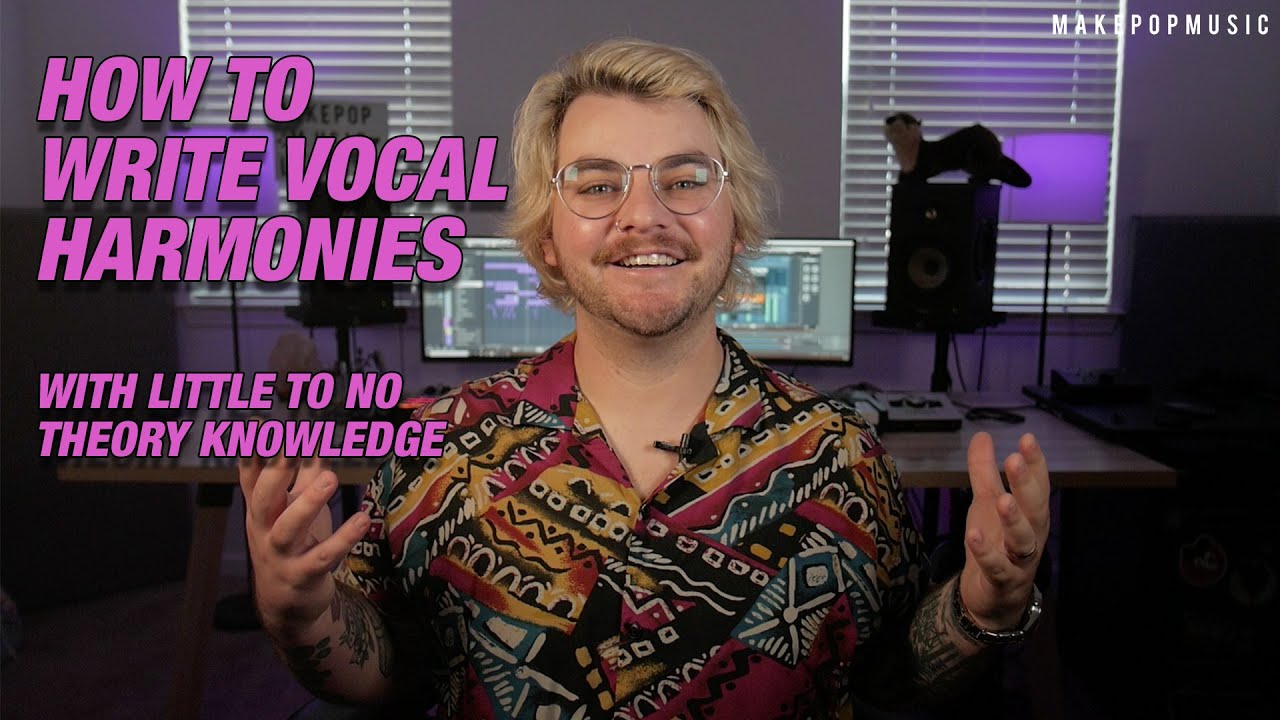
Mastering Vocal Harmony: A Simplified Method for Any Song (Music Theory Guide)
Added:Basic understanding of major and minor scales and key signatures.
Knowledge of basic chord construction, specifically major and minor triads (root, third, fifth).
Familiarity with simple musical intervals, particularly thirds and fifths, which are the foundation of basic harmony.
Ability to match pitch and sing a basic melody independently.
Voice leading techniques to ensure smooth, natural transitions between harmony notes.
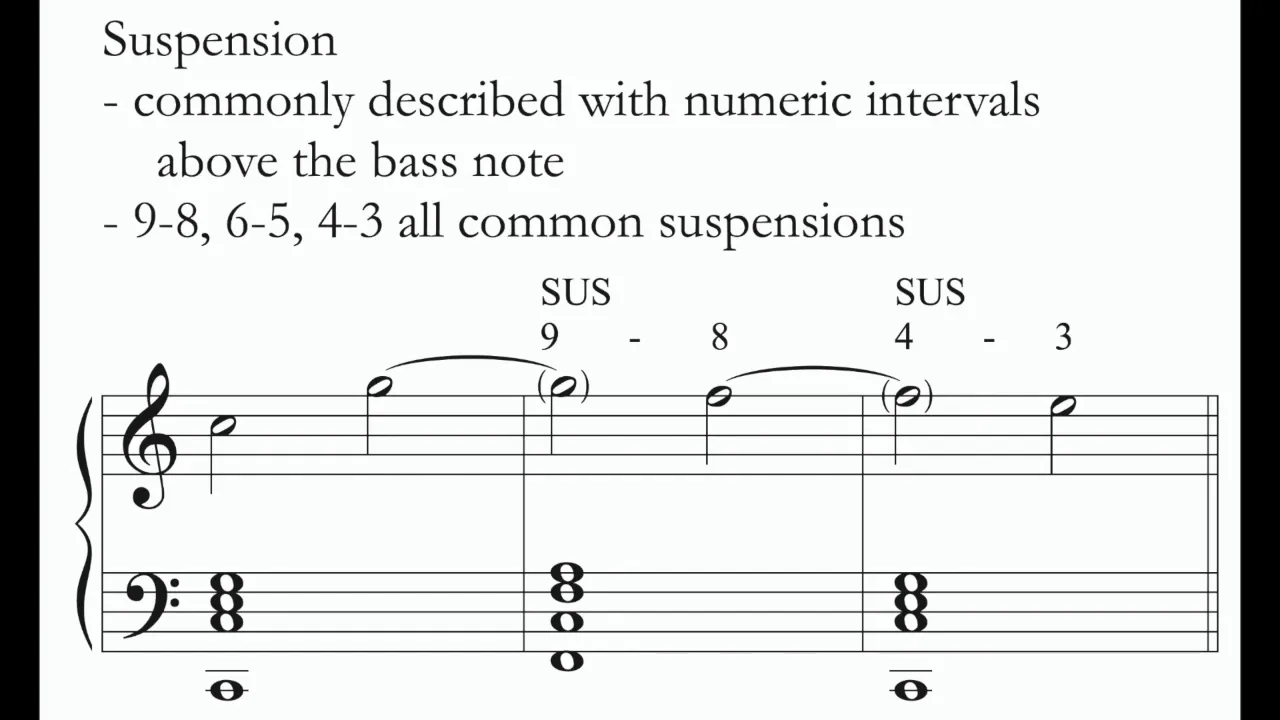
Incorporating non-chord tones (such as passing tones and suspensions) to create more dynamic vocal lines.
Writing and arranging multi-part vocal harmonies (e.g., 3-part or 4-part SATB arrangements).
Exploring extended chords (7ths, 9ths) and alterations to add modern color to vocal arrangements.
456 views14likes4:58Original Release: 2020-04-19
[Music] [Applause] [Music] [Applause] everybody welcome once again to my channel I am Brad Carl doing a bunch of things music here and today is going to be a little bit of a lesson slash refresher for anybody who's ever wonder about harmonies and singing harmonies for the longest time growing up you know singing harmony was a hard thing and it became a situation where a lot of times I found myself in the car only singing harmonies eventually I want to say I got really good at it but my ear got really good at kind of hearing some other parts and so that's one good way to do it but sometimes it's hard to figure out what those notes are supposed to be singing those notes sometimes high sometimes really low it can be really difficult but the other half of the problem sometimes is figuring out what those notes actually are and there are some tricks that you can do but the best thing to do especially when you have your own song is to figure out what the notes are of your melody line I mean if you have two parts to the equation if you know what the chords are in the song and you know what the notes are the melody line you can go through variations of harmony notes that you can use in in the song you have a lot of options actually and let me show you why so the three there are three chords that repeat in the same order in this song that I'm working on and those chords are G major a little high there but G major D major and C major just over and over again it goes a little like this okay and the melody line is actually only three notes and I love it when I come up with simple melody line don't even realize how simple it is it goes like this hopefully you can hear that okay let's turn it up a little bit whoops okay so that's the melody line so it's a G an f-sharp and an e we'll flip back and forth between E and F sharp okay and that hands of course the G goes with the G chord D F sharp goes with the D chord and the e goes with the C chord okay now when you think about that you know that there are other notes that go with the G chord of course the D chord in the C chord in the G chord it's B and D and in the D chord it's F sharp we've got the F sharp in the melody a D and an A okay and then of course of C is a CEng so what you can do is you can play around with those notes in the same rhythm pentameter whatever you want to call it to find something that works and I came up with b d e okay so instead of this other person would be singing right so [Music] yeah I'm not gonna be very good at playing those together but you get the idea and that is an easy way to come up with harmony so it's kind of fun to do that I just thought I would throw this little lesson out there for you to be honest I've searched around on YouTube before and tried to find a good video that explains this exactly like this and I don't really know that I've found anything like that yet so I figured I'd throw this out there so I hope you enjoyed this video I appreciate you coming by please hit the like button comment below and let me know any of your thoughts or maybe some tricks that you come up with and please don't forget to subscribe I would love to make more videos if I know you're watching it makes me want to do more so thanks again I'll see you next time
Up Next
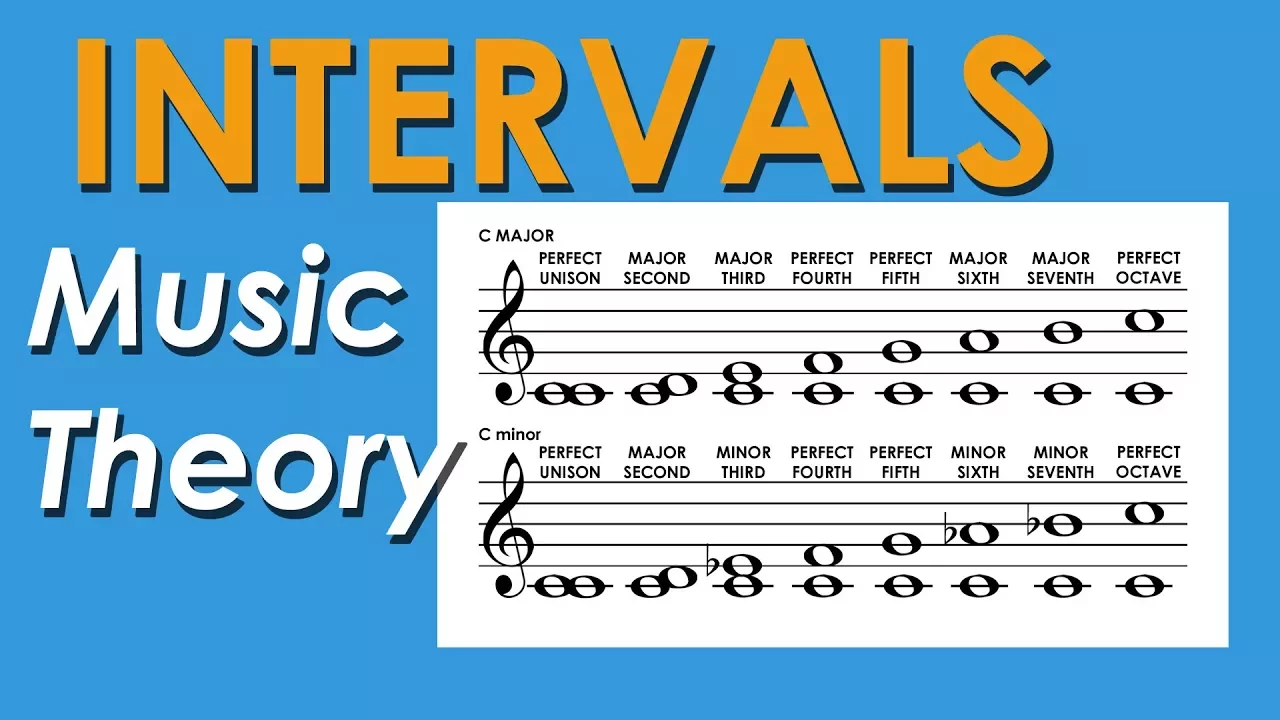
6:03
Understanding Musical Intervals: A Music Theory Guide
@Oddquartet
742.9K views•2017-12-13

10:20
Mozart's Musical Dice Game Explained: History, Rules, & Fun
@webpianoacademy
5K views•2023-03-13

47:36
Understanding Diatonic 7th Chords in Major Keys | Music Theory Tutorial
@GracieTerzian
54.7K views•2022-03-02
10:49
Understanding John Coltrane's Giant Steps: A Music Theory Analysis
@Vox
10.4M views•2018-11-12
Related Study Plans & Knowledge Roadmaps
Structured learning paths in Music Theory
music-theory
Composing Galant Music: Partimento & Schemata
01Foundations of Figured Bass and Keyboard Harmony
02The Rule of the Octave (Regola dell'Ottava)
03Galant Schemata: The Building Blocks of Form
+ 2 more learning modules
30h5 modules
Explore Roadmap
music-theory
Decoding Overtone Series: Tuning & Drone Music
01Acoustic Foundations: The Physics of the Overtone Series
02Tuning Systems: Equal Temperament vs. Just Intonation
03Microtonality and Spectralism: Beyond Standard Pitches
+ 2 more learning modules
24h5 modules
Explore Roadmap
music-theory
Impressionist Harmony: Scales, Planing & RPGs
01Foundational Music Theory: Keys, Intervals, and Seventh Chords
02Impressionist Color: Chord Planing and Parallel Harmony
03Whimsical Textures: Pentatonic Cascades and Whole-Tone Scales
+ 1 more learning modules
14h4 modules
Explore Roadmap
music-theory
Negative Harmony: Axis Reflection in Indie Pop
01Music Theory Foundations: Scales, Intervals, and Triads
02Functional Harmony and the Circle of Fifths
03Demystifying the Negative Harmony Axis Reflection
+ 2 more learning modules
16h5 modules
Explore Roadmap