



![미·중 갈등 속, 한국의 생존 전략은? | 안유화 중국증권행정연구원 원장 [더 피플]](https://i.ytimg.com/vi_webp/hKbblik_N2A/maxresdefault.webp)


![BOM CONTROL บริหารวัตถุดิบด้วยเอ็กเซล [Easy Excel SPEP.6 ]](https://i.ytimg.com/vi/Mxms7FPC4w8/maxresdefault.jpg)










![[제1과목] 물류관리론 (9)](https://i.ytimg.com/vi/XoMCjsrXZdI/maxresdefault.jpg)





![주가가 현실과 다른 이유가 이겁니다...사이클을 이해하고 인정해야 합니다/ 하워드막스 투자와 마켓 사이클의 법칙 / 박성진 대표 (2부) [리딩방 Reading room]](https://i.ytimg.com/vi/T6H5YAJ3dYY/maxresdefault.jpg)


The bullwhip effect is a phenomenon where small fluctuations in consumer demand cause progressively larger variations as they move up the supply chain, leading to excessive inventory buildup when retailers overestimate demand based on initial trends, which then amplifies through each stage of distribution, resulting in markdowns and sales as companies work to clear excess stock.
The Bullwhip Effect: Why Retailers Slash Prices
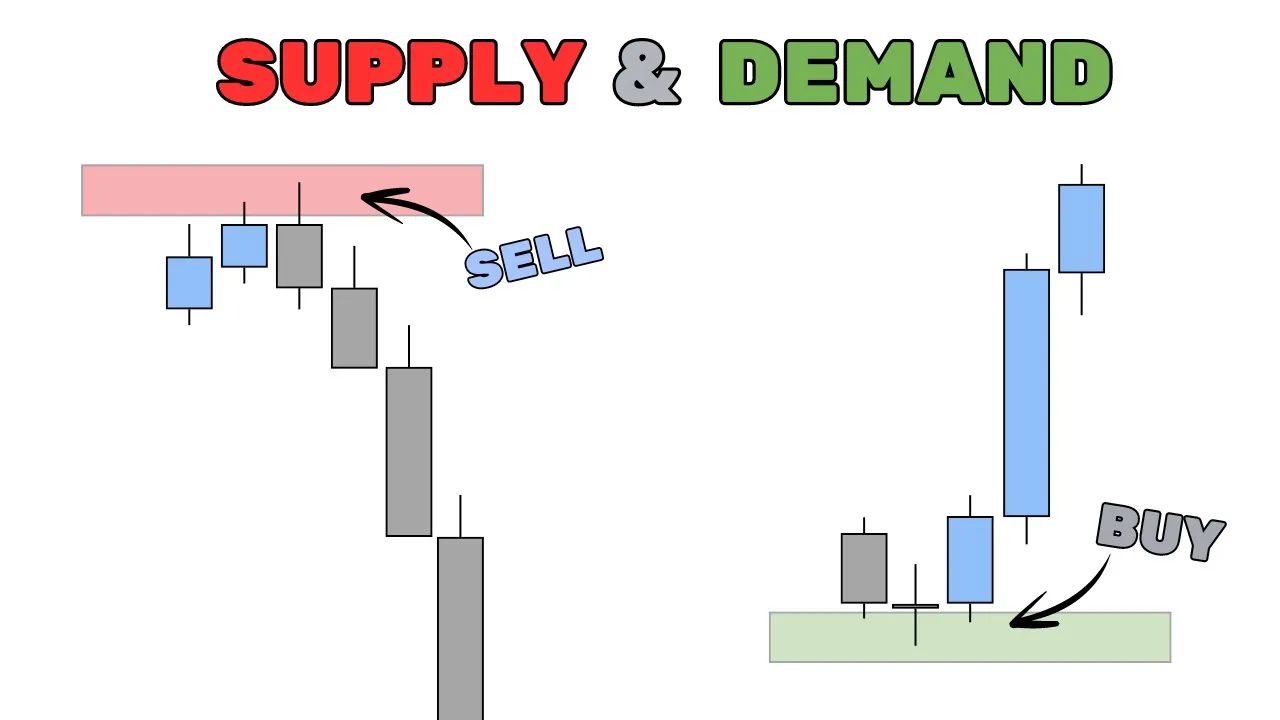
Added:Basic Supply and Demand: Understanding how price is determined by the balance of supply and demand, and why excess supply leads to price decreases.
Supply Chain Structure: Familiarity with the roles of manufacturers, wholesalers, distributors, and retailers in the distribution channel.
Inventory Management Basics: Key concepts such as safety stock, lead time, and demand forecasting.
Retail Margin and Markup Concepts: How retailers calculate profit margins and use markdown strategies to clear unsold inventory.
Supply Chain Integration and Technology: Exploring how tools like CPFR (Collaborative Planning, Forecasting, and Replenishment) and RFID mitigate the bullwhip effect.
Just-In-Time (JIT) and Lean Logistics: Studying inventory management strategies designed to minimize waste and reduce storage costs.
Macroeconomic Inventory Cycles: Analyzing how supply chain fluctuations on a micro level contribute to broader economic inflation, recessions, and GDP fluctuations.
The Beer Distribution Game and Systems Dynamics: Engaging in simulation-based learning to model feedback loops and behavioral causes of supply chain distortion.
601K views6.9Klikes4:28Original Release: 2022-10-05
if it seems like there are more sales than usual it's because there are simply these stores have too much stuff it's been the talk of many retailers earnings calls I would say there's going to be a a a hesitate to call it a bloodbath but it's going to be ugly uh in terms of um the amount of discounting and markdowns these big inventories aren't just a good deal for your closet they're a classic example of the bullwhip effect here's why these stores have such large inventories and what all these sales mean for the economy nothing shows the problem more clearly than this chart it's the ratio between inventories and sales for General retailers places like Walmart or Macy's for the last several years retailers have been pretty good at keeping just a bit more inventory than sales it's a good balance of keeping enough stock on hand to not have bare shelves but not wasting money to store too much extra inventory and then of course covet happened [Music] but after a year of supply chain issues the economy began to recover and inventories got slightly back to normal yet today it's like an echocardiogram for a patient who goes into shock we had really fast economic growth in 2021 and part of that growth was building up inventories and what a lot of companies discovered was they built up too much and in some cases they built up inventories of the wrong stuff retail experts say the build up is partly because the stores wrongly planned that consumers would keep up their pandemic level spending and partly because of that bullwhip effect [Music] think back to 2020 when demand for athleisure wear was high stuck in quarantine people stocked up on yoga and sweatpants you know I'm kind of happy with my target yoga pants lately working from home so retailers placed more orders for lounge apparel with the wholesalers who then placed more orders with the manufacturers to then Place more orders with their suppliers the further down the line This chain went the demand got larger and larger and by the time the pants could be passed back down the line and fill the racks at the stores the demand just wasn't there they ordered stuff that took a really long time to get there because of all the supply chain issues they had and then they discovered that the stuff that they had ordered from the overseas suppliers was no longer what a lot of consumers wanted to buy replace yoga pants with air fryers and big TVs and add inflation which has caused people to shift their spending the inventory Bowl whips that we're seeing are very uneven across Industries and that's one of the reasons why inflation is very uneven right now in the mid-1900s inventories were a driver of recessions mainly because a lot of things were made in the U.S too much inventory meant stores would Place fewer orders so plants would slow production the other side of the bullwhip when they cut production they laid off workers workers spent less we went into a recession and you had this kind of easily defined business cycle well so because the economy has changed so much because we import a lot of what we consume from overseas because there's these just in time inventories it's hard to say how the bullwhip is gonna is gonna play out this time instead of hitting the United States hit other countries like China China's economy is really struggling right now and this might be part of that story so how should we feel about these sales if everything is on sale is it good because it could bring down inflation or is it not good because businesses are losing money which could lead into a recession you know on the one hand uh it's good it's good news for many individuals because they get cheaper stuff in some ways it's good news for businesses because they're clearing out their inventories but it could also be bad news because it's a process that can feed on itself it could hurt corporate profits it could drive down stock prices this is the inherent tension in a market-driven economy there's always two hands these sales are likely to continue throughout the year a reprieve from inflation many Shoppers are eager to take advantage of but the bullwhip hasn't had its final snap yet foreign
Up Next

16:39
Japan's Economic Transformation: 1853-1989 | Historical Analysis
@extrahistory
258.6K views•2025-09-23

5:07
Impact of Yuan in Indo-Russian Trade Amid Sanctions
@WION
261.9K views•2022-07-01

10:33
Behavioral Economics Explained: Rationality, Nudges, and Risk
@crashcourse
1.1M views•2016-03-12

113:18
The Age of Easy Money: Fed & Inflation | Full Documentary
@frontline
21.2M views•2023-03-15
Related Study Plans & Knowledge Roadmaps
Structured learning paths in Economics
economics
Sovereign Debt: Defaults, IMF & Restructuring
01Introduction to Sovereign Debt & Government Bonds
02Debt Sustainability & Credit Ratings
03Anatomy and History of Debt Crises
+ 2 more learning modules
12h5 modules
Explore Roadmap
economics
Market Design: Matching Theory & Gale-Shapley
01Introduction to Market Design and Price-Free Markets
02Two-Sided Matching & The Gale-Shapley Algorithm
03School Choice Systems and Mechanism Design
+ 2 more learning modules
10h5 modules
Explore Roadmap
economics
Impossible Trinity: Forex, Capital & Policy
01Introduction to Monetary Policy and Central Banking
02Exchange Rates and International Capital Flows
03The Mundell-Fleming Model
+ 2 more learning modules
8h5 modules
Explore Roadmap
economics
Healthcare Economics: Market Failures & Systems
01Introduction to Healthcare Markets and Market Failure
02Asymmetric Information and Adverse Selection
03Moral Hazard and Insurance Design
+ 2 more learning modules
12h5 modules
Explore Roadmap