







![[webinar] Leading the Way in Sustainable Wastewater Treatment with MBR Technology](https://i.ytimg.com/vi_webp/0lRbPlGSqf8/maxresdefault.webp)
![[Webinar] Wastewater Treatment & Reuse with Membranes Technologies](https://i.ytimg.com/vi/NOOmMNm6EaE/maxresdefault.jpg)




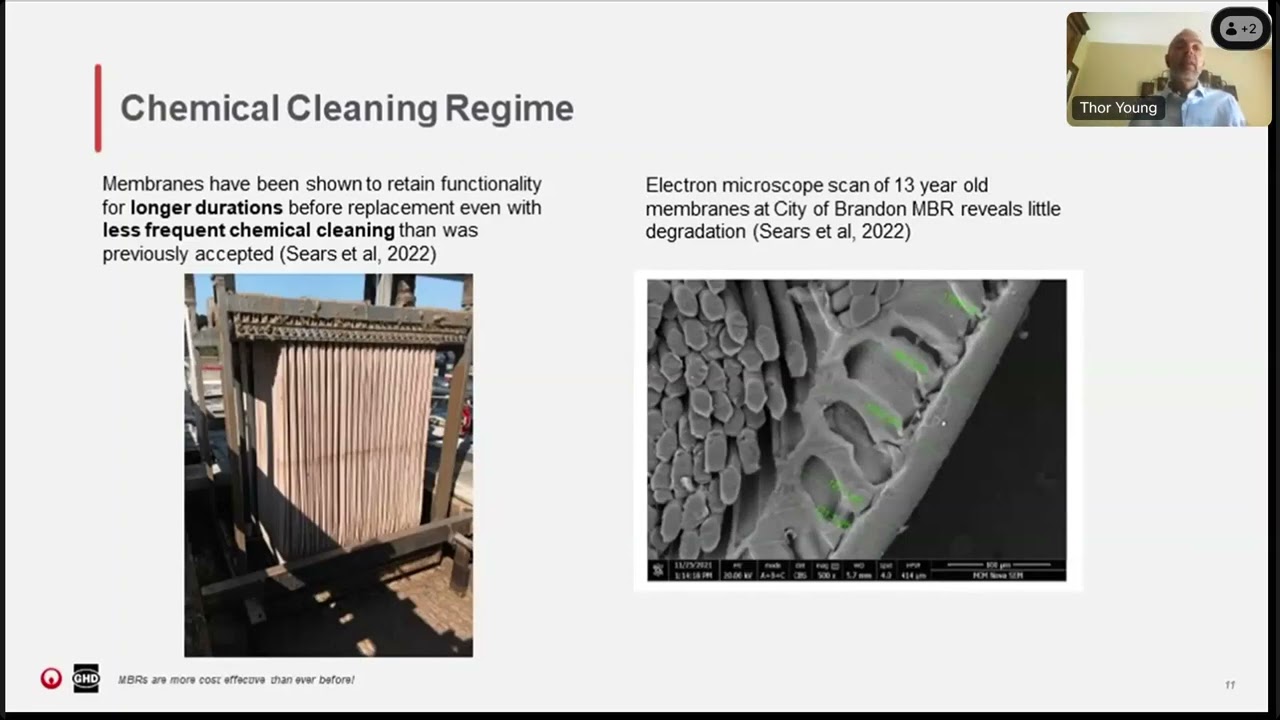

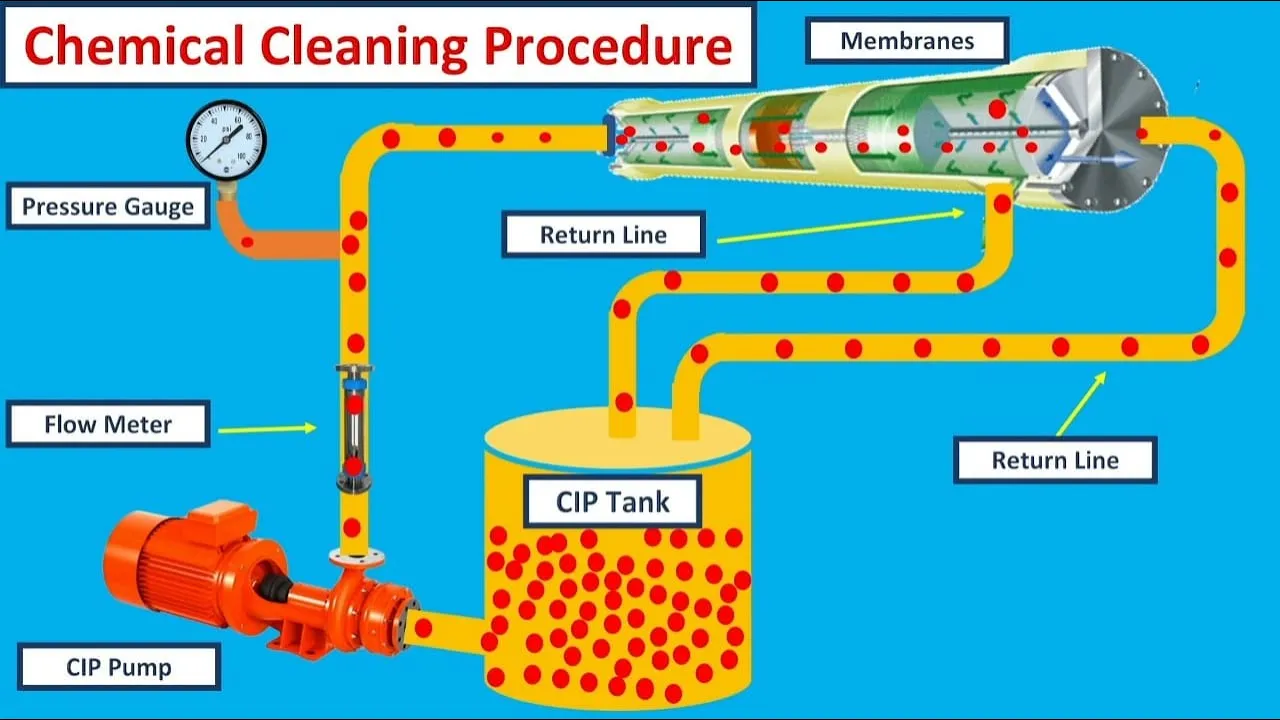
Membrane Bioreactor (MBR) technology integrates conventional biological wastewater treatment with membrane filtration, eliminating the need for secondary clarifiers and producing high-quality effluent. The process involves pre-treatment steps including bar screening and oil/grease removal, followed by biological degradation in an aerated reactor where microorganisms break down organic pollutants. Membrane filtration (typically hollow fiber or similar configurations) achieves solid-liquid separation through semi-permeable membranes with pore sizes ranging from 0.035 to 0.4 microns, allowing permeate to pass while retaining solids. The system operates at higher mixed liquor concentrations (1.0-1.2% solids) compared to conventional plants, reducing tankage requirements and enabling plant upgrades without additional infrastructure. Regular chemical cleaning and periodic recovery cleaning maintain membrane performance, with irrecoverable fouling eventually determining membrane lifespan. MBR systems offer advantages including reduced plant footprint, lower sludge production through prolonged sludge age, high effluent quality, and capability for water reuse applications.
Membrane Bioreactor (MBR) Technology Explained | Wastewater Treatment Process
Added:since the Industrial Revolution we have achieved a lot our manufacturing processes have become more efficient and productive science has become much more advanced and our life has transformed a great deal but perhaps nothing comes without a prize all the advancement and development witnessed in the last few centuries have also brought with them a wide spectrum of problems water pollution being at the top of this pyramid over the last few decades governments all over the world have implemented stringent laws to control water pollution especially for manufacturing companies the development of affordable pollution control equipment and incentives from government for installing such equipment is encouraging industries to take up pollution control seriously aqua care solution and vyro engineers was established in 2004 with a vision of creating clean water globally mr. data trail a road car with his vast experience in the field has been leading this journey his commitment to the core values of the organization has become a guiding path for everyone at the organization we committed to provide best-in-class water and wastewater treatment solutions this has been our motor from the postorder we exhibited for loriel india the plant was being as for the international standards maintain that benchmark in the first order itself we ensure that plants we design our compact easy to operate how low maintenance cost power efficient and comply with industry specific norms the two important our phase we consider with the few international projects under our bay we are now focused on expanding our footprint on global scale we offer a variety of water treatment plans as per the industry requirement water treatment plants for industrial residential and commercial complexes effluent treatment plants for all industrial segments sea veg treatment plants for industrial residential and commercial complexes ultra filtration plants as a pretreatment to RO plan a reverse osmosis plant for treated effluent zero liquid discharge solution for all the industrial segments water recycle for residential and commercial complexes water and wastewater management audits and expert solutions in-house treatability studies our best-in-class quality products and services have helped us secured important certifications like ISO 9001 2015 ISO 14001 2015 as well as Oh H SAS 18001 2007 along with this the appreciation letter avoids and recognitions from our client has always inspired us to achieve more product innovation has always been the key ingredient in our success story our team of experts is dedicated to bring the best possible solution for every client a step forward in this direction we are now focused on water treatment plant based on the membrane bioreactor MBR technology the process begins with removal of large objects by installing a bar screen followed by oil and grease chambers where the oil and grease will be skimmed out from the sea which water the water from the collection tank is sent to aeration tank through pumps for degradation of organic pollutant B or D Zod air supply arrangement is provided by means of aeration equipment which has a very high oxygen transfer efficiency in the membrane tank the solid liquid separation takes place by means of the vacuum created by the permeate powell's permeate pumps draw treat and effluent through the pores of the membrane fibers and fills up the back pulse tank first once back bolts tank is filled the treatment effluent is automatically diverted to final treated time which in this case is a MBR permeate an MBR eliminate the secondary clarifier and provides clear treated water disinfection dosing is done in the next stage in this tank hypochlorite solution is dosed with the help of dosing system and the water is pumped to treated water tank the xs-large is drained into sludge holding tank and from there it is transferred to the centrifuge decanter for dewatering after this study is an important aspect of the water degrees s it is a really concern from the customer soil and I care solution more engineers we have a pool of stands in here technicians and on mate it works with a team of more than one 150 employees we should all service sponsor attended content other services like design engineering process consultancy services and analytical level T services now made inhibition of frontier code it's very diverse slave equity essentially more details as soon as a one-stop shop for opening your entire water at a 24-hour customer base is from variety of sectors like chemical pharmaceutical food textile dairy and milk processing hospital hotels and resorts municipal wwt P as well as large scale housing projects our list of illustrious clients include L'Oreal Paris Goethe reg Tycho industries M cure PepsiCo Volkswagen Mahindra Sue's water and yourens federal-mogul Vista Foods elder pharmaceuticals Manipal University Jaipur and Shobha developers to name a few all our efforts are towards achieving our mission to save a significant part of this ecosystem water bytes preservation and treatment which is our primary obligation
Up Next

Build a USB Phone Charger for Any 6-24V Battery: DIY Regulator Tutorial
@greatscottlab
321.4K views•2013-10-19

Decarbonizing Shipping: New Marine Technologies Explained
@business
138.8K views•2024-11-08
Polymer Environmental Degradation: Mechanisms & Stabilization
@iit
1.8K views•2012-07-10
The Advanced Engineering Behind ASML's EUV Lithography Machines
@veritasium
18.2M views•2025-12-31
Related Study Plans & Knowledge Roadmaps
Structured learning paths in Engineering