






![7 Urban Models Every APHG Student Must Know! [AP Human Geography Unit 6 Topic 5]](https://i.ytimg.com/vi/9fwed8ggxr8/maxresdefault.jpg)



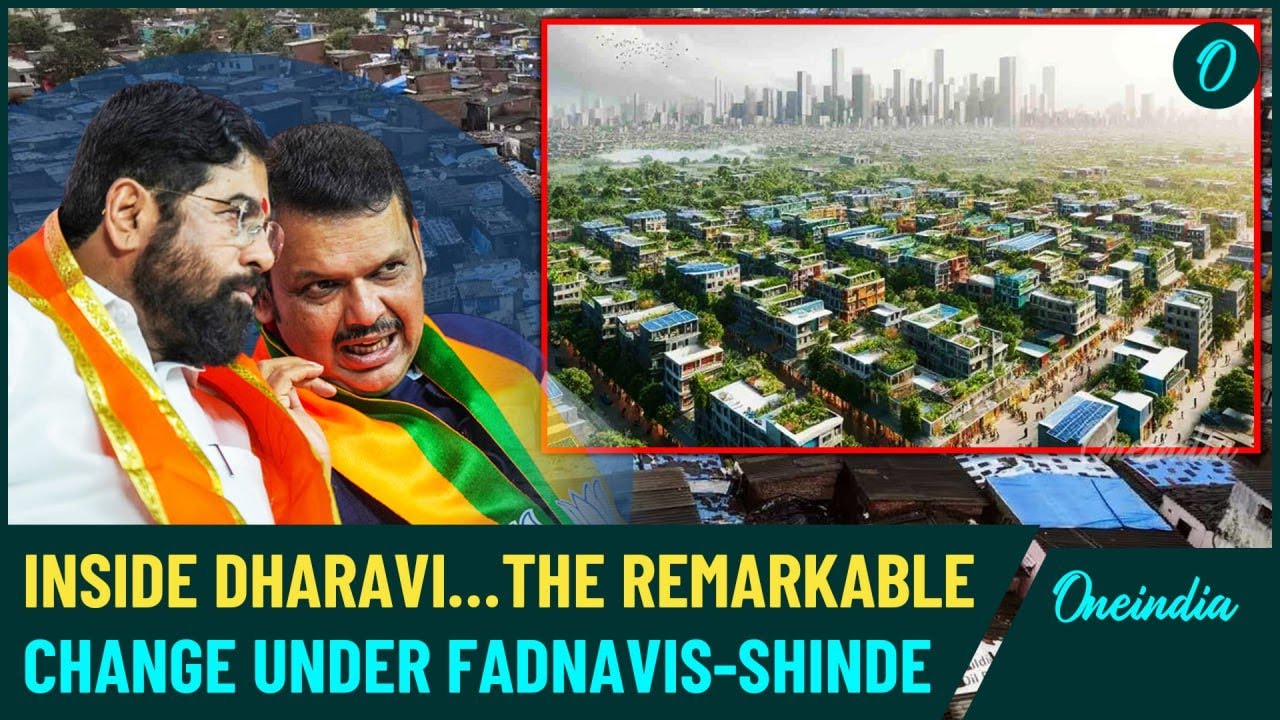



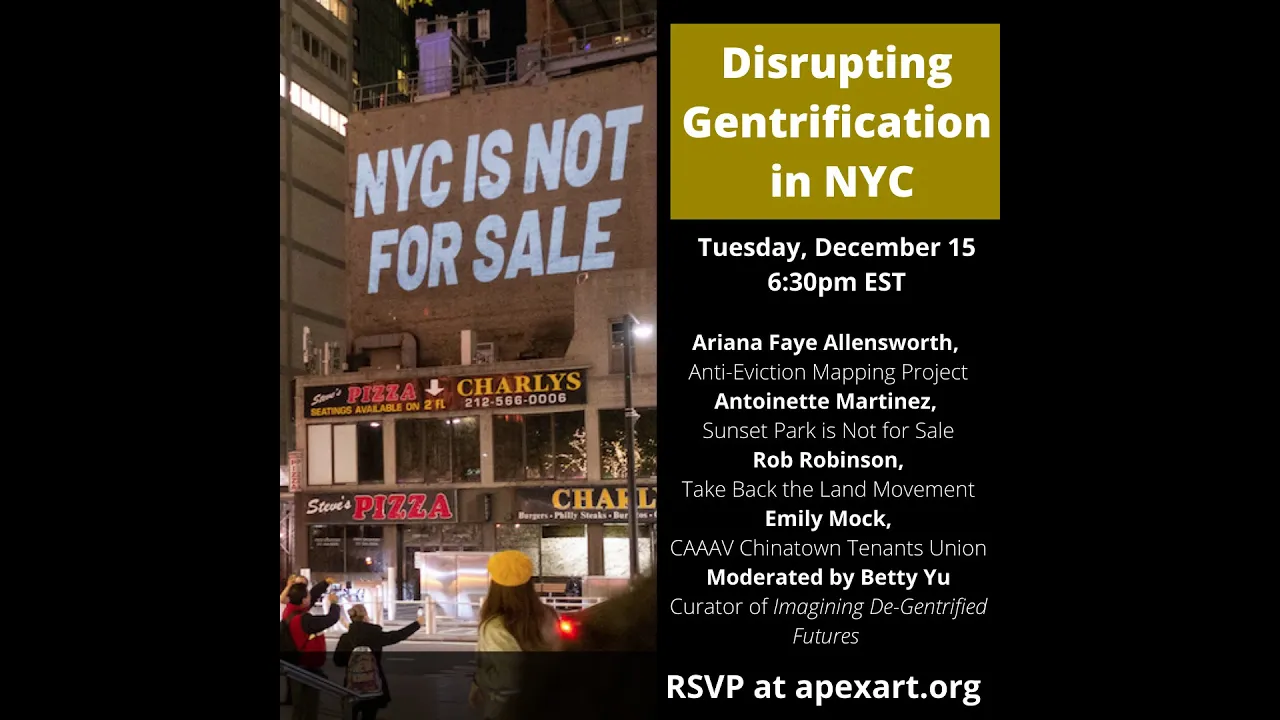



Urban development projects, including tourism-driven gentrification, infrastructure restoration, and large-scale development initiatives, often create or reinforce marginalization of local communities through economic displacement, social alienation, and exclusion from decision-making processes. These processes operate through complex mechanisms where global capital flows, state policies, and market forces intersect to produce spatial inequalities. Effective resistance requires political organization, community mobilization, and the democratization of knowledge to challenge dominant narratives of development and reclaim urban rights.
Urban Margins and Rights to the City: Panel 1
Added:The concept of the 'Right to the City' as theorized by Henri Lefebvre and David Harvey, emphasizing the collective rights of inhabitants to shape urban spaces.
Fundamental concepts of gentrification, displacement, and how urban land values drive spatial segregation.
The socio-economic dynamics of urban informality and informal settlements (such as 'slums' or 'bastis') in the context of the Global South.
An overview of post-liberalization economic policies in India and their impact on metropolitan growth and urban planning.
Comparative analysis of urban marginalization patterns across different regions of the Global South, such as Latin America and Sub-Saharan Africa.
In-depth study of urban policy and legal frameworks in India, such as slum rehabilitation schemes, land acquisition laws, and Master Plans.
The study of grassroots resistance movements, community-led mapping, and legal advocacy efforts fighting against forced evictions.
Advanced theoretical frameworks in urban studies, such as Subaltern Urbanism and Southern Urban Theory, to critique Eurocentric planning paradigms.
184 views1likes1:04:44Original Release: 2024-01-29
very warm welcome to all of you good morning uh and thank you Aro for setting up uh us up so nicely for the next three days of very interesting conversations I think the central provocation that you gave us in the morning is very important to kind of keep in mind that when we go through moments where you know everything seems to be um changing very very quickly and uh there are many vocabularies that we have around that uh the word poly crisis has been used many many times by many people um the the Confluence the intersections across poly crisis is something that we deal with but it is important to remember also in that moment that this has happened before that there are very very um radical uh World System changes that we have historically seen through through and many of those changes have actually uh emerged from the kind of U movements the kind of structures the kind of responses that have emerged from the margin so with on that relatively hopeful note I hope we have uh like a really good set of conversations in the next few days uh we're starting with a very interesting panel uh navigating Urban margins rights to the city uh in your schedules you will see that there are four papers the part of the session but we actually have three papers one of the speakers could not uh join us today uh so we have a relatively uh longer amount of time per paper but I would still ask all of the speakers we have one speaker online two of uh other of them are here but I will request uh both of all of you to kind of uh hold to about 15 minutes Diva here is helping us keep time so please like uh just keep a lookout towards her in terms of the time check that that she would be doing uh I just want to kind of set this up a little bit in terms of I really enjoyed reading all your papers like the small abstracts that you sent all of the papers are talking about spatial marginality in a very interesting way because in all of the papers we are looking at places which in some ways are very Central to the ways that they are getting investment from the state from the market uh either as sort of a centralized project but at the same time as these places are sort of seen this transition and this development there is also this um systems of marginality that are emerging uh over time and so sort of seeing this dichotomy about you know these areas uh becoming core to certain kinds of functions but also becoming marginal in certain sorts of ways um and the question of who uh gets to participate and who gets to say um I think it's a very interesting uh conjuncture that all of these papers unpack in different ways so without uh much delay uh I want to get started uh and I'll ask shash Vikram Singh who joins us from bits palalani uh from the Goa campus and his paper is on tourism touristification gentrification and marginalization K study OA fontas in Goa um over to you shash thank you all right uh thank you forna good morning everyone thank you for having me I'm shashwat I'm a PhD scholar bitani KK laga campus and my pH my paper tourism touristification gentrification and marginalization case study of fanas Goa uh this is part of my ongoing PhD world and this is a part of it so the way I structured it I have more emphasis on the findings and less on the literature review until unless very very important I have tried to avoid it so yeah uh so brief introduction fontas or how it was originally called bod font bodas fontas or neighborhood of fontas is a neighborhood in panm the capital city of Goa and uh it's near a creek and the fountain fontas means neighborhood of the fountain right and uh f fontas as a neighborhood has seen an influx of Tourism Goa as a place in initially was known for the beaches Baga and all those places uh in due course of time tourism started happening in the sort of Inland if you can away from the coast in the main city and then especially fontas as a Latin quars which is its own architecture it has attracted a substantial amount of Tourism and so it looks at that uh This research adds to the body of work on touristification and gentrification especially from Global South studies on touristification are not a lot of them are there so it adds to that uh so yeah uh marginalization and displacement more than State uh so the existing body of work that talks about marginalization and displacement within Indian context usually talks about uh displacement where it's with the state taking a central role and the means of doing our extra economic so there's a use of force there's a use of police force there's a displacement Force which is very visible and spe there's a spectacle of it but Goa in general and for in particular when you look at it this uh process much more Market driven it's a much more economic and uh there much more subtler so there's no spectacle of it of the displacement that has happened but nonetheless it has slowly slowly encroached right uh and this displacement is of two kind uh this marginalization that the resident of this neighborhood fa is mostly of two kinds one is economic uh the second is sociocultural uh how to tourism the economic is the increase of rent and how this rent increased and the social cultural is more of the alienation and uh uh how surrounding around them change and how that sort of push them towards a bit uh toward displacement right and so before going there a general sort of uh what gentrification is how what touristification and how two these two things are very different gentrification is a phenomena R class uh talked about it where affluent uh residents moving into a neighborhood pushing out the uh original inhabitant because it raises the price it raises the rent and everything uh touristification sort of uh differs from it in a very minute aspect because here the gentrifiers are not longterm residents these are short-term residents so the Dynamics of it is a bit different from gentrification and that's why uh the word touristification is used so on the uh uh economic marginalization in the case of uh in the case of panm uh due to uh 2011 201 in 2011 it was declared a conservation Zone under the jnm urban renewal Mission and especially in fontas it was declared a conservation Zone uh a Heritage uh neighborhood so they were put a lot of restrictions were based on the sort of development Redevelopment that can take place the sort of construction that that you can do uh the result of that was the residents were there to force to sort of keep the architecture as it is now the buildings that were made back in the 1800s or early 1900s uh early 20th century late 19th century they were made using uh raw material that now back in the day were much cheaper but now they are very expensive so what that has these is forcing these residents to invest much more amount of money into these buildings now the rent that you can get from long-term residents for these buildings is very small uh it wasn't sufficient enough to cover the sort of uh price of the upkeep so when Neil Smith talks about uh gentrification Neil Smith talks about about how the sub uh until that point they were two school of thought and they were like one economic that said okay people go from Central Business to outskirts and then eventually at one point of time it's actually cheaper to redevelop a area and then there was a sort of uh uh uh a sort of uh thinking that all right the newer generation is much more free liberal they don't want as many children so that's why they are not going to the Suburbia they are uh uh preferring to come back to the city and Neil Smith count of both that point and he said no the neighborhood get gentri gentrified once the potential rent that the rent that uh someone can get out of that building after a bit of upkeep is more than the substantial uh more much more than the rent that they are getting now plus the upkeep so if the price or the charge that they have to pay uh to M uh to F of redevelop that neighborhood Plus the current rent is less than the potential rent that they could get out of it that neighborhood will get gentrified what happened in case of Monas was uh the long-term residents the rent that they could uh pay especially because of it was much less than what commercial establishment were ready to pay and that sort of forced a lot of evidents out because they had either two option either to let it be see the house for fall down and completely get destroyed live there and pay through their nose the cost of upkeep which a lot of times were up to one lakh rupees per month because that's how much the old style shingles cost that's how the old Al tiles cost so that sort of increased the potential event of this neighborhood and that uh uh resulted in displacement of a lot of residents from this this neighborhood and they yeah moved out so this was the economic marginalization that they fa the second is the social cultural marginalization so John in his work of the about the tourist gift talks about how using the tourist gaze tourist exert power over the native similarly S bachar S bharia talks about in context of LX how social media you talked about how social media is taking over time social media is also for taking over space uh people a lot of time uh so earlier we used to go to a place consume that place and come back now that cycle has been extended you start consuming a place using social media much before you go there and you keep on consuming it much after you have come back and then others consume that place through you so social media has sort of uh resulted in uh result this uh an urge to capture the neighborhood has resulted in uh alienation among the residents and it's in very special context the hyper tourism that happened in fontas so before 2021 2022 tourism domestic tourism was there but it wasn't that much in number and it was mostly International tourism what happened in 2022 were lockdowns were opening up and what people called Revenge tourism happened the second the the another thing that happened was Russia Ukraine war so before that a lot of international tourists that used to come for the beach were from Russia but due to war they weren't coming and then there were many domestic tourism tourism that happened after the lockdown opened up and these tourism sort of were driven by what you will call social media influencers so few of them were the influencers and a vast majority wor the influence and then these people had the sort of uh a sort of competition to capture more and more of the neighborhood so sort of uh resulted in loss of the commons among the people because you don't want to sit into a Public Square that you uh if you're getting clicked 200 times a day uh you don't want to sit outside your door on what they call Bal which is uh sitting just outside your door if you getting like all through the day at the same time fantas is a mixed neighborhood nonetheless it has a very very uh outwardly Catholic character to it and then tourism became a site of ideology basically a lot of time when t uh residents will ask tourists to not to take photos as uh uh tourists will get angry at that and they will write down nationalist as well as religious slogans on their door and then be like no this is a rule now your days are over so and now there are some photos of that so yeah so there are as you can see it is there's uh you on the photo on the right there's a pre- reading shoot on the left there's a set of bloggers that are making blogs and this happens like so I the method that I use oral Historical Method where I got these insights and photographic analysis and so here uh this happens according to these residents around 200 to 400 times a day that different bloggers come outside their door make a Blog about their house and then go back and then there's uh sort of uh Lo so a lot of uh cafes they have started outside sitting these uh this used to be public places where children used to play back in the day before hotels and cafes took over uh similarly uh you can see someone getting clicked very relaxed and that is a substantial part of being in Gua being suad Easy Life uh and this part of social reproduction of their Labor uh and that has again resulted a in a very peculiar sort of aesthetic if you can see the marks on the wall these are all the foot marks uh which was made by this sort of photos and so the while I was doing my study I had to see where more tourism was happening which is the touristic IED neighborhoods and then I devised a method that I just started following these foot marks wherever these foot marks were are the parts of the neighborhood that got testified because they were clicked the most and then and they had most amount of foot uh foot Mark now this happened in 2021 uh 2022 by the be end of 2022 and beginning 2023 residents started to resist this touristification and they came up with various peculiar sort of uh sets so one is this no photography allowed uh pamplet and the purpose of these sort of uh these uh logos uh these paper uh sort of markers is not to just tell you not to photograph but to make your photograph make your photograph look ugly so it's not that beautiful again they are using these uh uh yeah these plants are sort of architecture to resist this touristification and here you can see in the same photograph something they are doing this is a more architectural more in the build form much more physic IAL there's some more stuff that they are doing much more cultural so one thing they came up with was F poo which is people's Festival uh here they try to sort of integrate tourist into their own life the residents they were like all right you are here we are here let's not be like be against each other and what we can do you can eat your you can have your food but you can try our food as well right you can have your chaura but please try some of our Raad as well and please listen to some of your music if you want to party let's party like how we party so that there's less friction and yes so I think one more minute all right so that is one uh another thing now uh a lot of these residents they are trying to pass uh legislation where there are limits on the time that they can get photographed because in the morning and the evening they can have their own public space uh but uh tourist can get clicked maybe early in the morning and in the evening but all through the day because these Bal where there a lot of socialization used to happen uh a lot of uh cultural activities used to happen that was part of their everyday life so in a way they can negotiate with like market and sort of get a bit of their own social reproduction so to say all right I think it's over there my biblography thank you yeah thank you so much ashat that was really interesting um also just to kind of this thing in terms of the logistics of the question and answer sessions I think we'll do the papers first right and so please uh just um you know note your questions for each of the speakers uh we'll have hopefully a relatively long time for the Q&A at the end so we can collate it then and next I am going to uh go to Nandan sanskriti Kosik uh his work is on the Buckingham canal in Chennai uh his paper is called liquid margins understanding the shifting nature of marginal geographies uh through the bakam canal in Jenai so Nandan over to you yeah hello yeah so uh I'm Nandan uh this is a paper on the Buckingham Canal as was just introduced uh the background for this paper was a um research project that I did in my fourth year of University I did uh history at Ashoka University and this is uh a segment of that research that I have uh made into a paper um yeah uh next slide so the way I'm going to structure this is it's going to be a lot more about the process and I invite questions uh you know and I'm happy to delve further into the the the the paper itself uh so what argument I'm going for is this uh I this so marginal geographies welcome the marginal from society these marginal spaces may become Central but the processes unfolded upon them are permanent so is marginalization a processual and reversible process this is what I'm trying to investigate the Bingham Canal goes through a large part of the city it but it also Al ex it also has a very long history that has gone through several phases the way I've structured this is by taking each dominant theme of a phase and looking at the canal through that so this is my structure there are three periods as I see it in the canal there's the period of construction or colonialism you can see the canal in the right hand side of the photo uh it was built over a very long period it actually goes on Beyond 1879 but it was opened for use in 187 79 the second period is when transport was conducted on the canal and so it was inuse this is from 1879 to the 1950s into the 1960s as well but by the 1950s use had dwindled and finally when use dwindled the space of the canal was used for informal housing which in today in and today that is something that is changing as well and I will get to that as well uh so brief history of the canal it was built as a private transport Canal by uh an East India Company official basil krain and this canal was taken over by the medras government in 180 1836 it was taken over the by the medras government but it was not used until the medras Famine of 187 uh 18 uh 76 to 79 and in that famine it was extended as a famine relief measure in in 1897 it was opened it was finalized the path of the canal was fixed and it was used as transport but it faced competition from the railways this competition carried on into the 20th century during World War II the canal managed to get a brief upsurge of use but by the 1950s the railways had once more taken back their position and even though the canal was declared a national waterway in 1957 it's used continued to dwindle and Fin finally in the mid 1960s the government decided to no longer pay for its upkeep and after that the canal went out of popular use now the can now in the first phase and the second phase the canal was a very much a central project Central in the sense that it was something that had a lot of state and popular attention focused on it in the first phase it was a private canal and it was then a state canal and it was used by people coming from the north to sell Goods in the city when it was used as transport in the second phase even though there was a high cost incurred it was still used and as you can see on the left hand side it was featured in postcards as well on the right side this is the canal today where it became what I call you know geographical margin however in the last 20 years there has been a move to restore the canal this restoration has led to a lot of people's homes being removed the informal settlements that are on its banks and they are pushed further to find newer spaces further outside in the city now the way I've gone about this is I have used archival material I have used um I say newspapers but primarily the times of India archives that were access through University subscription secondary sources I have focused a lot on various events and various um uh Associated periods like the medras famine or the railway debate and I will talk about that as well later why I do that and interviews so I had a few key interviews that help me understand the canal better two from residents who have lived along the canal and who have had family and who have moved to the canal in order to work at the markets there a scholar of the canal and uh a fourth interview with someone who worked on one of the restoration projects so this is an extract from the uh American Baptist missions magazine of 1899 and the line you can see at the bottom is how the canal was a tedious Journey even in the 19th century and this Railway line is helping move the process along further uh so there is not much work that's been done on the canal which is why I've had to rely on a lot of associated secondary sources Russell wrote a very technical book on the canal in 1897 heach Chandra was a non-academic researcher of the canal who set up a museum in his house he unfortunately passed away just before I started this work Karen Koo and bani Raman are both Scholars who have worked with the canal in their work but have not centered any work around it this is a question that I wanted to pose today in the talk is this is something that I have been thinking about a little bit prior to this talk is how much does path dependency play into this process so this is just a rough uh example of path dependency on the left and what I've Illustrated here on the right is that this is what is happening here is an attempt to return to an imagined earlier state where this restoration process takes place with an idea of bringing fairies to the canal of creating a very gentrified view of the canal where it it it's an aesthetic Beauty however as I have mentioned about the history of the canal it was not a very straightforward process nor was it ever a space that was gentrified in the past so this is this an imagined past that is being projected back in order to create a new space and so I asked marginalization is reversed but the effects of marginalization before and after remain and so they are treated as unwanted a brief uh summary uh so there were three themes that highlight the phase of the Canal's life uh first a highly acclaimed project that lost its position to the railways with rising cost and slower travel time the marginalization of the canal was a slow process before official abandonment it was taken up for Restoration in the early 2000s but again this restoration was taken up by various uh groups not just the state there was some private uh groups some associated with the Netherlands as well that have attempted to create a restored canal and finally restoration sees the canal in imagination not in action it leads to the displacement of those who have taken up the who have who have space along the canal which in the process of creating this restoration are being displaced yeah I uh I've gone through the uh the research more on a background that so I really invite a lot of questions when we move to the question and answer phase because I'm very happy to go through what exactly uh a lot of my research entailed and brought out thank you thank you Nan that was really interesting uh uh and uh okay so we have uh one of our speakers online um it's the first paper that will show up on your schedules the broken edges politics of imagination expansion marginality and the right to oraculum City uh this is Jose Deepak he is joining us from the Indian School of Public Policy uh Jose over to you is he online if there's no response should we go go to some questions and then come back to him okay sure uh okay while we wait for him to join I think I'll just start off with I I had a couple of questions for both of you I'll start with that so um you know shashwat really interested to kind of hear from you and you know while many of us are sort of familiar with the literature on gentrification and Neil Smith's work on the rent Gap Etc I think what you told us today was quite interesting and takes us Beyond into an area of social media influencers and the kind of role that they are doing and sort of not only creating you know the final outcome in terms of a new economic geography in which we kind of see uh this displacement of the early population but even before that happens it also sort of creating a new aesthetic a new place a new destination a new imagination of it which may have very little to do with the place itself so I think that actually is a really nice provocation to kind of even conceptually think about like how do you hold it because Neil Smith's rent rent Gap does not hold this right and so I think that's a really interesting provocation there but I want to understand a little bit more from you that you know the term gentrification has been used I mean when Leith was writing about this when a lot of the literature and gentrification was coming out it was in the context of New York it was in the context of this kind of spatial movement that you could see where the urban fabric was changing uh in a way that was discernable there was a pattern to it when we look at a lot of Indian cities and regions we actually see a fragmentation the gentrification sits a longside urban marginality and there are these Pockets that sort of go back and forth so I just want to kind of understand that a little bit it that while we I heard the economic argument that you put forward but what form is this taking is is this really gentrification or this more of a patchwork that is emerging and why is why are people getting displaced are there other models of for example renting out their properties for tourism Etc are there's those kinds of land market movements that are also happening there should I answer this question or should I take more question no just for now this one I'm just waiting for him to join as well so yeah maybe after your yeah so just this question yeah the the gentrification when we look in context of fas or in context of Goa uh it is a patchwork nonetheless there's an intensity to it in the way that it happens so basically initially you would have a few Holiday Homes coming up then those Holiday Homes will turn into a few Cafe that will open up to CER to those holidays home then you will have few social media influencers that will come to see those Cafe and make content about those cafes then you will have sort of mainstream tourism that is uh pre-wedding shoot corporate cliental and everything that will come up then you would have from so for social media influencers you will have boutique hotels then for main sort of Tourism uh Budget Hotels will open up and then that would be like the final need on the gentrification that that is the point where you would have very less residents original residents remaining so what has happened in asaga what has happened in vagator what has happened in kandulin uh fontas is fascinating because it's somewhere in the middle where residents are resisting this sort of onslaught of tourism industry and it does happen in Patchwork like you would have there's again in context we in Indian context so there's like cast class and everything so in asag the road that got genified first was of the bahans of the Brahman Catholics that was the neighborhood that got gentrified first because that was in the most beautiful of the neighborhoods and then eventually it started to sort of seep out to uh sort of uh areas of other and then eventually it engulfed the whole neighborhood at this point you have left residents of very few original residents what they residents what they do for until un if they are not engaging in tourism directly within that neighborhood they prefer to move out there would be a chunk of residents that uh in place of renting out they open their own Cafe so they will stay there again the a lot of those what happens in a few family in font especially the land size are very small so what happens usually is like all right if they have four brothers one of them will get three will move out and like or all four will move out the rent will get divided into four so yeah that this is how that is coming up all right so we'll continue the conversation a little bit more uh Jose good to see you online uh I gave a brief introduction to your paper so over to you you can uh start your presentation we have about 15 minutes okay 15 minutes to present your including the Q&A session uh actually since we're running a a little bit short on time now I would say 15 minutes if you can like if you can wrap up in 12 minutes and we can take a couple of questions after that yeah thank you uh thank you so much and uh I'm really sorry for the delay and I'm expressing my gratitude to the Indian Institute of human settlement for giving me this opportunity and I'm starting my presentation so uh is my presentation visible on the screen yes it is thank you so much yeah so uh I'm going to present my topic and it's titled as the broken edges politics of imagination expansion marginalities and the right to aragam City so uh I am uh looking this issue in the context of nagam where I'm coming from and I'll be dealing with two major issues that happened in the growth of aragam that is the marginalization of the wiping Island and the uh accumul by disposition event happened in mul that is very near to W where there is a international conal which is the first of its kind in India has been set up so I'll be looking into the Technologies of this marginalities and how these marginalities are being produced and what is the logic that is being used to normalize these kinds of uh subordination of Rights over the concept of development or expansion in Malayalam we call uh malam is a language in Kerala so Malayalam we call development as vgas vam actually means expansion so that's how I came to give that title name that expansion so this this event is not an isolated event it's actually connected to the global Capital if you look into theam Container Terminal so that's a that's that's an investment made by the the DP World actually DP world Dubai Port so that's how globalization is connected into the entire event that is happening in the local area this is a particular scene or specific to it's not very specific like it's General to the uh South South Asian Nations or you know the third world also so yeah so I'll start with this book of Ferguson the anti-politics machine so in this Ferguson is arguing that the notion of development is uh you know this this is covered in this a political form so so I'm talking about the book the anti-politics machines of James fergusen so he's he's you know talking in the context of Developmental activities that is happening in the uh newly uh what we can call the newly independent nations after the second world war particularly in terms of a country called leoto where uh this development is happening in the name of uh World Bank World Bank is funding the development but that is not reflected in the uh grassroot level so he is saying that this world bank is uh putting this notion of uh you know there's a modernization theory in in economics so it means that you'll go from agriculture to Industry to service sector so this is a linear development and this will happen in every country if they try to follow the path of the western Nations but this is not happening but the inequalities are increasing and Ferguson is saying that it is because of the uh alienation of politics that is there from the developmental activities without considering the politics of the city or the particular area you cannot understand the notion of development then we are coming to David Harvey's concept of City meting City making so he's saying that City making cannot be seen in isolation it is a global concept it's an expansion of global Capital once a country or a capitalist has this capital in hand uh that particular person or that identity needs to expand capitalism focus on the idea of profit profit means that we need to double the profit triple The Profit that's the entire idea of this capitalism so that's how this capital is expanding that's how this uh subordination is happening some countries are being made the supplier of raw material some are producing it and they are reselling it this whole thing is happening and this notion of development also brought an idea of development which is is subordinating the idea of Rights that's mentioned in our Constitution and all so we need to counter the notion of uh you know Universal homogenization of the idea idea of development what is development we need to ask the question if the rights of the people are being you know equated or or if consider against development and we are saying development is more important than the you know the the misery or the plight of some people so there is some problems with that Notions so I'm going into particulars of this developmental notion that happened in aragam city I'm particularly focusing on wipin so the story of wiping is uh you know it's pretty interesting so wipin is an island which was connected to the mainland arum through water transport Inland water transport till 2004 after that there comes a goer bridge that connects the island from uh that connect the island to the aragam Mainland and you know after that there were public transport people are using so much vehicles and all but the thing is that the buses the public transport uh or the buses from wiin cannot directly enter to the aragam city but in if you look into any other part of OI or aragam from any other part of aragam people can enter directly through their like public transport to the mainland AR but this is not happening with YP and and there is a decline of the number of buses that is running in aragam city after covid that substantial decline like s from 2500 to 750 but despite this fact the buses from wiping are not you know allowed to enter into the arum city the government is saying this is due to the you know congestion but the congestion argument is being you know it's proved to be wrong after the fall of the uh number of Bus St is running through the city and this denial of access is also there with the coin Metro like if if a city needs to be selected for a Metro project you need to have certain amount of population and this population comes to KI because of wiping so wipin is one of the mostly densely populated islands in the in in South Asia so that give the Ki access to the construction of Metro but the people of wipin are unable to access Metro also so so the thing is that there were some lobes so they you know they made a road of Metro in which they will have you know the Metro through through their you know through their in front of their businesses in front of their you know you know what investments and all so it increases the real estate or the land that they hold the value of the land that they hold it increases their business but for the people of wipin uh you know the extension of Metro is very necessary but but that is not happening till now so that's also a kind of a geographical exclusion of the people of wiping who contributed to the development of this city of araga then comes the yeah this bus struggle is happening but the thing that you know people are fragmented right now there is an intermediary that's MLA is acting as an intermediary between people organizing and the government and ensuring that we will look after it in every government will and they'll say we will look after it but this is not happening this is where the concept of the passive Revolution from gr is happening whenever the people are self-conscious whenever they are organizing themsel and whenever they are going into a struggle an intermediary comes and says that okay we will solve the problem we will negotiate this negotiation even after 15 or 20 years of this continuous Agony is causing the main issue and there is a need to politically organize and politically uh start movements in order to gain this uh gain the rights of the people so this is can be this this also can be tied with the concept manipulated seriality of Jean Paul SRE where the people who has the self interest or people who has the same interest are fragmented due to some ideology so due to like this Party politics and all so this is what we are seeing in wipin so when we come to mul we are seeing the different case I'm talking about mul which is very near to wiping but another geography and the case here is uh the global Capital has accumulated mbly by disposition and the technology that is used in this disposition is the technology of giving the people a norm that development is necessary and if development happens you will be the you know you will be the beneficiary of that and you your children will have education benefits we will provide them educational benefits we will provide them livelihood we will provide you a better house but this doesn't happen the families were evicted for the international Container transship Terminal in the year 2008 326 families from the seven Villages were evicted till now they haven't got any compensation except I think 52 families got compensation as in form of an a house but the housing area is very very marginal they're not getting proper water there is an issue of landfill and all so the the majority of the families has have not received any benefits that offered that is being you know uh you know they have paid their their part and the state is marginalizing them without giving what they need and the logic that the state is being used is that uh they are not disciplined so this notion of discipline this notion of uh you know being aligned with the ideology of state with the development with the with the whole and you know when development happen somebody will suffer this idea is being challenged in the muli moment people are still you know organized people are still struggling every year the news is coming in the in that particular day when the people were displaced but uh the the what we call the you know that mobilization is not getting converted into benefits of people so that's the thing that I would like to focus so I would like to challenge the social contract theory that we are following we are saying that we are subordinating our privileges to give get rights from the government and we are giving up our land our entitlements for the notion of development but this is you know actually leading leading to a displacement particularly when you don't have the capital or when you don't have the you know capacity to organize even if you are organizing there will be middles man like Party politics or you know the the the state will intervene in various forms by which the revolution that is possible will become a passive Revolution so that's the thing so I'm bringing the idea that Marx and angles has said that there are some you know problems with the social contract theory that we are following and we need to politically organized in order to bring a counter hemony by which knowledge and power is democratized we need to identify what is development what is not development we need to identify the problems that is included in the development we need to identify if this happens to the people of M or why it can happen anywhere the that logic can be used everywhere so if we are creating this notion this system and we are putting ourself into these systems we can be displaced if we are you know just focusing on the state to give our rights without claiming it we will become puppets and our rights will be will be very very much subjected or will be very much limited as well okay Jose um I'm just also just um highlighting the time is up um it's done almost done okay just uh please take another 30 seconds and wrap up then yeah so uh I would like to say is that what I would like to say is that like there is a need to politically organize there's a need to uh bring a founder Revolution aim through democrati democratization of knowledge by identifying the false lines of this notion of development thank you thank you so much okay so we still have a good 10 minutes so just in the interest of time I want to actually open up the floor and take a uh set of questions I will add my questions to that and then hopefully we'll have some time for at least one round of responses from all the speakers so questions yeah I have a question for um Nandan Kik so you mentioned that um there is a restoration process taking place and a sort of REM marginalization of the people that were already marginalized or like uh the effects of marginalization remain can you tell us like what the restoration process looks like and who is being remarin lied or or what the effects the the lasting effects are we'll take a round of questions other questions hi uh do I speak yeah hi I'm Chan um I think it's a very interesting I think work on the Buckingham um uh I I I I I I got really interested in the way you thought about this question of you know Imagining the past in in some senses this this link between history and Imagination which is sort of coming up in our times again the G and I I was wondering that in in what ways does when history is sort of activated in in in the public sphere in today's time it's always activated as as a form of imagination you know all are sort of Notions of past and do you have something something to say upon this this linking between history and Imagination and and how it sort of affects your work and and what is the politics surround that is that is getting shaped up yeah are there other questions from the floor yeah hello um so this question is directed to shashwat I want to be slightly uh provocative here in the sense that uh the gentrification effects that's happening at uh fonas and everything it's clearly affecting the local population but uh do you feel that in terms of conservation in terms of uh preservation of Heritage and everything these kinds of visibility is that uh helping uh the community or the largest area to remain exactly what it is for instance in Kochi uh most of the structures that you see in Ford coochin are there because they have been converted into Heritage hotels and a lot of Heritage walks have been uh initiated to highlight uh that sort of culture so do you think that similar thing happens in fers that's all yeah um thank you my question is to shashwat so um so the kind of resistance you spoke about so I just were curious to know if there were other kinds of voices emerging like the sentiment like there to limit social media influence there were people who were actually celebrating these how polariz was has been the community it's a collective idea okay there's uh one more question online shashwat it's for you uh what is the role of the state in the functioning of gentrified neighborhoods does the state local authorities support The Stance of the residents or do they oppose the same yeah uh I'm going to add my question to you as well Nandan uh I think it is it's actually really fascinating in the way that you're saying that there's this nostalgic pth that you kind of go back to the Bangalore Lakes Rejuvenation project also in many ways uh had some similar stories uh so what I want to kind of understand from you is what is this layered role that your project is now seeing which is more contemporary kind of a definition of what the Bingham Canal actually is for the city the political economy its geography um both in terms of sort of the instrumental roles and some of the historic roles have been quite instrumental uh including some of the ones right now in terms of housing but also in terms of you know in in terms of identity in terms of migrants Landing in the city in a very particular sort of ways other ways that it forms the identity of the city Etc so if you could speak a little bit more because we heard the past but we I want to hear your vision about what going forward and uh Josie one question for you as well um I mean I think in especially in the case of vipin you talked about intermediaries that are emerging that are political in nature which is helping which at least is making a claim that they will make a bridge between uh the kind of capital Investments infrastructure Investments that are coming and the future of the residents that are located in that area I want to understand a little bit about the economic intermediaries as well what is the role of people are they getting livelihoods jobs are there economic opportunities that are opening up with these uh new Investments are there economic intermediaries that are opening up new place new ways of participation because while I understand the the the the thesis that you're making about resistance and about you know sort of uh you know the rights that are not being met I'm wondering if there are other sort of um more transversal kinds of ways in which claim making is happening which are not necessarily in this right languages in terms of participation in terms of economic opportunities in terms of intermediaries other ways of sort of more um tet ways in which these are happening so I'd like to hear a little bit more about that uh but just you know uh shashwat if you want to start us off with the responses uh yeah sure so first I will respond to uh Rohit on how State local authorities are responding they are doing a balance Balancing Act where they have to uh inculcate tourism while at the same time keep their vote and everything but for example uh in within FAS the they wanted so initially there used to be a lot of traffic jam because of tourist vehicle and then they have implemented around six seven months back no tourist vehicle zone so now you can't take your vehicle only the residents that live there can there go there so yes there you have to push for it but that is happening uh there is a certain degree of support that they are getting again on photography think like for example if you know about the par road that is in Salo people know it as love you zindigi Road and because it got it was featuring that so the pchat uh was sort of both pestered by the amount of people that used to go there to take photographs at the same time they were like all right it's Economic Opportunity so now pchat has sort of make a token that you can take that token to get click get a photo click there so that sort of a balancing act is there and that's something that the residents are also going for all right we don't want to be done away with tourism completely there has to be sort of a balance balance that has to be maintained on the second question is the sentiment across the board uh so fantanas is different from other neighborhood because it was never it never had like salt of the work workingclass population it was semi aristocratic aristocratic population it was always a fluent neighborhood so it does not have the class that benefited so people uh very uh fascinating interaction that I had with one of the person who was from the fishing Community but now is a c driver and I asked him all right people are complaining about tourism not in for thanas from other neighborhood I'm like in K he said which means landlords love to complain they again complaining that's what they have always done since the time Memorial so yes there are people who are sort of engaging in tourism who were from very suburn section of the society from the margins but now they have found a good livelihood to to tourism and they are okay with that within fontanas the intensity differ some people want to ban tourism all right all together they talk about how anti- tourism action happens in Barcelona we need some of those sorts in for and then there are few people who are like all right we can have a few boutique hotels maybe one in every road that's it or maybe few cafes that's it we can't have every uh house be converting into Holiday Homes which sort of seges to your question uh is it helping in conserv conserving the community but again conserving for whom that would remain the question and if you have to conserve everything then why conserve anything in the way for first place like what is the point of conserving we break things and make new things if we conserve weed we can't make bread so sometimes if the conservation is getting in the way the of the dynamic sort of change of the neighborhood that we can like I'm not against conservation not of the neighborhood residence itself uh we have to just look at like uh you have to make some uh adjustments for you can't be very hard and on the rules skin no you can't do anything perhaps something for the yeah yeah uh okay so the question on restoration so this is something that started in the early 2000s in the '90s there was a railway line the mass rapid transport system that was built in the canal in a large part of it that passes through the city and uh fall now this is now separate from that I ideas of restoration started to emerge in the early 2000s when uh it was initially private groups that said you know this is a space that can be done up and it was in association with the government and they wanted to make it a space that attracted people to Chennai and made it a you know aesthetically pleasing space not so much for bringing rice and firewood down into the city like it was used before but more you know as a recreational space and to some extent it's happened in a segment of the city along the it Corridor where there have been parks that have been built under the mrts and you have uh you know place for skating and a coffee shop and all of this has been set up but to a large extent the canal isn't you know in that way has not been restored because people are resisting this restoration they want to live there because they came there in the 1930s to the 19 60s '70s a large there were waves of migration from various parts of the Metras presidency and they settled over there they settled it was uh a time when a lot of people were moving to the city so the bakam canal in the 1960s had about 10% of people living in informal settlements it was a large concentration but it wasn't the only place that people had set up informal housing so this displacement is just it's concentrated there and it's part of a wider system uh the question so the question on uh imagination and history uh so to be honest this is something that has very recently entered this work because when I started it actually this ties into your question as well when I started it my idea was to not have work that was isolated from the present where even if it was a historically based research so why was the canal built what function did it serve and what is happening to the canal today is what I was trying to look at this question of imagination is something that has come up actually after I finished this research with the university it's something that I've started thinking about and has come into the picture which is why I included this slide because I was also you know I wanted to invite any thoughts or observations on that am I completely wrong in thinking that or is this something that uh you know is this what is happening I I don't know something that I'm thinking through uh yeah and the question of uh the layered role of the canal absolutely because uh even from the time of Russell there was uh ah Russell who wrote a book on The Canal at the time of its opening he talks about how a lot of places in Chennai were letting their sewage Into The Canal at the time of its opening and so that's a complaint that continues to this day in the 1960s 1950s people told me that the government very regularly would clean the canal otherwise it would not be navigable it had to be desited very regularly there are newspaper reports about this it was a very shallow Canal 3 ft at most so it was not one meant for large scale transport even though when it was opened a lot of people you know in England or in India were talking about this being this Grand project that would help move troops move Goods move people up the coramandel co post but that really never happened because it was mostly Goods coming into the city or people going to mahabalipuram on holiday so it had a limited use in that sense but it was very uh it it was cheap and that's why a lot of people used it as opposed to the railways okay uh I'm just taking one question um okay uh Jo was a very quick response from me please we are actually over time so yeah do you have a very quick response yes yes yes I I do have so there is an econom iic aspect also it's very material like this dream is very material in case of mul the people were offered jobs and from yeah go ahead six or seven person got the job so that's the you know denial of that material material aspect that happened and in wiin like uh nearly 20,000 people are traveling from WIP into terog Mainland and because of the lack of connectivity people are getting down at the border of WIP and they are paying extra 16 rupees a day from the last 20 years this is happening so if we you know adding this amount it would have been like it would go above 160 CR 150 CR we are additionally paying for that one stock change so there are economic arguments that is also there and that's very prant also and in in you know while dealing with the government also we are we are you know arguing this thing but this is not being materialized because there is krtc Kerala State Road Transport Corporation so they wanted to you know run more buses through wiin and utilize this you know economic Gap to gain they have very huge Dept in Kerala so they want to you know uh reduce that depth by you know meeting up their demand through this 5 but this is not also happening and in the Metro case uh like so Metro is not running through the most populated areas or destinations of Aram it's rather running through the most porch or Al area which is very near to the most populated area and an extension also does not happen so actually the people need I mean the people are who are entering the Metro should go through that Elite area shopping malls and all and they need to get down there and they need to come to like 1 kilometer away to get other bus to WIP in and go so there are huge economic cuse involved in is it as well all right thanks so much Jose uh also thanks to everyone I think this was a great start thank you to the panelists for some excellent papers to start us off uh before we kind of go outside the next session is going to start at 11:30 so please keep the break quite short but before we go there Aro just wants to add a couple of words yeah I mean it's not a not a question just a comment you know when we started in the morning we talking about marginality fine we have to reflect that in our own discourse it's really important this is not a margin fine you're in a place which is absolutely at the center of a pivotal transformation that's happening in the world system so you know your work is good it's emperically based you know your theory you do not have to derive your confidence and your arguments from you know people from other places and other context I mean you know we all love marks we love angles uh we love saska sasan we love satra we love whatever it is but the strength of what you have stands on it o its own you know decolonization starts with us we're talking about postc Colonial moments we're talking about you know whole range of postmodern situation this is a safe space for you to contest these process at least in this space I mean sometimes where you come from whatever it is it's not legitimate to be able to to make an argument without refering to other people's theory and practice it's important to know that but your work stands on its own so I think we should be bold I think we should be confident and I think our agency comes from the work and the capacities that we have yeah I don't have to go back to to say that yeah so you're good go and do your stuff
Up Next

13:36
How To Fix Election Maps With Street Lamps | TED Talk
@TEDx
163 views•2024-09-30

24:30
BRICS Pay and de-dollarization: A New Financial Order Emerges? | 55 chars
@DannyHaiphongYT
164.6K views•2024-10-22
7:33
Government Surveillance Methods: 10 Ways You May Be Watched
@BeAmazed
1.6M views•2017-04-09
10:19
Explaining the Saudi-Iranian Proxy Conflict in the Middle East
@Vox
18.2M views•2017-07-17
Related Study Plans & Knowledge Roadmaps
Structured learning paths in Political Science
political-science
Economic Statecraft: Sanctions & Chokepoints
01Foundations of Geoeconomics and Economic Statecraft
02The Mechanics of Weaponized Interdependence
03International Sanctions: Types, Implementation, and Efficacy
+ 2 more learning modules
12h5 modules
Explore Roadmap
political-science
Central Bank Independence: Politics & Policy
01Foundations of Central Banking and Monetary Policy
02The Time Inconsistency Problem & Inflation Bias
03The Delegation Model and Designing Independence
+ 2 more learning modules
12h5 modules
Explore Roadmap
political-science
Consociationalism: Power-Sharing & Stability
01Democratic Dilemmas in Divided Societies
02Introduction to Consociational Democracy
03The Four Pillars of Consociational Design
+ 2 more learning modules
12h5 modules
Explore Roadmap
political-science
Rebel Governance: Legitimacy, Economy & State
01Foundations of Rebel Governance and Statehood
02Establishing Political Legitimacy and the Rebel Social Contract
03Wartime Economies and Rebel Resource Management
+ 2 more learning modules
14h5 modules
Explore Roadmap