








![Étienne Klein : Éthique et philosophie des sciences, le rôle des scientifiques ? [EN DIRECT]](https://i.ytimg.com/vi/KIwtT8cAAKI/maxresdefault.jpg)
![TRANSHUMANISMO: Filosofía del HOMO DEUS - Sobre la SINGULARIDAD TECNOLÓGICA y la AMORTALIDAD [EP1]](https://i.ytimg.com/vi/BR8bGtcBcyc/maxresdefault.jpg)







Human enhancement technologies, including genetic selection, brain-computer interfaces, and cognitive enhancement, raise profound ethical questions about fairness, consent, and the essence of human achievement, requiring careful consideration of broader societal implications while balancing the natural human drive for self-improvement with potential unforeseen consequences on health and social dynamics.
Richard Dawkins on AI, Ethics, and the Future of Humanity
Added:Fundamentals of evolutionary biology and natural selection, particularly the gene-centric view of evolution popularized by Richard Dawkins.
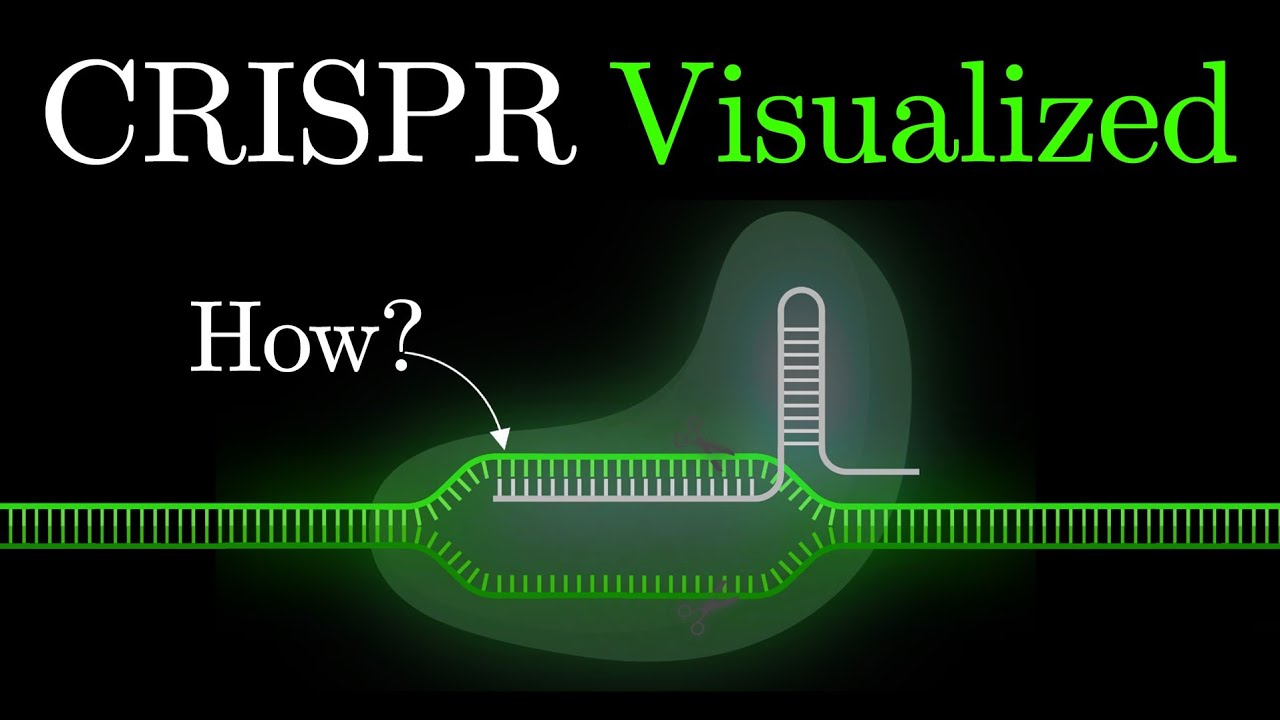
Basic principles of genetic engineering, gene editing technologies (like CRISPR-Cas9), and the distinction between genetic therapy and enhancement.
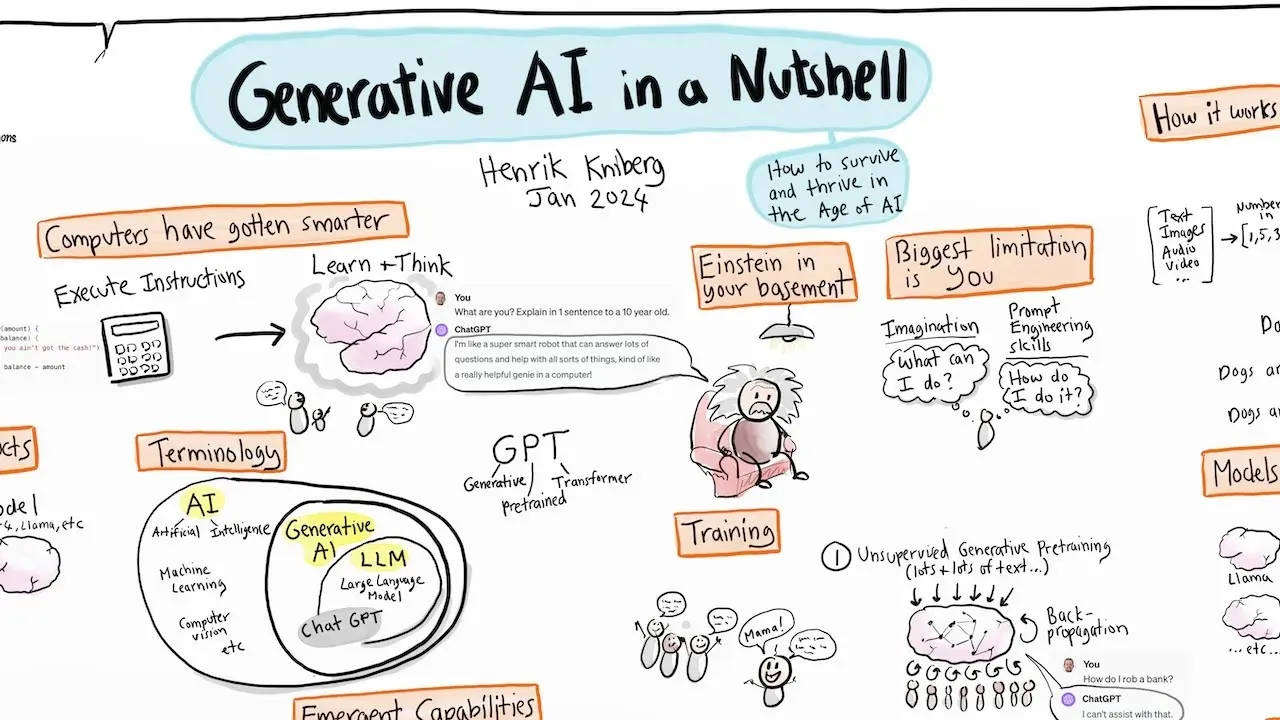
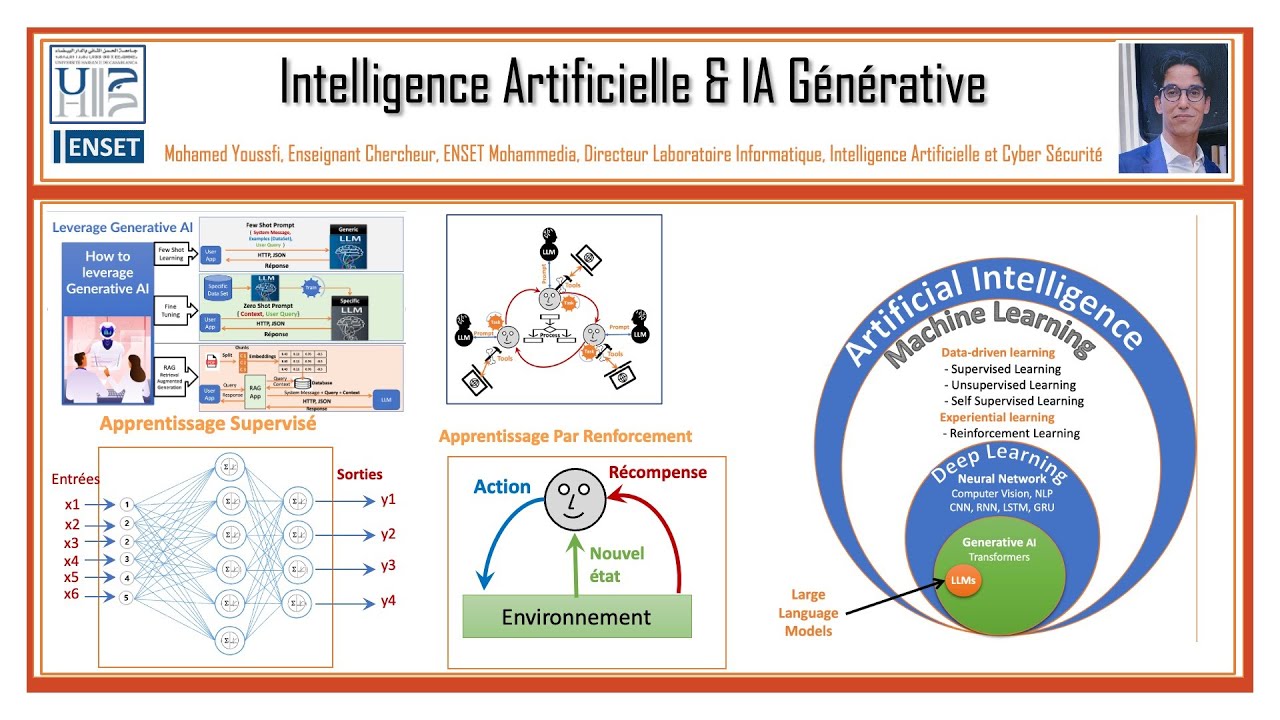
An understanding of modern artificial intelligence, specifically generative AI, large language models, and how digital personas are synthesized.
Introductory concepts in bioethics, including historical debates surrounding eugenics, reproductive technologies, and bodily autonomy.
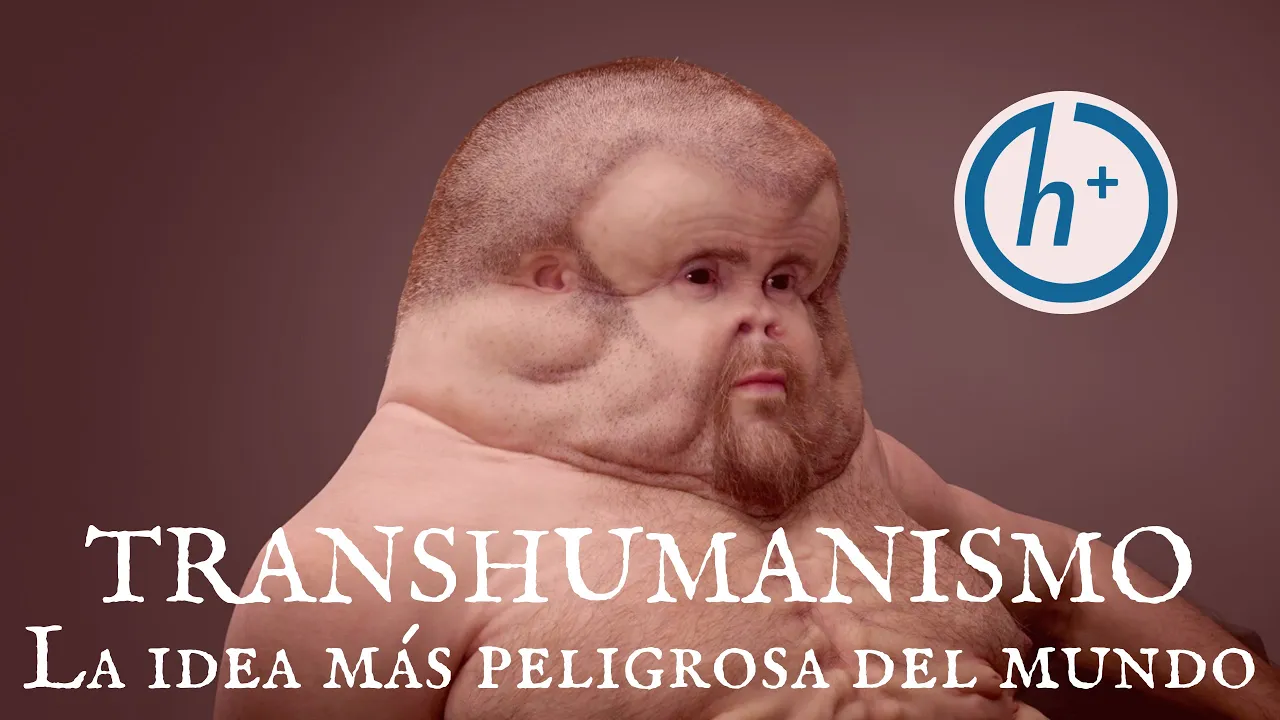
The philosophy of Transhumanism and Posthumanism, exploring the ethical and social implications of using technology to transcend human biological limitations.
The AI Alignment Problem and existential risk, studying how humanity can ensure advanced artificial intelligence remains compatible with human values and survival.
Global regulatory frameworks and governance policies for emerging technologies, specifically focusing on the restriction of genetic modification and AI deployment.
The metaphysics of digital identity and consciousness, analyzing the philosophical status, agency, and rights of AI replicas and digital twins.
26K views1Klikes46:13Original Release: 2024-08-19
[Music] I shall be spending the whole of September and the first week of October in North America speaking in 10 different cities from Dallas to Vancouver I am 83 years old and travel is more irksome than it was the maxim quit while you're ahead has recently received a welcome boost and I anticipate that this will be my last American tour my swans song my final bow there'll be a Q&A at every event and I'll be signing any or all of my 19 books including the genetic Book of the Dead which will be just published this will probably be your last opportunity to tell me how profoundly you disagree with everything I've written and said or the reverse if that is the case either way I look forward to seeing you [Music] [Music] hi everyone I'm Taran Southern and welcome to a very special future focused episode of The Poetry of reality with Richard Dawkins I'm here in the studio in Oxford with Richard today and a new friend is joining our conversation the Dawkins GPT which is an AI version of Richard that I cobbled together last night with some of his works that we were able to find online and publicly available information so we're going to actually integrate Dawkins GPT into our conversation today focused on areas of Interest related to technology Ai and future forward questions so Richard I'm going to start with something that's actually a personal sort of anecdote story I learned this while I was visiting the UK because I'm here for a couple of months that in the UK it is illegal to select the sex of an embryo during IVF or for egg freezing whereas in the US this is not an illegal practice um so I'm curious uh since this is a topic of a lot of interest especially from women who are choosing to undergo these kinds of processes what do you think about the fact that it's legal in the US and what do you think about people selecting for these kinds of traits I can understand why it might be illegal um the reason is that uh in different cultures at least um in any one culture there's likely to be a bias in favor of one sex or the other in in nature um the sex is a balanced by um natural selection um favors if there ever was a a minority sex natural selection would favor it because automatically the minority sex would have more offspring than the than the majority any individual of the minority sex has a greater posterity than any individual in the majority sex therefore there would be natural selection in favor of balancing the sex ratio of increasing the number of minority sex that's why it's kept that's how it's kept in balance in in nature now um if by human technology in IVF or or such things you can choose the sex of your unborn child then in certain cultures people will tend to go for sons in other cultures they'll tend to go for daughters um if there was a a general bias in favor of one sex or the other then we would have a very unbalanced sex ratio in the future and there' be a lot of of disconsolate um Bachelors or spinsters um it's true around um and I'm curious to know I mean it it in in many C cultures we pretty much know that would there would be a bias in favor of suns um is that the case in the United States I think perhaps not it's exactly you're right so um there tends to be a bias towards Suns if you look at many other cultures and in fact in the UK articles that I found around the legislation that was passed making it illegal their biggest concern was that people would over index for Sons uh and we would have we would have not enough people choosing for daughters that was part one component of their decision but in the US the reality is quite different More than 70% of the couples who are choosing IVF or egg freezing are self- selecting for daughter embryos because they have a perception that is easier that it is easier to raise a daughter and you know I I will just say from my own personal experience I don't know what I would do with the son who plays Sports so that would that would be problematic this is a very interesting ethical quandry of course too and could have far-reaching implications as you say especially if these traits that we can select for go beyond just gender yes well um the the the sex would would be a very important one but but you could imagine um people selecting for musical ability or mathematical ability or or athletic ability um eye color hair color height weight I mean all sorts of things people could could select for and um uh uh it's um something that moral philosophers worry about U this is um a form of eugenics and um Eugenics is a controversial subject um partly because in in historical time Eugenics was was administered in a dictatorial way and it wasn't a matter of individual Choice what you're talking about is individual Choice couple is doing IVF and um when you do IVF you have um you you cause the woman to Super ovulate so you have a number of fertilized eggs in in a dish you might have you might have 12 fertilized eggs 12 zygotes and at at present the normal procedure would be to pick one at random but what if you don't pick it at random I mean you you could you could pick you could you could certainly tell whether it was male or female you could certainly tell um you you can take one in in an eight cell embryo you can take one cell out to do genetic analysis on on it and it doesn't damage it so the remaining seven cells can actually go on and and form a proper embryo um so you could screen for say hemophilia or some other genetic disease which it's hard to imagine anybody objecting to that because because getting getting rid of a an obvious um genetic disease that nobody wants would be clearly a good thing um but when it comes to choosing if it became possible as it probably soon will to choose for all sorts of abilities like musical ability mathematical ability linguistic ability then people start getting a little bit uncomfortable because they sort of think oh isn't that new genics and new genics something we object to um and there certainly are big problems with that as as well um if you select for um say um running speed if you if you if you were to do a real sort of eugenic selection in favor of running speed um then you could have uh an an unbalanced um body but would be um the legs might be well adapted to run fast but they might break more easily that that kind of thing but I was starting to say there is a difference between there's an ethical difference between allowing a couple to choose which of 12 eggs which of 12 zygotes 12 embryos is is chosen as opposed to choosing one random that's very different from a dictatorial sort of eugenics where you what what Hitler was doing was was um sterilizing or even killing um what he thought of as genetically un undesirable types and that's that's of course a horrific uh scenario of course but allowing a couple to choose which of a dozen zygotes out of sitting there under a microscope is is chosen rather than just choosing one at random that's much less obviously unethical yeah and it'll be very interesting how this turns out because you obviously have countries like China who have a very different cultural sentiment around these kinds of things um and then you have the us sitting in the middle and it puts these sort of nation state pressures if you will on other countries um I think is not the last that we'll hear about this um and my next question is is sort of related to this um on the topic of cognitive enhancement and evolution and and uh self- selected Evolution there's been this growing interest in New Concepts such as the enhanced games which we were discussing which is basically an augmented Olympics people being allowed to basically take whatever drug or um therapeutic possibility that might help them expand the limits of human physiology uh what do you think about this what do you think about humans pushing the boundaries of physical possibility and these kinds of games that are designed to encourage well if if they're allowed to take any kind of drug or or hormone um to enhance their athletic performance um then I suppose doctors might have something to say I mean these things have have side effects and and um uh you you could argue about that I suppose you could could say that um if the principle that you're talking about which I have say I hadn't heard about and it's the first I've heard of it um my my first thought is that it would it would cut through arguments like whether somebody really whether a competitor is um in in a a female event really is female or whether they've got too much testosterone to to qualify as women um and you're in in what they called enhanced games enhanced games yes yes that that would cut through that because because there would be no if there no law against having too much testosterone um presumably I mean I imagine the end product of that might be you give up having separate male and female events altogether and just have events for humans um but wouldn't wouldn't an enhanced biological male still potentially have a different outcome than an enhanced biological female well I suppose so but but um it it it rather sort of the the more the more of injecting of hormones and things you allow and and encourage the the division between male and female would tend to become rather moot I would have thought that might be the case I mean I'm not familiar with the plethora of drugs that can be injected whether they're hormones or peptides or steroids but I think there's a cornucopia of these things and this community has decided we want a community where we can openly study and showcase uh what's possible do you think that there are any uh maybe evolutionary consequences well I'm not sure about that um we're talking about um environmental treatments I suppose I mean you what what would be of evolutionary significance would be would be um uh genetic manipulation or genetic selection which is which is part of this as well yes so I mean you could you could say um given um 500 years a country could decide they're going to sweep the board in say the high jump or the 100 meter sprint and they could systematically breed for sprinting ability or high jumping ability and um uh it would probably work um and there'd be lot a lot of ethical worries about that I think yeah um and people are flying down to South America now to do these un untested genetic alterations yes um that that would that would take a long time um genetic manipulation um you could also Imagine doing that to enhance um enhanced running speed or high jumping ability or or sh putting or whatever it is um uh I I'm not going to become I'm not going to come out as an advocate of this okay let's see what Dawkins gbt would have to say about this question I might have to read it out I think this is there is a growing interest in cognitive and physical enhancements like the enhanced games they're very much making the rounds in discourse what do you think about humans pushing the boundaries of physical possibility all right so Dawkins GPT says the notion of these enhancements particularly in the context of something like the enhanced games or augmented Olympics is a fascinating intersection of biology ethics and Technology on one hand the human drive to push boundaries explore the limits of our capabilities is a natural extension of our evolutionary Heritage it reflects our inherent curiosity and desire for self-improvement however we must tread carefully as these enhancements raise profound ethical questions about fairness consent and the essence of human achievement is it truly a Triumph of human spirit and perseverance if our abilities are artificially boosted moreover the potential for unforeseen consequences on health and social dynamics warrants rigorous scrutiny ultim ultimately while the pursuit of enhancement can lead to remarkable advancements it must be balanced with a deep consideration of the broader implications for individuals and Society well I I hear that as being a kind of sensible thing that anybody might say rather than that I might say that's fair that's fair I know we we were testing this a little bit earlier and we thought how much of this is Dawkins versus just a a an average of all thinking but maybe we'll find something more interesting in a future question okay so next question psychedelics and scientific inquiry psychedelics are a huge Topic in California right now there's bills that are trying to be passed to legalize them for scientific study given their potential to provide insights into the evolution of human consciousness do you consider the personal experience of taking psychedelics a valid form of scientific inquiry and would you do it I have not done it I've been encouraged to do it by various people um um I have my knowledge is limited to what I've read which is um books by aldus Huxley um the daugh of perception and Heaven and Hell um a book by my cousin John Smith's who was a Pioneer in the use of of psychedelics um and I'm intrigued I I often thought I would like to try I'm not sure about enhancing scientific inquiry it possibly could do um I think at least one of my colleagues claims to have his best ideas under the influence of psychedelic drugs um one of these days I I may try it um I I've been advised that it could be have a very bad effect as well as as well as a very good effect so I haven't tried it yet so you just need to find the right scientist or doctor yes I want to be mentored through it very carefully I think well I've tried all of them so I don't know what that makes me but um that would be very very interesting to hear if any of your thoughts um on any of your science or your work would change as a result of of that I think it's quite possible and I I think that um uh well my new book is the subtitle genetic book of the is called a darwinian revery and I think that that's quite a lot of what I do is kind revery it expresses it reasonably well it's a kind of dreaming um sort of floating around ideas and not really thinking very systematically um but um I could imagine that a drug might enhance that that's quite possible sure I'm I absolutely am certain of [Laughter] that okay next question is on brain computer interfaces future of the brain so at the company that I work for we've been making bcis that enable people with paralysis and ALS to connect their brain to a computer so they can restore movement or communication um or even sensory function and so I'm curious as a thought exercise given that these devices could potentially enable new senses for humans what of any of the interesting adaptive traits or senses of an animal might you find potentially useful for humans well first of all I'm very curious before I get on to that question I'm very curious about how does the interface work and how how does how does the instrument detect what the brain is thinking sure so it's an implantable device it has anywhere from a 100 or more electrodes implanted into the usually the motor cortex of the brain but sometimes other parts of the brain each electrode actually decodes the motor intention of a neuron so uh individual neurons connect to those electrodes that information is transmitted outside the brain run through an algorithm and then that algorithm then transmits instructions to a digital device like a computer so a patient can be thinking about moving a cursor with their own arm and hand and that information will be decoded and allow for them to actually move a cursor on a screen okay so and they have pretty good control it doesn't jiggle about it it goes exactly where they want to print it's incredibly precise um we also because they can control any kind of device they can control robotic arms in threedimensional space which would allow them to feed themselves or create artwork anything that you can imagine doing your own art teric I mean that that would be wonderful it is and you can do this off of Just 100 uh 100 neurons which is really quite extraordinary so just imagine as these devices become you know more sophisticated and they have a thousand electrodes and 100 actually electrodes implanted in the motor cortex um in particular places or just kind of at random and then you hope that something will will come up they usually go in particular places um the arm and hand is the most commonly decoded because it's the most useful to these patients but of course people are working on legs and whole body translation there are also some implants that happen in the sensory cortex where in patients who can control a robotic arm can have information transmitted back into the brain in the form of electric signals so that they can receive sensory feedback so they can now sense the touch sense touch through the robotic fingers as though it's their own arm and hand that is fascinating yes quite extraordinary yes I didn't know about that it's very very interesting yes okay so what was the question so we think about just these like you know we're at the very early stages of Neuroscience and neurotechnology yes um but when we think about the possibility of being able to provide patients with new senses in a way and I'll give you an example of one way this is already being done um with blind patients there is a company that had been making retinal implants that allow for Electrical uh to be transmitted to the brain so that they could form a rough picture of what's in front of them so that they could walk across the street yes one of the interesting technologies that they were able to start embedding into the early beta versions of this Tech was heat sensory information so a patient could cook on the stove and be able to see where there's fire um so this would have you know this would be a sense that we don't humans naturally have but you know some uh night I guess night vision would be another word for it having sort of a night vision sense um so that would be an example of of a new sense that is possible through this technology and I since you've studied all of these interesting adaptive traits of animals yes well when you say retinal Ian implants that that's clearly going straight for for what what the ey is doing but you could um I mean if if the the the nerves in your back were sufficiently close together which they're not you could you could connect a camera with photo cells at the back and each photo cell could give a little tingly electric shock to a map on the back on the skin of the back well that couldn't work because the skin of the back is the the nerve endings are too far apart so they would give wouldn't give sufficient resolution but my conjecture is that if only they could I mean the the the fingertip would be would be better actually because they have m um close together you would I suspect the brain might be able to piece together an image even though it's coming in the form of little electric shocks um the brain might be versatile enough to to make that into an into an image um I believe that when bats and dolphins uh use sonar use echolocation use Echoes to to find their way about the accuracy is so great the resolution is so great the fact that they can that a bat can can fly at great speed and avoid obstacles and can catch insects on the wing the bat must have an internal model in the brain of the world in which it's flying through it must have um the pretty much the same kind of internal model when when we use our eyes we're we're not directly seeing what we're doing is seeing a model in inside the head which we're constructing a model on the basis of visual information and when bats use Echo they must be constructing a similar model um because they've used it for the same purpose which is navigating through threedimensional space and catching fast moving insects um so I suppose that blind people well I know that some blind people have learned to use a form of echolocation um and have managed to that there's one story of it of a boy who was blind and who had an echolocation device which enabled him to ride a bike and um play baseball um wow and uh it's not totally unbelievable that that should be the the case certainly if if we were if we had evolve the Echolocation sense like bats have playing baseball would not be a problem because they do essentially the same thing thing catching an insect is just like catching catching a ball or hitting a ball um but the question is whether the human brain is versatile enough it's flexible enough to um accommodate itself to to a new form of input and I I've got a kind of hunch that it would be but but I'm not but I I think yeah we're seeing some very interesting things with our studies where patients can control a third robotic arm very intuitively very naturally as an extension of their own body that's that's the motor that's that is motor that is motor but um but they you give them sensory feedback and something something analogous to touch yes yes sensation and it doesn't feel of course like the same type of touch but they learn to align the New Sensations with the robotic arm so it allows them to modulate things like pressure so if you're cooking you need to be able to know if you're cracking an egg how much pressure to place otherwise the egg will break these are the sorts of things that they're able to learn I don't see why shouldn't feel the same way actually as as our sense of touch because we're we're basically placing electrical information in the brain and sort of running um you know kind of running these alignment tests with the patient while they're doing the activity yes so that they can rearn this New Sensation to be able to be functional for them yes um I was once with with Richard Ley the Anthropologist and um uh his daughter was sitting on a wall um high high above and you know one when one's daughter's sitting on a wall high above you you're frightened she might fall off and he said don't do that you're making all my toes tingle he doesn't have toes because he has his legs uted so these were virtual Toes that were that were that were tingling the part of the brain which would would have been connected to the toes if he if he had toes was what was tingling in in a in a way that was frightening him yeah um Phantom Pain yes very common yes fascinating I mean I personally would love interoception like more in Awareness from my brain of my internal uh body States I think that would be a very interesting skill to have I mean some people can tell their their heart rate their HRV they have a very attuned sense of Intero right yes yes um I mean there are other senses which some animals have which which we have no idea what they might be like echolocation I suppose is one we have a very dim idea of that but not much of a one um there are so-called weekly electric fish which generate an electric field and they um monitor have sense organs that monitor disturbances in the electric field which tell them what's going on around them now we can't imagine what that would feel like wow um but uh probably very noisy chaotic yes probably wouldn't be pleasant yeah okay I have to know now what uh Dawkins GPT what since um the AI might prefer so let's take a look at that it's doing a little more thinking this time okay so it's Dawkins gbt is saying that the animal kingdom several adaptive traits could Inspire advancements for human benefit for instance the echolocation abilities of bats and dolphins could be translated into enhanced spatial awareness for humans particularly beneficial for those with visual impairments similarly the infrared vision of snakes might be adapted to give humans the ability to perceive heat signatures which could have applications in various fields from search and rescue to Medical Diagnostics another fascinating trait is the Regeneration capability of certain species like salamanders which could revolutionize treatments for injuries and generative diseases each of these adaptations demonstrates the boundless potential of Nature's Ingenuity offering profound insights that could guide future developments in human enhancement and medical technology the thing about snaks is interesting they they have so-called pits um which detect infrared radiation I'm not sure whether they just detect heat and go towards it or whether there's any kind of image formation I suspect not I think it's not really like an an infrared camera which is used for night vision and and is pretty spectacular I mean you I think it's it's used in some nature films and probably used for military purposes as well I imagine of course yes of course well I mean this question we got some of what you actually said which is kind of fun to see uh although it did it did dabble a little bit outside of the world of brain computer interfaces because of course those would not be able to solve the Regeneration capabilities um but very interesting okay so next up this is a question regarding interplanetary life which is something that is becoming more and more interesting as we talk about potentially traveling to Mars and to other outer planets um so first is there life elsewhere and what does this other form of life look like nobody knows of course if there's life elsewhere I think there's a pretty strong statistical argument that since the number of planets available is so huge that's not that wasn't always known but now now we know that most of not all stars have planets and so since the number of stars in the galaxy let alone in the universe is so huge and if all of them have planets the number of possible places where life could arise is so gigantic that it would be well put it this way if we are the only life form in the universe then the origin of Life on this planet must have been a quite stupendously rare event so much so that we're wasting our time even trying to think of how it might have happened because we're not looking for a plausible Theory we're looking for a highly implausible Theory I don't believe that for a moment I and that it follows from that that since it can't be that implausible it follows that there must be life elsewhere probably rather a lot of it um and it would be I think perhaps the most exciting scientific discovery ever to to come upon an alternative life form on another planet and see how unique ours is I mean how much of what we know about life on this planet had to be that way because there's only one way for life to be and how much is is just um contingent upon particular lucky things that happened here me for example um does it have to have genetics I bet I bet the answer is yes does it have to have digital genetics which is what we have I pretty much bet the answer is yes because it's got to be very accurate does it have to be DNA almost certainly not um uh does it have to be um a polymer a one-dimensional polymer like DNA or could it be two-dimensional there are all sorts of questions like that which um to which we don't know the answer and would love to know the the answer um if we are ever visited by life from other planets physically live Vis visited as opposed to By Radio then they would have to be very very Advanced because to get here would you need a technology far ahead of ours I mean we can only get as far as the solar system which is nowhere I it's just just backyard um and uh to to get here from another star system or from further reaches of the Galaxy would have the technology would have to be way way way in advance of ours so there's a kind of filter to get to us you there a there's a filter of intellect and technological ability such that we might be tempted to worship them as Gods but they would not be Gods because they would have evolved gradually um that's that's an an interesting question I mean they would they would they would be worship worthy in the same way that that gods are um because they would be so Advanced compared to to us but be very very different from Gods because they would have evolved by comprehensible processes gradual evolutionary processes just that they would have had perhaps much longer to do so I me we've we've had four and a half billion years to evolve and um the the known universe has been going for three times that long and so um there's been potentially much more time for evolution to take place in some other star system uh and potentially far more advanced than us which it would have to be if it was ever to get here if we ever do encounter life from another planet it's much more likely to be not bodily encountering at all but radio waves or or or electromagnetic radiation of some sort um because that spreads out in all directions travels at the speed of light um whereas physical bodies only travel in One Direction and they don't travel at the speed of light or very unlikely that they they could but if you want to get excited about the prospect you can watch the three body problem on Netflix I explores this very thing that you're talking about I I look forward to seeing that it is a it is a fun exploration of exactly these questions and you know beyond I suppose the idea of other species if we just talk about us and here on this Earth many people now working very hard to get to Mars what are your thoughts on that about becoming a multiplanetary species yes well I I understand the logic behind it in the case of Elon Musk I understand that that that it's the don't keep all your eggs in one basket um argument and there's something to be said for it because um we are vulnerable to total Destruction of this planet it it the um the mass extinction of the Dinosaurs the end of the Cretaceous 65 66 million years ago um didn't kill off all life but it might have done I mean a bigger a bigger um meteorite or or Comet could could have wiped all life instead of just most of it um and um it will happen again um these things you can't tell when but but but there are projectiles hurtling around the universe which s and other ones of sufficient size I they're hitting us all the time of course but not big ones another really another big one is going to hit us at some point but um the interval between them is so so long that that don't have to worry about it um I'm tired I want to deal with a meteor right now yes um I mean it is an interesting question and I think that that that um I'm I'm in favor of those people who think we should be developing the technology um to detect an incom want I say incoming it's not heading straight for us it it's in it has its own orbit uh and we have our own orbit and and we're looking to see which orbits are going to intersect with ours and if you detect a projectile whose orbit is such that it looks as though it's going to hit us say in 500 years um what you can do is to slightly speed it up or slightly slow it down which has the effect of nudging it into a different orbit uh so it'll so it'll miss us and we're not far from being able to do that now great um we need that because you don't have to have to change its speed very much you only have to change its speed by a few miles per hour okay um in order to nudge it into a different orbit um and and I think we should be working on that because um well the dinosaurs there was nothing they could do about it but we we're the first species that that potentially might have be able to do something about it but the interval between these these events is is in the order of tens or hundreds of millions of years so so it's it's but it's random it could happen tomorrow but it's it's um nevertheless very infrequent and so the argument of of setting up a alternative Colony on Mars because a projectile that hits one of the two planets is unlikely to hit the would hit the other and so and so it is making sure you don't put your eggs all in one basket but setting up a colony on Mars is no easy thing it's it's very it's it would be not a pleasant life it very very very tough difficult life and yet there are a long list of willing volunteers yes yes um I I think if I if I had terminal cancer I'd probably volunteer yes all for the science yes okay we're going to close out with a few AI focused questions since we've got your AI here um we'll start with this one in science patents have long been a structure that governs the ownership and the flow of scientific ideas and discovery on the other hand we now have ai which is uh almost pushing towards a more open- Source model and there's many many proponents of this so I'm just curious as a scientist what are your thoughts on this debate AI is pushing knowledge to be more open and available for the world yes it's not the only thing that is I mean a lot of people I think think think that um um well in in genetics um there have been attempts to to patent genes and but they're just there I mean you you do you and so um it seems like an an odd thing and that that's been controversial um I can understand why somebody who's invented something really clever might want to profit from from it I of get that and I also profit can also encourage more scientific discovery yes that's right I mean I also get get the point that that this should be open source and science belongs to everybody and and um so I'm a bit ambivalent haven't thought about it much neutral party great okay the second question related to AI um oh that that's right this one so you've done a lot of work uh studying animal communication and there's now ai technologies that are attempting to decode further animal communication so I'd love to just learn what are some of the most interesting things that you've personally learned about other species and their evolution from studying their communication well I haven't done any actual fieldwork on animal communication I've written two papers jointly with John Krebs about it um what we advocated was the view that well pre previously people in my field had regarded animal communication as a matter of cooperative as it were oiling the wheels of of social life obviously was it was taken to be obvious that it was to the benefit of all the communicators to pass information on um between mates between parents and Offspring and so on um what John Krebs and I added was the notion that it isn't always to the advantage of of one side to pass information on the other side to receive it um we Subs instead of information we substituted manipulation so um we regarded animal communication very often as being manipulative controlling rather than informing so the the model we had was more that the receiving animal was unwilling to be manipulated and and was not benefiting by being manipulated but the animal um it might be a male manipulating a female for example um uh rather than physically man handling her you do an equivalent thing which is to send a signal perhaps signal with the wrong word some some kind of um um sound or or V or visual display which is hard to resist um it's known that some birds for example doves and canaries when a male cours them and a male cours a a female it causes her ovaries to swell in a really big way wow um and um previously this would have been interpreted as it's to the benefit of the female to um increase her hormone production increase her her ovaries when cted our idea was rather more that the male is manipulating her and um ideally he would we were talking earlier about putting electrodes in the brain and simulating them um ideally a male bird might like to put electrodes in the brain of a female and control her muscles to his Advantage he can't do that obviously what he can do however is Court he can sing um and um so there's we visualized an arms race we also wrote a joint paper about animal arms races an arms race between manipulator and resistance to manipulation it might be the male manipulating the female might be other way around it might be other kinds of things and we suggested that in those cases where it is to the advantage of the receiver to be manipulated you wouldn't call it a manipulation then then the signal itself would sink to what we called a conspiratorial whisper where wherever you see a very loud bright ostentatious signal the chances are this is the opposite conspiratorial whisper the chances are this is manipulation which is being resisted there's an arms race going on between the manipulator and the resistor resistance to manipulation um so that's one thing that we said in our in our papers those are fascinating I mean I I would I would then postulate that some of this work that's being done could sort of help illuminate some of these ideas possibly that's so interesting I love animals so much and I just really want to understand what Tiggy my cat is saying to me every time she gives me that ferocious Meow in my face in the morning that's selfish okay great so we're going to close out with uh a question around longevity um because of AI people are now able to track sort of medical advancements and their own personal biomarkers much better than they would have five years ago 10 years ago and so there's a lot of speculation that we may be able to increase our lifespans uh rather substantially over the course of Our Lives whether this is possible it's yet to be seen but I'm curious what you think are the potential consequences of significantly longer lives happening in this generation um how might that longevity affect reproduction or health or other overall human development I suppose unless it's accompanied by some form of limit on reproduction if we all lived to be 200 then then it would be have disastrous consequences very very drastic consequences on population on demographic structure on the on this the age structure of of population if if I mean it's kind of what happens in our society is that is that when people get old and past ability to work they get supported by the younger people so the pensions and things are all are all paid for by by the earnings of younger people sure if we all liveed to be 200 what would that do to the demographic our systems would break yes um but um this is not a question I enjoy answering I mean it's not not my kind of question is it yeah I mean it's it's funny that so many people like you know are interested in in potentially expanding their life SP span forever um but that's yes well become popularized I I I mean kind of understand it I mean if you enjoy life you like it to go on but but but um you have to think about the consequences sure I mean I think I would eventually get bored yes but that's me and I am very curious person I like life quite a lot yes all right this has been very very fun and Illuminating and great to do this in person instead of on a computer screen and to explore topics that relate to our Collective Futures through the lens of your expertise in evolutionary biology um I'm sorry that the Dawkins GPT was not as brilliant as we thought it might be but that's great news because it means you're not out of a job and that everyone will prefer seeing you in the flesh uh sharing your wisdom and your knowledge so uh thanks again Richard and for those who are just here for the first time don't forget to follow Richard on the various social platforms and also share your questions because we do Q&A conversations every so often where we integrate the things that you want to most know about I'm Taran Southern and until next time if you enjoyed this episode you can show some support by subscribing to the podcast sharing it with your friends and leaving a review [Music]
Up Next

92:45
The Science of Social Connection: How Relationships Impact Health
@BERGAMOSCIENZA
130 views•2025-10-05

12:54
Triumph of Orthodoxy Icon: Byzantine Art & History Explained
@BenCallan
2.1K views•2024-08-06

9:49
FastAPI vs Flask vs Django: Choosing the Right Python Web Framework
@TechWithTim
302.5K views•2024-05-26

1:42
Game of Thrones Opening Credits: A Cinematic Analysis
@gameofthrones
46.3M views•2011-04-18
Related Study Plans & Knowledge Roadmaps
Structured learning paths in General & Interdisciplinary Studies
general-studies
Elevator Engineering: History, Physics & Cities
01From Hoists to Safety Brakes: The Dawn of Vertical Lift
02Hydraulic vs. Traction: The Engineering Physics of Elevators
03Modern Speed, Safety, and Algorithms
+ 2 more learning modules
12h5 modules
Explore Roadmap
general-studies
Rubber: Material Science, History & Geopolitics
01Origins of Natural Rubber & Mesoamerican History
02The Chemistry of Natural Rubber & Vulcanization
03The Geopolitics of the Rubber Boom & Colonization
+ 2 more learning modules
12h5 modules
Explore Roadmap
general-studies
Containerization: Evolution, Logistics & Trade
01Ancient Trade & Bulk Cargo: Amphorae to Barrels
02The Industrial Revolution & Cardboard Packaging
03The Containerization Revolution: Malcom McLean
+ 2 more learning modules
12h5 modules
Explore Roadmap
general-studies
Textile Tech: Evolution, Labor & Global Impact
01Pre-Industrial Textiles: Handloom & Cottage Industry
02Mechanization: The Spinning Jenny to the Power Loom
03The Factory System & Global Labor Transformation
+ 2 more learning modules
10h5 modules
Explore Roadmap