






















Hydroponic systems require careful management of 13 mineral nutrients (16 total including C, H, O) through monitoring electrical conductivity (EC, measured in mS/cm, typically 1.2-3.3 for most crops) and pH (optimal 5.5-6.5 for most plants), with dry fertilizers being more economical for commercial operations while liquid fertilizers suit home growers; three-part fertilizer systems separate highly soluble nutrients from less soluble ones like calcium nitrate to prevent precipitation and ensure proper nutrient ratios.
Hydroponic Nutrients Guide: EC, pH & Fertilizer Mixing
Added:Basic plant biology, specifically how roots absorb water and dissolved mineral ions via osmosis and active transport.
Fundamental chemistry concepts of pH (acidity and alkalinity) and how electrical conductivity (EC) relates to dissolved salt concentrations.
An understanding of what hydroponics is, including the core differences between soil-based and soil-less cultivation methods.
The primary categories of plant nutrients, distinguishing between macronutrients (NPK) and micronutrients.
Advanced diagnostic techniques for identifying and correcting specific nutrient deficiencies and toxicities in crops.
Formulating crop-specific and growth-stage-specific nutrient recipes (e.g., shifting NPK ratios from vegetative to flowering phases).
Source water chemistry, including how to analyze starting water quality and the use of Reverse Osmosis (RO) systems.
Automation of nutrient management, such as integrating dosing pumps, pH controllers, and continuous monitoring sensors.
878.9K views14.5Klikes20:17Original Release: 2016-09-22
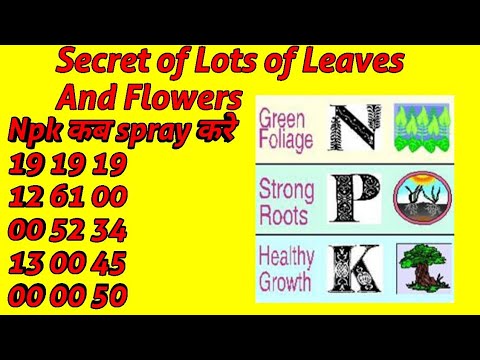
hey guys Nate story here with bright Agrotech and today we are going to talk about hydroponic making solutions 1 part 2 part 3 part and multi part all these different kinds of solutions you've got liquid and you've got dry we're gonna talk mostly about dry fertilizers because it is the most economical for commercial growers so there are 16 plant nutrients technically right we've got carbon oxygen hydrogen these are the things that are supplied by co2 by oxygen and by water right and they're oftentimes left off the list you know you don't have to supply these of course you have to supply water you have to supply co2 these things are important right but the biggie that we tend to focus on we're talking about fertilizer are the 13 mineral the 13 mineral nutrients so there is primary secondary and then micronutrients the primary nutrients are the nutrients that basically are are used in the highest quantities and the most required for plant growth and development these are the most common building blocks for the plant the secondary macronutrients are needed almost as badly as primary ones and there have been many arguments for including many of the secondary Mac macronutrients as primary nutrients however for the time being they are classified as secondary macronutrients and they're still very very very important but not quite as important as the primary plant nutrients the micronutrients are all of the mineral nutrients required in much much smaller quantities by the plants for growth and reproduction okay and all of these nutrients both the primary the secondary macronutrients in the and the and the micronutrients are all supplied by hydroponic nutrient solutions if you're doing hydroponic production so the primary nutrients are nitrogen phosphorus and potassium right in P K and these are on the label of every major fertilizer because they're the most important it's really important that you understand how much of each one is in a particular fertilizer so nitrogen incredibly important for plant growth and reproduction it is incorporated into all sorts of molecules that are involved in photosynthesis so chloroplast photosynthesis nitrogen is very important is very important in proteins right these are not just photosynthesis specific proteins but proteins that that operate all through the cell phosphorus important part of the cell membrane important part of all of these different biological molecules and then of course potassium plants signaling root growth and development reproductive growth and development these are all really really critical nutrients to plant production and to growers who are interested in maximizing their plant production secondary macronutrients calcium magnesium and sulfur are very important in you know calcium is super important in bonding cell walls it's a structural element it doesn't you know it's it calcium is really weird one and actually there has been a lot of people that have argued that calcium should be a primary plant nutrient and if typically is supplied in very large quantities and hydroponic solutions as a result magnesium an important part of the photosynthetic kind of complex sulphur incredibly important in peptide bonds and DNA and all of these different molecular biological compounds and biological molecules the plant needs to grow and to reproduce essentially the reason that the the primary and the macro secondary neutral secondary macronutrients are so important is because they're the most common nutrients they're used throughout the plant for a variety of different activities the micronutrients are still absolutely critical without any one of them the plant will die or can only survive for a certain number of generations for things that are only supplied in very small quantities some of them are required in such small quantities that the parent plant producing a seed in that seed is enough of that micronutrient for the entire life of that daughter plant however the seed that that plant produces if it doesn't have enough the generation after that will fail so some of these are acquired in very small quantities but they're still required and that is kind of the key thing with the micronutrients just because they're required and fairly levels does not mean they're critical so the way that we measure hydroponic fertilizers is with a measurement called EC it's it's short for electrical conductivity and basically what we're doing is we're sticking a probe in the water and we're passing a current between these two probes and the the way that that current is transmitted is basically the strength of that current tells us how many soluble salts are in that water right so what's the how many ions we have floating around in here and how easy is that electrical current pass from one probe to another so EC is measured a variety of different ways if you're measuring electrical conductivity property it's mostly milli ohms or micro Siemens per centimeter those are the two primary measurements ppm is sometimes used but that's more for total dissolved solids which is a slightly different measurement we typically shoot with most hydroponic solutions for something we're usually using milli-siemens per centimeter and we're usually shooting for somewhere between 1.2 for 4 plants that really don't like a whole lot of salt or up take out ton of water all the way up into the low 3s for some crops that are more salt tolerant that we want a pump full of nutrients so there's a broad range there that is specifically crop appropriate and if you have questions about what your EC value should be for each individual crop check out the crop production guide that we publish it's got all of that information there so EC is a really really simplified measurement of a very complicated thing now the great thing is with modern chemistry all of our solutions are formulated that means we know exactly how much of each element is in each thing and we can formulate these nutrient solutions specifically for individual crops what that means is if we put it all into the right ratio and the plants are taking everything out at the exact same ratios then by measuring the electrical conductivity we can tell the salt content of the water or how much nutrition is actually there and if it's all being taken out at the exact same rates we don't usually end up too far off balance what this means is with a formulated solution and with this simple simple easy measurement we can measure when we need to add more solute nutrients to the water and when we have too much nutrients in the water so easy measures the amount of these soluble salts that are in the water right the amount of fertilizer that we have in the water now the availability of that is still somewhat variable depending on a measurement called pH pH measures the acidity of the water so how acid or how basic the the nutrient solution is and what the interesting thing about it is it doesn't matter if you've got the right amount of plant nutrients in the water if our EC is so far off because different nutrients are soluble at different pH values so pH influences the solubility of each individual nutrient so there are lots of graphs online if you just google you know what is it nutrient solubility charts something like that you're gonna get a host of images that show these bands across multiple pH values that tells you where the ideal the most soluble a pH value is for each individual mineral on that list now it's important that we're managing both EC and both pH because EC puts the nutrients in the water and pH makes the nutrients available to the plants and that's the critical thing those are the two most important things when it comes to managing your nutrient solution and making all those plant nutrients available for your plants so optimal pH is typically somewhere between the low fives and the low sixes for most crops some crops will prefer it a little bit higher some crops will prefer it closer to 7 some crops will prefer in the high fours but generally if you're within that range you're within the range that plants plant nutrient uptake is optimized for most nutrients so there is kind of an optimal pH range in there and depending on the mix of crops that you have you should be optimizing your pH to make your nutrients as available as possible the most number of crops possible so we're talking about pH the understandings that you have to adjust pH up or pH down to get your pH within the range where you have maximum solubility of those plant nutrients to do that you're going to either use something called pH down or pH up and people in the industry will call it pH down pH F but typically what it's subscribing is pH down is an acid it could be any number of acids and pH up is a base it could be any number of bases but is most commonly potassium hydroxide and so you've got this combination of acids and bases you should only probably be using one in your system if you're using both an acid and a base you're probably doing it wrong and you're probably adding a base which raises your pH and then an acid that lowers it and you're just fighting yourself so pick one and run with it depending on whether your system trends up or trends down most commonly so there are two basic types of fertilizer out there you've got dry and you've got liquid now dry is usually used in commercial settings because it's very inexpensive to ship the big cost here is not actually the chemicals it is the shipping right it's the shipping so if you dilute down dry fertilizer to make liquid fertilizers say you take one pound and turn it into a hundred pounds it of course costs a lot more to ship that around the country that's why most commercial growers use dry mix you can also tailor dry mix a little bit better to your needs if you're a big commercial grower with very very scrap specific needs so it usually comes in one two three or multi-part mixes we tend to use a three-part mix around here you've got Part A Part B and Part C Part A is your basic general nutrient mix it has your m PK it has almost all of your micronutrients and your secondary macronutrients your your Part B is calcium nitrate it is mostly nitrogen and calcium it is it is not very soluble and so it's kept separately you dissolve your Part A and then you dissolve your Part B and you dosed them equally into your system your Part C is almost always magnesium sulfate or Epsom salt this is magnesium and sulfur and is the primary way that we supplement magnesium in the system so these three things mix together mixed in at the correct rates and for for the the solution that we use it's half a pound half a pound and one third of a pound for Part A Part B and Part C to get the right kind of mix from almost all of our crops if you mix them at the right rate and you add them at the right rate to your system they will be in the correct ratio nutrient wise for your plants in your system the other kind is like quit fertilizer this is more of a home and hobby because it's simple usually it's one part so you're just adding this one part solution it's very simple to measure very simple to manage much less complicated than dry fertilizers however it is a lot more expensive to ship but most people don't care because they're do using it on a much smaller scale so most liquid fertilizers are one part but there are two part 3 part multi part liquid solutions almost I all dry solutions are either 2 part 3 part or multi-part solutions now whether or not people want to deal with like a 10 part mixing process you know that's kind of a good question unless you're a very very big producer or grower you're probably not messing around and mixing all these different dry chemicals together to get your solution you're probably buying a 2 part or a 3 part from a major supplier and you're mixing them on-site specific to your crops and specific to your needs so the reason that a lot of these nutrient solutions are separated out is because they're solubilities are different so for the Part A for instance for a three part solution the Part A is very very soluble these are you know highly salts that dissociate very quickly in water they are very very soluble calcium nitrate on the other hand is not it is hard to get calcium nitrate dissolved in fact we typically use hot water and we have to be really careful at the rate that we're mixing it to water to make sure we can get it all dissolve because if it isn't then you're dosing ratios are going to be a little bit off you're part three Epsom salt again is very soluble and so what we're dealing with here is two parts that are highly soluble and one part that isn't and that's why they're kept separate because if you tried to mix them all together you get certain elements precipitating out while other elements stayed in solution and what that would what you would end up with is plant deficiencies in those nutrients that happen to be precipitated out so to be clear when we talk about 1 part 2 part and three-part solution we're not talking about primary secondary and micronutrients what we're talking about here is the the best chemistry for getting all of this stuff mixed together so Part A for instance it actually has almost all of the nutrients there right it has almost all of the plant nutrients included in that solution however we need a lot more nitrogen than we can get in that part a so that's why we add calcium nitrate also we don't have as much calcium in Part A right so use calcium nitrate because it's very inexpensive to manufacture and it's a great great molecule for supplying both nitrate and calcium to our plants so that that's kept a little bit separate because of solubility issues and then magnesium sulfate is by far the cheapest and best way to supply magnesium to the solution so what they the chemists are doing is they're going through and they're figuring out the optimal way to group all of these nutrients together so that they're supplied in ratio to the plants needs and they're supplied in a way that the user can mix them very very easily so we're mixing a three part solution the easiest way to figure out how to mix that is to just take the manufacturers word for it over time as you do it more and more you might tweak it you might change it a little bit for your specific setup but by and large when you're starting off you can just go with the instructions from the manufacturer so for us we're growing strawberries right now and we're using a strawberry mix from Kimbrough so if we go to the Kim Gro website it says to mix 0.375 pounds of Part A 0.37 pounds of Part B and point two five pounds of Part C so what we do is we go out and we measure out point three seven five pounds of our part of a solution we set that off to the side we measure point three five pounds of our calcium nitrate or our Part B we set that off to the side and we measure out point two five pounds of magnesium sulfate or our Part C and we set that off to the side now you can mix these into three separate buckets full of water the important thing is to make sure that these there's the exact same amount of water in each bucket however what I prefer to do is mix the Part C and the Part A together because they're both highly soluble that means I can mix both of these in and makes a nice salty concentrate but it doesn't typically cause anything to precipitate out when I mix this amount of fertilizer into a five-gallon bucket of hot water the calcium nitrate is always off on its own so I'll mix that into this separate bucket with nice warm water and what I end up with is two buckets that run really really nicely off of our Intel exact correct ratio of nutrients into our main solution so if you are using an auto dozer that's all well and good that all makes sense if your hand dosing it's a little bit different what I recommend people do if their hand dosing is they still mix it the exact same way but they add it to their system and they check their system to make sure that they're not adding too little or too much at least when you begin when you get really really good at handling you know how much your crops consume on a daily basis it is really really consistent and it gets much much easier to just walk in mix the right amount of nutrients dump it in your system and walk away and know that you've mixed it correctly but right off the bat on the front end if you are hand mixing you're going to mix these three separate tanks or two separate tanks and then you're going to add concentrate from those tanks in ratio so if you add one cup of Part A you're gonna add 1 cup of party B mix it measure it and then repeat so that's the goal is to make sure that you if you are hand dosing that you're not messing up the ratios there and that you're mixing it correctly so if your hand dosing you have to be monitoring if your auto dosing the thing is monitoring for you you should be calibrating it you should be double checking it every now and then but if your hand dosing you should definitely be measuring your EC and your pH quite regularly and especially throughout the dosing process as well as preceding the dosing process so you want to go and you want to measure your water you want to say okay my solution is at to low in DC and to high pH so dose the EC first so first you add you see you get your EC to where you want it then you remesh and then you dose your pH to where you want it so first EC then pH measure it beginning throughout and at the end so when it comes to EC there are lots of measurement devices out there there's very traditional kind of EC handheld analog EC measuring devices I've used those quite often there are handheld testers made by folks like Hannah and blue labs there are tons of different devices out there we use the Nutri tester from from auto grow as well as our auto dosing system you know it's measuring that as well but if you're hand measuring there's tons of handheld EC meters out there if you're testing pH you can use anything from color metric tests where you're dripping little Pete little drops of chemical in there and it's coloring the solution depending on the pH you can use tabs basically little strips of paper that you can dip in the water and you can also use hand-held testers so there's a variety of options depending on how specific you want to get and depending on how much money you're willing to spend on that testing device so to wrap this up let's review really quickly what we've gone through so we went through the 13 mineral plant nutrients in detail explained how all of these are available in nutrient solutions whether they're wet or whether they're dry we talked about measuring electrical conductivity and what that means and how we use that EC measurement to make sure we've got the right amount of mineral nutrients in our solution we also talked about pH and how basically your pH value impacts whether or not the nutrients we're putting in the solution are available to the plants and to what degree they are available to the plants we talked about liquid versus dry how liquid is great it's simple it's easy but it's much more expensive to ship to ship which makes it much more expensive for you to use versus dry which is much more difficult to mix handle and manage but is much cheaper to ship and why those two things have caused liquid to be a the most commonly used type of fertilizer in home in hobby applications while dry is the most commonly used at fertilizer in commercial applications we talked about mixing three part solution last and we basically explained how that works how to do it and why it's important to mix those things separately and understand how the solubility of those different nutrient parts impacts the way that you mix them and the way that you dose your system with them so on all of these different subjects that I've just briefly touched on we have written resources and blogs you can find those in the link below we have a ton of youtube videos that go into a lot more depth on each of these issues as well again linked below and if you haven't joined upstart university yet I would highly encourage you to do so we do an entire course on fertilizers mixing fertilizers starting your farm doing all of this incredible stuff that's necessary to understand to get a farm going and we cover all of that on up start University if you have not joined please do join today thanks so much for watching I hope the was helpful and as usual if you found this useful if you found this to be something that you enjoyed please subscribe
Up Next

3:49
Air Conditioning's Climate Feedback Loop: A Vicious Cycle
@MinuteEarth
776.7K views•2019-07-16

15:54
Life in Biosphere 2: Sustainable Ecosystems & Human Survival
@TED
334.9K views•2009-06-16

14:30
Microplastics Everywhere: How Plastic Impacts Our Lives
@TEDx
100.9K views•2018-05-08

10:28
Ice Stupa Artificial Glaciers: Solving Ladakh's Water Crisis
@SonamWangchuk66
3.2M views•2015-05-03
Related Study Plans & Knowledge Roadmaps
Structured learning paths in Environmental Science
environmental-science
Ocean Noise: Cetacean Impacts & Mitigation
01Fundamentals of Underwater Acoustics
02Marine Mammal Bioacoustics
03Anthropogenic Noise: Shipping & Seismic Surveying
+ 2 more learning modules
16h5 modules
Explore Roadmap
environmental-science
Road Ecology: Corridors, Overpasses & Fencing
01Foundations of Habitat Fragmentation and Carnivore Ecology
02The Road Barrier: Ecological Impacts of Transport Infrastructure
03Principles of Ecological Corridors and Connectivity Mapping
+ 3 more learning modules
14h6 modules
Explore Roadmap
environmental-science
Ocean Acidification: Kelp Buffering & Shellfish
01Fundamentals of Ocean Chemistry & pH
02Chemical Pathways of Coastal Acidification
03Bivalve Physiology & Calcification Under Stress
+ 2 more learning modules
18h5 modules
Explore Roadmap
environmental-science
Ice Stupas: Glacial Retreat & Water Security
01Foundations of Glaciology & Mountain Hydrology
02Climate Change and Glacial Retreat Dynamics
03The Science of Ice Stupas & Artificial Glaciers
+ 2 more learning modules
14h5 modules
Explore Roadmap