



![[new] 생명과학1 특강 주간지 (1) 3-1. 신경 전도 A](https://i.ytimg.com/vi/q3xLw6fLmmY/maxresdefault.jpg)









![[CNI] Seminar Series - Autumn 2021-02-02 Dr James Stone](https://i.ytimg.com/vi/OppbKSlHLQQ/maxresdefault.jpg)






NMDA receptors are ligand-gated ion channels that require simultaneous glutamate binding and membrane depolarization to remove the magnesium block, enabling calcium influx that drives synaptic plasticity and memory formation; these receptors act as coincidence detectors that integrate pre- and postsynaptic activity to strengthen synapses through mechanisms like long-term potentiation.
NMDA Receptors: Function, Blockade & Role in LTP | Neuroscience
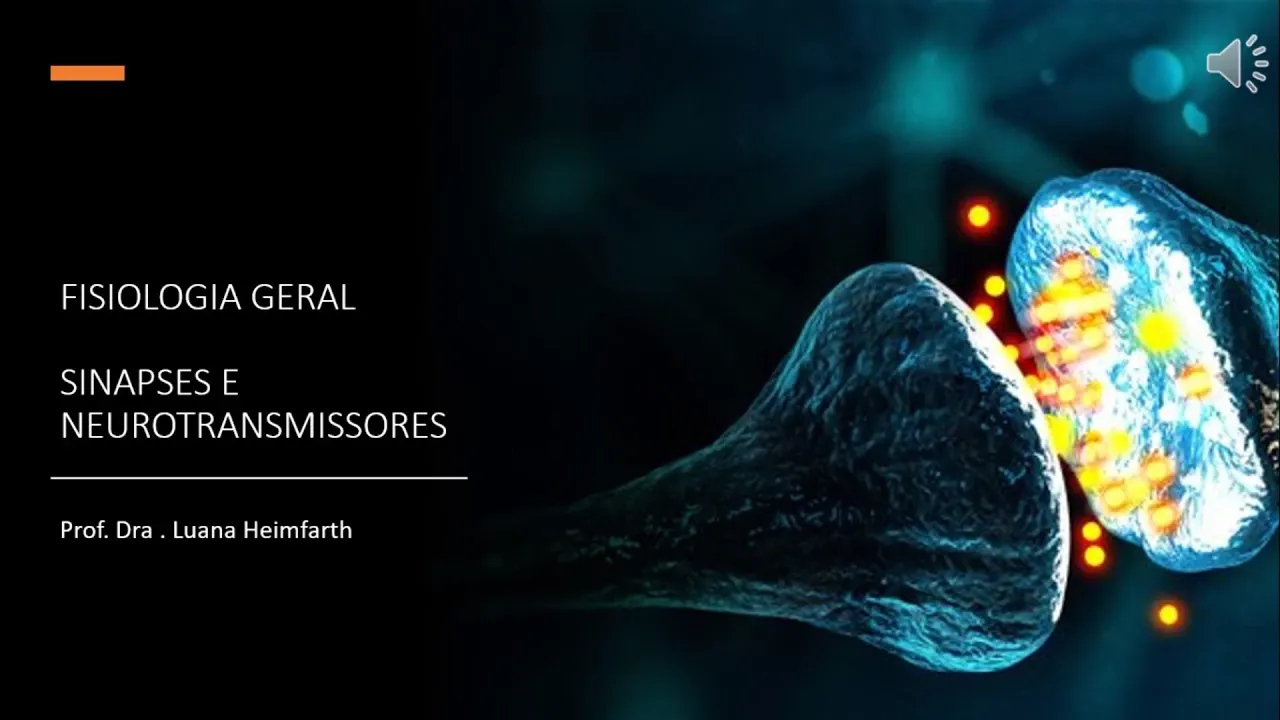
Added:Understanding of basic synaptic transmission, including neurotransmitter release, the synaptic cleft, and post-synaptic activation.
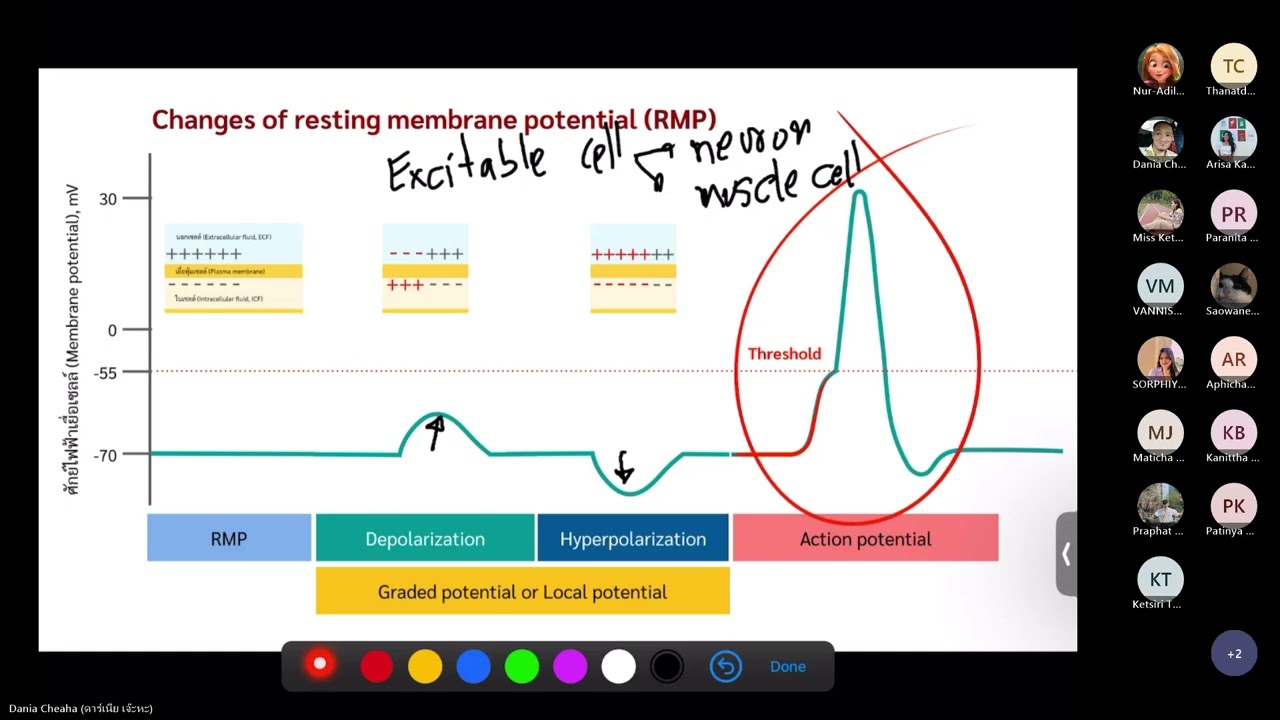
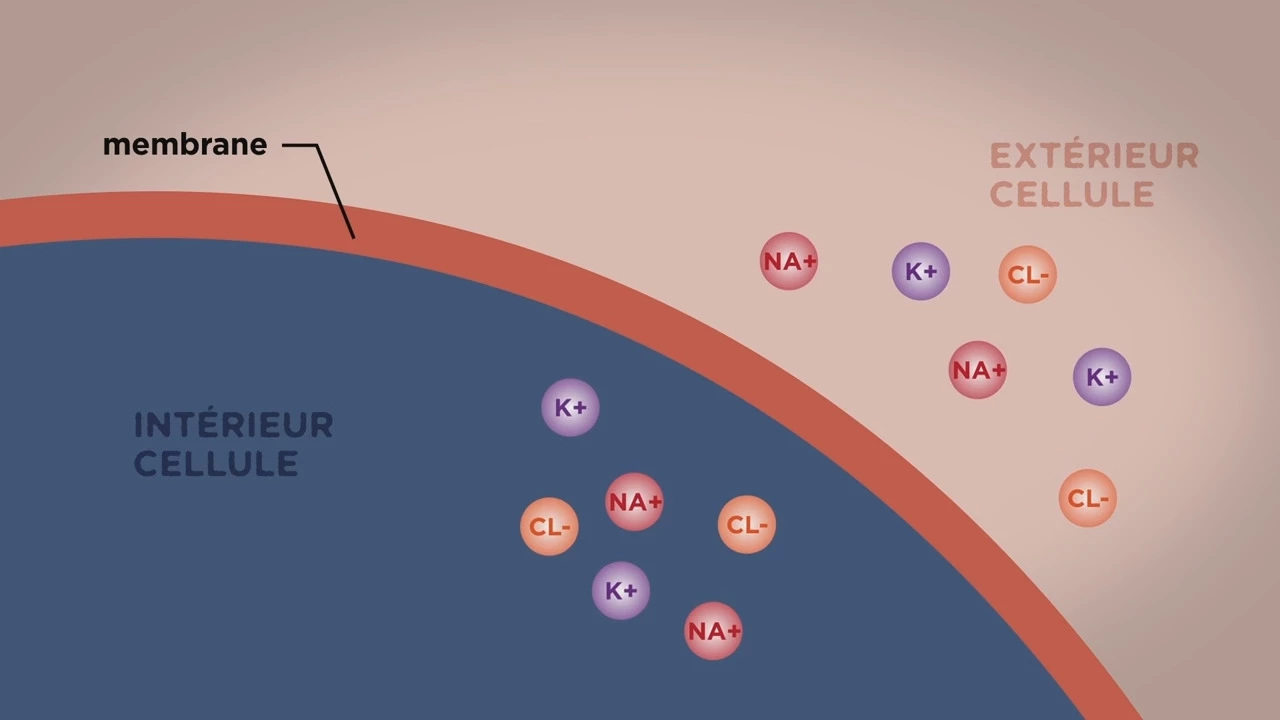
Knowledge of neuronal membrane potential, action potentials, and the electrochemical gradients of sodium, potassium, and calcium ions.
Familiarity with glutamate as the primary excitatory neurotransmitter and the basic function of AMPA receptors.
An introductory concept of synaptic plasticity, specifically how connections between neurons can strengthen or weaken over time.
The molecular mechanism of Long-Term Depression (LTD) as the complementary process to LTP in synaptic pruning and homeostatic plasticity.
Structural synaptic plasticity, including the signaling cascades that lead to dendritic spine remodeling and AMPA receptor trafficking.
The role of NMDA receptor dysfunction in neuropathology, specifically excitotoxicity in stroke and the NMDA hypofunction hypothesis of Schizophrenia.
Pharmacological modulation of NMDA receptors, exploring the therapeutic mechanisms of drugs like Ketamine (for depression) and Memantine (for Alzheimer's disease).
55K views889likes12:11Original Release: 2022-07-07
in this video we'll talk about nmda receptors or n-methyl d-aspartate receptors nmda receptors are one type of ionotropic glutamate receptors so obviously they are good they are found in the glutamatergic synapses it's a ligand-gated ion channel and it regulates synaptic strength and plasticity it is also involved in memory formation we'll talk about nmda receptor its properties and its function in details so stay tuned till the end of this video the magnesium ion is present in the pore of nmda receptor and that is how it doesn't allow sodium ion to get in generally when glutamate binds sodium ion should get into the channel but it is repelled by magnesium block now the magnesium block is removed when there is a substantial positive charge inside the membrane that kind of repels the magnesium block and now the way is clear for the sodium ion to come in so this is how the nmda receptor works but now let us ask that who is responsible for the removal of this magnesium block and how the membrane becomes more positive such that the magnesium block is removed now let us zoom into the synapse and try to understand the functioning of nmda receptor so here you can see there is ampa receptors which are another type of ionotropic glutamate receptors ampa receptors bind to glutamate and it leads to sodium influx inside the neuron after a point of time when sodium gets in it makes the inside of the postsynapse positive and that is why initially the nmda receptor doesn't open and it cannot conduct sodium or other cations but after a while when substantial amount of sodium gets into the post-synapse the inside becomes positive in this scenario the magnesium is rippled out and this block is removed such that the sodium ions can now easily diffuse inside the postsynapse not only sodium ions but there would be a huge influx of calcium ions as well and that is how the nmda receptor works now in order to understand the nmd receptors we have to understand its physiological properties which can be done by whole cell recording so in this patch clamp recording we are recording in a voltage clamp method that means the voltage is fixed at a particular range and now we are recording the current through it so let us do a thought experiment right now we are giving a 70 millivolt voltage we are holding the potential at minus 70 millivolts we see no current we made it minus 50 millivolts we see miniscule currents now at minus 10 there is some amount of current plus 5 the current direction is now reverted and there is substantial amount of current and the current increases with the positive voltage so this is how we can understand the physiological property but in order to represent this in a better fashion people use the iv plot and the gv plot so the same data can be represented in the iv plot where we plot current versus voltage so as as per our previous slide we can understand in the negative voltages beyond minus 50 there was no current now we i mean beyond a point of membrane threshold there was current right so in the in part of the graph here we can see almost no current at high negative voltage there is some amount of inward current at a negative voltage which is beyond the membrane potential or membrane threshold now at a positive voltage there would be outward current so this is how we can understand the nmda receptor characteristics similarly if we look at the conductance versus voltage plot we can also see the conductance of the channel is almost zero at negative voltage so now we understand this particular graph in a biological manner so look at this particular region of the graph in this situation what happens is the membrane is still negative that means it cannot repel the magnesium ion instead it is attracting the magnesium ion and that is why cations cannot enter the postsynapse look at this portion of the graph in this situation what happens is membrane potential is gradually becoming positive and when it is becoming positive it is repelling the magnesium ion and thereby the cations can get inside the post synapse so this is how we can explain the iv curve of nmda receptor now just to summarize the channel properties the reversal potential of nmda receptor is 0 millivolt it conducts sodium potassium and also calcium and the single channel conductance is 50 picoseconds and it has a sustained uh current properties that means it conducts for a long time compared to other ionotropic receptors even after end of the particular stimulus the channel remains conductive now nmd receptor has multiple subunits such as nr1 nr2a 2d nr3a2b all of these so nmda receptor has multiple configurations such as dihetromeric nmda receptor configuration in this case at least nr1 receptor subunit has to be present and other things could be a combination of other other receptor subtypes such as nr2a to b to c etc or there could be also trihedramine nmda receptors where one subunit our would be 2d one subunit would be in a 3a to 3b and another subunit has to be nr1 so nr1 is the consistent subunit among all of these nmda receptors are known as coincidence detector that means that detects the coincidence of pre and postsynaptic activity in other words the detects the synchrony between pre and postsynaptic activity let me explain how so nmda receptor opening has two criteria first glutamate binding and second is the removal of magnesium block so glutamate binding reminds the nmda receptor about a presynaptic event so glutamate binding only happens when there is a glutamate release in the presynaptic terminal so the presynaptic phenomena is defined by the glutamate binding and the postsynaptic phenomena is defined by the removal of magnesium block magnesium block would be removed when the postsynaptic is active enough that means the presynaptic activity and the postsynaptic activity are the coincidence between pre and postsynaptic activity is detected at the nmda receptor level so once this coincidence is detected there would be a huge influx of calcium ions inside the post-synapse and the calcium concentration would rise from 100 nanomolars to several micromolars this dramatic increase in the calcium concentration would activate several calcium-dependent kinases such as camk2 which phosphoryl phosphorylates plethora of downstream targets and that evokes several intracellular changes and it leads to change in synaptic strength in one case there could be potentiation of the synapse that means the synapse becomes stronger bigger and there are more postsynaptic receptors present in this particular synapse as you can see from this diagram an nmda receptor plays a crucial role in this process nmd receptor blockage can lead to behavioral defects in mouse in maurice water maize a particular platform hidden platform is placed near a particular spatial queue in this case near this particular green spatial queue so the when we put the mouse it would struggle a little bit and then eventually it would understand that near this particular green landmark there is a hidden platform and next time when we put it it would straight go to that particular hidden platform so this is how they learn this particular task now this particular memory related task or navigation task is totally faulty when we block the nmda receptor by injecting a nmda receptor blocker so upon nmda receptor blockage there is no bias towards one particular quadrant the mouse spends or find spend its time to find the hidden platform in all the quadrant equally it cannot understand where it where the hidden platform is so overall nmda receptor are really important for memory related tasks now there are other aspects where nmda receptors are involved such as long-term potentiation let me explain you in a very simple manner what is long-term potentiation so let's say we are stimulating this particular presynaptic yellow neuron by a stimulating electrode and we are recording from the postsynapse and we are getting some post-synaptic potential like this now there is a hundred hertz tetanic stimulation which is provided to the neuron and after these 100 hertz protocol we again put the similar stimulus now after putting the similar stimulus we get a augmented response shown by this red curve and it is compared to the previous response in green curve so obviously this augmented response is known as potentiation that means the synaptic activity or the synaptic strength is boosted that's why it is giving a particular response which has a higher amplitude one other way of representing this data is to plot it over time the slope of these postsynaptic potential is plotted over time so just after this tetanic stimulus one can see that the postsynaptic potential has increased so the slope has also increased and the increased slope persists over time and it is in order of minutes to hours so this is a long lasting change in the synaptic strength which is known as long-term potentiation but the moral of the story is if we block nmda receptor and do this similar protocol this particular protocol cannot evoke a potentiated response that means nmda receptor activity is crucial for this kind of potentiation or strengthening of the synapses so overall in this video we looked at nmda receptors and how they are they are one kind of like isotropic glutamate receptor these receptors are found in glutamatergic neuron it's a ligand gated ion channel and they regulate synaptic strain they are we also looked at their electrophysiological property we looked how they are involved in memory and synaptic plasticity so i hope this was informative if you like this video give it a quick thumbs up don't forget to like share and subscribe you can get my social media links and which are linked in the description so see you in next video
Up Next

8:00
Neuroscience of Long-Term Potentiation & Memory Formation
@CarletonUvideos
609.3K views•2013-11-06
21:55
Deciphering Neural Circuits Controlling Anorexia in Mice | Richard Palmiter
@AllenInstitute
2.3K views•2011-10-10

4:10
Vagus Nerve (CN X): Anatomy, Nuclei & Functions Explained
@Alilamedicalmedia
305.2K views•2022-10-31
13:03
How Exercise Benefits Your Brain: Science Explained
@TED
11.4M views•2018-03-21
Related Study Plans & Knowledge Roadmaps
Structured learning paths in Neuroscience
neuroscience
Appetite Regulation: Brain Circuits & Hormones
01Foundations of Endocrinology and Brain Anatomy
02Introduction to Energy Homeostasis
03Peripheral Signals: Leptin, Ghrelin, and Insulin
+ 2 more learning modules
14h5 modules
Explore Roadmap
neuroscience
Neuroeconomics: Value, Risk & Brain Mechanisms
01Foundations of Neuroscience and Brain Anatomy
02Introduction to Neuroeconomics and Subjective Value
03Dopaminergic Prediction Errors & Reinforcement Learning
+ 3 more learning modules
18h6 modules
Explore Roadmap
neuroscience
Spatial Navigation: Cells, Grids & Brain Maps
01Foundations of Brain Anatomy and Memory
02Place Cells and Head-Direction Cells
03Grid Cells: The Brain's Coordinate System
+ 2 more learning modules
12h5 modules
Explore Roadmap
neuroscience
BCIs: Neural Decoding & Prosthetic Control
01Neuroscience Foundations: How the Brain Signals Intent
02Signal Acquisition: Recording the Brain's Activity
03Neural Decoding: Translating Brain Waves into Data
+ 2 more learning modules
25h5 modules
Explore Roadmap