























Blunt force trauma injuries vary significantly based on the force magnitude, striking surface area, and anatomical location; larger striking surfaces like the forehead distribute force more broadly, while smaller surfaces like fists concentrate force, leading to different injury patterns such as facial fractures, globe rupture, spinal injuries, and joint dislocations.
Jack Reacher Fight Scene Analyzed by an Orthopedic Surgeon
Added:Basic musculoskeletal anatomy, including the structure of major joints (such as the shoulder, elbow, and knee) and bones frequently targeted in physical combat.
The distinction between different types of physical trauma, such as fractures, dislocations, sprains, and soft-tissue contusions.
Basic principles of physics related to trauma, specifically how kinetic energy, leverage, and blunt force impact human biological tissue.
The physiological response of the human body to acute pain and sudden trauma, including the roles of adrenaline, shock, and loss of consciousness.
Advanced study of emergency orthopedic triage, analyzing how acute traumatic injuries are clinically diagnosed, imaged, and stabilized.
The biomechanics of combat and self-defense, exploring the specific angles, forces, and torque required to cause structural failure in bones and ligaments.
Long-term pathophysiological outcomes of severe physical trauma, such as post-traumatic osteoarthritis, chronic joint instability, and permanent nerve damage.
Critical analysis of cinematic medical realism, examining how films exaggerate or minimize physical injuries and recovery times for narrative pacing.
382.1K views8.9Klikes14:59Original Release: 2022-03-13
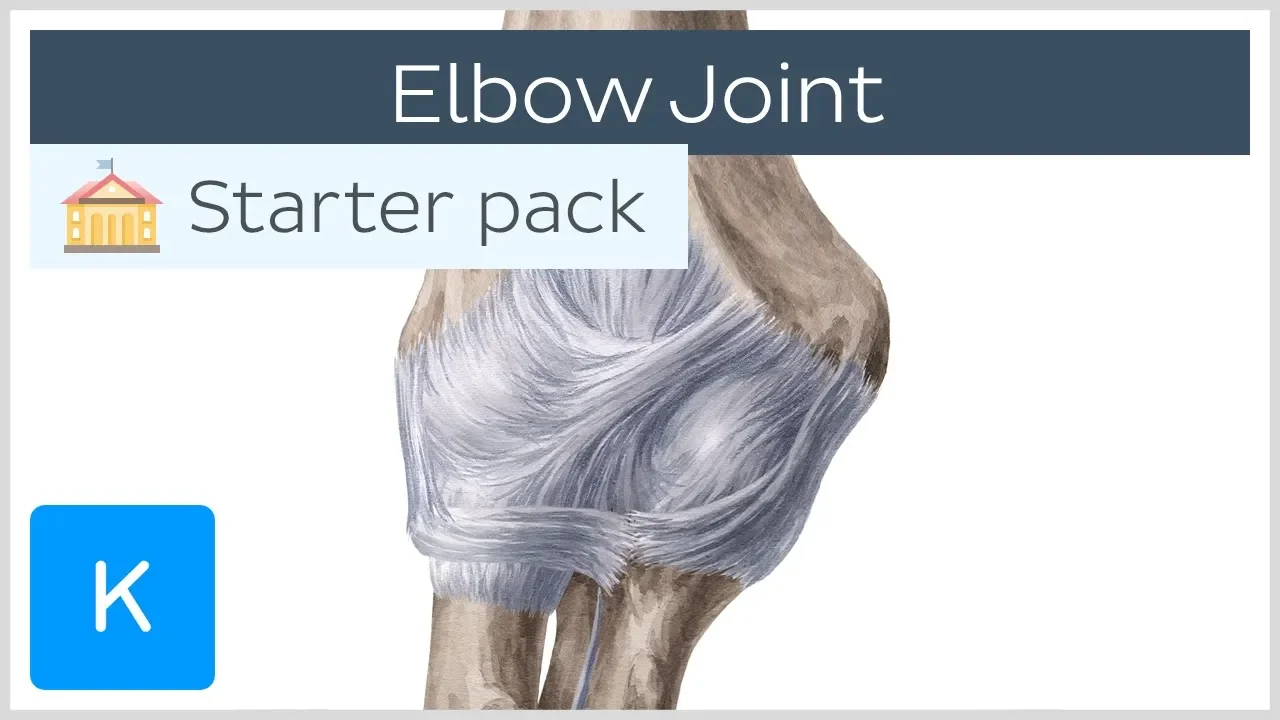
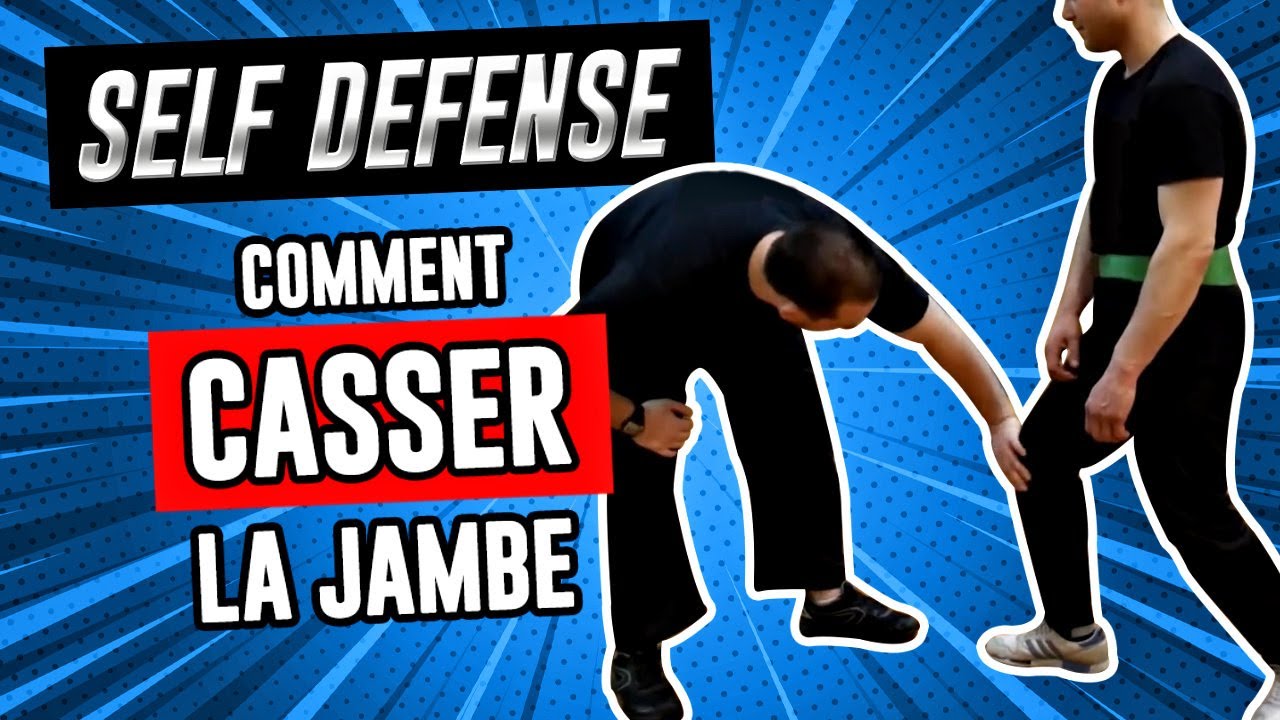
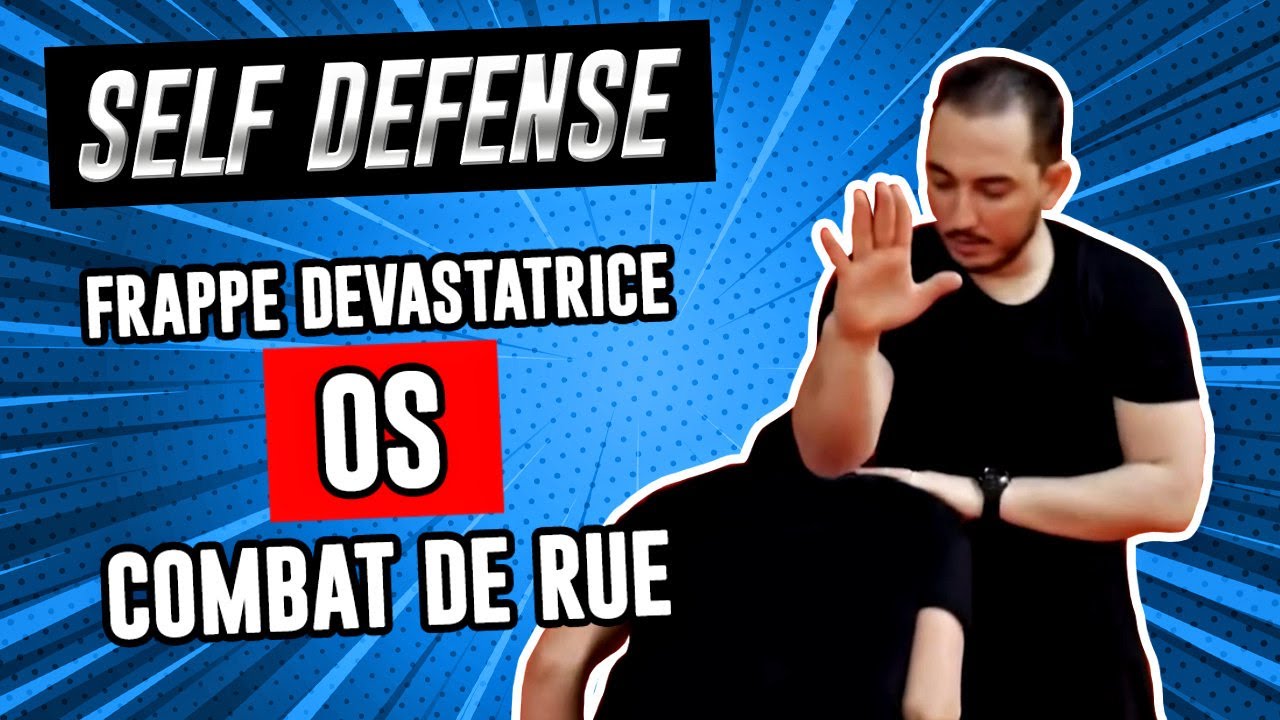
if you boys know what's about to happen to you you leave now jack reacher versus a gang of prison inmates one versus five the odds are definitely in jack reacher's favorite reacher is an intimidating presence in the novels he stands about six foot five and weighs 250 pounds he's a retired military police officer with years of real-world experience and training under his belt and in the new amazon adaptation alan richton is well suited and sized for the role if there were anyone else facing down five angry inmates some of them armed i might be worried for them but reacher is anything but average and these guys are in for a rude awakening the leader of the gang motions for all the men in the bathroom to leave cocky move he seems very sure of himself but when jack reacher starts counting his opponents start dropping like flies so i'll give you to the count of three one whether it be a headbutt a jab a backhand a forehand a kick or an industrial steel prison bathroom sink a blow to the bridge of the nose is problematic for many reasons okay jack pause right there thank you so much for giving me so many opportunities to talk about blunt force facial trauma you are a friend of medical educators everywhere thanks doc that really means a lot a blow to the bridge of the nose can cause significant facial trauma whose extent depends on the amount of force used in the blow and the type of object used to strike with in this case reacher strikes two different inmates in the same area one with his forehead and the other with his fist in the case of the headbutt forehead is a broad surface that is quite hard so the force of impact is spread over a larger area the impact would involve the bridge of the nose but would also involve the cheeks or the maxilla the nose itself and possibly the orbitals bilaterally in the case of the right cross the fist presents a much smaller striking surface so the impact would be more concentrated consequently i would anticipate the zone of injury to be smaller correlating with the smaller striking surface although the constellation of injuries associated with the punch would be similar to that seen with the headbutt a study has shown that the average impact velocity for a headbutt 4.7 meters per second is considerably less than that of a punch 12 meters per second so a typical headbutt is not likely to lead to life-threatening injuries but bony injuries of the face such as those described can easily occur under certain circumstances potentially lethal injuries could occur but as i said this is much less likely however the lethality of a given strike ultimately depends on what was used to strike the head how hard the strike was delivered and where the strike landed facial fractures if present would be stabilized with open reduction and internal fixation using contoured stabilization plates inserted through incisions whose location would be determined by the particular fracture pattern observed so definitely these henchmen are taking the shortcut to the infirmary an uppercut is also troublesome though the resultant injuries differ slightly in this case with the blow angled upward rather than directly to the face the jaw or the mandible is the primary point of impact if delivered with enough force the mandible would be fractured however a dislocation of the jaw or mandible of which there are four types might also occur the types of dislocation that could be associated with a powerful uppercut include posterior superior and lateral dislocations with the names describing the respective directions in which the jaw could travel after being struck although these dislocations are potentially rare the superior dislocation in particular is significant for its potential for injury to the facial and vestibulococcular nerves and the temporal lobe as a result of the superior migration of the condyle of the jaw into the middle cranial fossa ouch sounds painful and that's a freaking mouthful now jack if you don't mind continuing the demonstration can you show us what happens to people who approach you wielding a weapon sure this guy came at me with a knife eyes on the red arrow oh my god his eye out thank you jack an excellent demonstration of the relative softness of the eyeball compared to the bones of the face it looks like your thumb has entered that man's eye socket up to the level of the metacarpal phalangeal joint you've got fairly large hands so i think it is safe to assume at least a couple of inches of penetration now just as i explained in my last video explaining the shot glass attack in the equalizer this henchman is probably going to lose an eye no doubt about it what did we just become best friends yep here reacher's thumb causes a blunt force injury to the globe this is very likely to cause a rupture of the globe since it is really difficult for the henchman's eyeball and reacher's thumb to occupy the space available in the orbit at the same time otherwise a rupture of the globe can be caused by a laceration of the globe or by blunt force such as with reacher's thumb patients presenting with a ruptured globe typically have decreased vision which is not really good for remaining fight worthy the eyeball itself is often visibly distorted and the pupil may be shaped like a teardrop occasionally fluid will leak from the eye which i am pretty much guaranteeing here excessive bleeding under the conjunctiva the thin mucous membrane that covers the cornea can also be a symptom of a ruptured globe but i'm thinking that's not really required for diagnosis here laceration to the globe requires immediate evaluation by an ophthalmologist ct is typically performed to confirm the diagnosis and to rule out the presence of any foreign material inside of the eye or the presence of any further damage around the eye however even after all possible medical and surgical treatment has been performed serious eyeball lacerations or globe ruptures may still result in partial or total loss of vision yeah i'm banking on that here great but what if that wasn't enough to incapacitate your attacker jack would you mind demonstrating some other techniques one might apply to more robust opponents impacts like this to the spine in the back of the neck would be sufficient to cause significant injuries to the back and to the head blunt force trauma to the back is a fantastic way to break ribs fracture the scapula on the back of the chest wall and injure intrathoracic organs such as the lungs pneumothorax hemothorax or pneumohemothorax it is also possible to fracture a vertebral spine or the posterior aspect of the skull when being thrown against a concrete wall with an impact that is caused by a whipping motion there is the real possibility of a skull fracture at the back of the skull or the occiput this could be an isolated injury but more than likely would be associated with a closed head injury as well this could be simply a concussion that would be caused by the impact of the brain on the back of the skull or if more serious would be a brain contusion if the damage is more severe it might occur with bleeding inside or around the outside of the brain these different kinds of bleeds could cause increased pressure within the skull and consequent compression of the brain with enough pressure on the brain over a long enough period permanent brain damage or even death could occur but the leader of the gang is tenacious and follows up with a couple of blows of his own yeah and i really didn't like that so i kicked him in the nuts and i broke his arm in a prison fight anything goes and this swift kick to the family jewels stunned our gang leader long enough for jack to work some magic on his arm with this injury reacher bends his head henchman's arm over his knee at the elbow not really a problem you say except that it is not designed to bend sideways at the elbow the elbow is a hinge joint whose primary plane of motion is the sagittal plane it has robust ligaments the collateral ligaments that prevent sideways opening either medially or laterally however even these collateral ligaments can be overcome by the might of a 6'5 angry ex-marine warrant officer this injury mechanism would cause complete or near complete circular disruption of capsulo ligamentous stabilizers starting with the lateral collateral ligament or lcl first and working around the capsule to the medial collateral or mcl ligament this would result in gross instability of the elbow which would make it difficult for said henchmen to use his shank holding arm and with jack reacher that's a problem that you don't want to have now remember what i said about back injuries to my eyes these two impacts are a little more intense than the previous one a 300 style front kick and then across the room back into the wall slam uh leonidas kicked to the chest can easily result in an injury to the sternum or the breastbone the sternum is a structure that connects the anterior ribs to one another in a semi-rigid manner to create a flexible cage in which the heart lungs and major vessels are contained the ribs are connected to the sternum by cartilage articulations at sternocostal joints and the sternum is stabilized between the ribs by its attachment to the two clavicles at the two sternoclavicular joints above dislocation of the sternum would require failure of several of the articulations either at the sternocostal joints the sternoclavicular joints or both with an impact from the front we would anticipate the sternum would be fractured or dislocated posteriorly or in other words pushed back into the chest the mediastinum is the space that is located in the middle of the chest behind the sternum the mediastinum contains the heart aorta esophagus thymus trachea lymph nodes and some nerves dislocation of the sternum is generally not desirable and if severe can cause injury to any one of the structures located behind it this would be bad so generally i advise people not to get kicked correction heel stomp in the chest combine this with the blunt force trauma caused by being punted into the wall and i suspect that this henchman will have serious trouble breathing for an extended period of time and in case you didn't get enough of the backsmash from earlier in the scene reacher demonstrates it again with another henchmen repetition for memory's sake more blunt force facial trauma obviously effective approach jack but perhaps for the sake of medical education you could give us something different you're kind of pissing me off doc i'll see what i can do but i don't like when people boss me around how's that excellent that's the kind of stuff we need here reacher stomps on a henchman's lower leg just above the level of the ankle of course since the knee and the ankle are hinge joints they can't really accommodate sideways bending in the middle of the tibial shaft this leaves the tibial shaft alone to resist the bending force applied to it [Music] [Applause] now if you've watched this channel long enough you will know that bones are great in compression but that they suck in rotation and that they don't fare too well in bending either this injury mechanism would result in a fracture of the tibia at the junction of the middle and distal thirds this would be expected to be a transverse fracture of the tibial shaft with an associated fracture of the distal fibula if there were any element of rotation involved then the fracture might have an oblique component if the body were fortunate this would be a closed injury but if his luck were otherwise engaged [Music] if you're a fighting jack reacher likely it is it would be an open fracture where the bone fragments have perforated the soft tissue envelope and become exposed to the external environment outside open fractures would carry an added risk of infection and would be more likely to be delayed in healing but whether open or closed this fracture would require operative stabilization in a surgical setting generally there are three ways to fix a lower extremity fracture surgically an external fixator plate fixation or an intra medullary nail an external fixator is a frame that is placed outside the leg and is attached to the leg with pins to stabilize the fracture externally it is typically only used for temporary fixation and is usually replaced by internal fixation when the leg is more amenable to repair plate fixation is a form of internal fixation that may be used for definitive or permanent fixation it is applied at the fracture site directly through a formal incision and spans the fracture site on the surface of the bone it is secured with a number of screws both above and below the level of the fracture intramedullary nail fixation is another type of internal fixation that may be selected for definitive fixation it is inserted away from the fracture site through the knee but spans the fracture site within the bone it is secured with a number of screws both above and below the level of the fracture here if the fracture is very close to the level of the ankle a plate will be used however if the fracture is sufficiently proximal to the ankle joint an intramedullary nail will be used for fixation i suppose that that is one way to get a break from day-to-day prison life so that about wraps up today's class thanks again for our guest educator jack reacher let me know in the comments what you'd like me to react to next as always that's been a word from dr chris not your everyday ortho and me jack reacher not your everyday medical educator let's go get some tacos chris [Music] so [Music]
Up Next

8:51
Disaster Victim Identification: 4-Step Process in Forensic Science
@CSIChronicles
166 views•2024-05-03

8:53
ADHD Brain Differences: Executive Function and Neurotransmitters
@trace-elements
102.9K views•2022-01-31

10:28
Neuroanatomy: Central and Peripheral Nervous System Divisions Explained
@AKLECTURES
136.2K views•2014-09-20
3:05
Stages of Labor and Vaginal Birth | Childbirth Animation
@nucleusmedicalmedia
52.1M views•2017-08-18
Related Study Plans & Knowledge Roadmaps
Structured learning paths in Medicine
medicine
Neuro Exam: Localization & Stroke Syndromes
01Foundations of Neuroanatomy and Vascular Supply
02The Neurological Examination: Step-by-Step
03Principles of Neurological Localization
+ 3 more learning modules
18h6 modules
Explore Roadmap
medicine
Psychiatric Emergencies: Drugs & Rapid Sedation
01Brain Chemistry & Behavior Basics
02Understanding Psychiatric Emergencies
03Pharmacology of Key Psychotropic Medications
+ 2 more learning modules
12h5 modules
Explore Roadmap
medicine
Rheumatology: Autoantibodies & Workups
01Foundations of the Immune System and Autoimmunity
02Clinical Overview of Major Systemic Autoimmune Diseases
03The Initial Workup: Inflammatory Markers and Basic Labs
+ 2 more learning modules
14h5 modules
Explore Roadmap
medicine
Managing Obstetric Emergencies: ER & EMS Basics
01Pregnancy Anatomy and Physiology Basics
02Normal Labor and Emergency Delivery
03Triage and Assessing the Pregnant Patient
+ 3 more learning modules
12h6 modules
Explore Roadmap