















This video demonstrates a step-by-step protocol for covalently conjugating antibodies to carboxyl gold nanoparticles using EDC and Sulfo-NHS crosslinkers. The process involves activating the nanoparticle surface with EDC (10 mg/mL) and Sulfo-NHS (16 μL/mL for 1 mL gold nanoshells), incubating with antibody (20 μg/mL), quenching remaining reactive groups with hydroxylamine, and purifying the conjugate by centrifugation. This covalent conjugation method enables rapid antibody screening for lateral flow assay development, reducing optimization time from days/weeks to hours compared to passive conjugation methods.
Covalent Conjugation of Antibodies to Gold Nanoparticles Tutorial
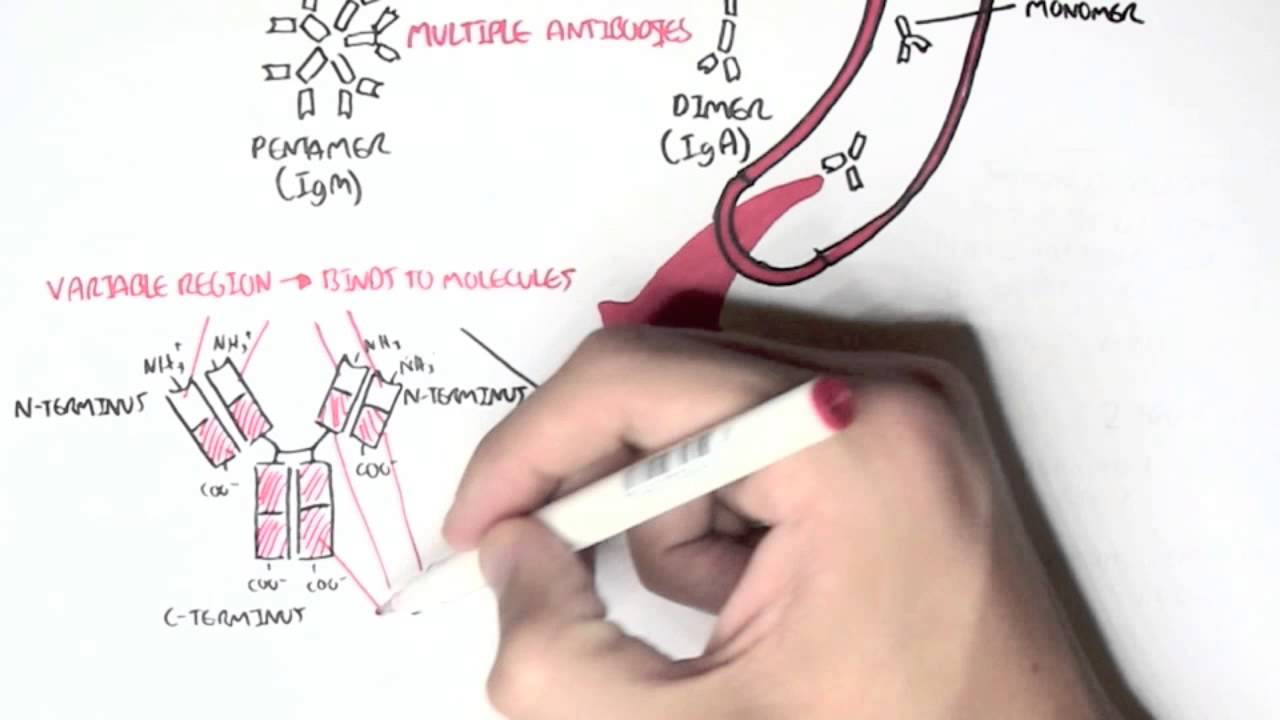
Added:Understanding of antibody structure and function, particularly the location and role of primary amine groups (-NH2) on the protein structure.
Basic knowledge of nanotechnology and colloidal gold properties, including the significance of surface chemistry and nanoparticle stability.
Familiarity with bioconjugation chemistry principles, specifically carbodiimide coupling (EDC/NHS reaction) used to link carboxyl groups to amines.
The fundamental principles of Lateral Flow Assays (LFAs), including how target analytes, capture antibodies, and reporter particles interact on a strip.
Methods for characterizing conjugated gold nanoparticles, such as UV-Vis spectroscopy, Dynamic Light Scattering (DLS), and Zeta potential measurements to verify size and charge.
Optimization strategies for lateral flow assays, including the selection of blocking agents (e.g., BSA, PEG) to eliminate non-specific binding and reduce background signal.
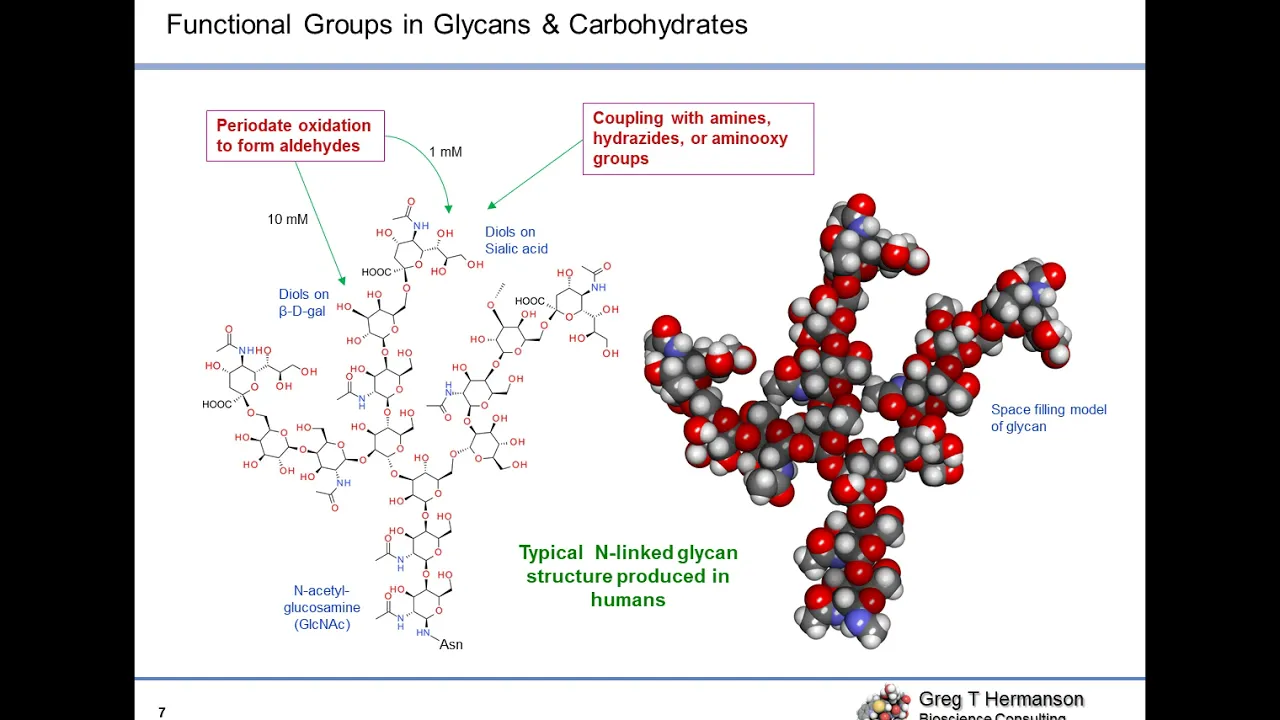
Advanced site-directed conjugation chemistries, such as using linker molecules or targeting carbohydrate chains, to ensure optimal antibody orientation.
Troubleshooting and scaling up the manufacturing of diagnostic test strips, including assay sensitivity, shelf-life stability, and reproducibility.
16.8K views209likes4:42Original Release: 2017-01-17
Hi, my name is Jean.
I'm a research scientist here at NanoComposix.
Today we're going to go over the simple process of covalently conjugating antibodies to our BioReady Carboxyl gold nanoshells.
Covalent conjugation of proteins or antibodies to nanoparticle probes is a very useful tool while developing lateral flow assays, and for other applications.
It yields reproducible and robust conjugates with just a few simple steps.
When screening antibodies for lateral flow using passive conjugation methods, it can take days to weeks to optimize each antibody conjugate.
Using covalent conjugation methods, it's possible for a scientist to screen 10 x 10 antibody matrices in one day or even in as little as one afternoon.
Using covalent conjugation methods substantially reduces the time and effort required to perform antibody screens for lateral flow assay development.
First, remove the EDC & Sulfo-NHS from cold storage.
Allow the bottles to sit at room temperature for 15-20 minutes before opening.
This is important because moisture from the atmosphere can condense on the cold powders, causing them to hydrolyze and degrade.
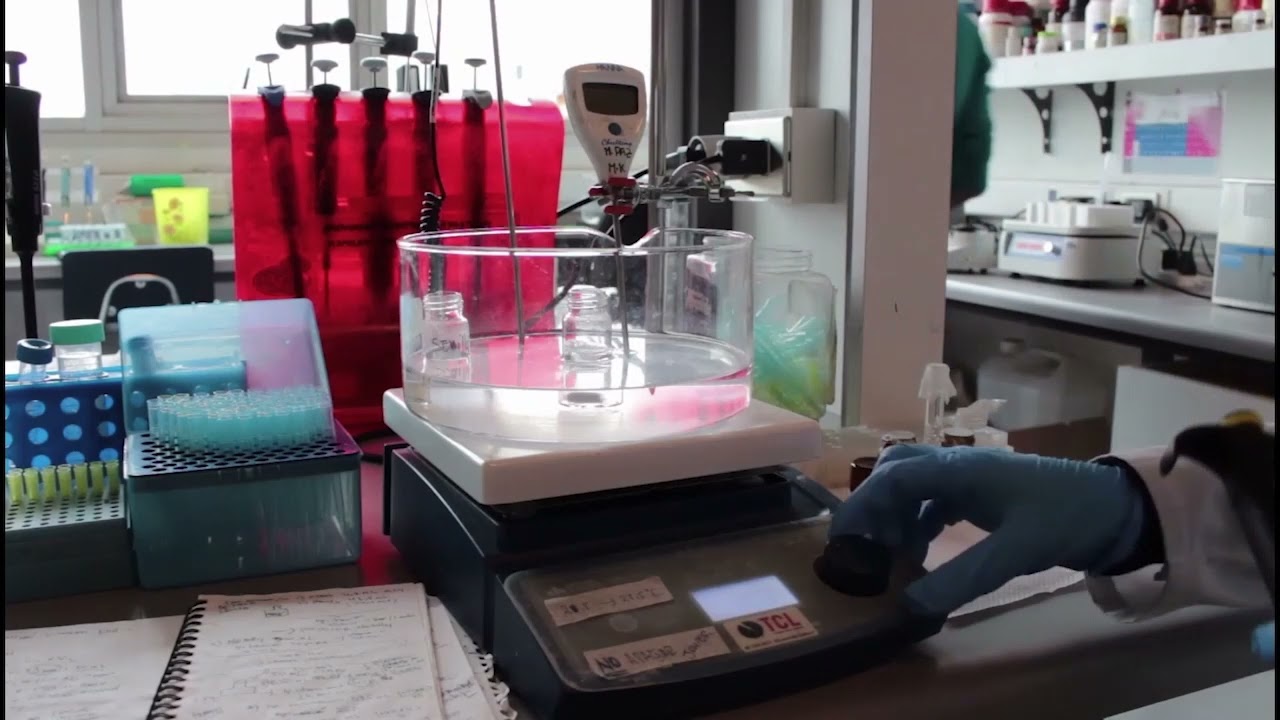
Before you start, you'll need an Eppendorf tube labeled EDC, another labeled Sulfo-NHS, an aliquot of BioReady gold, and your purified antibody.
Place the tube labeled EDC on the balance and tare.
Remove the EDC from the storage container.
Aliquot between 2 and 10 mg into the Eppendorf tube and record the mass.
When putting the reagents back for storage, wrap them with parafilm to lessen their exposure to air.
Store them in a sealed package with desiccant.
Repeat the process for the Sulfo-NHS, taring the vial on the balance, removing the bottle from storage, and weighing out between 2 and 10 mg.
Bring your aliquot of EDC to 10 mg/mL with water.
For example, if you have 8.3 mg of EDC, add 830 microliters of water.
Vortex to resuspend.
For 1 mL of BioReady Gold Nanoshells, you'll need to add 8 uL of your 10 mg/mL EDC solution.
Repeat the process with the Sulfo-NHS.
Vortex to resuspend.
For the same aliquot of Gold Nanoshells, you'll need to add 16 uL of Sulfo-NHS.
Vortex to mix and place on a rotating incubator for 30 minutes.
After 30 minutes have passed, centrifuge your nanoparticle solution at 3600 RCF for 5 minutes.
After 5 minutes carefully remove your Eppendorf tube from the centrifuge, being careful not to disturb the pellet.
Decant the supernatant and discard.
Resuspend the pellet with reaction buffer at pH 7.4.
Vortex to resuspend the pellet or bath sonicate it if needed.
Your particles are now activated, and you can add your purified antibody.
For 1 mL of Gold Nanoshells, we recommend starting at around 20 micrograms of purified antibody per mL.
Vortex to mix, and incubate the antibody with the gold colloid for 1 hour.
After the antibody incubation is complete, quench any remaining active groups with an excess of primary amine.
We use 10 uL of hydroxylamine.
Incubate for 10 minutes and repeat the centrifugation step to remove any excess hydroxylamine or antibody.
You now have antibody conjugated to your gold nanoparticles.
At this point, you can continue blocking to increase stability and decrease potential for non-specific binding, or transfer directly to your conjugate diluent.
Thanks for watching!
Let us know if you have any questions in the comments below.
Up Next

10:21
Lateral Flow Assay Fundamentals: How Rapid Tests Work
@dcndiagnostics478
36.2K views•2020-04-14

26:22
Walking in the City: Urban Rituals and the Flâneur in Contemporary India
@PSBTIndia
1.9K views•2016-08-02
9:45
UV-Vis Spectroscopy Tutorial Part 1: Measuring Nanoparticle Absorbance
@nanocomposix
100.3K views•2016-11-18

1:42
Game of Thrones Opening Credits: A Cinematic Analysis
@gameofthrones
46.3M views•2011-04-18
Related Study Plans & Knowledge Roadmaps
Structured learning paths in General & Interdisciplinary Studies
general-studies
Artificial Light: History, Tech & Human Impact
01The Pre-Electric Era: Fire, Oil, and Gas Lighting
02The Incandescent Revolution and Grid Electrification
03Gas Discharge and Fluorescent Illumination
+ 3 more learning modules
14h6 modules
Explore Roadmap
general-studies
Elevator Engineering: History, Physics & Cities
01From Hoists to Safety Brakes: The Dawn of Vertical Lift
02Hydraulic vs. Traction: The Engineering Physics of Elevators
03Modern Speed, Safety, and Algorithms
+ 2 more learning modules
12h5 modules
Explore Roadmap
general-studies
Rubber: Material Science, History & Geopolitics
01Origins of Natural Rubber & Mesoamerican History
02The Chemistry of Natural Rubber & Vulcanization
03The Geopolitics of the Rubber Boom & Colonization
+ 2 more learning modules
12h5 modules
Explore Roadmap
general-studies
Containerization: Evolution, Logistics & Trade
01Ancient Trade & Bulk Cargo: Amphorae to Barrels
02The Industrial Revolution & Cardboard Packaging
03The Containerization Revolution: Malcom McLean
+ 2 more learning modules
12h5 modules
Explore Roadmap