![A1.2 Structure of DNA and RNA [IB Biology SL/HL]](https://i.ytimg.com/vi_webp/knN9csn2wC8/maxresdefault.webp)



![Struture of DNA & RNA [Nucleic acids] # Biochemistry Part -29 # csir net , gate , Iit jam](https://i.ytimg.com/vi_webp/ufvZ8bYtyO8/maxresdefault.webp)











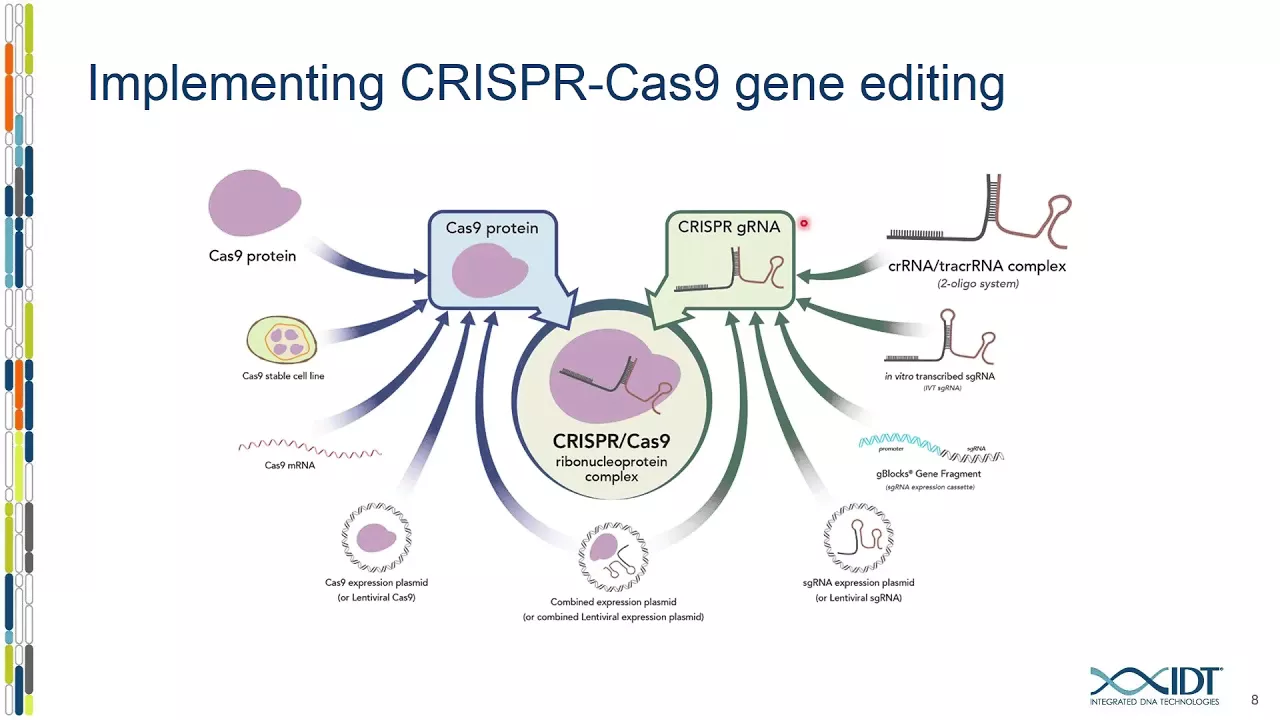
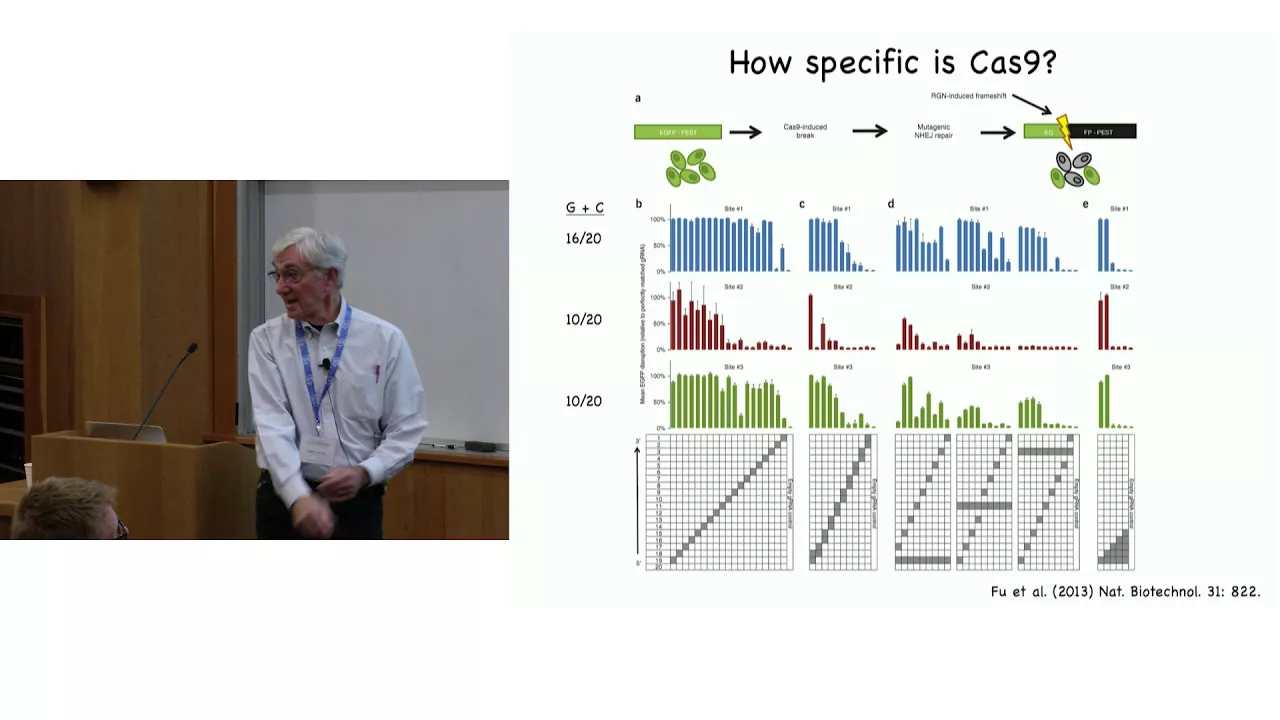






The CRISPR-Cas9 system in Streptococcus pyogenes functions as an adaptive immune system where bacteria integrate viral genome fragments into their CRISPR locus, transcribe these into CR RNAs that guide Cas9 enzymes to recognize and cut matching viral DNA sequences, creating double-strand breaks that destroy the virus; this same mechanism can be harnessed for genetic engineering by designing custom CR RNAs to target specific DNA sequences for precise genome editing.
CRISPR-Cas9 Mechanism: Adaptive Immunity vs Genetic Engineering
Added:The structure of DNA and RNA, including complementary base pairing rules which dictate how guide RNA binds to target genomic sites.
The Central Dogma of Molecular Biology, specifically the transcription of DNA into RNA and the translation of RNA into proteins.
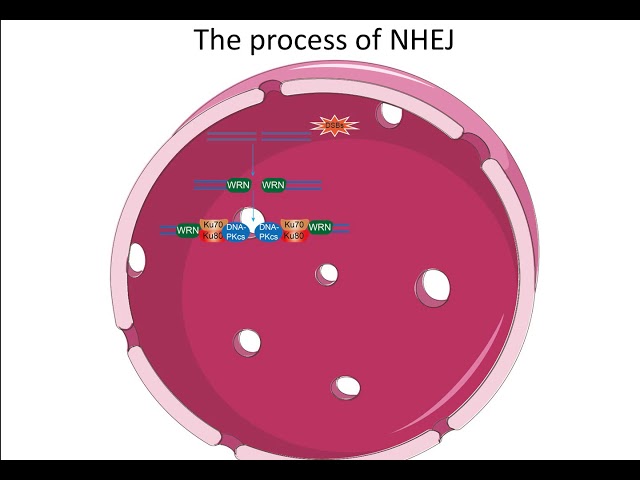
Endogenous DNA repair pathways in eukaryotic cells, specifically Non-Homologous End Joining (NHEJ) and Homology-Directed Repair (HDR).
Basic bacterial genetics and the concept of bacteriophages (viruses that infect bacteria) as a threat to bacterial survival.
Next-generation genome editing technologies, such as Base Editors and Prime Editors, which modify single nucleotides without inducing double-strand breaks.
Methods for identifying and minimizing off-target cleavage events, including the use of engineered high-fidelity Cas9 variants.
The current landscape of clinical trials and therapeutic applications of CRISPR, such as ex vivo treatments for sickle cell disease.
The bioethical and regulatory challenges associated with heritable human germline editing versus non-heritable somatic gene therapy.
40.3K views496likes14:33Original Release: 2015-03-01
Okay. So, welcome back to this next video in which we are discussing the crisper cas9 system. Okay. Right. So, we're currently discussing the crisper cas9 system as it appears within bacteria and it's specifically um found within streptococcus piogenes. Now, there are other analogous systems found in many other species of bacteria and archa as well. uh but the specific enzyme CAS 9 was found in streptococcus piogenes. Okay. More generally these are just called CAS enzymes. Okay. Right. So um we have discussed that part of the bacterial genome is known as the crisper locus.
Okay. And this contains these repeats.
Okay. This these sequences of organic bases that are repeated multiple times.
And in between these repeated uh sequences, what you're going to have is little fragments of viral genomes um from viral infections which you have survived. Okay. Right now, if you want to integrate into your um crisper locus, a new fragment from a new viral genome that you've just uh survived, you are going to integrate it in at the fivep prime end of the coding strand. Okay.
Now what does that mean? Well, this is a piece of DNA, remember? So, it can be read by uh the enzyme RNA polymerase um to produce a um piece of mRNA basically.
Okay. Now, only one of the strands of the DNA here is actually going to be read by RNA polymerase. Okay. uh and the strand that is actually read by RNA polymerase is going to be called the coding strand. Okay. So let's say it is this bottom strand here. Okay. So I'll just redraw out this picture here. So here we have our DNA. Okay. And now what's going to happen is we're going to um we're going to read the strand on the bottom here. Okay. And we're going to turn it into a piece of complimentary mRNA. Okay. Okay. So in blue here, this is a piece of mRNA, right? Uh so this strand that is actually used to construct the mRNA, this is what's known as the coding strand. So this is the coding strand. Okay? Right? So this is the one that the RNA polymerase enzyme will use to produce this piece of mRNA from.
Right? So when you add in a new fragment from a viral genome that you have just managed to survive, okay, that's going to be added in at this fivep prime end of the coding strand. Okay? So you're going to basically put it in here. Okay?
Like so. Okay? And now you've got that new fragment of the viral genome within your crisper locus. Okay? Right. Now, what does this result in? Well, it results in all your progeny cells. So when you divide and produce daughter cells, all of those will have this new portion of the viral genome integrated into their crisper locus. Okay? So all your daughter cells will have uh this um viral genome fragment within their crisper locus. Okay? Now what does this mean for the daughter cells? Well, basically they're all going to be immune against the viral infection. Now the virus is not going to be able to take hold of them. Okay, they are all protected. Now how does this work? Well, basically what you can do now is you can transcribe this crisper locus. Okay, now the entire crisper locus is going to be uh transcribed as one basically. Okay.
So, you're going to open up the DNA here and you're going to produce a piece of mRNA that is complmentary to this um coding strand of the crisper locus.
Okay. So, let's draw this. So, let's say this is our piece of mRNA that's going to be complmentary to this coding strand here. So, I'll mark on it in the same colors, the portions that we have. So, here is the piece of mRNA that's complmentary to this red portion. Okay?
which remember came from our uh viral genome that we've just been infected with. Okay. Then we have the crisper repeat here. Okay. Following that we have some other viral genome fragment that was we were previously infected with. Then we've got another crisper repeat. Okay. And then finally we've got another viral genome fragment there. And then another crisper repeat. Okay. So this is a piece of mRNA now. Okay. And at the moment it's a very long piece of mRNA. So the entire crisper locus has been transcribed into this long piece of mRNA. Now what's going to be h happen is that this um long mRNA is going to be chopped up. It's going to be processed into much smaller fragments of mRNA. So what you're going to do is you're going to cut here and here basically. And obviously this will go on much much longer and you'll continue cutting further down. Okay? So that each fragment has a piece of viral genome with a piece of crisper repeat attached to it as well. So what you're going to create then is in my picture at least you're going to create these three smaller pieces of mRNA. Um each of which has a viral genome. Here's the red portion. or a piece of mRNA that's complementaryary to a strand of the viral genome. Okay, so here we are and it also has this crisper repeat portion which is complmentary to that crisper repeat portion on the DNA strand there.
Okay. Right now these much smaller pieces of RNA here, these are known as CR RNAs. Okay. So this stands for crisper RNAs. Okay. So the CR here is short for crisper. Okay. Right. So we now have lots of these crisper RNAs which are going to be within the cytoplasm of our bacterial cell. Now what they are going to do is they're going to bind to another piece of RNA and this complex of two pieces of RNA is then going to load onto the KAS9 enzyme. So let me firstly describe this other piece of RNA. So, uh, in addition to having the crisper locus within your genome, you're also going to have a a piece of DNA, uh, which is going to code for a piece of mRNA, uh, known as the, uh, transactivating crisper RNA. Okay. So, let me draw this piece of RNA here.
Okay. Right. So this portion in yellow, this is meant to represent a piece of RNA and it's going to be known as the transactivating crisper RNA. Okay? And for short, the transactivating crisper RNA uh is often abbreviated to uh the tracker RNA. Okay? And I'll show you that in a moment. Okay? So we abbreviate the transactivating down to tr. Okay. Then we put the CR for crisper and then we put RNA. Okay, so this is just a piece of RNA. I've drawn it in a weird shape. Yes, but you'll see why I've drawn it in that shape in a moment.
Okay. Now this piece of RNA here, this section of the transactivating crisper RNA here, this is going to be complementaryary to the sequence within the um RNA of these crisper RNAs which was complimentary to the crisper repeat portion in the DNA. Okay. So what can happen is this can associate with that crisper repeat portion that you've now got in the crisper RNAs here. Okay. And then you've still got the viral genome portion. Okay, the piece of mRNA that's complementaryary to a strand of the viral genome that's still uh single stranded here. Okay, so this complex now of a crisper RNA, a CR RNA here. Okay, bounds to a complimentary section on a tracker RNA uh or a tracer RNA. um these uh this complex is now going to associate with the Kaz 9 enzyme. Okay, so let's draw this here. So this is what's known as the CAS 9 enzyme. Okay, or at least this box is going to represent what's known as the KAS9 enzyme. And what's going to happen is this complex of a crisper RNA here with this tracer RNA here um these are going to bind or load into the cas 9 enzyme.
Okay. So here's the crisper repeat portion in purple and here's the tracer RNA in yellow here. Okay. Right now you have got these casine enzymes loaded with these complexes and these are now sitting in the bacterial cell just waiting for that viral genome to dare to enter the cell again. And now let's say this cell does get reinfected with the bacteria phage with the same bacteria phage that originally that mother cell long ago got infected with and survived.
Okay. So what's going to happen now is this long piece of doublestranded DNA from the virus is going to come in.
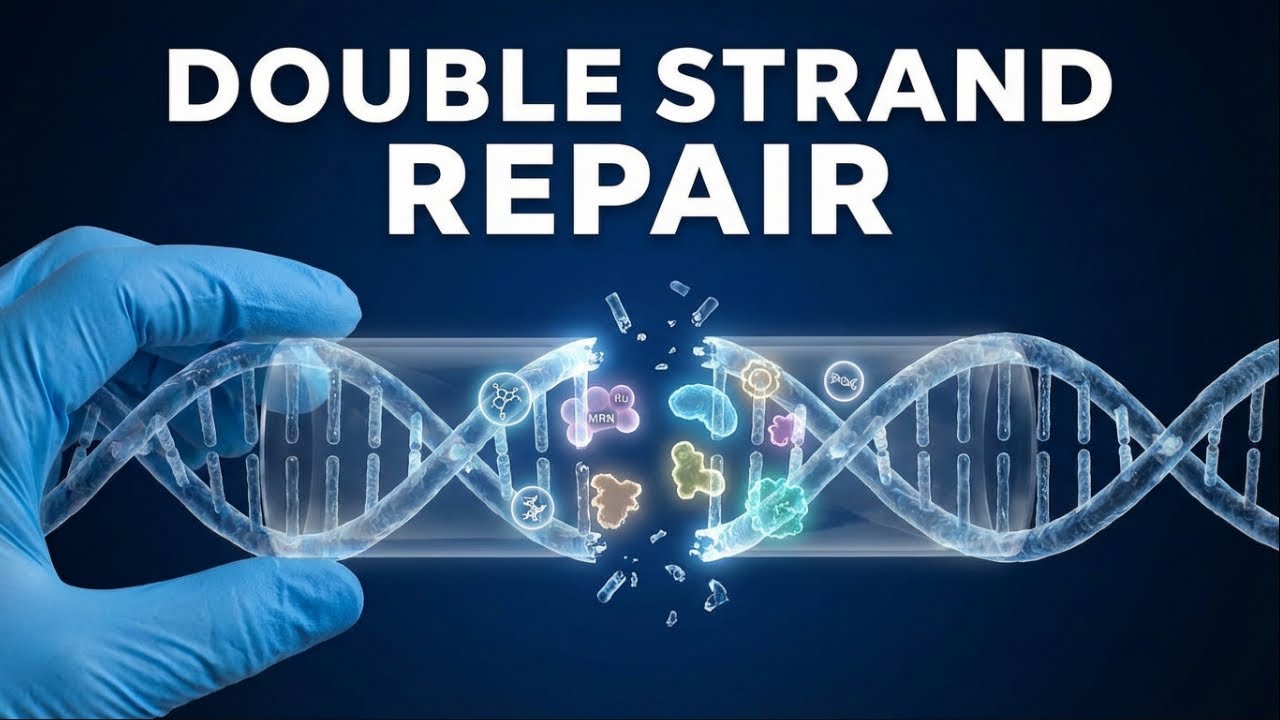
Okay. Now some portion of this is complmentary to this mRNA here. So let's just think this through. This mRNA we produced here was complimentary to this strand here. We suppose that this lower strand was the coding strand. Okay. So it is therefore complementaryary to this strand not the top strand. it will bind to the lower strand. Okay. In turn, this little red fragment we had here was derived from this little section of the viral genome. Now, okay, that means that this red section here in our crisper RNA is going to be complimentary to this strand here, the bottom strand basically. Okay? Right. So what now is going to happen is our viral genome is going to bind um to this portion of the crisper RNA here that is complimentary to one of those DNA strands. Okay. So it's going to load into the CAS 9 enzyme now. Okay? Like so. So what's going to happen is the strands are going to come apart. So this portion here and this portion here are no longer going to be bound to one another. Instead, this portion is now going to bind with the mRNA here. Okay? So, these portions remain bound together like so. Um, but now this little section of our viral genome, which is DNA, has now bound to this piece of mRNA here instead of its complimentary DNA strand. And now what will happen is the KAS9 enzyme will produce a double strand break. it will chop the DNA uh in half. Basically, it'll cut both of the uh sugar phosphate backbones and produce what's known as a double strand break or a DSB for short.
Okay? So, DSB stands for double that's the D strand that's the S and then break. Okay? Right? So, it produces this double strand break in the genome and hence it will chop the viral genome up basically. Now you might integrate multiple fragments of this viral genome into your crisper locus. So this means that you might have cas 9 enzymes which are going to uh recognize the viral genome at many different places basically. So you might get cuts all the way along and this is going to stop the viral genome from actually being able to function. So the cas9 enzymes are nucleus enzymes. Okay. Now they don't have a specific target basically. They are targeted by which um crisper RNA along with a transactivating crisper RNA docks here basically. So you can put in whatever crisper RNA you like here and then the CAS 9 enzyme will target to uh a portion of DNA which has a sequence complementaryary to that crisper RNA. Okay. So this means that we can use CAS9 enzymes basically to cut DNA at specific points to produce double strand breaks at specific points. Okay, so this is an incredibly versatile system for producing double strand breaks in DNA because basically you can target uh the double strand breaks to whichever specific sequence of DNA that you want basically using these crisper RNAs and the bacteria are using this as a means to protect their uh progeny from recurrent viral infection basically.
Okay. So that's why it's compared to an adaptive immune system because it's as though this mother cell was vaccinated by managing to survive uh the uh bacteria phage infection. Okay. And then it's passed on this immunity to all of its uh daughter cells basically. Okay.
Right. So that's the crisper 9 system in bacteria. What we now want to look at is how we can make use of this to produce genetic knockouts. Okay, specifically we want to talk about how to produce a knockout mouse which is an incredibly important tool for understanding the importance of certain genes. Okay, and we'll start the discussion of that in the next video.
Up Next
9:55
Phototransduction Cascade Explained | MCAT Biology
@khanacademymedicine
449.5K views•2013-09-18
50:12
Bacterial Communication: Quorum Sensing and Biofilm Formation Explained
@JHUAAP
12.6K views•2011-06-28

5:35
Enteric Nervous System Explained: The Gut's Brain | Neurobiology Lecture
@alumniu6029
438 views•2018-09-12
7:08
Bacteriophages: Earth's Deadliest Killers and Future Antibiotics
@kurzgesagt
34.6M views•2018-05-13
Related Study Plans & Knowledge Roadmaps
Structured learning paths in Biology
biology
RNAi: Biogenesis, RISC & Gene Silencing
01Molecular Biology Foundations: DNA to Protein
02Introduction to RNA Interference (RNAi)
03Molecular Biogenesis of miRNA and siRNA
+ 2 more learning modules
10h5 modules
Explore Roadmap
biology
Mycorrhizae: Signaling, Biophysics & Ecology
01Foundations of Mycorrhizal Symbiosis
02Molecular Signaling and Root Colonization
03Biophysics and Bioenergetics of Nutrient Exchange
+ 1 more learning modules
11h4 modules
Explore Roadmap
biology
Circadian Clocks: TTFL, SCN & Periphery
01Foundations of Molecular Biology & Gene Expression
02Introduction to Chronobiology and Actograms
03The Core TTFL: Molecular Architecture of the Clock
+ 3 more learning modules
14h6 modules
Explore Roadmap
biology
Population Genetics: Math, Drift & Selection
01Genetic & Probability Foundations
02The Hardy-Weinberg Principle and Baseline Models
03Mathematical Modeling of Natural Selection
+ 3 more learning modules
18h6 modules
Explore Roadmap