













![ड्रॉन्स, हैकर्स और मर्सिनरी, भविष्य के युद्धक्षेत्र में [Drones and Hackers] | DW Documentary हिन्दी](https://i.ytimg.com/vi/vTDvV05yq9A/maxresdefault.jpg)










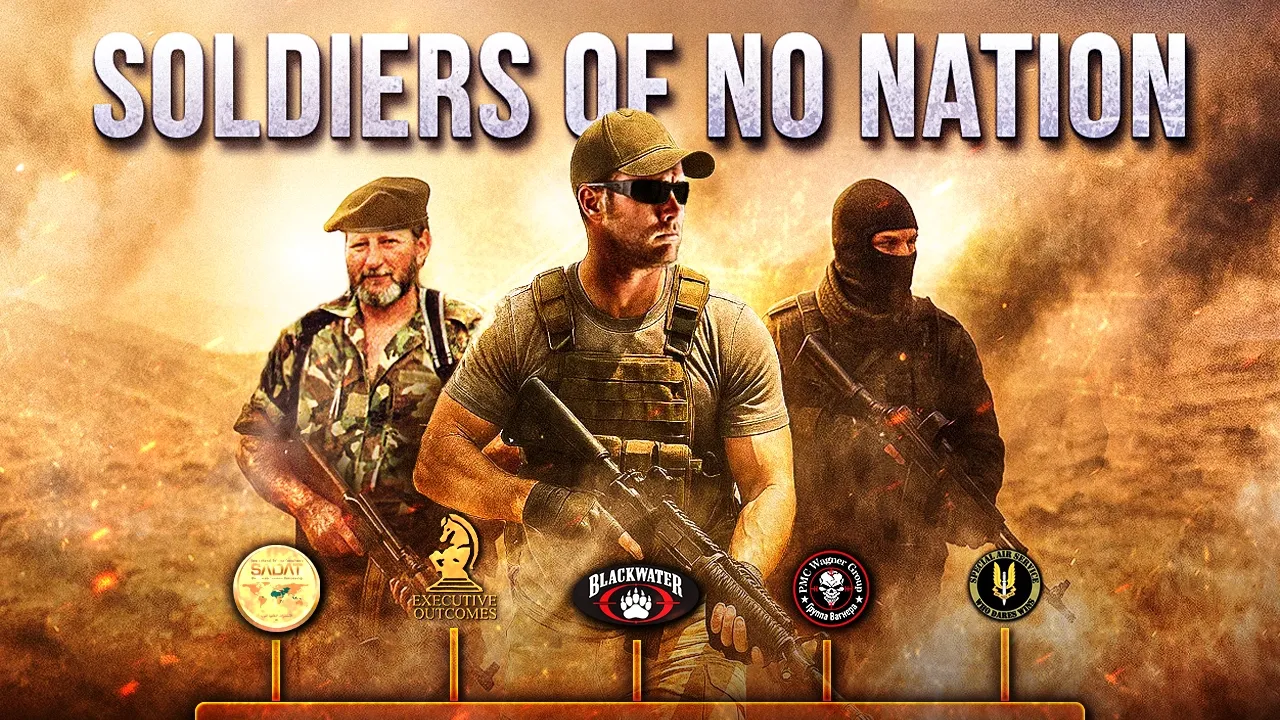
Blackwater, founded by former Navy SEAL Erik Prince in 1997 as a shooting range for special forces, evolved into one of the most powerful private military contractors during the war on terror, making billions of dollars protecting officials in Iraq while facing allegations of war crimes and lack of oversight; the company's dramatic fall after the 2007 Nisour Square incident demonstrates how government contracts can make companies extremely wealthy but also vulnerable to political and public backlash, ultimately leading to its rebranding and sale.
Blackwater: Rise and Fall of a Private Military Empire
Added:The concept of Max Weber's 'monopoly on the legitimate use of physical force' and its relation to state sovereignty.
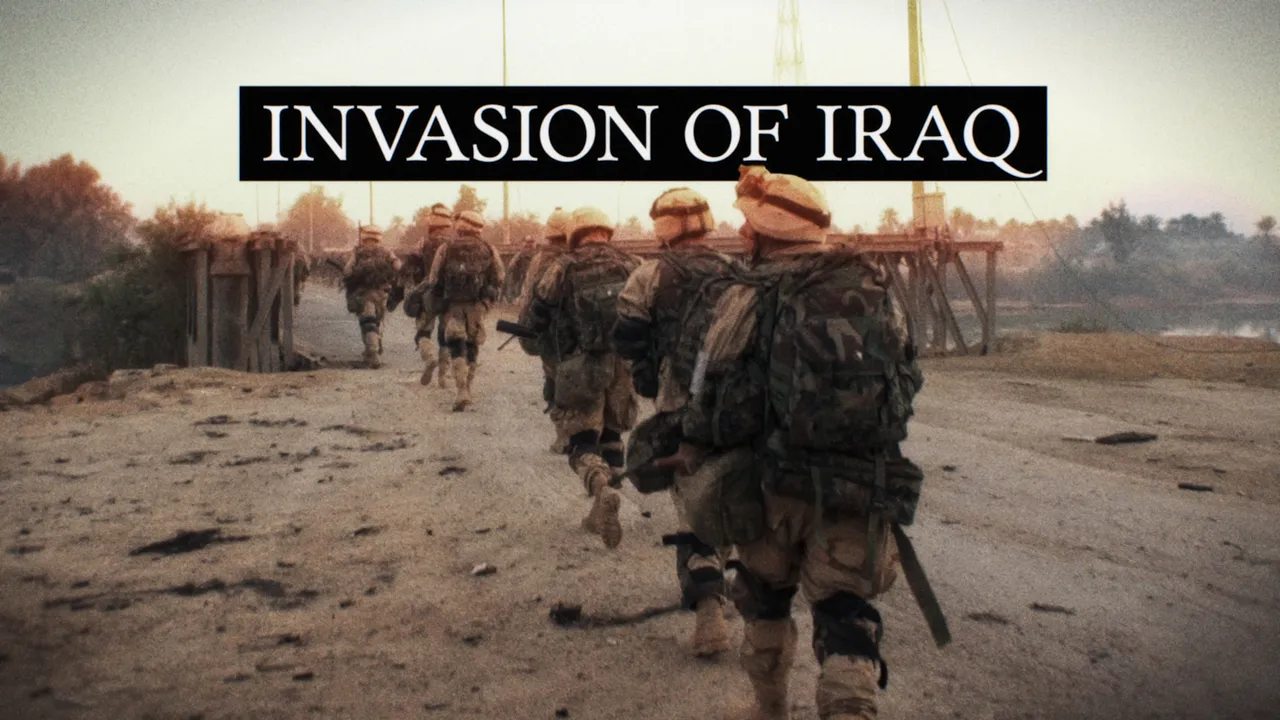
The historical context of the 2003 Iraq War, the subsequent US-led occupation, and the challenges of the reconstruction era.
The fundamental distinction between standing national militaries and Private Military and Security Companies (PMSCs).
Basic principles of International Humanitarian Law (IHL), specifically concerning the legal status of combatants, civilians, and mercenaries under the Geneva Conventions.
The evolution of modern private military forces globally, such as the Russian Wagner Group, and their role in contemporary proxy warfare.
International regulatory frameworks designed to govern PMSCs, such as the Montreux Document and the International Code of Conduct for Private Security Providers.
The legal and jurisdictional complexities of prosecuting private contractors under extraterritorial laws, including the US Military Extraterritorial Jurisdiction Act (MEJA).
The policy-level debates surrounding the cost-benefit analysis and ethical implications of outsourcing defense, intelligence, and logistical operations to private corporations.
3.1M views74.4Klikes18:27Original Release: 2021-04-15
blackwater's been in the news a lot lately you're probably familiar with them they're the private security contracting firm that works in iraq protecting diplomats and ambassadors primarily for the state department the company formerly known as blackwater will always be linked to the first decade of the so-called war on terror and it should because it made billions of dollars off it the invasion of iraq was a gravy train for blackwater the state department contracted it to guard american officials around iraq but soon allegations began surfacing that put the company in the spotlight blackwater founder eric prince has been accused of overseeing war crimes at his private security firm during the iraq war the bush administration has deployed a shadow army of some 100 000 contractors but the reality is that blackwater has become a prime player in the war on terror nothing short of the bush administration's praetorian guard blackwater usa has become one of the most powerful private actors in the so-called war on terror their operations are shrouded in secrecy and people in congress find it almost impossible to get information about blackwater and other companies operations if you google the name blackwater you're gonna come across scandal after scandal after hit piece after hit piece blackwater was the most controversial private military contractor or pmc during the first decade of the war on terror what some might call a private army mercenaries profiting often the second most expensive war in history by the end of it all they brought in over a billion dollars in government contracts blackwater was founded by a former navy seal named eric prince who the media likes to refer to as a right-wing christian conservative bankroller of president bush and his allies and blackwater envisions itself as the fedex of the national security apparatus a company founded by a right-wing former navy seal eric prince who made a lot of money providing mercenaries to the u.s government but putting aside politics for this video i just referred to him as a war entrepreneur in 2007 blackwater security contractors were involved in a deadly shootout after that the us government politicians the media and the public all turned against blackwater calling them war profiteers killers war criminals bullies without oversights a modern-day merchant of death and within a few years time blackwater was no more but here's one thing i learned from peter thiel the billionaire co-founder of paypal it's that if everyone is on the same side of an issue whether that be silicon valley all leaning left or that blackwater and all mercenaries are pure evil there's probably a compelling argument on the other side that gets drowned out when people are unanimously on one side that tells you not that they've all figured out the truth but that they're in a sort of totalitarian place that they're in a one-party state where they're not allowed to have dissenting views i think somehow silicon valley shifted from being you know um quite liberal to uh being a one-party state and those are those are two very different things according to its founder eric prince the story of blackwater is a story of men taking bullets to protect the men who take out the credit a tale of patriots whose names became known only when lawyers and politicians needed to blame somebody for something and if you know anything about politicians that sounds exactly like something they would do so was blackwater a group of patriotic heroes or just a bunch of trigger-happy war profiteers this is the rise and fall of the world's most powerful private army who blackwater really is who are these guys these hired guns mercenaries who taxpayers have paid more than a billion dollars to since 2003 to protect people abroad is he getting favors from political friends we'll look at that tonight the butch administration came to power with a radical privatization agenda their injuries don't get calculated either their crimes don't get punished what you have is a revolving door blackwater and other companies benefit the bush administration and in turn the bush administration and its republican allies in congress have shielded these military contractors from any effective oversight if you're gonna be a war entrepreneur or any kind of businessman for that matter one overlooked aspect to business is staying healthy the healthier you are the smarter decisions you can make the smarter decisions you make the more money you make health is something i take very seriously which is why magic spoon is sponsoring today's video this channel's favorite healthy cereal that tastes too good to be true it's got zero grams of sugar 14 grams of protein and only four net grams of carbs in each serving it's keto friendly gluten free grain free soy free low carb gmo free and the best part is that it still tastes just like all the name brand unhealthy cereal you grew up eating this is a lot better than i remembered my favorite flavors are cocoa chocolate fruity loose fruit and cinnamon and their fan favorite flavor of blueberry is making a long anticipated return after being sold out go to magicspoon.comtrend to grab a variety pack and try it today and be sure to use promo code jake tran at checkout to get 5 off your order now in the us and canada and magic spoon is so confident in their product that is backed by 100 happiness guarantee so if you don't like it for whatever reason the refund your money no questions asked that's magicspoon.com jaketran black water started as an idea while eric prince was a navy seal during the 90s the soviet union had just fell marking the end of the cold war repeating once again our top story soviet president mikhail gorbachev has been removed from power and there are tanks now in the streets of moscow which also men enter the giant piles of money the us government was spending on the military the end of the soviet union also marked the start of the yugoslav wars that led to some very graphic war crimes that would definitely get this channel to monetize if we elaborated on it things that some navy seals thought could have been avoided if the us kept a modest peacekeeping force there made up of u.s special forces soldiers the problem was where would they train even the navy seals america's most elite special forces unit that should always be training had a hard time finding places to practice the budget cuts were so extreme that soldiers from different military branches basically stacked themselves on top of one another at shooting ranges so eric prince thought well if you want to be a pilot you go to flight school but if you wanted elite military training there wasn't a place for that so the idea of blackwater was born a combination of a shooting range plus a country club for special forces soldiers and in 1997 blackwater was born in north carolina named after the black swamp water they encountered on the land it ended up being the largest shooting facility in the us with 400 thousand dollars in revenue during the first year and that's all it was they never thought that they would ever send men overseas as private military contractors but then 9 11 happened after the towers fell conversation started about how to strike back and how blackwater could help the retaliation plan conceived was called operation enduring freedom the problem was there were some important officials with nasty reputations that the cia needed in afghanistan but the cia couldn't contact these messy individuals themselves because it wouldn't look good on them if the public ever got one of it however blackwater didn't have any of these political restrictions so they set the cia up with some of the most useful men in afghanistan blackwater received no money from opening up their rolodex to the cia and eric prince said this move wasn't ever conceived as a business decision but this really showed the caa how private businesses could help the government's military and intel services and they knew blackwater wanted to help and soon the cia offered blackwater a way just to do that the cia was putting up bases all over afghanistan but they didn't have the manpower to provide security to all those bases so the cia offered a contract to guard the bases to post security which basically entails standing at the gates and investigating the vehicles that pulled up and because blackwater's training customers were all former special forces guys with the right experience that wanted to help blackwater won their first contract in the middle east this would be the humble start to the meteoric rise of blackwater [Music] that u.s warships and planes launched the opening salvo of operation iraqi freedom [Music] the us invades iraq the iraqi government collapses the u.s left forces occupy most of the country saddam hussein is nowhere to be found and his statue is toppled and then comes a man named paul bremmer he was appointed a position called the coalition provisional authority or cpa in charge of rebuilding iraq basically he was the new temporary leader or dictator from the other side's point of view of iraq and with the stroke of a pen bremer became the most powerful man in all of iraq which also meant that he was the most hunted man in iraq according to bremer the u.s secret service had done a survey on my security and had concluded that i was the most threatened american official anywhere in the world [Music] the pentagon's protective services were stretched then so who did they award the 21.3 million dollar contract to protect the ambassador to blackwater blackwater started with a 36-man team three small helicopters paying each pmc 600 per day or 18 dollars per month or two hundred sixteen thousand dollars per year or basically four times the pay of the average special forces salary brentwood was so hated that insurgents reportedly offered thirty thousand dollars from the body of a black water guard and in the end blackwater kept grammar safe and no one was injured during the 11 month assignments and with that sort of track record blackwater was soon guarding everyone basically any official that had a potential target on their back was guarded by blackwater pmcs by mid-2004 they were doing security contracts for the dod state department and the cia all over the world and were becoming well known in dc and their menacing bear pod logo started showing up all over iraq even being worn by iraqi civilians in the mountains near pakistan soldiers were caught in a days long firefight and were almost out of ammo the problem was the military couldn't send a resupply mission because the drop zone was too risky so they asked blackwater and in an instant without any bureaucracy a blackwater plane packed with ammo headed for the mountains to resupply the troops free of charge after a few more of those missions the pentagon offered blackwater a 34.8 million deal to make it official their biggest contract yet worth more than all their previous ones combined and this story really demonstrates blackwater's business model in war the military needs things done quickly as a matter of life and death but sometimes their hands are tied because of bureaucracy that's where pmcs come in they're supposed to offer more efficient service whether that be security construction food services at a cheaper price most of the time it doesn't end up being all that cheaper watch this video to learn more but that's the idea as eric prince put it blackwater i figured could be the fedex to the dod's postal service we didn't want to replace the military we just wanted to make it more efficient and help patch up the inevitable logistical gaps that cropped up in the pentagon planning the approach benefited the pentagon and it benefited our bottom line and after that resupply contract money started coming in from all directions the shooting range in north carolina was in full swing and massively expanded they expanded into all sorts of contracts all over the world they opened offices and different subsidiaries and affiliates all over the world and in 2003 to 2004 the business grew 400 at the same time government contract spending skyrocketed by 2005 it was estimated that every 40 cents the us government spent was spent on contracts with private companies with the biggest spenders being the dod and the state department but blackwater would soon learn the downside of having so much of your business rely on just one giant customer [Music] [Applause] [Music] overnight blackwater became the most hated name in america four of the pmcs in the incident were charged and later convicted the government and the media went after them from every possible angle including the irs lawsuits went flying and the end seemed inevitable with the blackwater name and logo blasted on the news 24 7 they decided to rebrand the company as z surfaces which literally means nothing z is a symbol for the element xenon an invisible gas meant to represent their new low profile by 2009 eric prince stepped down as ceo from the company he spent 12 years building and in 2010 he put the company up for sale it was now valued less than it was six years ago in 2004.
it was bought by a group of investors and was then renamed once more to academy then eric prince and his family moved to abu dhabi where he still is today this just goes to show that if the government can make you rich you can bet that they have the power to take it all away in a moment's notice in the end even with all the controversy no one under the security of blackwater lost their life or suffered a serious injury private security is expected to grow up to 81 billion dollars by 2023 and that's just in the us but what's the verdict on it well if we're gonna go to war whether or not we should is a topic for another video but if we are going to war much like we saw earlier with the war on terror waging war requires huge numbers of personnel that our volunteer military just doesn't have so if we're gonna go to war which has been the norm throughout human history you only have two choices have a mandatory draft like during vietnam or hire private military contractors so the question becomes would you rather have a draft where you or your friend or your family gets sent to war by force or would you rather have the government outsource these roles to train professionals that want to do the job personally i would choose the latter let me know your choice in the comments below what's the state of the private military world today it's huge it's growing and it's very much active but that will have to wait for a future video subscribe so you don't miss out but war endures before man was war waited for him as long as man is war will always be always if you enjoy more touchy videos like these ones you are going to love magic spoon because not only do they help make videos like this possible their product is actually amazing seriously they're ridiculously easy to work with and i really like them today we're gonna try blueberry which is now back in stock and as always we're gonna continue our tradition of some good old cereal asmr you can really smell it when you open the box as always cereal first man that is a strong smell in a good way [Music] this is a lot better than i remembered so if you want to get your own variety pack you can go to magicspoon.com jake tran with the link below and use coupon code jit trend to get five dollars off your order now shipping in the us and canada they have a 100 happiness guarantee so you have nothing to worry about and yeah link below if you are new here we make video essays just like this one every single week on the most provocative stuff in the world of business going from war like this one to power to money to business all the above everything that no one else talks about so click that red subscribe button and the bell notifications get notified when new videos come out we are almost at half a million subscribers and when we get there i will be doing a q a on my instagram at jtrend.io it's only going to be on my instagram so you follow me there so you don't miss out we have a ton of fun over there too i post lots of memes over there it's good and behind the scenes stuff and daytona live kind of stuff all that great stuff over at jtrend.io that is gonna wrap it up for this video i'm gonna finish the serial and i will see you guys in the next one stay dangerous [Music] [Music] foreign
Up Next

20:00
Roman Shipwreck & Amphorae Cargo: An Undersea Archaeological Survey
@The_Time_Thread
470 views•2025-12-14

33:02
The Great Schism of 1054: Causes and Consequences
@SacredCathedrals
113.5K views•2026-02-19
91:57
The Geopolitics of the Ukraine War and the Rise of Global Autocracy
@JordanHarbingerShow
468K views•2025-04-19

17:05
Understanding the Cold War: Superpower Conflicts and the Road to Détente
@OverSimplified
46.1M views•2019-01-24
Related Study Plans & Knowledge Roadmaps
Structured learning paths in History
history
Byzantine Iconoclasm: Theology, Art & Politics
01Foundations of Byzantium and Early Christian Images
02The First Iconoclasm: Leo III and the Crisis of Images
03Empress Irene, Nicaea II, and the Second Iconoclasm
+ 2 more learning modules
9h5 modules
Explore Roadmap
history
Iranian Revolution (Causes, Events & Legacy)
01The Pahlavi Dynasty and the Roots of Discontent
02The Spark of Rebellion and the Rise of Khomeini
031979: The Fall of the Shah and the Climax of the Revolution
+ 2 more learning modules
8h5 modules
Explore Roadmap
history
Mali Empire: Mansa Musa, Trade & Timbuktu
01Foundations of the Mali Empire
02The Trans-Saharan Gold and Salt Trade
03The Reign and Pilgrimage of Mansa Musa
+ 1 more learning modules
6h4 modules
Explore Roadmap
history
1947 Partition: Politics, Borders & Legacies
01Foundations of British India and the Divide
02The Political Negotiations and the Mountbatten Plan
03Drawing the Boundary: The Radcliffe Line
+ 2 more learning modules
8h5 modules
Explore Roadmap