














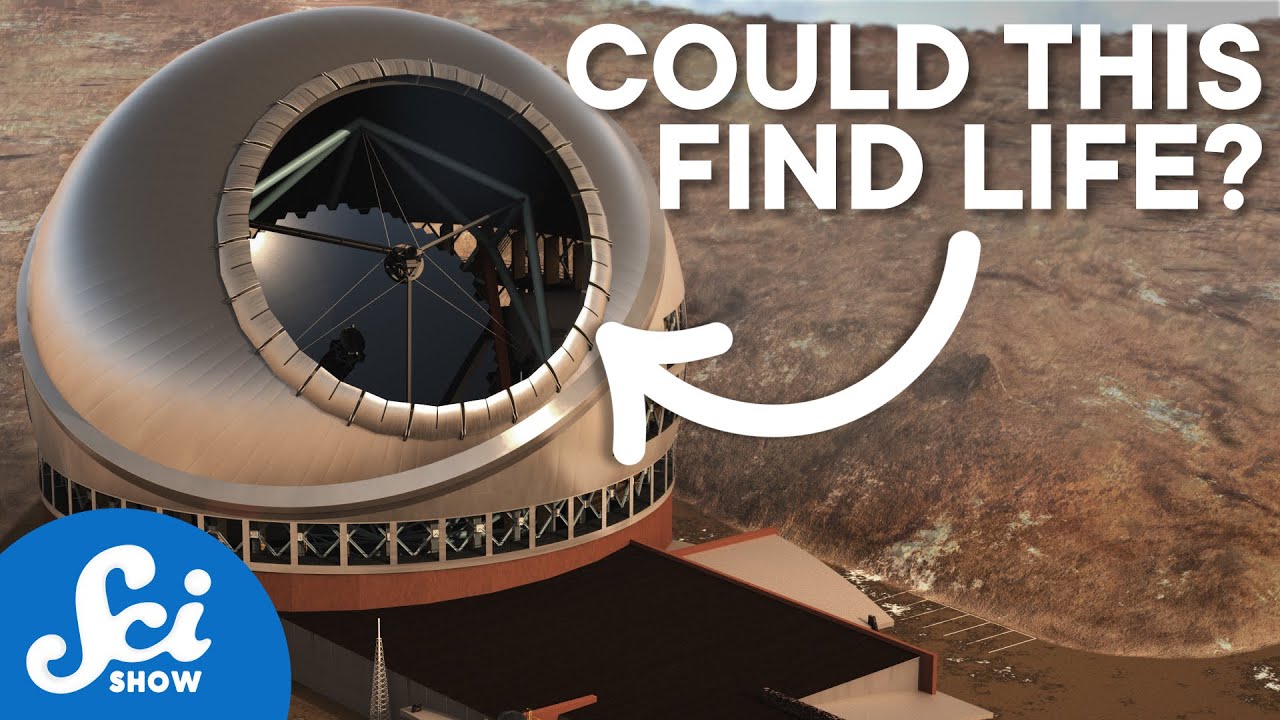








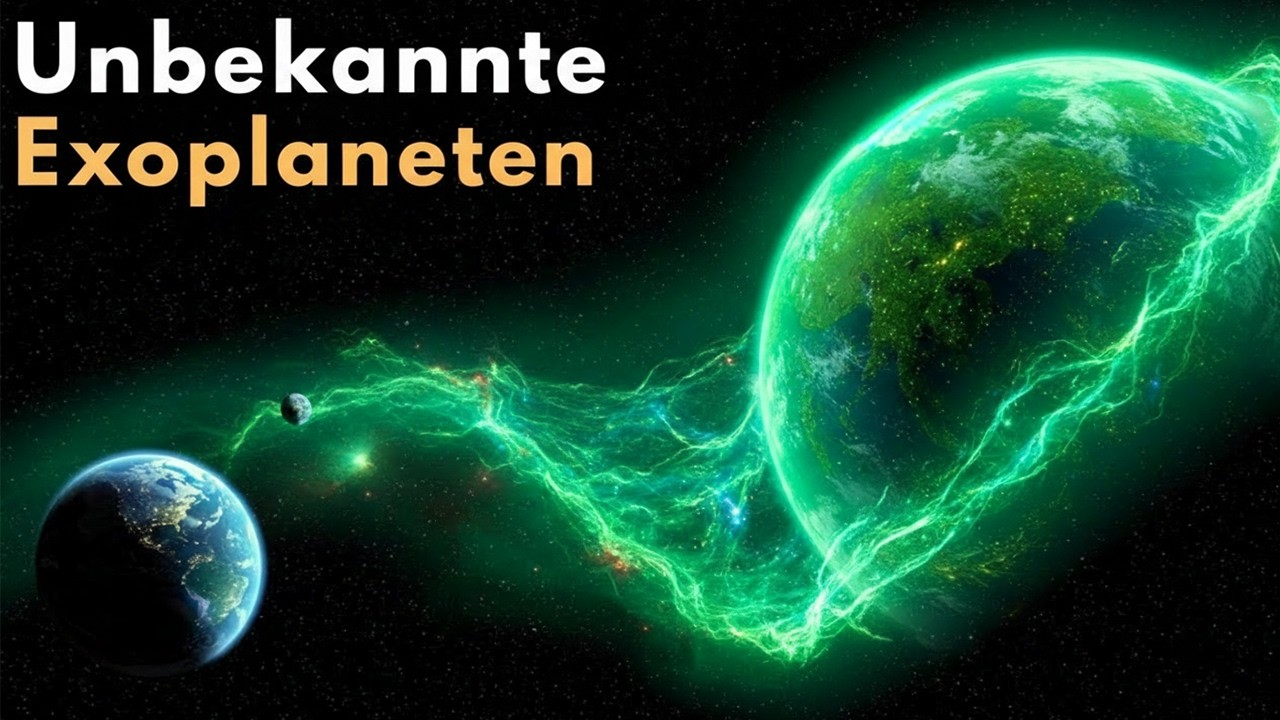
Scientists have identified two new biosignature gases—methyl bromide (produced through methylation processes in plants to detoxify substances) and nitrous oxide (a waste byproduct of microbial nitrogen metabolism)—that the James Webb Space Telescope can potentially detect in exoplanet atmospheres to search for alien life, with detection being most feasible around red dwarf stars where these gases are less likely to be broken down by stellar radiation.
New Biosignature Gases for Detecting Alien Life with JWST
Added:The concept of biosignatures and how scientists define and search for chemical indicators of life beyond Earth.
The principles of transmission spectroscopy, specifically how gaseous molecules absorb specific wavelengths of light in an exoplanet's atmosphere.
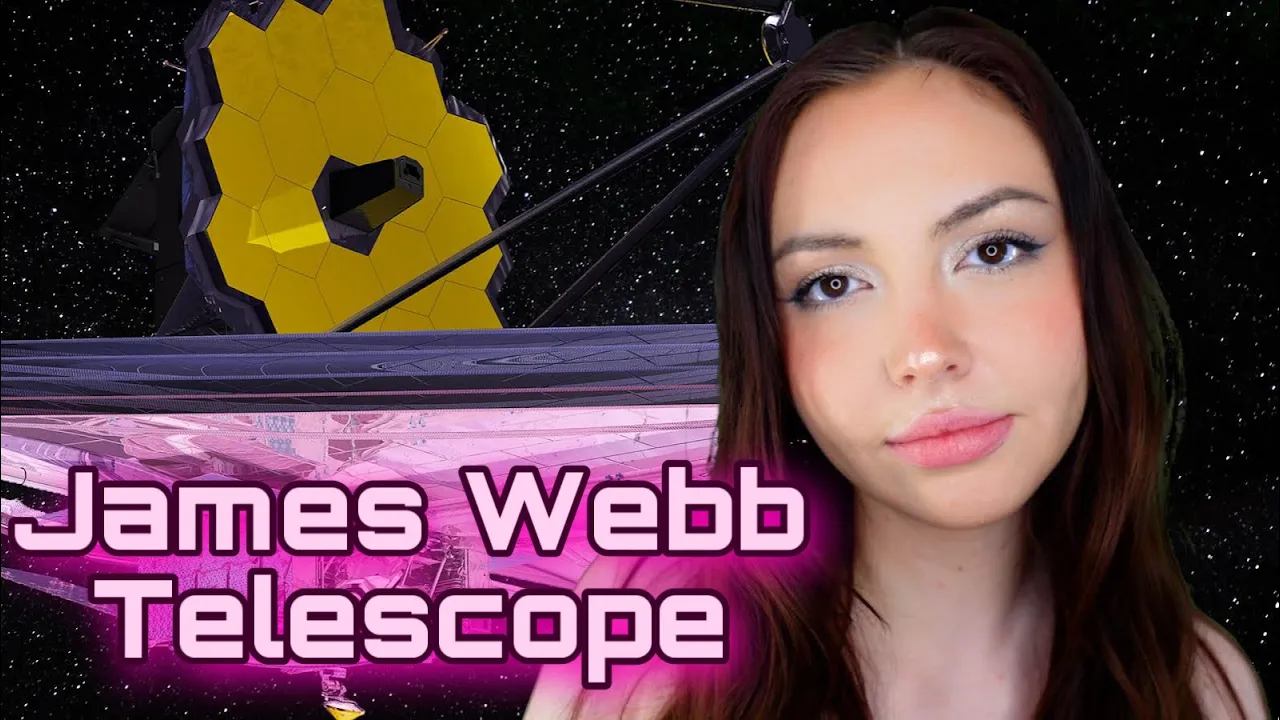
Basic understanding of the James Webb Space Telescope (JWST) instrumentation, particularly its focus on infrared observation.
An introduction to atmospheric chemistry, including the difference between biogenic (produced by life) and abiogenic (non-biological) gases.
Evaluating and ruling out abiotic 'false positives' that can mimic biological sources of nitrous oxide or methyl bromide.
The study of stellar activity (such as UV radiation from M-dwarfs) and its impact on the photolysis and stability of atmospheric biosignatures.
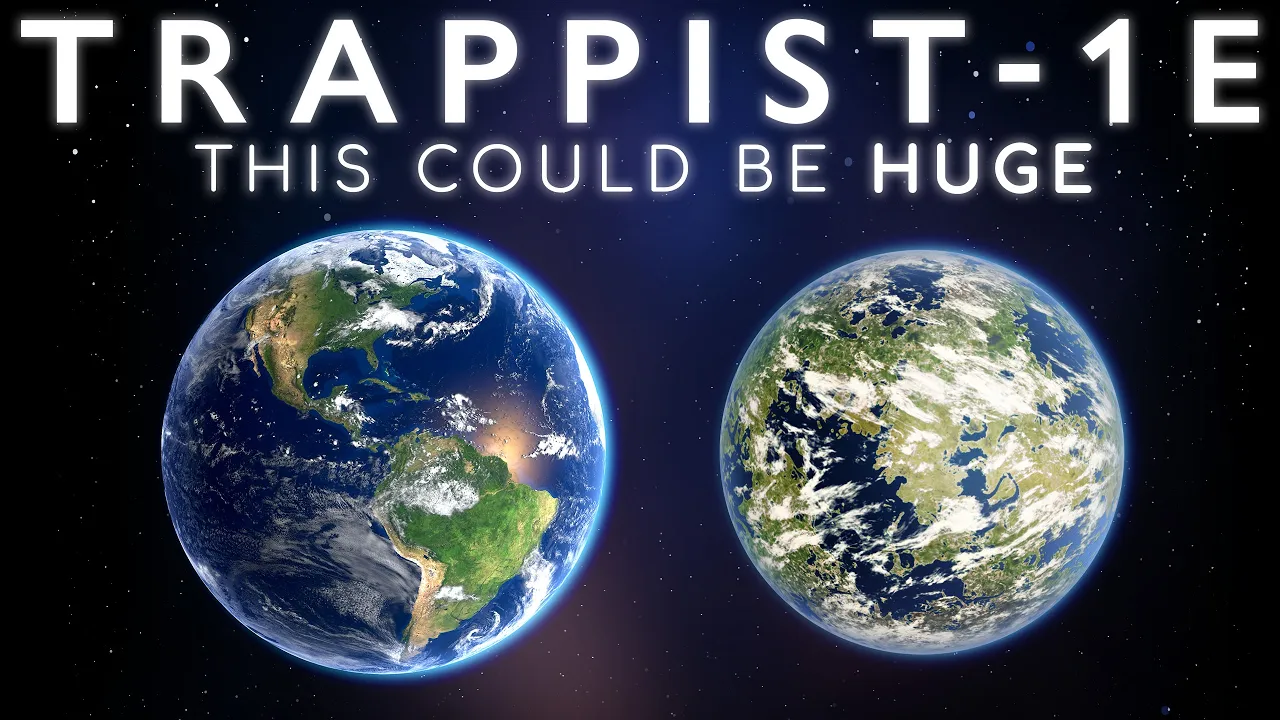
Analyzing specific high-priority exoplanet targets, such as the TRAPPIST-1 system, for atmospheric characterization.
Designing future space missions, such as the Habitable Worlds Observatory (HWO), optimized for direct imaging of Earth-like exoplanets.
70.7K views3.4Klikes11:15Original Release: 2022-12-30
one of the most interesting prospects in astrobiology is the idea of looking for the gases of life in the atmospheres of exoplanets rather than the signs of alien civilizations the reason for this is that we know there has been a detectable alien civilization on this world for about a hundred years maybe a bit longer any aliens that might spot our civilization would need to be very close to even have a chance of seeing us but as to the biosphere itself essentially the plants have been visible for billions of years long enough for the entire galaxy to know life itself is here this has led scientists to look into thinking about just what chemistry we should look for with the James Webb Space Telescope to try to nail down an exoplanet biosphere but the problem with a lot of the proposed biosignature gases identified thus far is that they can be a bit ambiguous and while life may produce them other processes mind as well this has led to the thinking that we should try to identify as many potential Aryan biologically produced gases as we can to have a greater profile in what we can use jwst to look for though this one is not ideal while web can do infrared observations in mid-infrared that you need to see these gases it's just starting and coming ground-based telescopes will be better and should shed more light on these biosignatures but it is in principle possible for webs near spec instrument to pick this up using the transit method as the planet passes in front of its host star two recent papers have put two more bio signature options on the table the first done by UCR research team involves a process known as methylation it's widespread on Earth and is used by many plants including broccoli to dispose of toxins by converting them into gases how this happens is that the plant attaches a carbon atom and three hydrogen atoms to the toxin often heavy metal ostensibly converting it to a gas that can then harmlessly float away this is interesting because some of these gases would be very distinctive and unlikely to be created by anything but life one of these is methyl bromide and it's somewhat short-lived so if you see it it's being replenished and therefore the most likely source for it would be life rather than small amounts puffed out by volcanoes an advantage though is that there is a cousin bio signature here which is methyl chloride this makes for an unequivocal detection or at least gets into that territory when you can see both signatures together rather than just one the drawback here is that while Earth has plenty of methyl bromide it's not easily detectable from afar ultimately due to the sun's intense UV light starting chemical reactions that break up water molecules whose constituents react with the methyl bromide but if you have a different type of star a red dwarf for example this should be less of a problem as their UV profiles are different from the Sun and would have less of this effect by a factor of four there are other possibilities here in regards to methylation there may be other gases produced in this manner that might be detectable and this team looks to continue to catalog them all this particularly exciting group of potential signatures of life may end up being major considerations of future instrumentation designed to search for biosignatures and there is another interesting astrobiological feature here methylation is so common on Earth and such a convenient chemical way to dispose of toxins that it might be very common in the universe at large if so given the variety of products of this process if you saw these gases in exoplanet atmospheres it would give at least a vague profile of the biochemistry going on in that World perhaps tiny Clues revealing bits and pieces of what that biosphere may be like the next bio signature has thus far been somewhat overlooked even after being one of the more famous gassers were used in human civilization it's nitrous oxide or laughing gas and the team led by Eddie schweitermann of the University of California has recently published a paper that suggests we should probably pay more attention to this gas as a potential biosignature on Earth nitrous oxide is a waste byproduct of Life microbial life especially can convert nitrogen compounds into nitrates which releases energy for metabolism this process is extremely important for larger plants as the microorganisms can fix atmospheric nitrogen into the soil essentially as a fertilizer there are even plants such as various beans that live in symbiotic relationships with nitrogen fixing bacteria on the other hand some microorganisms feed on nitrates the byproduct of which is nitrous oxide this should be evident in exoplanet atmospheres and again should in principle be detected by mid-infrared by jwst schweitermann and team looked into the promising trappist-1 system for Clues a system only 39 light years away and within jwst's wheelhouse it turns out that a planet in that system would have levels similar to carbon dioxide here on Earth so a relatively small concentration the problem is potentially that Earth's life doesn't produce that much nitrous oxide relative to carbon dioxide at the same time though it's thought that the levels of nitrous oxide in Earth's atmosphere has fluctuated significantly across different geologic periods such as after the great oxygenation event where the levels should have been much higher that's an interesting idea if you see high levels of nitrous oxide in an exoplanet's atmosphere does it reflect a more primitive biosphere or simply a radically different one than our current atmospheric situation here on Earth especially accounting for oxygen levels thought to have existed at that time that alone could answer one of the great filters does microbial life leap to complex life easily or is it much more chance based if you saw an old exoplanet with the atmosphere of a young Earth you might be able to surmise that most life in the universe is primitive and stuck at the level of the small also in this is that nitrous oxide suffers from the same problem as methylated bromine in that it gets broken down by the parent star so detecting this once again is most likely at a red dwarf system the good news is that studying exoplanets in Red Dwarf systems by far the most common type of star in the universe happens to be the easiest ones for transits but also present with nitrous oxide which can be produced by lightning is nitrogen dioxide which is also produced in a predictable way if you see both of those gases you could safely conclude that an exoplanet has lightning which is interesting in and of itself seeing just nitrous oxide in this equilibrium and it moves into the territory of life and within this lies something else exciting by studying exoplanet atmospheres for potential biogenic gases we are now creating a pallet of them that we can search for there are also techno signature gases as well such as CFCs that not only destroy ozone layers but are also extremely good greenhouse gases for terraforming however in studying a mixed profile of gases in a potentially inhabited exoplanet's atmosphere we should be able to make a more convincing case than any one single gas detection could if you see odd levels and the presence of methylated chemicals along with methane weird oxygen levels nitrous oxide certain sulfur compounds and so on you may be looking at another Earth what's also important here are the disequilibriums if you see gases that might normally be present in nature and don't necessarily reflect a biosphere the individual levels of their mind if you see too much of a gas for the conditions of the exoplanet you're observing reactive gases that are being replenished more than nature would reasonably do you could make a good case for a biosphere the more possible disequilibriums we know about the greater our chances of detecting an alien biosphere it's also worth noting that jwst has already begun observations of the trappist-1 system and there have been some preliminary observations and reports of data but much more is to be expected when the researchers publish the results of their observations very interesting times indeed and if we can't discover an alien civilization easily maybe we can find a garden world thanks for listening I am not the futurist in science fiction also John Michael Gautier but I am currently covering for him while he recovers from anklees fever and is it the total mercy of an opossum in a smock I tell you it is very hard reading in his register and be sure to check out his books and subscribe to these channels for regular in-depth Explorations into the interesting weird and amazing Universe in which we live an empty and now time for the credits oh I don't think I'm supposed to read that John do I read the credits no it saves now time for the credits is that part of the script or is that a Direction yeah John's really ill this week actually he's quite poorly it was really one he was really looking forward to doing the end of year video and doing a bit of funny stuff at the end you know like he likes to do but unfortunately he's got I don't know what's wrong with him he's not very well so he's uh he can't talk but um and obviously John's John's voices is brand so but he will probably edit the video so my best I best behave myself I wonder if he'll edit this out [Music] thank you [Music]
Up Next

69:50
Phosphine Detection on Venus: A Potential Biosignature Discovery
@RasOrgUk
267K views•2020-09-14
61:17
First Billion Years of the Universe with the Square Kilometre Array
@iaaudc
121 views•2022-05-26

6:25
Kepler's Laws of Planetary Motion Explained (Educational Astronomy Video)
@Peekaboo_Kidz
404.9K views•2023-02-17
6:10
Gamma-Ray Bursts: Cosmic Snipers Explained | Astronomy
@kurzgesagt
15M views•2016-07-31
Related Study Plans & Knowledge Roadmaps
Structured learning paths in Astronomy
astronomy
Reionization: Pop III Stars, IGM & 21cm Line
01Foundations of Cosmology & the Early Universe
02Population III Stars & Cosmic Dawn
03Physical Mechanisms of Reionization
+ 2 more learning modules
17h5 modules
Explore Roadmap
astronomy
Planetary Rings: Dynamics, Roche & Resonances
01Foundations of Gravity and Orbital Mechanics
02Tidal Forces and the Roche Limit
03Structure, Composition, and Collisions
+ 2 more learning modules
10h5 modules
Explore Roadmap
astronomy
Asteroseismology: Stellar Waves, Ages & Cores
01Foundations of Stellar Astrophysics & Wave Mechanics
02Stellar Oscillation Modes: P-modes and G-modes
03Mathematical Framework of Asteroseismology
+ 2 more learning modules
35h5 modules
Explore Roadmap
astronomy
Adaptive Optics: Physics, Engineering & Control
01Foundations of Wave Optics and Wavefronts
02Atmospheric Turbulence & Optical Distortion
03Wavefront Sensing Technologies
+ 3 more learning modules
35h6 modules
Explore Roadmap