

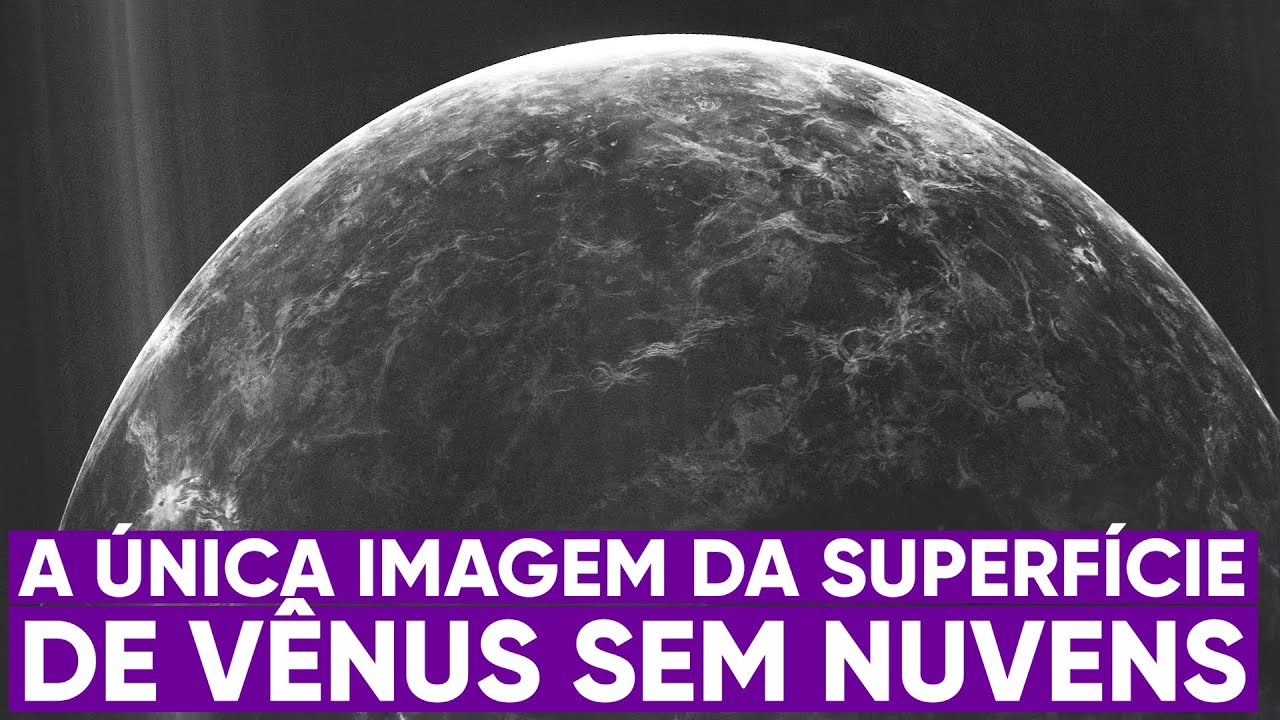

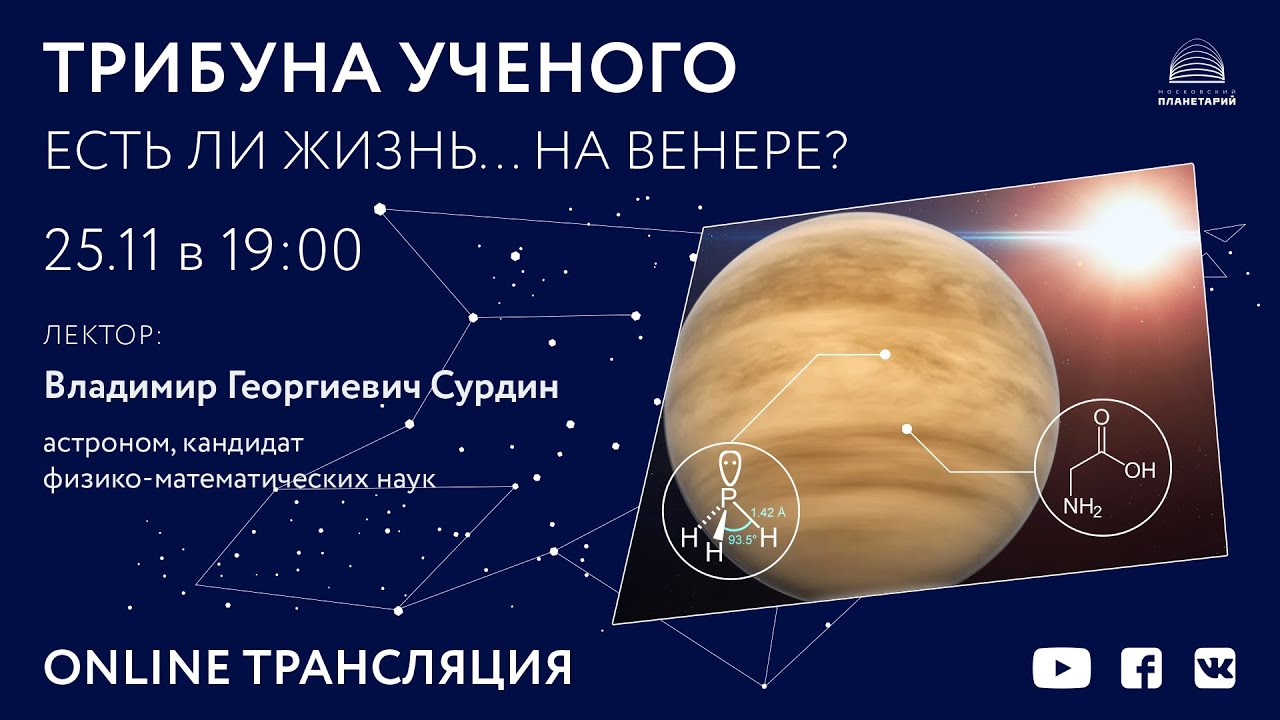







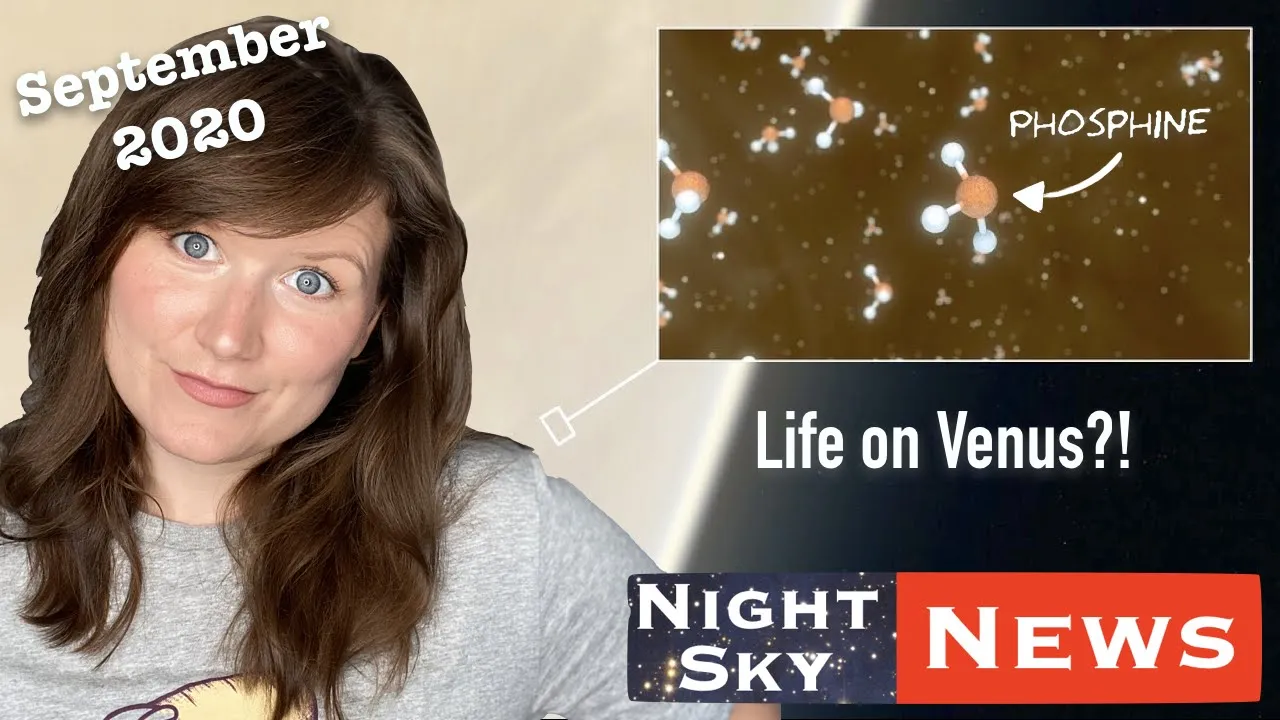


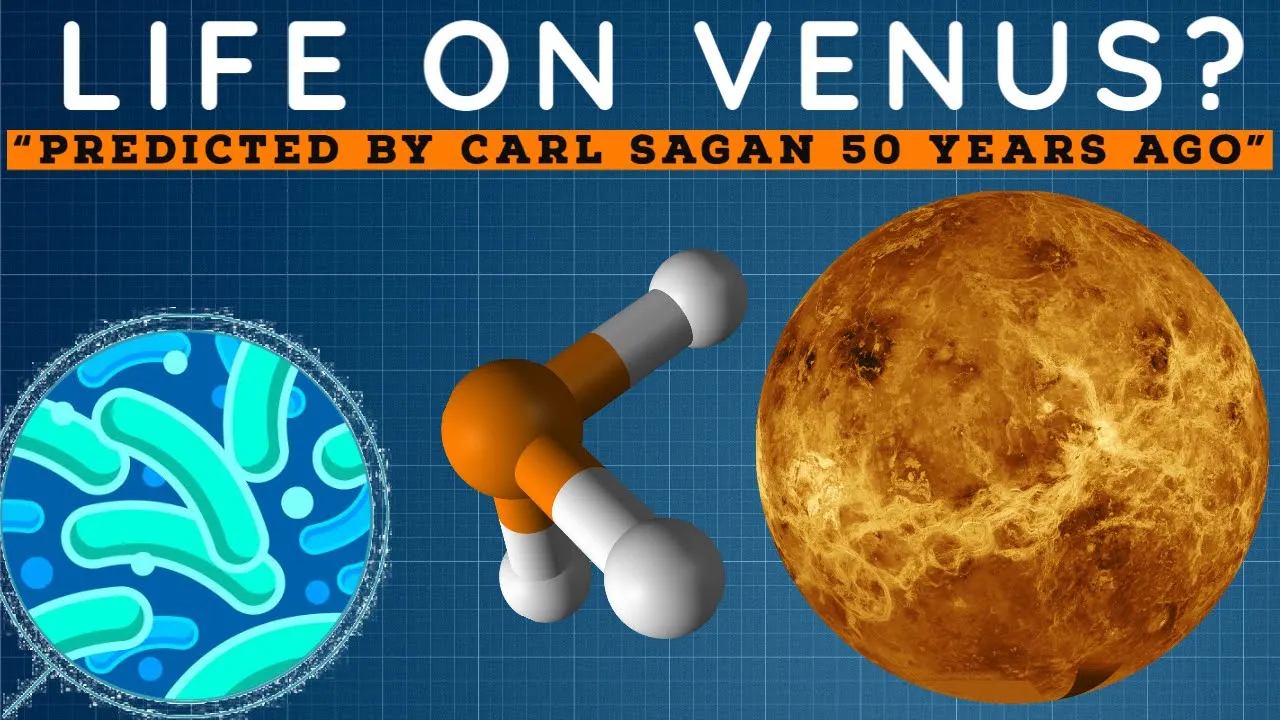


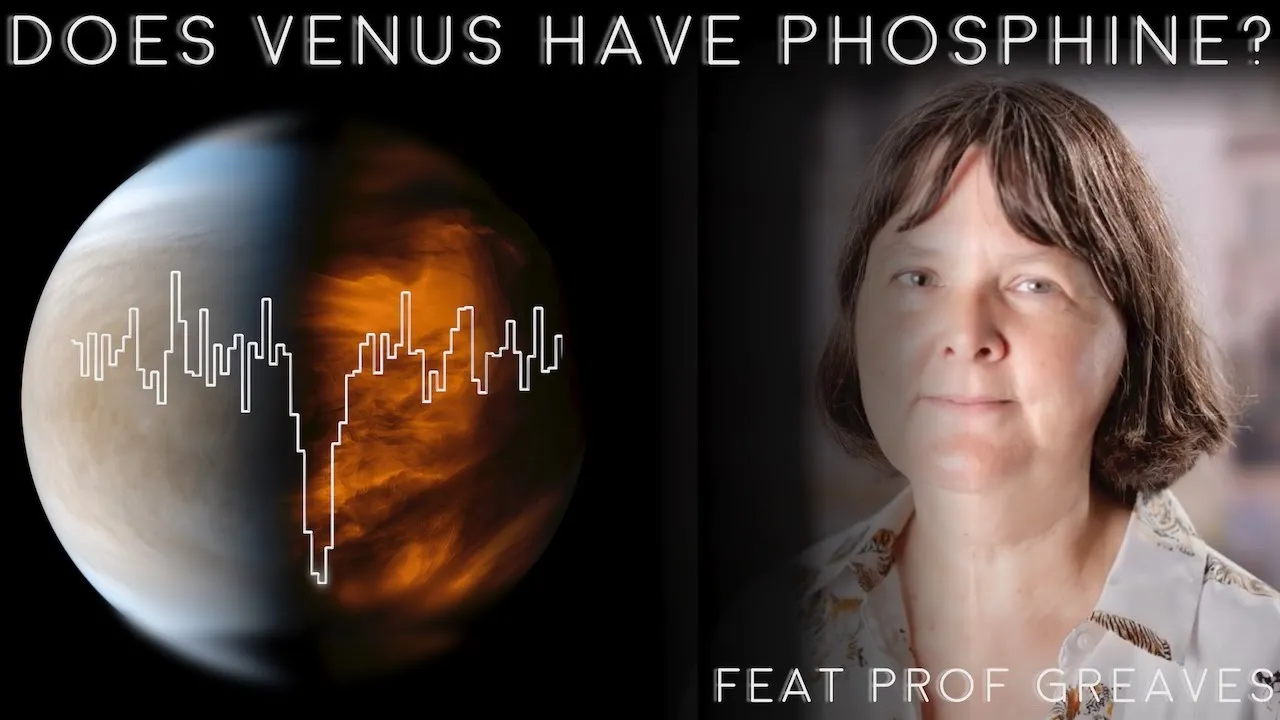



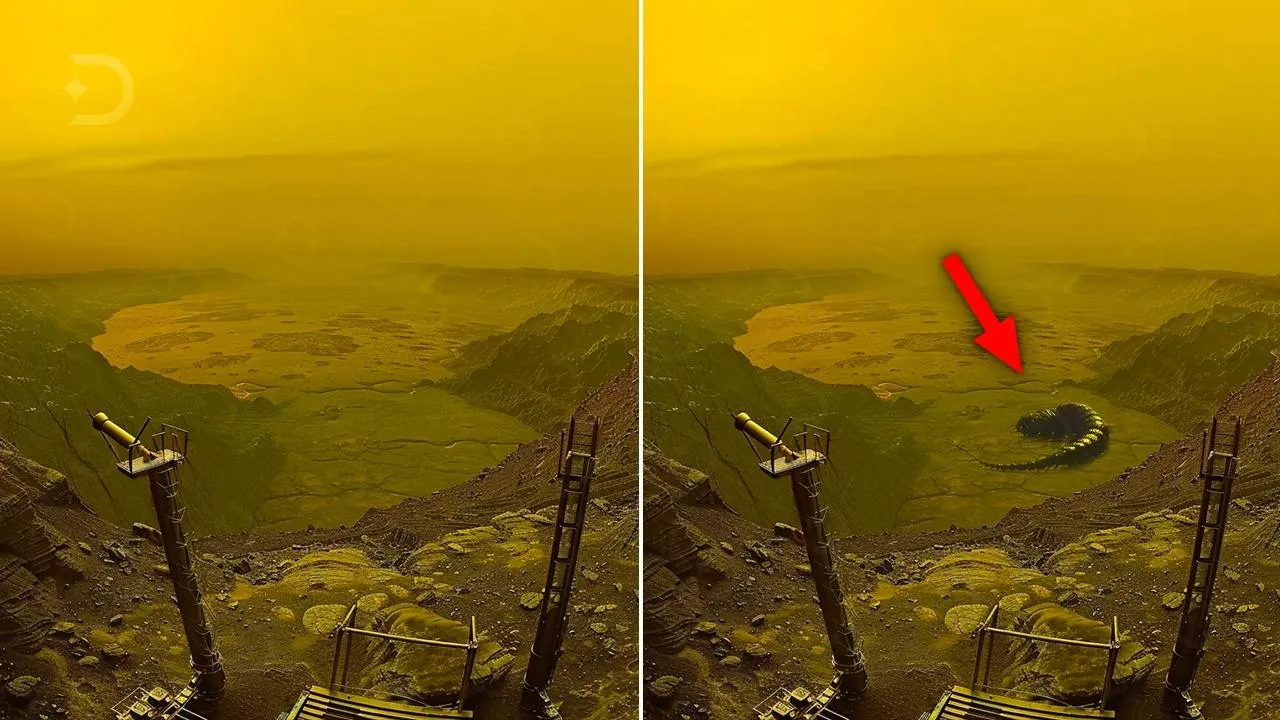



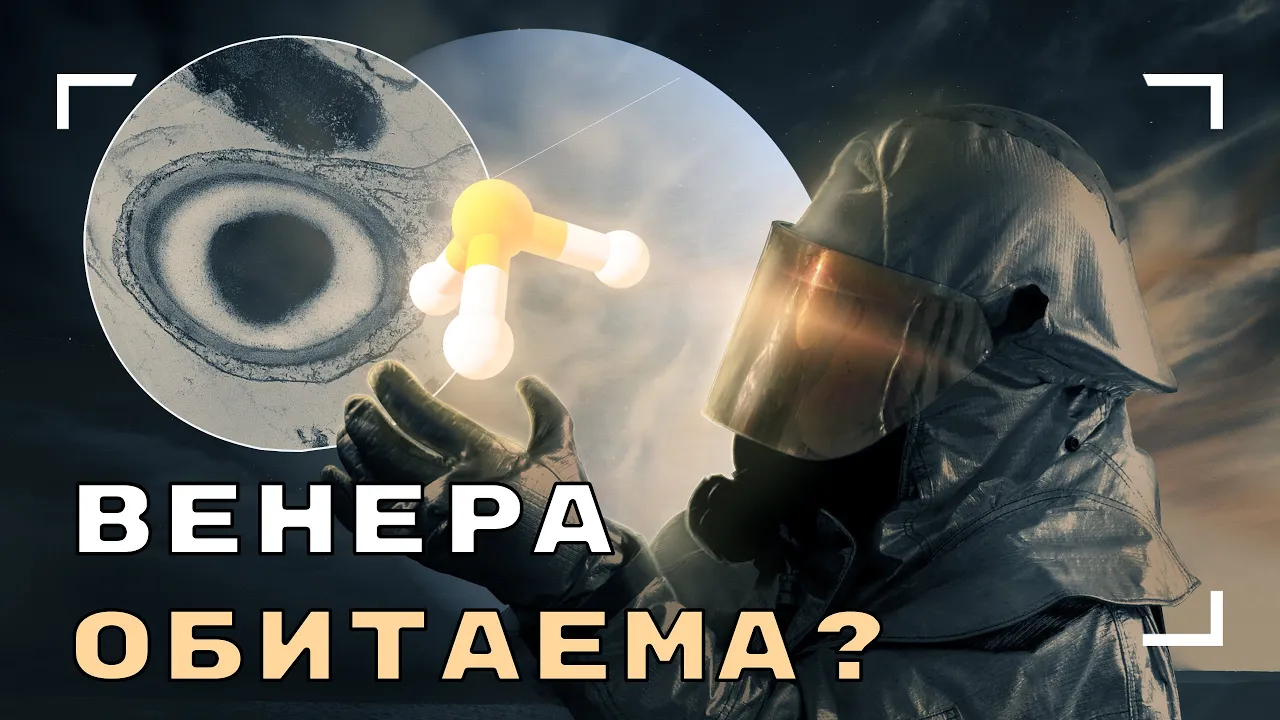
An international team of astronomers detected phosphine gas (PH3) in Venus's atmosphere using radio telescopes, finding it concentrated in the temperate cloud layer at altitudes of 50-60 km where temperatures are moderate (~30°C). Since phosphine on Earth is primarily produced by anaerobic microorganisms in oxygen-free environments, this detection suggests the possibility of biological activity in Venus's clouds. However, extensive chemical modeling ruled out known abiotic production mechanisms, leaving either unknown exotic chemistry or extraterrestrial life as potential explanations. This discovery has elevated Venus's priority in the search for extraterrestrial life and motivates future space missions to investigate further.
Phosphine Detection on Venus: A Potential Biosignature Discovery
Added:The atmospheric conditions of Venus, including its extreme pressure, runaway greenhouse effect, and highly acidic cloud layers.
The concept of a biosignature, specifically how certain chemical compounds can indicate the presence of past or present life.
The fundamentals of spectroscopy and radio astronomy, which allow scientists to identify chemical compounds in space by analyzing light wavelengths.
Basic chemical composition of phosphine (PH3) and its association with anaerobic biological processes on Earth.
Alternative abiotic (non-biological) hypotheses for phosphine production on rocky planets, such as volcanic activity or photochemistry.
The subsequent scientific debates, data re-analysis efforts, and peer reviews that challenged or supported the original Venusian phosphine discovery.
Proposed space missions to Venus (like NASA's DAVINCI and VERITAS, or ESA's EnVision) aimed at directly sampling the atmosphere and searching for organic molecules.
The study of extremophiles, particularly how microbial life might survive and reproduce within highly acidic aerosol droplets in Venus's temperate cloud deck.
267K views6.6Klikes1:09:50Original Release: 2020-09-14
foreign thank you all for joining us for this special webcast i'm phillip diamond and it gives me great pleasure as director of the royal astronomical society to welcome you to hear the announcement of a significant scientific result from an international team before we kick off i should say a little bit about the royal astronomical society we are honored to host this press conference in our bicentenary year our society represents over 4 000 astronomers and geophysicists in the uk and all around the world that international membership is a reminder that astronomy thrives as a result of cooperation beyond borders it also depends on investment over many years to enable us to address the most fundamental and difficult to answer questions about our place in the universe 200th year has seen the final flowering of res 200 12 projects with external partners designed to bring astronomy and geophysics new audiences it is fitting for reasons you'll hear shortly that our first president sir william have a deep interest in its own system and that our current president professor emma bunce is a planetary scientist on our panel today we have professor jane grieves of cardiff university there's cesaro seeger and dr william baines from mit in the us technical expert dr anita richards from the jodrell bank center for astrophysics we are four of the 19 authors of the nature astronomy paper where the research appears today variously at the east asian observatory cambridge imperial college the open university royal observatory greenwich atacama large millimeter submanometer array and kyoto sango university jane and the other panelists will give short presentations on their new work there will then be plenty of time for questions directed by my colleague dr robert massey from journalists in this zoom room i'm proud to say that jane who will start in a second also a former ras research fellow over to you jane thank you phil that nice introduction okay um let me just try and share my screen here yep that looks good okay so hello boruda thank you for coming along to our press briefing so myself and william and sarah will speak to introduce the work uh as phil mentioned anita is also online for some technical questions the four of us are representing our team that's having a paper published in fact right this moment online by the journal nature astronomy the journal have very kindly agreed to make that free to access for anyone who's watching or indeed anyone in the world today so what have we done we're here to tell you we have detected a rare gas called phosphine in the atmosphere of our neighbor planet venus and the reason for our excitement is that phosphine gas on earth is made by microorganisms that live in oxygen free environments and so there is a chance that we have detected some kind of living organisms in the clouds of venus so yeah i really am talking about venus as you probably know the surface conditions there today are really hostile the temperature is enough to melt our landers for example but it's thought that much earlier in venus history the surface was much cooler and wetter and life could possibly have originated um but conditions turn very hostile and as my colleague sarah will i mention a bit later on there is a long-standing theory that some of the smallest forms of life these microorganisms might have been able to evolve upwards into the high clouds so conditions there are certainly not nice they're extremely acidic and it's very windy but on the other hand if you're talking about 50 to 60 kilometers up then the pressure is much like it is at the surface of the earth and the temperature is quite nice maybe up to about 30 centigrade or 85 degrees fahrenheit so it's been hypothesized that this is a living habitat today so i originated a project in 2016 to see if we could look deliberately look for phosphine as a possible signature of living organisms in the high clouds of venus okay so we started with the james clark maxwell telescope in hawaii which is operated by the east asia observatory and the uk is a long-term member of the other partners there we also then went on to use the alma network of telescopes down in chile that's operated by europe north america japan and other partners i should mention if you've got technical questions about our observations i'm the expert on jcmt data and anita richards is on an audio link to answer everything about alma okay so what are we looking for so venus is a natural source of radio waves um so the wavelengths we were looking at are approximately one millimeter and the radio waves originate kind of in the middle cloud layer so if you've got a phosphine molecule above that it can absorb that radio light and take some of it away and that actually happens at a really specific wavelength which is to do with the essentially the quantum rotation of the molecule so they like to take that um particular wavelength of radiolite and remove it from the spectrum of venus so what we get is not uh an image as you might like or hope we just get a graph so if there was no phosphine there but you spread the radio light out by wavelength you'd get a flat red line here um but if you've got the phosphine present as its very specific wavelength which is 1.123 millimeters the phosphine molecules will have removed the radio light and so you'll see a dip the signal strength will go down at exactly that point and so our colleague hideo sagawa whom from kyoto sangio university in japan has done the calculations which tell us for a certain number of phosphine molecules how deep this dip will be okay so to cut to the chase we have detected the phosphene and this is the data from the telescopes so you don't see a smooth curve like in that simulation because the data come off the telescope's digitized so you see this kind of step graph here but the first one we got is the discovery spectrum from the james clare maxwell telescope in 2017 you can see this dip in the middle and then we were able to turn the full power of the many alma telescopes onto this in 2019 two years later and we got a more detailed view of the planet's spectrum and then you can also again see we have recovered this v-shaped dip at the right wavelength so given we did this with two completely independent observatories what we can say is with very high confidence we have detected the phosphine on venus and this is very exciting and was really quite unexpected what else can we say from the data i can tell you from the height at which the radio waves originate the phosphine molecules must be in that temperate zone or possibly a little bit above it this is something we're trying to refine in the more detailed view of the planet's atmosphere that alma gave us it was able to separate different latitudes on the planet and that told us something very interesting so there's a long-standing idea that if there's a habitat for living microbes today they would probably circulate in these global circulation patterns and in particular the hadley cells so they might be drifting along towards the poles and then sink before they get to the pole and come back to lower layer and maybe they'll be most active when they're in sunlight so these hadley cells north and south on the planet were thought to be a good place to look for signs of life and what we saw is in fact where you wouldn't expect the molecules because the bacteria or microorganisms are not there if you combine the signals from the north and south poles we do indeed get this flat gray line there's no phosphine there if we combine the signals from the north and south hadley cells we get this very distinct in blue v-shaped dip that shows us the phosphine is strongly absorbing so that's really encouraging um what else can i tell you um so from hideo's model we can show that the phosphine is there but it's very scarce so it's about 20 molecules for every billion other molecules approximately and what does that tell us well my colleague paul rimmer at cambridge university in the uk then used his atmospheric models and he tried what would happen if you put a source of phosphine in this computer simulated atmosphere and let the chemistry of venus work away at it and he found that the original idea was probably not crazy so um the organisms wouldn't actually need to be super efficient they could reducing phosphine at about 10 of the peak efficiency we seal for real organisms known on earth and that would make the 20 parts per billion we see so to me this is really encouraging um for the hypothesis of life but of course we've been really careful and we thought about it and we thought well maybe it's some other easy way to make phosphine on venus and that's what my colleague william is going to tell you uh next i'll pass over control to him okay thanks very much jane um so as as jane said uh paul's model showed that uh phosphene was broken down at a known rate and venus atmosphere and hence had to be produced at some rate to counterbalance that breakdown and so we spent a couple of years trying to work out what chemical processes might produce phosphine at that rate and to do this we had to build a network of chemical reactions that could happen in the atmosphere such as down the left-hand side of the screen here and then predict what the rates through that network would be under venus conditions and and so this is uh this is a model of the um um of venus's atmosphere altitude down the left-hand side and temperature and pressure up the right-hand side and what we're trying to do here is to model the chemistry in those different layers of the atmosphere and we'd use three different approaches to do this um the first is the photochemical process as uv from the sun hits the atmosphere breaks the molecules up from highly reactive radicals and those can then react with each other or with other components of the atmosphere to drive chemistry this happens on earth it's what produces ozone on earth and it's likely to happen on venus so could that chemistry drive the production of phosphine and the network we use for this is actually the one shown on the left here and the bottom line is no the rate through that network is too slow by factors of hundreds of thousands to millions in order to explain the 20 parts per billion phosphene that jane um us observed so that rules out photochemistry this process of light-driven chemistry chemicals can also react spontaneously and so we have to explore whether that was happening in the atmosphere the way you do that is you say what is the energy of the molecules involved and does a reaction release energy rather than consume energy as it progresses this is the science of thermodynamics and so we did thermodynamics calculations on the reaction of all the known or postulated components of venous atmosphere with each other with cloud droplets with haze particles with dust from the surface uh over 70 reactions in all and asked would those reactions produce the 20 parts per billion phosphine and again the answer was no and not just maybe no but it was no to within many orders of magnitude many factors of 10.
the third component is could reactions in the rocks under the surface produce phosphine and outgas that rock that gas into the atmosphere and again rock calculations using thermodynamics suggested that yes volcanoes could produce tiny tiny traces of phosphine but it will be parts per quadrillion in the atmosphere not 20 parts per billion so um so that was the the the sort of obvious chemistry um and then we looked at some less obvious uh potential sources of phosphine and things like lightning or meteorites could meteorite deliver some mineral to the surface that would then break down to form phosphine and again the results of all those calculations were that those sources would fall short by factors of millions or more of the rate needed to explain the observation we've got so that really left us with with two possibilities the first is that there's some completely unknown exotic and therefore very exciting chemistry going on in the clouds of venus that nobody has speculated on before or and this is the the more exciting one the the phosphene is being produced by life we did some initial calculations on the possibilities produced by life based on the idea that the microorganisms might use chemicals similar to the ones that are in the biochemistry of earth so in microorganisms in plants in you and me would those chemicals be able to drive the production of phosphine under venous conditions and the tentative initial answer is yes they could so that's encouraging the problem is that as jane said the clouds have been so incredibly harsh they are made up of 80 plus sulfuric acid and that is an incredibly potent dehydrating agent it's very corrosive i mean just an example they've got a couple of snapshots of what happens if you add concentrated sulfuric acid to sugar white sugar and within a minute it turns it from white sugar into this steaming column of acid charcoal and we're expected to do the same in life forms and venus so it's really hard to understand how life could exist in that environment so we've got an amazingly exciting discovery and we've got a number of really speculative but really exciting possibilities for explaining it um in that it's like so many really exciting advances in science we don't quite know and we really want to find out um i really want to hand over to sarah seeger at this point to put this in the context of the exciting search for life on other worlds in our solar system and elsewhere hello so we are not claiming we have found life on venus as jane and william summarized we are claiming a confident detection of phosphine gas whose existence is a mystery and i just want to reiterate what william said that phosphine can be produced by some processes on venus but only in such incredibly tiny amounts it's not enough to explain our observation so we're left with this other exciting enticing possibility that perhaps there is some kind of life in venus's clouds so on earth phosphine is only associated with life either bacteria in oxygen-free environments or as produced by humans so you should know that phosphine exists in jupiter's and saturn's atmosphere because those atmospheres are dominated by hydrogen gas and also importantly have the right temperatures and pressures lower down to create phosphine we have to continue we'd like to see our phosphine measurement confirmed at other wavelengths some team members have or are proposing to observe phosphine in the infrared with ground-based observatories though that will be challenging because of the weak spectral features at phosphine in the infrared we hope our work will motivate space missions that go to venus and directly measure gases in the atmosphere people have speculated on life in the venus atmosphere for decades for over 50 years actually starting with carl sagan and perhaps life originated when venus was cooler with liquid water oceans but as venus heated up and underwent its catastrophic runaway greenhouse the oceans evaporated and the surface became so hot that any life would have been killed but life in the clouds assuming life had been able to migrate to the clouds and live there that life would have survived now by the way earth has life in the clouds bacteria are upswept from the surface and they live freely floating in the clouds or in liquid water droplets and life stays up there only for about a week or so sometimes it's transported across continents before being rained back down now earth's clouds don't last very long but on venus the clouds are permanent they cover the entire planet and they are very big in vertical extent but as william mentioned venus's atmosphere is incredibly harsh so there's no real analogy with earth's earth our team has taken uh the ideas of life in the clouds of venus and tried to quantify it one step further here you're seeing the same cartoon figure of venus's atmosphere that william showed and you're seeing the dashed lines demarcate the so-called temperate zone where our phosphine observations are coming from and where the temperature is not too hot not too cold but just right for life the circle with the arrows depicts the life cycle hypothesis that we came up with we argue that any life on venus like bacteria type particles would have to reside inside the protective hydrosulfuric acid even though the acid itself is incredibly harsh now the life would live inside these droplets metabolizing and reproducing but the droplets collide and over time of months or a year or so the droplets would get big enough and heavy so that they would by gravity fall or rain out of the atmosphere but unlike here on earth where the rain hits the surface of the planet the the sulfuric acid rain droplets would evaporate leaving a dried out hypothetical spore that being light enough now would not fall out any further and this haze we we hypothesized this uh spore these spores could populate a lower haze layer right beneath the venous clouds now this lower haze layer is mysterious people don't have much understanding of it but it is long-lived and very stable after some time this life cycle hypothesis continues that after days or months or years for some of the spores they will eventually be updrafted where they will absorb back in the temperate zone absorb liquid become hydrated and the life cycle will continue human as humans we have wondered about life beyond earth for thousands of years we now know that nearly all stars have planets and astronomers have found thousands of exoplanets orbiting nearby stars we know that rocky planets are common a generation of astronomers is now working to enable future telescopes observations and theory to be able to find signs of life on exoplanets far away by looking for gases in the atmosphere that don't belong our team has also studied phosphine gas those very different than the venus case because we would need a lot of observation time or a lot more phosphine or both in our solar system you know closer to home in our solar system there are growing number of bodies of astrobiological interest for the search for life we have nasa's perseverance rover on its way to mars to search for signs of ancient life jupiter's icy moon europa is one of our best targets because of its liquid water oceans beneath its icy shell saturn's moon enceladus like europa has water geysers that people imagine sending a spacecraft to to fly through and look for organics saturn's moon titan is actually even more interesting with liquid liquid is needed for all life as we know it the titan has liquid hydrocarbon lakes of ethane and methane now we have by our phosphine gas discovery we have raised venus higher up on that ladder of interesting targets and we hope that our discovery motivates focused space missions to go to venus to look for other gases more gases signs of life and even life itself now i'll turn you back to our moderator thank you sarah and i believe i'm live now which is great so i'm robert massey i'm the deputy director of the royal astronomical society and i'll be uh moderating the q a session that's following now i should mention this is a media briefing so we're prioritizing questions from journalists in this context but if you're watching on youtube you might want to be aware that there's a twitter q a session tomorrow if you follow at royal astrosock on twitter you'll see full details of that and also that we're doing a reddit ask me anything the following day so there are going to be plenty of opportunities to find out more about this over the coming days now i'm going to operate a system where i look at the participant list and i ask you to raise your hand digitally and i will look for that said bear with me and i will then get my colleague lucinda to bring you in um and give you audio and video for the time that you ask your question so what i would ask is in a regular press conference if we were all in the same room is if you could say who you are and uh where you're from and if obviously if you have a question for the panel as a whole say so and if it's directed to a particular panelist then say that too um so i can see uh four hands up already i'm gonna start with uh chris linton so chris uh what's your question hello all congratulations on a fascinating result i want to note before i say anything else that the paper isn't currently open access and i hope that you'll post it somewhere soon so that people can can read it my question is to you william i think um the importance of this result rests on the um chemical modeling that you've done and could you say more about how you get to this result that the amount of phosphine that could be produced by known chemical processes is so low and give us some examples of the detail into which you've gone to to establish that result yeah um only briefly as we uh i don't have the rest of the day for the preference conference but but yes um so to uh so take an example um if you want to make phosphine in the lab uh what you do is you take a molecule a substance called phosphorus acid and heat it up and and you get phosphate um so the question of um could you could that be happening in the clouds of venus and so what you what you can do is work out for the clouds of venus for the different gases in there what would the reaction be to turn phosphoric acid which is the form we think is present in the clouds which will be the most stable form of phosphorus into phosphorus acid um at a high high altitude where it will be stable and then it would fall to a lower altitude um where it's less stable on the breakdown um and you do those calculations thermodynamically so you know the energy of phosphorus acid phosphoric acid the gases you would have to react to make those those reactions happen and so on um and you work out therefore how much phosphorus acid there is and that comes out about um 44 milligrams or about weight three grains of rice um for the whole of venus okay it's not per drop this is across the entire planet and so you could say well that's you know far far less than the amount you need to explain um the phosphine uh it's it's those sort of calculation then you have to go through that for every all the possible combinations of reactions and combinations of materials that you can think of it's it's quite an exhausting process and i must confess gets at times a bit tedious because once chemical intuition says yeah of course but you have to prove it don't you okay in case you're wondering uh the shuffling between jane and myself is because we're in the the same room obeying the rules on social distancing so uh i can see uh plenty more questions coming in now so the next one i'm going to take is from uh hover chilling and hover when you come in again if you could say uh you know who you're writing for or reporting for and obviously then if you have a person you want to direct the question to you may need to unmute yourself i think the cinder will give you the uh authorization to do that or switch on your video if you choose is this okay yes we can hear you that's great go ahead uh i'm hover traveling i'm a freelance astronomy writer in the netherlands my question is for sarah about a year ago you co-authored this paper on phosphene as a significant biomarker i've actually two questions the first one is when you wrote that paper were you already aware of these venus observations and my second question is are we able at all to make similar detections on earth-like extracellular planets sure well i'm glad you asked that question because our story is a fascinating unique story in science professor jane greaves was working on phosphine completely independently to my team dr william baines he was interested in phosphate on his own since the 1990s we wrote a series of three papers including the one you mentioned and as word got around about our papers a mutual contact linked us with jane's team now most of you hadn't heard of phosphine it's so obscure no one cares about it except for a few very niche people and both professor jane greaves and william and janusz bakausi and my team we came across the same obscure papers talking about how phosphine is associated with life so we got put together in this sort of really happy connection and no it actually wasn't related we had our phosphine as a biosignature gas in 2015 and as jane mentioned she started her work in 2016.
so jane and i didn't know each other from like i don't know the beginnings of exoplanets but we never would have crossed paths because their work was so different now about your question as phosphine is a biosynchro gas so my team is going through like every gas that could be potentially biosignature gas on exoplanets but they're all turning out to be incredibly challenging our paper as if you read it it says the one on phosphine for exoplanets it could take many many hours tens or even 100 hours of the james webb space telescope time and it's quite a weak feature unless life figures out a way to re-engineer the atmosphere with phosphine gas thank you thank you okay uh the next one i'm going to take is from kimberly cartier so again kimberly if you can introduce yourself and direct a question to one of the panelists or all of them if you prefer hi there can you hear me yes we're hearing you well great thank you so much for taking my question and such a fascinating discovery um uh my question is about how long phosphine lasts in venus's atmosphere at the at this particular cloud level do we have any idea of that and from that can we tell whether the phosphine is produced all the time or if it's more sporadic that'll be william um yeah really good question and the lifetime is not that well constrained depends on the concentration of the reactive radicals generated by photochemistry and that itself depends on some details of the venezian atmosphere that are not that well known we are talking about um sort of in in near the top of the clouds sort of um thousands of seconds that sort of range um going down deep underneath the clouds very much longer than that and how much longer is is very poorly constrained um so uh the so how is is it likely to be produced so periodically it could be um but it's not it's not sort of gonna be produced in short bursts and then hang around for a long time um it could be produced you know on an hourly cycle or something but beyond that it's really hard to say i think something i'd add to that is the super rotation of the atmosphere so gas particle being carried around completely of the planet in about four earth days so some of the signatures we're looking for even if they're produced by a little colony of microbes or some local source they might get very smeared out very quickly okay the next one we have is from uh matt kaplan again matt if you can introduce yourself we'll bring you in hello can you hear me yes thank you this is matt kaplan i'm the host of planetary radio for the planetary society congratulations on uh first of all these this marvelous discovery uh this question is really for any of you or all of you you talked about how you hope that this result will increase the interest in uh returning a mission to venus what sort of mission would you like to see that would be best capable of investigating further this layer of the atmosphere where uh this activity may be taking place so jane do you want to take that that's the legal i think i might direct that to sarah if that's okay with you sarah well as you may know there has been a lot of mission planning and mission thinking for many years actually and right now there are two missions under the nasa discovery class they're under a phase a competition right now so we'd like to see really any any kind of mission go back to venus something that's capable of measuring gases in the atmosphere something that has a so-called mass spectrometer that can identify like larger complex molecules that could only be associated with life we we have a long list of things we'd like actually perhaps ultimately we could send a microscope this is tougher actually because cells are spherical and or they may be confounded with hazes and other aerosols and atmospheric particles so it's like the missions that are being planned but focused on signs of life detection and life detection itself just to add to that i think it is very exciting japan have got an orbiter at the moment india have plans to launch one um europe has longer term plans we're really hoping somebody or maybe you know private space industry somebody might take this up would you like to see a balloon as has been proposed in the past that might actually reach into this layer of the atmosphere a balloon is certainly the best way and the vega balloons did just that they were they lasted a couple days they were you know tens of kilograms low tens of kilograms and that's the kind of thing we'd like to see happen again perhaps a super version of those that instead of lasting two days could last weeks months even a couple years thank you all right i can see a huge number of questions coming through which is no great surprise so uh the next one i'm going to take is from uh clive cookson that's okay so clive if you're there or get ready to switch on your mind great thanks very much indeed i'm clive cookson the financial times science editor i was wondering this is probably for william whether you've done any calculations to show how abundant the microbes would be if they exist to produce um phosphene at the rate required given how long it lasts or doesn't last its destruction rate its abundance the abundance of the um of the gas if i can slightly jump in um so the 10 i mentioned is um they could either be all over all through the clouds um working at about 10 of um peak earth productivity or they could perhaps occupy 10 percent of the volume of the clouds but be um the really peak producers but i think william has got a more um concrete answer to that uh yeah thank well not really jane um the the 10 assumes that the organisms are producing uh phosphine at the same sort of rate as they do in some specific ecologies on earth which are anaerobic so there's no atmospheric oxygen in them and they're fairly phosphorus rich so there's a lot of phosphate mineral in them but that is specific to earth metabolism so if the same metabolism is happening at the same rates in venus then yeah you're talking about um you know so 10 of the clouds or something whether that means 10 by volume or by area is not entirely clear yet and that has the huge assumption that the the new zealand microbes if they exist at all have metabolisms um similar to earths and the one thing we know about them is that they probably don't so it's it's really hard to say i just like we don't want to get ahead of ourselves what's embedded in williams comments from this and a prior question is that there's a lot about the atmosphere we don't know you know we'd like to measure every gas in the radicals the gases that destroy phosphine we don't know those in detail as a function of altitude and so it's hard to sort of run through all the exact numbers for a hypothetical life form we have no idea if it's there or how it works and it's really um uh made harder because we don't know enough about the chemical can exact chemical constituents of the atmosphere we're hoping to measure the distribution of phosphine um in sort of area across the planet and depth into the atmosphere as soon as alma comes online again but of course we need to respect the need of the telescope staff to stay safe in the pandemic so um you know stay tuned for that one okay i can see that you can't be quantitative but qualitatively surely there must be quite a lot of these microbes to produce the signal that you've observed wasn't there i mean they couldn't be very rare organisms i guess that's unlikely to be the organisms are in the colonies on um earth which is not a question i know the answer to so william um yeah it's it's not really a question that even people on earth have an accurate answer to for um for environments on earth where you can actually go there and take up you know buckets of stagnant swamp and look at the microbes in them and people still can't say precisely which microbes are making phosphine and which are um and in detail how they do it so there are a huge number of unknowns here um yes this is not going to be you know one tiny patch a few meters across somewhere drifting in the cloud producing phosphine um it's it's going to it's going to be fairly widespread and since it will be spread across the planet but whether it is um spread across in in one narrow band of latitude or quite widely in latitude in altitude uh we really have no way of even guessing at the moment and this is why having more data on the distribution of gases and fossils being so important journalists love to push us to speculate but it's not really something we can do right now yeah i'll post you back for the next question i think okay thanks jay i'm going to try and do it out of the shop so with a different laptop sorry we're dancing around the precautions here exactly yeah so i can see i think a number of questions coming here i'll take one from ethan if you're if you're there i can see your hands raised and we'll bring you in now hi this is ethan siegel can you hear me okay yeah go ahead ethan cheat yourself but hang on am i am i still unmuted okay you're fine now we can hear you all right thank you thank you thank you for having me on thank you for taking my question um one of the things uh sarah you brought it up and i think william you might uh know a little more about it but anyone can answer this um one of the things that i like to think about when it comes to this is okay uh alien life would be like really a fantastic explanation for this but boy you really have to rule out all the mundane ones first and i was going to ask you a question about jupiter and saturn we see large amounts of phosphine in interesting ways on jupiter and saturn right we see that it's abundant it's we think it's produced in the high pressure environments uh with hydrogen at high densities that we don't achieve on other planets we see the density is dependent on latitude temperature conditions solar radiation received venus of all the non-gas giant planets has the most gas giant like atmosphere in a lot of ways um can we really be confident because i i have i'm not an expert on this um can we really be confident that there isn't some atmospheric process that is producing this phosphine completely abiotically um are we really confident in how these gases and how phosphine is produced on jupiter and saturn and we can absolutely rule out that it's not happening the same way on venus can can you speak to that please i'll speak briefly first then turn it over to william so first of all we are extremely confident that phosphine is not produced on venus it is still not comparable to jupiter and saturn in terms of temperature pressure and hydrogen you know we have this hundred page paper we're posting that will show you all possibilities however you're right never say never there could always be something we overlooked so i want to kind of go back to science you know we're putting this result out there we're expecting it to generate more work but ultimately the only thing that will answer this question for us is their life is they're not life is actually going to venus and making more detailed measurements for signs of life and maybe life itself william yeah that's that's exactly right sarah and and your question is entirely entirely correct you know in order to make this quite extraordinary claim that there might be like that we really have to rule everything out and that's why we're very cautious to say we are not claiming there's life but claiming there's something that is really unknown and it might be life um as the jupiter we have we're versus venus and uh we are we are very confident that the jupiter processes are not happening on venus in order for that chemistry to happen you'd have to have thousands of atmospheres pressure of hydrogen gas and there is almost no hydrogen atoms never mind hydrogen gas in the atmosphere of venus and and by inference below the surface so that particular chemistry is definitely not happening on venus is there some unknown chemistry that's happening there producing phosphine well by definition if it's unknown we don't know i i i'd love to be able to say i have root rigorously we the team have rigorously ruled out every possible form of chemistry uh we've only ruled out what we as a team and all the referees that have reviewed the papers and several other people we've talked to have thought about or speculated about that might be something we don't know and that's why going there and looking for it is so important but just to wrap that up we know there is an abundant hydrogen in the upper atmosphere of venus because the other chemistry would also be completely different from what we expected and jcmt and elmer have been doing this for years and decades so we would know okay i think uh robert can take another question all right i'll take uh one now i think i've got a nikolai garonny i think you i'm gonna be registering for briefing earlier on today so nicole i will bring you in now and again if you could say where you're from if who you're writing for which agency or outlet that would be great hello uh i'm a science reporter for the bbc russian service and as i stand for the bbc russian service first of all congratulations on your discovery uh the observations made on venus were mostly made as freshways mentioned with the vega the soviet uh orbiter and this orlando and you you mentioned the balloons now russia is preparing another mission to venus which is called venera d uh have you been in touch with them and will those discoveries be somehow proved by that mission we would love to be in touch with them haven't so far because this has all happened in a big rush we were doing all the calculations um for the paper um but if someone can put us in touch that would be fantastic you know and i i do appreciate the the enormous technical effort that went into getting the vega to landed down through a long voyage through the clouds onto the surface in 1985 um our only independent measurement of um basically essential raw phosphorus in the atmosphere comes from that lander so it would be great to connect with that historic effort as well so as a follow-up uh have you discussed any orbiters or landers uh on venus with with these new discoveries it's been too soon for me certainly okay thank you very much okay thank you okay uh i can go to looking people who've been waiting a while so can we go to uh rick lovett next am i there yeah hello all right okay rick lovett i'm freelance uh writing for cosmos magazine in australia some of what i wanted to ask has been answered uh sort of i'm interested in what we know of the earthly organisms and the type of biochemistry that produces this um not so much because it's because it might exist be duplicated on venus but just who what are they that's probably sarah right well i can start i mean right now it's a good question actually because we don't know exactly which life form on earth produces phosphine you know there's inc i personally am 100 convinced that life on earth produces it as are many many people but it looks like it's some kind of strain of e coli but we don't know and the biologists also don't know the exact biochemical pathway that makes phosphine we hope that our work is going to motivate pushing that research along okay all right thank you um i i could see there was a hand going up and down it might be a connection issue for pamela gays so if you if you're there and you want to ask a question just just raise your hand and we'll bring you in um in the meantime i'm going to go to her are you there pamela okay well we can try and come back to you if you're if you're not uh coming in so i'll bear you in mind um okay so i'm gonna go to uh christian ready i think next christian no you should be able to speak now christian we're not hearing you can you hear me now yes we can if you could speak really loudly i'm struggling a bit with lecture theater here of course of course well first of all congratulations on an amazing uh and and provocative result um what i'd like to ask is i think sarah was talking about this earlier about other ways of confirming this so you've already had the discovery signal you've had confirmation from alma what additional confirmations or potential biomarkers would you hope to see uh detected uh short of of course descending into the clouds and picking up a you know avenue fly or something like that what what else would you hope to detect who would like to take that uh sarah i think perhaps well we haven't given really that too much thought right now as jane said we've been so busy just getting this this result done i think it's tough to i mean it's a good question for jane to answer of what can we observe at radio wavelengths a lot of these molecules um sorry sorry carry on in the infrared it's really tough to make observations um of venus's atmosphere so there have been predictions of sulfur molecules that could be involved in a life cycle and we did originally intend to observe those um but the expert advice from people more experienced in venezuelan chemistry whether bio signatures involving sulfur would be a small component of the overall very complex and not very well understood sulfur chemistry network so anything we got would be more ambiguous so the point of doing the phosphene was to try and remove a lot of the ambiguity but yeah i would love if people tell us other biomarkers of anaerobic bacteria for example thank you thank you very much okay thank you christine okay i'm going to bring in some now people's names i've seen for a while i can see uh hello can you hear me yes we can thank you very much for uh taking my question um i've got two parts really um one i'd like to ask about the time frame for this whole thing um if i understood correctly you mentioned that this work started back in 2016 and obviously there will have been a portion of observation and verification first and then presumably a follow-up or a period where um you would have been studying the um the a biological processes that might have led to this can you talk roughly about how that time frame looks between 2016 to now and whether the process is overlapped at all and secondly are you aware that peter beck the ceo of rocket lab is interested in sending a mission to venus thank you i won't address the rocket lab part but i can talk about the um the time frame part so i came up with this idea um because i'm a long-term astrobiologist and a millimeter wave astronomer which is probably an unusual combination so this idea sort of sprung on me in um january 2016 and we just spent quite a lot of time um getting telescopes to realize we had an idea that wouldn't waste a lot of their time so we got the um jcmt observations with enormous help from their staff who are um the authors on the at the end of the list on the paper we got those in june 2017 when that was all set up um took about 18 months to convince ourselves there was a signal um then immediately applied to alma who kindly gave us some special time in the director's remit uh that was kind of dicey because the ammo configuration was okay but we had to grab it within about a couple of weeks and they had a short unexpected period of bad weather and that kind of thing so that was march 2019 and then as you said um we have spent substantial time um doing the calculations about a year from that and refining the paper does that answer um what you were after i'll continue so um i just want to back up for a moment and say to james credit astronomers and scientists in general almost never do this she decided to search for life on venus she dug through the literature and found this very obscure gas that would be a unique bio signature she proposed to the telescope initially got rejected persevered and then succeeded and i just want to say i think i recall that the mit folks we connected with jane two years ago and that's when in particular dr william baines and dr yanish petkowski they ramped up on all those calculations that were talking to you that that william was describing yeah it's really helped to have a very diverse team just people who have not met before but were willing to share expertise so yeah okay thank you now we're coming to the last uh ten minutes the briefing we need to finish around five so we can accommodate some other uh requests so i was thinking we should take uh jennifer millard next and then i will bring in the palmer for audio as well go ahead go ahead gentlemen hey can you hear me yes we can say where you're from and your questions yes excellent uh so i'm jennifer millard i'm representing the awesome astronomy podcast and also sky guide um which is an app available in the app store i just want to say a massive congratulations especially to jane this is brilliant um yeah i i i know i've been losing sleep over this because i'd be so excited i don't know what it must be like for you guys um so i have a couple of questions one of them is a more kind of science question the other one's just a bit of fun speculation um my first question is uh jane in your talk you mentioned that venus is a natural radio source um where does that radio radiation come from then my second question is assuming that um the phosphine is produced by life um could it be that this life maybe came from earth and went to venus or maybe at some point in the past like the other life traveled from venus to earth maybe the life could be connected and i know that's a total speculation question just a bit of fun i'll take just the first question then so um what we call the the broadband um natural radio waves from venus they're actually a mixture of emission from molecules deeper down in the atmosphere that produces really wide um sort of features all across that graph so if you look very closely at the one i showed you you could see it's not a flat red line we were expecting without phosphine it's actually slightly angled and that's because it's a blend of these broad sort of shallow waves if i can put it that way across the spectrum so the dominant molecules things like carbon dioxide um create the um radio waves that are the um kind of featureless background in wavelength against which we see the much narrower absorption lines from the upper atmosphere um i'll pass over to uh one of the others for your one more thing is so you know venus is heated by the sun it has a tiny amount of its own internal energy but that sunlight gets completely reprocessed and it gets spit out at longer wavelengths like the radio and i'll just let william but i'll just say so these sulfuric acid droplets as william showed you that picture of sugar what happens to it it's terrible for all of our own earth life types like our amino acids proteins dna would completely dissolve inside these droplets so it probably has to be a completely different kind of life that probably didn't come from here if that life is even there unless life had some protective shell of wax or graphite or or sulfur or something like that william yeah i mean it's it's it's a really good question and people speculated um along these lines with respect to mars that uh like was life on earth um in the early days the solar system ejected from earth and colonize mars or indeed the life of rise on mars and colonize earth and you can make the sense of arguments of venus i think it's a bit harder for those who are transposed to happen um from earth to venus because venus is close to the sun so that orbital dynamics doesn't work quite so well but i'm not an expert in that but yes it could happen um in principle the the problem as sarah's as said that these clouds are such a strange environment so different a terrestrial moment that it's hard to see how life could evolve and adapt to um to go from a life that could be happy in on earth which essentially is a water to life that could survive and sulfuric acid but it's a really important question because at the moment we only have one example of life we know in the entire universe and that's the example of life and if we could find one example of life that had originated elsewhere so it wasn't originating on earth and transferred to venus then that would be a profound philosophical importance in proving that there could be life elsewhere in the universe that is not dependent on life and and that would just be amazing i just wanted to add a couple things um to answer the past questions about the bio signature gas i didn't answer that one really that well we have a long list of bio signature gases we have methane and nitrous oxide and we've other gases like ammonia or methyl chloride we have a long list but many of those are very hard to see from earth into the venous atmosphere because a they may be tangled together or carbon dioxide may be blocking them and as jane said they're not available at these more favorable microwave wavelengths where the molecules are more spread out and have fewer contaminants if we could go to venus then you can amplify the signal by an instrument that bounces light back and forth back and forth like millions of times inside a little instrument to amplify the signal now about rocket lab yeah they want to go to venus we have been talking to them they're um amazing to be so flexible and rocket labs spacecraft would only be about 15 kilograms and they would reserve about three kilograms or so for a payload so we have to work hard to make sure an instrument that would be useful for the search for life will fit into that that payload and we're really looking forward to it i think that's a challenge there i think um we're going to take one more question i'll let robert go ahead with that absolutely thank you jen yeah we've got time for one more we've got two minutes left so maybe a quick question and snappy answers which i know is always impossible asking these sessions um so i'm going to try camera again i'm again you're there if you can come through let's let's see if we can hear you this time hi can you hear me now yes we can hi this is pamela gay from the daily space at the planetary science institute i is this a signature that you'd be capable of detecting on the night side of venus and is there any reason to think that there'd be variation between the day side and the night side i think that's to sarah i was gonna let you answer it but okay not in the millimeter wave signal but i think um there's some thoughts about the infrared signal because the detectability um it varies on the um light and dark side um right i think i should uh wind it up there unless any of the other panelists want to answer that point then i think uh we should wind it up here um i very much appreciate the time the panelists have given or my colleagues who are invisible in this uh this session like the cinder offers they're busy managing the whole thing so we actually made it work uh and my my other colleagues in the world astronomy society and in the different associated institutions in hawaii and the us and uh and the uh across the uk so uh with that it's been a great pleasure if you want to find out more about this we will have things that you're watching as a member of the public as well we will have things i can explain a video on our website obviously there's a lot of those on our partners at um particular mit and eso as well and so do look for those too they should be live now i believe the paper is live and available now as well or if it isn't uh ready now very it should be very soon so uh thank you once again um i'll also point you again to our twitter account at astro sock where you can see the twitter chat tomorrow and the reddit ask me anything on wednesday and now i think that jane and the others probably have to go and talk to other members of the media so um that it's not over for them yet nor should it be really i think it's been a fantastic session so thank you to everybody and i guess we'll leave it there
Up Next

16:56
Directly Imaging Exoplanets with a Giant Star Shade
@DrBecky
1.2K views•2026-06-04
61:17
First Billion Years of the Universe with the Square Kilometre Array
@iaaudc
121 views•2022-05-26
27:09
Mapping the Cosmic Dawn with the 21cm Line | Cosmology
@RasOrgUk
371 views•2019-05-31

6:10
Gamma-Ray Bursts: Cosmic Snipers Explained | Astronomy
@kurzgesagt
15M views•2016-07-31
Related Study Plans & Knowledge Roadmaps
Structured learning paths in Astronomy
astronomy
Reionization: Pop III Stars, IGM & 21cm Line
01Foundations of Cosmology & the Early Universe
02Population III Stars & Cosmic Dawn
03Physical Mechanisms of Reionization
+ 2 more learning modules
17h5 modules
Explore Roadmap
astronomy
Planetary Rings: Dynamics, Roche & Resonances
01Foundations of Gravity and Orbital Mechanics
02Tidal Forces and the Roche Limit
03Structure, Composition, and Collisions
+ 2 more learning modules
10h5 modules
Explore Roadmap
astronomy
Asteroseismology: Stellar Waves, Ages & Cores
01Foundations of Stellar Astrophysics & Wave Mechanics
02Stellar Oscillation Modes: P-modes and G-modes
03Mathematical Framework of Asteroseismology
+ 2 more learning modules
35h5 modules
Explore Roadmap
astronomy
Adaptive Optics: Physics, Engineering & Control
01Foundations of Wave Optics and Wavefronts
02Atmospheric Turbulence & Optical Distortion
03Wavefront Sensing Technologies
+ 3 more learning modules
35h6 modules
Explore Roadmap