












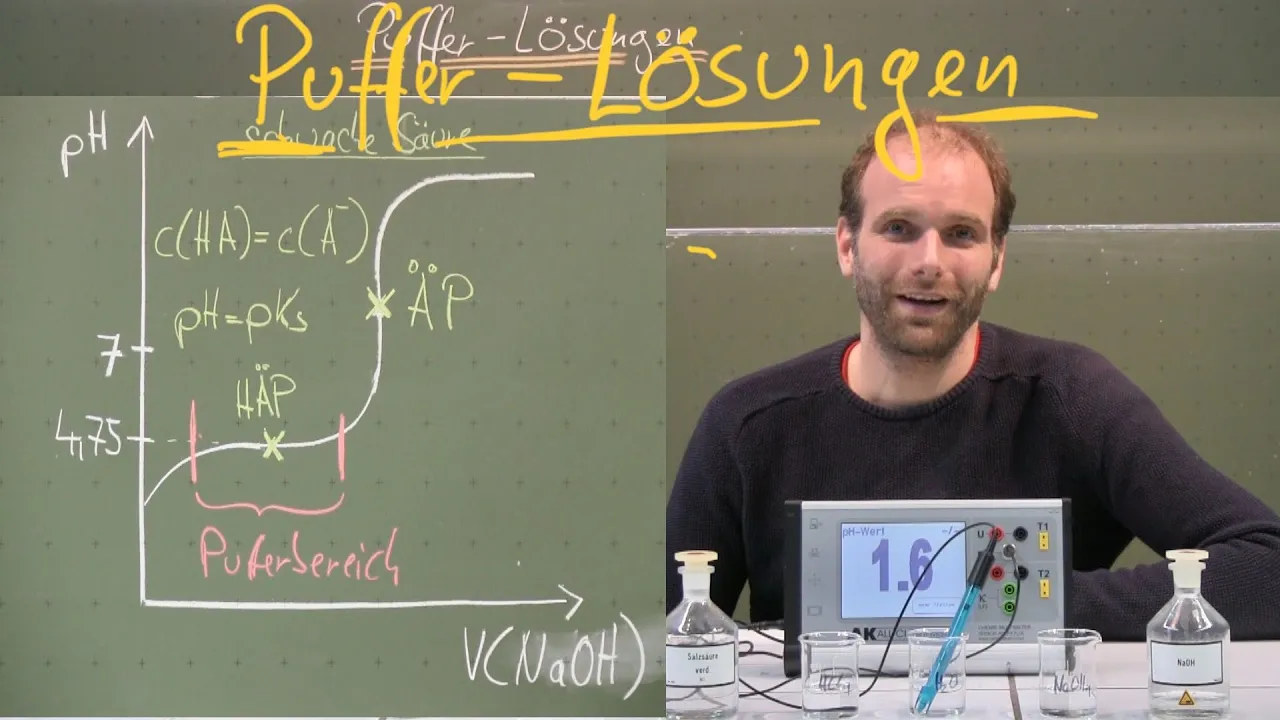






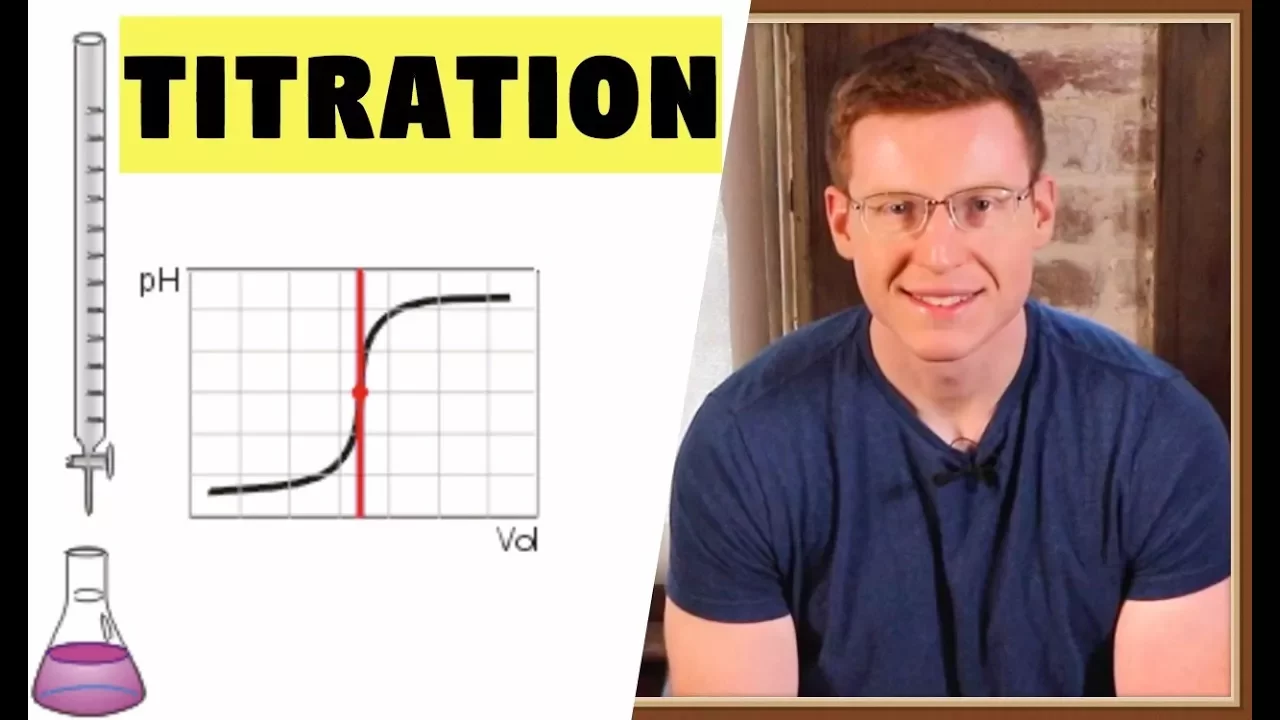

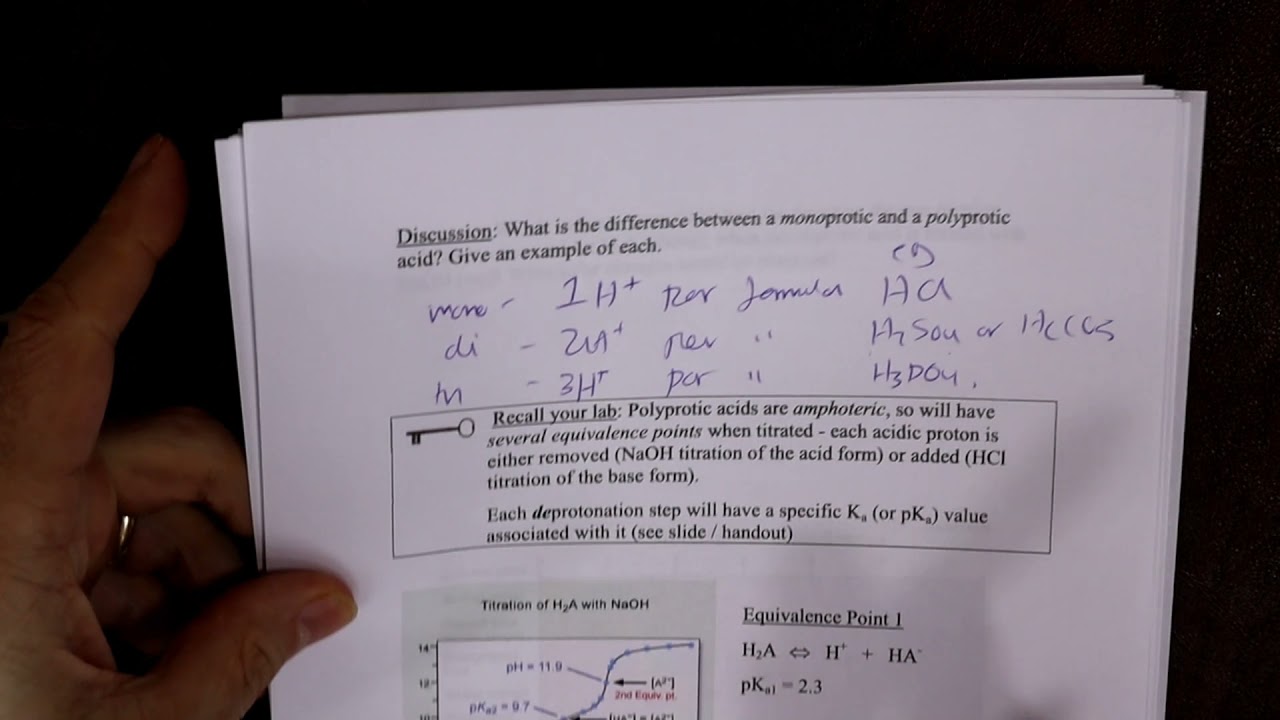




Chemical equilibrium involves dynamic processes where forward and reverse reactions occur at equal rates, characterized by equilibrium constants (Kc and Kp) that relate product and reactant concentrations; key principles include Le Chatelier's principle for predicting shifts in response to disturbances, the relationship between thermodynamic quantities (ΔG°, ΔH°, ΔS°) and equilibrium constants, and applications in ionic equilibrium such as buffer solutions, solubility products (Ksp), and common ion effects, which are essential for solving advanced chemistry problems in competitive examinations.
Equilibrium JEE Advanced Questions | Physical Chemistry | IIT JEE
Added:Basic concepts of chemical equilibrium, including the law of mass action, writing expressions for Kc and Kp, and understanding Le Chatelier's principle.
Fundamental thermodynamics, specifically the relationship between standard Gibbs free energy (ΔG°) and the equilibrium constant (K).
Introductory ionic equilibrium, including the definitions of pH, pOH, weak/strong acids and bases, and the autoionization of water.
The concept of solubility product (Ksp) and how to write solubility expressions for sparingly soluble salts.
Quantitative analysis of buffer systems, buffer capacity, and complex pH calculations using the Henderson-Hasselbalch equation.
Solving simultaneous equilibria problems where multiple reactions (such as precipitation and complexation) occur concurrently in a single solution.
Advanced study of acid-base titrations, including plotting titration curves for polyprotic acids and understanding indicator theory.
Connecting chemical equilibrium with electrochemistry by applying the Nernst equation to calculate equilibrium constants from cell potentials.
147K views1.4Klikes53:10Original Release: 2019-03-18
[Music] hello we're going to look at the chapter equilibrium both chemical and ionic together from the point of view of the J main and the advanced exam let's start with the advanced example well before you that it's a very peculiar chapter right because this is the ionic part of it is tested more in the advanced exam the chemical equilibrium part is usually clubbed with thermodynamics sometimes I have any part also when you look at the main exam it's just a combination of formulae that you need to know or some basics of how to set up equilibrium we'll see what we'll ask in the last few years so in the advanced exam there were two questions asked in 2018 yeah one had the idea of thermodynamics in equilibrium that was an MSU multiple Selleck question there was an India question asked that was on solubility product as well as setting up the KA value and all that using the K value solving it no question asked 2017 when he 16 had a paragraph wishing two questions asked again so a lot of weight is given in some viewer that some years is completely skipped so in 2016 the again to paragraph things out this was where you combine the degree of dissociation idea equal costume as well as some thermodynamics ideas 2015 two questions again one name CQ actually three questions one am CQ that has a temperature dependence of equilibrium and two more questions which was paragraphs on making a total of three these pair of questions had ideas of buffer as well as thermodynamics so usually what happens is that if it's an ID on ionic equilibrium or solubility product it combines all the ideas that came before it which is from regular equilibrium as well as thermodynamics and chemical leak film itself just by itself is tested almost not tested in the advanced exam look at the J main and specifically just looking at the 2019 papers first we did that most of the questions were on you know figuring out relationships between how to set up a basic evil from scratch yeah but I don't agree under Association all of that k the expression of the constant k p kc values what happens when you add up equations what happens to the add subtract multiply you know what happens to the equilibrium there some very very basic ideas tested couple of questions just very few asked on pH are the multiple formally so in the main exam you expected to remember this formula in advance you can pretty much derive things yeah anyway so yeah here some questions asked on solubility and PK ideas so let's get started with some theory now and then we'll do some interesting questions all right let's get started with some theory on equilibrium so here generally till now we assume that reactions order completion if you were to plot this on a graph disorder loop you have are some reactant giving some product P so I'm plotting concentration versus time now this way the concentration of the reactant reduces exponentially and that of a product increases exponentially and after some time you know reactant gets over that's my and some product is completely formed that's what is green man shows that reaction is complete but in reality this does not happen actually there is something else that happens here you see this graph here this is what shows that sure the increasing exponential and decrease is also exponential but increase of product will diffuse of reactant but after a point in time both concentrations become kind of constant this is what you actually see that's when scientists figure out the idea of equilibrium right so I there's a backward reaction also happening now when the reactions become constant when the reactant and the product concentrations become constant that point after that point you say that a reaction has retrieved equilibrium although in this chapter we're not really going to talk about time but these graphs are really really important yeah and sometimes the J advance exam test just just you know test just this idea some really complicated things can be solved on this alright anyway so yeah there's a forward reaction backward reaction their rates are same as soon as the equilibrium is reached that's what you mean when you say that hey this is equilibrium it's a dynamic process it means that both forward and micro reactions are happening alright so this you know this basically can be written as rates being equal will be negative of Delta that you know the square brackets are activity or concentration in our case minus Delta R by delta T is equal to Delta P by delta T which is the product if you have some sort of meta coefficients that are not 1 we just divide it by in both sides yeah so one by a times the reactants and one by B times the products negative sign shows that the constitutional reactance is decreasing as the concentration of products in yeah the rate is always positive rate is this expression that you have your Delta contribution by Delta so I know that I would reiterate to the kinetics idea that's the thing yeah everything from gaseous state until electrochemistry are all of them they are all related so single chemistry is quite easy that way if you but so you need to start strong and rest of it becomes easy let's look at the next idea here so what is this rate look like on this graph that I showed you the concentration time graph this over here is simply DP by DT the differential and this here when you draw a triangle is going to be Delta P by Delta this I know the kinetics idea but still good to know right now we'll do this in detail in kinetics again anyway equilibrium is achieved in closed systems when temperature and pressure is constant very very important idea so ok next idea the equilibrium constant is simply the product of all the products raised restoring wintery coefficients multiplied together divided by the product of the reactants raised to a stoichiometric coefficient that's what this symbol pi tells us by is just like what you have some Sigma is summations or pi is this product that's it anyway so case C the constant in terms of concentrations is a function of the concentrations of the reactant products and KP is a similar thing which is a function of the partial pressure if you only have gases or if you want to look at gases specific you want to study the gas gaseous part of any equation any expression so this P here you can use idle gas long and gaseous state you get n by V times RT n by V is concentration so there's a way to convert KC and KB and this idea of idle Gaston will help you remember this expression easily what is KC and KP house related well case P is KC RT partner Delta n sometimes students mug up the wrong equation it up remember this expression just the idle gas alone from there you can almost kind of derive it alright quickly just like a quick you know point for you to remember that you can this is where Delta n lies in this equation alright what is Delta n Delta M is basically the summation of products minus the reactants the number of moles issues all right alpha the next idea the degree of dissociation and you need to figure this out by reaction stoichiometry yeah there's no way to do it I'm just going to give you a simple expression but this is just to tell you how things are done depending on the particular reaction that you're looking at in the question you have to figure this out so initially if you have say some C moles reaction is a giving to be I've just chosen this and at equilibrium there's no there's no B to start of it sometimes it's given to you that there is some amount of a someone to be nothing really changes yeah here in this case I'm doing C into 1 minus alpha and C into alpha there you just have to change the arithmetic a little bit if you have some amount of product also start of it anyway alpha is the degree of dissociation and KC can easily be figured out by using the definition of equilibrium constant and this is the expression that you get over here now if you want to convert this to KP or if you want to get KP you draw more no you don't care about KC the starting point is the same yeah what you need to do is get partial pressures how do you get partial pressures are still pressure is total pressure into mole fraction so get mole fraction how do you get mole fraction the total number of moles I have the initial number I have the moles of the particular substance at equilibrium divide that by the total number of moles there you go that's mole fraction will be the total pressure its partial pressure that's what I've done over here some things cancel out and as soon remain and yeah then you get KP to be the partial pressure of B squared by is a partial pressure of a assuming in this case B and a or both gases so I said you need to figure this out using stoichiometry I showed you a simple substitution but depending on the particular numerical you have you'll have to do this on your own and this is a best way to do it don't try and mug expressions yeah mugging is literally the worst thing you could do in this chapter because this is so much theory that it's really difficult to just try and mug it and then repeat it in an exam although in the J main exam funnily enough this chapter is a lot more difficult in the advanced exam because in J main you can't have too much some equations life becomes really simple if you know one equation and you just substitute it I'll get to that that's an ionic equal anyway let's continue our chemical equilibrium discussion q is the same expression as K equal to constant the only difference now is that I am looking at concentrations at any point in time but whether equilibria chi or not does not matter so that's the expression of Q and why is Q necess when you look at a generic equation right general equation a times a plus B times we use C times D plus D times D and this expression at equilibrium Q value would be equal to value of K now if Q is less than the K valuation constant the reaction moves forward to achieve equilibrium and if Q is well greater than equal moves backward to achieve equal so this expression of Q will help you figure out which direction the reaction would move and this is a very very interesting thing and this tested a lot in the J advanced exam and some time is the main exam as well okay some ideas from thermodynamics that are important we've done this in thermo also briefly let me do that again right now at equilibrium Delta G must be equal to zero gives free energy that idea so the expression for Delta G Delta G Delta G naught plus RT Ln K Delta G naught will be equal to minus RT LNP at each level because Delta G is zero look at these graphs this is the most important thing it doesn't matter whether reaction is spontaneous or non-spontaneous but the whole deal is that Delta G should be zero and this can happen from both sides in respect to the reaction being spontaneous or non-spontaneous see that's what these glasses are showing us repetition from thermo I know this G is minimum at equilibrium alright important ideas remember a direct relation or direct you know thing from here is that you get Ln K 2 by K 1 is equal to Delta H naught by r into 1 by t 1 minus 1 by g 2 this expression you can have to remember till May will make a life a lot easier if you know this it is also dire if derive from the previous thing you assume that entropy has a little very little you know contribution to this and you get this expression so what this tells us is that if the reaction is exothermic temperature increases then K Falls you know that's the direct implication this is tested a lot in the j-man exam and also in the advanced example times if the reaction is endothermic temperature increases increasing the K value all right cool and very very important idea right here onto the leash Atlas principle else.we let's just call it that so this in layman's term is when the equilibrium established is kind of disturbed then the system tries to read any clue the same thing you see everywhere all across science even physics you know lenses laws you say my dear you disturb me flippin who tries to come back to its normal place anyway so if there's a change in pressure or concentration the equilibrium shifts and you need to calculate Q if Q is not equal to K then you figure out a direction and which to equal the equilibrium moves it that's it so simple thing yeah adding a reactant makes the reaction go forward adding a product makes the reaction go backward similarly removing and adding removing products in reactants you can figure out directions what's next is that the fact that the total pressure of volume that change affects the equilibrium only if Delta in the gaseous number of moles products minus reactants if that is equal to zero if that's not equal to 0 only then equilibrists is expected and why that's not so assuming that Delta n is not equal to 0 when you increase the pressure the reaction moves in a direction to reduce that which means it reduces number of moles and the volume is constant around rate this way instead of trying to mug infinite possibilities fermentation and combination or in fact but don't bug that it's better to remember this year logically all right the next idea is that if the volume increases for pressure to say constant this moves in a direction where number of moles increases yeah that's a simple idea now inert gas addition that has no effect at constant volume as the P partial pressure does not change and you can figure out what happens at you know the other thing with constant pressure there is an effect you can calculate that by setting up and new equilibrium figuring out Q whether it's greater than or less than K and get where the reaction will go to that's it let's stop want to ionic equilibrium simple idea first strong and weak electrolyte strong electrolytes where the K value is greater than 10 power 3 now you see the zr1 acid II cannot basic salt that dissociates completely strong acids and o strong has the strong base not salt do k2 salts later weak acid weak bases where K value is less than 10 power minus 3 is an approximation so you have acetic acid as well as ammonia shown over here but how do you know something has there are ways many theories right so I'll genius Lori brown straight and also Louis have theories and we've given you a brief way of how to remember this yeah if h plus and minus ions involved that's the first one he knows bronsted-lowry Brown so this is the main one that we're gonna deal with as h plus only either its lesser donate and acid or except in in case for base electrons donated and accepted you can figure out which one's acid or acid or base now the examples are given over here only case with electrons is that look bf3 and alcl3 are the electron deficient and they are acids ammonia and PCL streams they have extra electrons their bases yeah rest of the things are pretty self-explanatory most important idea here and trust me I'm going slow here because this is literally the most important idea from this entire chapter even more than PHP K and all of that this thing of conjugate acid-base pair okay this is very useful in organic chemistry to whenever you do that you look at it in detail again so basically things from an acid and base pair conjugate acid-base pair if they differ differ by an H+ I mean you see that over here the pink line and the blue line over here this denotes that so h2s and hs- it differ by an H+ ion and nh3 and NH four plus they also differ by an H+ ion so their conjugate acid-base pairs the one that has an extra H+ ion that's the acid the one that is deficient is the base simple idea try and remember it using this instead of any other way they always come in pairs conjugate acids and bases also a dilution law well CSEC ways right so weak acid so it it has a very low alpha value which means that I can make this approximation when that L 1 minus L Falls almost equal to 1 and alpha 0 1 root K by C so this just means that as dilution increases degree of dissociation increases after this is a graph that looks like that anyway a simple idea but really really useful in solving really complicated numericals sometimes you can't make this approximation you need to be careful if the error is very high slater than greater than 5% then you cannot make this approximation here quadratic equation all you have to solve this all is almost never tested but sometimes in so on is I might test that so be careful over it this may be relevant in the jail your advanced exam more than the damien exam all right moving on the conjugate acid-base pair there and only there remember only there is K into K B is going to be equal to kW ionic product of water so PK plus PK v will be equal to PK w which is 14 K and KBR associate constants of the acid in the base specifically and when I put a P before something is just saying is negative log of that value okay neutral pH is 7 yeah at specific temperature and pressure conditions at 298 K and 1 atmospheric pressure now dissociation water specifically this is interesting and it's being tested multiple times in the J advance exam so pay attention to this association of waters endothermic which means that as T increases kW increases so the neutral pH that changes it's no more at 7 it's going to be a lower value because PK w will reduce ya KW increase B kW decreases alright pH can be less than zero can be rather than 14 and generally you see 0 to 14 as pH increase h+ and conservation Falls o H minus 1 concentration increases why well because the multiple of both of them H + n - watch - is going to be equal to the kW value right okay pH is a log and exponential scale I know this simple stuff but it's very important to revise this before you go into an example common ion effect the next and really important part from this chapter specifically I think this is the most important thing when you're looking at equal to whom in itself but if you look in the whole of chemistry as I said idea of conjugate acid-base pair if one is weak that is strong that's really important from organic chemistry anyway common ion effect something basically if there's a common ion this would suppress the formation of the entire species so if for example you use the idea of lush Atlas principle you figured out Q and you get the direction which a reaction would move simple idea but very very useful in solubility which we look at in some detail when we do the questions ok buffer action yeah this is usually something that students are kind of scared of usually but it's not it's again a lot of math let me let me just give you a cheat code here ionic equilibrium is a lot of math is simple algebra you just have to take logs that's what confuses students so require a bit of practice just like mothman most of magnetars and mats also you can't remember equation inside out you have to bring a few things you have to be able to derive it on the spot so that's what I would suggest although before an exam it's better to know all equations but it's also a burden all the steps are 200 deriving them all right so buffer action is something that just resists be a change yeah for a small range so generally weak acid in a salt of a conjugate base that forms a buffer pH value is given by this expression over here we base the salt of conjugate acid gives you a pH value between calculator again you can form the this is for a mono basic acid or base obviously now you can form this set up equilibrium you get this by taking log on all sides you see that salt by acid thing this this expression works if that ratio is not greater than 10 or not less than 1 by 10 yeah if it's beyond that then the pH does change alright weak acid plus weak base always forms a buffer always and always you don't figure it out because you had a salt at that hydrolyzes solubility the last part and literally the most important part from the point of view of the j advanced exam because it combines everything from you know normal equilibrium also ionic equilibrium comma and effect buffer everything buffers not so much not listed in this table but common ion effect definitely used so KSP is solubility product is generally spoken off when you have a sparingly soluble salt which may said I put it into water it doesn't dissolve completely only some of it is also now this is a function of solubility solubility is just the concentration at saturation okay you can figure this out by reaction stoichiometry please don't mug this please don't watch KSP values that oh this is a 4 s cube or whatever just do it bar from the basics the ionic product which is just like Q but you had it chemically if the ionic products the other than KSP then precipitation happens which equal to KS p then saturated solution M is less than that then you can add a little bit more salt that's what that means solubility can be suppressed yeah something maybe a little bit Solomon would have put a common ion there and it pushes the equilibrium backwards this was the idea that I was telling you that's tested repeatedly in the advanced exam and this is also useful in qualitative analysis that brings us to a close of the whole theory part let's start with some new Americans okay so this question can have more than one correct answers graphs and like graphs you weave plotting the concentration of the reactant a versus time as well as the product versus time a kind of Falls and P increases that's expected information that's given to us is that t2 is greater than t1 and Ln K 1 by Ln K 2 which is at the respective temperatures greater than t2 by t1 interesting let's see what we can do looking at the options it looks like we're gonna have to figure out what Delta G Delta s Delta H signs are that's it you know once we do that things should work out alright so this is the graph over here yeah it's again in front of you the colors just show they're different times so let's let's do this so as t2 is greater than t1 from the graph this is at equilibrium what what what can you see I think I can save right from here that a 1 is less than a 2 what is a 1 and a 2 the conservation of a at temperature what image do you see that right the pink line is below the the orange line here that's what's marked over here now what else do I have I also have that p1 is greater than p2 what is p1 and p2 yeah look at that the pink line over has greater than this what does this imply this implies that well this the reaction goes much further at t1 as compared to t2 which means that as temperature increases K Falls why because three twos greater than t1 right so this Delta H of this reaction is less than zero there we go we found out one thing already so what is this is an exothermic reaction we just write that so this is an exothermic reaction yeah one third way they're almost right we need to find a couple of more things so now what's next ok already on your screen it's simply going to be equal to P by a and as the graph flatlines equilibrium is reached this makes sense right a flat lines the concentration stops changing that's what equipped it means okay yeah this kind of makes sense so what can I do over here well I know for sure looking at the graph again as this value all of a is below five yeah this is a five line and all the a concentrations are less than five mole per liter and what about P let's see these these guys over here so P are all greater than five mole per liter its concentration you put those brackets they don't forget that so what gives I think what we can do from here is that figure out the Delta G value yeah here Delta G naught Delta G zero at equilibrium Delta G is always going to be 0 so Delta G naught is going to be equal to minus rtlnk K is greater than one why because I was comparing P and K P and a right now this all just something this number greater than five this some number less than five so this number is going to be greater than one that's what I see that's it simple method so there you go if K is greater than 1 from this equation Delta G naught must be less than zero so this this Delta G is less than zero this negative there you go so figure out Delta you know less is you know I also have the sine of Delta H naught that also less than zero are we getting there getting there okay we have this next thing we say it say that Ln K 1 by L and K 2 is written T 2 by T 1 this will help us figure out the sign of the next thing what is not right let me write down what this is from this expression on top from this guy here so this is simply going to be Delta G naught by RT 1 divided by Delta G naught by RT 2 which is going to be greater than P 2 by T 1 so I think a lot of stuff will cancel out right especially the temperatures yeah yeah sure this is what you get after cancelling out the temperatures and substituting Delta G naught gonna be equal to just saying here that Delta G naught is equal to Delta H naught minus T Delta s that's what I've substituted over here and I've cancelled out the temperatures here here here because this is yeah all right we're getting somewhere so I finally got Delta s naught my expression I know what Delta H naught is Delta s not is less than zero okay and t2 is greater than t1 I also have that now what can I do here so okay Delta H naught is less than zero now for the this denominator has to be less than the numerator for this value to be greater than one that's on the right yeah I had yeah all right so for this to happen Delta H naught plus t1 Delta s naught must be lower than this guy over here at the bottom and that's possible only and only if if Delta s naught is less than zero yeah because t2 is greater than t1 which means that this term over here T to Delta s naught is more negative than t1 Delta s naught that makes sense yes it does so denominator is less than numerator negative signs cancel out so yeah this thing here is correct as well so Delta s naught also is less than zero there you go I have all the three signs and funnily enough all of them are negative so Delta s naught is negative Delta H naught is negative and Delta G naught is also negative yeah I can figure out the answers that match from here and you can mark them there you go so I know this is kind of intensive more of derivation like thing but hey we use all the information given to us in the question it was weird we also looked at the graph we were figure able to figure out the value of K just by graph it was not big all Delta G naught so that was the main thing there after I think was used more of mechanical stuff in it so the answers are marked on your screen that was it [Music] okay this question requires a numerical answer as an input let's see we've been given Zn which hole twice here's zinc hydroxide this gives us two expressions when you put it in water it dissociates gives you the n2 + and o H minus ions but not entirely solubility equilibrium set up so you need to use a KSP idea over here why would you do that well the second one the wise - sounds formed here react with modes are in a into + n you get a complex a so equilibrium is set up over here you get the value of equilibrium constant KC that's given to us what we need to do is find out the pH of this solution when the solubility is minimum interesting question let's get started so let's write down the equilibrium expressions one place where you could mess up is assume that both of these equilibriums have the same concentration of well H minus ions and Z in the complex does not happen I don't think so let's let's do this one step at a time ok so at equilibrium you have this set in which volt wise this is the expression over here the first one this is the KSP idea so at equilibrium what's going to happen let's just solve it I'm gonna ignore that so let's say the solubility due to this is say s1 and this would be 2 s 1 so KSP would simply be s 1 times 2 s 1 whole square which is 4 s 1 cube yeah you don't need all this for vehicles you know the concentration of this yeah you know that Oh h minus ion concentration is some value I'm concerned mainly with Zn 2 plus over here because that is going to give me the solubility yeah s1 is the solubility from this expression so let's calculate that in terms of H - hours I'll tell you why I'm doing that very quickly so here I get s 1 to be equal to j SP divided by the Oh H minus ion concentration whole squared that's from this first set up now the next one the OS - terms are formed over here see what happens these react with 0h hole twice and give me this complex ion okay so that's the thing this reaction happens only because of the really tiny amount of watch minus ions formed over here so when I put that same thing I'm gonna put two s one over here this is a solid so I'm gonna ignore this zinc I'm just gonna ignore this one here what's going on we formed is it's two new expression right a new solubility idea now this s2 is a solubility of this now how do I set up this equilibrium plea gonna be s 2 times s 2 divided by 2 s 1 whole square right this makes sense yeah yeah yeah this one's fine so now let's get an expression of case in terms s 2 I have that so okay oh here again this is simply 2 s 1 is the same as H minus ion right so I'm gonna put that here so s 2 now is going to be equal to K C times o H minus ion concentration whole squared why did I do this now here's the thing the solubility the total solubility s is going to be equal to well the summation of two things and the s 1 and s 2 basically and for minimum solubility this expression d s by do H minus should be equal to 0 that's the one trick you need to use and also the fact that s 1 and s 2 are separate they're not the same thing so you can't just take the same solubility for both expression you get a completely different expression so these two tricks you need to keep in mind these two ideas alright so anyway now s you get an expression in terms of H minus I'd only then can I go in differentiate it so let's do that what was s 1 and s 2 I get this was a speed divided by H minus whole squared is 1 and whose KC times o h- squared s is this expression and differentiating this and equating it to 0 what do you get this is simple differential a so I get a minus 2 on top because I was always - whole square and this becomes Oh H minus 2 whole cubed KSP I'm gonna put that on top yeah and this here there's a 2 there this is 2 right should differentiate that I get two AC times just H minus this whole expression should be equal to 0 this just looks weird maybe let me light that properly okay so this minus two is on top just clarifying it's not at the bottom alright so this is what you get now let's solve this that's what we need to do once you solve this we can get what the way SH - ion concentration would be and then get pH that's why I did this that was the whole point of differentiating respect - oh Sh - because once I get watch - conservation pH plus Poh is equal to 14 I get yet yeah that's that's that's why this makes sense all right so now where was that expression let me keep that here okay so now I simplify things over here I get KSP plus 2 kc x o h - whole to the power 4 is equal to 0 this make sense yeah yeah sure this one makes sense so that means that the Oh H minus ion concentration hold to the power 4 would be equal to the negative sign here right and this two kind of goes away because tours can send out from there - ok so now this is going to be equal to what it's going to be equal to KS P divided by KC and now we're getting somewhere now we're getting somewhere so this was simply 1.3 into 10 power minus 17 I'm now substituting stuff this is a last step this what I like doing anything you should put the substitution should happen right at the end everything else is variables just like math you know that way you're not gonna make any mistakes ok now KC was what oh this is coming to be quite neat - all power 4 is this expression and from there I get ya Oh H minus ion is going to be equal to 10 power minus 16 all power 1 by 4 just divide this so you get this to be equal to 10 power minus 4 okay so now this is OS minus ion concentration Poh is going to be equal to 4 therefore pH is 14 minus 4 stuff which is 10 which is your answer they go this is the whole numerical couple of important thing just a quick summary of what we did first thing s 1 is not equal to s 2 they're different things because of s 1 s 2 establishes see that over there the OS - sound concentration formed when sync gives you 7 OS volt wise gives you zq o h - that reacts with the pre-existing z which hole twice and gives you this complex ion so this s 1 is - cannot be the same they're different that's a starting point we figured out s 1 and s 2 in terms of OS - and KSP and KC why we do that because our end goal was to figure out pH and once you get Poh you can get pH how do we get Poh or OS - well we had this condition that it should be the solubility needs to be minimum or solubility told soluble s 1 1 s 2 which we figured out in in terms of H - differentiate that equal to 0 right because that's what the minimum is going to be and there you go answer pH equals 10 basic solution [Music] okay here's the question where we can have more than one correct answer this deals with solubility ideas so a DCL is dissolved in water and a few other salts you have to figure out these options are a little confusing right you need to compare s 1 s 2 s 3 S 4 so what we're going to do is we're going to find each one of them individually okay so we're gonna find s 1 s 2 s 3 S 4 and then we're gonna you know kind of compare them let's do that yeah there's one of those questions where it's difficult to do other stuff let's see the trick put at the end okay so let's write down the first expression this is a DCL 80 plus and Cl minus so there's some solubility this would have have the same solubility value remember there's a double-headed arrow here because this is sparingly soluble salt so a KSP idea would be required here so KSP would be equal to simply s 1 whole squared and they go s1 is going to be the root of KSP this is a simple idea so this would be under root of 1.8 I'm not going to calculate this there's some value I don't doesn't matter so much let's just leave it like this let's see later what we want to do with it okay so this was the solubility of just ad CL in water nothing else I've added a salt to it what happens let's see so I put AG CL now in 0.01 molar cacl2 now this KSP is going to be equal to s 2 times CL - why because the CL - that comes from cacl2 is a common ion all right and because this is a salt that is not sparingly soluble it completely dissociates completely and yeah all of it is available to fit into this equilibrium and how much of it do I get let's see so I have 0.01 of this to start off in the beginning like let's start so once the association happens this gets used up completely and I have 0.01 of this and twice of that yeah this is one small place where you could mess up and hence the answers could be very different so be careful about this stichometry so this twice - this over here now in this case and you scroll down give me some space there you go so KSP now is going to be equal to this value s two times zero point zero two I hope this ideas clear I have the common effect kind of should suppress the solubility right that's what you've learned that's the theory let's see if that actually works out so s2 here now is going to be equal to KSP what is that it was one point in a 10 to power minus and divided by zero point zero two hmm so this is equal to 900 10 power minus 9 exponentially smaller right that was the order of 10 power minus 5 or something so this is s2 as expected it's lower much lower because of the common ion effect and that's what happens to out this numerical yeah the common ion effect suppresses all the concentrations but to what effect we'll have to see but clearly s1 must be the highest yeah that's for sure right now that's one trick you should keep in mind and that's one thing you should realize right away because all the other common ions suppress this okay let's look at the next one I have a agcl dissolved in point zero 1 molar C NaCl KSP is similar now I've written this s 3 times CL minus again NaCl is all white well how much do I have to have zero point one same amount zero point zero one to start off with so I start it and then once it dissociates when as soon as put in water gives me point zero one here and point zero one here all this is concentration of moles in one liter so that's molarity it couldn't be the same as molarity so KSP now as I said is s3 times 0.01 simple calculation yeah so s3 is going to be equal to one point 8 into 10 power minus 10 I've actually remembered value the number of times I've done this right so okay so software in 10 power minus 10 divided this by 0.01 and what do you get you get 1 point 8 into 10 power minus 8 interesting right now this one is slightly higher than the other one because there the concentration of cl minus was higher just by looking at it we don't actually have to calculate this that's the trick just by looking at these numbers you'll be able to compare with instruments 3 hey you know what she's gonna be higher why because fluorine ion concentration which means the suppression is going to be lower here that's the trick that I was talking about anyway since we are almost all the way there we just have like one true let's continue this let's continue solving it the way we are doing it right now last one right I have a DC L in 0.05 molar AG no.3 right now KSP here is gonna be AG + time there's 4 why is that and here the common ion changes yeah it's AG plus now it's not CL minus nu not very trivial thing but it's important to recognize this yes so s4 now would be the one that is curve that corresponds to the solubility of chloride ion and hence the whole salt ad CL right that that depends on the flow rate on rest of it is similar yeah I have a 0 3 giving AG and no.3 minus so initially 0.05 starting and as soon as you put into water this gives me point zero 5 also there's an point 0 5 over this so now KSP I'll scroll down give me some space so KSP is going to be equal to point zero five times s4 simple calculation s4 would be the same value one point eight and 10 to power minus 10 divided by 0.05 and yeah that values even lower right is 3 point 6 into 10 power minus 9 molar okay so what did I get from you s1 was definitely the highest yeah s1 was the largest largest then you get s3 then you get s2 anyway it is 4 this is all I need yeah then I can figure out which which ones which so s1 greater than s - yeah sure this one's great what about s 2 greater than s3 nope this one's wrong this one's not correct what about s 3 greater than s for sure this one's good s 4 greater than s1 this one's wrong so your correct answers are options a and C this is simple way to do it and as I said the trick would be to realize that a DS here and what would have the highest solubility so that's option is definitely correct then on comparing options B and C you would realize that agcl NaCl I'm sorry ADC NaCl and AG CL cacl2 so a and the concentration is same so cacl2 would have a lower solubility value you can figure that out without doing the calculation and the last one it's much higher than the other two there's no comparison conservation of AG no.3 that you put it there for the solubility suppress even more and that had the lowest value that's the trick that's the way to do it really quickly without actually even solving this but here you go these are the answers options a and C okay this question requires us to given numerical answer let's look at it so copper one forms of complex sets give me two over here and with along with CN minus the equation also see what happens is we put n AC N 1 molar of it one liter of it and there's a lot of see you BR Arad so some sort of forms if we asked to find out the concentration of C n minus ion at equilibrium now my analysis of this what's happening here let's I think what happens first is you BR reacts with in ASEAN completely yeah that make sense it reacts completely used up all of the NAC N and then forms an equilibrium backward is that true there's nothing worse you beer and any scene reacting right right I know for sure that see you beer from the new equilibrium expression that's on your screen see you must be R - that's a sparingly soluble salt or small value KSP is 10 power minus 5 and the other one that's almost complete right before 10 power 11 is the K value K F here so that's why squared is KF this is a expression and sum them both up then I get the expression see you BR + 3 CN - giving me this what's the K value of this I said that this reaction goes to completion which means that K value should be really high yeah sure just by looking at these numbers we can figure this out let me just pull down a bit I think this reaction goes to completion because case going to be much greater than 10 power you just throw that you let me write that down k equals k SB x KF which is going to be 1 + 10 + 6 yeah definitely greater this so it's this one works so what happens here is that this Co BR reacts with 3 CN - let's form this equilibrium expression although it's not really good because it goes to completion but anyway so I have say initially one mole of this right by because it's a na CN gives me an A plus one mole and CN minus one for all those is cesium - don't put C here yeah it's not going to happen any skin there's not going to form three moles of CN ions I know this is a silly thing to say but students end up making such mistakes so what's given I should just put that there directly don't think too much initially all right I have one and none of these at equilibrium scroll down enough space like let me scroll down a little bit okay here so at equilibrium what happens I have one minus three X if X each of these are four PS if bill stoichiometric so this testing all your chemically made is everything together okay and X and X of this art form alright going further down and this reaction goes to completion that was your biggest change what does that mean this reaction goes to completion remember the case really high I mean that 1 minus 3 X should be equal to zero all of it should get used up there's no equilibrium right this is actually just completion from here I can get the x value to be equal to approximately 0.33 that makes sense this is the molarity here why am I doing this because the next step is the most important step and that's what the examiner is testing right the next step is at this reaction now I told you already the most important step is that now an equilibrium is fun once it gets found completely this reaction goes bar back ever so slightly it goes forward a lot goes by really slightly that's for these pure arrow speed all right so now the new initial value so to speak is going to be point three three and point three three and at equilibrium this is this none of this actually at equilibrium what happens I'm going to use a different variable Y or say Y of this gets used up same amount of this is gonna get used up we are - right eey gets formed be careful here right why it's three why look at the stoichiometry okay now all we need to do is write down the beautiful K expression which is simply this 0.33 minus y whole square divided by three Y should be equal to the constant over here which we calculated we did that is equal to 10 plus 6 hmm I think Y is gonna be really really tiny I think Y is going to be really small so I can remove it from sure and this this is almost going to be equal to 0.33 all squared itself I remove that from you I think that's an approximation I can afford to make so what I get is this expression is going to be equal to 0.33 squared by fie oh wait wait hold on hold on hold on I made a small error here deny this see why sure but this should be 3y cubed yeah be careful I made you this three by cube okay so divided by say 27 y cube is what I have here and would be equal to 1 and 2 10 power 6 so I'm getting a an expression which is cube so let me play around with mat from here on it's just simple math yeah I get a value of y i3 Y should be my answer so I can actually just solve for 3y if I'm smart but let's do it with the hammer way let's get Y n then multiplied with C so you get well by is obviously much smaller than point C see that's why I made the pasta machine remember this is really important all right so Y is going to be equal to cube root of 0.1 divided by 300 which is equal to 1.6 into 10 power minus 3 the examiner has given you beard things so that this this simple this substitution is easy for you we don't want to test your cube root finding skills we just want you to do actual numerical that's why that was given to you all right so the answer which is 3y is equal to 4 point 8 into 10 power minus 3 quick fix the first one obviously is just find 3 by directly you don't have to find out why that's the quick summary of everything we did this is the answer which is definitely the answer the summary of what we did start with we use is we use the basics of equilibrium constant we set up an eclipse we saw two equations we did not know the equal because to the third one but we knew for sure that that reaction is happening so that's what's given to you you have see we are reacting with NaCl which is basically CN minus ions make sure you write the soil balance this reaction otherwise I'll numerical would be completely messed up once we did that we say that okay this reaction goes to completion 10 parsecs very very high K value then it forms an equilibrium backward written by you get skin you may be tempted right hey you know what CN - should be zero because it's ten parsecs but that's not true that's the whole point that we will be trying to drill into your head when you do equilibrium every reaction goes a little bit for a little bit backwards so it's a tiny value as point point in time I see but it exists this is your answer and not zero don't be tempted to dismount that there is no shortcut here so there are tricks that you need to spot we will solve this but there is an answer it's a finite value which we just found out and your answers four point eight or ten power minus three okay this question expects a numerical answer and we have a sparingly soluble salt given to us a B what happens here is that at pH three it has some solubility we asked to figure out what that solubility is now this is a weak acid so it something interesting happens right that means it would form an equilibrium with you know if HB is acid it will form an equilibrium giving you a choice and we be - so practically if I put HB in water it gives you it forms a you know expression that because of the solubility a KSP thing and B HB s OB - hydrolyzes and gives you back some acid so that's why this is a little seen a little complicated and the solubility would be slightly different and what you expect it to be so let's see let's figure out what this solubility should be like so firstly it's a weak acid and sparingly soluble and the saturated solution hydrolyzed either - I - we'll use if s is solubility X can be the amount that hydrolyzes let's do that one by one okay so this is at saturation what happens if I have some s and say s minus X of B minus y because B - idolise is just a little bit just a little bit okay s minus X would be Oh actually no it has quite a lot s minus X should be really small that's what I'm guessing right now right I'll tell you why let's let's see let's see if there's my guess is right so KSP now it shouldn t be equal to s into s minus X which is going to be equal to 2 into 10 power minus 10 this is this value is given to me in the question now this B minus at equilibrium forms this expression that's what I was saying this is the same as hydrolysis addresses since an acid that's why this H+ and not water in itself so here this B minus is going to be what was that it was going to be s minus X right that's what we got from the old thing now here the pH is going to be equal to 3 which means this is 10 power minus 3 and H B is what is formed is this idea so now for this expression what we're going to do is let's fight let's use the key idea over here okay for this reverse reaction which is actual so see here might I say reverse reaction this expression over here this is not red would give you the KA expression K is going to be well the product of the ions you know the plus ion the negative and divided by the acid right but this is the exact opposite of that so that's why I'm saying we reverse it and we get a regular expression or if you want you could you know in the words the value of K that's that works fine as well because if you reverse the reaction the K value gets inverted if it scale becomes 1 by K a simple idea from chemical equilibrium alright so now idea kouen what happens here let me just write that over here so X 10 power minus 3 and B minus was s minus X okay is going to be simply 10 power minus 3 times s minus X divided by X simple math over here now from here I can get by you know well manipulating this and that you get s minus X by X to be equal to 10 power minus 5 because I have the KA value so this is an important equation I'm just gonna mark it as one so I use this and the previous idea from KSP I get that s into s minus X would be equal to the KSP value which is 2 into 10 power minus 10 ok so I have two equations Alice this is the second equation and two variables s next I'm doing the right thing when I equate the number of variables to the number of equations that's an important point to check ok now all I have to do is divide the second by one and all what I have to buy one because remember we figured out the number of equation variable the same so if I divide two by one I'm going to be able to solve for s which is my main role over here so s X was equal to 2 into 10 power minus 5 that's what I get when I divide 2 by 1 let me write this down as 3 so I know what SX is and I also know that s square minus SX which is the second equation is 2 into 10 power minus 10 so all I need to do is plug this here put this here because this value is really tiny in comparison to you know this expression 3 over here I can kind of ignore it altogether so s quest almost gonna be equal to SX which is this value right here 2 into 10 power minus 5 this is an important step an important approximation that you should make here we all do figure out the S value right away from here on just substitute so s where is almost equal to we know that again empty space in 10 power minus 5 so you get that s is going to be root 20 times 10 power minus 3 right inside easier this is 2 into root 5 which is 2 point 2 3 6 times 10 power minus 3 approximately equal to 4 point 4 7 which is my answer right here so couple of steps most important thing to realize is that two things happen here first is the solubility sparingly soluble salt is put into water so it forms an equilibrium you can figure out its value by KSP usually this is the idea of a salt but this is an acid hydrolysis I drew the picture usually you reacted with water and you get something but here in this case since it's an acidic medium that's why I put only H+ over there same idea and once we set up that expression we figure out how much of the HB is found and using the KA value we formed a couple of equations two equations two variables and we very slyly divided them to get rid of some things and we got the value of SX and we had s square minus SX so then you substitute in there and then it was simple math so this is a repeating trend in Ionia he a lot of math a lot of algebra ability to convert between the exponential log scale into the regular equations that you would have so that's what you need practice with yeah for more videos in live lectures on the je click on the subscribe button now
Up Next

3:27
Partial Molar Properties in Thermodynamics | Chemical Engineering
@LearnChemE
45.8K views•2012-02-23
83:56
Biocatalysis and Catalysis in Islatravir Synthesis | Merck Webinar
@SCIwheresciencemeetsbusiness
675 views•2020-10-08
10:06
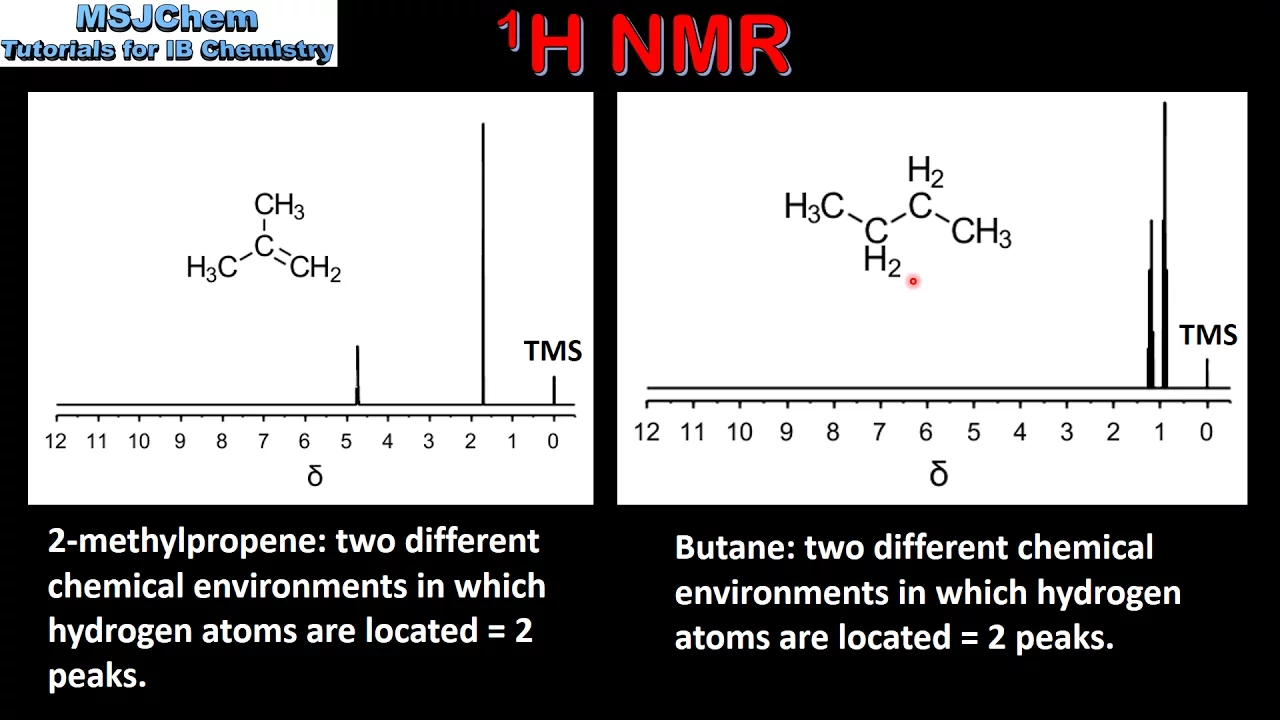
1H NMR: Determining Number of Peaks from Structure
@MSJChem
59.2K views•2017-04-06

17:31
Edible Water Bottles: A DIY Guide to Sodium Alginate Spherification
@ryan
10.5M views•2019-06-21
Related Study Plans & Knowledge Roadmaps
Structured learning paths in Chemistry
chemistry
Nuclear Chemistry: Decay, Meds & Fuel Cycle
01Introduction to Nuclear Structure and Radioactivity
02Decay Dynamics and Kinetics
03Radiation Interaction and Detection
+ 2 more learning modules
24h5 modules
Explore Roadmap
chemistry
Supramolecular Chemistry: Forces & Machines
01Foundations of Chemical Bonding and Intermolecular Forces
02Introduction to Host-Guest Chemistry
03Thermodynamics and Dynamics of Self-Assembly
+ 2 more learning modules
16h5 modules
Explore Roadmap
chemistry
Photochemistry: Excited States & Reactions
01Foundations of Light-Matter Interactions
02Molecular Orbitals and Electronic States
03Photophysical Processes and Jablonski Diagrams
+ 2 more learning modules
18h5 modules
Explore Roadmap
chemistry
Coordination Chemistry: Bonding & Properties
01Introduction to Transition Metals and Ligands
02Crystal Field Theory (CFT) and Geometry
03Magnetic Behavior and Spin States
+ 2 more learning modules
14h5 modules
Explore Roadmap