






![Ostatnie chwile ferrytowych koralików [HISTORIA KOMPUTERÓW 10]](https://i.ytimg.com/vi/nGyyvM-H60w/maxresdefault.jpg)
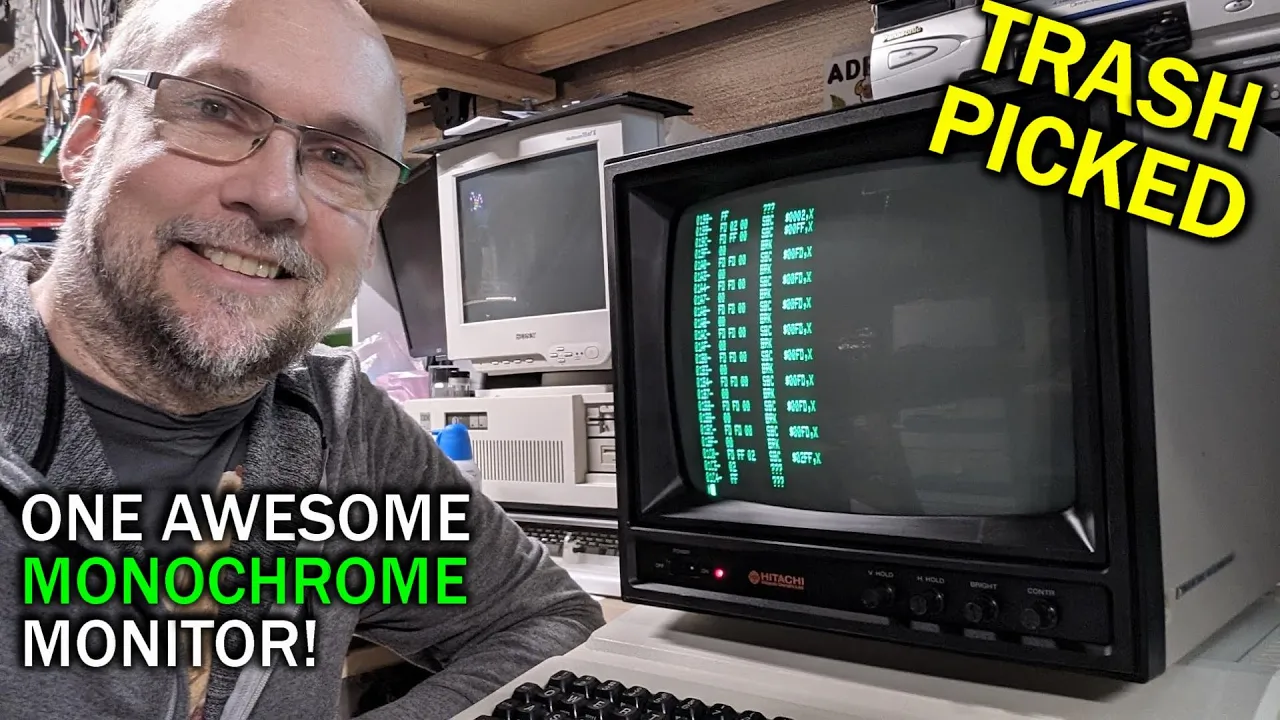


















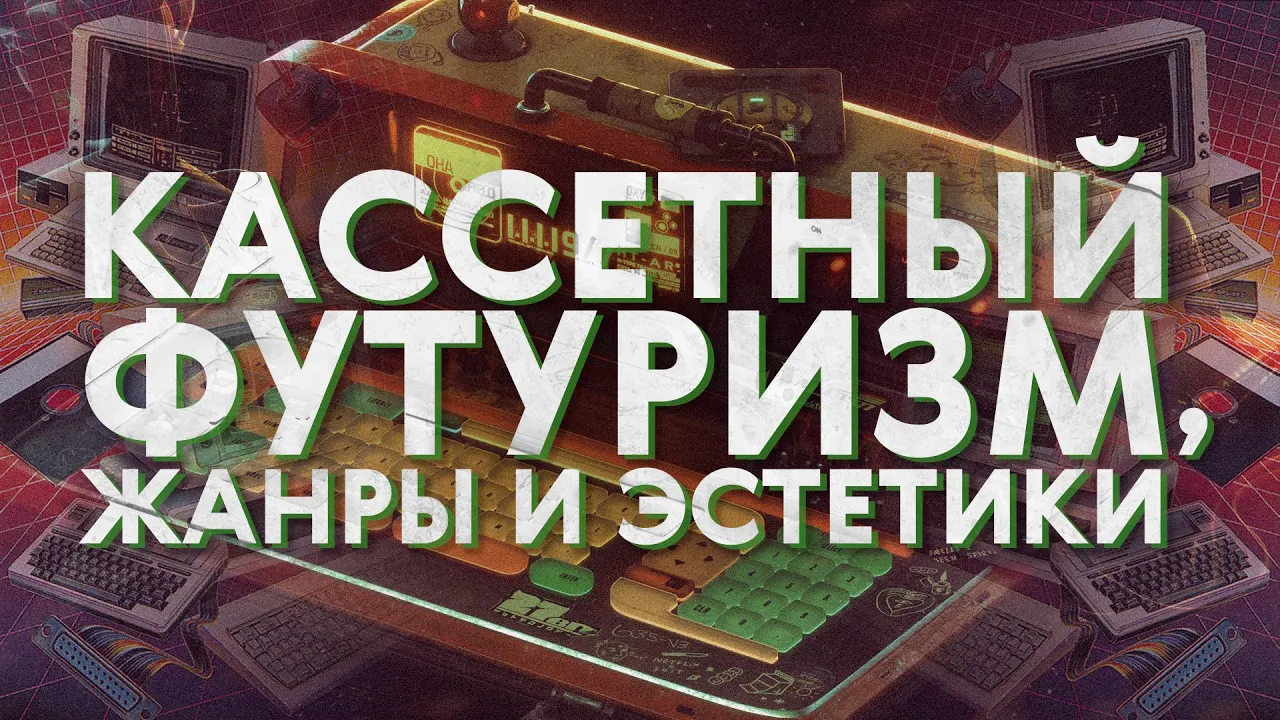
Cassette futurism is a visual and technological aesthetic in science fiction that deliberately uses technology resembling the mid-1970s to early 1990s era, featuring elements like cassettes, CRT displays, floppy discs, and chunky computers, as seen in films like Alien, Blade Runner, and Star Wars, and anime such as Mobile Suit Gundam; this aesthetic, which emerged from the rise of the IBM personal computer, creates recognizable futuristic environments by unconsciously basing designs on contemporary technology, yet remains underrated compared to cyberpunk despite its significant potential for storytelling and its presence in various media.
Cassette Futurism: The Analog Aesthetic of Retro Sci-Fi Technology
Added:The fundamental differences between analog and digital technologies, particularly regarding data storage, display systems, and processing in the late 20th century.
The concept of retrofuturism—how historical eras imagined the future using the technological paradigms available to them at the time.
Familiarity with mid-to-late 20th-century consumer electronics and computing interfaces, including CRT monitors, magnetic tape, and physical switchboards.
The core literary and cinematic themes of 1980s sci-fi and early cyberpunk, which heavily featured industrial, mechanical, and utilitarian aesthetics.
Exploring other localized retrofuturistic aesthetics, such as Atompunk, Dieselpunk, and Solarpunk, to understand how different historical eras influence speculative design.
Analyzing modern video game and film production design (e.g., 'Alien: Isolation' or 'Control') to see how cassette futurism is practically implemented in UI/UX and environmental art.
The study of tactile UI/UX design, examining the psychological and functional benefits of physical, analog interfaces compared to modern touchscreen-based digital interfaces.
The cultural phenomenon of 'anemoia' (nostalgia for a time never experienced) and the modern resurgence of physical analog media, such as vinyl, cassettes, and film photography.
25.9K views1.2Klikes10:33Original Release: 2019-01-29
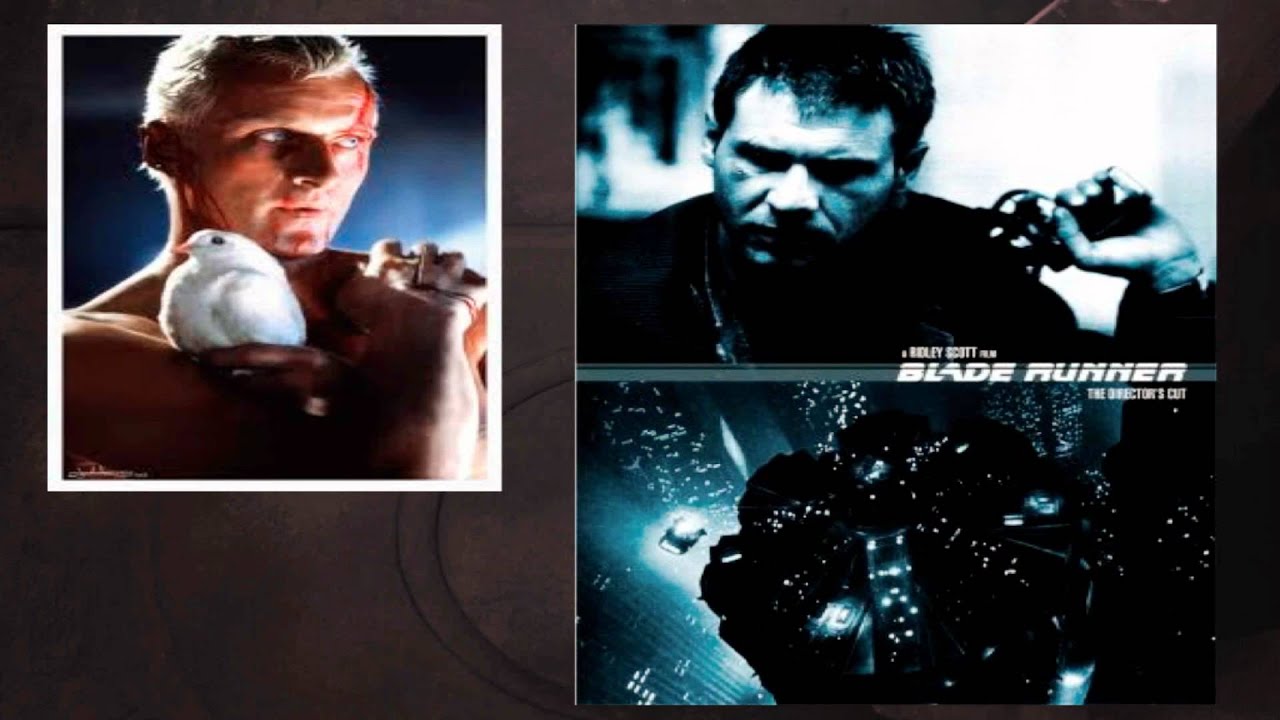
[Music] the Essene Judas is obviously from the 1979 horror yes it's the own alien by Ridley Scott but the important thing here in this video is not about the move itself but about his athletics in terms of technology the technology that is found inside the Nostromo I just want you to see how the technology of that ships nukes light the lights detailing the shape of computers the kind of computers and technology aesthetics we can find in the film has a name call it kiss a fish person maybe it's not the first time you made this type of aesthetics in a movie but now you may ask him yourself what is the cassette futurism well the way can define what cassette futurism is that it's a trope or find in movies and TV stories which use of technological aesthetic reminiscence of the mid 70s 80s and early nineties Butler arise by the IBM personal computer and in theatres regardless of the real-time setting of the media most often finding context of science diction whether it be loud bright colors and human shaders that tendency towards star start plainness or the lack of powerful computers and cell phones it's clear that neither great Don gothic of days best or everything tonight but in the future aesthetics that will follow but bringing upon that contains elements of styles just imagine for example that old making touch many people have it in the 80s or any computer of that era BOTS with abilities that are over its time the main implies good way to judge this trap is the represents of cassettes which were used in the decades name above to house magnetic tapes because in technology of the period and later after contain a ram chips for game consoles and nationally announce for a computer hard work other technologies to look at are the CTR displays computer systems reminiscence of migrant computers like Commodore 64 freestanding high file system small LCD displays as opposed to fill colors screens floppy discs and other analog technologies the internet or some analog may exist but of its more frequent user to change large files the media chances are that the work is unused in the stroke the appearances of this drug or neuron which focuses on being in Sega we can also find it in other movies like Blade Runner from the same directory where we can see computers and technology that still looks for them in 80s but more with more advanced features also in the Star Wars saga has some of this aesthetics and technology especially in the original trilogy like the Saints Imperial ships where you can see that Imperial officer is working that computers and also in the rebel bases many series anime series that I like called the Golden Age of anime also show similar features of these effects in terms of chunky computers with upper and little capacity but in reality there are more powerful than their peers the great examples are Mobile Suit Gundam franchise de macorís area girls in the shell a Trojan sea cowboy diva and an other many anime from the 80s and mid nineties the tro perhaps it's returning to poplar culture with the arrival of electronic music general kites in wage which technically pays homage to the electronic music of the 80s the synthesizers and the aesthetics of this general it's a lot of science fiction and as we know the generator makes a lot of thought managed to the cinema of that time and especially for sci-fi general so we can see cassette futurism started like a way to create the futuristic environment but basing on the technology they have then and unconsciously create his own aesthetic and recognizable identity as well as jules verne novels laid the groundwork for what steam-packet said will be in pop culture or Fritz Lang great classic metropolis will do the same little punk that also has their own recognizable identities and mystics but in the spite of laboratory is very undervalued because other generous and aesthetics of skewers it and perhaps it's because not as popular cyberpunk aesthetic that's more digital and appeals more to current technology technology that we're most familiar with it more digital and as we see because if futurism has more like analog features or perhaps should be seen as a sin aesthetic section that it's only for decoration but in reality no from my point of view the history he goes hand-in-hand with aesthetics as much of the capabilities with it and it's built the universe is actually built in the type of technology it's like presented on the film or the book or the series as we see in the island franchise for example that most of the universe is constructed in this type of technology aesthetics and I believe that there should be labor for a science fiction story as well as for Cybermen of course the story may be more previous general but remember that most popular aesthetic of heart cyber brands that you know in technology appears more advances there and then the kiss at futurism not so much in itself despite the cyberpunk as we know how to generate new media and I personally wanted to make this video to you to share this because from my point of view I actually think it's very underrated this trope this is FedEx this general because for me it's more like a general like diesel punk or steampunk or Adam Punk because I actually have seen many sci-fi movies with this type of style on his own technology and as I said it's not only the Alien franchise universe that it's constructed with this kind of athletics and type of technology also like runner s and say that previously has this features and even in his sequel Blade Runner 2049 still has the type of technology a little bit more advanced but it is still appearing and other movies old movie I have seen with this type of technology maybe a like like whole from the same year 1979 it's a very very interesting movie bad it's not a perfect film but it stills were funny to watch very interesting that it stills have this type of technology in it and I actually I think it's it should be more represented in media for example steampunk because I feel this trope has so much potential for creating a universal futuristic universe on it it has too much potential to make stories and even as we see today we have a big big big big really big boom of nostalgia it has been a little bit more like represented as I said in st. wave videos and net stuff but I feel it's not like totally fair for it so I hope you liked this video and it supposes to be a little bit longer but that's all the information I have found so if you like the video just threw that like on it or share it with your friends and that's all we'll see it next month
Up Next

14:51
Cyberpunk, Anti-Politics, and Postmodern Despair Explained
@zer0repeater
21.9K views•2021-07-20

12:54
Triumph of Orthodoxy Icon: Byzantine Art & History Explained
@BenCallan
2.1K views•2024-08-06

9:49
FastAPI vs Flask vs Django: Choosing the Right Python Web Framework
@TechWithTim
302.5K views•2024-05-26

1:42
Game of Thrones Opening Credits: A Cinematic Analysis
@gameofthrones
46.3M views•2011-04-18
Related Study Plans & Knowledge Roadmaps
Structured learning paths in General & Interdisciplinary Studies
general-studies
Elevator Engineering: History, Physics & Cities
01From Hoists to Safety Brakes: The Dawn of Vertical Lift
02Hydraulic vs. Traction: The Engineering Physics of Elevators
03Modern Speed, Safety, and Algorithms
+ 2 more learning modules
12h5 modules
Explore Roadmap
general-studies
Rubber: Material Science, History & Geopolitics
01Origins of Natural Rubber & Mesoamerican History
02The Chemistry of Natural Rubber & Vulcanization
03The Geopolitics of the Rubber Boom & Colonization
+ 2 more learning modules
12h5 modules
Explore Roadmap
general-studies
Containerization: Evolution, Logistics & Trade
01Ancient Trade & Bulk Cargo: Amphorae to Barrels
02The Industrial Revolution & Cardboard Packaging
03The Containerization Revolution: Malcom McLean
+ 2 more learning modules
12h5 modules
Explore Roadmap
general-studies
Textile Tech: Evolution, Labor & Global Impact
01Pre-Industrial Textiles: Handloom & Cottage Industry
02Mechanization: The Spinning Jenny to the Power Loom
03The Factory System & Global Labor Transformation
+ 2 more learning modules
10h5 modules
Explore Roadmap