





















![Wind Turbine Icing - Can we stop it? [UPTIME WIND ENERGY PODCAST]](https://i.ytimg.com/vi/rEKkNoqWGS8/maxresdefault.jpg)


Flowing or stirred water can indeed be frozen, as demonstrated by experiments using liquid nitrogen and magnetic stirrers; however, flowing water typically doesn't freeze in nature because the constant mixing prevents ice crystal formation by distributing heat evenly throughout the water body, requiring the entire volume to reach 0°C before freezing can occur.
Freezing Moving Water: Low-Temperature Physics Experiment
Added:Standard phase transitions of water, specifically the thermodynamic definition of the freezing point and latent heat of fusion.
The molecular structure of water and how hydrogen bonding facilitates the formation of a crystalline ice lattice.
The concept of nucleation, including the distinction between homogeneous and heterogeneous nucleation in phase changes.
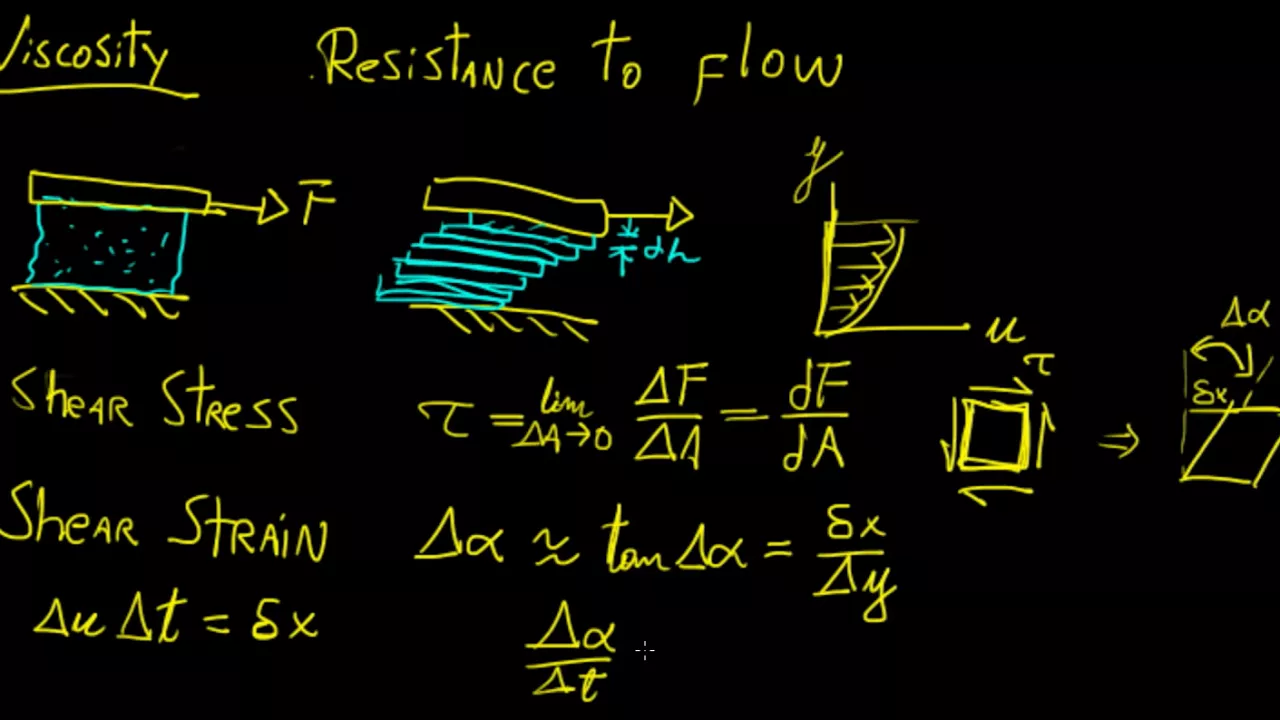
Basic fluid dynamics, specifically how motion, agitation, and shear stress affect molecular interactions in a liquid.
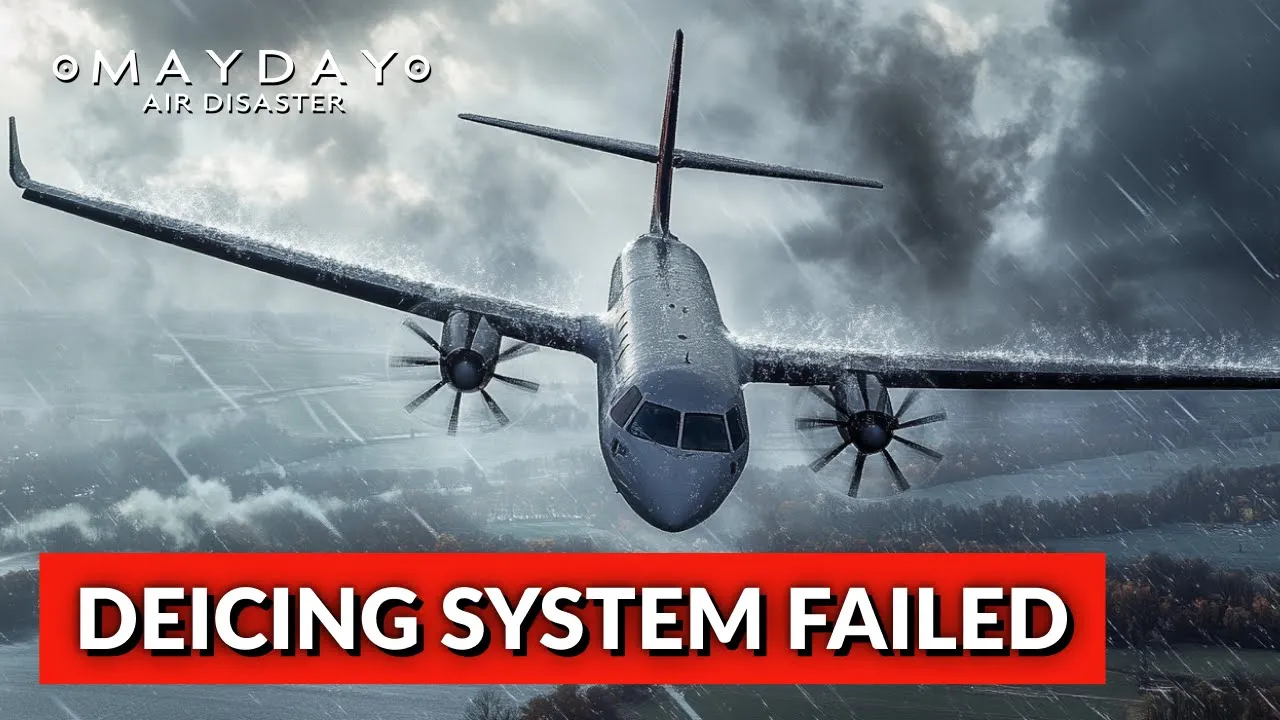
Atmospheric physics applications, such as the formation of freezing rain and the mechanics of aircraft icing from supercooled cloud droplets.
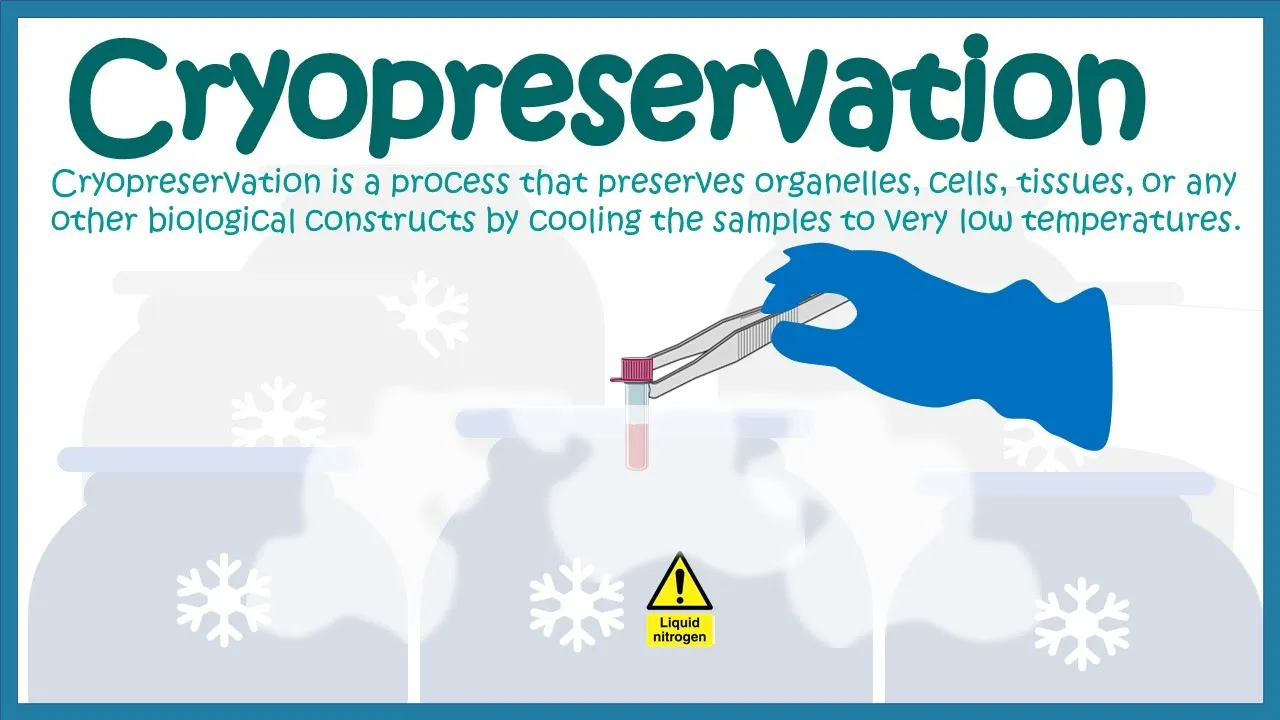
Cryopreservation techniques in biotechnology, focusing on how to prevent cell damage from ice crystallization using cryoprotectants.
The study of ice polymorphs and amorphous solid water formed under extreme temperature and pressure conditions.
Industrial mitigation strategies for ice formation in dynamic environments, such as flowing pipelines, canals, and wind turbines.
4.7M views120.9Klikes10:54Original Release: 2021-02-28
hey everyone today we're going to be seeing if it's possible to freeze flowing water so i'm going to be trying a few different methods i'm going to have a pump that's pumping water and flowing it around and then i'll also have some water and a magnetic stirrer that's stirring it in a vortex and seeing if we can actually freeze the water now this question has come up a lot in the comments section for me a lot of people asking can you actually freeze moving water and what's the lowest temperature that liquid water can be i've also got this question from my kids as well you're outside on a cold winter day and there's ice on the sides of the road there's snow on the road you look out everything's frozen but then if you look at a river it's just flowing like normal maybe you'll see some ice on the side of the river but usually you see the river flowing like normal and i'd like to thank private internet access for sponsoring this video with over 30 million users worldwide private internet access is a leading virtual private network provider they specialize in hiding your ip address and encrypting your internet connection and they're one of my favorites so whether you're at work or on the go using unsecured public wi-fi networks private internet access keeps you safe from all digital dangers a click is all it takes to launch a vpn connection and keep all snoopers and hackers at bay but it's not all just about security private internet access can help you with everything from making secure digital payments to giving you access to all the content on streaming platforms like netflix or bbc uk if you've always wanted to watch those famous european series now's the time private internet access is available for all platforms and you can even get it on your gaming console or smart tv and since one subscription can protect up to 10 devices you'll be able to secure your entire digital life what's more private internet access has the biggest server fleet in the world their thirty thousand servers are always ready to cater to your every need if you wanna join me in using this vpn private internet access has a special deal for you with the link in the description below you can get your subscription at a 77 discount with three extra months added for free that's less than three dollars a month for complete digital privacy plus you also get a 30-day money-back guarantee so everything's risk-free for you once again thank you private internet access for sponsoring this video and now let's get back to our experiment so we usually learn from a very young age that water freezes at zero degrees celsius or 32 degrees fahrenheit however when you say that water freezes at zero degrees celsius that doesn't mean that it has to freeze that just means that it can freeze at that point for example let me show you what i mean if you take some bottles of water and put them in your freezer and then if you measure the temperature after a few hours you'll see that the temperature of the liquid water is actually below freezing now this is called super cooling so you've supercooled the water and the reason that it's super cooled is because the water can freeze but in order to freeze it has to arrange in a crystalline pattern and usually it needs a starting point to do that or a nucleation site so if it doesn't have a nucleation site or a way to start forming those crystalline patterns then it won't do it so if you take this super cooled water and pour it on some ice that gives it a nucleation point or a place to start turning into ice and you can see that you can instantly form ice with the super cooled water oh awesome it's working look at that [Music] there it goes so we know that you can supercool water by not giving it a nucleation point but what if you actually keep the water moving so that it's not stagnant enough to form a crystalline phase is that possible well let's do a few tests to test it out and then we'll talk about how cold you can actually get supercooled water so you can clearly see the waters flowing now it's even introducing a little bit of air bubbles that are coming in through here and so you should be able to see it flowing so let's see if we put liquid nitrogen around the sides here if we can actually get it to freeze while it's flowing can you freeze flowing water okay here we go now the liquid nitrogen is causing a lot of condensation in the air so i'm going to have to keep blowing it out of the way so we can actually see what's going on here i don't think the blade's moving anymore this is what we're left with the pump froze in there but there's still liquid water so the pump froze before the water could freeze okay now we're going to try freezing the water while it's being stirred by a magnetic stirrer so we'll put the liquid nitrogen around it and then put the water in there and see if it actually freezes okay so i have some water in the cup here i'm going to set it on my stirrer i'm going to stir it really fast now i'm going to pour liquid nitrogen in this cup turn up the stirring so look how it froze here it froze it froze in a swirling pattern with the magnets at the bottom so it's in its whirlpool form and it completely froze that's so cool a frozen whirlpool so yes you can freeze moving water okay so it eventually froze in this cool vortex but it was really hard to see so now i'm going to pour liquid nitrogen on the top and see if we can actually see the stir actually stop and form ice so you can see the magnetic stirrer moving in there and i'm going to keep pouring liquid nitrogen on the top so we can actually see the ice move down and eventually see if it stops the stirrer altogether okay it's completely solid now so the eye started from the top and as it got lower and lower and lower it finally reached the spinner in there the magnets and as soon as it hit it and knocked the first piece of ice it couldn't move anymore and couldn't keep spinning what's cool about this is you can see how white this ice is that's because the air that was dissolved in it didn't have time to bubble out of solution usually when you make ice cubes they have little air bubbles trapped in them because as water cools down it can't hold as much air dissolved in it and the air usually bubbles out as little bubbles that come out the top and usually the top has frozen over before the bubble can escape so the air bubble just gets trapped in there as a whole air bubble but in this case it froze so fast that all the tiny little air bubbles didn't have time to coalesce into big ones and so you just have tiny little air bubbles throughout this whole thing that make it look completely white so you can see from these experiments that the moving water couldn't stop the ice from forming there's a few reasons for this one of the reasons is that you'll notice that the cold had to come from somewhere so it had to come from the outer edges of the container but as it so happens in fluid dynamics when you have a liquid moving in a container on the edge of the container where the liquid meets the solid of the container there's something called a no slip condition meaning that you can model it as though the atoms that are touching the surface of the container don't move whatsoever so even though you're swirling the liquid the atoms that are touching the side of the container aren't moving at all so that's why you get this movement profile in a swirl the edge isn't moving the middle is and also if you look at the velocity profile of liquid flowing through a pipe you'll see the same thing on the edges it's the slowest in the middle it's the fastest so this turns out to be a bad thing for flowing water that you're not trying to let freeze the cold is coming from the outside and that's the place where there's the least movement of water but this really doesn't answer our question that we had at the beginning why is liquid water that we typically see flowing in streams on really cold days not frozen usually well that's because the water is moving and so it's being mixed really well and what that means in a well-mixed body of water in order to freeze it the entire body of water has to at least get to zero degrees celsius and so if you have really good mixing it means you need to remove a lot of heat before any of that water can freeze so stirring mixing or flowing can stop ice crystals from forming in the water just because it's mixing with a large body of water and so it has to cool the whole thing down before water can actually form ice but how cold could you actually get this liquid water before it forms ice crystals well as i showed earlier you can supercool water if you don't give it a nucleation point and if you're really careful about not giving the water a nucleation point and spontaneously forming those nucleation points then you can cool water really cold before it freezes the theoretical limit to how cold you can actually get liquid water before it has to form ice is negative 48 degrees celsius and the way they came up with this temperature is researchers from the university of utah actually modeled around 32 000 single molecules of water and saw how they vibrated around and saw what the minimum temperature it needed to achieve a spontaneous nucleation point where it could no longer exist as liquid water but in practice those temperatures haven't been achieved to negative 48 degrees celsius but they have been achieved to around negative 40 and negative 42 degrees celsius now remember that's negative 40 degrees celsius 40 degrees lower than the known freezing point of water and thanks for watching another episode of the action lab i hope you enjoyed it if you did don't forget to hit the subscribe button if you haven't subscribed to my channel yet and you can also hit the bell so that you can be notified when i release my latest video and thanks for watching and i'll see you next time
Up Next

7:35
Classical Mechanics: Constraints and Generalized Coordinates
@PhysicsHelps
95.7K views•2013-05-12

12:53
21cm Hyperfine Transition in Neutral Hydrogen: Radio Astronomy Basics
@AaronRobertParsons
12.4K views•2011-10-13
8:50
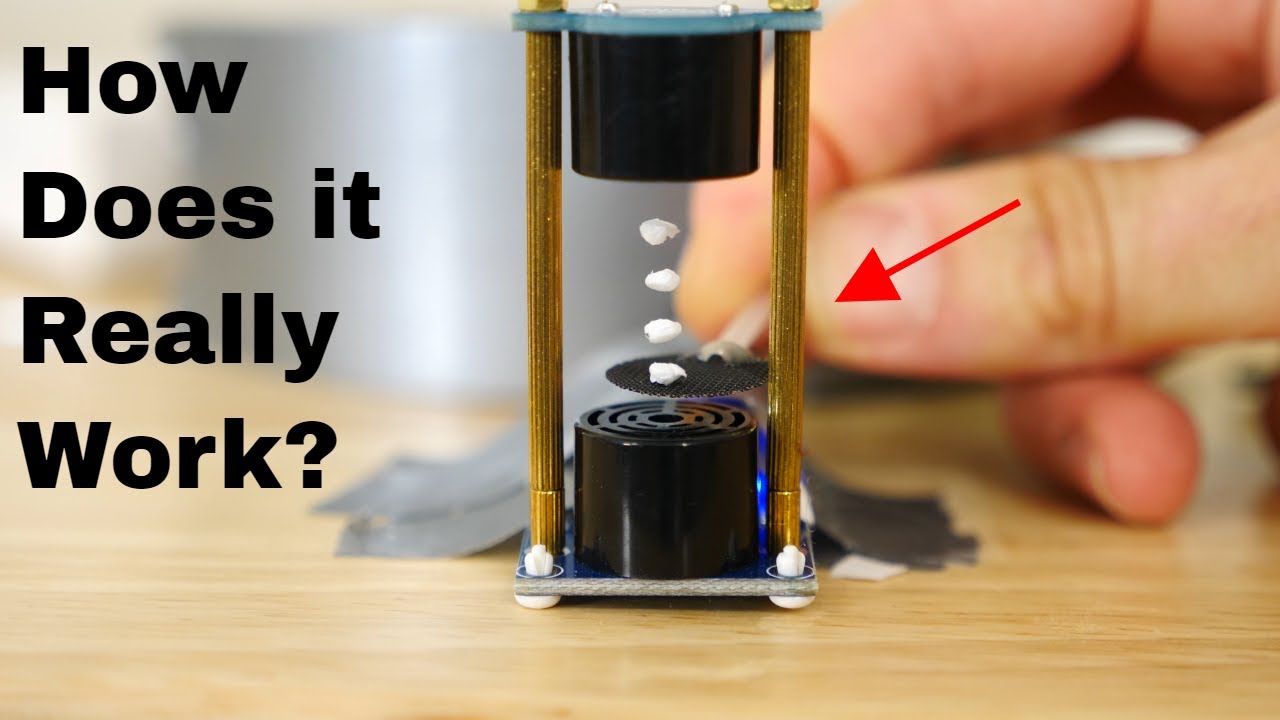
Acoustic Levitation Physics: Standing Waves and Pressure Nodes Explained
@TheActionLab
306.5K views•2022-03-11

27:14
Entropy and the Second Law of Thermodynamics Explained
@veritasium
27.5M views•2023-07-01
Related Study Plans & Knowledge Roadmaps
Structured learning paths in Physics
physics
Nuclear Physics (Decay, Fission & Reactors)
01Atomic Structure and the Binding Force
02Radioactive Decay and Half-Life
03Nuclear Fission Mechanics and Chain Reactions
+ 2 more learning modules
12h5 modules
Explore Roadmap
physics
Soft Matter (Polymers, Colloids & Rheology)
01Foundations of Soft Matter & Thermal Forces
02Polymer Physics and Macromolecules
03Colloids, Surfactants, and Self-Assembly
+ 2 more learning modules
38h5 modules
Explore Roadmap
physics
Analytical Mechanics: Lagrangian & Hamiltonian
01Mathematical Foundations: Calculus of Variations
02From Newtonian Mechanics to Constraint Dynamics
03The Principle of Least Action & Lagrangian Mechanics
+ 3 more learning modules
28h6 modules
Explore Roadmap
physics
General Relativity (Spacetime & Cosmology)
01Foundations of Relativity: Special Relativity
02The Geometry of Spacetime: Equivalence Principle & Curvature
03Einstein's Field Equations: The Mathematics of Gravity
+ 2 more learning modules
55h5 modules
Explore Roadmap