



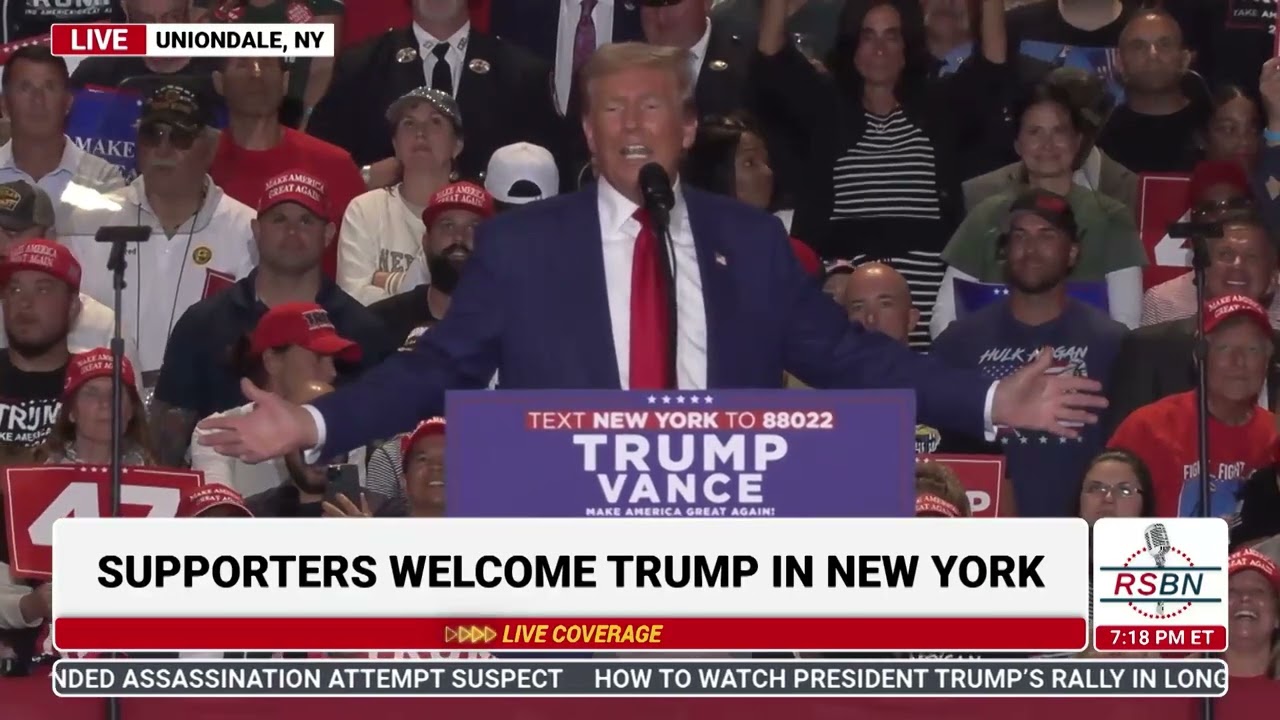
















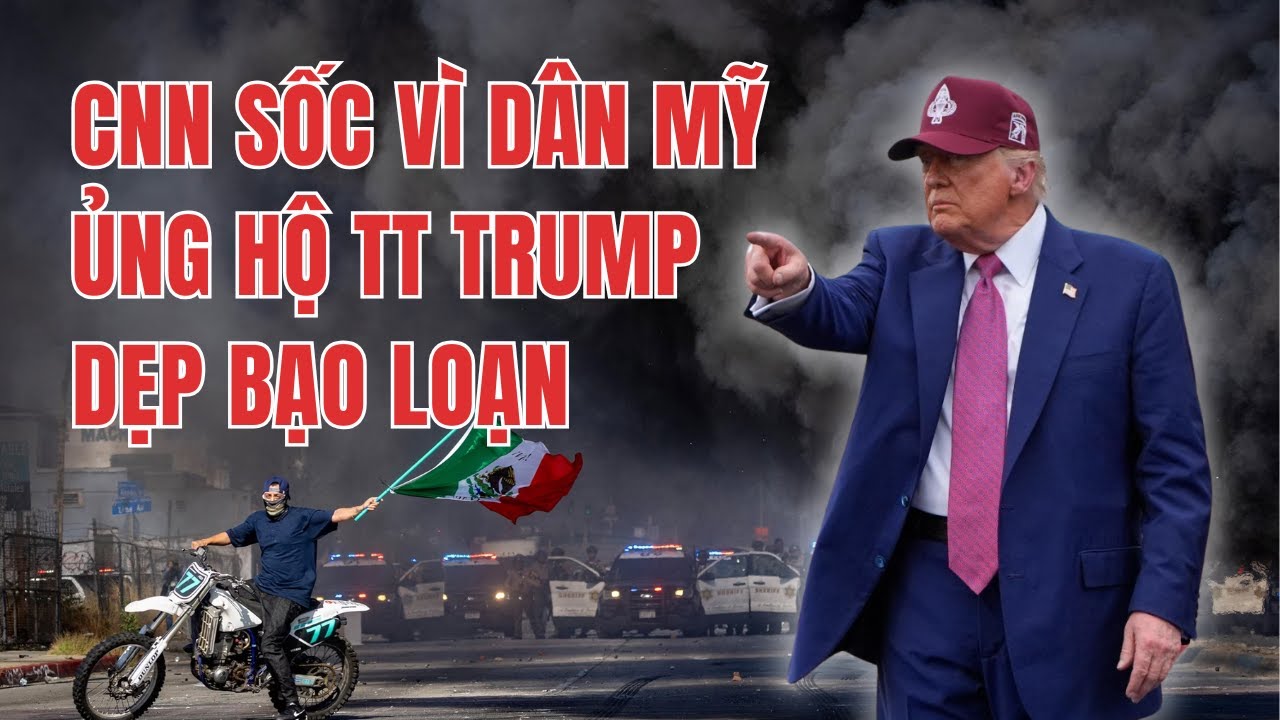

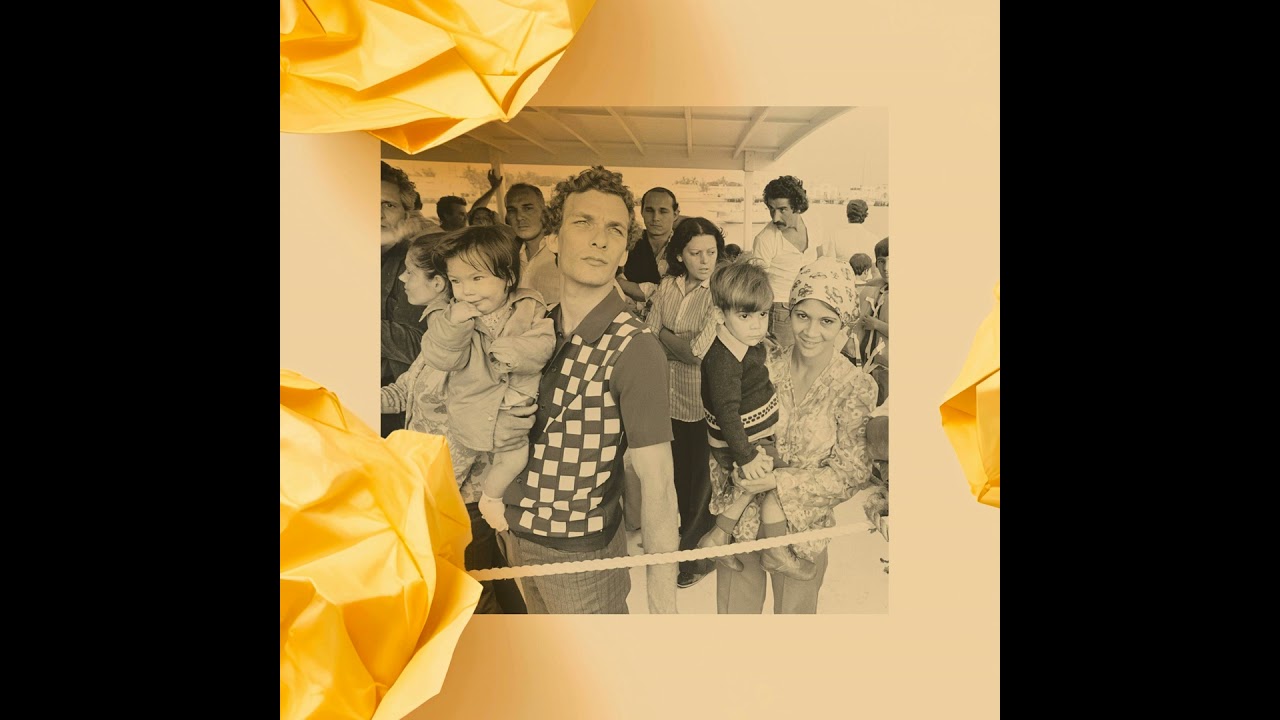



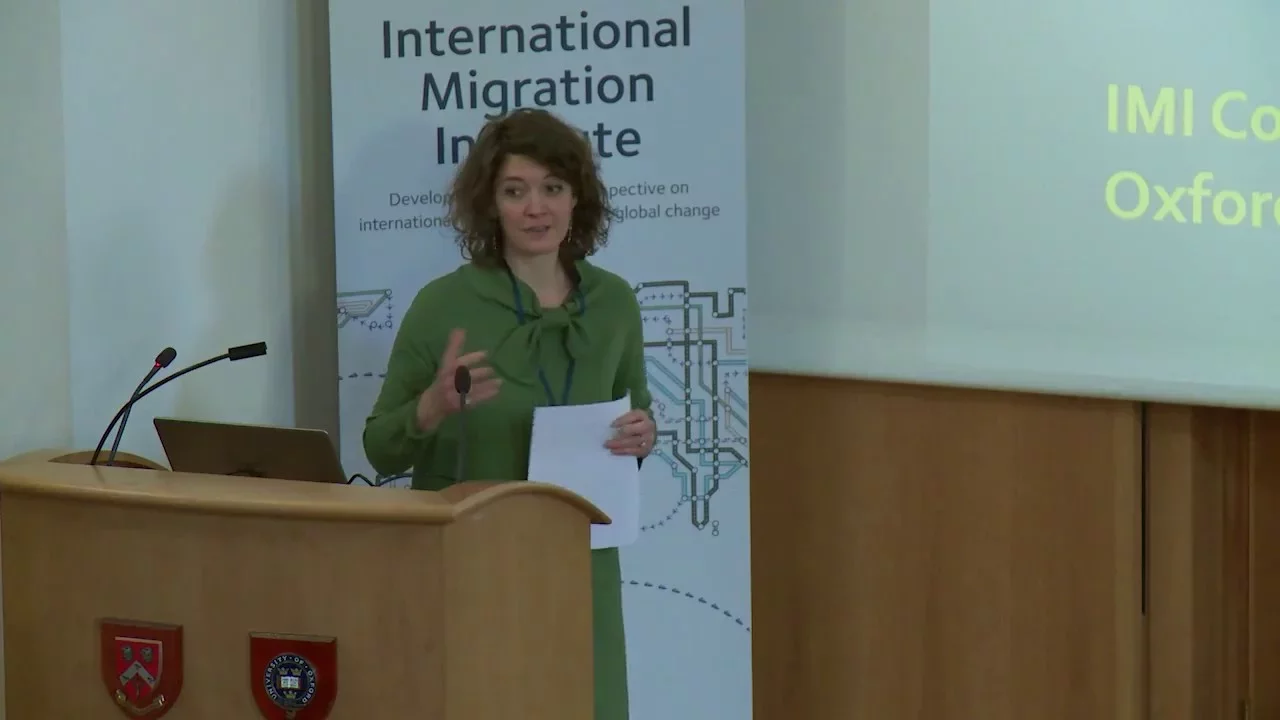


International migration is fundamentally a political phenomenon because it creates inherent tensions between freedom of movement and state sovereignty, generating conflict that sociological theories focusing only on domestic dynamics have historically failed to predict. The 2016 U.S. presidential election demonstrated this when Donald Trump successfully leveraged anti-immigration sentiment to win votes from white working-class voters, revealing how immigration becomes a central political cleavage when electoral systems allow politicians to exploit underlying public opposition that had previously been constrained by anti-populist norms.
Immigration Politics and the 2016 Election: A Sociological Analysis
Added:An understanding of the key events and political platforms of the 2016 U.S. presidential election, specifically Donald Trump's campaign focus on border security and national identity.
Basic sociological concepts related to collective identity, such as nativism, xenophobia, and in-group/out-group dynamics.
An overview of contemporary U.S. immigration history and the historical political divide surrounding unauthorized immigration and border enforcement.
Familiarity with political sociology, particularly how demographic factors like race, education, and geographic location correlate with voter behavior.
Analyzing the actual immigration policy changes implemented during the Trump administration (2017–2021) and their measurable social and economic impacts.
Conducting a comparative study of how anti-immigration rhetoric has driven right-wing populist movements in other Western nations, such as Brexit in the UK or nationalist parties in continental Europe.
Evaluating the shift in immigration discourse and voter attitudes in subsequent U.S. election cycles, such as the 2020 and 2024 presidential campaigns.
Exploring advanced sociological theories of transnationalism, integration, and citizenship, specifically reviewing Roger Waldinger's broader scholarly work on immigrant boundary-making.
586 views7likes1:30:04Original Release: 2017-06-22
is join me and welcoming a warm welcome to Raja way okay thumbs well thank you so much for that kind introduction in way and summarizing my work compass has already given you the kernel of the presentation that you're going to hear but hopefully there won't be too much repetition so this is a paper I really had hadn't planned to write I the seeds obviously were laid on November 8th but on November 8th 9th and they and the weeks that followed I was in the process that are you pointing something at me yeah sure I thought there was a message you were trying to okay I got it so in the weeks of meeting of weeks had followed along with Thomas and another colleague I was in the process of trying to finish a book manuscript and as I was in the very last throes of doing so I was saying to myself once this is done I need a writing vacation and of course I doubted whether I was really able to would be able to implement that plan and sure enough sometime in mid-december I received an invitation from the graduate students at the University of Chicago geology graduate students at the University of Chicago who hold an annual of conferences whether I'd be willing to come and give election I thought well for this audience I really shouldn't give a research talk I really ought to challenge myself and see do I have something to say about the issue of the moment after all I've been working on an immigration for a long time when I got started it was a relatively modest phenomenon it was a peripheral area in scholarship and of course as we know the scholarship is burgeoned and the issue has come to the center of all of our political system so seem to me that if I've learned anything over the past almost 40 years it's time to demonstrate that both to myself and possibly to the public so that's how I came to to write this paper and the title have changed a little bit from when I proposed it when I proposed it it was a immigration election of Donald Trump whether sociology of migration left us unprepared and surprised and then I realized as I went through it that I can simply criticize other people for not having had enough foresight but I'd needed to provide some answers of my own so that's obviously what I'm going to try to do today so we can begin at the beginning let's see okay and so this is the beginning Donald Trump rides down the escalator and Trump power and really amazingly enough the very first words out of his mouth are when Mexico sends its people they're not sending their best and not sending you they're sending people that have lots of problems and they're being bringing those problems with us or bringing drugs they're bringing crime they're rapists etcetera all right and of course I mean aside from the you know incredibly aggressive nature and tone of his words I think what was particularly shocking and startling to political observers is that he was breaking with what the conventional wisdom was about the last election that the last election well I mean most of the the Republicans lost the majority 2012 and 2008 in 2019 96 1992 and so the Republicans after 2012 of what we need to figure out what is it that we're doing wrong and in the autopsy report that the Republican Party commissioned one of the conclusions was we can't engage in rhetoric like this we have to the American electorate is changing in ways that are being propelled by immigration is becoming increasingly diverse and we need to find some way of attracting immigrant votes to our leaders so that I think was the Assumption going in and of course right from the beginning Trump breaks with it and then shortly thereafter he he says how he's going to implement his plan and the notorious claim that he's going to build a wall and of course as the campaign evolved his rallies would take the form of him saying I'm going to build a wall and the audience would respond and Mexico will pay for it these were themes that were at the center of the of the election and so as I thought about this what what of course struck me was my own field that is a sociology of migration I think left us unprepared for this and that then provided the motivation for the talk so what I'm going to do today is tell you in a way criticize my own field very very briefly tell you what what it is that we've been thinking about and then I'll try to tell you what it is that I think we've done wrong and Thomas in a way has already told you what the takeaway point is namely that international migration is an inherently political phenomenon and politics as we all know is about conflict and then I'm going to say something about the recent history of u.s. immigration policy and I'll bait I'm going to argue as you can see here that policy essentially took place in two stages one a period of expansion but expansion that was not wanted by the bulk of the American electorate then a period of restriction which indeed responded to the Preferences of the public that wasn't terribly liberal and since then a reactive cycle which has produced the stalemate and I think the stalemate in turn set the stage for someone like Donald Trump who could say system is broken I and I alone know how to fix it and then at the very end I've kind of tacked on a vote analysis so I mean I should have said at the beginning that this paper is not a research paper it's really authorities have tried to see could I make sense of this phenomenon that we will live through then roughly five or six weeks ago the American national elections survey was released so I've done some quick analysis to try to see what indeed was relationship between attitudes towards immigration and the decision to to elect Donald Trump all right so let's start out with the sociology of migration so if one looks at the sociology of migration what one sees essentially is a division of labor and that is a division of labor which conforms to the difference between place aboard in place of destination so there are series of approaches of perspectives that essentially try to understand why is it that people leave and then a set of approaches that are designed to last well what happens once they get to the place of immigration and so let me start out with why they leave and and here I think there are really two fundamental contributions the first essentially is kind of a social network approach and there the argument is that the what makes immigration possible is the fact that immigrants are able to use the one resource that they almost all have namely one another and so that they use their ties to one another the ties between pioneers and followers to essentially solve the everyday problems associated with migration how does migration get how do you finance migration how do you get oriented to a strange place how does one find how does one find work how is it that one learns the skills that will allow one to move ahead in this strange and very different place so and the argument essentially is that over time immigrant networks become increasingly deeply implanted as the settlers gained in their resources they also gain in their capacity to help out persons their relatives friends townspeople in the country left behind and so consequently the risk associated with migration diminish the costs diminish and therefore immigration develops a kind of self-heating dynamic the more emigration has taken place the more will occur in the future and of course it's that dynamic the ways in which the socially implantation of social resources social networks generates migration relevant social capital that makes it very difficult for receiving countries to then put on the brakes and make migration stuff so then there is a related view and that is kind of known under the label cumulative causation theory and here the argument is that as immigration develops it generates a series of changes that alter the original motivated motivations to lead so as an example of this one of the things that immigrants do paradoxically is they invest in their home communities how do they invest well very often they invest in the form of remittance out remittance houses that some analysts have described as dream houses the dream houses in the sense that essentially the immigrants are transplanting the architectural style so a big house with many rooms of division between private and public that of course they've acquired in the country of destination so in a way it's a it's a it's a paradoxical almost poignant phenomenon because what the immigrants are doing is simultaneously demonstrating their attachment to the place of origin but doing so in a way that reflects how much migration has changed so why is that what's the relevance of that for migration well these houses of course are sending a signal that nobody can miss look I came from the same humbling humble surroundings I went to the strange country and look at what that experience has allowed me to do now so there's a silly a signal you know go north young man and but in addition often immigrants will use their investments in order to buy additional land but since they're not there that additional land means that there's actually fewer demand there's less demand for agricultural workers of that again increases the impulse to leave in the country of reception the immigrants tend to concentrate in particular neighborhoods and so in a way that reproduces change it it transforms a strange environment for into a familiar one so it reduces the social and psychological costs associated with migration so again we get essentially the same message that is to say immigration puts the migration generates a series of changes it builds a social structure of migration that reduces the course of migration reduces the risks and makes it increasingly difficult for states to control the movement so that's a story in the sending side and the story in the receiving side most importantly is concerns with or we is under the label of assimilation or integration it was a great deal of debate and literature does integration mean assimilation and one could get into the details of that but for the most but as far as I'm concerned these are essentially these are essentially minimally cognate concepts for the most part they essentially overlap so to just an illustration of what it means the National Academy of Sciences recently released a report on the integration of immigrants and they described it as a process by which immigrant groups and host societies come to resemble one another may just read that sentence and you realize there's something wrong there but I quoted them I quoted them correctly and assimilation has been defined and relatively similar ways that kind of the now canonical book written by Richard Alban victim equal remaking the American mainstream and they defy assimilation as the process whereby an ethnic difference ethnic distinction loses loses its importance and in their view assimilation is essentially a rational choice phenomenon that is it's driven by immigrant search to improve their lives in order to improve their lives immigrants have to adapt to the circumstances that they encounter that adaptation in turn produces greater convergence with the behavioral patterns expectations preferences of the people around them and the result therefore well and the result is that immigrants gain they're rewarded for their adaptation those rewards and produce further behavioral and cultural changes of you have a virtuous circle in which people may not be searching for a simulation but nonetheless assimilation is the inevitable result then so so these are because what's striking about these three perspectives if we haven't heard anything about the International nature of migration we haven't heard anything to suggest that there was a political dimension to this the fourth influential perspective the one I think that in retrospect will be seen more as a fad than the valuable contribution is the concept of post nationalism and so here the idea is that in contrast to the mass migrations of the early 20th century when immigrants were expected to to acquire citizenship and needed to do so in order to exercise full rights in a world in which the immigration receiving countries were signatories to various human rights conventions it was sufficient for the immigrants to remain as denizens that they didn't need citizenship they need formal citizenship they didn't need the passport in order to enjoy most of the rights and entitlements of of the citizens in the countries within which they live okay so then there's a fifth perspective and a fifth perspective transnationalism and so transnationalism is the one perspective that is in effect looking in both we're looking across borders and so I mean the importance I think of this message is to remind researchers that immigrants are also immigrants that in the way we can think about immigration as a process of the internationalization of family networks in part because of the selectivity of migration so that means that immigration inherently generates ties that cut across borders and ties that persist for variety of reason of the core of transnational art kinds nationalist perspective was that the maintenance of these ties was compatible with the expectations both of sent societies of origin societies of destination so the scholars who launched this point of view contended that immigrants could enjoy full incorporation both in societies of reception and societies of origin okay so this is a very brief thumbnail sketch of what I think of the major perspectives in in associate of migration so let's see okay so what's the problem well I mean the one the the first problem is of course that it's all about them it's not about us I mean the assumption we we all know minimally from our own experience that in fact the presence of strangers is meaningful people respond to the arrival of people from foreign places and of course the immigrants are moving across national boundaries and so inevitably there is a role in this process for the action of states so politics is essentially is is a with the exception of the kind of post national perspective politics is largely outside the principal perspectives that one finds in the sociology of migration there is an internal contradiction and that is that network theory is telling us that migration is propelled by the build-up of social capital but assimilation or integration theory implicitly is telling us that that process is built up through the undermining of those that social capital so if indeed social capital is so important to the immigrants of such a vital component the migration process why is it that the process of integration the president's emulation leads to it's it's weakening but I think the crucial point the crucial source of weakness is simply that the political element is left out of the rule this is a world of states and border controls inherent aspect of state sovereignty even if States didn't want to control movement over there didn't want to control movement over there borders that really be forced to because this is the world in which every state is engaged in control so any decision by a state to loosen control in a world in which all of its neighbors are controlling would mean that it would be likely to receive a greater significantly greater flow given the motivations to migrate so if it's a it is a if control is political then of course it raises a series of political questions once one has decided month one has once the the world moved away from the migration systems of the early 20th century in which at least in the transatlantic sphere essentially movement was uncontrolled then every country had to face a series of interrelated political questions the first question is how many the second question is if one decides to restrict well what are the categories according to which immigrants will be admitted and last what types of rights are going to be accorded to different categories of migrants and these of course are political questions and like all political questions these are issues that generate conflict so in a way it should be no surprise that a fundamentally political phenomenon generates political conflict now one of the one of the reasons why it generates conflict is because if one looks at the phenomena not from the standpoint of the receiving societies but if you in a way adopt the kind of transnational perspective what and you're kind of standing a floor at the border looking both ways what's clear is that on the one hand international migration is driven by the search for the good life what we know from you know vast array of studies is migration is good for the migrants so they're very rational deciding to leave poor countries and go to rich countries and as a social network theory tells us once put in motion a migration has this self-feeding dynamic but in a way what that means is that migration is a process that integrates this integrates receiving States into the world so we can think though most of the sociology most of the literature on the integration assumes that the scale of integration should be the country of origin if we take a global perspective it's clear that migration is a integrating force um so it follows them that if migration is an integrating force migration control is a process of international international dis integration that states have to find some way of resisting or controlling the dynamics put in place by the arrival of different migration streams and last that this conflict between the integration of the global integration produced by migration of course borders and the dis integration or the efforts at this integration produced by policies aimed at migration control generates what I'm describing here as internal national dish integration migration completely has a variety of different effects all of the labor market research on on migration shows that to the most part the labor market impact of migration is a wash the net there's very little net gain of net loss but what that means of course is that there are winners or losers migration has helped some people it has negative effects on others migration is unlike trade I mean we're all sitting with smartphones in our in our pockets and sometimes those smartphones get us to do things we may not want to do but we do have the capacity to turn them on or off but migrants aren't smartphones migrants are people with the capacity to change society so it's understandable that the aunt even if you know the literature tells us that everything will work at Rosalie it's understandable that the residents of the receipt of the receiving countries will react with some degree of apprehension to the arrival of people who indeed have the capacity to affect very significant change so we know that those uncertainties about migration the fact that migration yields negative effects of variety of sorts generates opposition to migration but we also know that migration is wanted migration is wanted in part because there are people who benefit from migration most importantly the migrants themselves who want the further reunification with their families it benefits the employers of migration and of course migration is a phenomenon that's consistent with the values and preferences of those people who prefer a more open more cosmopolitan world and so consequently migration generates the fact that it's both wanted and rejected means that it is a focus of of conflict and what the sociology of migration of emigration tells us what these theories and perspectives on social networks and cumulative causation imply is that it's inherently a process that is inherently difficult to States to control this tension between states inevitable efforts to try to disintegrate themselves from these pressures that lead to greater integration that produces puts immigration at the center of the political debate in the United States as well as so many other wealthy democracies so here I'm trying to explain why is it that image we see immigration is return a locus of conflict and now what I want to explain is why did it emerge as the center of the American election of 2016 so one way of thinking about this is I think a clue to the to understanding the volatility of migration as a political issue has to do with the paradox between the growth of migration of the one hand which is very clearly shown in this graph you can see the growth both in the number of international migrants living in the west as well as the increase in their proportion of the total population and the views of the public which by and large is opposed so now of course opposition isn't the same everywhere I'm sorry I couldn't find internationally consistent statistics for Canada this comes from the International Social Survey program which Australia has participated in annotates but not Canada but so obviously opposition the degree of opposition to immigration is by no means uniform not really surprising to see the very high levels of opposition in the United Kingdom and France it's instructive that opposition to immigration is not as great in the United States but nonetheless what we're saying here I mean one thinks about the contrast to this picture and that one what we're saying is there is actually no constituency for the transformation that Western industrial sludge societies have undergone so I think it's that what we in order to understand the volatility of migration as a political issue into that contrast between the rise of migration on the one hand and the underlying opposition on the other and I think we do have to remember of course that there is a a core consensus on the notion that borders need to be controlled and so inevitably then there were kind of the technical details of how to control them but the public as a whole shares the core Accord objective so now in thinking about this I want to draw on a very influential article written by the political scientist Gary Freeman which appeared in the international migration review a little over 20 years ago and so he was working with the political economy framework developed by James Wilson and he argued that we can understand the development of of migration policy by looking at the relationship not surprisingly between the coup it is it bears the cost and who but who gains the benefits of migration I call his core argument was that migration migration politics typically emerges as a form like the growth of migration emerges as a form of client politics in which mobilized groups that benefit from migration one way of the nut or another the benefit might be economic it might be political it might be cultural mobilize groups are able to exercise influence on the policy process whereas the general public is absent from this issue for a variety of different reasons so on the one hand he makes the argument that groups that benefit from immigration are highly mobilized and are able to exercise influence over the political process and and so those groups are what strike and I'll come back to this this theme in a moment these groups are usually political opposites but when it comes to immigration what we see is there is coming together of left and right and these are the beneficiaries the groups that are essentially paying for the cause of immigration are not particularly tented well why are they not particular intentive they're their kind of treatment suggested two reasons on the one hand most people are not terribly attentive to political matters in general immigration is a development to which there is an underlying latent opposition but usually it's not very salient in terms of the electorate political preoccupations and most importantly Freeman argued that opposition to immigration was affected or was inhibited but liked what he called the constrained discourse of what he described at the time this is the mid-1990s as an anti populist norm and the key point I think that he was advancing and here I do believe he's correct is that a central difficulty for opposition to immigration is that inevitably slides into opposition to immigrants right and so when one and we see this in Trump's rhetoric that that the opposition to immigration almost inevitably slides into derogatory negative views about the characteristics of particular immigrant groups who are already part of the population so Freeman's core hypothesis is that expansion takes place under the circumstances in which mobile highly mobilized interest groups that benefit from migration for a variety of different are able to exercise influence on the policy-making process and the broader public is quiet not because it likes it but because politic the politicians who might benefit from mobilizing this constituency themselves feel constrained now so I think argument are making is that Freeman indeed accurately captures a particular moment in the development of US migration policy and these are this is the moment that takes place in the 1980s beginning of the 1990s and so I'll get to that in a moment but I want to just come back to to the point I made earlier namely that one of the one of the salient characteristics certainly of the politics of u.s. immigration policy is that immigration that historically has turned out to be an issue that produces a fundamental cleavage within the right and within the left and tends to create two opposing groups one of which we can characterize as immigration s and the other as restriction it's in both cases these are coalition's that bring together right and left and for my purposes today what I'm most interested in is the cold the immigration coalition that you find on the left and so what we see here are two very different types of mobilized interest groups on the one hand business which of course has a consistent interest in increasing its access to the global labor supply but it's not particularly concerns about the conditions or the rights that those workers from elsewhere might enjoy in some cases for example when it comes to high-skilled workers being more willing to allow for higher levels of Rights but when it comes for agricultural workers preferring a system in which migrants have very few rights and very limited capacity to move from job to and one job to another so there you have a preference for more admissions however an aversion to greater rights the left wing of the immigration coalition agrees there should be more immigrants but given its constituent elements that is to say human rights groups Cosmopolitan's principled liberals and of course ethnic advocacy groups the preference is for greater rights but also for different types of immigrants or as a business oriented wing of the kind of immigrations coalition is concerned about increasing movement for people to scare skills the left wing is concerned about family reunification and secondarily rights or admissions for refugees so there is a point of convergence but these are fragile these are fragile policy coalition's all right these coalition's come together successfully in two moments in at the close of the 1980s and and so there to you are there two very significant pieces of legislation that are passed person 1986 and then in 1990 and these these are two different but closely related pieces of legislation because they reflect the two different aspects of u.s. immigration policy that that we can distinguish between policies that we could describe as being oriented towards the front door that is to say the admission of legal immigrants whether as temporary or permanent workers with a family reunification with relatives where the refugees rather and the politics of the back door that is policies that are oriented towards the admission the entry of of labor migrants who are moving into u.s. territory without being controlled and and I think if we think about US migration back to a migration policy for much of the post-war period what we see is that the official policy is unauthorized immigrants are unwelcome and unwanted but the tacit policy is that of course they're accepted indeed this was enshrined in law so so called Texas proviso which was enacted in 1951 which simultaneously prohibited unauthorized immigrants from accepting employment but allowed employers to hire those very same immigrants so the initial the initial action was then to allow for the legalization of what was then a undocumented population of roughly four million people and this the act immigration reform and Control Act is it did it be a two different analyses of where that was acceptable then not acceptable now one of which was oriented towards longer term residents and the other one of which was oriented towards very recent arrivals mainly working in agriculture so one can see the direct influence of this strange coalition between ethnic advocates humanitarians on the one hand so that's the general amnesty and then business groups on the other and so here I've just tried to identify what were the salient components of this piece of legislation which seemingly contained expansionary and restriction airy measures so the expansionary measures were the two different forms of amnesty the restriction error restriction assistant Lee wah-wah entailed the prohibition first time the prohibition on the employment of unauthorized immigrants and then some other provision and then another crucial kind of expansionary provision which which precluded the use of a universal identification code so in effect what this immigration reform and Control Act did was to allow for the large-scale legalization of undocumented immigrants but never put in place a control structure that would prevent the future entry of undocumented immigrants and indeed then what we saw was that the legalization of about 2.6 million people the legal arrival of their family members some of whom were also admitted under the amnesty as they were also living in the United States a very short decline in the undocumented population and there and then a very rapid rise - roughly 12 million in the around before the advent of the recession reflecting the weakness of these restrictions measures okay so that's the back door and the front door is addressed by the 1990 Immigration Act and so they're 19 in the nineteen what's striking in a way if one looks retrospectively at the 1986 immigration Performa Control Act is that the only employees engaged were those I mean there's a those from agriculture so in a way you know this in a way it didn't accurately signal the growing immigrant presence and dispersion throughout the US economy from 1990 immigration act is propelled not mainly by agricultural interest but rather often by high-technology employers that are interested in gaining access to the high skill global labor force and their initial plan was to do so by essentially reallocating categories within the overall numerical limit put restrictions on family reunification and while diminishing the numbers of persons who could enter under the family reunification provision to replace them with the permanent entry of high-skilled workers on so uh the obvious issue there is that it poses the conflict between the two wings of the immigration is coalition and threatened to to break it and the result not surprisingly is that the Immigration Act of 1990 increased the total size of the immigration allowed immigration increasing both opportunities for occupational migration and for family reunification and so we have in the short period of time two measures that want to tax the backdoor one affects the fronto both of which are highly expansion airy and 1990 this is taking place on the eve of a major recession that is induced by downsizing from the Cold War and what's important to to remember about this period is that again these are issues that are that these are policies that lead to significant expansion but in the face of popular opposition we can against you there's no there is no support for whether it is increasing I mean increasing immigration by legalizing unauthorized immigrants and their families or by increasing opportunities for occupational my gracious so the these two ish these two expansionary efforts I think tell us that this first stage in immigration policy making is one characterized by greater liberalism but a greater liberalism that ignores the Preferences of the electoral majority all right so things then turn around and they turn around essentially as entrepreneurial politicians discover that discourse isn't quite as constrained as Garry Freeman thought and interestingly enough this discovery was pioneered by Pete Wilson who was then running for re-election as governor of California and the interesting thing about Pete Wilson is that in his prior job he when he was Senator for the United States he for California he played the crucial role in pushing for the agricultural amnesty which again was an amnesty that favored recent arrivals and was indeed characterized by a high-level effort so Wilson runs on a platform of basically an anti-immigrant platform that identifies migration as a as a system that's out of control creates in effect a moral panic and and of course is understandably able to turn the tables because immigrants are a constituency with very little political political voice by definition they're out of the political be they have non citizens they lack the capacity for political voice even when citizens are from clarity with the with the electoral system means that our participation is diminished so we have a shift then from expansionary policies to those that involve a high level of social coercion so the sequence I left out Wilson's reelection effort which is 1992 but then there is a passage of Proposition 187 in in California 1994 so this is a referendum it's it's outside that outside the normal electoral process that bought what it bought undocumented immigrants from a variety of different services in the end it was real unconstitutional so it had no practical impact but it had a very powerful symbolic and signaling effect and and what it did was to tell Washington that indeed the tide of opinion had turned and that there were political gains to be made by by putting in place restrictive measures now it's important to remember that 1994 see the Republican takeover of the house and that in the mid 1990s also has Bill Clinton in the White House but Clinton is highly dependent I'm thinking about his the election highly dependent on votes from California which both just had just elect an anti-immigrant politician so mid-1990s as the passage of two very restriction aslam the illegal immigration reform and Responsibility Act a nother active related to welfare reform but both of those very significantly increased increased resources available to border residents for the very first time they made legal permanent immigrants vulnerable to to enforcement so we have a shift then from an expansion IRA liberalism to more democratic but illiberal measures and that then puts in place a reactive cycle in which the restriction ists either proposed or put in place measures that are not designed to control immigration and this then produces a variety of responses that seek to either offset the impact of these restrictions policies or to prevent them so one of the in a way natural reactions to the restriction on the rights of immigrants is to become a citizen and you can see here that there is a rapid rise of the amnesty sorry the amnesty occurs in past 1986 it's implemented between 1988 and 1991 there's a five year period of residence required before eligibility for naturalization we see a big increase in naturalization and then we see subsequent increases in naturalization some of which are are affected by changes in the cost associated with naturalization but clearly there's a response on the part of immigrants that they are indeed receiving the signals this is a much more restrictive political environment or rights are being threatened and the way to kind of reinforce our personal liberties is to ensure that we acquire citizenship so um in the mid-2000s the Republicans are still in control of the houses under Bush and they pass a very very restriction isnora Hibbing a to undocumented immigrants it would have imposed steep penalties both on the employers of immigrants but also on persons who who provided other forms of aids that you're simply providing lodging to undocumented immigrants so this is seen as a very perceived as a very threatening measure and and the response is what you see in the picture namely hundreds of thousands of people demonstrating in Los Angeles and these were demonstrations that were then followed that that were then duplicated throughout the United States and one of the striking things that I believe about these demonstrations is the fact that they occurred not simply in this typical suspect places of New York San Francisco Los Angeles or Chicago but in fact occurred in smaller places all over the country and so on the one hand then these are they were they were successful and that this particular measure was beaten back but they were unsuccessful in the sense that the effect was to signal to the broader American public that immigrants are everywhere and as the immigrants themselves chanted what I thought was particularly striking we're here we're not going back and so if you think about the the kind of tip of these are especially think about Mexican migration which has always had a very high circular component that chance told us that the migration had taken a very different direction that this had become a migration of settlement and as the immigrants came to the realization that we're settling down of course they had a search for greater rights and so we can see the impact of this review active cycles so if you look clearly these are questions what do you think is the most important problem facing this country today so if we look at the responses from 1994 to 2006 you see in a way confirmation of Freeman's point that is the broader public is not paying much attention well that changes after 2006 and we see immediately follower less coinciding with these demonstrations that nineteen percent of the public says that immigration is the most important issue and though there you know it declines nonetheless there very significant fluctuation so what this reactive cycle has done has been to mobilize both sides and to signal I mean we often talk about the Latino population as the sleeping giant of American politics but the way you could turn it around and you could say that wipe restriction is so the sleeping had been the sleeping giant of American politics and it was precisely the mobilization of immigrants that woke up that giant and in effect told them that something dramatic was going to happen if indeed you did neck so the as stalemate takes place at the national level the politics of immigration filtered down to local and state levels and so states and localities try to find a variety of ways of responding to immigration whether expansively as case of California where for example undocumented college-age students were allowed to attend the California universities paying the same tuition as in-state residents but will Tran totally in place like Arizona with where the immigrating population had risen very very rapidly which then imposes a harshly restriction Asst legislation that would have made the failure to carry immigration papers a misdemeanor would have allowed police to detain possible unauthorized migrants and verify their status although of course the question is well how do you know that somebody is a possibly an unauthorized migrant and the critics of the law argued that of course this was would be a process of stopping people for driving because they're Mexican so and here's just some examples of the response to this so and the cartoon on the left of white person saying that black person go back to Africa to someone visually who seems maybe Mexicans go back to Mexico what to say to the Native American the right I'm Mexican pull me over on the bottom left in Spanish there are no service no services for Gringo's from Arizona and then on the right a bunch of police officers trying to measure the skin color of the of the driver so then we get we get to the Obama years in 2008 and Obama is elected with the hope and the assumption that finally is going to bring an end to the stalemate but the Obama years in addition to all of the other conflicts that he encountered were years in which in dispersal between the restriction and the expansionist the restriction has had the advantage in large measure because their policy preferences were simple namely just enforce the law and I mean we can see this for example and some of the changes that Trump has just put in place he's basically just changed he's changed the orders giving to immigration agents of immigration custom enforcement now we said you can support any undocumented immigrant you find so no he doesn't need legislation doesn't need to issue a federal regulation the word we go out from Washington you simply enforce the laws that already on the books so in distend whereas the expansion airy legislation agenda was much more complicated involving what would what has been called comprehensive immigration reform which would have meant both changing back door and front door policies and so the complexities of that made it very difficult to assemble a productive productive coalition so stalemate instead of already described had a boomerang effect on the one hand that led to greater mobilization of immigrant advocates but as immigrant advocates mobilized this of course increased the visibility of immigration and the real underlying social reality was one in which immigration continued to grow so the immigrant population doubled between 1990 and 2016 so I think as of the latest figures there are 43 million foreign-born persons living in the United States bringing it to about 13% of the total population you can double that for the children of immigrants and and what has happened in the process is also the immigrant population is DeBerg dispersed so whereas in let's say even in the mid 1980s immigrants were found in a small number of states at the moment they found everywhere and I think the best illustration of that is the fact that the Mexican Consulate has opened up a consular office in Alaska right which is a but just about as far from the Mexican border as one would think indeed the Mexican immigrants I mean they're plenty of Mexican immigrants working in agriculture in in New England so the politics of immigration has increased the salience of the issue but but the underlying social transformation has brought this phenomenon much closer to the rest of the population so despite all of the restrictions measures that were put in place from the 1990s on despite the fact that Obama both first Bush and then Obama increase the level of deportation to roughly 400,000 people a year Obama was lambasted for being in chief nonetheless the undocumented population never declines so we know from 2009 there's no further growth but if one is sending away 400,000 people every year and the population is declining that means that people are finding other ways to enter and remain under operation American citizenship has historically been very easy to acquire an large measure this reflects the early conditions under which what became the United States was settled after all this was a huge geographic space it was controlled by the its indigenous inhabitants there were empires that were contending for the same space so when the United States and merchants new Republican needs to do something to encourage immigrants to arrive and get both build a new nation control the space and it so it's that imperative that make that builds in immigration policy that on the one hand makes it relatively easy for immigrants to obtain citizenship also provides for birthright citizenship for the children of immigrants and this then meant that immigrants quickly entered immigrants and descendants enter the the polity and that then forced contending parties initially Whigs Democrats leaders on Whigs and Republicans to fight with one another for the immigrant vote and so I think it's that electoral competition fed by the feedback from immigration to immigration policy that explains why it is that severe opposition to immigration arises in the middle of the 19th century but it takes until the middle of the 1920s or immigration on to Europe to be to be controlled so one one thing well something similar would happen in this current period giving the large increase in immigration and indeed of course that's really the assumption behind the Republican autopsy report what is the historical pattern is going to occur immigrants are going and the descendants are going to enter the polity and if we ignore them they're all going to move into the opposing camp and what force tolls I think the implementation of Republican autopsy plan is the fact that up until 2016 and now continuing since then Republican political entrepreneurs have successfully used immigration as a lever to turn white Democrats into Republicans and as they did this of course there was a reaction from the other side that is immigrants particularly of Teno immigrants increasingly likely to be Democrats and as the growth of Latino population produced a growing number of a Latino elected politicians those elected officials were also likely to become Democrats and just as the Republicans used immigration as a way to turn white Democrats and the Republicans what Democrats came to use immigration as mobilizing tactics if one looked or in preparation for this talk and took a look at the political platform from 2008 and 2016 and what's striking about the 2008 plant Republican platform is how friendly the Republicans were to immigration I mean they're even talking this play in this we need to show our appreciation for immigrants and immigrants even those who are non-citizens make an important contribution to America so I mean so in the space of eight years the Republicans turn their policy policies totally around so Trump's I mean so what I've tried to explain is why is it that immigration emerges almost everywhere is a crucial source of political conflict why is it that it provided a an opportunity at this point in time for political figure to use immigration as the catapult to - first the nomination and then the election but there was a crucial gamble that that Trump was willing to take and namely could he eat out a victory by relying solely on white voters and I think that the bulk of the social sciences the extent the the conventional wisdom would have - no but indeed we what we discovered is that this this strategy worked or buy it as facilitated by by the peculiarities of the American electoral system okay so what I've tried to do so far is to explain why it is that as I said immigration emerged as a political sort central political cleavage why it took its prominence at this particular time and what was the nature of the of the choice that prompt and of course Democratic candidate okay so after writing this paper then the American national election survey was released and I thought okay well I should try to see is there it can I see whether reality indeed corresponds to my my description of the scenario so for those of you don't know the American national elections study is essentially the workhorse of keyword course for the study of American elections that's been going on for several decades and involves this the most recent round of face to face survey and an Internet survey there's a pre-election component and then a post-election interviews a very large sample both in the pre of a person's interviewed pre and post and I focused only on white respondents and I looked at their views on four different questions do you favor oppose or neither favor nor oppose build a wall in the us-mexico border and birthright citizenship for children of unauthorized immigrants allow Syrian refugees to come to the United States and then last a question about unauthorized immigrants make all unauthorized immigrants felons have a guest worker program in order to work allow to remain eventually qualified for US citizenship if they meet conditions in a man allowed to remain and qualify for US citizenship without penalties okay so what we can see is indeed views on these issues clearly diverge between Trump and Clinton voters the single largest cleavage actually turns out to be the on the ride that policy path view so it's a path to citizenship of course building the wall also is a very large sorts of cleavage views or Syrian refugees is also a very significant gap but less I suppose I would have imagined okay so then I ran a series of logistical regressions predicting using the pre-election responses to predict it from both so the first model is no control the second a series of demographic controls the third their religion and there's a question about how many guns do you possess and there's a significant number of say more than seven then how much attention you pay for media then who they voted for in 2012 was it voted for Obama or they didn't vote and with voters for Romney the omitted category and then partisan loyalty and then last a question about attitudes towards attitudes towards blacks so what what what the respondents view was towards government policies designed to reduce poverty month less okay so what we can see is that views towards building the wall and opposite favoring building the wall opposition to the admission Syrian refugees all very powerful factors affecting the vote for Trump views about path to citizenship people have favored that were less likely to to vote for Trump one side so of course partisan loyalty is a very powerful factor so once I introduced partisan loyalty in 2002 a vote we see that these coefficients diminished quite a bit in size but nonetheless retain significance interesting and love enough when I introduced the attitudes those blacks there was almost no effect all right so what is this all I mean what what's the what's the impact of these additives on the vote so we can see that the attitude with the greatest preference for the greatest impact has to do with building the wall so roughly six percentage point difference huge stood Syrian refugees a four point of four percentage point difference and then view towards birthright citizenship the two percentage point difference so we do I think what's significant about these I mean substantively significant about these results is that we see that even if we control for partisan loyalty prior political behavior views as blacks nonetheless views on these immigration measures turns out to be turn out to be important so to conclude I refer back to the National Academy report in which they contend immigrants experience change once they arrive and native-born Americans change in response to immigration that's certainly true but I think what the National Academy was did not see and I think in a way was unwilling to see is that immigrants and the native-born population changed in very different ways the immigration produced international integration but that international integration was precisely what significant elements of the native-born population didn't want and so consequently that conflict between international integration on the one hand and a preference for migration control policies that would in effect weak and disintegrate this us from the broader global economy made immigration in effect a source of national distant aggression and put it at the center of American politics in 2016 so thank you very much [Applause] and time for questions yes so going back to your like how it started Yeah right down you're starting to say DOM it shouldn't be quite soon be surprised I was great um what I mean Oh Emma to be presented here I still doesn't answer the question I mean remember you talked about the consent amount Republican right bit we should change the record by makes appear differently right and here comes some on the talk very calmly about so they can question and manages to it's okay I'm still not sure how how that'll work to get right with I'm Sherman still not sure how they actually explain the final result okay but remember in a way I mean I should have said the beginning you know my goals actually would not explain the election and you know we I mean was it call me was it the Russian but the fact that you know Clinton gave those twenty fifty thousand dollar speeches to Goldman Sachs I mean a whole set of imponderables and and you know clearly eighty five thousand votes cast the Democrats would have changed the unified result so I think it but I think that I still could have written this paper had Trump Louis because what he did was to make in the pudding relation for some terrific political today and and and and in doing so obviously he took a gamble that's right I mean think that is the wise you know the right the establishment said you're crazy this is a way I mean you know looking backwards I think one could say Pete was in a 1992 successfully got himself re-elected as governor of California in the process you killed a Republican from the Republican party remember which had tons of Richard Nixon Ronald Reagan I mean Orange County was a bastion of hardcore the John Birch Society Orange County memos Democratic so I mean I think the conventional wisdom was you're pulling in other people's and then you'll kill us so I mean okay we're not talking about a very rational person so that's my data don't count to this guy he took example uh and because of the peculiarities of the American election system that gamble led to victory but had it not even had it not led to victory millions and millions of people would've voted for him and I think that's really what I'm trying to explain yes what do you think that says about the difference between the collodion staff and the Republican voters Vegas the people that are inclined to vote for Republicans like it well they're an assessment but does it I mean there was a paper there was a paper that was written by Sean Trenton a militia real Tula politics from made the argument I don't 2013/2014 well maybe there's still a campaign when we can win with whites only so it wasn't totally crazy what Trump did and so I mean it's the difference I think between the rank of L Republican and the Republican expansions and Republican establishment some point the reasonable parts of it or looking forward and they're asking us themselves what are the consequences of what we do today for 2005 a 2024 etc so that's I mean and and in a way you know Trump strategy reflects the pressures they are honorable and I mean the immediate game is make everybody mad but you know just as the people's and that could work in the short term but is likely that long time I give ourselves yes do it and firefighters in your question you want to answer the question why you have sociologists or immigration research miss that's good and so your answer is because you haven't looked at political struggles that we're brewing on the immigration issue that broad the immigration issue you know to become more salient all the time no no no no the answer is immigration I mean answer is that immigrated with what international migration is an inherently political political issue and it for liberal democracies it's an impossible unresolvable issue because I mean the core question that we're confronted with is on the one hand we this is classic conflict between freedom and community I mean what what is it the immigrants are doing the immigrants and we all recognize that there's a right to free movement but that right to free movement starts at the border so all at the immigrants I mean the immigrants are acting the way everyone else does they're trying to get ahead based on their efforts and and there's a border that's locking them that's clearly unjust it's clearly up there we can't have a political community Without Borders if we don't mean I assume almost everyone in this room leaves both the left and so what that means is that everyone in this room has a particular view about what we should do for the rest of the community well that we comply borders can't be everybody so I think that's point is that these are this is an international migration generates compensation tighten these conflicts are different are distinctive from the conflicts that preceded them this is not a repetition of the civil rights country this is not opening this idiom we think about the invisible rights movement civil rights movement was about equality of among 'memories but then what we're talking about we're talking about ease of ethnic access of foreigners to the national territory conditions under which if they have accessed their Louden's of community so that's that's the core of my heart that that this is a this is so I mean what do sociologists get right I think is that I mean what the economists get right is migration is good for the mind they're very discussion moving from a poor to a rich country moving from a dysfunctional political systems or more functional this is excellent for the migrants of children even for the people so it's a highly rational as migration develops the migrants and the communities increase their ability to benefit from the disparity between here and migration votes develops momentum more of the immigrants aren't an isolated community immigrants are the neighbors of transit co-workers their partners and and so what migration controls entails is on the one hand saying to one neighbor strings co-workers know you can't bring more of your family in and you know maybe we'll throw you out I mean there's a once-a-day plenty of migration control then you have deportations you know other way around so that's much if this is a this is an impossible conflict for liberal democracies and then there were particularity of the American political process that led us to where if I watch the implication for the social sciences I guess at one point I should be enough study or should study in order to get as a new type of conflict like I can be positive the original question in a way that how can we contribute or how can we have missus we'll never complete dental work I wanted you to direct your attention with a lot of that I mean I think one thing that you left out of your introduction slide is that we are also studying a lot how both societies react to immigration and as we already noticed that kind of system there's a lot of research on social capital literature on the negative effects of diversity on social cohesion which is sometimes shouted down and so on but so there were already indications and our research of this crisis so I guess my question to you is what should we do in order to address it to invest in new level crisis I mean where should the research be directed all right to be everything that you know this is the best answer I get along the wrong okay yes we're going to see about the process of assimilation between migrants and intimate communities for both communities that explains voting for Trump well okay I mean so there is a you know there is a dispute as to what proportion of Latinos voted for Trump so I think that Netflix opposed shows that 30% something like this and then they're all there to political scientists what the room has to be having me at UCLA now Gary Segura and Matt Barreto who run a consulting firm Latinas assertions the Clinton campaign iam they've 18 list of other social scientists and in fact in exit polls reasons related to the win which are conducted underestimated volatile climate alright but let's even assume 28 percent I mean I think one you know the paper that I would have presented had this and its topic not not growing itself to my attention would have been a paper on the Americanization River percent of descendants and tell me what we forget if we're focus as you know National Academy says you know let's look at how does the how do the immigrants become like like members of name society well they become Americans so they come to share the prevailing view which is that border be controlled I mean so the data that the graph that I showed you about Houston's immigration comes from the International Social Survey Program so turns out these program unfortunately they do so they did one but in Canada but it was not in Mexico so if you look at the views of Mexicans towards migration even though there's very little migration the Mexicans are more restriction Asst then are the amendments if you then look at the views of Mexican immigrants they're much they're not overwhelmingly favored for open borders but they much more likely to favor expansion but then as you go up generations they're increasingly restricted now third-generation Mexicans and managed mistake difference native ways but there are a hell of a lot more restrictive then then the first generation so what you see is I mean I think the relevance of the comparison Mexicans in Mexico to third-generation Mexicans in the United States is we're seeing the process by which immigrants become medicine part of part of the I mean so this is I mean I guess I I don't have an agenda at the moment how to go past this paper but but it seems to me that argument I'm making is that part of part of national identity isn't being believing that the political bath that the boundaries on the political community needs to be needed to control and and of course that produces that produces highly illegal measures that are very difficult for people I guess to to the stomach but I think it's that process of nationalization that explains providing answer the question yes so the apparently afraid of your pocket you applied me we should have seen this coming or maybe should have been surprised and your answer you start off your time saying how between your major critiques of a sociology vibration with focus mainly on domestic dynamics and your own explanation to your question is also very focused on domestic dynamics the longest the we shouldn't be surprised because the outcome by long-term domestic political evolution response to apartment responsible integration with using cream as a framework conclude with something so why by Freeman not Goldberg which would allow you to add international attention to the premium framework is he it was Overton is later working landscapes through thick Freeman's interest politics and then within international context saying that one of the things would take what point you in when they're trying to create policies and not just balancing the cultural conflict and economic conflicts and run borders but also bring into the mix to need to maximize growth as you say and to pay attention to their standing on the political stage and for me interesting thing about Trump when you say is he taking the took a political domestic political gamble the interesting thing for me they also took I think an interesting international political gamble because I if you need to take this over in international perspective this anti populist norm also have international ties I mentioned in in the context in which the US since World War two has been on the world stage as a protector of rights as the cowboy with the white hat and whatever doesn't have been going on domestically I think it's plausible to say and American president you know responding to domestic politics would at least have been restricted in the international and populous nor knowing that at once he enters the political she enters with Karina - who hasn't still expected to be that first guy in white hat so really a shocking thing for me about trumpets he true that long as the window that the international dimension I don't I mean I thought you're going to push you in a different direction and and okay I'll tell you what it is but this basically this is I this is omitted because this really for reasons of time and that is I mean one one of I wasn't the safest characteristics of international migration think again this is what the subconscious motivation missus is that this is an international phenomenon that is so that I mean sociology migration I think the economics is young people migration stood for the migrants this is so they're aware they're they're using their own resources to make their lives better that's often true but on the other hand we are witnessing political and we have with this political efforts that compel two people to it and so and these are these are events that are unpredictable I mean we can we were pretty confident things like this is going to happen but we don't know when they're going to happen where to go and so I mean this raises general questions of the capacity of states to control the borders but you know it also increases the salience of the kind of foreign aspect of these migrations I mean I then you know the migration has been seeing the international migration has been seen as a threat because of this form it seems that they can put foreign ideas I mean these are the there's always been a great concern about the health so I mean what we I mean Ellis Island was essentially a health inspection see see I mean if you look at pictures of the per share the bracero program which was a kind of guest worker program for Mexican immigrants they would spray the braceros with BBC as they entered well we had Z because we had a bottle of so I mean there was sharing soap and of course all the very you know I mean it's so series of different different epidemics all of which created so much oppression American town public precisely because they can be supported by people so I think that it's again that's what the you know the sociology I think social science is focused largely on the kind of you know deeply embedded long-standing processes but there are things that happen all of a sudden that has a very powerful effect of inescapable yes my son rising your argument properly if I say that if you have accommodated there's always a reservoir of resentments of newcomers it's just there at certain numbers that are significant enough to have a major impact on the political system if you have large waves of immigrants and sooner or later political in scanners what we will recognize that reservoir I'd tap into it right that's it that to me sounds like a inappropriately general theory and the reason is because I'm thinking this course of all the comparative case yes right Holland France Denmark sound like they fit in Spain doesn't fit at all the camera doesn't get it all right yeah so there are different circumstances under which this reservoir apparently doesn't get tapped yes and what can we say well okay so yeah did that I mean that's a very valid can I continue yeah I think since the viewers arrival came to be the last round of questions and then you responded of it a chance to I needed to think okay but let me respond to it is okay yes okay so with that we have yogi vicious pretty gentle and and and you know to it could be more convincingly more thorough and obviously how to do have to consider a variety of other other cases but let me say something about these cases and because some so I mean you know Freeman's argument was that yes is that underlying was a underlying opposition but political and military strength so that's the substantive population essentially that that that tells us a lot about Spain of Portugal I mean that is a Spain that there was the enduring impact of Franklin and so there is no extreme right in Spain and and I think that they kind of give at the francoism the ways in which the transition of the Spanish political culture basically inoculate them against the I think that saying is for Portugal I mean there I think has to do more with the particularity certainly migration in Canada I think we might mean again this is you know off the top of my head I mean Canada is in particles of the nature of the political system because of the centrality of immigration to broader political and economic strategies Canada has a very controlled migration and so I mean it you know usually I mean people look at the Canadian system as a model this is how we are a month but but you can try it upside down and you can say well from the standpoint of the immigrants it's much with us as much better I mean in fact the u.s. allows the immigrants the Shelf integrate right come on in I mean you is not going to give you a lot of benefits but you know we'll accept peasants are willing to be dishwashers very hard in Canada so it's a Spanish model interestingly enough the Spanish level is the least control I just have to get involved in writing it out a little pig kids on migration policy I think compared Spain and Germany and Canada AIESEC and my Spanish colleagues tell us that there is a remarkable power love with what you were just describing yabbies basically totally over borders yes and then from time to time amnesties you have general amnesty which of course only encourages more people come in right right and so they have essentially had a completely liberal open a set of policies and again it is not the cone is you and you may be right that that's because of the Franco effective quick I mean you know it's pana you could say the best of all possible worlds for friend movements right as we will get it at the right low skill and all yeah well they don't okay so I mean I think that's it I mean I think is note the Canada has Canada has has controlled its immigration in a much time meeting you know the United States is a polity in which you know society penetrates very deep into the state and the best example of societal penetration is migration policy I mean again you compare the Canada has a separate ministry right immigration citizen refugees I mean immigration has always been a snapshot it's in somewhere else right so the capacity I think that the the capacity of the state to control the phenomenon is related you know has an impact on the way in which the phenomenon produces a political response so I mean you know we have the usual problem comes in cases with very rules but but I I mean I I think that there I think we can at least begin to explore what might be the sources of the variations in the in the conflicts generated by yes thank you very much I put your so his main argument will be that came for itself resisting migration and to try and actually not controlled by directing so he's bringing another nuance in the idea of control migration and he's in the friend to the wave of migration that 15 is 15 when people from North times attracted to come to Europe unfair with which is not the case anymore because of that the you and I we have smuggling in all that markets I would like to have your take on this idea of control that informed along and I have another question for hit because we talked about the circular migration to Mexico and wet and recently resembles to a person from Puebla will tell me that they are facing a huge crisis because of the deportation yes and that should tell you what everything would be most industry today yes correct so these energy not you're having back yes yes okay so I mean the first question I mean no academics are specialists or trying to think about alternatives through you know the current system of migration control the various so I mean one you know a question we can all ask ourselves is should we should we forget about citizenship should we basically install a person valve system wouldn't that be better for the developing world as you know Canada the United States France etc increase the number of people who could stay here with temporary period but nonetheless you know benefits on condition send money homes and skills and go away I mean that I don't think our societies would stand for that but but that is an alternative now that being said I do think that if there is comprehensive immigration from the United States I mean Canada has an expanded guest worker program the United States of the guesswork about the comprehensive immigration reform will each will get worker program but I am thinking any of our societies are waiting for it to go to say okay you know Qatar you've got it right equivalent end of your mom but but that is another way of thinking about it I mean again I think it suggests why it is that this is so difficult condition and that would increase freedom on one leg and but no be vertigo ferocity we are from your international line conspirator with my participation from identities and as 2/3 or like in the process of estimations that immigrant the Nationals have a different like you boarded that then creates letter Sigma in the in the process and therefore well I just don't see I mean what is it about the difference between American and Canadian identity that explains why Canada has a much more controlled system in the u.s. why is it that immigrants are selected on the basis of what I mean how that related to Canadian identity maybe this I'm not talking to each other like inhibition determining and attitude towards integration I feel like perhaps difference in in a national identity that's right in fact to adjust retrieval to Donald Trump right okay but but alright but again you know we can flip it around I mean you know let's say Hillary Clinton would have won let's say I mean you know why I'm on October 16 I'm insane to money out of my mind so what maybe she'll win they'll be Democratic majorities in both houses but imagine if that would have been the case I mean I don't think I think yes it would have had comprehensive immigration reform but you know it wouldn't it would have made really you know Obama care she's simple and I think a much more complicated this is a much more complicated issue and I mean I just come back to the other part of your question okay it doesn't matter who's going to be President they're going to be large numbers of deportation I mean that's it I mean the price for the price I mean remember now Clinton and Clinton's us along started building the world Obama you know helped expand the practice of comprehensive immigration reform is going to be in effect you know there's going to be a bigger tollable maybe it won't be a concrete world but it will be increasingly difficult for people to come in without authorization increasingly difficult for people to come in and find a shop so that's the I think the power that you know that is is much easier to accept ones friends neighbors co-workers partner that so be that the immigrants around us but partisan foreign places much as you keep them out and so the price for being more accepting is I think more exclusion alright you you
Up Next

6:34
Milton Friedman: Free Immigration vs the Welfare State
@HistoryDebunkedsimonwebb
28K views•2022-03-22

24:30
BRICS Pay and de-dollarization: A New Financial Order Emerges? | 55 chars
@DannyHaiphongYT
164.6K views•2024-10-22

7:33
Government Surveillance Methods: 10 Ways You May Be Watched
@BeAmazed
1.6M views•2017-04-09
10:19
Explaining the Saudi-Iranian Proxy Conflict in the Middle East
@Vox
18.2M views•2017-07-17
Related Study Plans & Knowledge Roadmaps
Structured learning paths in Political Science
political-science
Economic Statecraft: Sanctions & Chokepoints
01Foundations of Geoeconomics and Economic Statecraft
02The Mechanics of Weaponized Interdependence
03International Sanctions: Types, Implementation, and Efficacy
+ 2 more learning modules
12h5 modules
Explore Roadmap
political-science
Central Bank Independence: Politics & Policy
01Foundations of Central Banking and Monetary Policy
02The Time Inconsistency Problem & Inflation Bias
03The Delegation Model and Designing Independence
+ 2 more learning modules
12h5 modules
Explore Roadmap
political-science
Consociationalism: Power-Sharing & Stability
01Democratic Dilemmas in Divided Societies
02Introduction to Consociational Democracy
03The Four Pillars of Consociational Design
+ 2 more learning modules
12h5 modules
Explore Roadmap
political-science
Rebel Governance: Legitimacy, Economy & State
01Foundations of Rebel Governance and Statehood
02Establishing Political Legitimacy and the Rebel Social Contract
03Wartime Economies and Rebel Resource Management
+ 2 more learning modules
14h5 modules
Explore Roadmap