
























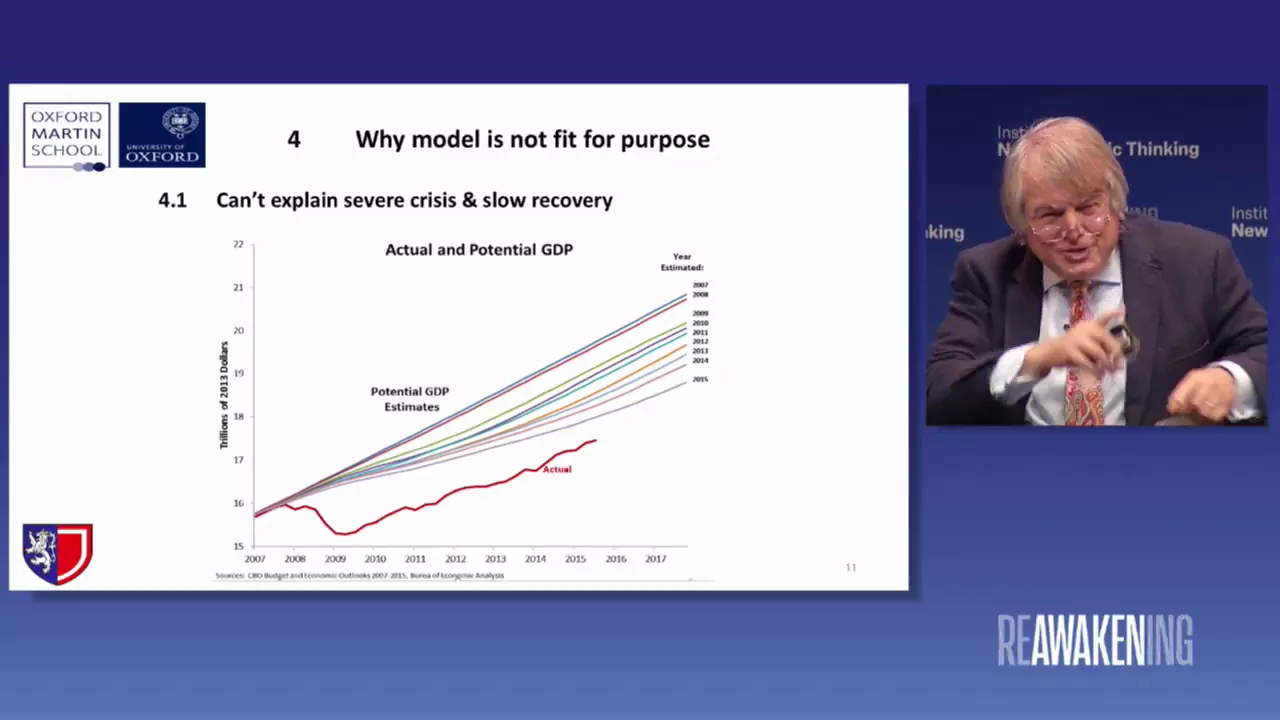
In an open economy, the IS curve is flatter than in a closed economy due to import leakages, making the multiplier smaller. The Balance of Payment (BOP) consists of the current account (exports minus imports) and capital account (capital inflows minus outflows). The BP curve shows combinations of interest rate and income where BOP is in equilibrium: with perfect capital mobility, it is horizontal; with imperfect capital mobility, it has a positive slope; with no capital mobility, it is vertical. Under fixed exchange rates with perfect capital mobility, fiscal policy is effective while monetary policy is ineffective; under flexible exchange rates, fiscal policy is ineffective while monetary policy is effective.
Open Economy IS-LM & Mundell-Fleming Model: CUET Economics
Added:Standard closed-economy IS-LM model, representing equilibrium in the goods and money markets.
Basic Balance of Payments (BoP) accounting, including the definitions of the current account and financial/capital account.
Concepts of exchange rate regimes, specifically the operational differences between fixed and floating exchange rates.
The basic mechanics of monetary and fiscal policies and how they shift the IS and LM curves in a closed setting.
Analysis of the 'Impossible Trinity' (Policy Trilemma) in international monetary economics.
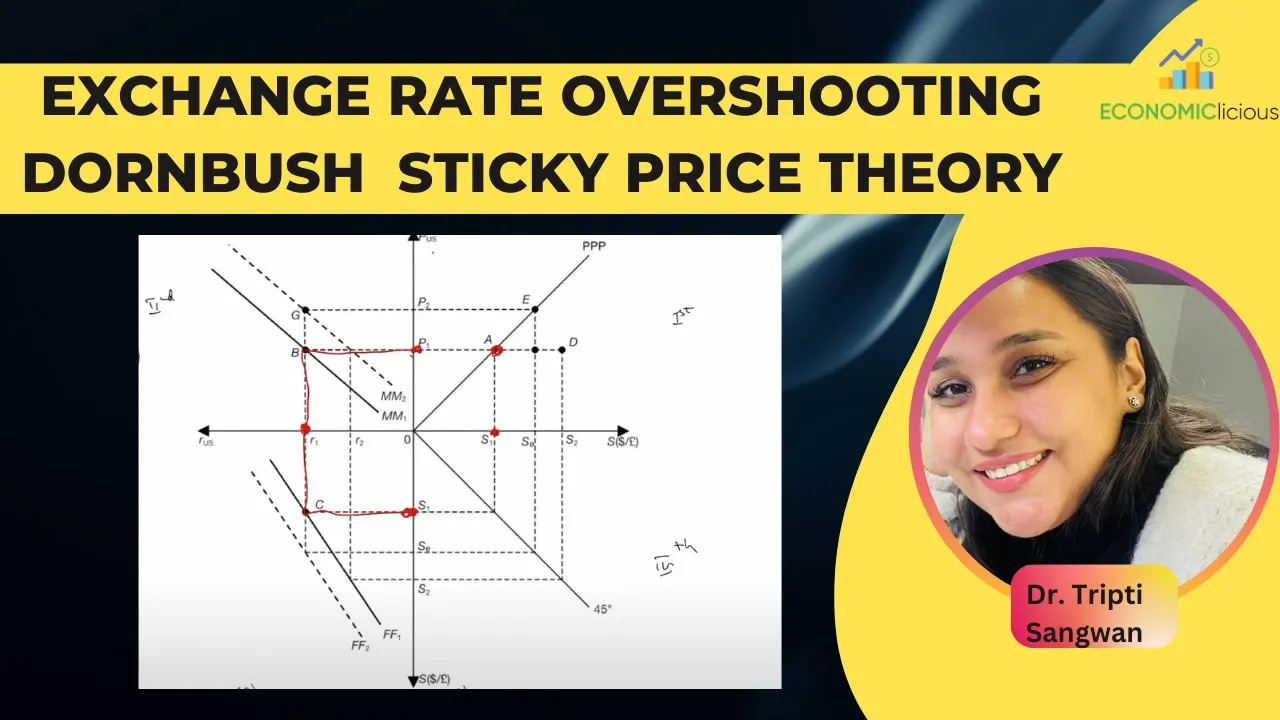
The Dornbusch Exchange Rate Overshooting Model to understand short-run exchange rate volatility and purchasing power parity deviations.
Macroeconomic policy coordination in monetary unions and common currency areas, such as the Eurozone.
Advanced New Keynesian Open Economy Macroeconomics and Dynamic Stochastic General Equilibrium (DSGE) models.
579 views30likes47:12Original Release: 2024-03-03
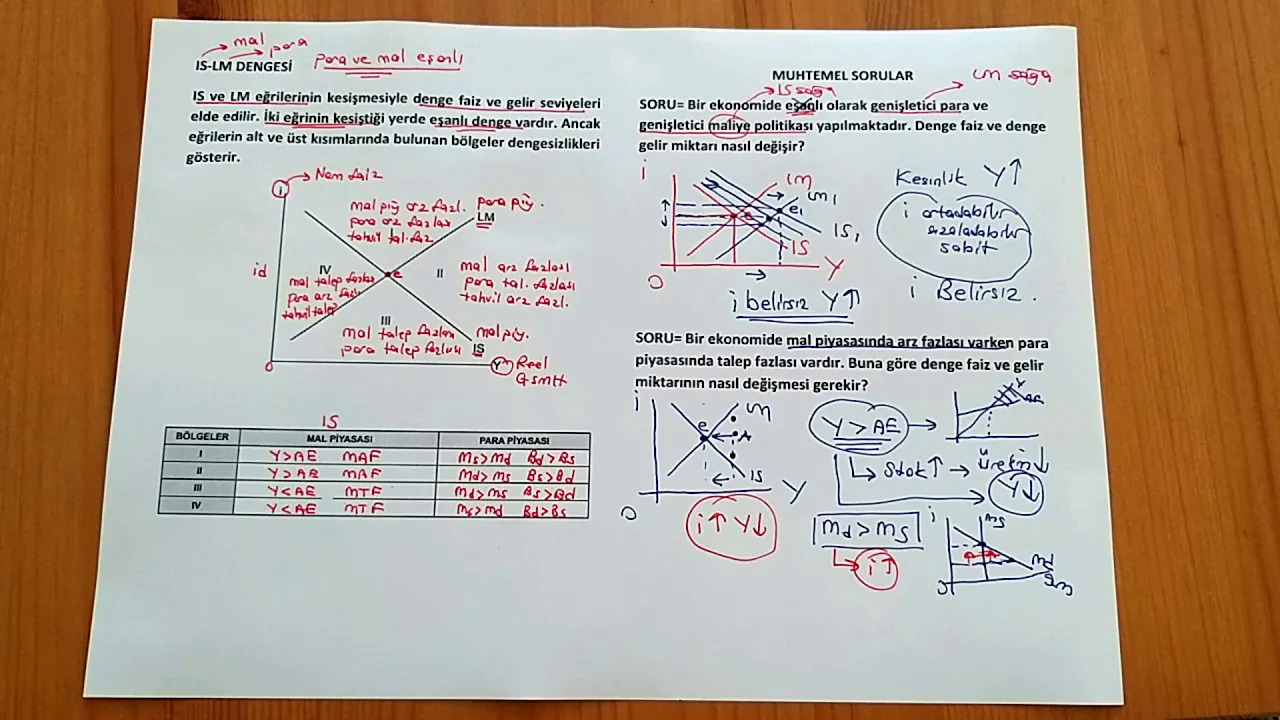
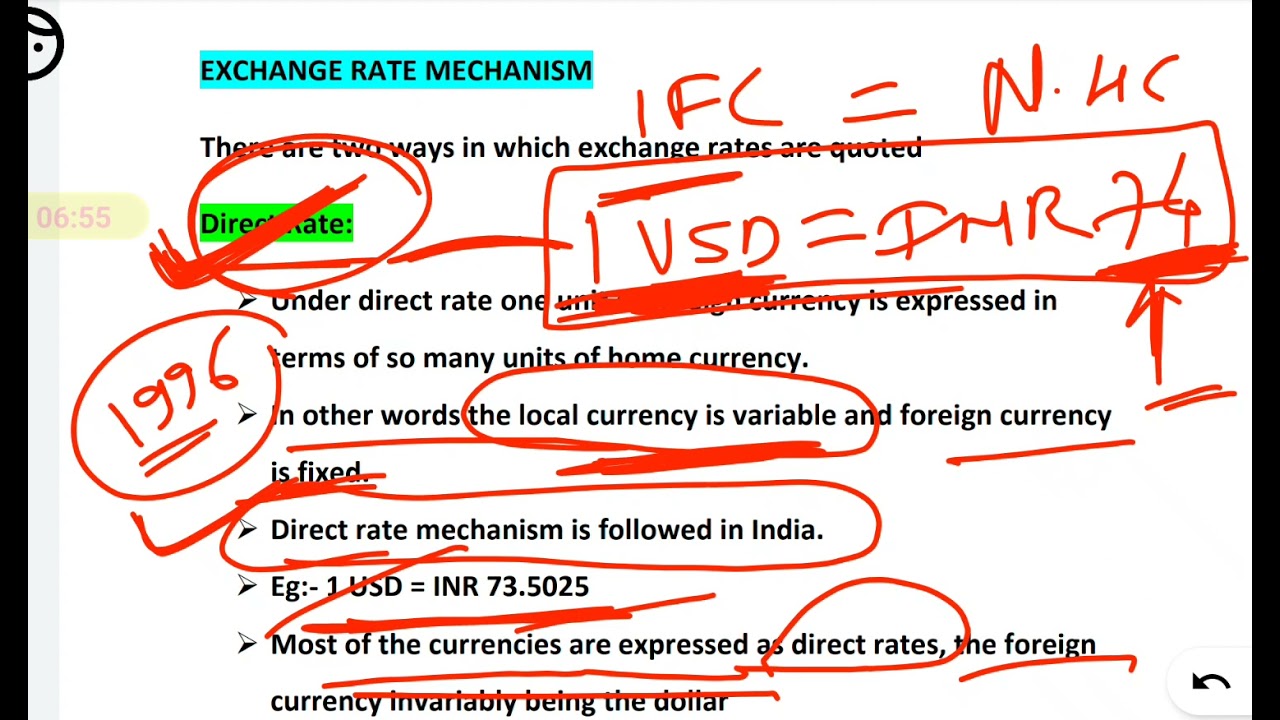
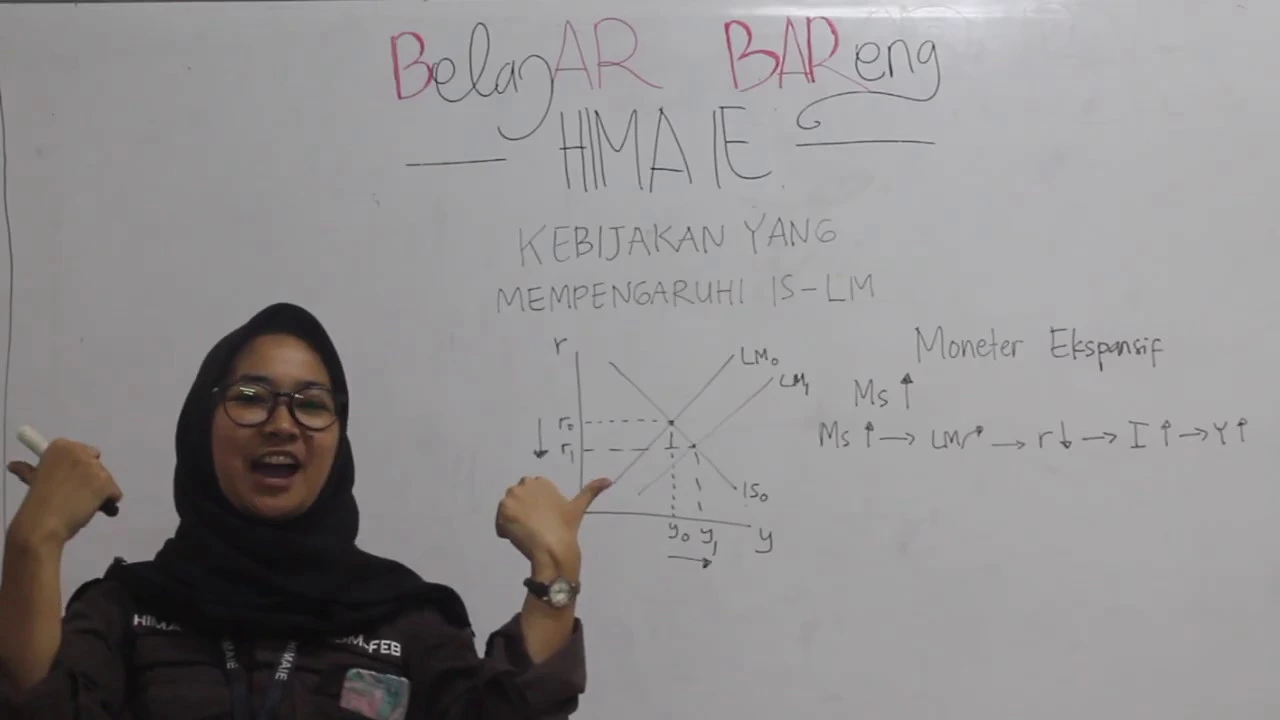
hi this video is mainly about open economy okay we'll be discussing open economy balance of payment and mundle flaming okay basically C Jo open economy related okay what I'll talk about compare open economy closed economy differences okay we'll talk about B curve perfect Capital Mobility imperf Capital Mobility we'll talk about this we'll talk about martial learner conditions okay and we'll talk about fiscal and monetary policy under fixed and flexible exchange rate system okay Al check what will be their impact on current and capital account Bop accounts okay let's start is curve okay we know that is curve gives you all combinations of interest rate and income Goods Market equ and it is a downward sloping curve okay so is curve key multipliers okay what's that so in case of closed economy it is 1 upon 1 minus C + CT where C is the marginal propos to consume MPC and this is for closed economy and in case of open economy this multiplier is 1 upon 1 minus C+ CT plus M import elasticity okay so that means you additional positive term as compared to closed economy so which means multiplier open economy Cas is smaller in case of open economy multiplier is smaller which means if there is a a unit fall in the interest rate okay let's say investment increase then it will lead to lower change in output in open economy as compared to closed economy so basically open economy case uh the is Curve will be flatter okay this is the I curve in case of closed economy and this is the is curve in case of open economy let me show you so let's say we initially at this point a okay and interest rate is i1 and then there is a fall of interest rate to I2 so notice is that multiplier open economy come so change in output is lesser okay as compared to closed economy why because simple reason is leakage there is an additional leakage of imports there is import leakage income incre which amount as overall level per economy level per you can spend some amount on import as well there's a leakage domes eom so that's why is curve is flatter here that's Point number one directly moving on BP balance of payment okay balance of payment ecy open and there is capital move movement as well let's says okay so foreign currency will come in our system okay and if we do the same thing then our uh Capital will move to Other Nation okay so y we basically have mainly we have two accounts which are current account and capital account we separately we can talk about uh transfers okay unilateral transf first current account we have exports and we have Imports export goods this is value of exports and M is value of imports okay uh and it is about both goods and services your total exports or total Imports and in capital account Capital outflow key and capital inflow okay so balance of payment May y Surplus uh deficit depending upon current account or Capital account Surplus deficit basically so exports minus Imports okay and and other than that we can have Capital flows okay let me I'll be taking the symbol F for and this is for Capital this is net capital outflows okay export import export import minus then this is not exports exports you export in terms of goods it depends upon price of Commodities average price domestic economy and E is the exchange rate okay we have Imports in terms of goods this is this will depend upon price of of price in the domestic economy income in the domestic economy and exchange rate okay so how are these related so simple thing is exports ke so how is export related to domestic price so domestic price increase then obviously exports reduce you will you would like to sell in your own economy rather than uh rather than selling it to the international economy right so Dom why will you export more okay so you'll be exporting less and exchange rate okay so exchange rate is like this suppose one rupee is equal to 0.02 okay and if one rupee is now equal to 0.03 okay so exchange rate increase and it basically means domestic currency value increase one rupe was 0.02 now it is 0.03 so exchange rate increase on will be same as up uh a revaluation I'll be calling it up valuation up valuation of domestic currency okay so that's how I will use e okay so how will be exports related to exchange rate domestic currency ke value increase then foreigners will not be able to uh afford our products okay as compared to when it was when the exch was less okay so again this will lead to fall in the exports okay what about Imports Imports VAR negativ Dom price negatively exchange okay what about Imports DM by DP I domestic price this increase or then obviously you'll move towards Imports so this is positive what about income if income increases then you would like to buy you would like to spend more on Imports okay so this is also positive and what about exchange rate well obviously exchange rate incs obiously Imports increase because now your domestic currency is stronger you will be able to buy more from foreign tiet uh with the same amount of rupees okay so basically positiv related to domestic price positively related to income and positively related to exchange rate okay P had domestic price and PF is the symbol that we use for foreign price this will be for foreign price take exactly value of so x minus M exports minus Imports ke value so exports which depends upon domestic price and exchange rate value obviously a domestic econom so this is the value of exports price into amount of commodi that you have exported minus Imports what will be Imports so this is the Imports which depends upon p y and d and is ke value well I want everything in rupee terms so obviously import us you would have paid it uh whatever they have charged you so for example [Music] ke t-shirt import so this is basically price of foreign Commodities okay average price but since this is in rupee terms and um we are doing everything in domestic currency terms so I need to convert this PF this foreign price into domestic terms okay which is what so dollars key t-shirt here then I need to divide this by the exchange rate okay so $2 divided by 0.0 2 which is the exchange rate okay this will give me 2 upon 2 by 100 which is 2 into which is 100 okay basically $1 is equal to 50 rupees so that means I'll be dividing this by exchange rate so this will give me price in rupee terms this will give me price of foreign commodity in rupee terms okay so this is my net export this is the value of net exports okay now what about Capital flows see Capital flows related to related mostly Dom interest R and foreign interest rate okay and F is let me remind you this is capital outflow this these are capital outflows okay so if domestic interest rate is less than foreign interest rate so obviously interest will be investing outside so there will be capital outflows okay okay uh we also call it capital flight your Capital will move out of your nation okay that is capital flight so interest rate come domestic foreign okay then there will be Capital outflows so basically foreign interest rate increase then outflows will also increase so DF by D you positively related okay what about the case when domestic interest rate is more than foreign interest rate then obviously foreigners will take interest uh they will be investing more in India okay so that means there will be capital inflows okay so total balance of payment it will be net exports minus net capital outflows okay net capital outflows okay plus net capital inflows right where net capital outflows is capital outflows minus capital inflow this is capital outflows minus capital inflows okay so this is x - M minus F okay so it is p * exports which depends upon p and uh exchange rate minus PF divided e price in domestic terms of foreign Goods into Imports which depends upon p y and d and minus uh net capital outflows which depends upon I and I so you positive then there will be uh Bop Surplus if this is negative then there will be bop deficit okay important we know that market condition it is y = to C + I + G + x minus M okay basically net exports xus M fall then that will lead to leftward shift of is curve okay simple see now what about this if price increases take it will lead to this will imply that net exports will fall domestic price increase then in that case Imports increase only okay so and exports will also decrease so overall net exports will decrease and what about increase in exchange rate what if exchange rate increases and as I told you exchange rate increase okay exchange rate increase in exchange rate basically means up valuation of domestic currency revaluation appreciate value incre domestic currency so uh which basically means um that foreigners will not be able to afford affordability come okay so net exports this will also lead to fall in net exports okay impact same but okay I have a question for you let say the question is question a 10% rise in price okay a 10% rise in exchange rate okay uh so don't impact same we haveed exch basically impact is so we have this downward sloping is curve okay let's take only one of them so impact that is Curve will shift to the left okay this is is1 and this is is2 take okay now understand this when you consider a rise in price to say impact reason is simple when price Rises okay so in general what people do is uh exchange rate so it leads to more savings people tend to save more when pric is inflation get time but although uh this is something they shouldn't do because due to inflation but in general people do that when prices Rises savings increase over here and we know that saving is basically a leakage from the system so that leads to a higher fall that lead to a higher leftward shift of is so is price impact as compared to net exports okay BP curve and flaming model we know that b current account Capital account okay so BP will be this is exports okay yeah exports in commodity terms okay multiplied by the domestic price so this is giving you the value of exports minus Imports okay this is is Imports in terms of commodity multiplied by Foreign price divided by exchange rate and this will give you domestic price uh what it this will give you foreign price in terms of domestic price take and here you have Capital outflows minus capital outflows okay the balance of payment balanced net exports will be equal to Capital net this is net capital outflows okay last video now it basically means your current account Surplus that will be equal to Capital account deficit and similarly If I multiply both side by a minus then I will get current account deficit current account Surplus that becomes current account deficit it will be equal to Capital account Surplus offset and balance of payment will be in Balance so now we have three different cases okay when first one is perfect Capital Mobility then we have imperfect Capital mobility and then we have no Capital Mobility okay so that's how the BP Curve will look like let me tell you how there is perfect Capital Mobility which means EAS transaction cost inv and foreigners can also do the same in our domestic economy so in that case what happens is balance of payment maintain we know that foreign interest rate is greater than domestic interest rate then that leads to Capital outflows right because uh we would like to invest in the foreign Nation okay and if I is less than foreign if if if foreign interest rate is less than the domestic interest rate then there will be capital inflows okay and therefore y balance of payment curve perfect Capital Mobility case may when will it be zero well when if is exactly equal to I okay so we have this let's say foreign interest rate is here when domestic interest rate is exactly equal to foreign interest rate then in that case uh Capital inflows will be equal to Capital outflows okay and then hence you get a horizontal BP what about imperfect Capital Mobility case okay now we know that AG y increase if y increases then that leads to increase in Imports okay that leads to increase in inputs well uh because of that current account for that we need to increase I okay so that there will be Capital inflows so hence we get this increasing BP curve okay this thing holds okay let's understand BP [Music] equal talking about that so let's understand this thing this is net exports minus capital outflows okay net capital outflows depend domestic and foreign interest basically difference so let's create a function for this there is equal to n exports minus let let's say some K * IUS if it is dependent upon I minus if okay because difference I or if soing Capital flows inre decre right so this is I want this thing to be uh zero right I want this thing to be zero so Z 0 is equal to 0 is equal to net exports minus Ki plus k i f so Ki will be equal to net exports plus k i f okay so I will be equal to net exports upon net exports plus K divided by K so perfect Capital Mobility perfect Capital Mobility means interest R differences fore basically in that case perfect Capital Mobility basically means that K will be equal to Infinity okay this thing becomes n export upon k + i f now if this K is infinity this thing becomes zero and I will be exactly equal to if for BP to be equal to zero that's why we are getting this horizontal line here okay that's why perfect Capital Mobility may we get this horizontal beat picker and if there is no Capital Mobility no Capital Mobility means K is equal to zero interest rate differ Capital Mobility Capital Mobile it cannot uh we cannot have a movement of capital between between two Nation okay that's why I will be equal to net exports upon 0 + if okay basically interest rate differences okay there will be no impact of difference in interest rates so we get this vertical BPA basically means irrespective of what the interest rate is BP uh will be will be uh it will be independent of it because it will depend upon some y okay just according export or Imports manage and accordingly we'll have some BP equal to zero here okay basically it will not depend upon I anymore okay that's why vertical curve but if K is something between zero and infinity if K is something between zero and infinity I will be equal to imperfect Capital Mobility that exports divid K plus if okay it is something between Z and Infinity uh uh so basically now uh this curve this has a positive slope okay now this curve has a positive slope take K is neither zero nor Infinity it is something in between all right so that's why uh this net exports this depends somehow on income we know that okay and this 1 byk is the slope here okay which is something positive hence we get a increasing BP C okay so that's how we got this three cases okay all right so in short perfect Capital Mobility case k is is infinity okay no Capital Mobility K is zero and imperfect Capital Mobility that means K lies between zero and infinity okay what else so BP curve in the in the case of perfect Capital Mobility here I is greater than foreign interest rate okay so which means there will be capital inflows okay and that will lead to a surplus in the this will lead to bop Surplus okay and then obviously here you'll have Bop deficit similarly no Capital Mobility case interest but here to the right income is more okay so that will lead to more Imports okay so that will lead to current account deficit and hence Bop deficit and on the left Surplus because income will be less so Imports will be less okay now here there are imperfect there is imperfect Capital Mobility so above the BP curve interest rate domestic interest rate is more so there will be capital inflows and that will lead to uh current account Surplus and enhance Bop Surplus and Below BP there will be obviously Bop deficit okay now what else so now I'll be considering the case of perfect Capital Mobility or cases consider what happens in case of uh monetary expend okay fiscal expansion fixed exchange rate or flexible exchange rate okay so now understand this thing when domestic interest rate is more than the foreign interest rate okay so that leads to a high demand of rupees take domestic currency demand because foreigners want to invest here okay so that will lead to flexible exchange rate appreciation and in case of fixed exchange rate it is called revaluation okay so Above This BP curve there will be either or revaluation depending upon exchange rate flexible fixed flexible appreciation or fixed May revaluation below this BP curve domestic interest rate is less than foreign interest rate so that means there is high demand uh for foreign currency okay and lower demand for domestic currency that will lead to a fall in the value of so that means in case of flexible exchange rate there will be depreciation okay so below demand below this BP curve there will be either depreciation flexible exchange rate or there will be uh devaluation fixed exchange R okay so using this let's see all the cases okay I'm considering the case of perfect Capital all right let's start so we have we can either have fixed exchange rate or flexible exchange rate so let me start with the case where we have expansionary fiscal policy okay suppose a recession May and government wants to uh take it take us take this economy out of the recession situation and they are using fiscal policy for that okay basically expenditure increase taxes reduce will lead to will lead to expansionary fiscal policy okay and I'm considering here fixed exchange rate okay F exchange rate regime so which means that exchange changes we either call it devaluation or revaluation okay and we are considering the case of perfect Capital Mobility okay Capital perfect Mobility so bpur will be horizontal Okay so BP horizontal ISM and there is a expansionary fiscal policy which means my is Curve will shift to the right okay so let me call it is2 so is curve right okay and which leads to now we are at this point let me call it even okay e point and notice that at this point interest rate domestic interest rate is higher than the foreign interest rate okay so there will be capital inflows or Capital inflows that means there will be Capital account Surplus okay because initially balance situation capital account Surplus now notice that at this point income has also Rison okay income is more now let y1 Y and this level of income is more so that will lead to since y has increased so that will lead to increase in Imports but Imports increase then that obviously means current account deficit okay so there will be capital accounts or plus and current account deficit okay now what else since uh rupe demand incre because capital inflow domestic interest rate so now India has become the hot spot okay everybody wants to invest here okay capital inflow demand fible fixed exchange rate we cannot let the exchange rate change okay so RBI and what will be that action but there is a demand for rupe in the market obviously ex rre Bally exch R of demand for dollars reduce Okay so so uh rup Market increase basically you'll have to increase the supply of rupees okay so basically this leads to rup sell RBI rup sell rup will be sold will be RBI will sell rupe and buy dollars LM curve money supply increase so there is an increase in money supply so your LM Curve will shift right okay which is this point here like this so now you are from lm1 you are at lm2 and your new equilibrium is here E1 move E2 and your income is now Y3 which means fiscal poliy fixed exchange rate extension fiscal policy effect effective this policy is effective effective in the sense income action economy level of equilibrium income increase so this is effective okay I hope you understood this let's move on to the second case okay now the second case is now we are again in the fixed exchange rate regime perfect Capital Mobility which means horizontal BP curve but expansionary monetary policy LM rightward shift let's do that LM rightward shift lm1 LM we are at we are at Point BP interest rate is less than the foreign interest rate which means there will be capital outflows okay Capital outflows that will lead to Capital account Surplus there will be Capital Surplus okay question Capital account Surplus notice that income is more than the previous previous than previously okay so since income is more so that will lead to Imports are directly related to income so Imports will increase or Imports increase that will lead to current account deficit Capital account Surplus current account defit okay now the demand for rup is less demand for dollars is more okay fixed exch dollars RBI will sell dollars and buy rupees so basically supply of rupees will reduce basically money supply reduce basically move lm2 lm1 and you'll be back at Point e okay which means there is no change in equilibrium income ultimately income so that means this policy here is ineffective Capital account Surplus current account deficit and ultimately there is no change in income which means this is this policy is ineffective and rup demand come there was devaluation here okay previously in case one there was revaluation fixed Exchange revalu and devaluation okay now moving on to the third case again perfect Capital Mobility so BP will be horizontal perfect Capital Mobility flexible exchange exchange terms will be depreciation or appreciation depending upon the situation and we have here expansionary fiscal policy is curve rightward shift government expenditure increase taxes red okay so is curve shift to the right is1 say is2 and we are at this point even even is above the BP curve which means foreign interest rate domestic interest rate is more than the foreign interest rate so there will be capital inflows or capital inflows that means there is capital account Surplus okay domestic interest rate is greater than foreign interest rate so there will be Capital account Surplus okay at this point income has increased which means there will be increase in Imports and hence there is current account deficit okay uh so there is appreciation demand there is preciation okay flexible exchange rate may is regime that means the value of imports not value in the sense that now Imports are expensive Imports are expensive for foreigners Imports expensive import is same as our that means ports reduce in short value of rupee has increased so we will be importing more and exporting less so net exports fall so which means our I is Curve will shift leftward that exports Cur will shift back E1 e there will be no change in income so that means this policy fiscal policy flexible exchange rate ineffective okay there it is ineffective okay or fiscal policy fig exchange rate effective fourth case we have perfect Capital Mobility which means we have a horizontal BP curve okay we have flexible exchange rate regime which means there will be either depreciation or appreciation and we are talking about expansionary monetary policy which means LM curve right shift which is possible by increasing the money supply okay so using that we can shift the LM cve will basically increase the money supply okay so LM curve shifts right when LM curve shifts right we are from lm1 to lm2 and now equilibrium is from E to point even even point at even we can clearly see that domestic interest rade is less than the foreign interest rate okay which means there will be Capital outflows right because now India is not the hot spot everybody would like to uh invest okay in outside in this foreign Nation so there will be capital outflows and if there are capital outflows then that mean there will be Capital account deficit what else uh so basically us consider the foreign Nation then the value of since we are above we are below this BP curve which mean there will be depreciation okay depreciation of rup because value of rupe has reduced there is more demand for dollars as compared to rupe or there will be depreciation of rupe depreciation rup then that will lead to increase in net exports okay or net exports increase then that case is Curve will shift to the right is curve rightward shift we have gone from is1 to is to equilibrium E1 move E2 Point per income y say let's say Y2 per so after this policy economy May income equilibrium income increase okay that means this monetary policy is effective and flexible exchange rate system okay this is effective now okay is it fine so basically fed exchange rate regime May fiscal policies effective and flexible exchange rate regime May monetary policy is effective all right so important from C point of view and if you want the cas related to increasing BP curve and or or related to Vertical BP curve then do let me know in the comment section I create another video disc okay that's it
Up Next

36:41
IS-LM-BP Model with General Functions: Introduction
@lazarskiopencourses4059
386 views•2021-04-26

5:07
Impact of Yuan in Indo-Russian Trade Amid Sanctions
@WION
261.9K views•2022-07-01
10:33
Behavioral Economics Explained: Rationality, Nudges, and Risk
@crashcourse
1.1M views•2016-03-12

113:18
The Age of Easy Money: Fed & Inflation | Full Documentary
@frontline
21.2M views•2023-03-15
Related Study Plans & Knowledge Roadmaps
Structured learning paths in Economics
economics
Sovereign Debt: Defaults, IMF & Restructuring
01Introduction to Sovereign Debt & Government Bonds
02Debt Sustainability & Credit Ratings
03Anatomy and History of Debt Crises
+ 2 more learning modules
12h5 modules
Explore Roadmap
economics
Market Design: Matching Theory & Gale-Shapley
01Introduction to Market Design and Price-Free Markets
02Two-Sided Matching & The Gale-Shapley Algorithm
03School Choice Systems and Mechanism Design
+ 2 more learning modules
10h5 modules
Explore Roadmap
economics
Impossible Trinity: Forex, Capital & Policy
01Introduction to Monetary Policy and Central Banking
02Exchange Rates and International Capital Flows
03The Mundell-Fleming Model
+ 2 more learning modules
8h5 modules
Explore Roadmap
economics
Healthcare Economics: Market Failures & Systems
01Introduction to Healthcare Markets and Market Failure
02Asymmetric Information and Adverse Selection
03Moral Hazard and Insurance Design
+ 2 more learning modules
12h5 modules
Explore Roadmap