
















Ball milling effectiveness depends on matching mill type (mixim for impact, planetary for friction, emex for high-energy wet grinding) to sample characteristics, following key rules such as using balls at least three times larger than the largest particles, maintaining 30% sample filling for dry grinding and 60% ball loading for wet grinding, and controlling temperature through cooling systems or cryogenic methods for sensitive materials; the choice between dry, wet, and cryogenic grinding determines achievable particle size (down to 5 μm dry, <100 nm wet, and ultra-fine particles with cryogenic methods), with energy input and ball size changes being crucial for transitioning from coarse to nanoscale particles.
Ball Milling Best Practices: Grinding Process Optimization Guide
Added:Fundamental principles of comminution (size reduction) and the mechanical forces involved, such as impact, attrition, and shear.
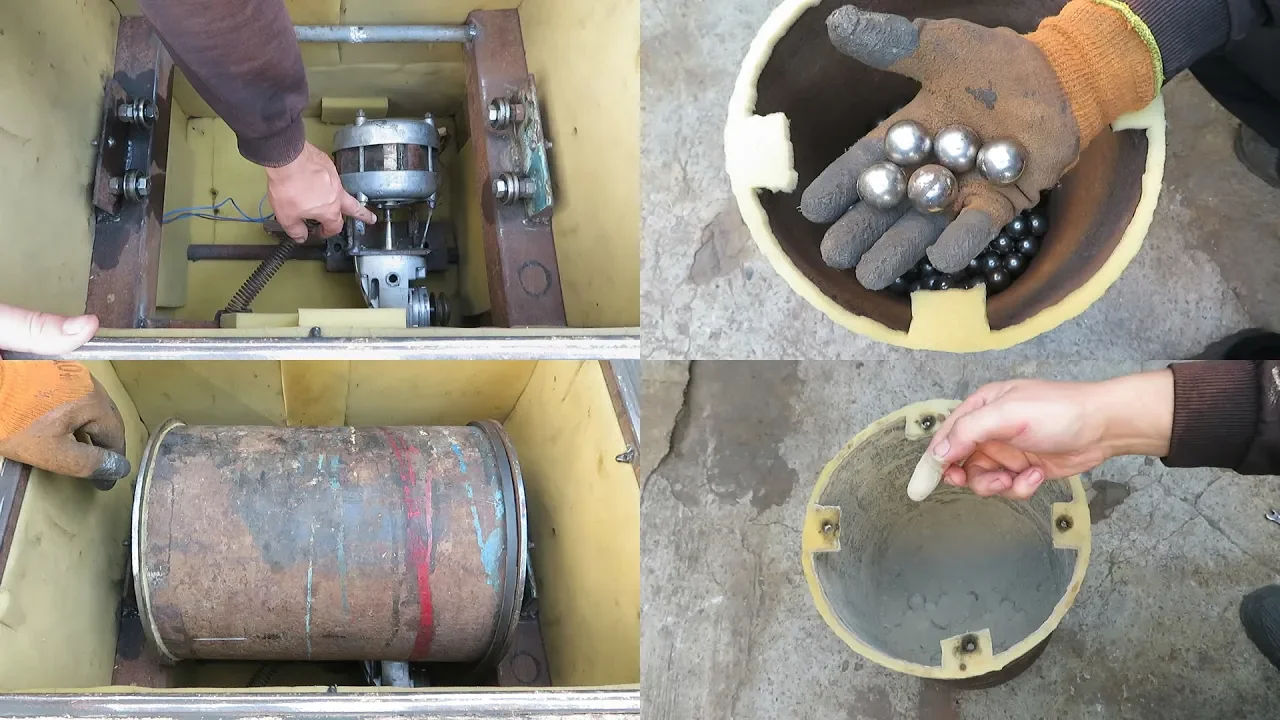
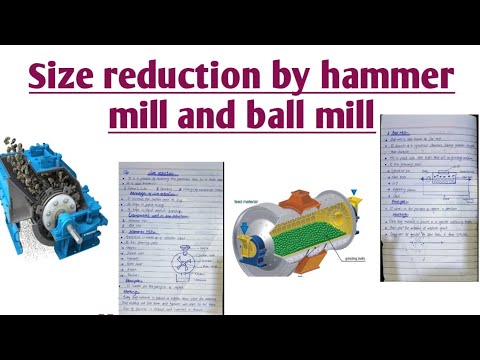
Basic components of a ball mill, including the grinding jar, grinding media (balls), and the feed material.
The concept of critical speed in rotational systems and how centrifugal force affects the motion of the grinding media.
Basic material properties such as hardness, fracture toughness, and ductility, and how they influence grindability.
Advanced synthesis techniques utilizing mechanochemistry and mechanical alloying to create novel materials and alloys.
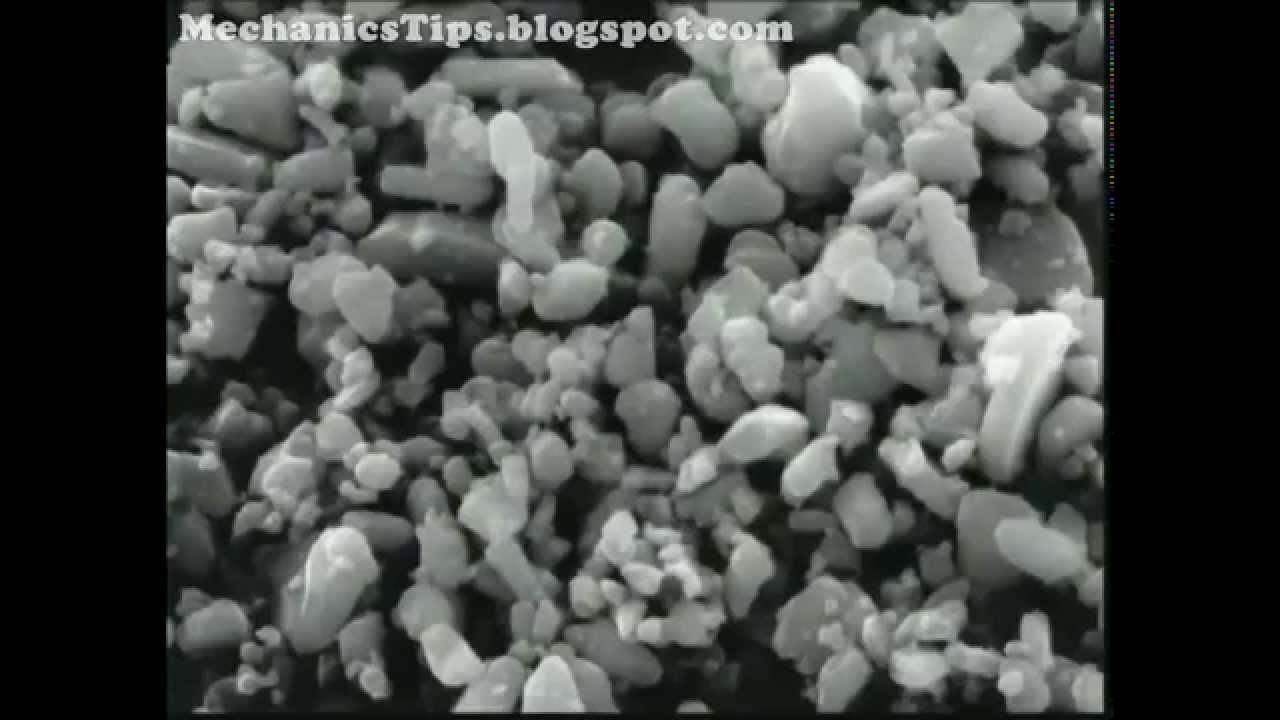
Powder characterization methods, including Particle Size Distribution (PSD) analysis, X-ray Diffraction (XRD) for crystallite size, and Scanning Electron Microscopy (SEM).
Industrial scale-up methodologies to translate laboratory-scale planetary milling parameters to large-scale production equipment.
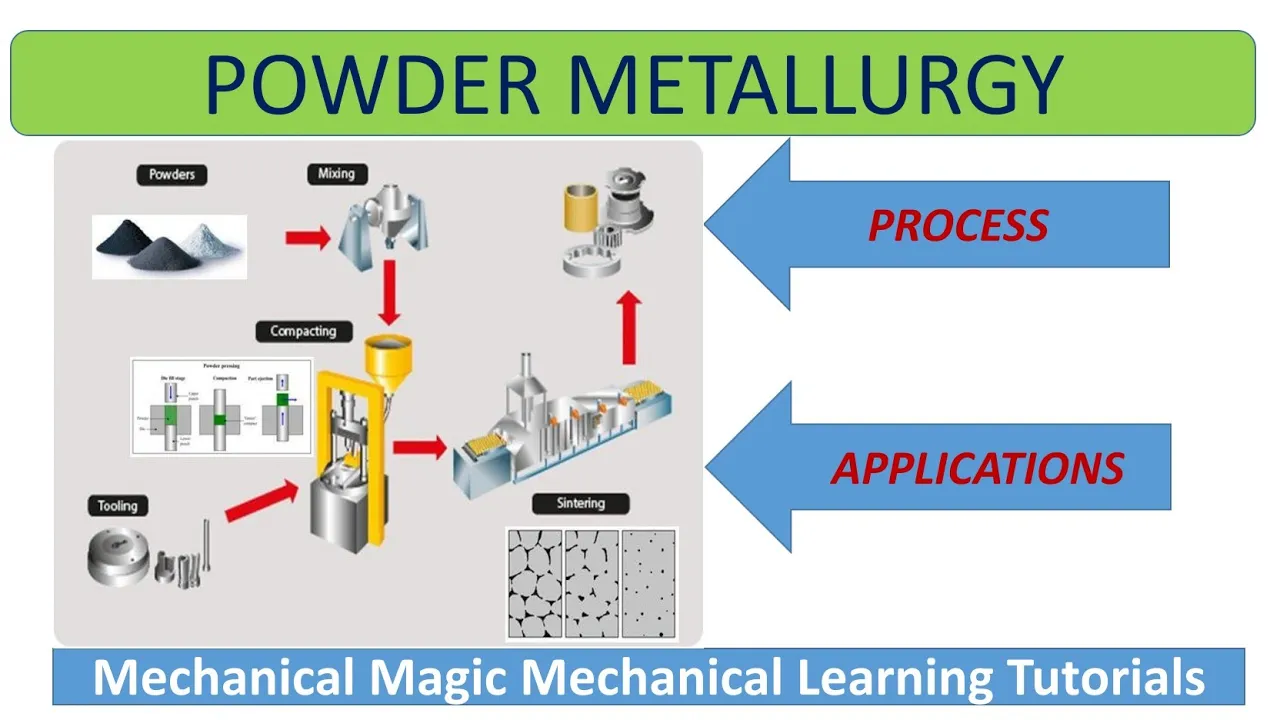
Consolidation and sintering techniques used to process milled, ultra-fine powders into dense, bulk engineering components.
662 views11likes1:46:44Original Release: 2025-05-20
[Music] [Applause] okay welcome everybody to the today's webinar I'm really happy to uh give you our best knowledge about ball Milling um and to introduce our portfolio and our best tips and tricks to um yeah really give you useful hints how to improve your daily work with uh our equipment my name is Dr Tanya bu and I'm working as a product manager address for many years and um you can uh during this webinar um send me your questions so you can send them via the chat windows and we will answer it um in a private chat room and uh yes so feel free to to ask anything you like and um we try to answer everything right now if it's not possible because too many questions are coming in of course we go through it afterwards so uh that no question remains unanswered and uh then let us uh start with the topics for today um there's the introduction of the bals tips and tricks of course there's also a little bit online demonstration to show our equipment then there a call for R scientific award um or scientific Challenge and of course there will be a conclusion and a donor package in the end and you will also receive this presentation as a PDF in uh the uh download package so if I skip some details um you will uh have the chance to look this up later on okay the ball Ms are used for grinding and pulverization of hard medium hard brittle elastic and fiber samples so here's just a yeah except of some samples we have ground and B so far and you see that's ranging from minerals over Ceramics and coal to pharmaceutical samples soils bones forensic samples but also fibrous plants like straw wood hair fluid Plastics and biologic cells like bacteria yeast cells can also be uh yeah um processed in B Mills to come to the uh proteins for example and the important questions we have to ask ourself when we like to know what is the best equipment the best Mill the best accessories for my specific task is that we um think about the sample volume we need to um yeah uh pulverize Um this can range in B Ms from 20 ml to 4 time 220 ml or with our large STW Ms to 35 lit and um when we then think about the required finess we need then this can range from down to five micrometer when we areum talking about dry grinding or less than 100 nanometer particle size so really really small particles Um this can only be done in wet grinding also the sample throughput is really of importance because when you only have one uh sample each day this is not important but when you're running a campaign and have hundreds of samples a day then the sample through put in the choice of the correct Mill is really important for your daily work and the initial sample size is also very crucial um and in B we're talking of sample um initial sample sizes up to 20 mm and of course we have to talk about the subsequent analysis is this heavy metals is this apis is is proteins so this can also influence the choice of the mill and the equipment and do you have sticky or tough samples volatile ingredients um so we need to talk about tempering and when we have yeah talk about all this then in the end we can find the correct and most suitable equipment for you so re can say we have the largest range of B Mills you see here the um B Mills we have and we are talking about a PM 100 a planetary bill for standard applications pm2 200 which has two grinding stations uh in small jar volumes of 25 ml then we have launch the new pm300 a very powerful benchtop unit which keeps up to two um 500 mL J and has an higher speed than the others with 800 RPM and very ergonomic handling so we tried everything to improve the handling here then we have the PM 400 with four grinding stations uh so maximum four times 500 mL or with stacked smaller JS up to eight samples per bch and we have the emex which is a unique Bal it's not a planetary Bal in the classic way you know it maybe um and uh yeah it it works a little bit differently and it also works with 4 Dee cooled uh water um so you have the option to cool the samples while running and this is required because we are really talking about an enormous energy input of 2,000 RPM or up to 2,000 RPM and this makes the EM faster and finer than each other B on the market and you will see this later on then also brand new and with the new facelift is the well-known mm400 and um this is an allrounder for small sample volumes it's a mix and I think many many people use it and work with this and I think we could um yeah improve proove the new um mm400 so let's talk about this later and we have the mm500 series which is the mm 500 vario for high sample throughput because it has six grinding stations and it is uh also more powerful than the mm435 Hertz um so that it can grind um the samples a little bit faster we have the mm500 Nano which is called Nano because it can also go down to 100 nanometer particle size as a planetary wers or emac um with an increased energy input and it keeps up to 125 ml jars so a little bit more sample volumes possible here and the mm500 control which is more or less the same system up to 30 Hertz and here we are talking about um yeah active cooling and heating so we are talking of temperature range of minus 100 to plus 100 degree where you can uh hair processor samples and we were talking about cooling of course we have to talk about the cill which uh grinds the sample at continuous cryogenic grinding at almost minus 200 uh degrees so pretty cold for um tough um plastic materials um which can be polarized in this Mill as well then we have to talk about working principles of B Mills so there's a working principle of um a mixim where you have this horizontal um position of the jar and it is shaken horizontally and um the mainly one large ball or maybe two or three um balls are in it they uh crush the sample Maybe by uh or mostly by impact yeah because when they hit here on the ends of the jar you can imagine that everything what is in between is smashed you can see this L one also in some uh videos then we have the emex which is differently um compared to Mixel and the planet but somehow it's also similar so what it is here you have different jars um and they are overly shaped and they move on a circular line and this leads to um very good mixing effects and together with this uh enormous energy input of up to 2,000 uh RPM you have really really fast grinding effects and very fine particles in the end and then we have also the um uh planetary Bal system of course where the jars are mounted on the so-called Sun wheel this turns and while this sun wheel moves around the jar turns in the opposite direction usually two times each time the jar uh the sun wheel is turning so we are talking about a ratio of one to minus two because it's turning in the opposite direction and this leads to strong corus forces inside and also good mixing and it depends a little bit on the speed you apply and the balls you use but you mainly get U friction and impact um maybe more friction based than for example than a mixim but it is really really nice also to uh yeah achieve um nanoscale particles so let's talk about the mixim mils um you can see hopefully here the video running so how it looks really inside the jars yeah you see the large ball smashes everything in between so the new mm400 the old one was launched uh many many years ago and after 15 years we thought it's time for a facelift so it was introduced this year and it is of course a more modern look and it comes along with a touch display you can uh grind up to 99 hours which is important for some specific task mechanochemistry for example you can store ums and uh cycle programs we have it made so-called Raman already um and we have a reduced noise level and also it's possible and it's the first mix of M on the market or the first mill on the market let's say like this which can be calibrated and uh speed and time and this means it comes along with a calibration um certificate and you know exactly when you said uh 30 Hertz what is the real value the machine um really does and you can also recalibrate after maybe one year and see if something changed or not so if you are really really applying for the for the best and most reducible results then this is a very nice option to you to monitor um the reproducibility of your devices and the reduced noise level I think it's also a nice Factor um because uh yeah when you're working daily with this mill then even a few decible less is much much more um yeah uh Pleasant for you to work with and you really hear the difference and many many people um said already that this is um much more pleasant in terms of the noise than the previous model we have also NE accessories um so we have the Fon tube adapter which keeps 50 m Fon tubes you will see the sler on in some applications and 30ml white mouth bottle adapters so here you have the option to um for example for life science um applications um to isolate proteins for example or but also to grind some stuff like liver or soft soil samples in it we have the adapter which is really pretty new for keeping 5 Time 5 ml steel tubes so simultaneously eight samples can be processed they have the new transparent pmma 10 mL jars which are very useful for mechanochemistry for Raman in Z2 spectroscopy and also for light induced reactions which can be also uh done um in the field of um mechanochemistry and we have new stainless steel 2ml tubes which are really grinding jars we are sealed and kept for cryogenic gruning which can be used with the PTFE adapter and this makes um yeah working with the system really safe because the plastic tubes cannot break anymore and what is the so-called ramar Readiness you can remove the bottom plate over here then you have access to the jaars from underneath and here you can place a spectr copy um device for the Raman and this points on the bottom of the jars so this is really nice for this as well to um yeah see what is really going on when you work uh in mechanochemical reactions for example okay then let's talk about the emex um the emex let's start also the video works differently than explain um with the uh mixim so we have the um enormous energy input of 2,000 RPM and you see that yeah here the jars are overly shaped and they are moving on a round circle and this leads to really very good mixing inside of the jars and uh very very fast pulverization of the samples and what is also very nice for the emex that yeah we work really with uh water cool cooling so it's always water cooled um in an internal Loop and you have also the option to counter cool with an external water loop the internal one so with the chiller for example where the water temperature is set to 4 de then we have a really really efficient water cooling system and um the samples inside are staying much cooler than in a planetary Bon for example and we have also the so-called temperature control mode but we cannot work with cryogenic grinding and we have no heating uh options as for uh the uh mm500 control for example and what is the so-called temperature control mode you can set and Define an uh upper limit of a temperature for example 80 degree and a lower limit of a temperature for example 50 degree and then it starts grinding and as soon as it recognizes that the jar outside is reaching the uh 80° it stops grinding Ing and then um when the temperature drops again and the lower limit is achieved then it starts grinding again so what only grinds between the two limits of the temperatures and you can be pretty sure that at a certain degree inside the jar um or the the sample inside is not overheating and also you can see that the grinding brakes which are required are really adapted to the sample and your requirements it's not only set maybe 10 minutes and you lose some time because it was set too long yeah it's not required maybe only 5 minutes are okay so it automatically recognizes um yeah the uh suitable uh time which is required to stay below a certain level and to to adapt the break times so you can skip all Imperial tries before to find out the correct break times for example and this much more yeah um straightforward uh and doing the uh perfect grinding process for sample sensitive materials and of course we have to talk about planetary bals also here we have a short um animation about the grinding mechanism over here so you see here the movement of the jar on the planetary uh on the sun wheel and the planetary Mill and you also see that the um ball package inside is moving there's some impact there's a lot of friction in between and this is also very good mixing and um a lot of friction which is required to go down to nanop particle size here we have the new planetary bill at the pm300 um and this is launched in the summer and we are really proud of this machine so we have a very high energy input for planetary B it's 800 RPM we have the two large jars which can be used um we have also larger Sun wheel which brings in more energy input so um we can also use it for many many tasks in uh nanog grinding and fast grinding and mechanochemistry and so on but we have also improved the economics so the safety and the handling of course it has a touch display which is program for program cycle programs and so on and the total process time when you work with cycle programs and include the grinding brakes to let some sample cool down it's automatically calculated and shown so you do not have to calculate by yourself okay I have so many cycles X grinding time Epsilon uh break time and how long is it in total so it is shown very very nice you have a Lo locked Sun wheel so the clamping mechanism is facilitated because it's just locked and we have an automatic notification about the correct clamping which is also very nice um especially when you're working with a high energy input of uh yeah 800 RPM um of course it is easy to clean be because we have an easy access to all the jars and the um hood is um with the smooth surface inside yes and we have also new accessories so a complete new jar range for all our planetary bills has been introduced with this Mill the easy fit line um which comes along with the advanced anti structure this is here at the bottom of the jars so um the rear um over the time is greatly reduced even at 800 RPM and also um yeah the handling is um a little bit facilitated and we have also um uh the option to work with an broader range of aration L um grind control system we will see this later on and when you ask yourself okay I have um different planetary Bulma systems and uh okay now they change the sun wheel they change maybe also the speed and which speed do I have to apply when I know working with the new pm300 for example and I'm used to work with the PM 100 how can I um really assure that I have the same energy input then we have also this diagram for you where you can see okay here the the blue line for example this is speed here up to 800 RPM with the pm300 and you see that is uh yeah going up to more than 64 um G so a very high energy input this is not reachable by the other planetary bals but for example when you compare to the PM 100 here when you apply the maximum speed of 650 you see that you have to set a little bit less than 600 RPM with the pm300 to have the same energy input and here at this point for example where also the maximum G level of the pm400 is 26.8 G you see that you have to apply different uh speeds on the other systems and I think this makes it easy just to uh get the same result on different systems and when you wonder for example 800 RPM why is it really required we have already 650 with the PM uh 100 um for example you can see that yeah increasing the speed has an influence um usually on wet grinding results in small jars also for dry grinding it's faster than you use 50 ml jars for example here um and in mechanochemistry reasons also it's really nice um this is a net grinding time of course when you increase the speed you have also to talk about more warming effects so in the end maybe you need longer grinding Brakes in between so it depends on your specific requirements uh if it is really um useful to work with the highest speed or if it is maybe better to work with a um yeah moderate speed in the end and when we are talking about um speed we also have to talk about uh the load with the pm300 so the load defines the speed we have no artificial limits um for example that you have to type in a ball size or something like that so the machine gets the speed which is uh yeah coming out of the power supply let's say it like that and with a 125 M gel it works fine um you can always reach the 800 RPM when you are working in l larer jar then you have more load on the machine and it depends on the ball size you use which speed can be really reach and when you're working with the 500 M jars then you reach at least 600 RPM yeah because of the load and you also see when you're working with tungsten carbide JS which are more heavy than the steel ones you reach um lower limits or lower speed um with the uh system but you can always be sure that the maximum which is POS possible with the load is really yeah available with this system and there are no artificial limits and yes uh the machine does uh 800 RPM in each case um not in each case because even if you have a Ferrari you cannot go uh full speed uphill when you have four persons sitting in yeah so it really depends on the load which speed is applicable and of course to your really your task because sometimes 800 RPM or even 650 is not the best because it leads to caking effect and um then moderate speed is much better so it depends on your cases okay this was a short introduction about the three different BS we mainly uh sell but now I'd like to go to useful tips and tricks for ball Milling so uh let's start with uh the definition or the the uh impact of impact on friction yeah you have heard that I talked about impact on friction um mix Ms more impact uh um the pl Cherry ball Ms more friction like and emex a little bit of both and a good mixing so what is the difference now so imagine you have a large particle an initial particle friction does not really help you need impact to crush it initially um so large particles impact is required and for that we need large boards and after a while you can switch more to friction effects because now you need smaller particles maybe also for fibrous particles um on samples um friction is beneficial and for that you need smaller bards because for friction you need more surface of the bards and a little bit of touching points in between to really have the sing effects and when you like to go for ultra fine particles you also need friction and wet grinding because in dry grinding you have a hurdle um uh down to five micros approximately depends on the sample um you can achieve the particle size with dry grinding and then you will have some um yeah surface effects like uh loading positive charging uh negative charging agglomeration effects and to overcome this you need to go for vet grinding you will see this later on so for ultra fine particles down to nanometer um uh um area you need friction you need a liquid to keep the particles separated you need the smallest balls and a very very good mixing effect so for the ball Ms um R has we are talking about ball sizes ranging from 0.1 to 30 mm so when we are talking from CA to find the initial particle size for example is 10 mm like that you are thinking about the largest particle you can find in your um sample then we have to think about that the balls need to be at least three times larger than this largest particles to have enough crushing efficiency yeah so we end up here with 30 mm balls and now which finest can be achieved um approximately 1,000 part of the particle size so this is in this case um for example here 30 m on of of the particle of the uh of the ball size so we end up a 30 microns here okay and now 30 microns but I need finer particles and when you really need finer particles you have to switch the ball size in between so first start with large balls to come to a certain finess and then you can use finer or smaller boards to come further down and to really polarize your sample maybe to the nanometer scale as well so you can change now to 100 Micron balls it's still three times bigger than the pot particles which are already 30 microns and then you can um get again um maybe smaller balls uh particles like 10 nanometer so this is really a crucial point that you have to change the ball size in between when you really like to come from a larger corser particle to very fine particles the choice of the material the grinding tools is also of great importance um you have the energy input so the dens and here we can sort our different materials tungsten carbide steel cium oxide most common ones um and you see that uh tungen carbide is a heavy material of course when you accelerate this heavy material then you have more energy input when you have 30 mm ball of this material falling on your foot you really you feel the the the the pain um if you use for example Agate much lighter material of the same ball size and this drops to to you f he doesn't feel it with the shoe around yeah so this is the um energy input wi the density and softer samples like soid or pharmaceutical products need moderate energy input harder samples like Oro Alloys need higher energy input and we have to talk about the hardness because the material you grind with should be harder than your sample because otherwise your sample grinds the walls and this is of course not what you really like so the grinding tools should be harder than the samples and there's never abrasion free grinding possible yeah so we are always talking about abrasion about mechanical um size minimization and um the point here is which abrasion does disturb your sample material so which material is neutral to analysis for example if you're using cium oxide you get abrasion of cium oxide but you're not looking for that because you analyzing for heav metals and then this is not a problem anymore and it's not that you get grams of the materials and the balls in the sample but to a certain degree in the pp M or PP P range you will find it and it's only yeah important to uh work with a neutral to anal analysis material then let's talk about dry grinding and here we have also some tips and tricks for you so there uh called oneir Rule so you know your amount of sample which you need to to grind and um the jar should be approximately three times larger so you fill the jar up to 30% with the sample you fill approximately 30% of the jar volume with ws and then you have some free space of course in the Dre in the dry grinding so that the jar movement is really assured and you can really accelerate the balls inside and you have really the crushing energy and there's also one important point that you do not mix the materials and if you work with the steel jar you do not work with cium oxide jar uh BS because then you get two kinds of abrasion cium and the steel now so we never mix the different materials with the jars and the balls um and also the operation factor is minimized and you have less rear when you uh obey to this Rule and you also do not mix the ball sizes maybe some of you have asked yourself okay I have to do to switch the ball size to come from a c to fine particle in the end why not mixing them because the large balls will also crush the smaller balls this is not what you like you want to pulverize your sample but not the balls so never mix the ball sizes maybe except in a very slowly running drum Mill but not with the MS we are just discussing today and when you think about yourself now okay I know my sample volume I know an initial uh size of the particles then we have all this um tables in the manuals on the web pages and so on where you can yeah look yourself or look where which jar is now required for example you have 1 mm particles uhhuh you can working a 12ml and a 25ml jar yes fine if you have larger particles those two are maybe not the best because you need to apply three times bigger balls to really crush it in the beginning and this cannot be put anymore in the very small uh yeah jars so you can judge which jar size over here is the best for you and also the sample amount and then you can see okay I know I have really have the 3 mm particle size in the beginning I need to go for 10 mm size boards and I have to put in 20 per jar yeah so this is how you can read this uh tables um so the amount of the sample and the additional particle size determines the choice of the volume of the jar and also the size of the balls which you have to use initially then let's talk about fibers samples um fiber samples lose their volume during grinding and you have risk of Damages um because if you have not enough material in M sorry the balls will crush something in the end so maybe them themselves so you have to assure that at least enough material is always in the jar and when you only fill onethird of the fiber material and it loses the volume you have not enough anymore after two minutes of grinding so you have to fill the jar from the beginning on completely with the uh fiber sample and then when it is losing the volume it fits perfectly to the 1/3 rule um and maybe it's worse to refill it from time to time really um when it's very fluffy material and here we can also talk about different jar systems we have here is the one for the mm5 400 for example where we have some of the numo volume uh which is placed on the lid so you cannot really use this uh one third volume in the lid because you cannot use it for filling for example yeah fiber samples may be spills over and for wet grinding you can maybe not bring in enough material in um so here may be when you're thinking about fiber samples or vet grinding uh the other systems like the mm500 control Nano or the emex is much better because you have the flat lit and the total nominal volume here for example of 25 M 50 m can be really used and filled up yeah so this is just the same amount of fiber sample put into the 50ml jar and you see what I mean yeah the filling fiber sample is much easier with this uh school lock jars which are used for the mm 5009 for example and with this jars here um also with this flat lid and which allows for an optimized um filling level for wet grinding I come to this in a few minutes um it is really possible also in a mix to go down to nanometer scale which is not possible in mm400 and the mm 400 jars yeah you see this here with this jar nanometer scale 130 millimeter uh nanometer in this case have been reached so keep in mind that uh the mm400 is not thought for red grinding in this case okay before we come to the wet grinding let's see some example for the dry grinding like this brittle stone for example example here which has been processed in the pm400 and four 25 M grinding jars with large bols and yeah you see that just in three minutes we have polarized this brittle Stone of an initial size of 10 m also concrete here has been processed in the mm400 and 50 ml grinding jar and only 10 seconds yeah it's really really quick pulverization over here and really nice result of 100 microns brittle and tough materials like this electronic scrap need may maybe a pre-cutting and our cutting Mill sm300 so that this fits into the jars of a PM 100 for example because here the analytics is heavy metals this means we work with tungsten carbide equipment yeah because of the separas factor and the neutral chalis workr um and you see that we also can polarize it in 10 minutes easily and this LEDs um can also be pulverized in a PM 100 but you see that the metal Parts stay intact and this is also very important we cannot grind Metals even if you go cryogenically you cannot a brittle a metal this will stay um yeah more or less intact of course you have it deformed but you do not pulverize the metal in the B Ms doesn't work okay medium hard and brittle like this pharmaceutical products in the pm200 in this time an egot system because many many pharmaceutical companies like to rec eg very pure natural material um and feed pallets could also be pulverized or easily in the mm400 um yes you see that's really quick pulverization here with the mm400 and with the U little bit harder material here in the pm200 we need a little bit more time and also um fibrous or tough materials like plant leaves or this wood sample can be really um easily pulverized um as well um you see that of course larger wood particles have to be pre-cut again in um in a cutting Mill for example and here we really get nice powdered wood in the end and some nice application here for the mm5 400 especially with this Falcon tube adapter I mentioned before you see that we can uh polarize eight samples in one batch for example the soy sample but it's important that there are no stones in it because plastic tub stones in it and you really um yeah move this fast then the stone could um uh lead to breaks in the in the Fant tube adapters but in principle it's also suitable for grinding um such a soft sample like uh soil or dried flower butts for cannabis which is a very um nice Topic in the moment everybody's talking about Canabis and of course we have to talk about analytics of Canabis as well um here the can be really easily um yeah homogenized uh with the mm400 then let's talk about cryogenic grinding um cryogenic grinding of needs very very cold temperatures uh for example we can achieve this with liquid nitrogen so almost minus 200 degree and this is um required for this uh yeah plastic materials like this rubber duck or the chewing gum some foods or even meat yeah where room temperature is not okay because you cannot pulverize this samples at room room temperature only stick it will not be homogeneous it will cake it will be deformed only but nothing will happen with a rubber duck for example so you need to EMB brittle this with this pretty cold temperatures so that you can pulverize also this samples and a bill so for sticky fatty tough elastic samples polarization is only cryogenically um um available temperature sensitive samples also you can think about cryogenic grinding um so that the volatile ingredients stay in the sample during the grinding process there are the same filling Roots as for dry grinding and the most important point is that uh in B Ms we always talk about indirect cryogenic grinding so you do not put the sample into the liquid nitrogen and fill something in the jar and close it yeah because this will bring over pressure to the jar so we are putting the sample in the jar closing it also of course the ball is in closing it tightly and then we bring the close jar to a liquid bath with liquid nitrogen uh and let it cool down from the outside uh you never fill in liquid nitrogen in the jar yeah and here you can see the procedure put the sample and the grinding ball inside close it tightly put it into the bath with the liquid nitrogen let it cool down maybe three maybe five minutes until liquid nitrogen stops boiling then it is also pretty cold inside and then you can grind for one two or two minutes and if you need longer grinding times you need intermediate Cooling in the liquid nit boss so here it is important to mention that in the mm400 we can only work with steel equipment because when you insert this uh yeah cium oxide jar into the um cool cooling bars and cool it down for U more than 200 degree from room temperature down to minus 196° this will lead to cracks here in the cium oxide in this system so please only RI steel ja here there are videos in the download package later on so you can see it everything um how it is really done um and let's talk about the cryomill because the cryomill is a system which automatically cools the jars you do not have to work with the open liquid nitrogen bath anymore so it's also safet reason and you can be sure that there's constant cryogenic grinding conditions so for this intermediate cooling steps they are maybe not required so we do not have to take the jar out and put it again into liquid nitrogen we have an automatic precooling which you can set and um yes this is really nice and a safe system and you see that liquid nitrogen here always cools the jar which is clamped over here and here for this system we can also work with cium oxide jars with which are specially made available for this system and we have also to talk about the mm500 control you remember I introduced it in the beginning slides that here we can work in a temperature range from minus 100° to plus 100° but in terms of cenic cooling we are talking fromus 100 to0 degree and for that you need or you can take the so-called um cryopad which um helps to to um yeah control the flow of the liquid nitrogen through the machine you can see here the jar is placed on the so-called uh or above the so-called thermal plates and the liquid nitrogen here flushes the thermal plates and of course um it takes away the heat from the jar yeah because it's pretty cold and you cool the jar from underneath it's the same way when you apply with a a hot liquid and thermal oil for example it brings energy to the jar it brings warmth to the jar but in this case it takes away the the Heat and it um keeps the jar pretty cold and you can really work with moderates um temperatures over here in this system you can set for example um hey thermal plate stay at minus 40° orus 60° so you do not have to go that that much down to um minus 196 degre as in the crial and here we can work with cium oxide and tungsten carbide because the cooling is um more moderate and it's not at hoc like in the uh liquid nitrogen bar with a M400 some examples over here this sweets have been immersed in liquid nitrogen for 2 minutes and after 60 second uh seconds it has been U yeah polarized and even here with the hair sample it is quite nice for drug analysis for example or hazardous substances which can be analyzed in in hair even after years and um yeah here cryogenic grinding is really nice and if you need a highest throughput because you have many samples a day think about the mm500 vario with the six grinding stations yes and when we talking about the mm500 vario we are also talking about a higher energy input of 35 hertz compared to mm400 for example with um maximum of 30 htz and you can think okay it's only five Hertz difference where is really the the factor what is the benefit for me um especially when we're talking about cryogenic grinding so more tough materials you see that after 2 minutes cryogenic grinding of the same sample we have some leftovers here the slumps they have not been ground you can get rid of it when you elongate the grinding time so after eight minutes or simple like that they also will be pulverized but two minutes they stay over the same sample with 30 Herz two minutes nothing is left over yeah this is already homogenized and when you grind maybe one or two minutes longer then it's also fully pulverized what is possible in this system so when we compare um the finest so the best finest is achieved in one case after five minutes and the other one after eight minutes so it's approximately two times faster thanks to the increased energy input and we see this for many many sample not only for this plastic so the factor of two times here um thanks to the high energy input is really crucial so then let's see what happens to this uh rubber duck you see that um you can also um put uh yeah the rubber duck in the cutting Mill to um come to um pre- crush or preg ground particles which fit into the cryomill jars for example let them pre cool automatically for five minutes and then we can grind also here in Cycles um for example one minute grinding and then 30 seconds intermediate cooling but the jar stays in the machine you do not have to take it out everything is automated automatically done and then you pulverize this rubber duck really to 300 microns and I think it's quite impressive and also with this licorice so food sample which is very sticky can be done for example in an mm500 control at minor 60 degree and same principle yeah you need the cryart you need maybe also some uh uh cycles of grinding and cooling um and everything stays in the machine and you do not have to take it out as for the mm400 and then we like to compare the two different system with the automatic cooling like the mm500 control at the cryl you see that um the maximum or the lowest temperature we achieved in the control is minus 100 and then the cryomill is almost double that temperature this means for very very tough materials like many Plastics you come to better results in the end and you also see that there's a difference in the mm500 uh control if I I'm talking about a 50ml jar or 125 M jar where I have to work with several large balls and not only with one large balls anymore yeah that the best finest I can achieve in the smaller J is better than in the larger one or for another example I cannot really really grind the sample material in the larger one because I have get only flakes yeah Theus 100° is not sufficient to EMB brittle sample in this case and in each case you will get much better results in the cryomill but for some materials especially for food samples but also for some um Plastics the mm500 control is also suitable keep this in mind maybe then let's uh go over to the online demonstration for that I will switch uh to the uh lab where all the um B Ms are placed and uh just give me some seconds to to to go there I will be back soon okay okay so now I'm in the lab and as promised I'd like to show you some of the machines I have talked to today um I will not do any uh grindings because uh this takes too much time and you will see this later on in the download package in the videos I've put in but what I can show you is different accessories and how to uh yeah um put in the jars into the different machines so let's start with the mm400 I asked my colleague Lena just to come a little bit more forward so that you can see the new device so you remember I've shown this in the presentation as well and uh yeah this is a really versatile machine machine so you can work with the grinding jars um the most common one are the 50ml jars yeah so here you can see the cavities and we are working with one large ball usually so you put in the ball the sample close the jar and then you just put it into the machine which is quite easy a self centering system like this now the machine cannot open anymore and it's really fixed and secured we have also different jars for example syconium oxide jar you see also the ball in it or we have smaller jars this one is uh yeah a 25ml jar and to get together with the new mm400 we have designed this adapter and you see with this adapter it keeps four grinding jars these are the 5 ml grinding jars now and what you put in here for example is for example where are they um two balls size 10 m meter stainless steel or three or one it depends on your requirements then you put in of course the sample in it close [Music] it put it in the adapter close the adapter with this device and then you can put it into the machine as shown before what we also have a new TR transparent jars you have seen them in the presentation can also be used with 10 mm boards syconium oxide stainless seal or egate for example and of course we have the different systems for our biological means this is the adapter for the fen tubes which is then placed into the machine and you can easily attach and de attach the tubes there are also some videos included later on you see this and this is nice and fine and last but not least we have the adapter for the uh single use WS so here is the 2ml tube for cell disruption up to 10 times in this adapter and then the adapter is also placed in the machine like that and brand new are the 2 m steel tubes yeah also sealed and screwed whoops take it again and here you can put in 7 mm steel balls maximum or smaller and use this yeah tubes as well for biological meanings or mechanochemistry or whatever you like then let's just move to the uh larger sister of the machine this is the m m 500 vario as seen in the presentation we have the six grinding stations three on each side and all the different jars I showed can also be put into this machine nice and smoothly as shown previously also this one can be put into the mm5 500 value but only if you have the new type of mm500 VAR with the new holding system so when you buy it right now this fits if you have an older system and you like to use the 5ml jars you have to talk with us then we maybe can exchange it on your device and then it's also possible to use it also you can use the adapter for the uh single use walles or the 2 ml steel tubes what you cannot use is the adapter for the Falcon tubes this only fits in the mm400 yeah this does not fit in the mm500 but the advantage here is you have six grinding stations you have a little bit more power with the 35 Hertz as shown in the presentation so you can say that the machine is two times faster than the mm400 and also you have more grinding station so for high Rood this is a very nice system then I asked my colleague to show the mm500 Nano this is this system over here so you can see that it's looking a little bit different from the jar holding system two again and now we are working with different jars as shown in the presentation it's not the screw top jars anymore but it's um just the true lock jars Lena is just moving towards me this one here for example is 80 ml sample or volume yeah H like this and you see that the lid is flat so no volume of the nominal value gets lost in the lid and you simply scw the jars like that evenly and then you can also use use where is it here a system like that to really get it tightened and this more or less the movement which is still required after hand tight and now it is really tight yeah up to five bar the placement in the machine is also quite easy you just put it in and screw here then it's securly fixed okay what we also have for this type of M is an adapter for the steel tubes or for the uh single use wires yeah 18 of the single use Wes or nine of the 2 m steel tubes can be placed in then it's Clos and then you see it has a similar shape um as the adapter as the jar and then you can also just simply put it in okay and what we also have quite brand new on the market are the uh multi cavity jars so you can see here that it has two cavities there's also this cap inside so here you can use two samples and one run and afterwards you just put a cap on it and then you can pour out the sample quite easily and also we have one new jar working with 4times 10ml cavities and also the caps for the pouring of course we have here also different jar sizes and different jar materials like cium oxide and TX and carbide as uh usual then I think very interesting device I asked my colleague just to come over here uh is the mm 500 control which works with the same equipment as the mm500 Nano so the same jars can be placed in here but uh the most interesting point is here this part yeah the thermal plates where the energy or the warming can be yeah just dissipated from the JW so here is the part where you can flush the mill with liquid nitrogen or with um for example any cooling agent or any thermal oil for heating purposes and this means you can bring heat to the jar or you can take heat from the jar away and you have also some indications in the display how the temperature is developing if it is increasing or stays at the same level and so on so many many nice options to control the temperature of the device you will see this in this uh video videos of the uh download package um due to time reasons I cannot really show it right now because it takes some time to cool it down and to uh yeah see how it uh develops um keep in mind this machine goes down to minus 100 degree when you need to EMB bottle the sample more for plastics for example so if you really have really tough sample materials you would better to use the cryomill which goes down to almost minus 200° you have one grinding station and the jars are looking a little bit different so from the inside you know this on they are looking more or less like the jars of the mm400 yeah you place a ball and the sample in it then you close the jar and now you screw it from this side here into this machine nice and then you have only can you see this use this two screws to make sure that the jar is really fixed inside well that's all also a nice and quick procedure over here and also we have here different jar sizes we have also cirium oxide jar usable and you can work in the same 5 ml steel tubes as shown for the mm 500 400 already and also the single use WS can be used and more or less coming soon in uh some weeks also the 2 m steel tubes can be used okay this was a quick run through our um mixels and I also promised you to show our other devices the planetary B and the emex this is the new device I've spoken in the um uh about in the uh presentation the pm300 where we are really proud of so you see it's a benchtop model and two grinding jars can be just just placed in up to 500 mL so this is a jar like that yeah this is 500 ml jar and you also see here the bottom structure The aat anti- Twist Advanced anti trist structure over here so that placement in the machine is quite easy I show it and then you only need a short TST and it is just finding its position quickly also this is shown in a detailed way in the videos which are attached you can now use this clamping system and use it for quite quick clamping just a second yeah more or less that's it to fix a jar we can also work with um of course other jar sizes down to 12 milliliter so this machine ranges from 12 to 500 milliliter when we like to work with a very tiny small jars this is a 12 ml or let's see yeah it's really a 12ml jar very tiny in comparison to the jar I showed you before you just need need an adapter to get the bottom structure and then you can just insert the jaar like that everything is fine and you can also put two jars in the machine you can also use an adapter for stacking the 50 and 80ml jars then you need an adapter like that there is it so and now this deack can also be used in the pm300 so in principle this is a very versatile machine because it is easy to use up to 800 RPM you can go up to two um jars 50 five 500 mL you can work with the smaller ones four in the maximum when you stack them and and it's really easy and nice to be used then I just like to show one of the older planetary Bal system red chest so here this is the PM 100 with one grinding station and and you see that we have to counterbalance the one jar inside because of it needs to be balanced and we only working with one grinding jar position it's the same jars also with the new structures the clamping mechanism is quite similar yeah you also use this clamping unit over here and I think here the handling is also nice and easy but the APM 300 has some special um handling uh devices like the um yeah fixed Sun wheel which helps you to clam the jar and so on you have seen this in the presentation you will see this in the videos later on and then last but not least you have to cope with our system here with all the cables I'd like to show the [Music] emac now this is the emix which works with similar jars as the mm500 Nano and control so you see the shape I just open it on 125 ml jar you see also the flat lid and screwing is also done very quickly like that then it is just placed in the machine and secured by bringing down this clamping system [Music] and that's it so also here the clamping is quite quickly done um as for all the other machines and I think you get an impression about handling the machines I will not focus on the grinding results right now I will not focus on all the touch displays this takes really too much time who has interested in that please have a closer look to the download package or just phone us we can do an online demonstration for a specific device or you can visit us um or our um yeah colleagues worldwide so I think there will be some solutions to really show you the uh instrument of interest and then I'd like to switch back to the presentation so see you great so back in uh the presentation room uh now now I'd like to talk about red grinding um red grinding is used for uh nanoc scare grinding or for particles below five microns um and you also see that yeah here two examples with the mm500 Nano and the emex and you see that the emex here is very very quick um uh and it achieves the best finest after only 5 minutes in this case but um the mm500 Nanos so mix a mill can also be used for the N scale grinding here it takes a little bit longer but uh it works fine so how to conduct conduct back grinding and why so if the particle size decreases the relation surface to the volume increases as well and this means that small particles below approximately five microns tend to agglomerate due to the electrostatic charges and this means you need to separate the molecules because is otherwise you cannot really grind them further down and you can use um water buffer alcohols longchain molecules suspensions whatever to keep the particles separated yeah a buffer for example to neutralize the charges yeah then this particle is now neutralized and it will not agglomerate anymore or you keep it separate with a long change uh long chain molecules by a steric stabilization and this is really crucial that if you like to go further down than this five Micron um then you need to go for red grinding and um this is applicable for the planetary bals for the EM emx emm 500 Nano and the control yes and here we have also some rules um you remember that uh we are uh again with the third or one3 fitting rule so 30% of the jar volume is again this sample but now we increase the number of the boards to 60% of the jar volume because you remember we need the friction and the large surfaces and the friction points so we need more running balls in between to achieve more friction and we do not work with the large balls because we need more balls large surface many balls yes and we also take an abrasion uh resistant material like suum oxide because more means more operas in the end so steel can be done txaba can be done but the most common one is cium oxide and we use boards which are smaller than 3 mm maybe 1 millimet is nice but we can really go down to very very fine bo uh Boards of 0.1 mm size and now we also have to add the liquid of course and um how much liquid or how do we really do it um so first fill in the balls that's easier than first filling in the sample um then you add the 30% sample yeah then you see that it uh yeah somehow settles between the balls then you add the liquid for example in a 250m jar you can add a 70 ml water depends a bit on the sample depends a bit on the liquid but around 70 ml in this jar size and then you have to mix it and then it's ready for grinding and tips for the wet grinding if you have a sample which tends to sediment then there should be a a liquid layer on the ball sample mixture this is too dry yeah this will not work it does not move there's no friction you have to make it more liquid and when you have a sample which does not sediment then maybe it looks like that then it's also an easy tip just take a spoon and while you mix it when you get this slight streaks which disappear after a few seconds then it's fine it's like motor oil or ketchup not too liquid not too dry that's fine yeah and this is again uh the example with a 70 ml water and what is very important the dispersant must be of course choosen that it does not dissolve the sample so if you're rinding salts and you put it in water then you have it dissolved and not ground and how do you really put the the small the many many small grinding Jaws into it for 60% um filling level you do not count it you do it just by weight yeah you know the uh volume of the grinding jar you know uh the weight of the balls um and you just rate the balls in for example 50 mm cium oxide um 3 mm balls then you need 110 gram of the balls much better than Counting of course then let's talk about uh closing the jars for vet grinding um here uh we uh are talking about planetary balets we have a very nice uh safety closure device it's looking like that very easy to uh put on the jar and uh here you can really safely um or close it tightly up to five bar and then you know talk about wet grinding maybe some pressure inside occurs and you like not any spillages or suamp coming out of the jar you can just press it here together the liquid uh the lid in the jar and um you can take it out after grinding and uh put it in a water BS for example for cooling down and um with the emex or mm500 Nano control you do not need any special device because this safety closure is just part of the lid yeah you can see that you really screw the lid to the um jar and everything is fce is nice over here sample recovery for wet grinding is also topic we are asked frequently um so for example you can use uh C and the bottom and just pour the dispersal the sample ball liquid mixture of the grinding process on the Sif of course you need to use a Sif with a h and purchas size Approximately 80% of the ball size because you need the balls staying on um on the SI and the sample liquid dispersion going through now you can handshake or you can use a sift shaker from rch and there's a trick just put a sheet of paper over here to to this lid so that you do not have the the cover of the sift Shaker here this little um yeah uh split made Dirty by the sample yeah just a piece of paper in between is very nice and then you get it separated the balls of course there's some liquid in so you can flush it with more um dispersion to get more sample or to recover More Sample and you have here this uh yeah dried uh not dried ground material separated then let's talk about um the energy input yeah we have talked about it a little bit but here we can also uh compare the different systems the g-forces which can be achieved uh at maximum speed of the emac mials and the PMs and we see of course the emex has the highest energy input PM 100 and the PM 400 maybe the lowest and uh the mixer Ms we are talking about controll and Nano something in between of course the high energy input of the pm300 but what does it really mean is more energy input always better for the grinding results remember I told you for dry grinding this may also lead to caking effects maybe no moderate speed is better what about the temperature when you raise this energy input also the temperature will raise so the longer grinding brakes maybe required so do we have any active cooling options what about the heat dissipation which also depends on the mil gometry so there are some bids on the market where this is not optimally solved because the heat from the jar cannot go anywhere because yeah it's stucked in a in in the system so here an openly accessible jar with a lot of air around it um is nice because the jars can be cool just with an Airstream or of course we can talk about active cooling For example with the mm500 control remember minus 100 to plus 100 degree as range we can use of course the mixer Ms and the plantary ball Ms so we start at room temperature but there's no active cooling yeah for those machines over here so after after a while you can really reach more than 150 degree in a in a jar especially for wet grining you have the emex here you can start with the 4 Dee cold water but after a while this also gets warm maybe not to the same extent maybe it will stop over here with 70 degree but yeah and of course we have the fix uh temperature of the cryomill that's almost minus 200 and what does it really mean and which system and which influences are we talking about so we have to talk about the mill itself of course we have to talk about the sample the fill up quantity yeah um we have to talk about the grinding time do we use intervals or grinding brakes do we have active cooling the ger material we also have to about uh to talk about the the grinding boards the diameter the material and the number and what has really really high impact on warming effects is that you get much more warming in larger jars when you use more or larger number of balls and of course when you go into the machine with a high frequency or speed you grind for a longer time and maybe the intervals are not long enough um but also the filling level again keep this in mind also influences the sample temperature and when we are talking about yeah cooling effects in PM mm uh 500 Nano control and the emex the same sample ground in the uh different system no cooling brakes just continuous grinding you see that we reach more than 12 degree in a planetary Bal a maximum speed quite easily when we are thinking about the emex we end up uh at approximately 80 degre only with the internal Cooling and the mm500 control without any cooling app added um it's more or less the same for the mm500 Nano at higher speed we ended up 60 degree and now we can also go for the cooling options we can set the um second um external cooling loop with a 4 degree cold Rod to the emex yeah with a chiller and then you see that we can drop the temperature from almost 80 degree to approximately 50 degree in the end and when we use the um mm500 control with 40° cold water from an external Chiller we end up at 30° so more or less room temperature in hot summer so there are drastic changes in the temperature development when we uh using different systems and also when we really cool actively and what is also nice point with the emx and the MF 500 control we can start with a temperature of 4° when we let the uh temperature um cool down prior to grinding and then of course we can get lower temperatures in the end so many objects over here and this has an influence really on the grinding result because the temperature leads to aeration effects to some different changes in in the in the structures of the uh very very tiny sample materials and here's for example the task was to stay below 80° and in the Nano and 500 Nano there was not much heating so we didn't require any brakes and for the emex we had also the cooling uh available so we didn't need any brakes no because of the counter cooling options and we compared it to a benchmark PM um which is available on Market which has an energy or in a speed of 1,100 RPM and we saw that we needed 120 Minutes net grinding time to come to the finest particles of 130 nanom meter but due to the warming here inclusive of the brakes the intermediate brakes we required more than 600 minutes in total so not very efficient yeah so really long process time to come to this 130 nanometers with the mm500 Nano no brakes required 120 Minutes net grinding time required was also the total process time of 12 120 much fer particles because the warming was different the eation agglomeration effects and the mixing effect were different so we had better particle fins in land and still the emex here the fastest only 30 minutes have been um required to come to the finest particles of 80 nanometer in this example no breaks so in just 30 minutes total process time the sample was perfectly ground so really the energy input the geometry of the jar uh and the Mills plays really a nice role on which findest you can achieve in the end on how long does it take to come to this particle size then let's also see um some application um examples for the red grining for example here PM 100 was used 120 M jar 1 mm balls some water in it and you see the particle size distribution after 1 hour grinding with an intermediate value of the particle size so D90 of 200 nanometer and then we go for three extra hours of grinding you see that it's shifted towards finer particles um and here you see that we reach an D50 of 100 nanometer after the while when we use smaller bolts not the 1 mm balls the total grinding time but we change yeah we start with a 1 mm and we change after 1 hour to the final Min 0.1 mm boards same same sample same Mill same parameters you see that we need one hour for the pre grinding step two hours for the fine grinding step so 3 hours in total not four hours in total and we come to final particles here less than 100 nanometer compared to the uh upper example so also the ball size has really crucial impact here on the grinding time and the fines and also here just to show this is a particle distribution before grinding of this volum tanard ground and the PM 200 and after 5 hours it looks like that so much narrower particle size distribution and here the D90 is um less than 100 nanometers so 90% of the particles are smaller than that value there are some uh other application examples for the emac um here I will not show it that Det detailed but I'd like to to point out that the emex really gets its strength for the wet grinding yeah because it has a cooling capacity the best mixing options crushing and uh uh uh impact and friction at the same time so you can be sure that the imex is faster we had it already shown in the previous example here another one graphite ground in the PM it talk about 6 hours graphite is a rant and uh the sample smears somehow away from the ball so grinding this material is really not easy but the emex could do it in just one hour so just in one F of the time Zer light the hard material here again the MX was much faster not one hour but only 10 minutes barium tonate 5 hours the previously shown example was just done in two hours in the emix um so the emex is much faster and additionally it's usually up to three times finer than PM yeah if you really need the fastest and the finest meal then choose the emix and some red grinding example for the mm500 control um again um very fine um syconium oxide uh balls um Titanium Dioxide was ground you see over the time that yeah we reach nice part particles here so already after let's say approximately 100 minutes it's um fully ground um here not much uh grinding um yeah appearing again but the temperature development is very interesting you stay below the 20° So Below room temperature when you uh counter cool it when you do not cool the same then you reach more than 70 Dee here so the cooling capacity of this system is really really nice for temperature sensitive materials it's really cool yeah so here you can really influence the temperature then let's switch to some specific applications mechanical alloying of mechanosynthesis I have uh mentioned this in the beginning already what is it um this means that you have chemical reactions in a Boral you do not need uh liquid or the solvent you maybe do not really need a bonen Brer to heat it as you know it from your school times but something happens in the jar here you see we start with the white powdered material and after a while it turns yellow so something else has been yeah um produced it's not the additional material anymore but here a chemical reaction has occurred and um this can also be done for um some metals for example then we are talking about mechanical alloying um for mechanical alloying you use the kinetic processes um and a BAL to fuse the components with the large balls together so when the boards always hit the particles they melt them together fuse them together and in the end you will have a mixed uh particle uh with different sample properties and then initial one so it's really an alloying process and this is beneficial for small quantities when you have difficult ratios of the components or when one of the uh initial materials is um yeah maybe cannot be fused by melting so the traditional alloying um process for example you need 150 degree do not know and it's already evaporating at this temperature when the other one only starts melting so you can fuse them but with this method it's easy and it can be done requirements to the m long process times many hours so also the new mm400 with the long grinding time is uh really suitable now for this process and high energy input now of course we're talking about emx the new pm300 here but also of course uh the PM 400 mechanical alloying system and the 35 Herz system mm 50091 vario so the energy input is crucial and also we need large boards for that because we need the impact energy yeah no friction we need the impact and um the people doing this I think you know that you maybe do not come to the 30% filling um you know that you have less material available and yeah this will lead to some more rear um of the jar and the balls but that's the way it is done you need the yeah the energy input with the large boards and the free open space in the jars and what are you doing when you're starting you have no idea how to start um you can start with tungsten carbide or steel yeah the heavy materials um which bring in enough um yeah energy input to the system and you can work with specific sample to ball ratios and here commonly is used 1 to 10 but also you will find 1 to five and 1 to 15 what does it mean if you have 15 gram of your total samples yeah this is 15 gram this one and this this one together and you like to start with the most common ratio 1 to 10 you have to add 150 gram of boards when you have decided that you need tungsten carbide and you have also seen that you maybe like to start with a 10 mm boards you know the weight of one of these balls and you can easily calculate how many balls you need to come to the 150 gram yeah so that's how it is done and there are a nice examples over here the emex really is a good system for that for for example you can melt together germanium and celsium here before the grinding or the the alloying process to different uh reflexes for the different materials and after a while after 5 hours the distinct reflexes of the uh initial samples is gone and something in the middle occurs so new material has been produced and here it could be seen that the emex is really faster than the planetary Bal and the initial pre grinding phase and also in the mechanical alloying phase it was faster and it was also cooler than the pm400 um so I will not go in each detail here it's part of the donad package you can if you're interested in this um look at this up and also of course um ask us um call us write us an email and so on then let's talk about really the chemical reactions um yeah you you mix some ucts and in the end you get some products um the usual way you know uh maybe from school times is that you have to overcome this activation energy you remember maybe and this is yeah usually done by heating yeah the energy comes from the bun Brer and you need uh yeah some uh some solution where you put the material in so to get the different materials in close contact to each other and this is done with a with a solvent can be water can be really poisonous stuff yeah which is not really nice for the environment and yeah in classic chemistry the solvents are required there's a green alternative for the so-called green chemistry R and this is mechanical alloying where you use the bolds again you need the balls and the energy input by the balls and the mixing effects and the activation energy now comes from the kinetic energy when the balls Collide and you have the mixing effects so you do not need any solvents to bring the particles together and the materials because the balls do the mixing and you always have fresh surfaces because of the crashing effect not the boil Mills serve as a chemical reactor this is a very interesting point I think because there are many advantages of mechanochemistry you do not need the solvents so it is echo-friendly cost efficient Safe Handling and faster and there are different processes so the reaction pathways are sometimes different than in a classic way and this means maybe it can be faster maybe you can stabilize intermediate products which is not possible with the classic chemical way you can come to new products and you can get increased yields in the end just two examples for that Cooling and emm 500 control has for example an influence so when you do not cool it yeah you will end up with the material which is called derate three here in the um synthesis of um this thetic imite framework C8 product which is a nonporous one and you like to get highly porous material so when you do it in a classic way or that room temperature in a BAL you add up this maybe something yes but there are not many pores in it but you need the pores to capture carbon dioxide for example so you apply active Cooling and you can stabilize it for a der rate one which is highly porous and you can now stabilize this material and use it further on second example heating again mm500 control so at a room temperature you end up with please do not ask me what it is I'm not a chemical person but you see it looks different than you uh when you do it at room temperature or when you use uh 80° warm uh jars um which are just achiev with a uh thermal oil and chill yeah something differently comes out in the end and this is controlled Again by the temperature for the mechanical um uh synthesis and alloying expert we have Specialists so we can work at ration with the ration LS on iner atmosphere so it's true for planetary BS and emac and the mm 500s here we can work with different inlays so example here the same lid with the walles can be used and then you can put in an cium oxide inl in or you can put um a steel inlay in so you can use the same base with different inlays for different materials quite nice and we have the grind control to monitor the temperature and the pressure again for the emex the M500 Nano and control and the planetary Bal systems so that's what software is looking like so you get some nice curves for the pressure and the temperature development inside and um yeah it's really nice way and we also can here work with its inlays um so you can exchange for example aium oxide inlay to Steel inlay when you have different um uh ways of working with steel or with Corum oxide equipment and yeah it's quite nice um you can measure the temperature in range minus 25 to 90 degree and for example the temperature the pressure up to 50 milar yeah so uh uh Five Bar in a resolution up to 50 m sorry so again all this details can be found on our web page in the uh download package and so on just to to close for the mechano chemistry uh here the new mm400 is nice and also the pm300 with the high energy input and the mm4 with the High um grinding time yeah so also the option to calibrate time and frequency is very nice because you exactly need to know what is in and what is going on so for the mechanochemistry people and the equipment I showed before is also very nice yeah the Raman um uh spectroscopy uh people maybe like to work with the uh transparent jaars um if you need some samples at the same time here this adapter for the 5m jars can be nice for the mm 500 Nano and um control we have this adapter available which keeps plastic tubes 2 m plastic tubes or the steel tubes yeah here and we have also multi cavity jars for the Nano and the control four * 10 Mill cavities or 2 * 25 M cavities for smaller sample volumes and more samples at the same time then before I come to the end I also like to give a short overview what is possible with biological samples here we are most mostly usually working with disposable tubes so Falcon tubes wi mouth bottles um the um the single use tubes 2 mlit or append tubes you know them um and here we are talking about uh yeah crushing um more or less bacteria H alga micro alga yeasts so single cells yeah here we are talking about cell disruption we are also talking about sample tissues like tumor tissues homogeneization also insect so whatever some plant materials um and yeah as I said single use Wilds are required because it must be cheap and you have to throw them away after while um while are we're doing this we like to extract the RNA or DNA or the proteins um and also cooling here can be yeah an issue yeah for for example the proteins because they denaturate at a certain degree of temperature maybe 35 40 de depends on the protein and here the procedure is also very nice we have the cell disruption VI beat beating yeah it's for the yeast cells bacteria and algae for example this all the microalgae before this um be beating process starts then we use different adapters to put in the single use Wilds um single use Wilds 1.5 to5 ml for uh the RNA and DNA extraction here we do not need many or much material um all the falcon tubes for protein extraction we need a little bit more material over here and we can do it with glass beads in different sizes we use the smaller ones for micro ALG larger ones for yeast and Depends also on the grow faith of of the cells which ones are beneficial yes the mils um mf4 most versatile because it keeps all the adapter also the one for the proteins the Falcon tube ones the mm5 vario can be used and the mm5 N1 control also can be used when the control is also coolable yeah as I said before the filling level for yeast and bacteria that you fill in the uh for Fon tubes for example 50% with the beads and 60% of the nominal volume with the suspension um you think okay this ends up with 110% but that's not true because the suspension goes between the the beads and then you end up with approximately completely filled uh tubes um for alga we need more friction so more uh filling level of the beads 80% and 20% with suspension yeah and um yeah uh there must be a little bit free room and must not be too dry inside again with this picture I showed you for the wet grinding if it is too dry it cannot move so it must be really really freely movable inside and you have really to put in enough um glass beads inside to have this fr points in between time about 20 to 60 seconds for micro algae for the other it depends on the growth phas on for for the uh walls of the cells yeast can be a little bit tricky up to seven minutes maybe is required and about the cooling effect you can start with an ice cold uh or water ice water cold uh suspension yeah for example then it has 8 Dee and you can then grind for a several time you can go back to the ice cold water and go back to the mill and so on do this in several steps and for example just to compare the mm400 over Vortex system which is maybe also known to you you see that you do um or can stay below let's say 13 degree with the suspension with the mm400 where the vortex is getting much warmer and with the mm 5 100 oh uh control you see that we can even fix the temperature around 2 to 3 degree over here when we go with a 4 Dee cold Chiller or um even a little bit less yeah so here controlling the temperature is crucial especially when you are working with uh proteins and um this is really nice that we have different options over here and just to compare the beat beating process in a automatically system like a mill with a Vortex which is more manually and more individually um you see that we has have much less variation and the protein concentration for example when we use the a mill instead of a v Vortex system over here the homogeneization of tissue is also very nice you can do it in the endorf tubes or in the Falcon tubes um 30% of the tubes should be filled with tissue then you have to add some larger bols for 20 m mm bolts or three 10 mm bolts in the 5ml tubes why not only one because you need to decrease the impact effect a little bit because you are talking about plastic tubes and one single ball has too much room to move and too much impact will result in Breaking of the tubes so several large balls fill almost with buffer again you need to get away a little bit of the impact and then it depends a little bit um up to 3 minutes four or five maybe and you can work with 25 or 30 Herz in the mm400 but you see that maybe there are some leftovers like this tissue over here and when you like to get rid of this this is only possible in cryogenic grinding um yeah so um you will have some leftovers with this Pro procedure it depends on you to decide is it okay or not and uh with the new tubes the 2 m steel tubes for example this is very nice because you can now really go for the cryogenic grinding also when you are apping for um yeah a lot of small sample volumes and this can be used in the M 400 the vario and the M5 R hour control yeah and you do not have the risk of breaking the 2ml plastic tubes anymore okay uh before I really come to the end of this uh webinar I uh have to announce something we have a scientific challenge uh which starts right now and when you scan this QR code you uh come to a landing page where all the um yeah uh conditions are explained so if you have any scientific um uh idea or you're working with the with the planetary B with the emac or the mm mixs already just just wers what you're doing how you use the Ms and how you really impact for a better better world in in the future so how your research really impacts more to a Greener um or more sustainable environment or what else so you will find everything on the on the page just screen and apply and of course there's something to win in the end uh we will uh have on PM uh 300 and MMS which can be one uh so please have a look at this and uh if you have some questions about that contact us of course then I think it's just time to have some closing remarks so you will receive an email with a Donal package and there the presentation application reports videos uh some some specific documents Shiller specification for the mm500 control and so on will be inside and also the information about the scientific Challenge and um yeah please feel free to download it and to keep this information uh for your daily daily work and to improve it then um we stay a little bit in uh the chat uh right now um so of course we appreciate your feedback and um I really um yeah I'm looking forward if you like to to email or um ask us right now so my colleague has been uh already very busy um I think there's been uh quite many questions coming in okay so we cannot go through it each um question right now um but maybe I can have a closer look on what is uh what has been asked um but is more more interest for everyone let's see okay there was again the question with the filling of the uh yeah fuon tubes when we like to beat beat bacteria for example so uh yes you really have to assure that there are a lot of um this tiny glass beads in because you need the friction points to really disrupt the cells when you only pour in 10 mL and a 50ml falcon tube this is not enough yeah in a 50ml falcon tube at least 25 more 30 ml be must be filled in and then you can pour in believe me even if you poured in 30ml beads you can pour in 25ml cell suspension because the cell suspension goes between the beads as well and then you can just close it there's only a little bit room left you know before the lid comes and then everything is fine you can shake it and um if you really are Afra that it's is not tight enough you can use paril and also to tight it yeah and um then uh you get really perfectly cell disruption results and you can use the proteins after while okay then there is a question when tungsten carbide as a grining material is required uh tungsten carbide as I said before has a very high density um and this means that it brings in a lot of energy input and uh if you now have really very hard materials let's say an ore ores can be very hard or even te teeth here human teeth can be very hard then maybe tungsten carbide is a good choice because you need this crushing efficiency of the 30 mm balls or 20 million M BS to to crush the hard material um on the other hand tungsten carbide tends to to turn the sample a little bit grayish for the teeth it will not be white anymore after the grinding it will light little bit grayish but it's if you are looking for do not know uh some hazardous substances in the teeth um then tungsten carbide abrasion does not play any role so it's just the color effect yeah and uh on the other hand if you have a sample material like Bentonite how Bentonite is cool a bentonite seems to be hard and brittle but if you put this in a in a b and you put in too much energy in or you you yeah for example you need tungsten cupboard or even steel balls with a high uh speed of maybe 600 uh RPM you will not get benide powder anymore you will have just a layer of the material inside the jar wall and also the balls will be covered with the material so this is a very strong caking effect and you will not be happy with this so here moderate or even low speed is much much better to grind this and maybe to work with with Agate or maybe not in half dense material or not to in a b and go to rot instead so um yeah really it depends on your sample your requirements which speed which Mill which which type of accessories you're requiring okay um I think there other questions are maybe more or too specific uh so at this moment I'd like to to uh close this webinar and um I hope you enjoyed and please again contact us with every questions you might have we are happy to to answer it so have a great day wherever you are and [Music] bye
Up Next

3:41
How to Use a Breadboard for Beginners and Electronics Projects
@LiveSparks
49.6K views•2015-06-29

12:54
Triumph of Orthodoxy Icon: Byzantine Art & History Explained
@BenCallan
2.1K views•2024-08-06

9:49
FastAPI vs Flask vs Django: Choosing the Right Python Web Framework
@TechWithTim
302.5K views•2024-05-26

1:42
Game of Thrones Opening Credits: A Cinematic Analysis
@gameofthrones
46.3M views•2011-04-18
Related Study Plans & Knowledge Roadmaps
Structured learning paths in General & Interdisciplinary Studies
general-studies
Elevator Engineering: History, Physics & Cities
01From Hoists to Safety Brakes: The Dawn of Vertical Lift
02Hydraulic vs. Traction: The Engineering Physics of Elevators
03Modern Speed, Safety, and Algorithms
+ 2 more learning modules
12h5 modules
Explore Roadmap
general-studies
Rubber: Material Science, History & Geopolitics
01Origins of Natural Rubber & Mesoamerican History
02The Chemistry of Natural Rubber & Vulcanization
03The Geopolitics of the Rubber Boom & Colonization
+ 2 more learning modules
12h5 modules
Explore Roadmap
general-studies
Containerization: Evolution, Logistics & Trade
01Ancient Trade & Bulk Cargo: Amphorae to Barrels
02The Industrial Revolution & Cardboard Packaging
03The Containerization Revolution: Malcom McLean
+ 2 more learning modules
12h5 modules
Explore Roadmap
general-studies
Textile Tech: Evolution, Labor & Global Impact
01Pre-Industrial Textiles: Handloom & Cottage Industry
02Mechanization: The Spinning Jenny to the Power Loom
03The Factory System & Global Labor Transformation
+ 2 more learning modules
10h5 modules
Explore Roadmap