




![The multi store model of memory [AQA ALevel]](https://i.ytimg.com/vi/yw3CFPHFJTk/maxresdefault.jpg)




















This lecture presents how cognitive neuroscience research on memory reconsolidation and arousal can inform psychology teaching methods. Memory reconsolidation—the process where retrieving a memory makes it temporarily vulnerable to modification—can enhance retention through retrieval practice that induces incomplete recall cues, which is more effective than simple review. Additionally, mild arousal enhances memory consolidation through amygdala-hippocampus interactions, meaning engaging and emotionally relevant classroom content can improve student retention. These findings suggest that incorporating retrieval practice and emotionally engaging material into psychology instruction can optimize learning outcomes.
Neuroscience of Learning: Teaching Psychology with Memory Science
Added:Basic neuroanatomy of the brain, particularly the roles of the hippocampus, amygdala, and prefrontal cortex in processing information.
The multi-store model of memory, including the distinctions between sensory, working (short-term), and long-term memory.
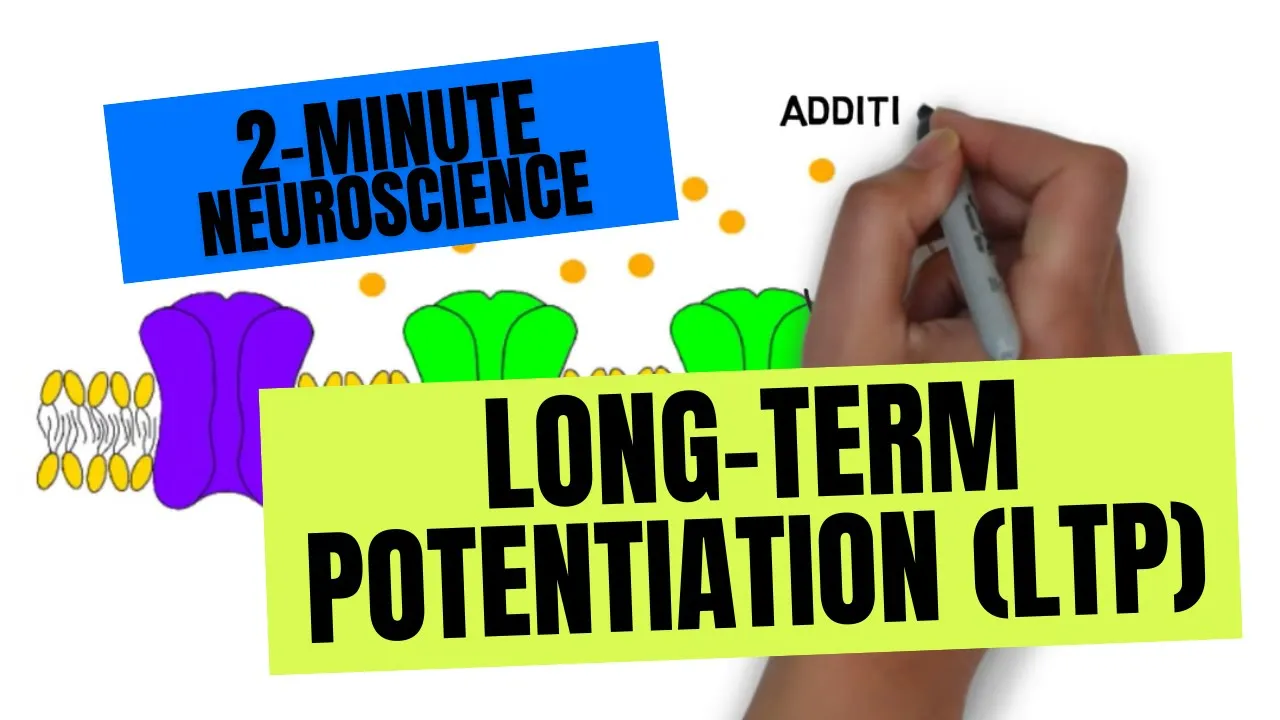
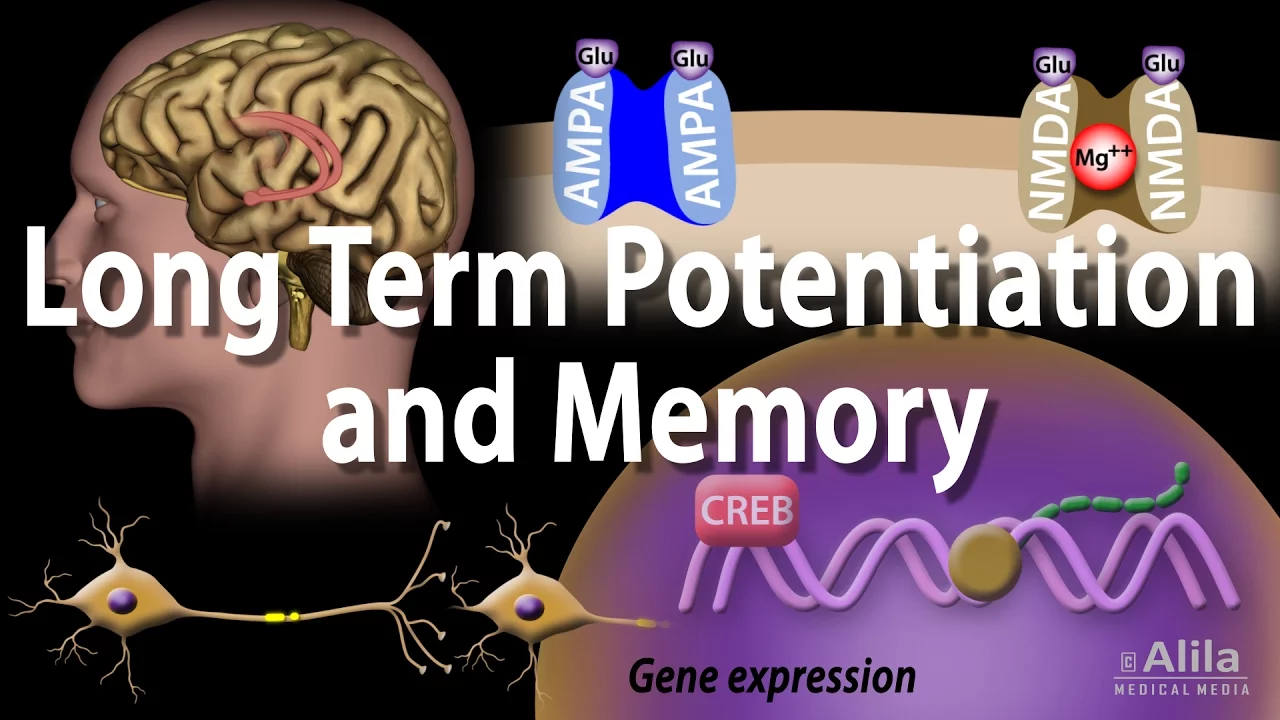
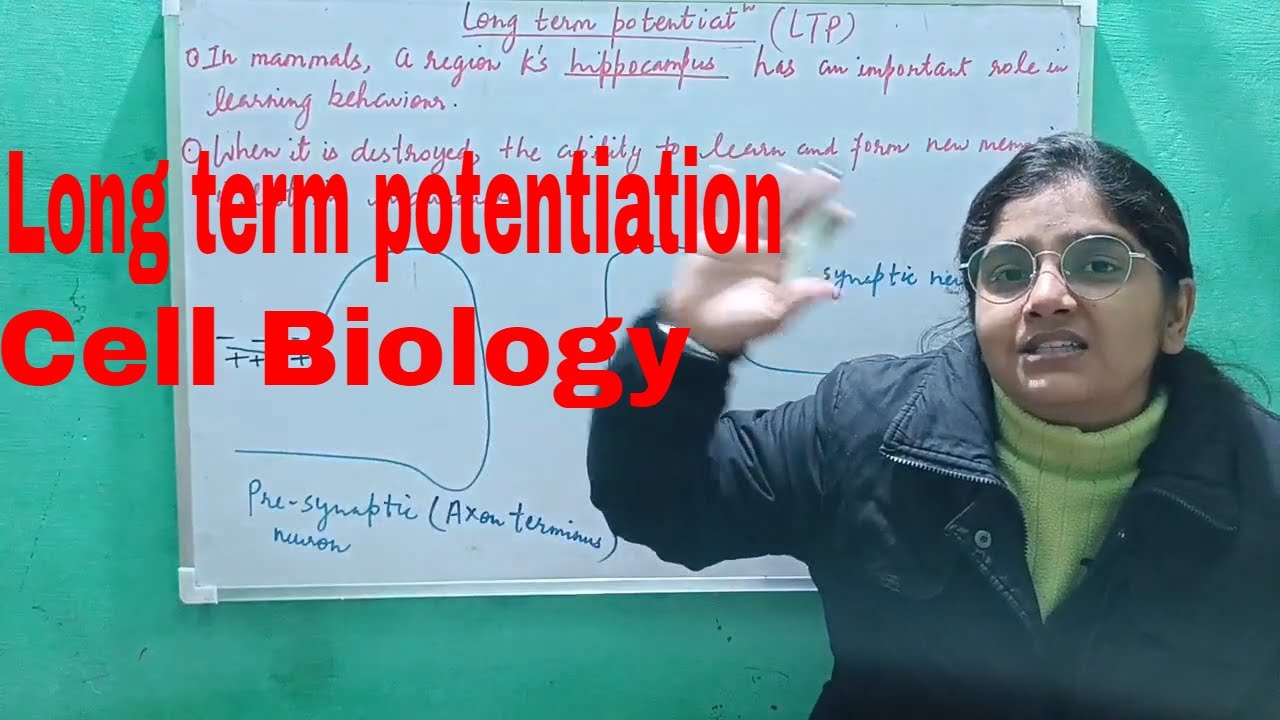
The biological mechanism of neuroplasticity, including how neural connections strengthen over time through Long-Term Potentiation (LTP).
The concept of physiological arousal and how attention is captured and maintained during cognitive tasks.
Evidence-based pedagogical strategies derived from cognitive science, such as spaced repetition, retrieval practice, and dual coding.
The crucial role of sleep and rest in the offline stages of memory consolidation and cognitive restoration.
The neurobiology of chronic stress versus acute arousal, examining how excessive cortisol impairs prefrontal cortex function and learning.
Critical evaluation of 'neuromyths' in education, separating scientifically backed learning methods from popular misconceptions.
336 views1likes1:01:28Original Release: 2023-01-06
Welcome to our live streaming uh guests as well so this is the third General Session at nightop and before I introduce our speaker I wanted to just uh have I have a few announcements so today uh at lunch right afterwards we have nitop nearly impossible trivia of psychology nitop nytop at this activity you sit uh with a table of people and they become your team you'll have 10 minutes to answer eight nearly impossible trivia questions uh and the winning table gets uh free drink tickets which is uh very which leads me to the next announcement which is tonight is Nighthawk karaoke night at 8pm uh in the Jacaranda Hall this is not just regular karaoke this is guilt-free shame free privacy insured karaoke so please feel free to come by and and check that out it's fun for for everyone also today we'll be sending you a link for the conference evaluation that will be coming through email not through the app because we're sending everyone a unique link so that way you can complete it you know as you you go you don't have to do the whole thing at once so please check your email for that uh for that link to for the evaluation we take those very seriously uh tomorrow at the end of the conference we'll drag ourselves up to a meeting room and we will start planning next year's conference so it's my pleasure to introduce our General Session speaker today Dr Elizabeth Phelps Dr Phelps is the Pershing Square professor of human neuroscience at Harvard University Dr Phelps earned her PhD from Princeton University in cognition and cognitive Neuroscience Dr Phillips has had an outstanding career in both research and teaching among her many awards she most recently received the George Miller prize from the cognitive Neuroscience Society in 2021 and the William James award from the association for psychological science she's a fellow of the American Association for the advancement of science Dr Phillips has served as president of multiple academic associations including the associations for psychological science Dr phelps's talk today is is sponsored by WWE Norton and we deeply appreciate their support of nytop today she will address us on how the cognitive Neuroscience of learning can inform teaching of psychology please welcome Dr Phelps [Music] so let's so I just want to start by saying I am delighted to be here you know I teach psychology and I've taught interest to psychology uh for you know decades longer than I want to admit um but I'm rarely in a room of other people who are equally interested and excited about how to improve our teaching of psychology and so thank you for having me um I'm going to talk today so I'm a cognitive neuroscientist which means of course I study the relationship between the brain and behavior in humans and you know this is something you know that I do research on but it's also something that I think about as I teach psychology and so I'm going to just review for you today a few of the things I think about from my research that informs how I might structure a class in teaching introduction psychology or any psychology class for that matter and so one of the goals that we have when we teach psychology is to create a learning environment that enhances the retention of insights from psychological science and I think think about two areas of research that I conduct that specifically might inform this goal one is enhancing memory retention through reconsolidation so I'm going to spend a lot of time today sort of unpacking what I mean by reconsolidation and what the data is behind reconsolidation and the other is enhancing memory retention with mild arousal so before I do that I want to give you hold on pushing the wrong button here some background on the neurobiology of memory so this may be familiar to many of you but I just want to make sure that we're all on the same page before I start diving in to the brain science a little bit more and specifically I want to make a couple points you know we know that there are multiple types of memory uh and they have different means of expression and these different means of expression and these different types of memory are dependent on distinct neural systems but of course in any situation all of these memory systems are active and so they can also interact in specific situations and today I'm going to focus on two memory systems the one that we think about the most which we call declarative or explicit memory this involves the conscious recollection of events that's episodic memory or facts semantic memory and then you know that this depends on the hippocampus and para hippocampal regions regions sort of surrounding the hippocampus for initial storage whereas additional brain regions will come into play when you have to retrieve information the other memory system I'm going to talk about which is specifically related to emotion is an amygdala based memory system this underlies threat memories and it involves the expression of learned defensive threat responses so not do you tell me what you remember but is your body showing me what you remember through your app through freezing your actions or perhaps your physiological response like autonomic arousal and we know that this depends on the amygdala for both storage and retrieval so just to come back to the to a little bit more to explicit memory so we we think of this as a primary memory system in humans when we think about what is memory we think about our ability to consciously recollect facts and events and this is the memory system we care about the most if we want to help our students retain the information that we teach in the classroom we know that the medial temporal lobe including the hippocampus is important in this memory system and here you I'm sure all are familiar with the famous case of hm who we now know now they've passed away his real name is Henry malliason that was Kept Secret for years and years and years hm and his early adult life had surgical resection of the medial temporal lobe this included the hippocampus and other cortices we call them para hippocampal cortices and you know and we know that he as a result had a hard time remembering essentially anything in his life I was privileged enough to meet hm once it was really fascinating he he really from one moment to the next didn't really know what was going on and that way he was in some ways the perfect experimental subject because he didn't know he'd been there being tested all day at the same time it kind of made you feel bad about testing him all day um but you know he really from one moment to the next didn't kind of know what was what was happening although he could engage in a conversation he had very good short-term memory um the hippocampus here in blue you know is a small structure in the medial temporal lobe uh gets its name from the word for seahorse sort of has that shape um and it's been identified within all the regions that were damaged in hm as the one that's most critical critical for the storage of memory although semantic memory the ability to learn new facts is also dependent on regions sort of right outside the hippocampus the um the threat memories involve the amygdala this is not critical for the learning and retention of psychological science but it does inform our understanding of reconsolidation and we also know that the amygdala interacts with the hippocampus to facilitate explicit memories that's why I'm focusing on this memory system today um so how do we study the amygdala the typical Paradigm we use is pavlovian threat conditioning so here you have a participant who come in they would see a neutral stimulus such as a blue square it would be paired with a mild shock to the wrist for instance something aversive it could also be something rewarding and this mild shock to the wrist will result in an autonomic response such as a skin conductance response as you can see here initially to the shock itself but eventually to the blue square that predicts that you will see a shock you know from oops we know from lots and lots of research in humans and rodents that the amygdala here in red and what I've done on the right here is actually take an MRI scan of a participant and made their Grain Brain glass here's the front and here's the back and trace an actual amygdala in the hippocampus so they hippocampus and amygdala are right next to each other um and we know that the amygdala from research and rodents is necessary for the acquisition of this learning the storage of this learning is in the amygdala and it's also necessary of course for the retrieval of this type of learning as expressed for your physiological response um in humans hi sorry should I take should I take one off no I am really miked up here um okay in humans um we know the amygdala is important for this for the expression of this type of learning because patients with amygdala damage fail to show this sort of increased physiological response to the stimulus that predicts that they're going to receive a shock so here on the top I've plotted the skin conductance response for a healthy participant you know he shows a response to the shock itself and but also to a stimulus that predict the shock whereas a patient is anything oh sorry didn't mean to do that yet whereas a patient with amygdala damage will show a response to the shock itself so it's not the case that their autonomic nervous system doesn't work but they fail to show this Association as expressed through an autonomic response however these patients especially you know if they have an attack type of Campus do have explicit knowledge for the events that occurred so here's a woman with bilateral amygdala damage this is the cartoon version of her data that you're seeing here um she was shown her actual data and asked a comment on on it so I'm going to show you uh what she said I bet my reactions to normal lifestyle life threats my fear element seems to be to me in my head normal I've never noticed anything odd and um how do you feel seeing these results I'm dead I think that it's probably absolutely correct I know I don't sweat um I knew that there was an anticipation that the blue Square was going to at some particular point in time bring on one of the Vault Jacks but even though I knew that and I knew that from the very beginning except for the very first one where I was surprised I really don't think that it it I mean I knew it was going to happen but that was my response I knew what was going to happen I accepted that it was going to happen so I learned from the very beginning it's going to happen blue Shack happened I turned out to be right it happened so I think she dramatically demonstrates you know even though she fails to show me evidence of this learning through this physiological response which we know is the middle dependent she has very good knowledge of the events that occurred which is of course hippocampal dependent and you if you take patients with damage to the hippocampus whose amygdala is intact you'll show the opposite pattern which is they will show this physiological response to the stimulus that predicts a shock but they'll fail to be able to tell you that the blue square predicts the shock later on so just about just to summarize what I've mentioned already we know that declarative explicit memory involves the conscious recollection of events or facts depends on the hippocampal regions and is the primary memory system needed for the retention of information taught in psychology threat memory involves the expression of threat responses depends on the amygdala and can inform our understanding of reconsolidation which I'll get to next and can interact with but it's not critical for explicit memory retention um so I want to now move to memory reconsolidation reconsolidation is a topic that has been investigated quite a bit in the last 20 years or so so I want to start with just saying what is it and then I'm going to highlight you know what's the early evidence for reconciliation and then why was it so exciting why do people get so interested in this there are now thousands of articles on reconsolidation primarily in rodent work but a good you know a few hundred at least in humans as well so what's the initial evidence in rodents what was the initial evidence in humans supporting reconsolidation as a memory mechanism what induces reconsolidation so when can you trigger reconsolidation and see some benefit of this perhaps and then how can this inform teaching psychology so first what is reconsolidation um until about 20 years ago have you asked any neurobiologist who studied memory they would give you sort of the standard view of memory and the standard view was that you learned something there's a period of time where the memory isn't Consolidated during this consolidation process the synaptic changes that form the memory occurred this requires protein synthesis so if you were to right after you learned something inject something into the brain that blocks protein synthesis you would block the storage and consolidation of that memory in humans we probably see this most often in something like when someone has a concussion they may not remember what happened right beforehand we think that is because they blocked the consolidation of that memory the concussion did or ECT for instance but it was traditionally thought that once the memory is stored and it's gone through the full consolidation process it's there and you can retrieve that memory by sort of pulling out that memory and then putting it back wherever storage was and then a second time you retrieve the same memory like you take a file out put it back take a file out put it back again this was the standard view of memory until about 20 years ago um but there was an alternative view of memory really first talked about in the 70s but not really verified with data until the 2000s and that actually there's multiple consolidation processes so here are the ideas you learn something there's a Time dependent process where Plastics plastic um synapse you know what I'm saying I'm like I'm so tired I flew in Lakeland um you know were the memories formed um uh there's plasticity in the brain um once the memory is stored however when you retrieve their memory some of the times there is another period of synaptic plasticity and what this means is even after a memory has been initially stored if you can disrupt that second process of synaptic plasticity you might be able to change the memory or disrupt the memory and so the notion was that with retrieval at least some of the time we're going to engage in a second storage process so what's the data supporting this is Kareem Nader who's now a professor at McGill University at the time he was at NYU where I was and he did studies in rodents using a simple threat conditioning Paradigm of pavlovian thread conditioning Paradigm so much like the one I showed you earlier he took a rodent uh he played in this case a tone he paired the tone with a foot shop the rodents started to freeze then when it saw the tongue or when it heard the tongue excuse me and so this learning occurred on the first day he waited a day for this this tone shock memory to consolidate he then brought the rodent back into the laboratory he just played the tone by itself just once sort of not a repeat of several tones like he did during learning but a single tone presentation he then injected into the lateral nucleus of the amygdala where we know from working rodents is a site of storage of this memory he injected into the lateral nucleus of the amygdala a protein synthesis inhibitor which should block the storage or restorage of the memory he then waited a day and I should say if you tested right then before the memory was restored the road the rodent would still freeze okay but if you waited a day and you play the tone the rodent didn't freeze at all it's like they never had the experience with the tone and the shock um so this was very exciting work suggesting that even after a memory has been Consolidated you can disrupt its re-storage or reconsolidation by injecting proteins inhibitor and suggest a memory system that looks something more like this than the standard view of memory um now why was this so exciting so those of us who study threat memories this was a this was a seminal finding inside of you know thousands and thousands of times at this point it was so exciting because this sort of threat memories have become a model for things like maladaptive threat responses for instance we as you see in anxiety and the standard way that we use to diminish threat responses in these learning paradigms is extinction learning as described by Pavlov so Extinction learning you know you have initial acquisition a rodent here's the tone pair of the foot shock they start to freeze more now when they hear the tone or in humans you know they see a blue square it's paired with a mild shock to the wrist they start to show greater skin conductance when they see the Blue Square but if you now present the tone or the blue square repeatedly without the shock itself you see a diminished freezing and rodent and diminished skin conductance in humans and this is just classic Extinction learning as initially described by Pavlov um and this of course forms the basis for exposure therapy treatments for the treatment of of anxiety disorders in PTSD but one of the problems with Extinction and this again was also first described by Pavlov is that Extinction doesn't result in erasing or changing the initial memory on the slot very much what it results in is a second memory Trace that now competes for expression with the first memory trace and as Pavlov first described you know with salivation has also been shown extensively in threat learning we know this because under a number of circumstances with the passage of time you know you get sort of the shock at sort of independently the animals stressed under a number of circumstances the threat memory reappears so the memory still has to be there um and so this is sort of the case of poor Extinction retrieval and this matters at least because you know in terms of using this type of technique uh in exposure therapy for instance um because it suggests that these maladaptive threat responses that might have been ameliorated through exposure therapy can actually return and this is thought to underlie the high relapse rate for things like exposure therapy and CBT and so people were excited about reconsolidation very much initially because it was such a thought that maybe targeting reconsolidation could be a more effective technique to reduce maladaptive threat responses I'm happy to discuss in the question period where that stands um but I will move forward with the lecture about memory and teaching right now um so I should say so another reason why we consolidation was so exciting is because it wasn't a a memory phenomenon that was unique to threat memories it was also shown that hippocampal dependent memories and motor memories undergo reconsolidation so in another series of studies some from uh this is from yasik debiak in the lab of Christina albarini just a couple years later showed that they could block context Memories by injecting protein synthesis Inhibitors into the hippocampus after a previously Consolidated memory was retrieved and show now deficits in retrieving that context memory so this wasn't this was a sort of a general memory phenomenon not unique to just threat memories so what about in humans so what evidence so you know in rodents what they've done is they have they've sort of shown that this is due to synaptic plasticity by disrupting synaptic plasticity by injecting drugs into specific neural systems we can't do this in people obviously um and so we have to find Alternatives and this led people to say well why would it be the case why would it be the case that when you some of the times when you retrieve a memory it undergoes the second storage process has been proposed there's two functions of reconsolidation one is to strengthen the memory if a memory undergoes one consolidation process you can be strong it may be weak if it undergoes a second stop consolidation process it's going to be stronger then it goes with third consolidation process it will be even stronger so a primary function of memory of reconsolidation is thought to be strengthening of memory a second proposed function of reconsolidation is to update the memory so whatever it is that caused you to retrieve that memory in the first place whatever situation that was may have information in that moment that's valuable for the future use of that memory uh and so you can now update the memory with new information available at the return the time of retrieval and this is thought to perhaps underlie the dynamic nature of memory that we see in things like misinformation effects so um to find evidence for reconciliation in humans we want to take advantage of this updating function and to see if we could update a threat memory with new information about the value of the stimulus the conditioned stimulus and this was work that was done in my lab by Daniella Schiller in a rodent study was done in Joe Ledoux lab simultaneously by Marie monfels Danielle is now and Mount Sinai and Marie is at UT Austin um and so the way this study worked at least as one of the studies we've done several versions of this study the way this study worked was participants came into the laboratory they saw two neutral stimuli here orange square and a black Square Each of which on some subset of the trials was paired with a mild shock to the wrist they also saw another stimulus we call the Cs minus negative condition stimulus negative that was never paired with shock this is a baseline stimulus so I'm calling one of these the Cs the Recon reconsolidation consistency reconsolidation condition stimulus the CSR and the other one the extinction condition stimulus the CSE now become clear in a second the second day participants came in so we waited a day for this memory to consolidate the second day participants came in um and they were given a reminder to reactivate one of the threat memories in this case the what I'm calling the reconsolidation condition stimulus then there was a 10-minute break so this was sort of an out of context unusual what's going on here presentation that just you know was just one presentation not a not a series of Trials by itself there was a 10 minute break and then participants underwent what would be we're calling safety training but is really Extinction learning they saw all three stimuli repeatedly with no shock no aversive events so the only difference here between what I'm calling the reconsolidation condition stimulus and the extinction condition stimulus is that these the reconsolidation system condition stimulus is undergoing this safety learning during the what we think is the reconsolidation window during a time when the memory is being restored whereas the extinction stimulus is undergoing standard Extinction learning participants came back a day later they got some sort of unjust sort of random shocks this helps reinstate or induce the recovery of the threat memory and then we did another Extinction session so this is the data that we got from this um what I've plotted here on the y-axis is this skin conductance response during the and here it's on the end of acquisition so what you can see at the end of acquisition is participants acquired conditioned responses to both stimuli that were prepared with shock but they didn't show a skin conductance response to the stimulus it was never bad was shot so I just showed pavlovian learning this is the end of Extinction learning so here what you can see is this sort of safety learning reduced the the condition response to both stimuli and here's the beginning of the third day and what you see here is we see robust evidence of a return of the threat response to the stimulus underwent standard Extinction this would be consistent with sort of this recovery threat responses that you typically see during after Extinction learning but we see no recovery with the reconsolidation condition stimulus and we then re-estinguished everybody I put this here only because in another version of the study we brought people back a year later we were still able to reinstate the condition response in participants underway standard Extinction a year later but showed no evidence of recovery if they underwent what we called Extinction learning during reconsolidation and so this suggests that we can sort of rewrite in some ways the original threat memory as it is stored in the amygdala to incorporate this new information that's available after the retrieval of that memory when the memory is undergoing this vulnerable reconsolidation process um so in humans there's also evidence that this is not unique to threat memories so here I'm showing you a paradigm that was conducted by Alma hotbak uh who's at Lehigh University and what she did in this study was she brought participants in she put a bunch of objects in a basket and then she had participants go through and name the objects and they were supposed to remember them she then brought participants back two days later they either were reminded of the original learning experience by being in the same context in the same room in this case with the same experimenter or they were in a different room with a different experimenter um and here they were given a bunch of objects that were laid out on a table and they were asked to memorize the objects and then they came back two days later and they had to recall what they learned the first day not the second day and what you can see here um is uh her data showing the recall of items from the first day and people were somewhat better not significantly better at recalling items the first day if they didn't have the if they didn't have the reminder the second day um but the bigger effect is that information learned the second day often intruded on the first day learning so now when you're saying tell me the item people on the first day if they had the reminder they're much more likely to incorporate information that they learned the second day so they're having sort of a source confusion in this case and it only goes one way if they ask and recall the second list they never show information intruding on the second list from the first day so this suggests that this is going to hit the Campbell dependent task it's a conscious recall so this type of learning extends to the hippocampus in humans um so so that leaves the question what induces reconsolidation I've been showing you examples where we do the single retrieval and that somehow induces reconsolidation but we know and this is very important that not every retrieval induces reconsolidation so if we go back to this state this this uh this example that I showed you what's what's the most puzzling thing here and maybe some of you notice this and we're thinking this in the back of your mind is that you know the first trial of Extinction learning is also a retrieval right yet if I do retrieval if I do Extinction learning normally I don't see evidence for reconciliation updating um and so there's been a lot of research trying to say why is it sometimes when you retrieve something you reduce it you induce reconsolidation and other times when you treat something you don't um and what this has uh what this has a result what does this will come to is if is this a conclusion that only incomplete out of context surprising memory can cues induced reconsolidation it's been suggested that you need some sort of prediction error something to tell you there's sort of something new to learn here you know it's not I'm not getting exactly what I expected right and so therefore I need to update or change or strengthen my memory so you need a prediction error to induce reconsolidation so you know when you have a prediction error an incomplete reminder of sorts you induce a memory model that looks like the reconsolidation memory model I talked about earlier you know when you have retrieval you get another storage process when you don't induce a prediction error when you have sort of a repetition of what you might expect you have a memory model that looks something like sort of standard memory model that I talked about the memory you know you might have a new learning trial but you don't update the old memory it is not restored it is not reconsolidated and so here's a sort of review article that was a slide from a review article just to kind of emphasize how this works so what you see here this is a review by Sinclair and barantz is you know participants learned pairs of images and this is just sort of a sort of cartoon version of what's happening in the brain the representation of both of these images now if you just repeat that pair of images as they saw them the first time you know you'll get another learning trial you'll have but it but you won't you won't induce reconsolidation however if you present say just the queue and not the pair which forces them to sort of say okay what's missing here and try to come up with something try to retrieve something then you will induce a reconsolidation process so by doing this by giving incomplete information you're generating prediction error this prediction error induces memory reconsolidation and then there can be three consequences of inducing reconciliation if you do something to disrupt the memory at that point some type of manipulation that disrupts consolidation or reconsolidation you will then disrupt the memory if you present new information at that time you can update the memory if you don't present any new information at that time and then they will strength it will just strengthen the memory just have a second consolidation process so there's three consequences potential consequences of reconsolidation disruption which generally in humans for episodic memories take some type of physical disruption updating or strengthening so how does this inform teaching of psychology um well I think this is captured very well in what we call the testing effect which many of you are probably very familiar with the testing effect suggests that retrieval practice leads to better retention and better subsequent test performance than reviewing the material it's not just just reviewing the material and so you know retrieval practice is essentially an incomplete reminder what is it you learned yesterday um you know who was the person that first described classical conditioning um so all of these things caused the person to have some prediction error some incomplete reminder that then could induce a reconsolidation process whereas if you just re-study you will have essentially um you know sort of a second learning trial but not inducing not not repeating absolutely not reconsolidating the initial learning and this is essentially what they find in the testing effect um and so So based on the principles of reconsolidation how does this inform the teaching of psychology a few things some of which was already been documented in psychological research on the testing effect um we know that retrieval practice after initial consolidation will be more effective so if you know if you do the test if you do sort of a practice test immediately or in the same class session it will have a minimal benefit if you do it in the next class session it'll have a bigger benefit retrieval cues that produce stronger prediction errors may be more effective and so incomplete recall or queued recall tests may be more effective than multiple choice recognition where you're actually showing them all of the options and again both of these findings have actually been been demonstrated in some of the psychological literature and that feedback soon after retrieval practice could help update incorrect initial learning so it may be the case that the memory transformed initially is not correct and so if you give feedback very soon after the testing procedure that can actually help update the incorrect initial learning so just to summarize this part of the talk I've talked about one way we may enhance memory retention through reconsolidation that by inducing reconsolidation of previously Consolidated memories this creates an opportunity to strengthen memories of classroom materials and this may underlie the benefit of the testing the benefit of testing and provides insight into how testing your people practice may be most effective I'm going to take questions on that before I move on to the next section well you can also ask questions later on about that but if there's any burning questions I'll get to them now yes is that okay if I take questions right now Steve okay yeah thank you could could you just comment on how the the time Gap that you would need to maximize this effect well so I will say that we don't I mean we don't know the time Gap that you need to maximize the effect but a longer time Gap is going to be better so you can think you can think of it as um you know a neurobiologist I know Christina alberini describes it like this you know you have initial learning and then you have consolidation consolidation is strongest initially and it decreases over time it goes on for a very long time in humans we know this from research on retrograde amnesia but every time you you then have this sort of um this this retrieval that induces the prediction error you reboost it right and so it's almost like you know so presumably if it's a little later you'll reboost it even more but it doesn't mean that there's not a benefit at any part in that sort of downward curve but there's no there's no sort of you know one of the problems in this work is that a lot of the researchers and rodents and the the timeline of reconciliation changes a lot in rodents and hasn't been sort of investigated in precisely in humans and it's hour's day oh I'm thinking more definitely hours or days minutes I don't think we'll do anything so we know the reconsolidation process um you know so definitely definitely hours at the at the minimum but I'm sort of you know days is better yeah if that helps yes and I should say you know we if you do a test initially you know one of the things that the cream Nader showed and it's been shown in humans as well when you disrupt reconsolidation like with a protein synthesis inhibitor you know immediate recall doesn't recall doesn't require protein synthesis you don't actually see a deficit immediately right because the consolidation is a Time dependent process that goes on for a while and so is reconsolidation the time window for reconciliation is shorter than consolidation but still it goes on for a while yes two well that's a little bit louder than I expected two questions one is a clarification on the study that you're talking about with the humans with the extinction and the effect um was that a between subjects or was that within that one was within we've done it between as well okay yeah I'll have to go back and re and read it and and understand exactly what happened but um so I mean I can just so so everybody learned in the same session that two stimuli predicted a shock and only one of them was was reactivated okay okay whereas we've done it between with between subjects where you know they learned about one stimulus and one was and it was either reactivated or not okay so okay got it um and then the second question was when that the reconsolidation process happens um do you think and you said it's because there's a prediction error and they need to add new information or they do add new information do you think the reason that they strengthen that memory or or have better access to it is because they've created more access nodes or more Pathways to be able to retrieve that information I guess I'm going on to retrieve yeah I mean so you know the thought at least with from the reconsolidation literature is it really you know memories are so stored very weakly or strongly and so this increase is just the strength it's not that it changes it can with you know updating information change the sort of nature of the memory but if it's but if nothing else interferes or you know comes in after it's just a sought to strengthen the initial memory not change the initial memory okay so the synaptogenesis or the okay yeah great thank you um and I should say the reason why we did that within within subject version was we we also did in a scanner and we were able to show in the scanner that the pat that sort of the pathways you see involved in extinction aren't there when you have now updated the memory um through reconsolidation so it sort of firms the idea that we're updating their memory as opposed to sort of you know inhibiting the memory yeah okay I have a question from my remote audience um should we add the threat memory in a cognitive memory model to explain the importance of social issues like sense of belonging fear between peers Etc I mean you know you know Emery's in terms of learning about others right and learning from others so I talk about it more in terms of implicit bias at times but I do think you know this is just a basic learning mechanism we learned from Association and that can happen in the social context that can happen in a non-social context when it's a negative thing something you find threatening I do think that can play out in Social domains but it's hard to me for me to answer that specific question should I move on I'm going to move on at this point yeah um I just want to make sure I get through all this so the second thing I want to talk about um is how does arousal influence memory and what is the neurobiology of arousal tell us about how arousal influences memory and how how can this inform teaching psychology so first what are the neurobiological consequences of arousal um and so you know this is something you're all familiar with with the flight or flight response we knew that the fight-or-flight responses we typically talk about it has two systems has a fact fast acting sympathetic nervous system component um and here this activates uh the the Adrenal medulla that releases norepinephrine and epinephrine um and so this is sort of underlying autonomic arousal the skin conductance response you see it's very fast acting you know you see a skin conductive response you know within a few seconds of a something that's arousing it can be very brief it can go up and it can go down and even very subtle brief arousal results in this release of catecholamines epinephrine norepinephrine the other part of the um of arousal we talk about is the hyperthalamic pituitary adrenal axis the HPA axis this is slower takes unfolds over several minutes 20 minutes or so um it's only it only comes out with more intense emotional experiences so you can have a clear you know subtle transient arousal response without having HPA axis activation and this results in the release of cortisol I'm going to focus on what I'm calling around nozzle here which is this fast acting sympathetic nervous system response and so how does arousal influence explicit memory the type of memory that depends on the hippocampus well what I've plotted what I've put here is a from a review article showing a connectivity map of the amygdala so the amygdala we think really has two functions one is the acquisition storage and expression of these simple threat associations but it also in the presence of of arousing or emotional information has connects with several reasons of the cortex to modulate processing in other cortical regions and so the amygdala if you look at this it looks a little bit like Grand Central you know in a map of the trains around New York right the amygdala has widespread connectivity in the brain it modulates the visual areas and modulates cognitive areas and it modulates memory areas when it detects something Salient in the environment and specifically the amygdala modulates the hippocampus and para hippocampal regions and and it does this specifically through modulating the storage or consolidation of memory to enhance explicit memory retention so I'm going to unpack that a little bit any of you remember who this is Christine blasey Ford okay a psychology Professor testifying in Congress and this is what she said she talked about her memories of uh the assault from Justice Kavanaugh and she had just basic memory functions and also just the level of norepinephrine and epinephrine in the brain that sort of as you know encodes that neurotransmitter that codes memory into the hippocampus and so the trauma related experience is locked there whereas other details kind of drift so she attributed this benefit in memory to norepinephrine epinephrine these catecholamines that are reduced induced with arousal and you know I know several memory researchers including myself that got calls from reporters saying is she right and I was like yes she's kind of right about how this works and the data that she writes is Right comes from the research of a gentleman named Jim mcgall so here's a slide I borrowed from a review article by Jim mcaul showing how this works and so the way the way this works I'll talk about some of the data in a second is that when you have arousal you get the release of epinephrine norepinephrine that signals the amygdala when there's a learning event the learning event initiates consolidation in the hippocampus and other brain regions but I'm specifically interested in the hip campus but when there's an arousing event the amygdala then modulates that consolidation process in the hippocampus and damage to the amygdala in pairs arousal enhanced memory storage and we know this is memory storage because research in rodents was able to administer epinephrine after an event and show the benefit on memory um and we know it's dependent on the amygdala because if you damage the amygdala you don't see this benefit even though the the rodent can still learn this they just don't show the arousal enhancement of this learning um in fact Jim mcgaughn here I pictured uh here's a picture of Jim argues that you know why you know the one function of having consolidation one function of this slow storage process that we have why does it take time to store memories he says one function is so that that the emotional impact of an event that emerges after the event happens itself has the opportunity to modulate whether you remember that event you want to remember events that are emotional uh they're important uh and by by having this consolidation process that can be influenced by stress hormones you're able to remember those events better um and so the question of course you know you know Christy blasey Ford underwent a traumatic experience but how much arousal is really needed to enhance memory because you know we want to do this in the classroom um and the answer is not much so here's a study um that we replicated it was a study initially done in 1963 by two researchers named Klein Smith and Kaplan there were 60 Yale undergraduates I did this early in my career when I was at Yale they saw eight word digit pairs and these were not particularly a rousing word they were like kiss or swim or chair um and we measure skin conductance while that people saw these word digit pairs to the words themselves and we just picked whichever words participants show a high risk conducted response to as the high arousal words and whichever words they showed lower your response to is the low arousal words and we divided them up that way um we waited we then did a cued recall for the digits what are the digits paired with the words and we did this either immediately or after 24 hours um and my collaborators on this were Mazar benaji and Bob Crowder and this is what we found um and so again this is for the digits that were paired with the words right so here's the here's the word here's kiss what digit was paired with it um and we can let percent Recon what you see for the low arousal words is the most robust effect in all of memory which is forgetting over time um but what you see for the digits paired with high arousal words is you actually don't show for getting over time in fact you show a non-significant increase in memory over time now emerging over time is consistent with enhancing consolidation you see it over the retention interval um so that was not a lot of arousal it was the arousal you have to the word like swim for instance we've done this now with several different types of stimuli uh this here is the data I just presented to you this is memory these are these are pictures emotional scenes and what you can see in this case is immediately we see equivalent memory but you showed a good retention for the arousing stimuli not such good retention for the non-arousing stimuli and so if I just looked immediately I'd see three different effects of arousal memory but over time what I see is enhanced retention of the emotional events this um this particular part I want to talk in a lot more detail because we did this in patients with amygdala damage to see if this is a medial dependent in humans um and so this Paradigm is something we call the the taboo word paradigm um we wanted to do some arousal so instead of like relying on words like swim that might randomly do so arousal on some individuals and not others we use dirty words the kind of words you wouldn't expect to uh here in the in the in the in the laboratory so you know the neutral words were things like chair or keep the dirty words were things like I'm not doing that sorry um okay we had 22 amygdala lesion patients and 22 healthy controls they had 20 taboo words and 20 neutral words we measure the skin conductance responses to the words themselves and we did verbal arousal ratings as well and we looked at recall immediately and after an hour delay and I should say the work by clients within Kaplan showed that the crossover point for this this learning this is about 20 minutes so by an hour you start to see these effects um and so this is what we see so as you can see the control participants you showed some forgetting over time we had multiple recalls so there's very it's not a lot of forgetting whereas they showed you know flat recall flat recall or somewhat improvement over time for the arousing stimuli the patient still showed a benefit for the taboo Wars with neutral words so there's several things about emotion that can enhance memory there's there was a category of emotion words right so the semantic similarity whereas it was sort of random and neutral words so that can enhance memory that's fine in these patients right but what they don't show is enhanced retention of the emotional words over time um and so you know this showed that sort of an event that occurs at the time of encoding uh sort of aroused it occurs at the time of encoding can can improve memory um but one thing you might want to ask is that's great like I can introduce something that's exciting in my classroom I can kind of get people a little excited they'll remember that better but what about the rest of it not everything does that right um well here I want to talk about you know when in the memory cycle arousal can can enhance memory and I'm going to talk about the memory penumbra penumbra this is sort of a word that we've started to use which not many people are familiar with I wasn't familiar with it when we first started to use it but here's a couple definitions so the penumbra from the dictionary is a partially shaded outer region of the shadow cast by an opaque object it's something around an object the in law you know it's um it's the group of Rights derived by by implication of other rights explicitly protected so it's things that are around the mem around the event and so I'm going to talk about the penumbra of memory when does arousal actually enhance memory we can think about memory sort of as a Time dependent process you learn something you encode the memory the time goes by you get memory is Consolidated you retrieve the memory what I suggested to you so far is arousal ad encoding can enhance memory there's also research I'm not going to talk about in detail saying arousal prior to learning can carry over and enhanced memory and we see this in both behavior and in the brain so the sort of pattern of brains we see amygdal activity if somebody's a neural state it will carry over and enhanced memory for information include encoded at that time when arousal is still high and also arousal after learning can enhance memory for related material doesn't enhance memory for all material but for related material so what we know is there's several time windows so you essentially arousal enhances memory for things that occur around the time of the arousing we do know however that Razzle can have an impair memory as well and so first very ex PR prolonged or extreme arousal in pairs memory at all stages and arousal stress prior to retrieval can in pair memory so retrieval requires you know the prefrontal cortex organizing your thoughts even mild around looking impair some of those functions so around so you know sort of arousal and prior to retrieval I'm particularly stronger arousal can impair memory not so much mild arousal so just to talk about now how does this inform the teaching of psychology I've suggested that inducing arousal in the classroom can enhance retention of class materials um and based on the principles of the neurobiology of memory arousal and arousal I can we know that even subtle shifts transient shifts in arousal such as surprising information engaging or entertaining lectures can result in catecholamine release just anytime you see that skin conductance response and this can enhance memory retention that arousal can enhance memory for materials learned before or after arousing events this is a penumbra of memory the effects of arousal memory will be most pronounced after DeLay So it affects consolidation that takes time retention at least an hour that extreme to prolonged stress will impair memory so you know many of you may have experienced your students not performing as well during the covet pandemic everybody was stressed including the teachers but students I think were hit particularly hard and then arousal or stress prior to testing can impair retrieval and test performance so this is you know anything you can do to help your students stay calm in the moment of a test will help performance so just to summarize this section of the talk I suggest that although there are many reasons to aim for entertaining and engaging presentations in the classroom one specific benefit is that the subtle shifts in arousal will enhance the retention of classroom materials um so I started this talk saying you know one of our goals in Psychology is to create a learning environment that enhances the retention of insights from psychological science I've tried to present to you some of the research that I've conducted and others in my field that have helped me inform this goal in my classrooms uh and I suggested that enhanced memory retention you can enhance memory attention through inducing self-reconsolidation that delayed an incomplete retrieval practice that can can enhance memory by restoring the memory strengthening the memory and that you can enhance memory retention with mild arousal even subtle shifts of arousal in the classroom can lead to better memory so with that I want to thank you for your time and attention and I'm happy to take any additional questions if we have time do we have time thank you thank you that was a great talk I was wondering if your model the first half the consolidation model does that apply also for implicit memories we talked mostly about explicit memories I'm talking about supposed to remember because that's the one we care about but uh you know we would we could call threat related memories implicit and that they're implicitly expressed it's also been shown in motor memories okay that's what I was thinking about more procedural memories because as you were talking yep I started taking piano lessons as an adult and so I drive my piano teacher crazy about this because I was thinking about this a lot in terms of how we could pair this with sleep so what we heard in the teaching slam yesterday so a lot of what I've noticed is when you practice music and then you sleep on it so a lot of times it's really frustrating but if you sleep on it those memories seem to consolidate overnight and you can actually see that change overnight in terms of practice and so I started to think about if you can disrupt those memories in your practice a lot of times like I talk with my teacher about strategies of how to like try to activate those memories in terms of consolidation like don't just start practicing in the same spot all the time try to activate them in different ways and then you can try to strengthen that memory using the the kinds of things you were talking about exactly I mean you know the thing about reconsolidation it's a natural memory process that's been around for a long time right I mean forever like I mean it happens you know it's what our memory does we haven't identified exactly when and how it occurs until recently right so all of those phenomena that you're talking talking are very consistent with the idea that you know starting a different place right will induce reconsolidation sleep we know is important for consolidation period whether it's consolidation or reconsolidation um so you know it's you know it's thought to underlie the dynamic nature of memory um and we've known memory has been is dynamic for a long time we just didn't know exactly how and why but now that we do we can start to think about more specific ways we might Target it so when it's frustrating just sleep on it yeah um make my way over to a question over here but one of the things I'm also realizing is that shift in attention that's important so I should resist the urge to be constantly entertaining in my class I would like to come personally but yeah you'll know this me sorry about that yes that's one way I suppose sure um so forgive me I don't have uh the neural background but I'm thinking about uh the ways to get those subtle arousals and I'm very interested by your study with the taboo words and so I'm thinking is like a shared laugh or is just saying something that you want your students to remember like oh this might be important you know and that is that enough or what kind of ways would you actually recommend I mean this is a hard question right I mean you know in that study by clients went and Clapton I talked about you know some people found the word swimwear arousing than the word kiss and other people found the word kiss more arousing than the word swim right so you know in the type of word study you know we just really to hit them over their head by giving them very dirty words um so I think I think it's hard to know for one individual because I think it you know it depends on their interpretation somewhat what they're going to find arousing you know we do we can think of general principles things that are funny things that are particularly inter you know particularly interesting you know for some somebody but that might not be interesting for somebody else so here you know I think the collective wisdom in this room is going to be much better than what I can tell you um in terms of the kinds of things that get student and get students engaged but I will say you know pupil dilation is a measure it's also a measure of the locus Aurelius which is involved in the release of norepinephrine and we see pupil dilation when people are working hard right sometimes you know sort of effort type thing so it's very subtle you see it constantly it's people you know things that are surprising prediction errors right induce people dilation so um and so you know but again I think it somewhat depends on the individual in their interpretation because it is sort of inherently an emotional responses dependent on their appraisal but you know some things are more Universal than others but I think everybody here in this room could probably give you insights into what works for them I wouldn't suggest telling saying curse words though it's time for one last question hi um I had I guess two-part question if you could briefly repeat the safety condition versus the um Extinction conditions they're identical oh so I'm you know I called it safety because that's really what you think you're learning in that circumstance like safety learning and you know Extinction implies you know that it is sort of a process that is engaging a new memory so but but the procedure is identical and and the is the reason do you think that the mayor the second memory Trace second third fourth memory trays are uh progressively taking up more comp uh competition or making giving more competition to that first first memory and that's why the first memory begins to not fade but um have less of an impact so you're talking about um the reconsolidation or you're talking about no so the notion is during reconsolidation what happens is the memory is active and when it's active you know it's going to be restored and so you could restore the memory with new information available at the time of retrieval so the memory is transformed okay through this through this process right um it's not that you know if if no new information comes in then the memory just gets restored and it gets strengthened and if new information comes in then it's updated to include that information thank you thank you so much [Applause] all right hi
Up Next
106:32
Memory Consolidation & Reconsolidation: Mechanisms & Research
@thebrainprogramideasresear8376
127 views•2025-09-05

59:49
Neuroscience and Genetics of PTSD: A Precision Medicine Approach
@UWPBSCI
221 views•2024-05-09

4:10
Vagus Nerve (CN X): Anatomy, Nuclei & Functions Explained
@Alilamedicalmedia
305.2K views•2022-10-31
13:03
How Exercise Benefits Your Brain: Science Explained
@TED
11.4M views•2018-03-21
Related Study Plans & Knowledge Roadmaps
Structured learning paths in Neuroscience
neuroscience
Appetite Regulation: Brain Circuits & Hormones
01Foundations of Endocrinology and Brain Anatomy
02Introduction to Energy Homeostasis
03Peripheral Signals: Leptin, Ghrelin, and Insulin
+ 2 more learning modules
14h5 modules
Explore Roadmap
neuroscience
Neuroeconomics: Value, Risk & Brain Mechanisms
01Foundations of Neuroscience and Brain Anatomy
02Introduction to Neuroeconomics and Subjective Value
03Dopaminergic Prediction Errors & Reinforcement Learning
+ 3 more learning modules
18h6 modules
Explore Roadmap
neuroscience
Spatial Navigation: Cells, Grids & Brain Maps
01Foundations of Brain Anatomy and Memory
02Place Cells and Head-Direction Cells
03Grid Cells: The Brain's Coordinate System
+ 2 more learning modules
12h5 modules
Explore Roadmap
neuroscience
BCIs: Neural Decoding & Prosthetic Control
01Neuroscience Foundations: How the Brain Signals Intent
02Signal Acquisition: Recording the Brain's Activity
03Neural Decoding: Translating Brain Waves into Data
+ 2 more learning modules
25h5 modules
Explore Roadmap