












![BANCA IBADE: ODONTOLOGIA [QUESTÕES 2024]](https://i.ytimg.com/vi_webp/nwH4lBm4lWE/maxresdefault.webp)



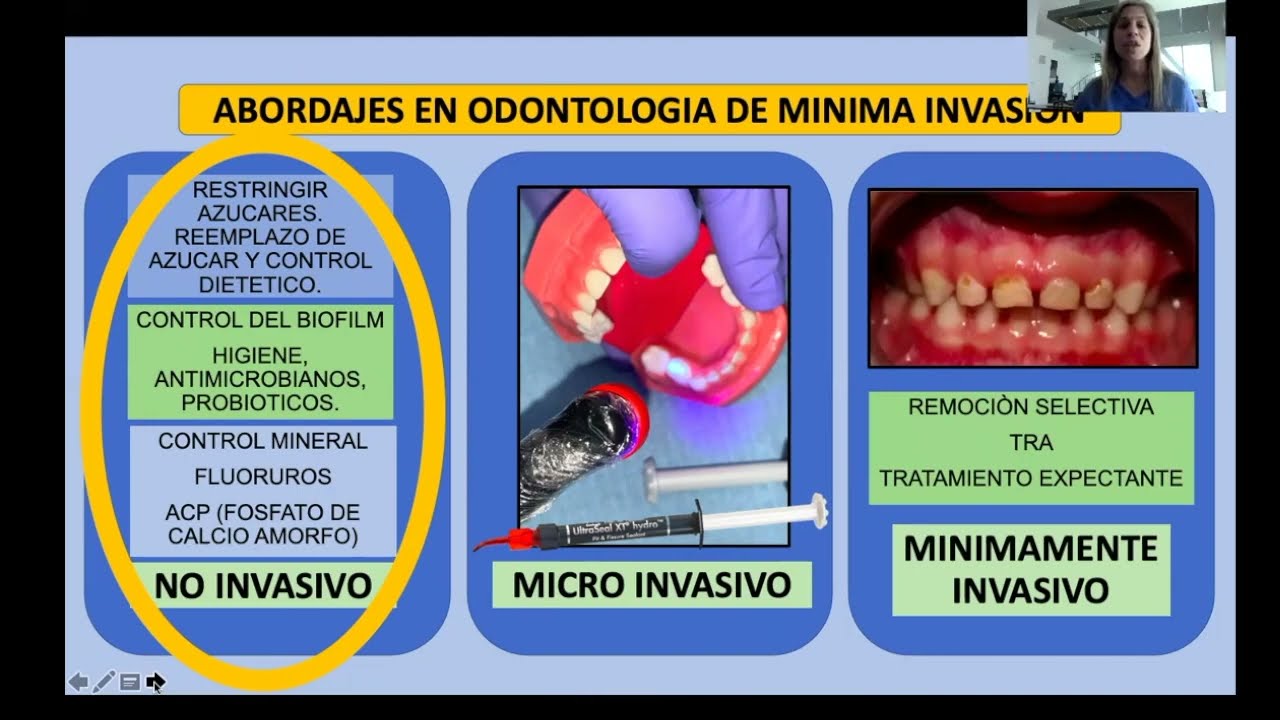






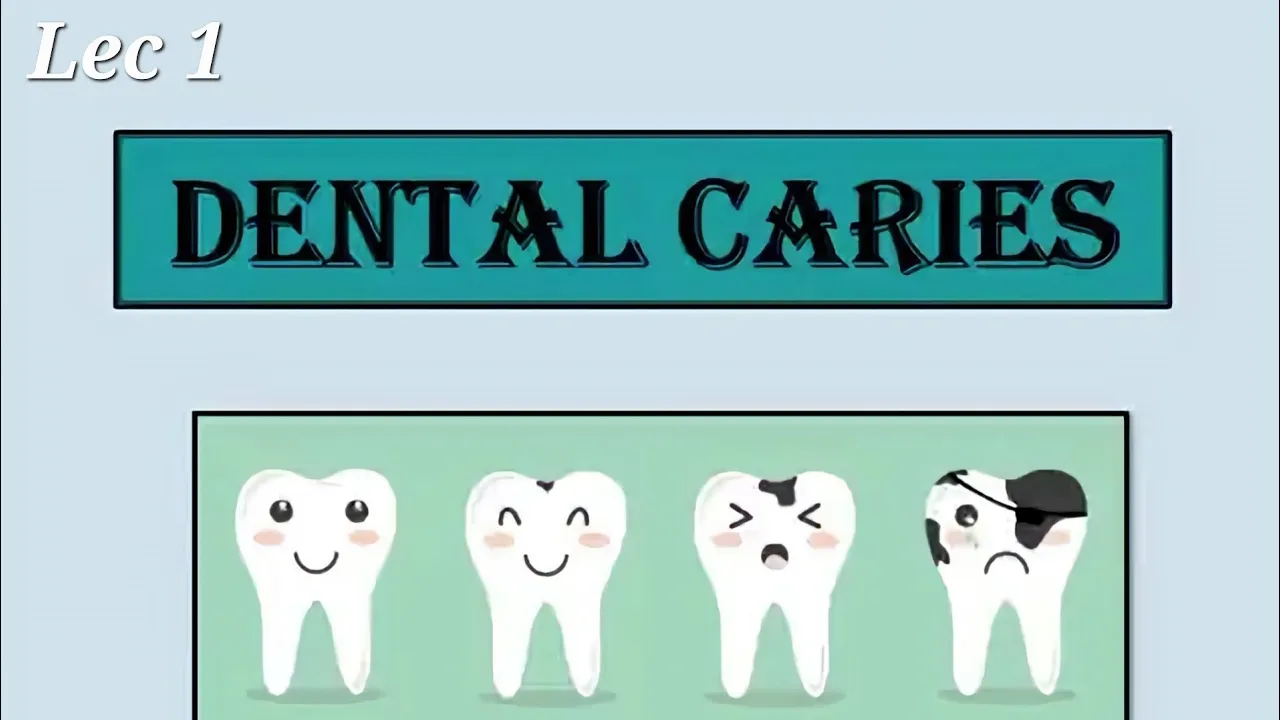
G.V. Black's classification of dental caries, proposed by the father of operative dentistry, categorizes carious lesions into six classes based on their anatomical location: Class 1 (pits and fissures of posterior teeth and lingual surfaces of anterior teeth), Class 2 (proximal surfaces of posterior teeth), Class 3 (proximal surfaces of anterior teeth without incisal edge involvement), Class 4 (proximal surfaces of anterior teeth with incisal edge involvement), Class 5 (gingival/cervical third of any tooth involving enamel, cementum, or both), and Class 6 (cusps of posterior teeth and incisal edges of anterior teeth).
G.V. Black's Classification of Dental Caries: Complete Guide
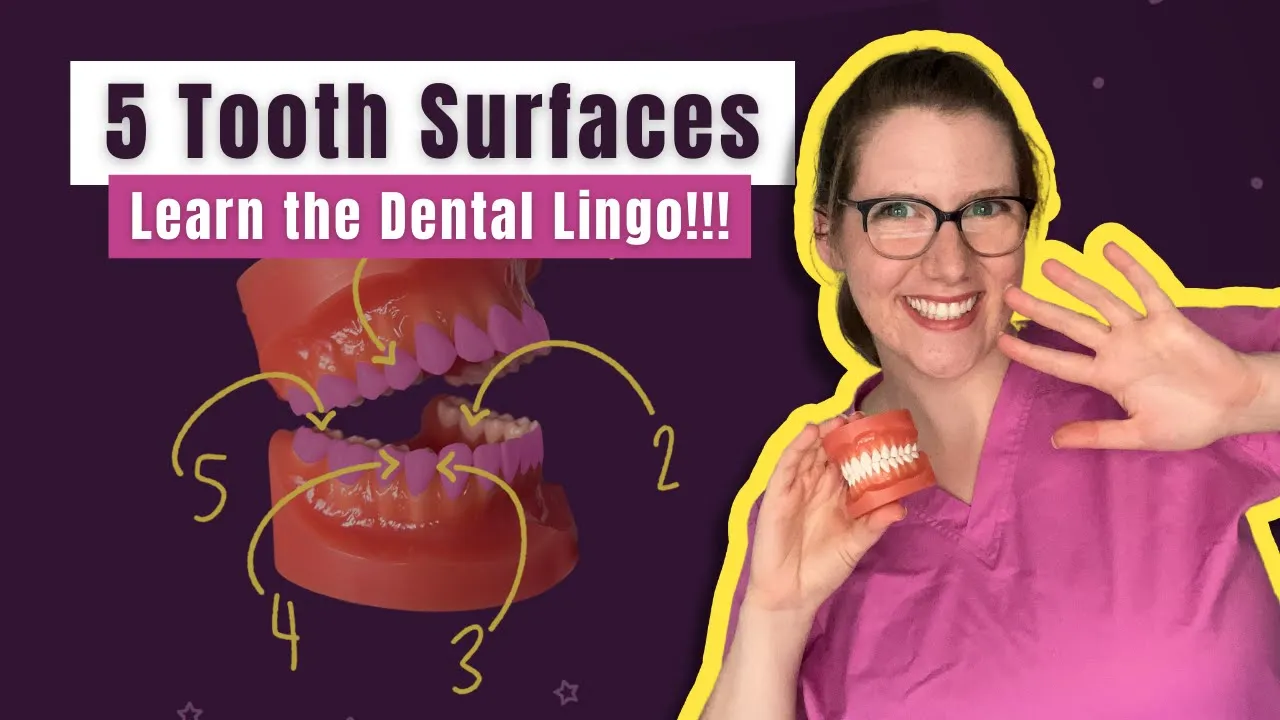
Added:Basic dental anatomy, specifically the names and locations of tooth surfaces (occlusal, incisal, mesial, distal, facial/buccal, lingual, and cervical).
The fundamental differences in morphology between anterior teeth (incisors and canines) and posterior teeth (premolars and molars).
The pathology of dental caries, including how bacterial plaque causes demineralization of enamel and dentin.
Anatomy of the tooth structure, specifically the distinctions between enamel, dentin, cementum, and the pulp chamber.
Principles of cavity preparation for each of G.V. Black's classes, including concepts like outline form, resistance form, and retention form.
Restorative material selection (e.g., amalgam, composite resin, glass ionomer) tailored to the specific stress and aesthetic demands of each caries class.
The philosophy of Minimally Invasive Dentistry (MID) and how modern adhesive techniques have modified G.V. Black's traditional 'extension for prevention' rule.
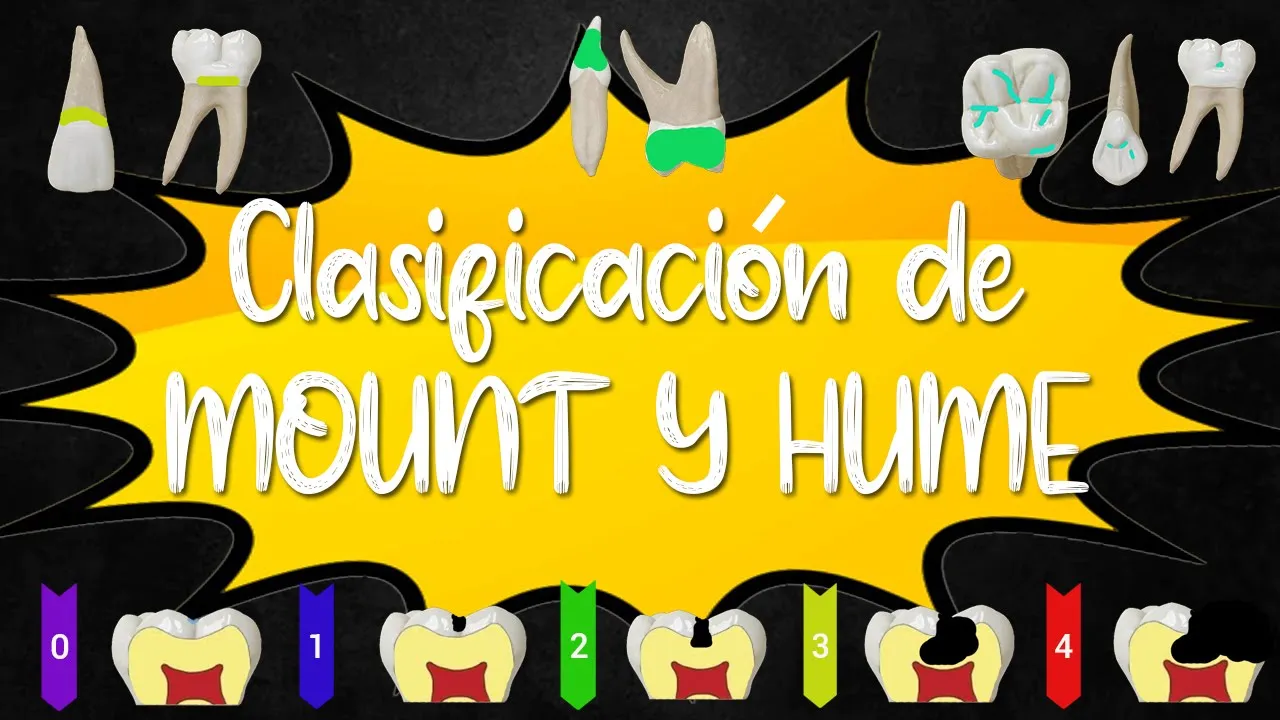
Alternative and modern caries classification systems, such as the International Caries Detection and Assessment System (ICDAS) or the Mount and Hume classification.
179.2K views5.2Klikes4:10Original Release: 2020-08-16
hello and welcome back everyone so today in this lecture we will be looking into the jv black's classification of dental caries so there are many many different classification of dental caries that exist in the modern day times but the most widely used and the most widely accepted by many different organizations of the world and teaching institutes is the jv blacks classification of data caries which was of course proposed by jv black himself jv black is also considered as the father of operative dentistry so based on the location of caries he classified the carious lesions into six classes or six groups so let's look into this classification of data caries starting with the class one so class one basically includes the carries that occur in the pits and fissures so these most often occur on the occlusal surface of the posterior teeth but this will also include the pits and fissures that extend down to the lingual or the buccal surface of the posterior teeth also included in this class are the carries that less often but do occur on the pits of the lingual surface of the anterior teeth so class 1 basically includes the lesions that occur on the pits and fissures of the posterior teeth and also less often on the lingual surfaces of the anterior teeth now on to the class 2 so class 2 basically includes the carries that occur on the proximal surfaces of the posterior teeth so any carious lesion occurring on either the mesial or the distal surface of any of the posterior teeth is included in the class 2 lesions but when this lesion occurs on the proximal surfaces of the anterior teeth it will be included in the class 3 lesions so class 3 basically includes the carious lesions that occur on the proximal surfaces of the anterior teeth whether it be an incisor or a canine but this lesion is only on the proximal surfaces and does not involve the incisal edges but if the scariest lesion on the proximal surfaces of the incisor also includes the incisal edges this will be termed as the class 4 lesion so class 3 basically includes the carious lesions on the proximal surfaces of the anterior teeth but not on the incisal edges while the class 4 includes the lesions occurring on the proximal surfaces of the anteriors that also has involved the incisal edges so now the class 5 so the class 5 basically includes the carious lesions occurring on the gingival third or the lesions around the cervical third of the tooth now this can be any tooth whether an interior or a posterior and the lesions may involve the cementum or the enamel or even both enamel and cementum but it should be on the gingival third of the tooth to be named as the class 5 lesion so now we finally move on to the last class which is the class 6. so the classics basically includes the carries occurring on the cusps of posterior teeth which are your molars and your premolars as well as the cusps of canine it also includes the lesions on the weird effects of the incisal edges of the anterior teeth so the carries occurring on the kusper tips and also on the incisal edges is termed as the class 6. so these are all the classes of the black's classification of dental caries so just a quick overview class 1 includes the carious lesions of the pits and fissures class 2 includes a carious lesion on the proximal surfaces of the posterior teeth class 3 includes the lesions occurring on the proximal surfaces of the anterior teeth class 4 includes the lesions occurring on the proximal surfaces that also involve the incisal edges of the interiors class 5 includes the lesions occurring on the cervical or the gingival third of the facial or the lingual surface of any teeth and finally the class 6 includes the lesions involving the cusps and inside the ledges or in other words the lesions occurring on the surfaces that come in contact with the opposing truth are termed as the class 6 lesions so this ends my lecture on jv black's classification of dental caries over here i hope this lecture is clear to you if you still have any confusions or any questions you can comment down below and i will try my best to answer them so please take care of yourselves and i will see you people next time goodbye
Up Next

5:19
MHC Class I Assembly and Antigen Presentation Pathway
@immunologytoronto3083
177.4K views•2012-09-14

48:47
Graphic Medicine: Comics for Collaborative Healthcare Communication
@nationalpatientadvocate
189 views•2023-12-04

10:28
Neuroanatomy: Central and Peripheral Nervous System Divisions Explained
@AKLECTURES
136.2K views•2014-09-20
3:05
Stages of Labor and Vaginal Birth | Childbirth Animation
@nucleusmedicalmedia
52.1M views•2017-08-18
Related Study Plans & Knowledge Roadmaps
Structured learning paths in Medicine
medicine
Abnormal LFTs: Diagnostic Workup & Pathology
01Liver Anatomy and Basic Physiology
02Introduction to Liver Function Tests (LFTs)
03Hepatocellular vs. Cholestatic Patterns
+ 3 more learning modules
12h6 modules
Explore Roadmap
medicine
Analyzing Blood Smears: RBC, WBC & Platelets
01Introduction to Blood Components & Smear Preparation
02Normal Morphology of Blood Cells
03Erythrocyte Pathologies & Morphological Variants
+ 2 more learning modules
12h5 modules
Explore Roadmap
medicine
Mechanical Ventilation: Waveforms & Alarms
01Anatomy and Physiology of Breathing
02Introduction to Mechanical Ventilation & Core Modes
03Ventilator Settings and Waveform Interpretation
+ 2 more learning modules
12h5 modules
Explore Roadmap
medicine
Neuro Exam: Localization & Stroke Syndromes
01Foundations of Neuroanatomy and Vascular Supply
02The Neurological Examination: Step-by-Step
03Principles of Neurological Localization
+ 3 more learning modules
18h6 modules
Explore Roadmap