



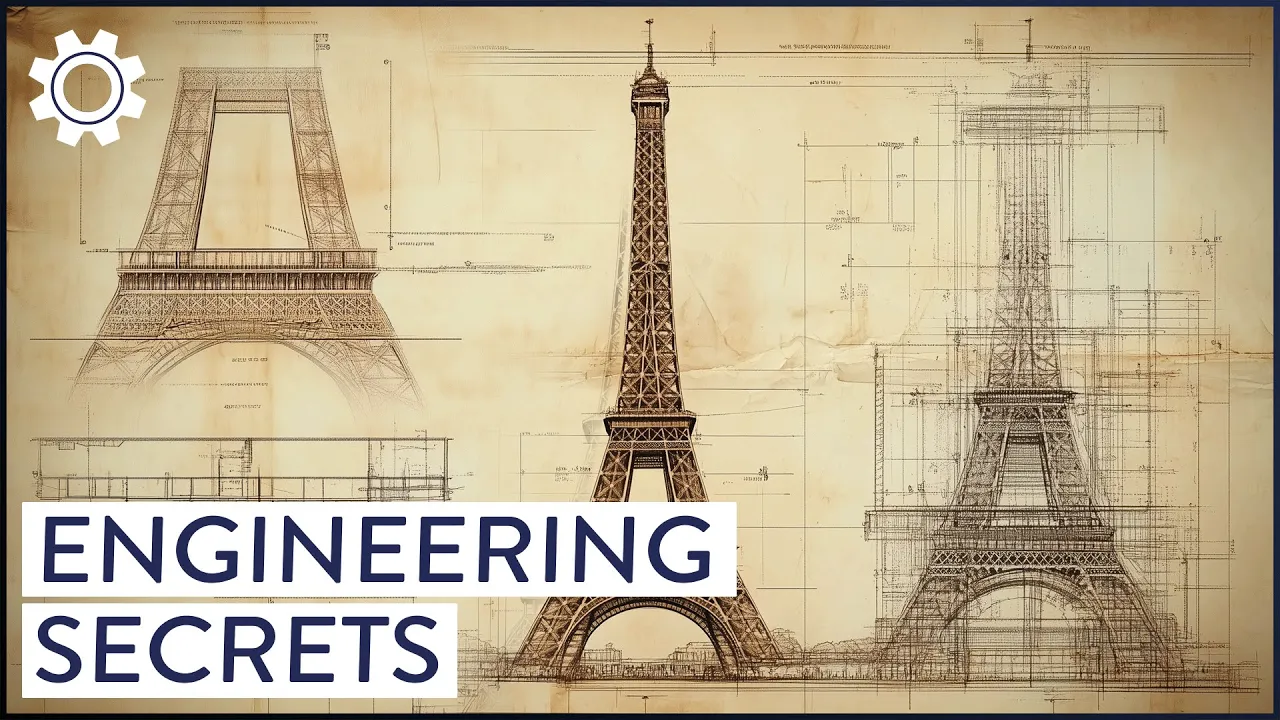
















Flying buttresses are external arched supports that transfer lateral forces from cathedral walls to the ground, enabling the creation of large open interior spaces; they work by keeping stone structures in compression (stone's optimal condition) while preventing walls from buckling under the outward thrust of heavy stone roofs, a solution developed by medieval engineers who understood that stone cannot withstand tension but can last indefinitely when properly designed.
How Flying Buttresses Work in Medieval Cathedral Engineering
Added:Fundamental principles of statics, specifically compression, tension, and structural equilibrium.
The physics of basic masonry structures, including how stone performs under high compressive loads but fails under tensile forces.
The evolution of arch design, specifically the difference between Roman round arches and Gothic pointed arches.
Basic terminology of medieval church architecture, such as the nave, side aisles, vaults, and clerestory.
The mechanics of pinnacles and how adding vertical weight stabilizes lateral thrust via vector mechanics.
Advanced structural analysis techniques, such as Finite Element Method (FEM) modeling applied to historical masonry.
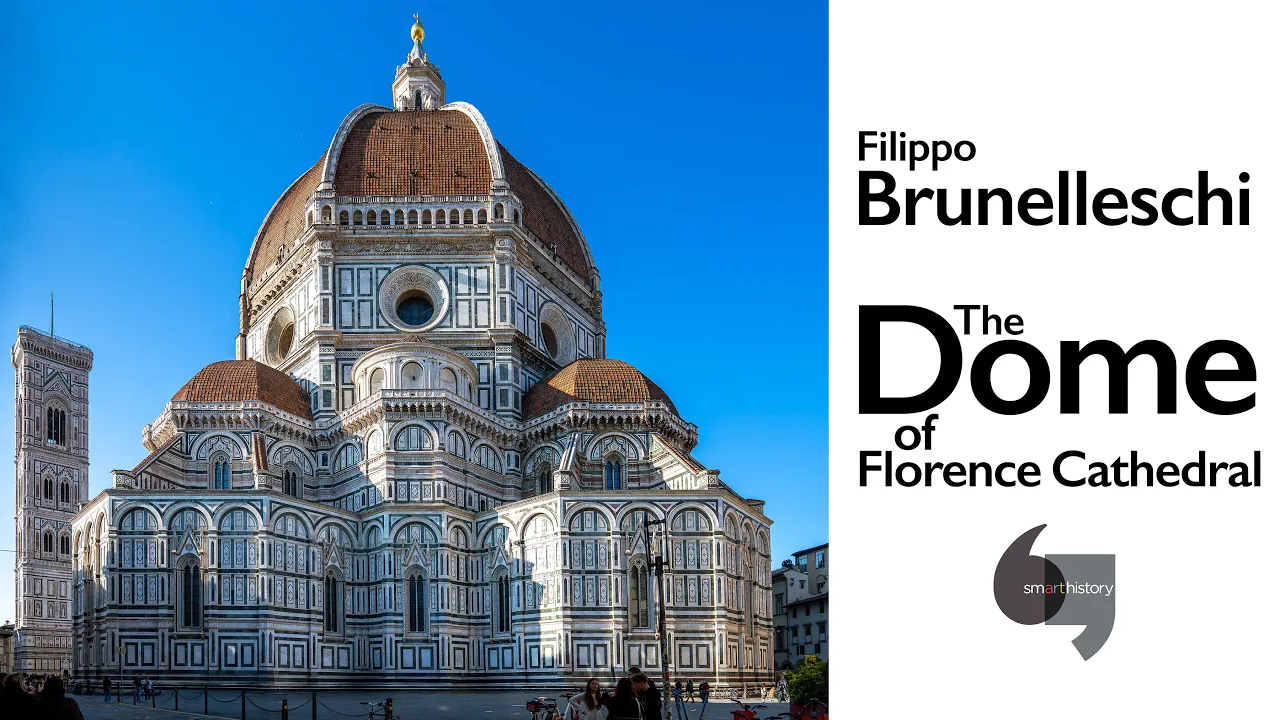
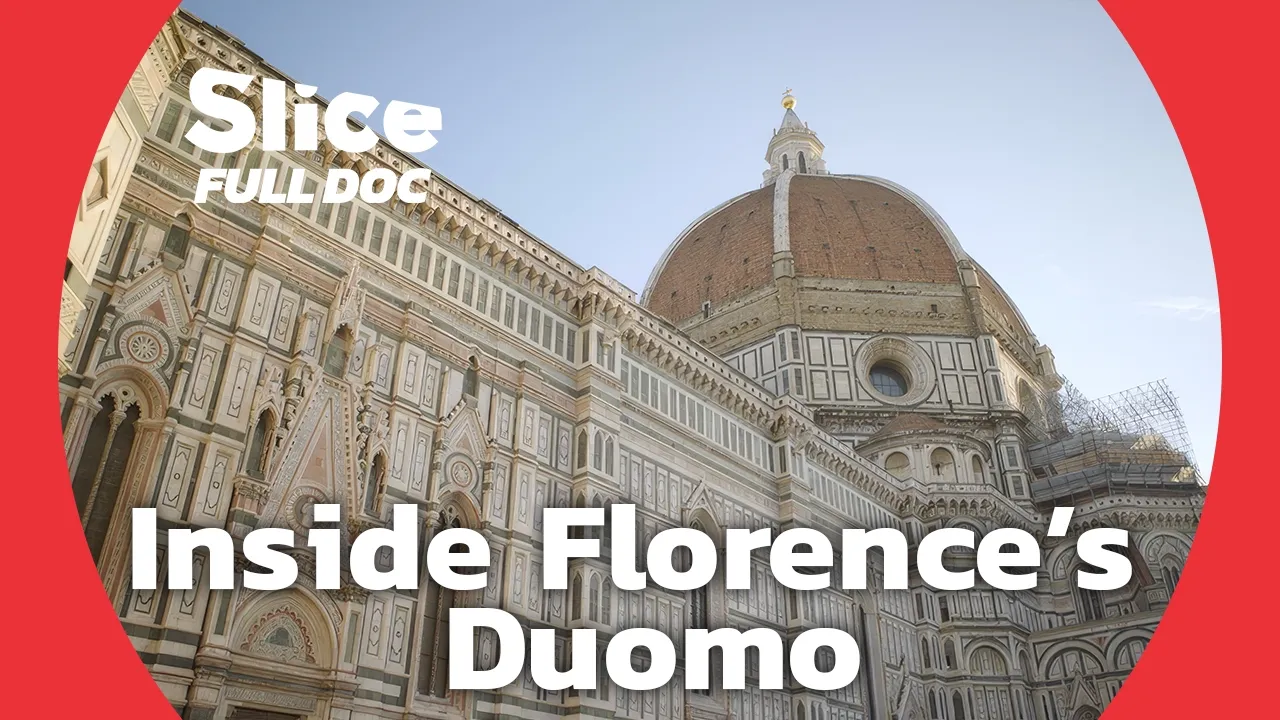
The architectural transition to the Renaissance, focusing on how dome engineering (e.g., Brunelleschi's Duomo) solved lateral thrust.
Modern structural engineering concepts for lateral load resistance, such as shear walls and external bracing systems in skyscrapers.
33.4K views989likes12:20Original Release: 2019-06-21
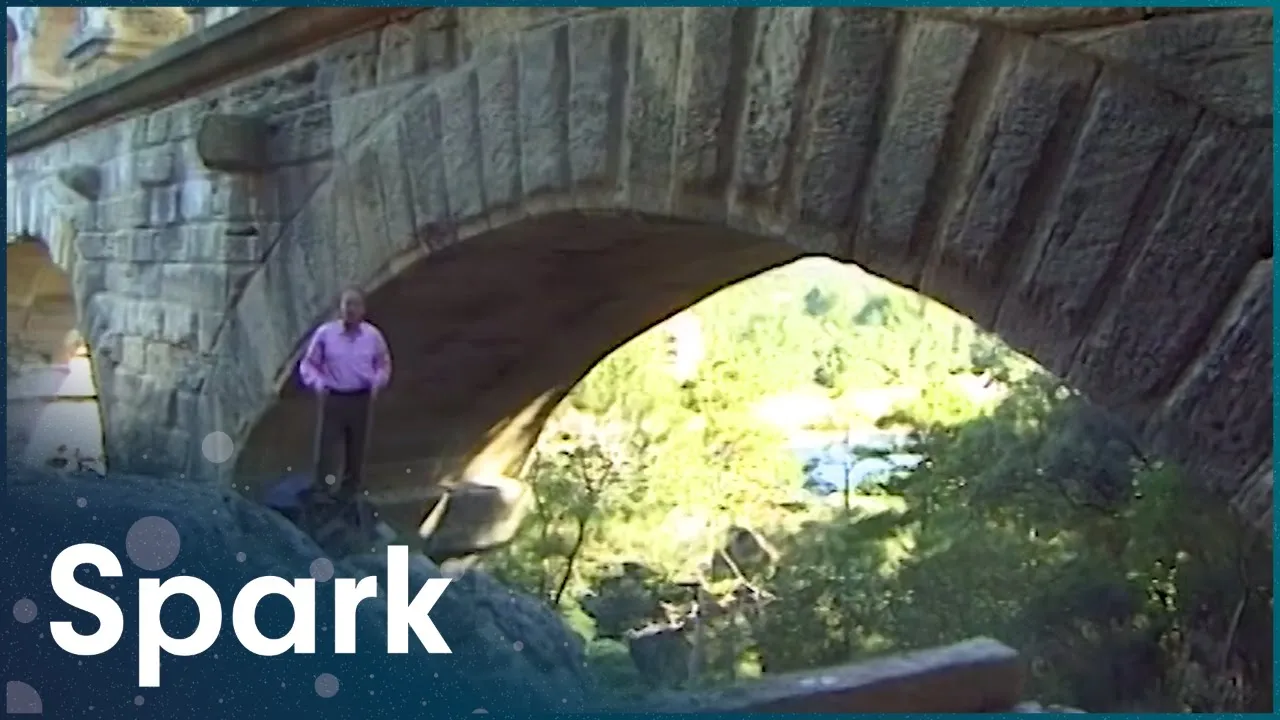
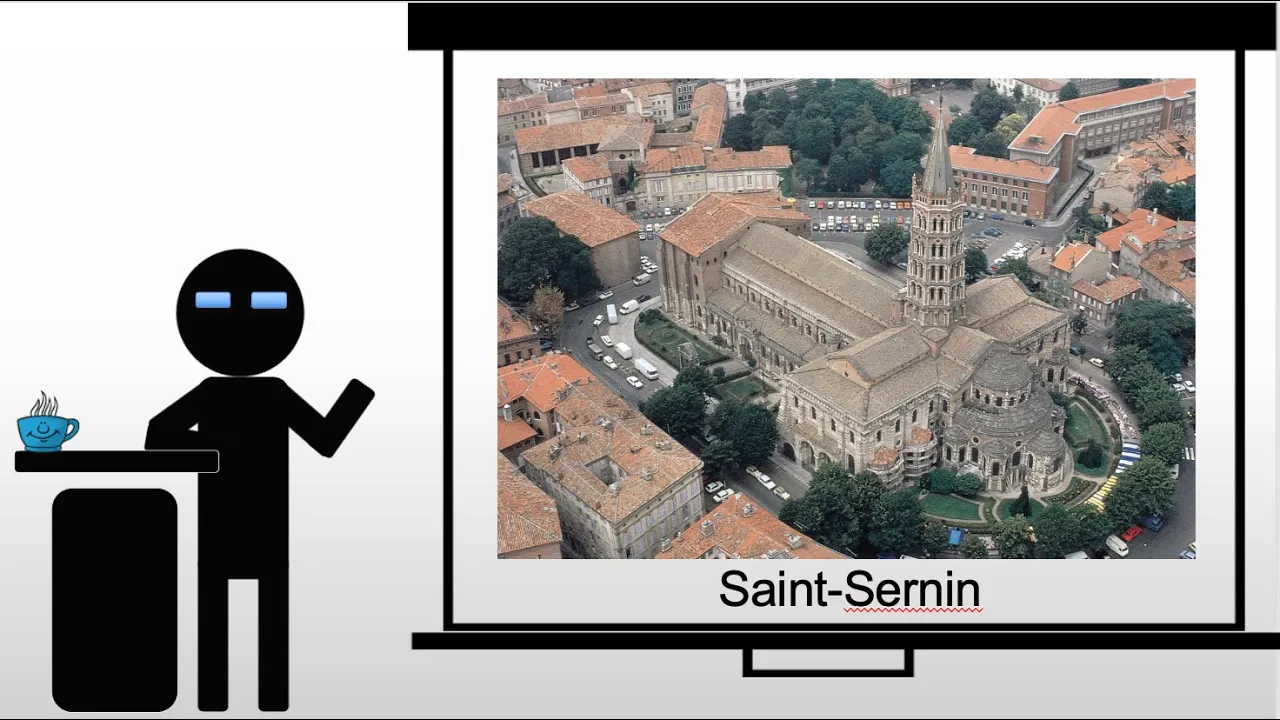
[Music] hey scholars good be back with you and today I want to try to make some links between engineering and architecture in history I want to talk about flying buttresses what's a flying buttress if you've ever seen a Cathedral big one in Europe they've got all this stuff on the outside of them a lot of that stuff is flying buttresses and here's a picture of a Cathedral and you can see that there's this sort of central building with all these posts and arches and beams and stuff all over the place what is that well those are flying buttresses it's easy to think about medieval and renaissance times in Europe and think that because they didn't have any technology that they were stupid no these were very clever people they just didn't have a lot to work with from an engineering standpoint one of the things you got to remember is what their building materials were and they pretty much had to they had wood and they had stone that was it well wood is nice you can you can put it in tension you can put it in bending you can do all kinds of cool stuff with wood but trees only grow about so big what do you do when you need to make a really big structure or you want to make a really big structure like a castle or a cathedral or something well you're gonna make it out of stone stone has some pretty handy building properties its compressive strength is really high it's very stable it doesn't care about whether it lasts approximately forever but it has one really big problem and that's that it's essentially useless in anything but compression you can put it in shear if you have to but you can't put stone in tension it doesn't handle tension very well it's kind of like concrete in that sense so what do you do when you want to make a really big structure in the building material you're forced to use can only handle compression pretty much well that's why you get these really complicated structures that you see the cathedrals and some of these very old buildings so there's the background let's start drawing some pictures let's start drawing some forces and try to understand this from an engineering standpoint let's say you want to make a cathedral well what do you want it to look like I mean it's just a building right well yes and no yes it's just a building but it's also an expression of a lot of other things and because of that the people wanted it to be hollow on the inside they don't want beams and posts all over the place they wanted these little huge soaring ceilings then well if you go into a Cathedral the ceilings are surprisingly high they're very high how do you do that with stone when that's all you got all right so let's draw a cathedral in cross-section there's dirt and here's what you're looking for pretty much you want that and this distance here can be pretty high I mean on this scale you know people are like this this is really high now right now this wouldn't be very hard you know steel beams bla bla it's fine well that's not on the menu back then so how do you do this well from a statics approximation this is kind of what they're doing the joints here these seams aren't very strong at all and we can model those as pin joints approximately now this ceiling this roof is gonna there's going to be big forces coming down okay because this is heavy up here these are these are a lot of sometimes they're wood structure sometimes they're they're stone arches and they've got a metal cladding or sometimes even the stone cladding on the outside of them to protect them from the weather you'll see cathedrals that have copper shielding it looks like that the roofs are all green in fact here's a picture right now boy that sure looks like a metal roof to me things heavy you know it's held up very nicely but it's heavy so here's what you start with now because these are these joints aren't terribly strong and because none of the stuff can be in bending this is gonna want to move out okay here's here's what your deformed shapes gonna be and it's gonna collapse and historically they may have collapsed they didn't have any mat they couldn't describe what they want to do mathematically they had to try things and I if you go back in history would surprise me at all of some of these things collapsed early on all right that's not gonna work let's fix this okay so there's our cathedral again I want to keep these walls from moving out okay how would you do that well triangles are strong how about if I did that that would be great problem we can make these out of you've only got wood and stone well the woods do you have a hard time making anything that big especially if it's gonna last very long the mindset of the people building these is they were building for eternity cathedrals took many lifetimes to build people started cathedrals knowing that their great-grandchildren would never see them finished this was okay these were people comfortable with the long view of things you can't separate the engineering problem from the philosophical social religious views of what they were doing they didn't care if this took forever and they wanted them to last well if you make them out of wood they're not gonna last so what do you do well let's see what if you could make a post like this and put another link there like that that would work now this post doesn't really have any bending stiffness will in fact it's we'll assume it's basically pinned to the ground all right that would work well the problem is as the loads here from the roof try to push these out that goes into compression which is exactly what you want because you're building out of stone compression is where it's at and it's gonna try to push this over well how do you get it to not fall over well you make it really heavy so that instead of the reaction forces at the ground being up and down which is what they would be if the weight of this structural element is negligible the weight of this structural element is not negligible you don't get to do that what you get is really down and a little bit of doubt but that's still in compression now we're in business in fact you'll see these things these posts made really heavy and you'll see you know big decorative structures on top of them they were there for aesthetics but a lot of times those things were there just to add more weight well even so this might still fall over well if one's good two must be better so let's just make another one all right that's how this works NECO make as many of those as you want to finally get to the ground and put another one down there if you wanted okay so that's what you get now this place in here is all open there's nothing in it you can look up you can do things like you can have Michelangelo paint frescoes up there paint paintings up there if you want you can have all these huge lofty structures because this was supposed to be an inspirational space this was supposed to remind you of God and you can't do that easily in some little cramped thing so they wanted these huge - soaring open spaces they had no technology they're clever resourceful and they didn't care if it took a while so this is what they started building and I'm gonna do a center line there the structures are basically symmetric so from an engineering point of view we only need to model half of it the other half looks exactly the same as this is just mirrored over these things right here you know what those are called those are called flying buttresses okay and they're flying meaning they're the the name suggests that they're there out here they've got these these open arches going to them and they're these arches are out in space they're flying a couple other things to notice about this these things right here are not straight they are curved here's one of the neat things about stone and arches if you're clever you can make an arch I'm gonna go over here and make an arch that all the stones everything in it is in compression there's nothing in tension anywhere in fact the perfect arch is called a catenary right if you've seen the st. Louis Arch that's a catenary catenaries when they're built this way all the components are in compression only stone loves to be in compression it's great in compression if you want to build a structure that's gonna last a long time and the only thing you've got is stone make it look like this it'll last approximately forever if you do a good job now here's a picture of one of my favorite structures ever this is the remains of a Roman aqueduct in a place in France called Pont du Gard this structure is made out of stone stacked stones it may have concrete in them that was one of Rome's contributions to the engineering world was concrete and the point is the stuff they made this thing out of is useless in anything but compression and so they made a structure where basically everything is in compression if you want to know how well it's held up this structure was made in the first century in the Common Era so this structure is around 2,000 years old maybe nineteen hundred years old and it's holding up okay it's still there parts of it anyway this is what you can do with stone if you're clever so let's get back to the flying buttress problem if you make these arches or segments of arches these get to be in compression too and you'll notice the flying buttresses these things are curved their sections out of an arch let's close with a more modern example this one's not medieval this is actually fairly modern it's la Sagrada família designed by Antonio Gaudi he spent his whole life working on this it's not done even now even those Gaudi is no longer with us and it may eventually be finished it's this very organic very curved very odd-looking structure but it's designed using some of these kinds of architectural features so there you have it I've told you in another video statics is the most useful class ever and we've just been able to learn how medieval cathedrals were built and how you can explain their construction using basics ideas of statics hope this helps we'll talk to you next time [Music] you
Up Next

17:53
Optimizing Filament Recycler Downstream Stages: Part 2
@bowlerllc
9.6K views•2024-11-17
30:32
Ultrasonic Transducers: Resonant Frequency Measurement and Horn Design
@imajeenyus42
229.9K views•2017-02-22
54:16
Polymer Environmental Degradation: Mechanisms & Stabilization
@iit
1.8K views•2012-07-10
33:39
How a Student's Question Saved a NYC Skyscraper from Collapse
@veritasium
22.8M views•2025-04-26
Related Study Plans & Knowledge Roadmaps
Structured learning paths in Engineering
engineering
Building Acoustic Levitators: Physics & Arduino
01The Physics of Sound and Standing Waves
02Piezoelectric Transducers and H-Bridge Drivers
03Arduino Programming: Generating 40 kHz Signals
+ 2 more learning modules
14h5 modules
Explore Roadmap
engineering
Building Peltier Cloud Chambers: Particle Tracks
01Cosmic Rays & Cloud Chamber Physics
02Thermoelectric Cooling (TEC) Fundamentals
03Custom Liquid-Cooling Loop Design
+ 2 more learning modules
18h5 modules
Explore Roadmap
engineering
Yagi-Uda Antennas: Modeling, Build & VNA Test
01Introduction to RF and Antenna Fundamentals
02Yagi-Uda Antenna Design Principles
03Antenna Modeling and Simulation in 4NEC2
+ 2 more learning modules
18h5 modules
Explore Roadmap
engineering
ECG Monitor Design: Op-Amps, Filters & Noise
01Electronics & Breadboard Basics
02Op-Amps and Instrumentation Amplifiers
03Bioelectricity and ECG Fundamentals
+ 2 more learning modules
18h5 modules
Explore Roadmap