












![[シリコンサバンナ]アフリカのIT業界は驚くべき状況となる~リープフロッグの現実とケニア・ナイロビ~](https://i.ytimg.com/vi/638hWDgEHzg/sddefault.jpg)

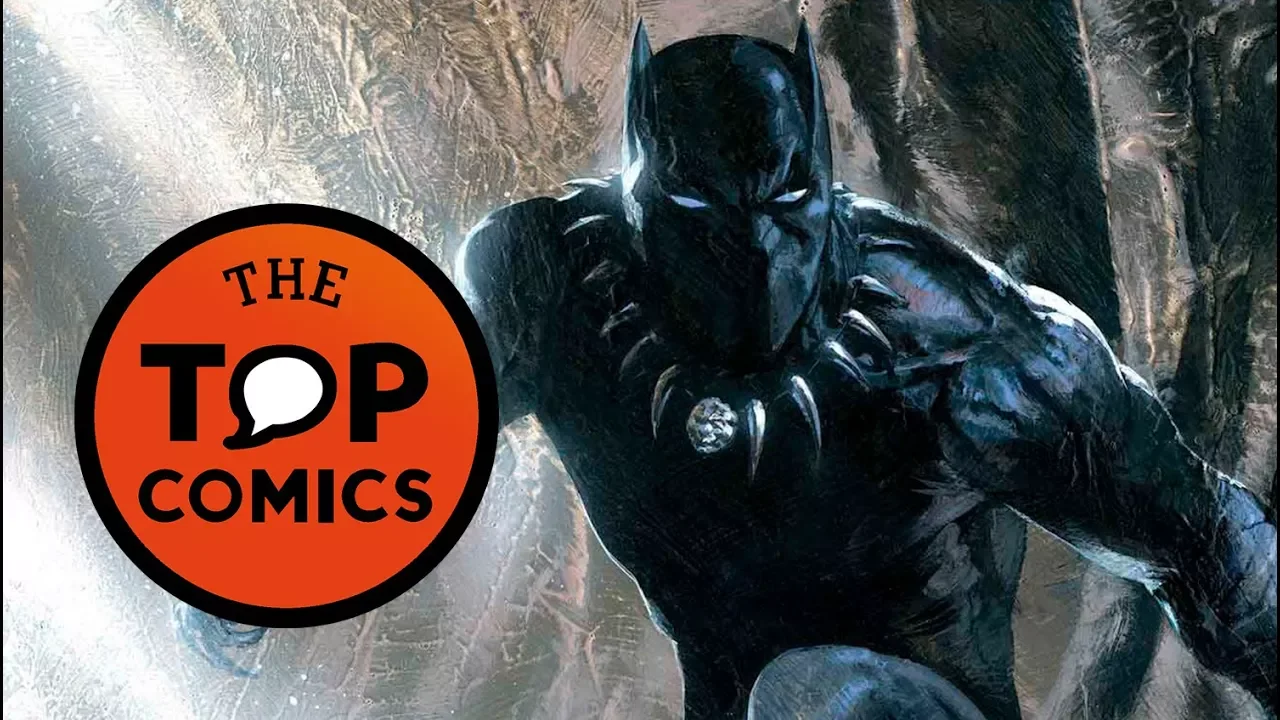
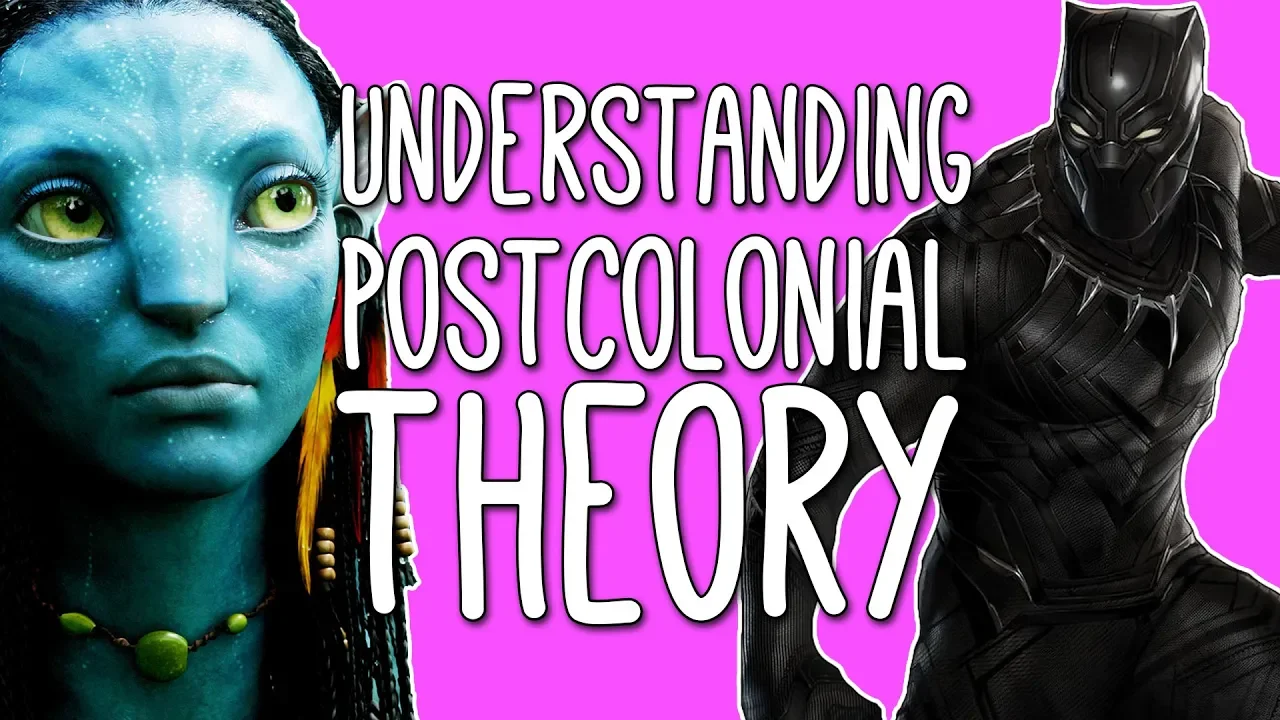
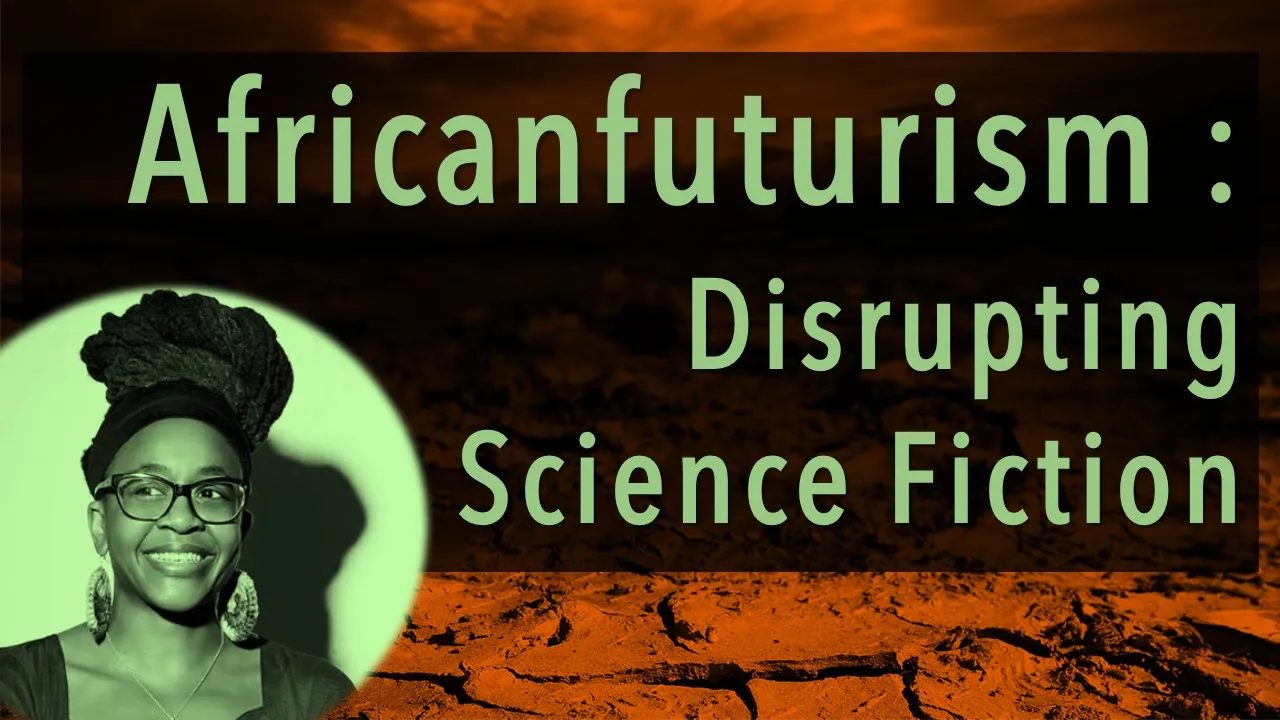
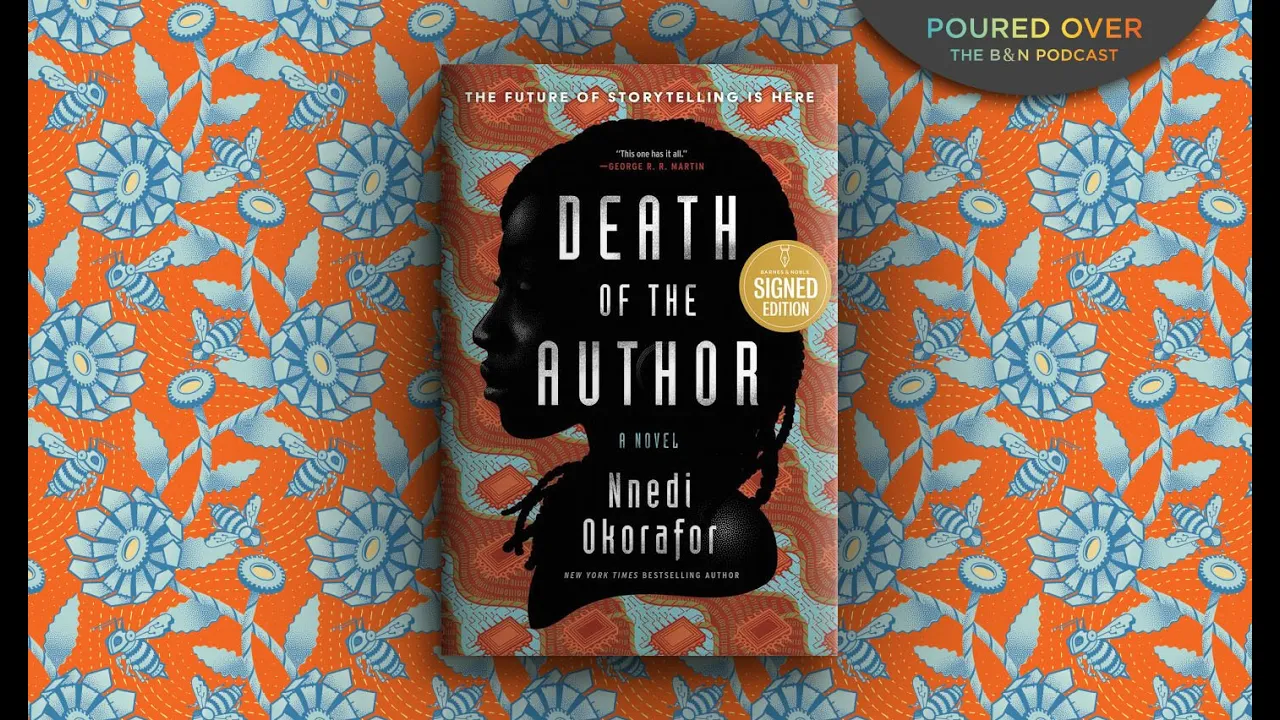
Africanfuturism, as articulated by author Nnedi Okorafor, differs fundamentally from Afrofuturism in that it centers on African culture, history, mythology, and point of view rather than the African American experience of slavery and displacement. While Afrofuturism (as exemplified by Black Panther) imagines futures from a Black American perspective, Africanfuturism creates narratives rooted in continental African traditions, such as masquerade traditions where ancestral figures exist simultaneously in past, present, and future. This distinction matters because Africanfuturism challenges Western-centric frameworks by creating worlds where whiteness is not legible, where colonialism and extractive capitalism are absent, and where African diversity and complexity are fully represented. The concept was developed to address critiques that Afrofuturism, despite its intentions, still operates within Western narrative structures and may not authentically represent African perspectives on the future.
African Futurism vs. Afrofuturism: Rethinking Wakanda
Added:it's to the best of our knowledge I'm Anne strand Champs sitting in a movie theater watching Angelo Bassett Lupita Nyong'o and Leticia Wright light up the screen and wakanda forever it is almost hard to remember what it was like when the first Black Panther movie hit that impact that practically exploded around the world my name is Michelle wongola I'm a performance scholar exploring what storytelling can do millions of years ago a meteorite made a vibranium the strongest substance in the universe struck the continent of Africa a warrior Shaman received a vision from the panther goddess vest the warrior became king and the first black panther the protector of wakanda on the day that the film was opening in cinemas I was running a black history month program at new college in Florida as part of the Black History Month activities the students had organized a trip to go and watch as a group over the roof excited to see black people betrayed as Heroes kids and queens as we are on the day that we were going to watch it there was just such a party atmosphere [Music] I remember getting there and realizing everybody was driving up and they were playing the soundtrack The Kendrick Lamar soundtrack they were singing alongs it struck me that they already knew the songs when you talk about superheroes you only talk like Carlos black superheroes right so that's why it's really good for me to like see a like a superhero that's good like me wakanda no it's Kansas [Applause] you're watching a film and this is the first time all of us are seeing it not all of whom were American so we had students from the Caribbean students from the African continent as well as the balka from the US and coming out it was all completely infectious excitement [Applause] coming back to Kenya the theaters were full all my students were talking about it and I teach in a center which brings students from different African countries and finding the same enthusiasm having that black panther gave them a sense of being represented on the global stage in a way that has never happened even when they are very important critiques that I think we must take on board the work that black panther is doing is one that I'm fascinated about and what is the work that black panther is doing mishai mongolo would say it's less about adding superheroes of color to the Marvel Universe and more about creating a space for black Americans and Continental Africans to engage in Imagining the future I met mishai for the first time in Addis Ababa she was leading a kind of contentious discussion of black panther for Humanity Scholars including Valmont Lane of the University of the Western Cape Sarah fell under move from The Institute of Ethiopian studies and funso sidogi from The Institute of Technology in Tawny formerly Pretoria is this a black scented film or is it an African scented film yes I said that even though I like this when it comes to the music and the Technologies I didn't find it originally Africa the spacecraft for example that is common in other movies that we watch the fighting the main character does is similar to Batman Spider-Man and the like the music that drum beats jumping naked that is just an imposition from a colonial tradition of portraying Africa for me so I didn't feel like it is genuinely and originally Africa so he's suggesting to us that even though it's set in Africa it's got nothing to do with us a friend of mine wrote a piece in the Washington Times called galara that you know some people are very uncomfortable about it's such a great film for African Americans got nothing to do with us as Africans yes I was uh in the states when Black Panther was screamed and I saw it there I didn't like it that you know 19th century anthropological kind of representation Africa with old you know cultural attire what what the hell is going on I mean the filmmakers claim that it's an afrofuturist experience but for me even in the afrofuturist world we were not allowed you know the writers I want to explore that even in the afrofuturist world we are not allowed to I want you to hold on to that can I enter the alpha features debate my biggest gripe with afrofuturism is the afro for example you don't have an equivalent of Asian futurism or european futurism you have the future and in order for Africans to take Africa out of the developmental form of stasis that it is in we have to ask ourselves how did China conquer poverty um how did they conquer male development it was certainly not by going back for certainly not by celebrating the form of asianness which is what essentially afrofuturism does and we have to ask ourselves who is benefiting from that so we we celebrate the fact that it was a black director and the cast was mainly black and so on but fundamentally the owners of that product who are they and where is that money going those billions and billions of dollars that were made from that movie do Africans have the space and agency to create movies in the caliber of black panther right now of course not and I think those are the discussions we should be having yes so what do you think are the most important critiques I think one of the biggest critiques and I think um some people really love the fact that they do not focus on any one African culture but pick from right across the continent very liberally other people hate it because it takes people back to this thing of Africa is a country and you can just pick and choose what you want and move on I've also met people who are very critical of what they felt was a portrayal that seemed to suggest that the diaspora in coming back to the continent is number one very aggressive and number two is not conscious of a certain politics can you explain what you mean so the portrayal in the film the one person you see coming back who comes into wakanda from the diaspora is killmonger and killmonger is the villain of the film he comes back he's a CIA agent so we are told by agent Ross look he's been trained to do this to destabilize the country so is what we see him doing representative of an American agenda or is it the whole idea which is a very old idea of the return to Africa and some people have read it by saying those who are outside come back into a continent that's very rich that's got the resources it's got the intelligence has got so much to offer but see themselves as coming back to take over it's a very American Imperial way of coming back to the continent now what do you want I want to throw hey you the tuna sitting up here comfortable must feel good it's about two billion people all over the world it looks like us but their lives are a lot harder wakanda has the tools to liberate them all and what taught us are those vibranium your weapons our weapons will not be used to wage war on the world is not our way to be judged during an executioner for people who are not our own so some people have been very critical about that when we've had a very rich history of people of the historical diaspora coming into Africa I mean I know members of the original black panther who live in Arusha this is Mama you know Charlotte O'Neill and her husband Peter Neil and they have become part of the community that's not the way they have come back people like W.E the boys who came back and settled in Ghana so there's a whole history of the diaspora's return that is not portrayed in that film I could imagine somebody saying those represent an African-American Vision versus uh Continental Africans Vision yeah and I'm just not sure that we can make that distinction so strongly because Africans on the continent have also suffered one of the things I personally find very compelling about Africans in the diaspora is that when you have lived for centuries and survived for centuries it's very much in your face oppression on a daily basis people find ways of not just surviving but thriving and of not just thriving but healing and there is a Grace and a strength and you know an ability to fight when people need to fight in an ability to survive that I find is very compelling from the diaspora and is also on the continent so I find it very difficult to make the distinction because I think both on the continent and in the diaspora there's been deep pain deep oppression deep Injustice and then there's also been great resources for healing for thriving for making do I do wonder if those two how those two populations relate to each other I mean I'm living in the states I'm more familiar with what Africa and an African Homeland represent I'm not nearly as certain What Africans who live on the continent think about Africans in the diaspora so I think one of the big critiques I have of black panther is there seems to be such separation in the film even as there is this longing of breeding together and I think again it's positionality I mean I grew up I remember as a very young child my father would play LPS of Martin Luther King and Malcolm X so to this day I can recite message from the Grassroots from memory right from the beginning to the end because you keep hearing it now as somebody who went to graduate school in the U.S I also know that they are also sometimes very artificial divisions a lot of us from the continent will be told people of that they're lazy they could do a whole lot better and you know Africans go from the continent and think how could you not do well in such a wealthy space Africans from the continent it's very difficult for you to understand Rhys when you first get there I mean it's not that we don't know race but I always say I'm really truly honestly become black when I cross the board in the U.S in a way I'm not quite black anywhere else and it's somewhat stereotypical to say but it's true and so I think sometimes Continental Africans do not always appreciate the reality of living as a black person in places like that and I think people from the diaspora also do not really fully understand what does it mean um there's been so many of the stereotypes there's been so many of if you look at your televisions and your films what you see of Africans is they are backward they're ignorant they're stupid because you look at how do you do this to your own people how do you kill all your they're all the stereotypes and I don't think we've had enough spaces to truly engage I wanted to talk a little bit about the role of story like Black Panther in you could call it afrofuturism or thinking about the future either from African-American writers or African writers so one of the things that for me really works about Black Panther is that on one hand you're working with a particular genre which is the superhero genre which is very American in its orientation and its foundations in its history but they have also chosen to use very deliberately afrofuturism an afrofuturism comes from this space of Imagining the future now a lot of also our folk tales our traditional folk tales do have this Mythic space of anything can happen and they also have this heroic figure who is a human being but with extraordinary powers and I think what that allows people to do is to lift their eyes from the present is to start to imagine that there are possibilities that a 16 year old girl could be the greatest genius that the Universe has produced and she just happens to be African this space of Imagining the future this space of saying we don't have to live our traditional folk tales in the 18th and 19th century but to ask what do African stories look like Africa has as much stake in the future as everybody has and I truly believe you know we are the continent of the past but we're also the continent of the future how many times do I have to teach you just because something works doesn't mean that it cannot be improved you are teaching me what do you know more than you mishai Mongolia is a performance scholar theater artist and Storyteller and that's from a conversation we had a few years back at the Africa as method conference in Addis Ababa more about African futurism and the politics of wakanda coming up I'm Anne strand shamps it's to the best of our knowledge from Wisconsin Public Radio thank you and p r x the Black Panther movies are the first superhero Blockbusters with an African-American director and a predominantly Black cast its build is an afrofuturist project which means what exactly Steve Paulson caught up with two women who have been thinking and writing about afrofuturism for a long time ainehi adoro and Nadia koraphor so I'm curious how long have you two known each other oh my gosh it's kind of a while no do you know I don't know it's like been just continuous it feels like we've known each other forever it's been a while do you remember when you first met or how you first met no no we have we actually we met in we met in Berlin take that back we met in Berlin yeah yeah yeah 2018 ish maybe for a Book Festival wow this really is the new digital world isn't it you clearly know each other pretty well and yet you've just met like one time in person yes yeah and I remember when we met it just felt normal it didn't feel like oh we're meeting for the first I just felt like hi you know yeah because in a sense we have known each other I think in the digital space you encounter each other through your thinking and your work and there's something intimate actually I think about that yeah yeah aine adoro is a literary scholar and the founding editor of brittle paper the preeminent online platform for readers of African literature Nadia koraphor is a celebrated nigerian-american author of Science Fiction and Fantasy and she's the writer who coined the term African futurism we should talk about what this term African futurism means because Nettie I know that a few years ago you called yourself an afrofuturist and then more recently you said you know that label doesn't really fit anymore and you've drawn this distinction between afrofuturism and African futurism can you explain the difference uh yeah yeah for a while I tried to embrace the term of afrofuturism and then specifically around 2018 when the Black Panther film came out is when I began to understand that I was doing something else and the way that I learned that was through other people telling me so a lot of people saying that I was writing narratives that were not from the perspective and the stories of direct descendants of African slaves and that is true and if you look at the definition of afrofuturism it's stated that way that it is the story of African Americans the direct descendants of African slaves or stolen Africans is what I prefer to say and so that's where I coined the term African futurism which you know it's in the same universe as afrofuturism but it is more directly rooted in African culture history mythology and point of view so what would be some examples of the difference between African futurism and afro-futurism well if black panther were an African futurist narrative a lot of things would be different uh the very concept of wakanda would be different I want to come back to that so yeah but like in the Black Panther films wakanda at the end of the movie The First movie wakanda built an outpost and their first instinct is to build it in Oakland California the United States an African futurist version would be that wakanda would build their Outpost in a neighboring African country the Deep dialogue directly with African countries around it first Annie had love to get your sense do you define these terms in the same way that Nettie was talking about it or how might we think about a big a huge Marvel Hollywood Blockbuster movie like wakanda forever I mean how it fits into this conversation we're having I would say that for the longest time afrofuturism was enough for me in naming a certain kind of black imagination of the future that changed when Neddy began to Advocate and think about this new term and atsu an idea of science fiction or of the future that is centered on the black experience in America which is kind of framed in relationship to slavery and also is in conversation with whiteness is going to look completely different when we go to a space where the history is framed by colonialism right because sometimes people present it as a kind of antagonism you know like Neddy is trying to say that afrofuturism is not enough I think that that is simplifying it it's just identifying that there are two different genealogies of Blackness in relationship to ideas of the future let me post a question a different way is it a problem that we have the two Black Panther movies that are about this idealized African country I mean very much obviously from an American from a western perspective is that a problem or is that just okay we just need to understand this is for one audience a largely Western audience and I suppose if this movie were made in Nigeria it would look totally different no I don't think it's a problem I think that black panther is a very important cultural event I think that the world needed Black Panther but how well does black panther represent a kind of African imagination of the future I don't know that it does that very well but I also don't know that it needs to do that in the sense that that's not its project the problem comes when we begin to expect black panther to Encompass every black experience in the world so Nettie I'd love to get your perspective on this because of course you've been immersed in the Black Panther world yeah you've written Marvel comics about the characters in Black Panther yeah for me it's complicated okay my issues with wakanda and these were things that I thought about when I was trying to decide whether I was going to write t'challa and shuri um t'challa's little sister these are things that I have grappled with and that I've thought hard about and I agree with everything that she just said what I want to add to it is kind of specific my issues with wakanda go down to the very bones of it the existence of a landlocked African country that is supposed to be the wealthiest and most technologically advanced nation in the world and it never participated in helping with you know issues of slavery colonialism all that it never gave back to any of the African countries around it that's just the an issue with me the idea of this Advanced Nation being a monarchy is an issue to me it's technologically advanced and futuristic but it's a monarchy really yeah my reaction to the two Black Panther movies is so you have this incredibly sophisticated technologically sophisticated country wakanda but you kind of see the sophistication especially in the weapons they have the spacecrafts they have you know how they can defend their country and then this one science lab that sure runs and it seems like it's just her and maybe a couple of assistants it doesn't seem very futuristic to me I don't know is that incongruous to either of you no I mean I think that what you say about the emphasis on weapon as kind of the central figuration of the future right it's like we see the future in weapons as opposed to other places speaks to the ways in which Black Panther betrays itself as a western project right um in fact the very idea of vibranium as an extractive technology it's almost as if everything that the West did to make itself powerful in the world we just take all of them and layer it on an African world right and imagine that that is a much more liberated idea of Africa whereas a truly decolonial representation of the future is one that will essentially evacuate everything about the West that has led to its greatness but that has also led to Eternal violence um in equities and things like that so it's almost as if you look at wakanda from a certain perspective it's the West that you're seeing but acted out by black bodies it doesn't push as far as it could have pushed in terms of truly reimagining what a future that is centered on Africa can really look like and I think that if you want to see how that is done at the level of Storytelling a book to check out is Neddy's Lagoon where literally the geopolitics of the world shifts from land to water from the West to Africa so you're really talking about how to tell these stories about the future from a non-western perspective right to de-center the West in all of that yeah what we're really talking about is world view here I don't even like saying when you don't send to the West it's just it's a different world view and that results in a different type of narrative a different envisioning of what the future will be like different wants and needs and goals and ideas because Western culture dominates things so much this is often very difficult for people to imagine and understand and can I add to that a retold black panther that hangs on an African worldview I think might have three characteristics one whiteness will not be legible you basically won't see White characters right um that it's not just a space where whiteness will be a thing that you have to think with or even think away it's it's just wouldn't be part of the world so to be a world that will be very very very very very black and that will also explore and make visible the diversity of life within the continent and one thing I love about African worlds is the chaos and the messiness of it it doesn't mean it's disorderly sometimes people mistake the two it's just a world that is not obsessed with forcing everything into categories and hierarchies so there is order but order Works differently and looks different and I think that a work like that would Embrace that in terms of its feel and Aesthetics and it will be a world that puts an end to colonialism and all these things that are wrapped up with colonialism so extractive capitalism and lastly it's a world that we definitely dissenter the human yes and you see this all over African Science Fiction and Fantasy these are stories that allows the animal to exist in much more in certain ways that allows mythical figures ancestral figures to exist which is so interesting if we're talking about science fiction which is futuristic and yet talking about the ancestors is maybe looking to the past but I don't know how do you bring those two together so one of the things that became clear after my students and I started to advance you know foreign into African science fiction is the accent to which many authors are interested in the past so one image that keeps popping up in novels that we read is the masquerade and this is a figure that appears I'm talking Everywhere by the end of the class my students were like if we see one more masquerade again right what do you mean by masquerade so the Masquerade tradition is a very pervasive and ancient tradition in many African worlds so these are essentially ancestral figures who come into the world of the human in the form of different kinds of masquerades in the Yoruba tradition they are festivals like the Gallade festivals where it's literally the ancestors appearing from the forest when they come in this really elaborately designed costumes they appear and then they go back to their world they are figures of the past but they're also figures of the future because insofar as they are ancestors it means if I die I'm going to meet my ancestor in the future so they are in the past but they're in the present and they're also relevant to the Future as well and in some of the stories that we read writers would take this figure that because of colonialism we've come to exclude them as you know primitive times writers would take these figures and kind of re-energize them or rethink them within the context of the future and when they do that what you see is that African science fiction writers do not see the past as a kind of dead time that they don't have to engage with well in Eddie I would think that as a creator of imaginative worlds that must be so rich that you feel like you can draw on all of these mythical characters from different African Traditions to create a novel about the future yeah I mean for me masquerades are big they are like they're very much the center of my work my imagination all of that it's complicated for me to explain why but like I I see the past present and the future all mixed together I like literally don't see the ancestors as beings of the past they're very much the present they're very much part of the future when I'm writing I feel them looking over my shoulder I feel them affecting everything that I do and when it comes to masquerades masquerades are a much more intense concept to me I don't even know how to describe them but for me personally as a writer they're not mythical they are very much now they're very much here like what I'm writing I can see them dancing I can hear them dancing like it's part of the story and I love that I I love masquerades I don't even know how yeah I love masqueries so I'm curious I mean I'm fascinated by you're saying that oh it's like you feel the ancestors looking over your shoulder I mean how oh yes how literal do you mean are they with you right there in the room as you're right yeah yeah it's it's literal like they're there they're beside me they're looking over my shoulder they're in front of me they're criticizing what I'm doing they're telling me don't write that you know they're telling me to write that they're around me I've always felt my ancestors very strongly always even before I was a writer it's it's just always been like that I know he a few years ago you wrote an essay that I think proved to be somewhat controversial about chinwa Achebe you know one of the Giants of modern African literature he wrote an essay in 1965 where he said that essentially that African writers had this moral imperative to be a teacher to teach their readers about the horrors of colonialism about the trauma of feeling racially inferior and you said that edict from half a century ago just basically doesn't hold up anymore what's missing in that way of thinking I think it's a thinking that captures his moment beautifully in the sense that decolonization is a very specific kind of project and chibi saw himself as at the Forefront of a cultural re-engineering or revolution that needed to happen but for somebody like me looking back at that statement I Bristol at it a little bit right because I am not in the eye of the war against colonialism in the way that achibi was it's possible that my problem is different what keeps me up at night is different from what he bothered about again I can sympathize with the ways in which realism came to be the right African form to pursue and why this idea that you know we should all be on message right as we are fighting this really powerful cultural enemy but today we are still fighting colonialism but it's a different fight that looks differently part of the fight today is to be able to literally tell different kinds of stories we are not trying to stay on message on brand we are trying to literally break the frames of reference and open up a space where we can reach people through romance fiction through science fiction through graphic novels and that so that decentralization has created a space where we are able to resist the system or fight the fight by making a Space where storytelling can proliferate in different forms we could go on for a long time this is really fascinating I just loving this conversation thank you so much this has been such a pleasure yeah this has been a great great conversation wonderful Neddy yeah nice chatting yes you too always always now we see Paulson talking with ainai adoro she's a literary scholar at the University of Wisconsin-Madison and the founding editor of brittle paper which is an online platform for readers of African literature and we heard from Nettie akarapore the celebrated African futurist author her most recent Y.A novel is akata woman and her most recent novel for adults is newer oh and she also wrote the shuri comic series for Marvel's Black Panther universe [Music] coming up Jamaican writer Marlon James on his Dark Star Trilogy looks so epic and so magical they make a certain famous HBO series pale in comparison now you've been quoted as saying that you wanted to write an African Game of Thrones and I don't know if that was just a throwaway line or if or if you were kind of serious about that if a thrower Lane it certainly hasn't died no it hasn't I mean I'm I'm actually I'm actually going to be talking to talking to George RR Martin in a few weeks he's probably gonna ask me about that so this does nothing like my book [Music] the reason why I think I gravitated to Game of Thrones is in a very very different way from what I'm doing he's also telling really really adult stories George is selling really really adult stories while refusing to let go of the world I've made Believe for people dealing with some really complex complicated sometimes intricately layered things but there's still ghosts [Music] and demons and monsters people fly and people shape-shift and people just disappear foreign James after this I'm Anne strange Samsung you're listening to to the best of our knowledge from Wisconsin Public Radio [Applause] and p r x [Music] in 2014 Jamaican novelist Marlon James won the booker prize for his novel a brief history of seven killings it's about the attempted assassination of Bob Marley and the book is all postcolonial fallout geopolitics gang wars but for his next book he went in a completely different direction into a world of African myth and Magic when I left my father's house some voice maybe a devil told me to run past hoses and Inns and hostels retired Travelers behind modern stone walls as high as three men Street led to Lane and Lane led to music drinking and fighting which led to fighting drinking and music solo women were closing shops and packing away stalls men walked by an arms of men women walked back with baskets on their heads deer riders with Spears in flowing robes black armor and gold crowns topped with feathers mounted horses dressed in the same red at the gate seven Riders were approaching and the wind was a wolf [Music] black leopard Red Wolf was the first and Marlon James's Dark Star Trilogy a series that's been referred to repeatedly as the African Game of Thrones although honestly that's selling it a bit short because this fantasy world is more like a multiple Universe layered with witches and demons shape Changers and slavers and all based on African myths and folklore Steve Paulson wanted to know more about the character at the center of it all this is such a great character your narrator who goes by the name tracker how would you describe him track I saw the rambling around the world trying to escape story and Escape purpose and Escape meaning and all those things keep falling on him he discovers things about himself he he goes on a mission to friend somebody else but it's himself he finds he's not prepared for it because he you know he's a smartass he's a wise ass and he's um he says he doesn't believe in belief so he's this sort of cynical creature running around in a world that Demands a lack of cynicism and he ends up being surprised and being changed by things he just didn't expect to hmm and we should mention that tracker has some particular talents now he has this incredible power of smell that just by smelling someone he seems to know everything about them yeah and he never really forgets him or or loses track of them until they die it used to cause him a Madness before before he learned to control it I think that was me not being able to totally banish my love of comic books that um in a lot of ways this is a story of a superhero team right so you you grew up reading comic books right well that implies I stopped reading them I still read them pretty regularly but yeah I'm a lot of my fantasy imagination was shaped by Comics not so much the sort of giants of fantasy literature because we would have found those in Jamaica but I could find a new episode of you know the new issue of X-Men or Doctor Strange or Spider-Man it's so fascinating to hear you say this I mean you're saying that this novel which has you know gotten so much Acclaim in the literary world is I mean it's kind of like this grown-up comic in a way yeah although I'm a big believer that if you're gonna write literature you can't grow up um so friendly said to me it felt like almost a logical turn it didn't feel like a change of direction for me because I do believe at least in terms of the imagination you shouldn't grow up I think we have this idea and it's a very Western idea that um letting go of make believe and letting go of the fantastic and then letting go of the spirits under your bed and the Things That Go Bump in the night is a sign of maturity when it really isn't yeah so I mean this is this incredibly Fantastical world that you've created I mean there's a moon which a leopard who can transform into other animals the talking Buffalo a vampire lightning bird and and lots more how did you come up with these characters well a lot of them I didn't come up with them at all I found them a lot of it was um discovering all these characters while researching all these mythologies all these things that I didn't know I you know I know enough about Greek and Norse mythology maybe to write books on either when it came to African mythology I only knew what survived hundreds of years in the Caribbean and a lot of that was more a hybrid between African and black American and and European folklore so a lot of those creatures I didn't know so when they discovered them or came across a lot of them I didn't really have to do much work as a writer I was playing catch up to stories that already were there so characters like the ependulo are a part of of African folklore and I really wanted to play in that Universe I really wanted to sort of um use the mythologies that were there in ways that I have never read before I mean it's it's I guess it would be sort of like in a Tolkien using elves and goblins he didn't even you know elves and goblins were already there but he found a way to use them so what did you read to find out about all this sort of African folklore in mythology well a lot of it would be stuff that's not even compiled in books yet a lot of it is really contemporary research and a lot of contemporary information gathering for me at least when I'm researching when I'm checking sources I will read tons of books and then I'll flip right to the back and check the bibliography and read what they've read and more often than that that's articles there's loose paper there's stuff on academic websites that's for a lot of it stuff that's not even translated in English yet so a lot of straight information that I had to compare which is why it took me two years to do it wow so why did you want to conjure up this mythical world of Africa well at first I didn't conjure it up to write something I conjured it up to to read because I just felt as a black person in the diaspora to often Ground Zero is slavery and I wrote a slavery novel and even I'm tired of that there has to be a store a history not even a pre-history there had to be a history before something was interrupted I wanted to go to African mythology in the same way say C.S Lewis could depend on British I give a I give a lecture I give the Tolkien lecture a couple weeks ago and one of the things I talked about is what a great thing it is to take mythology for granted if you look at the UK Britain how um Robin Hood with his basically mythology Robin Hood is essential to the idea of British Independence and the idea of British Justice and King Arthur is essential to the idea of British civilization there must be a Camelot otherwise there are a bunch of you know backward barely inbred people who are living in dung Huts right I mean they're sort of family you you need those myths for a for a sense of national identity absolutely and and that's not always a good thing you know Hitler used Mitch too neo-nazis are using mythologies too so it's not always a great thing going back to the midst but I still understand why for good or bad you need an orange an imaginary origin story so I mean obviously you are not African yourself you're from Jamaica and I guess I'm wondering is any of this African cosmology that you've been talking about is that part of the Jamaican or the Caribbean storytelling tradition absolutely we just don't know it never occurred to me until ghanaians came to me how much Twee I was still speaking a person from Ghana or from Kenya is stunned when they come to Trinidad or Jamaica because I didn't know so much was retained so yeah it was there I just didn't know it was I I thought bro rabbit was something Beatrix Potter came up with but remember it is Africa now a Nancy's African well I knew that the thing I didn't know was that there was also a lot of sophisticated storytelling involving these mythologies and that's something that yeah I had to find out well I mean I have to say this story just kind of explodes off the page I mean you keep coming at us with all of these amazing characters and I'm struck by him and you mentioned Lord of the Rings your story is so different than that kind of a fantasy epic I mean there's a lot more sex a lot more violence in your book there's also a lot more ambiguity about who's good and who's bad um is that just your vision or or do you think that's a particularly African Sensibility I think it's a combination of both one things about Tolkien that I think is important to remember is that he was responding to World War One in a lot of ways the this is good this is evil was almost a necessary thing he had to take to make sense of it for me and certainly one of the things that I connected to with African stories was just how much a lot of that was up for grabs it wasn't as clear-cut for one a lot of the original African stories are being told by the trickster so you already know you're being told a story by an unreliable narrator but that's a crucial part of African storytelling in fact it's a crucial part of oral storytelling because a lot of Indian stories and Arabian stories are like that as well it raises this really tantalizing possibility that our ancient Traditions are actually more sophisticated than ours because we treat literature like pre-chewed food what does it mean to you to bring back these stories that as you say have largely been forgotten this whole world of African folklore I mean there are still people obviously who practice in some of these Traditions but it's in the literary context it's not well known so what happens when you bring it back yeah for me and I can only speak for myself it feels like something snapped into place give it a very concrete example how I approach queerness and African mythology is the last place in the world I expected to find validation as a queer person last place especially given the reputation that a lot of African countries are developing for a pretty virulent homophobia where it's outlawed in a bunch of countries but when you come across the fluidity of a lot of these pre-islam and pre-christian religions and the whole idea that says Sugar Sugar words and show guys uses a kind of pejorative in some countries now but there is a time when that kind of warrior was the owner Warrior entrusted to say escort a bred to be to her husband because everybody knew he was gay so everybody knew nothing was going to happen it's like yeah totally trusted my Virgin brag because we all know you're here for Chuck can I hear from you but that Society found ways to absorb utilize even value those kind of people was shocking and also very affirming because I also drank the homophobic Kool-Aid about Africa and African countries rather and to go back to the mythologies and finding a kind of validation was totally unprecedented so you've been talking about being part of the African diaspora and we're clearly seeing more of this not just your novel I mean a movie Black Panther would be an obvious example all the artists who've been embracing afrofuturism it feels like something new something amazing is happening now I mean just really quite recently do you see it that way I do even the writers who aren't explicitly going back to Africa in their work are still really really touching on on the sort of hyper real or Supernatural or Fantastical like um you know like Victor Laval you know his narratives have always been playing with that yeah it is a time and it's and it should be said that there's lots of writers coming from the continents as well as also responding in a lot of ways more sci-fi than fantasy um which I also think is really really interesting afrofuturism in a lot of ways is as old as Sun ra if not older and I just think it's re-tapping into this sort of vast reservoir of imagination that um I know I never had before I think for a lot of us I'm just speaking very blankly I think for a lot of us the reason why we're writing so much is that we're discovering so much and maybe it's because it's the beginning of the century maybe it's because I think we're still early enough that we can write proper narratives as opposed to always trying to figure out where is my space in the eurocentric fantasy story um we can just create another space but an open space I love that readers of all Races and nationalities find something in the book [Laughter] together [Music] [Applause] [Music] that's Marlon James the booker prize-winning author of black leopard red wolf and the sequel Moon witch spider king also co-host of the literary podcast Marlon and Jake read dead people he talked with Steve Paulson thanks for listening this hour was produced by the to the best of my knowledge team at Wisconsin Public Radio our technical director is Joe Hartke with additional sound design by Sarah hopeful extra music this week courtesy of Simon servita Rocky Marciano Makai beats Kevin MacLeod LT and Clay the producer special thanks to Sarah Geyer and the Consortium of humanities centers and institutes and to the organizers and participants in the Africa as method conference in Addis Ababa I'm Anne strain Champs join us again next time [Music]
Up Next
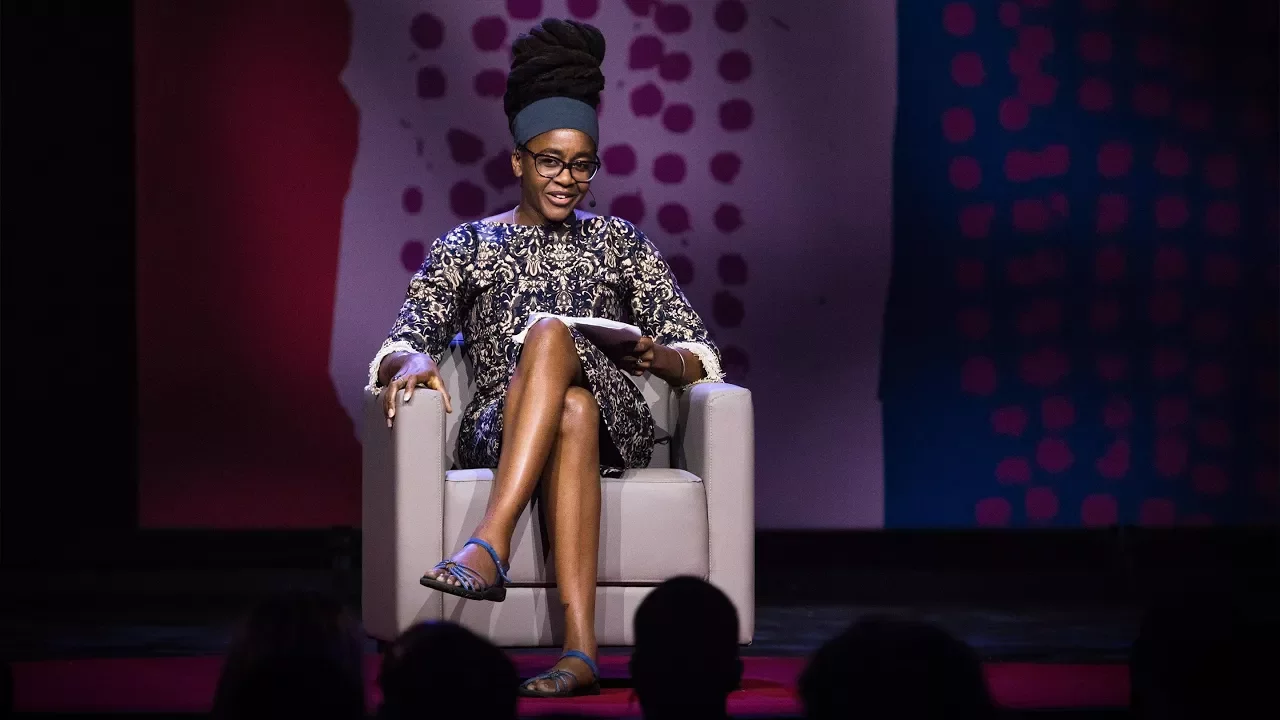
Afrofuturism: Nnedi Okorafor on African Science Fiction
@TED
118.2K views•2017-11-22

Triumph of Orthodoxy Icon: Byzantine Art & History Explained
@BenCallan
2.1K views•2024-08-06

FastAPI vs Flask vs Django: Choosing the Right Python Web Framework
@TechWithTim
302.5K views•2024-05-26

Game of Thrones Opening Credits: A Cinematic Analysis
@gameofthrones
46.3M views•2011-04-18
Related Study Plans & Knowledge Roadmaps
Structured learning paths in General & Interdisciplinary Studies