
















Internet addiction is a recognized behavioral disorder characterized by compulsive use of digital platforms despite negative consequences, driven by neurobiological mechanisms including dopamine reward system activation, variable ratio reinforcement schedules, and downregulation of reward sensitivity. Key risk factors include adolescence (when the brain's reward system is highly active but inhibitory control is underdeveloped), parental distracted attention, and the unique characteristics of digital platforms such as accessibility, instant gratification, perceived anonymity, and algorithmic engagement strategies. Treatment approaches prioritize psychological interventions like cognitive-behavioral therapy and motivational interviewing over pharmacological treatments, with the goal of addressing underlying psychiatric issues, establishing healthy boundaries, and helping individuals develop sustainable real-world pleasurable experiences.
Internet Addiction: Causes, Symptoms, & Treatment Approaches | Psychiatry Lecture
Added:hospital.
Welcome to Silver Hill Hospital Grand Rounds. We're excited for you uh that you've joined us today and we'll get started in just a moment as people are entering their Zoom rooms on the internet that we're going to talk about today.
All right, welcome everybody. Thank you for being here. I'm Dr. Jeff Katsman.
I'm the director of education here at Silver Hill Hospital and the director of our our new Silver Hill Academy for Research and Education that we call Share. and we are delighted to have you join us today and very privileged to welcome Dr. Christine Miller who will be presenting on a very timely topic of internet addiction. Some housekeeping all as always to start our next grand rounds tech takes place on May 28th with Dr. Lawrence Fishman who's going to talk to us on the topic of illusion and disillusionment a winnodian framework for psychedelic assisted therapy. So, that should be very, very interesting and hope that you all can join us there and tell a friend. Uh, and to see all of our Silver Hill Share events, please visit silverhillos.org back/calar and you can find them all there, including today's program. Back to today's lecture. Your questions remain an important part of our grand rounds. I will moderate a Q&A discussion with Dr. Miller at the end of her lecture. This is a great opportunity to put forward questions and comments to Dr. Miller, which you can submit any time during the lecture by using the Q&A link. If you can take any questions that might be clinical about a specific person or patient and maybe put those into a more general format, that'd be greatly appreciated for various reasons such as HIPPA and and thank you in advance for that. Uh if you'd like CME or CU credits today, please complete the evaluation survey that will automatically show in your browser when we end the webinar. A link to the survey will also be emailed to all participant participants tomorrow. Note that this email will be a Zoom email coming from SHH events. The email will also contain a link to the recording and slide presentation so that all participants have enough time to complete the survey.
It will remain open to the end of day on Friday. Certificates will then be emailed within a week. And as a reminder, only physicians may receive partial credits for the webinar based on the extent of their participation. All other participants must attend 100% of the activity to receive credits. Any questions about any of this, please contact us atHevents, all one word, [email protected].
Finally, disclosures. No planners of this activity have indicated a relevant financial relationship with an ACCME defined commercial interest. And Dr. Miller will show a slide with her disclosures as well. And now it is my great pleasure and honor to introduce our guest speaker today, Dr. Christine Miller. Dr. Dr. Miller is a psychiatrist uh specializ specializing in integrative mental health care with a particular focus on addictions, women's behavioral health and spirituality. Her journey into the field of internet addiction began serendipitously when as a first year psychiatry resident, she crossed paths with Dr. David Greenfield at a local Starbucks. Recognizing a shared passion, she sought out Dr. Dr. Greenfield as a mentor alongside other esteemed psychotherapy supervisors who nurtured her dedication to therapeutic work.
After completing a residency, she joined Dr. Greenfield at the Healing Center in West Hartford, Connecticut, where she worked for quite a while further refining her skills in psychotherapy. Currently, Dr. Miller practices at Indiana Health Group in Carmemell, Indiana, where she integrates psychonamic psychotherapy with medication management and serves as an independent medical evaluator for safety sensitive roles. Her prior experience includes serving as clinical director of Greenbrook Recovery Center at St. Joseph Mercy Hospital in Ann Arbor, where she led substance use disorder treatment programs and contributed to systemwide improvements through an opioid task force. Before that, she worked at Waterberry Hospital's addiction program and emergency department while also maintaining a private practice in West Harford, Connecticut. Dr. Miller's holistic approach in patient care is enriched by her interest in yoga, positive psychology, and the intersection of mental health and spirituality, ensuring a compassionate and comprehensive treatment experience. I first met Dr. Miller at an APA conference where we both presented in Indiana and she was so gracious to tell me that she likes to tune into our programs and I sat down and and listened to her presentation and I thought to myself really wow what an important area to integrate into our grand rounds programs. So thank you Dr. Miller for accepting the invitation to present today. It's great to see you again and we just so so greatly appreciate your being here today. And uh with that I will now pass the baton over to you um and then disappear until our Q&A time.
Okay. Thank you. Thank you Dr. Catsman for that lovely introduction. Um and I will share my screen.
[Music] Um, we'll get started if that's working.
Okay. Um, so as Dr. Katzman said, I'm going to be talking about internet addiction. Um, obviously this is not an official diagnosis. Um, and you know, with that in mind, we'll move forward. Um, let's see if I forward. Okay, I have no disclosures.
I'm very clinically focused um and don't work with any industries.
Um would like to uh dedicate my presentation as I I always try to to the late Dr. David Greenfield. Um, as was mentioned, he was my mentor and then partner and he began his study and treatment of technology addiction in the 1990s and stayed working with it up until a year and a half ago.
Um, the goals and objectives we'll be talking about different types of internet addiction and um, when possible identify different unique aspects to each of them. um learn and we'll talk about signs that you you might see as a clinician or parent or community member and then um start looking at different treatment approaches and the evidence behind them.
Um, we're going to be trying really hard not to be judging social media and technology in terms of good and bad ethically, although obviously there is some growing consensus that the social media platform is decreasing a lot of the civility and increasing tribalization. Um, these negative online behaviors are not necessarily indicative of addiction um or an underlying disorder.
Um, so you know there's a difference between spending too much time online and a disorder and we'll be talking about you know what makes it an a disorder. Hey Dr. Miller, I was wondering if you want to put the slide econ icon at the bottom to make it full screen.
Oh yeah, I was trying to do that before and I don't know if I will. Is it that one? Yeah, this one. Yep.
Perfect. Thank you. Okay. See you.
Go through. Okay. I'm not very good at technology kind of ironically at this point. Um and I hire people to do that if I need.
Um so the prevalence with uh the internet, we all know it came more widely available in the 1990s. Very new thing in our society. Um, as of 2017, 87% of people in the United States had access. I'm sure it is almost up to 100% now. South Korea and China, um, their prevalence has been ahead of us. And, um, with that, we also see an increase in prevalence in internet addiction.
um studies by Zen um put their percentage more at 8 to 27% but the general pre prevalence of internet addiction is you know estimated to be around 2 to 15% depending on which study you're looking at. So what makes the internet so alluring? Um, I'm trying to find a way to make these all a words. Um, but uh there's first of all the accessibility obviously [Music] um everywhere and always open um the intensity and the stimulation that it provides um is novel. There's a phenomenon called supernormal stimuli which we also see in like animal populations and it's when there's an exaggerated version of a stimulus that elicits a response that is stronger than what a natural stimulus would give. So, you know, we also see this in the food industry, manipulations of like sugar, fat, and salt to make it more rewarding immediately. And the internet is certainly doing that with the um images and whatever they're putting on there.
Um it's novel and dynamic, always changing, always new, story without end thanks to hyperlinks, you know, just you can keep gathering more and more information.
Um there is a time distortion that occurs when you're on it as part you know a dissociation. I know I've experienced it. I'm sure many other people have experienced it where you go on and then for one thing look up and it's a half hour hour later and that time has just been gone. So kind of a mindlessness can occur um or dissociation. It is a means of connection.
Um, and we'll talk about this a little bit later, but it it is a tempered and one step removed kind of connection. Um, but connection nonetheless, there is a perceived anonymity and I want to emphasize it perceived. Um, there are ways for people to figure out who you are.
Um but with the sense of anonymity, people can have more fantasy play. Uh and definitely more disinhibition is seen. Um people have a bit of an accelerated intimacy that it can occur because they're sharing more freely than they would if they were in person with someone that they're meeting maybe for the first time.
um the cost or affordability and now especially thanks to advertisements funding most of the platforms they are free for consumers or very low cost. Um there was a time not that long ago when water was free and you had to pay for porn and it's very much the opposite now. Um there's instant gratification. Um you know and and we know from other substances that are addictive or you can develop a dependence on the shorter the latency the more the shorter the latency and to reward the more addictive it is.
Um there's an interactivity to the internet.
So um you are guiding and controlling the whole process.
Um, and then perhaps what makes it the most addictive in in its form is this variable ratio reinforcement schedule which um leads many to consider computers and especially smartphones the world's smallest slot machine.
Um, so it's, as you probably know that this is how gambling ends up being so addictive is the the variability of the reward and the ratio to that. And it is the highest or the hardest to extinguish that um that behavior. And then there's mastery. especially in adolescence, they can feel a sense of mastery on a game or a platform and that's appealing to have.
Um there's two more that I had um only just added recently. One is the algorithms um that the specific industries are most certainly using to target their users or con consumers um to keep them engaged. Um and the other aspect is ambiguity. So technology and the technology platform is creating whole new arenas where right and wrong have yet to be defined where you know in relationships or in cultures and societies. So you know people are getting into gray areas where in the past they would have they would it would have been a no no for them but you know now they're kind of pushing into that.
So while these aren't officially defined, I've defined these into um seven different forms. So there's the surfing or YouTube infotainment. Again, that's the hyperlinks, the like gathering more and more information from many different sources. It's very easy.
Um and there's social media.
um be Instagram, Tik Tok, all of all of that.
Um texting and emailing, pornography and cyber sex, shopping, gaming, and gambling.
Um many of these um types of internet misuse do have addictive reflections in the real world.
For example, um Kreplin and Blueler did describe compulsive shopping uh disorder more than a century ago, while accounts of gambling or sex addiction are even older. And the question, you know, that I still we still need to answer is why not incorporate technology into already established behavioral addictions or compulsions. Um, for some of these categories, that might be the best way to explain them. However, the digital intermediary can alter many fundamental aspects of the disorder. And what is clear is that the internet acts as the great accelerator.
Um there is a synergistic amplification of not only the content but with the internet modality also being inherently addictive. So, it's um it that might be why it's been a little bit difficult to pin down certain addictions and label them.
Um so, um first we're going to look at generation Z um which Dr. Greenfield and I also call generation D.
um given they are a very unique cohort in that they were the first generation to be raised on digital technology. Um they are digital natives and um other people have called them the guinea pig generation because we don't fully know what it's going to mean for them in the future and future generations.
um with adolescence being a time of identity development and a lot of theirs is done through the sharing of their of information of content.
Um, another interesting thing about this generation is it's the first time there's been a real reversal of generational hierarchy in the area of power and knowledge and this imbalance in families where the grown-ups no longer know more than the kids. Um, which also makes it difficult obviously to set limits or to even know what you're talking about. they are talking and and figuring everything out around you for better or worse.
[Music] Um and and then if you see this picture, this is a real picture of people I know.
Um and this was probably a Thanksgiving gathering or something. And this looks very much like parallel play, which is common in toddlers, but these are high school students.
Um, so and I'm sure others have seen this and you can go outside right now and look at a lunch table and the kids, you know, a lot of the time are not interacting with each other. Um, Dr. Sherry Turkal um for the past three decades has studied psychology uh the psychology of human relationship with technology especially in the realm of how people relate to computational objects.
um she's been a professor at MIT doing this work and um she had a really good article if you want to look it up later called Alone Together which is very much what these kids are showing here. Um she also had a TED talk and she wrote a memoir more recently called Empathy Diaries.
um she's one of the ones who is really ha having the conversation about how the internet is a way to tightly titrate connection without risk. So the not too close, not too far away kind of um interpersonal connection.
Um there is a lack of spontaneity in this which in real life there would be.
There's also um a deficit in having to work through issues in real time. Um kids can just sign out of a program and it's done.
Um so again with uh adolescence being really important for identity development um there are a couple studies that do look at this in a very in-depth way um and propose the hypothesis that specify what kinds of digital context and experiences lead to healthy versus problematic mental health outcomes because for sure it is not necessarily all negative. Um this table here is from um the article by Perez Torres in 2024 um and is a contextual perspective focusing on the role of social media and its influence on identity development. It was informed by research um looking at aspects such as identification and role exploration which is a task that um adolescence have and they are doing this on social media through expression of their interests and ideas about themselves from that. then they would get some self-concept validation and this is through the feedback, the likes, the comments, all of that.
Um and and another aspect that they're able to um experience on here is exploration and commitment. So this is through exposure to different ideas, different role models.
Um and if if you can see in that third column, these can be positive or negative depending on you know the feedback that they might be getting. Um more does need to be understood about this um and about the dynamics of these processes because it is very dynamic.
Um also we need to understand more about you know the depth of the exploration that they're able to do uh the maintenance or reconsideration of commitments to identity constructions.
Um you know what does that look like and what does that mean for these adolescents? Um and the speed at which this is happening. they're being exposed to just many more ideas, many more lifestyles, and um you know, neither good nor bad. Not going to judge that, but it is most certainly creating an amplification of that process. So, they're doing it much faster than I'm an elder millennial. Um, you know, I was still discovering new ideas and concepts well into my 20s. Um, so that's, you know, I'm definitely not going to label that as good or bad for them. Um, it is relevant when it comes to setting meaningful limits with non-addicted and addicted to a life.
Um, and I think it's important to discuss with adolescents and ourselves about what we are gaining or losing from these parasocial relationships. And by parasocial, I mean um just because we know a lot about someone because of what they put on say their Instagram, do we really have a relationship with them?
Um, there is an opportunity cost to that. you know, the amount of time that we're putting into those parasocial relationships, what are we giving up?
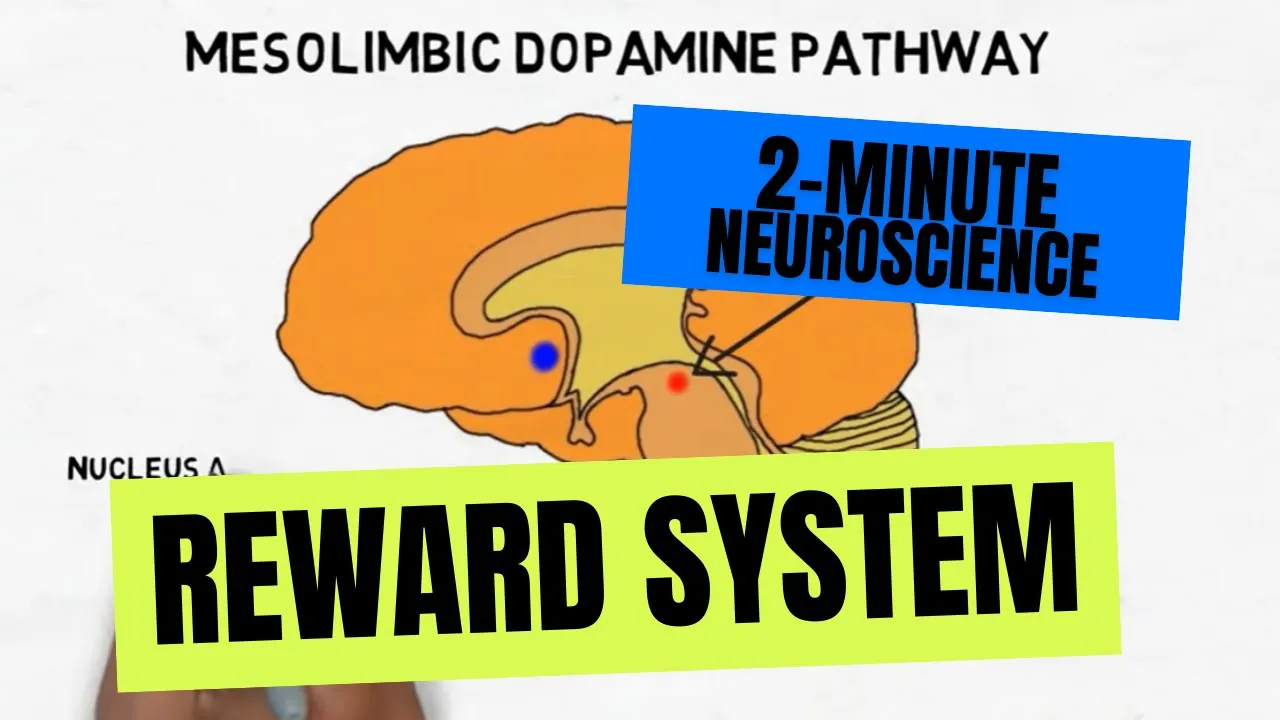
Um, so another reason to focus on adolescence um and how internet is affecting them is because that is the perfect storm for addictions and risky behaviors. Um from a biological perspective, the development of the neuro adinuric and dopamine reward system is like done or you know strong which is leading uh kids to that powerful desire for fun and pleasure. Um the buffers to this system, the frontal executive areas of the brain and the inhibitory GABA system are lagging by 10 to 15 years. Um but in biological males, uh testosterone drives the desire and potential for taking risks and engaging in pleasurable and stimulating behaviors.
Um, biological females have more of the estrogen fluctuation and correlates to increased risk for depression and therefore seeking comfort and pleasure through these escape escapism technology use.
[Music] Um [Music] and so the other part is because there are different critical periods in here for our development um and imprinting and strengthening neural connections. similar to how we see um individuals who start using alcohol before the age of 15 are much more likely I think 3 to 4% more likely to have an alcohol use disorder in their mid20s. Um we're also seeing kiddos who are engaging in uncertain platforms or forms of internet addiction developing into full addictions. um earlier and in a very problematic way. So um the monitoring the future report which has been going on for 40 years has shown that elicit drugs other than marijuana or cannabis um were at an all-time low. So the question is, you know, are they replacing drugs with the smartphones in some ways? Um there's other thoughts about, you know, because they're maybe if they're behind their screen, they're not getting out there and doing that real world experimentation either.
Um Norah um described it as an alternative reinforcer to drugs and Dr. Silver Martins out of Columbia states that it's highly plausible that this is the case because it fulfills the necessity of sensation seeking and their need to seek novel activity which we know teenagers have that.
Um this was a cartoon I found recently in the New Yorker and I think it it speaks to many different aspects of technology.
Um, one of course being modeling um that you know kids are hound dogs for hypocrisy. So if you are going to be asking a child to be pulling back or an adolescent to be pulling back on any of their technology use. Um, technology boundaries within a an entire household are also going to need to be addressed.
Um, with generation D, not only did these kids grow up with technology themselves, they're the first generation to grow up with parents with their technology.
Um and there are some reports showing that despite parents today spending more time with children, even with you know more women in the workforce, the emotional attunement is less um between them.
So, in terms of attachment and modeling issues, um there there's several studies that are showing that um moms on cell phones have children that are less resilient and more negative.
Um and they did this with experiments with sevenmon-old 2 years old um looking at their temperament and social enga engagement.
Um and uh children often report that they feel unimportant and that they must compete for their parents' attention and they feel sad, lonely, and mad when parents are on their cell phone.
Um and distracted parental attention harms social and emotional development. Um it also harms um learning. So in another study uh experiments done with mothers and toddlers that were interrupted during a learning task, those toddlers did not learn the new words that were um whereas those that had their parents' full attention were able to learn.
Um I know these studies seem to put a lot of the pressure on moms. In my clinical experience, I have lots of of moms coming in complaining about dads who are trying to pick up more of the parental load, but they're on their phone a lot of the time, too. So, it it is certainly not just moms. I'm I'm fairly positive it's um a universal parenting thing.
So um the effects uh that internet addiction and excessive internet use on adolescence there's um studies that are showing that it is stunting their emotional and social development.
There are disease states related to inactivity um cardiovascular uh obesity um probably vitamin D deficiency and I'm in the north states so it seems like everyone has it but um and then of course and really important is this sleep impairment. We know how important sleep is for everyone, but especially adolescents.
And you know, they're on their phones well into the night. Um, unless there's some restriction or, you know, rules around that.
Um, and some kids can self modulate that.
Um so other you know studies are also looking at the u how it might be changing their brain function. Um and it it seems like there's some abnormal functioning activity of brain regions associated with reliance on rewards. And two separate largecale studies in Europe and Asia found associations between internet addiction and self-destructive and suicidal behaviors in adolescence.
Um the book by Jonathan height uh some of you might be familiar with called the anxious generation.
um he puts together a very compelling argument for causation over correlation for these mental health issues that we're seeing in adolescence and young adulthood.
Um things like depression, anxiety, social phobia are pretty highly correlated. And um what he shows in his book is it really spikes up after social media is and smartphones are ubiquitous. Um in terms of the ide ideology of internet addiction, there are many different models. Um and some of these are listed. Uh Young's model.
So Kimberly Young is another one of the um clinicians and researchers who started around the '9s and her um information is largely around online infidelity.
Um number three here with Cooper. This was based on uh sexual compulsivity. Um and the idea was the access affordability and anonymity um lead to this um possibly becoming a problem. And then grief uh Greenfield's model um tries to be a little bit more detailed encompassing the neurobiologic and neurochemical factors um which are similar to other addiction. So the dopamineeric intervation depletion and then down regggulation leading to a lower hydonomic tone and um the social factors where it's a place where there can be a virtual rehearsal of social competence and then there's the accessibility factors and of course the variable variable ratio reinforcement schedule and um Beardra Barrett It um speaks a lot about the supernormal stimuli which I mentioned before um where our primal urges which are driven by a dopamine system and um are our survival drives.
they are overrun um and they are being hijacked because of the content being so much more appealing um and the reward being higher um because of the you know the latency or the intensity of the visual cue that someone is getting. Um, as with other addictions, this leads to, you know, the chronic hitting of that dopamine lever is going to result in a downregulation. And then, you know, this is the traditional cycle of addiction.
Um, which we do see in internet addiction as well. Um, Asam did in 2011.
um proposed for the first time that addiction is not limited to substance use and in their new definition it is um chronic and relapsing and can be with behaviors or compulsions.
[Music] So, we can put this on to any of those types of internet addiction that I mentioned.
[Music] Um, and this is more of uh talking about that. So, how how it works.
Um, I don't think I will go into reviewing that, but it's it really is the basic um model of addiction with binge intoxication, dopamine um affecting the systems and eventually um it drives into the not having a choice of doing it. So it becomes impuls from impulsive to compulsive um and there is withdrawal that is seen with this mostly with the low hydonomic tone. Um um another book I have and they'll it'll be recommended at the end too is Dopamine Nation um which talks about this in in in many aspects but certainly also the internet platforms um how that is triggering this um addiction pathway.
Right. Um we'll see a little bit later um stuff on this as well.
Um so the reward deficiency syndrome.
Um, I first really started hearing and knowing about this through the work in the opiate use disorder realm, you know, with the medication assisted treatment um, being a great option for people who might have this, you know, being a safe level of engagement to increase the dopamine.
Um, but there's also some question, is this also setting up people for that internet addiction that's seeking the reward pathways?
Um, and so I won't go too much into that.
the uh a lot of these first studies um happening in the early 2010s are specifically about internet gaming um that was showing to be very problematic especially in Asian countries um where it you know they had internet sooner they had a lot more access to these internet gaming um they had internet gaming cafes and it was becoming very very problematic for some people. Um so, uh Dong has done a lot of research, several different research studies. Um and the changes that were seen on fMRI were suggesting diminished efficacy of response inhibition. Um, and they suggest enhanced reward sensitivity and decreased loss sensitivity. I think it's important to note that this is in gaming because that's not what's seen in gambling.
Um, and then there was also less efficient processing and lower impulse control throughout the whole all of the types.
um problems with impulse control and worsening of impulse control um is hallmark. So these are more um studies for this um internet gaming there are a lot of them. I just pulled some of the more the ones with more strong evidence.
Um and um interestingly there's especially in adolescence there's delayed development in several regions of the brain related to executive function um as well as problems with selfawareness.
Um, and there are cases when because of this people or adolescents who were involved in these online games where you get to create these avatars, they are identifying more with the avatar than their real life self.
Um and see so and that's this last one kind of shows some of that that um these changes that are seen are what link it to and suggests that um internet addiction could be affecting identity formation.
Again, this is with gaming. Um, specifically, [Music] um, it's not clear if things like social media or, you know, gambling would have that same effect. Um, this is from one of those studies just showing the differences in functional connectivity between healthy controlled substance and those with internet game addiction. For all of those details, you look at the previous slides.
Um, so and this is just more of the same. there are a lot of studies on internet game gaming.
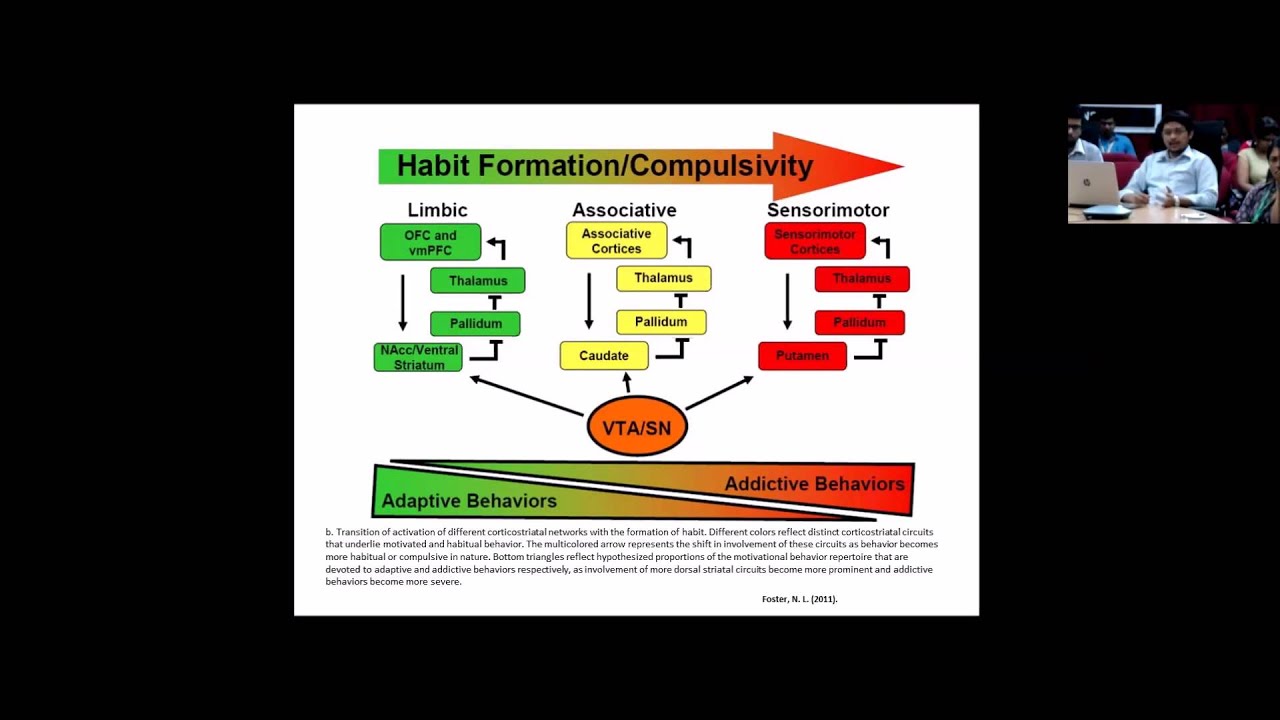
Um so interestingly looking at the default mo mode network and the inhibitory control network in internet addiction you can see a a correlation between the deactivation in the default mode network and worsening symptoms and um the inhibitory control network correlation suggests uh suggesting reasons for difficulty stopping or controlling overuse. Um much like with other other addictions or use disorders, we talk about, you know, how are you able to control how much you're using? Can you stop when you want to stop? The same things apply for internet addiction. And these are um again seen on fMRI. We can see that that is occurring in internet addiction, internet gaming addiction. Um for this one, um there's other studies I linked here if you do want to read more about that.
um TLDDR, long-term changes in gray and white matter volume in brain regions associated with memory, attention, impulse control, emotional regulation, and motor function are all seen and pretty well established. Um, this speaks a little bit to uh the dopamine deficiency syndrome. So again, it's it's not clear if it's causal or leads to addiction or um is caused by the overuse.
[Music] Um so this is showing the reduced D2 receptors availab availability in the areas that are um indicated with addiction like the stratum cotate and um this is very similar to other substance use disorders.
[Music] Um a study shows that the D2 receptors in the vententral and dorsal strial stria um were occupied during gaming similar to that following amphetamine injections. So to say that um internet use is is not affecting the dopamine system or creating some reward uh playing with the reward system is not true. It absolutely is.
Um and so this is kind of showing the same thing in a different way. Um cognitive control, executive function, motivation and reward all being affected by the internet usage and especially problematic usage.
Um hormonal effects I think are very interesting.
Um texting so the written word compared to audio communication shows differences in hormonal effects. So oxytocin was lower and cortisol elevated um at the same level as those that did not interact with parents. So that was when just texting was done and this is during a study. Um actually I'll go in and explain the study a little bit more because I think it's very interesting.
So um this was with female adolescents who had undergone a stressful event. The ones that had texted with their mothers after undergoing that event um did not have a lowering of their cortisol.
um or a raising of their oxytocin. But children that were able to interact with their mothers in person or over the phone had that oxytocin increase and a lowering of their cortisol. So, and I see this in practice when a kid is going through something stressful at school, they have their phone and they were able to they're texting their mom and mom is texting back and it is not helping, you know, and so it goes on for hours and mom or dad are, you know, distracted, pulled away from their work, whatever, trying to like, you know, help this crisis, not crisis, But definitely stressful event for the kid and um the kid is not getting any relief or finding other coping skills.
[Music] Um so um kind of continuing on with the oxytocin there in other substance use disorders as well as ADHD um autism spectral disorders we are seeing a genetic variance in the oxytocin receptor gene. Um this correlates with lower empathy and expressiveness. Um there's a very good study by core from 2022 uh showing that the oxytocin to vasopressin ratio in problematic porn use is linked to lower empathy and more severe psycholog psychologic symptoms.
Um, now kids will often argue that their gaming helps them and it does help certain aspects. Um, they can improve attention and conflict resolution with visual cues. Um, I'm sorry about the dogs. I don't know if you can hear the dogs, but okay, I'm going to keep going.
um better ability to track objects. You know, they're really using their their eyes and their fingers and those are getting pretty strong connected.
Um they have more efficient parietal lobe and orienting attention, the frontal lobe sustaining attention and anterior singulate controlling attention and resolving conflict. This is really a hyperfocus that they are getting good at.
Um and sometimes this is being harnessed in our field with um in a positive way certainly and you know I think there's more that will be revealed about how we can use this to our benefit um but it certainly is not all benefit Um this um slide we're really talking about neuro imaging today. This is a great overview article.
Um I'm trying to be mindful of the time here. Okay. So the um this is going over more um of internet and gaming addiction.
Um, I'm going to move a little bit quicker. So, I want to talk about gambling.
Um, this area I I believe is going to be a big problem and we can look at um places like um the UK and Australia uh which opened up sports betting sooner than we did and and there's um definite consequences and they are working on legislation and things like that to help um for the United States. had opened up in 2018 for this online uh sports betting gambling. Um in the past, casinos and sports books knew their clients personally. Um and they have largely been caught off guard because they were not prepared for the kind of personal information that online platforms would be able to leverage to prey on people.
The industry is targeting people with limitless advertising, free things, free gambling.
Here's, you know, $20, come gamble with us.
Um, and they are also evading age restrictions by framing gambling as sweep stakes. So even though it's not legal um for kids underage, kids are doing it um through other you know channels um that are considered sweep stakes. Um it is a predatory industry where young women have been impacted negatively by social media and um that whole platform is has been bad to their for their mental health. Um young men are at the most risk for the gambling online. Um and those who start on sports betting become addicts. And I use the word addicts. you know, um, use disorder, but um, but they become addicts at a rate of 8%. Okay, but how many are doing it, right? Over 60% of boys on campuses, college campuses are sports betting. And um, this is occurring in high schools as well. There are gambling rings in high schools. Um it is absolutely happening.
Um so it has the same uh allure as the internet being it's accessible. Um and that what's different from in real life gambling. Um traditionally in real life gambling would be episodic. It'd be a trip to the casino and then there would be a break from it. But now it is 247 access.
Um it can be done much more secretively because of that. You know it being just on your smartphone.
Um it's not like you've disappeared for 24 hours at the casino and have to come back.
Um, you could be laying in bed, a person could be laying in bed with their partner and engaging with this and the person would have no idea.
Um again with the marketing the industry has invested in sports books over traditional games and um they are trying to gather their users and their consumers of it and there are very few restrictions on them.
um the low barriers to engage financial industries are also involved in this making it easier to get the money to bet and lose. And um so you know the same rule does apply with gambling that and this is what makes it somewhat different from the other addictions is that gamblers historically um they're and we see it here is they're chasing the loss. They're always trying to get even.
[Music] Um, and they have more neurobiologic sensitivity to losses over gains.
Um, I've been seeing a lot more gamblers lately in my practice and um, in some ways I really try and get them to see they're not good at it. they are losing um and they they do get to that place where they recognize you know the house always wins that is true. Um if you were winning also what's happening on these sports books if they know that you you actually know what you're doing they will kick you off immediately. So they are using adverse selection um to keep to only keep users who are going to lose in the long run.
Um so again with with gambling a lot of when I see clients with this I'm really trying to educate them on that and the statistics and um so again that this is um some data since uh the Supreme Court overruled the Murphy v NCAA which opened up states to having sports books. Um prior to that it was only Nevada.
by 2024, 38 states had it. And this is a look at the wages that um it went from about 5 billion to $121 billion worth of wages. 94% of those wages were placed online. In the study by Yola, um it was published very very recently in JAMAMA.
Um they were just looking at you know the prevalence of online searches for gambling addiction and there was a there was a huge surge. Um and you know it would just increase as states were adding on and the states set out on sooner had more um kind of a nonsequiter. Now moving to porn versus sex addiction and this would be porn and cyber sex.
Um so there are some um unique differences.
Um, and we can see here that so people who have more of a porn addiction, they are seeking the pixels and the searching. They're finding new things, new exciting things for them and the visual novelty. Whereas sex addicts um they're looking for novel partners and are engaging in in more um behaviors like boyersism flashing for tage.
Um usually the online activity does not spill over to other se sexual activity in real life. Um whereas sex addiction risky behaviors are very common. Um when asked people who have um porn addiction say they would like a steady partner a relationship that intimacy um with sex addiction they are they are looking for the novelty of different partners or different activities. Um in porn addiction we are seeing a lot of uh ED and low libido in real life.
Um and that is not that doesn't occur um in sex addiction. Um the prevalence is increasing due due to the access in adolescence and we're having issues with that in young men.
um uh other aspects or characteristics of of those with sex addiction that it doesn't ring true for a porn or cyber sex addiction is a higher rate of homo and bisexuality. there is a higher rate of sexually transmitted diseases because they are um engaging with other people and um historically there's more sexual trauma in their in their past. Um we're not seeing that um in the porn addiction.
Um another aspect I didn't add here was with porn addiction and cyber sex addiction.
Um there is the the ambiguity of is it right, is it wrong, is looking at porn, infidelity, um relationships are strained because of this and really need to define it.
Um and um they have to define the infidelity in real life as well as online. What what would each partner define as infidelity? Um chatting with people, watching people perform acts, you know, where is that line for each couple?
Um, and so this is a a very uh good study looking at the neurobiology um in porn usage. And [Music] um really what these changes point to is um or suggest is that there is tolerance and desensitization and because of that that's where we see the um downregulation of the natural neural responses to sexual stimuli in real life. So again, the low libido and the erectile dysfunction because the the person um in the room with you doesn't look like the the person on the screen.
Um the dorsal lateral prefrontal cortex affects um executive function is also associated with Q reactivity um to internet porn and can be interpreted as a sign of impaired cognitive control. And this is important for several reasons. Um with the sexual arousal is designed to block logic and your better judgment. Um because at one time evolutionarily it was in our best interest to not be paying attention to all those things when we're um engaging in a procreative act. Um, in how this becomes a problem is when people start crossing legal lines um because they're not thinking um more rationally thinking about the consequences. They're kind of just seeking um to engage. Um legal issues almost always um arise from an escalation in addiction in the form of seeking more and more stimulating online sexual um content. And um in in my experience too and and studies have shown this that the perpetrator perpetrator rarely sees how the consumption of illegal pornography negatively impacts others. They feel like it's a victimless crime. Um and they are really detached from the person on the other side of the screen.
um they are people who are addicted to porn really are engaging for that online dissociation. Um which means the psychology is quite different from in real life where they they are actually trying to engage and connect and not dissociate.
Um, okay. And it should also be noted that the illegal online activity um with underage or beastiality or things like that, it does not correlate to real world activity. So if someone gets in trouble for this online behavior because they're so detached from the person on the other side, it doesn't doesn't mean that they're going to be um engaging with underage um people in their real life for the most part.
Okay, this is a very old cartoon. and I just did it in for a little break. Um, and I want to kind of I'm going to have to go through a little bit more quickly here. So, it was in 2019 the um WH put gaming disorder as a mental illness in ICD11.
Um, we are far behind on getting these other ones defined. Um this is the proposed criteria which they based off of a lot based off of the gambling um disorder criteria. So um preoccupation, experiencing withdrawal, developing tolerance, loss of control, continued use, mislead others. Um and I underline that one I think is really important. um have they deceived family members, therapists or others regarding the amount of time they've spent gaming?
Um you know using that as an escape and everything else. Um because there is such a time distortion a lot of times they are not even aware of how much time they're spending online. Um not just with gaming but with all of the forms.
And sometimes I will just have them hand me their phone. Give me your phone. I'm not going to do anything to it. I'm just gonna look at your screen time really and just go through and and really look at it.
Um so the cognitive and psychological symptoms that um you will see there's a lot of denial, rationalization, distortion as with any addiction.
Um we're seeing anger, depression, and anxiety.
Um and There's okay. So then the behavioral symptoms um see guess more on psychological symptoms. I think what's interesting is there are some predictive factors for social media addiction in uh personality characteristics. These include um if someone has a tendency to have more FOMO and they measured this um they're more likely to have uh get looped into social media addiction. Um those that are more extroverted um and then low lower scores in empathic concern and perspective taking. And I think this has to do with kind of that tribalism that we're talking about. Like people who have a harder time seeing that there's maybe more than one side to an issue or a story than what is presented, they are also more likely to fall into problematic social media addiction.
Um, as we know, and I think this is more on the cognitive side, people are going to be saying, "Oh, I'm multitasking.
it's okay and we know that multitasking is a myth and we can educate them on that.
Um, so the behavioral symptoms we're seeing is the shortened attention span, seeking instant gratification, being distracted, sedentary lifestyle, social withdrawal, the in real life social withdrawal. They might be quite social online but not doing anything outside of it. Of course, legal issues can occur with the gambling and um uh cyber sex or pornography if it escalates to that place. And um there's um the functional impairment uh with decreased academic or work productivity. the physical symptoms that um obviously there's a lot there are changes that are documented that are happening in the brain um for for pornography there's a sexual desensitization and erectile dysfunction obesity um and a lot of this was more happening in Asia but people were sitting for so long they were getting DBTs and blood clots um people are getting repetitive motion injuries ies. Um there's something called tech neck from looking down. So having like the neck issues. Uh and then of course sleep and circadian rhythm disruption. You know the light as well as the stimulation that the content is keeping people up. Um this I just think is a very interesting slide showing you know for every minute. Um where is the time going? This is the the um the cost that um that occurs with um online use. So um this is a internet addiction test by Kimberly Young. I mentioned she's been doing this since the '9s as well. Um, and on a scale of 0 to 5, you have people rate this.
Um, and then here's the um the outcome saying like, oh, you might have a problem or you know, this might be impacting your life. Um, people often ask what or you know, what are the morbid disorders? anxiety disorders, especially OCD and social anxiety. The depressive disorders, it's questionable as with other um substance use disorders. Is it preorb preorbid or is it reactive? It was it, you know, self-medication or um a solution that they were finding for their depression or is it the consequences uh um of it are causing depression?
um learning disorders and autism spectrum disorders seem to index higher for having internet addiction as well as ADHD. And especially if I see someone with gaming, internet gaming disorder, they probably have ADHD.
Um, so this is kind of about that that um it really because impulse control disorder um is very correlated. There's a lot of impulsivity. I think there's also like the games are designed to keep people engaged. The some someone with ADHD is hyperfocused on it. They're they're improving. they're mastering um the gamification is really keeping them engaged in a way that reading a book is is not going to. Um so in terms of treatment that people are brought in usually are not brought in of their own accord similar to substance use disorder.
Um so always always always starting with motivational interviewing and um helping them find a motivation to look at their behaviors. Oops.
Um psychological versus pharmarmacological treatment. Um really it is psychological treatment is more effective than pharmacologic treatment.
And there's evidence out there for many of the different ways of doing it. So CBT, ACT, exercise based interventions.
Um the treatment model that Dr. Greenfield building I use really getting a lot of um background um addressing underlying psychiatric issues always being curious and non-judgmental knowing that this is some reason they're doing it was something about it was working for them.
Um and in treatment our tasks we're always thinking about educating them a lot of education um about what is really happening um in their brain in their body. I do a lot of education about you know that they're being targeted they are being marketed to. Let's pay attention to that. let's um not let them essentially um control us with their things so they can make money off of us and all of that. Like I think once cuz they feel like they have control and that they this is something I'm doing and I'm choosing just because it's not what your parents want you to do doesn't mean you're choosing.
Um and um I don't do it but um some people use EMGR.
um obviously learning to identify triggers and cues and um avoid them or have plans for them.
Um and a lot of treatment is on kind of like setting up limits and blocking the same ways they get the alcohol out of the house.
It's how can we set up um boundaries on the devices?
[Music] Um and I have some resources at the end with some specifics of that. Um because there can be such a social withdrawal or a social like uh lack of development depending on how old they are when they're coming into this issue. really I um we try and spend a lot of time addressing the social, vocational and relational aspects and really helping them to get back into real life um activities, help them discover activities they like and will provide more sustainable pleasurable experiences.
Um, that's what the real time 100 list is. You know, I get them just trying things.
Um, easier said than done, but it is a, you know, a process.
Um, and then because the internet is not something that people can be off of completely, uh, discussing abstinence, defining what that means for people and, um, determining if moderate use is an option. Um, in terms of pharmacologic treatments, mood stabilizers are not well studied. I will say a lot of people coming in with the gambling addiction look very bipolar um and so sometimes using um mood stabilizer just you know to calm things down a little bit um anti-depressants SSRI um especially if there's underlying OCD or social anxiety and um psycho stimulants for confant ADHD.
um dupropriion shows some promise um and is used in gambling or shows some pro uh promise with gambling as well. So for gaming uh nal trexone might be helpful um topira uh there's studies showing it might be helpful uh to decrease compulsive sexual behaviors in shopping uh and possibly an acettocyine um as an option again none of these are FDA approved um and these are the resources I think it's important um the gambling blocks. There are ones that were already around for banning people from physical casinos. Um, these are other ones that have each has their own benefits um and downfalls, but this can help prevent that sports book betting.
Covenant Eyes um is a program that helps block sexual content. Um and the bottom ones have to do with parental controls. And there I'm sure there's more out there that I don't even know. Um treatment is not there's not a lot of treatment out there for this specific probably because it's not fully defined. But here's um here are some places that one can look into and um yeah uh these are other recommendations and I think I mentioned um most of these in the talk and thank you for letting me um present this and we'll take questions if we have time.
We do. We do. And uh folks have questions, please go ahead and put those in the Q&A um section and we'll try to get to what we can. Dr. Miller, thank you for like so much knowledge that you have um packed into one presentation.
It's it's really kind of remarkable to me in such a a growing problem that I I think for all of us that are a little older raising, you know, younger younger people, it's it is hard to get our heads around actually the the depth of this.
I'm I'm wondering a bit about you alluded to this a little bit about kind of um one addiction um when treated can can impulses or anxiety related to that say um with bulimia or um um other imp impulse disorders or or substance use um then lead to internet internet addiction what do you what do you see like cross addiction? Yeah. Yeah. or the treatment of one um than um whack-a-ole in this Yeah. Yeah. Yeah. Do you see that practice? Yes. Yes. And um absolutely.
[Music] Um Yeah. Yeah. I mean it just does. I'm thinking about people often with like cocaine or alcohol then they you know end up in the gambling area and a lot of times it will actually be going on at the same time. Um, so sometimes it's about like you can't address one without addressing the other one too. Um, or they do ping pong. Um, great. I'm going to um pick some some key questions here um in our last 10 minutes. Can uh can you give some suggestions about Dr. about the best approach regarding screen time for young children uh and how to think about that.
Yeah. Um I usually just look up what the pediatric society is saying at the time and that it is changing.
Um I guess it depends on the age too. I think um you know 20 to 30 minutes a day um is generally a okay but um again what's the what are they not doing because they're doing that because they're um it's hard to say because each kid is different and what are they need um and what are they doing on the screen? You know, are they are they doing an educational program or watching a show?
I I advise more against those kind of YouTube or interact where they get to just like keep looking and looking and looking for the video they want.
Um that to me is more problematic cuz it leads to that like seeking something that excites them more like kids need to learn how to sit and like maybe not love something for five minutes to get to the reward you know and you know I'm again to the intergenerational issue um or not inter or or difference in in knowledge what do you advise parents about how much they should be tracking or knowing about what their kids are doing online like how much should they be hovering and involved with their activity and knowledge you know I think something happens and then they feel I I I should have known but what what's the right approach in terms of parenting a child these days I think for younger younger kids say grade school I think you should know what they're doing like they shouldn't be alone doing it unfettered access. Most important, I think, is having the parental controls on everything that you possibly can and and adjusting them with the age.
Um, because they're going to explore and that's okay. But you don't know where that can lead unless you've made some some real limits on it.
Right. Yeah. Yeah. question here about taking technology away from an adolescent as a consequence and specifically the downside of doing that considering how much of a lifeline this can be for youth. Um this person's thinking about court orders in juvenile court settings for example that might be unrealistic. What do you think about that?
Um so I have I don't think we do that in Indiana so I don't have a lot of experience with it. I the consequences I think any consequences of the kid need to make sense for the crime or you know the thing they did wrong. So if um the phone or the internet was where the negative behavior happened then it makes sense to remove it. Um, I didn't get to talk about this, but because of the withdrawal and the emotional dysregulation that can happen, you always want to have a plan before you before you do it, you know, and because you can really escalate a situation behaviorally. Um, there's cases of violence and all of that or suicidal threats and things like that.
So, you really want to have a good plan in place with the treatment provider about, you know, when is the time, are there things set up so the kid can stay safe?
Um, yeah. So, I don't know if that answers the question except for yes, they do use it to connect, but it is not the only way to connect.
Um, and and if it is like they're worried about not being able to connect with some of their online social people, do they need to tell them in advance?
You know, do we do we give the kids the respect of saying communicating with their online peers, hey, I'm not going to be available for a little bit. Um, and saying their goodbyes.
Yeah. Nice. Nice. Do do you a question here? Do you have any thoughts about how to work with nonverbal autistic youth who are internet addicted?
No, I don't. I don't. I mean, that's a Yeah, that's a hard one because they again, it's an area where they're probably mastering and feeling pretty competent in a world where, you know, they don't have that. Um, I just off the top of my head, I would think about again setting the limits. If they're internet addicted, that means there's some kind of consequences happening. Um, so is it they're losing money? Is it they're not moving around enough and getting physical activity?
So, making sure that they're there are limits so that they're getting the other healthy behaviors, too.
Um but obviously they're depending on their emotional regulation and how much they're going to fight it. Yeah.
Uh Dr. Miller, there is a a question here. You talked about the focus um uh provided from online gaming that um youth can experience and alluded to this a little bit, but there's a question. Do you have thoughts about children and adolescence receiving mental health treatment protocols that utilize virtual reality or gaming platforms or approaches? Um, and are there costs or benefits to those approaches that you think about?
Um I yeah I do think about it because I I think I read Dopamine Nation which really affected how I think about things and I think this is happening in our schools too that you know education is getting gified and you know it is this like oh look how exciting look how exciting we're all adults we know that it is not that exciting all the time and so the gamification of things.
Um perhaps if it's it's a treatment approach, that's okay because maybe not a treatment approach for internet addiction, but a treatment approach for something else. Yeah. Because the treatment maybe out benefits outweigh the the risks. Um in general, I'm hoping that we do less gamification to motivate our children out there, you know. Great. And and to that comes the question, what advice would you give parents about how to encourage their children to engage in other activities other than mirroring or engaging themselves um such that parents like parents reading and their children reading um because they do. Um, yeah. I mean, I think as parents, we still have control a little bit of like just not giving them access and then letting them figure out what other activities they want to do if they can't be on a screen. like, you know, not every kid's going to be into sports, but if you give them opportunities to be creative and find what they like off of a screen, um, and certainly the younger the better, you know.
Um, I have younger kids and it is, you know, here's your time limit. When it's over, it's over. There's no exceptions.
So, you know, and the, you know, the devices are set like that. So, it's not an argument. They know I'm willing to accept the advice, but it's just like, nope, that's your time. Okay, go figure find figure out something to do. I don't care what it is. I don't care what it is, you know. Um, let them be creative and explore and find on their own.
Yeah. Um, this is a continuation of an earlier question. Uh, can you give some recommendation about screen time for high school age uh youth? um please there's a need for guidelines and how to implement it due to the heavy reliance on the use of screens for completing homework assignments. So how how do you approach that for kids in high school?
Yeah. So and because the homework is done online um it's I think that's really difficult to say. I usually instead of saying an overall time because they're fitting it in after school and then it's bedtime is more of like a a cut off time. So, you know, no screens after 9:00. And if you didn't get or yeah, 9ish, you know, we kind of figure out what their schedule is. But then, okay.
And and then have the parents have the conversation, well, why aren't you getting your work done if if it's not getting done? if it is truly a homework.
Um so helping them you know I think we always want to help them come up with the solution the the kids and so putting that barrier up and again protecting their sleep you know they're going to kids are always going to make choices of am I going to do my schoolwork or am I going to do something else and [Music] um but if we remove the lure of screens and internet after a reasonable time then it's kind of forcing choice. Hey, thank you. Thank you Dr. Miller. The questions keep rolling in and I can't all of them. Um but thank you everybody for being here. Thank you Dr. Miller for your a really as I said jam-packed um presentation with so much information and thanks to everyone for joining us today and for being part of our learning community. As a reminder, for those wishing to receive continuing education credits, please complete the evaluation survey that will automatically show in the browser as we end the webinar. And we hope you can join us again on May 28th. For now, um, thank you. Thank you, Dr. Miller. And we've been connected on the internet and now we'll be alone in our rooms. So, um, okay, here comes the transition and putting down our devices and getting back to our lives. So, thanks again.
It's great to see you and thanks everyone. Nice to see you. Bye. Thanks.
Up Next

Build 180W Free Energy Generator From Old DC Motors
@mrelectron_alternator
41.9K views•2024-12-25

Triumph of Orthodoxy Icon: Byzantine Art & History Explained
@BenCallan
2.1K views•2024-08-06

FastAPI vs Flask vs Django: Choosing the Right Python Web Framework
@TechWithTim
302.5K views•2024-05-26

Game of Thrones Opening Credits: A Cinematic Analysis
@gameofthrones
46.3M views•2011-04-18
Related Study Plans & Knowledge Roadmaps
Structured learning paths in General & Interdisciplinary Studies