

















In defamation cases involving public figures, plaintiffs must prove by clear and convincing evidence that the defendant made a provably false factual statement that caused harm; the First Amendment requires that speech be presumed protected unless proven to fall into a non-protected category like defamation, and publication requires the statement to be communicated to a third party in a way that affects reputation.
Virginia Defamation Law Explained | Depp v. Heard Case Analysis
Added:Basic understanding of civil law versus criminal law, specifically the concept of tort law.
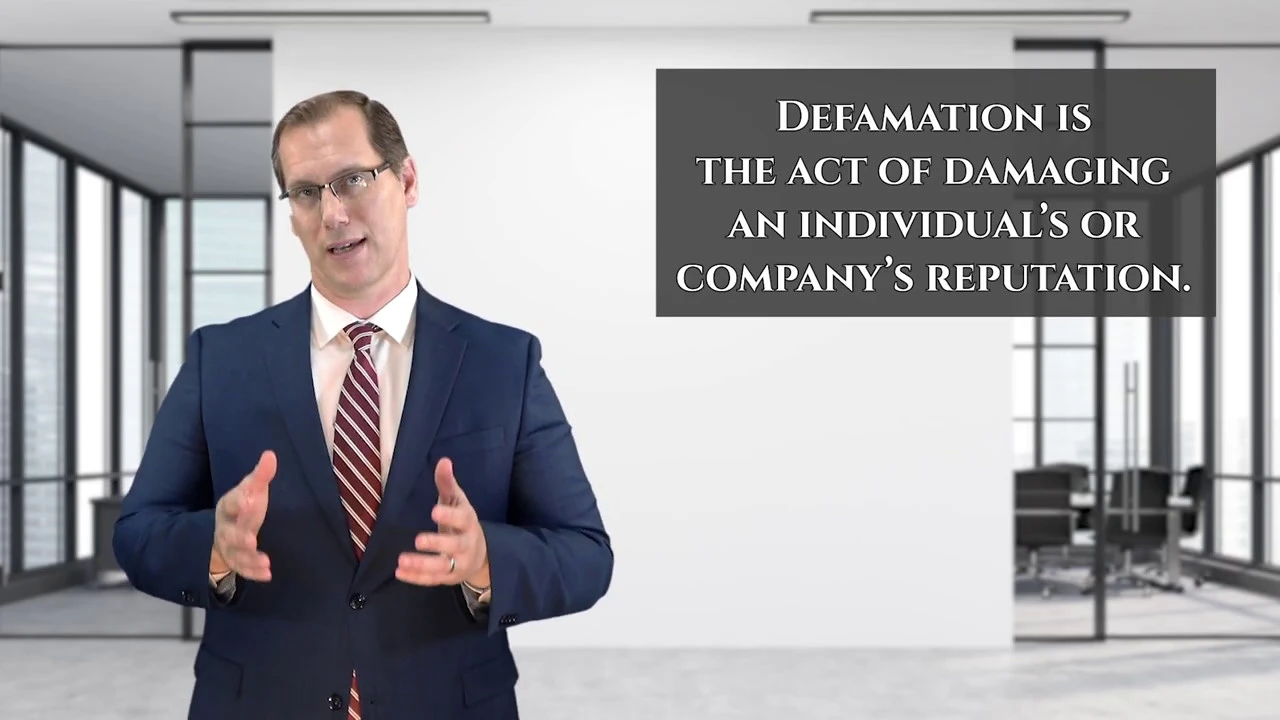
The fundamental legal definition of defamation, including the distinction between libel (written) and slander (spoken).
The legal standard of 'Actual Malice' established by New York Times Co. v. Sullivan and how it applies to public figures.
Basic knowledge of the American court system structure, particularly the role of state courts and jury trials.
The concept of 'forum shopping' and why Virginia's specific defamation laws made it a strategic venue for this trial over California.
An in-depth analysis of anti-SLAPP (Strategic Lawsuits Against Public Participation) legislation and its role in protecting free speech.
The intersection of media, public opinion, and high-profile litigation, focusing on how televised trials affect jury dynamics and public perception.
Advanced study of legal remedies in defamation, including the calculation of compensatory versus punitive damages.
215.5K views11.3Klikes1:25:25Original Release: 2022-05-28
let's see how loud is this volume chat if you can respond i just want to make sure that it's not too too loud hmm can't hear muted mate morning all from uk can't hear can't hear you guys can probably hear me now because i'm just talking to my microphone good perfect wonderful okay yes runcle woke up i disturbed him from his slumber he's awake it's been a crazy uh past 24 hours so let's do a brief overview of what we're going to try to accomplish here in the next few minutes slash hour uh because um yeah it's gonna be a little bit wild um runkle took a ton of notes and as you guys know uh when runkel takes notes when he's in court we do a sleepy runkle note and jury recap and we have some fun with it so but before we do that what we're going to do is walk through some of the basics of defamation because i got a lot of questions in twitter when i was kind of responding about the closing arguments and how some of the players some of the attorneys made some pretty good arguments that i thought were meritorious and the reason why i thought it and some of the pushback was essentially that how can these lies and statements that are falsities be the basis for um basis for recovery so let's get right into that so first of all let's start with the premise that the u.s system is different than a lot of other systems a lot of systems that implement defamation laws what they do is they start from the premise that speech itself is not technically permitted if it falls in a certain category so they do a category distinguishing feature first and they essentially dissect speech into various categories and they lump them in they can automatically terminate or they can suppress certain speech that meets one of these criteria the u.s starts from a different premise the u.s starts on the premise that speech itself is inherently protected under the first amendment you can start with the assumption that speech as you are spayed as you are speaking it is protected unless someone can prove that it is part of a category of speech that is not protected certain speech is not protected under the constitution you categories are lies defamatory statements statements that incite violence stuff like that so the reason why this is important is that you start from this premise that the speech itself is inherently protected and then that shifts the burden to the person who's contesting the speech trying to quell the speech to prove that that speech itself is in a non-protected category that that speech itself is defamatory in nature or it is inciting violence something of that type and the principle case on the issue is a case that was decided in the u.s supreme court in 1964 new york times v sullivan so we're going to walk through a brief synopsis of that case and kind of figure out where we get these criterion so to do that let me go ahead and do this i'm going to share my screen so that you guys can see what i'm seeing in this moment all right so defamation right now this is a state actor that's coming in and trying to suppress or limit speech that comes in and we start as we discuss earlier the premise was that the first amendment congress makes no laws that shall abridge any freedom of speech so there's your premise premises speech itself protected boom done there you go now you go into some of the things that how do we classify whether it's not protected new york times z sullivan so a background on this particular case uh in 1960 civil rights advocates took out an advertisement new york times and the advertisement in question was taken out to oppose this man reverend abernathy and this was the ad that was taken out in the new york times let's zoom in let me see here this was the ad itself that ran the new york times that was the subject matter of the litigation in question heed the rising voices okay so we have the ad um basically mr sullivan was an elected official montgomery county sued the civil rights leaders and the new york times claiming that the police ringed a college campus and padlocked students in a campus dining hall and attempt to starve students into submission they didn't dispute that the police never padlocked anyone and the only students not given food were those who did not pre-register or apply for waivers okay so the holding of this case essentially defined the outlines of how we um how we analyze speech for defamation purposes so essentially when the government comes in and regulates speech as government action so there has to be government action or first party action in the case of a public official which mr sullivan was or sorry mr abernathy was you have to have clear and convincing evidence the factual statement itself has to be false there has to be malice and malice is something that's been discussed in the debt be heard case quite a bit and and this is kind of a good breakout point so malice as we understand it um common use of the word malicious someone that's doing something to hurt somebody else for the purpose of hurting someone else that's not really the legal definition the legal definition of malice is that someone knew that what they were doing would cause the harm and that knowing that they went ahead and did it anyways the second standard for that is that they should have known that it would cause a a substantial harm and they acted in reckless disregard for that knowledge and that's that's important in the herd context because that's kind of the standard we're looking at for the republication of the publication of certain things that are being said um malicious in the dep v herd case kind of translating it moving it forward to where we are now is essentially that one of them had to know that the statement that was being made would hurt the other person that's really kind of easy to prove in this case because what they are alleging is s a some form of assault or dv some form of a violent act and if you're alleging that you were understandably a participant to it or you were the recipient of it and by being engaged and in first person territory there so you're either the actor or you are the recipient then you would essentially know whether what you were saying either that the essay or dv occurred is either true or not by having that knowledge and going out and saying something to the contrary you have acted maliciously i knew that what i'm saying occurred did not occur therefore by me going out and saying that it did occur is me acting maliciously okay so it's a pretty easy standard in the depth v herd case let's fast forward a little bit here hmm couple important points so and in this look two what we're looking at is basically a con law outline it's an outline that we use to study these things and they they elaborate or they kind of illustrate certain important information or the important elements of this okay so standard defamation the statement itself has to be provably false you have to be able to demonstrate that as a matter of proof like so essentially it has to be a fact the sky's green if i say the sky is green that's something that can be proven false the sky rob is not green the sky is blue or the sky is gray okay that makes it easy to understand uh that there is or is not uh a provable statement this is important also in the context of debt be heard because the statement at issue in that case is that i was a victim of sexual violence and by making that statement you're kind of putting what that definition is sexual violence a provably false statement every element every word in that sentence has to be something you can be prove correct or prove incorrect go back to the example i gave you the sky is green the sky is blue easy to disprove that the sky is green because you can look up and you can see the sky is blue take that and you move it to the area of the gray the gray area domestic relations practitioner we deal in the gray area i was a victim of abuse abuse can mean several different things abuse can be physical it can be mental it can be psychological it can be emotional so to say that i was a victim of abuse that encompasses a broad category and it all determines errol it all turns on how we define that word abuse and that's kind of where we find amber's claim now the nuance here is that the jury itself is posed with the question of defining what that word actually means they have to determine that the statement itself is a factual statement that they can be that they can or someone can prove to be false in the context of amber heard when she comes out and says i was a victim of sexual violence what that means is that the jury has to define what that term sexual violence means they have to actually define whether the statement itself can be proven true or false based on the facts that they're presented with and that's very important for this case because a lot of the allegations as was related in closing statements and closing arguments today were that uh as mr rottenborn relayed um pretty emphatically all you have to do is find one element you have to find one allegation one provable statement of abuse and once you do that then you've actually proven that that statement itself is not is not itself false it's not a defamatory statement because there's an element of truth to it okay um the next element of this one is that it has to have the state itself has to have the requisite sting and this is this is language that supreme port has been using for decades and decades and decades the requisite sting what that means is a statement itself just because it's not true doesn't make it defamatory the statement has to hurt it has to punish it has to be penalizing and this gets us to the second part of the debt be heard case certain statements are deemed to be defamatory per se what that means is they are defamatory just because they're said uh there's a category of statements that by themselves the law recognizes as having the requisite sting among them are if you are saying that someone has a transmittable disease that is a per se defamatory statement because it is recognized commonplace knowledge that if i say someone has a transmittable disease and that is false that is defamatory that takes us that's the cardi b case um where whomever said that cardi b had some transmittable disease that was not true uh cardi b proved it wasn't true and the person kept on saying it and that led to a lawsuit and the person is now uh i think several million dollar judgment against them which they're probably never going to pay off but that's the second element of that one in this particular case one of the other things that is considered to be defamatory per se is when you allege that someone has committed a crime um by alleging someone is a criminal if i'm saying they are they are in themselves a criminal a felon a batterer something like that that is per se defamatory um and that's the category that we're in here where amber heard has alleged that johnny depp committed this act this act of sexual violence or abuse and family abuse as defined in the code is a criminal act so that then leads to the determination that that allegation if it's not true is defamatory per se what that does once you've proven that an element or once you've proven the statement itself is per say defamatory you actually eliminate one of the other elements to the to the cause of action once you've proven that the statement itself is perceived defamatory transmutable disease act criminal act then you don't have to prove that the statement itself actually caused you harm it bypasses that other element now if you're in the other category let's say that uh i walk up and say um john jacob jingleheimer schmidt uh well he's just a bad carpenter or he is a bad person i say that broadly um and let's say that he actually proves that that's not true well that's not enough for him to recover for him to recover he has to prove that my statement actually caused him some element of harm so he has to prove that by me saying that this person john jacob jingleheimer schmidt i don't know why i chose that name because i'm operating on like three hours of sleep over the past 24 hours so we're going to go with it john jacob jingle hammersmith he's a bad carpenter well he has to prove that he lost a ton of business because of that improper statement and he has to actually make a connection between the loss of business and the statement that i made that's that's the element of damages and when i say something per se defamatory john jacob jingle hummerschmidt is a thief well he doesn't have to prove damages because it's implied that that statement itself is enough to actually cause him that requisite sting and to cause damages that he doesn't have to prove that element now that's a nuanced answer because the other thing is yes he doesn't have to prove the element of damages but if he wants to recover he has to give the jury some number to pin on he has to give the jury some number that they can stick to and he has to be able to prove that number and in johnny depp's case and in amber heard's case that's kind of the part of the case that's exceedingly lacking they've thrown up numbers 50 million dollars 100 million dollars and then they put up experts to say i can prove that they owe 50 million dollars and i think at this point in time i'm going to bring in rumpkel to kind of give an answer of how well the experts have testified to the demonstrable damages in this particular case well i mean it really depends on which experts there's been a whole bunch of different back and forth and i mean the jury could easily accept any of them or none of them because there's been you know on for each of depp and heard we've heard that they've lost absolutely everything or absolutely nothing and it really depends on sort of which expert you're looking at i think dep's experts have been doing a better job overall in terms of actually establishing what they've been looking at but i mean ultimately i suspect that the jury will find whichever experts to be sympathetic based on where they're already um where they're already leaning but a lot of this comes down to it's very difficult for this sort of thing because we're talking about people whose damages are going to be somewhat hard to qualify or quantify um we're talking about people who you know a hollywood star can go from everything to nothing overnight sometimes for reasons that just aren't really clear you know it's just people don't like them anymore you know actors fall out of fashion and so it's you know it's not like uh you know if you've got a lawyer and they've been earning you know a hundred thousand dollars every year and then somebody makes a statement basically saying this lawyer steals from the trust funds you know which is a real serious allegation and i'm pretty sure would be defamation per se uh you know in virginia and wherever they've got that sort of rule and then they can show listen uh my income went from a hundred thousand every year down to fifty thousand uh that makes the damages really easy you had a sort of predictable income uh but there was a lot of argument back and forth as to whether or not there were [Music] uh whether or not you know did we expect depth to work in pirate six that's sort of an unclear aspect um was amber heard's career going to explode because she got you know aquaman which was the biggest movie ever except not really um or was she just not that great and you know her career wasn't going to explode because she's just you know there's no chemistry that sort of thing so um ultimately i found depth experts to be more persuasive that uh that we had some sort of clear um some movies sort of clearly on the horizon and i think um i think amber's case on the damages was undermined quite a bit because we've got people like mr hamada going it has nothing to do with uh you know with depp it has to do with her just not being nobody wants to watch her stuff and we don't want to make it so that i think is a it's gonna be a big deal but i also suspect on in terms of the damage awards that the jury uh actually gives i mean they're supposed to separate out um sort of the actual damages from the punitive damages but juries don't necessarily think that way i mean sometimes juries will think that the actual damages are higher if they're pissed off so you know if the jury thinks that you know if they find defamation but they don't think it was that bad um they may still think that depp lost you know movie roles and so forth um but still give them you know a dollar that is possible right juries can juries can do weird things and as much as we tell them hey follow the law that doesn't necessarily mean that they will so yeah i i like depths experts overall but who knows where the where the jury's at there was a lot of conflicting expert evidence there that's true well and so that kind of brings me to another kind of one of these other principles in defamation law so opinions there's a this there is a distinction between something that is an opinion and something that is a factual assertion so let me go back to that example of john jacob jingleheimer schmidt is a bad carpenter if i say that there's two ways to view that statement that could be an opinion or that could be a fact and let me break that out and try to explain it in a better example so john jacob jacob hammerschmidt let's say that i made the statement in a publication that he drove a nail through my foot okay well if that's factually incorrect then that would be an actionable statement because that's a factual statement he did a thing that i can prove that is factually incorrect but if i just make the statement that he's a bad carpenter well that that starts teetering into the land of opinion and the constitution has always protected statements of opinion and that also can kind of apply here to debt be heard if uh let's say that amber heard makes this statement that says uh johnny depp um well no look at the statement she actually did make that uh two years ago i was the subject to domestic or to sexual violence and i uh saw hollywood's wrath for it okay two ways to view that statement one is in the context of this is amber heard's opinion and only her opinion or this is a factual assertion the only way you can sue on it is if it's a factual assertion now johnny depp has already bypassed this they've already actually succeeded in proving that this was a factual assertion that essentially by making this statement there was an implied fact that they had to be there had to have been an act of abuse in order for her to make the statement so we've bypassed that one in this particular case but that's something to keep in mind opinions themselves if it's a pure opinion um rob has bad hat rob rob chooses bad hats i don't like the hats rob chooses that's that's an opinion can't sue on that that's not def that's not defamatory now there's also a carve out for public figures individuals that are in the public eye the reason why is that we've always viewed these individuals as essentially being higher they they essentially have to subject themselves um to a little bit more scrutiny than the average joe if you have a president uh say for example no i'm not going to give an example this chat we're not going to get political with it let's see if a president is very very unpopular and someone says this president is an a-hole that's an opinion it's not a factual statement you cannot actually factually prove that this person is an actual literal a-hole because a human is not an a-hole um but if you're making the state actually that's kind of funny i'm just gonna snicker a little bit but no grunkle this is this is this is the word tired uncle starts making me laugh and we both kind of go down this rabbit hole of of having to prove that this person is not in fact an a-hole and how do i do that do i do a doctor do i get a doctor up there and say this person is in fact an a-hole or is not an a-hole yeah okay anyways that's an opinion piece so i can make that statement and also i can make several statements about a public figure um that are kind of quasi opinion quasi-factual i mean you see them in the mainstream media all the time and this is what mainstream media hides behind a lot when they're when they're sued for defamation they basically say look we're act we're giving commentary based on information that we have second hand information information we have gleaned from sources um and we made this statement we believed it to be true and it might not be entirely true but this person's a public figure and the the individuals in the country have a right to know about the public figure okay so for public figures there's a heightened standard you actually have to go above this hole a statement was made and the state most defamatory you actually have to prove some element of intent and that's where this actual malice standard comes in so when a newspaper publishes something about a public figure that newspaper in order to be sued for defamation has to have actual knowledge that the statement they just published was false the best example of this one in recent memory is the nicholas sandman case uncle do you are you you know that cates uh afraid i don't that uh that'd be a us case and yeah this is the guy that was uh where the the guy the native american guy was beating the drum and they had they caught the picture of him and they said that there was a maggot-hatted kid who was taunting and and maligning this oh yes yeah that made it all over the news yeah yeah that was a big deal it made it all the news it went everywhere now the problem was is that this this kid um was just standing there and he was wearing a magnet hat he was he was wearing a mega hat and he was standing there and this guy with drum was the one that actually approached him encountered him confronted him and started beating the drum in his face and started shouting all sides of sorts of epithets to him now the reason why this became defamatory was that the newspaper ran with the article and they said that uh the kid was the provocateur the kid was the person that that caused all the strife and the newspaper had all their sources on the ground and they didn't check it and they if had they just done one check they would have determined that what they were reporting was false well they went on mainstream media and blasted this kid who i think was 18 or 19 at the time and just slaughtered his reputation oh yeah there were people like calling for his head there were people saying that he should never work you know even at like a burger king it was that was a whole that was a nightmare situation for that kid oh yeah so that itself ended up being one of the only ones i can think of in recent history where you had a malicious prosecutor or a malicious act by the journal by the actual newspaper that should have known that statement was false and came after the kid anyways okay so that's the public figure exception to that doctrine let's bypass these things these things are not really important for our purposes and here we go let's go ahead and do this one [Music] okay here's a brief summary chart and what i'm going to do is that this and there we go okay so in the case where there's no countersue countersuit if you have a public figure plaintiff that's suing a normal defendant okay the public figure plaintiff someone that's in that public eye what they have to prove when it's someone that's not in the public eye so me if i make a statement about some uh public figure senator a baseball player a professional nfl player then that professional nfl player has to prove by clearing convincing evidence and actually this is a good this is a good segue here so there's various standards of evidence and among them you have there we go there we go this is a good grid i like this grid this is fun um there's beyond a reasonable doubt and everyone in the chat probably knows with this one here the unreasonable doubt means that's the criminal standard that we use in the u.s essentially you have to prove that this person beyond any reasonable doubt beyond any reasonable other explanation did this thing that you are alleging they did so it's not that you have to prove that they actually did it it's that you have to prove that there's no doubt that this person has has offered you that is reasonable for you to understand so that's kind of a pretty simple thing then down here at the very end of this other spectrum you've got reasonable suspicion basically dude's doing something sketchy and because he did something sketchy i think he did something bad okay then you've got in the middle preponderance of the evidence and the way i always explain this one the clients is essentially if i'm the you ever see the lady justice and where she's holding the scales right and the scales tip a little bit that way like one way versus the other it's 51 percent it's if there's one grain of sand on one side that's more than the grains on the other side then the scales tip this way that's preponderance it's 50 50 plus one percent that's preponderance clear and convincing is this middle standard between preponderance of the evidence and beyond a reasonable doubt now the best way that i have found to explain this in lay terms is that the court or the jury is pretty damn sure that that this occurred so if you've got preponderance which means that there's just a little bit more than 50 50 and you've got beyond a reasonable doubt which means they're convinced then you've got this middle ground clear and convincing which means the jury's pretty damn sure so that's the heightened standard that you have to prove in a public defamation case so the plaintiff the football player has to prove make it make it pretty damn sure that me standard joe schmoe published the factual statement a football player is a uh wife beater um that statement has the sting to that plaintiff's reputation calling a football player wife beater while some people in the chat might disagree is something that has the requisite sting to a football player that i had actual or constructive knowledge that that statement was false that i actually knew or that i should have known based on everything around me that that was not a true statement and then they have to prove that they actually incurred damages as a result of that statement okay so that's essentially if there's a public figure plaintiff suing a defendant that's like a joe schmo like me okay now there is a separate course and this is where we find johnny depp and amber hurd they are both public figures sorry they have both public figures and they have both suit each other so they both have to prove by clearing convincing evidence that the statements that each one of them made was a factual statement that it had the requisite sting so the requisite sting part of it in the johnny depp and amber heard case that's out of it because they've both alleged that the other one was guilty of some collectivity that they had actual or constructive knowledge the statement was false this is where you get the whole you either believe johnny or you believe annaber but you can't believe both of them because there was either an act of violence or not an act of violence and if there wasn't an act of violence and it was just the two of them in the room then they would know that the statement was either true or false period and then the actual this is the other part here that's at issue in this case the publication this is the fun part so publication let me do this here let's see your face again publication itself publication is the actual uh statement itself publication doesn't really mean i have to run it in a newspaper it doesn't mean that i have to put it on the tv it just means that i have to put it out there in the open it means that i have to say it out to a number of people where that person receives the information and they essentially interpret that information and it has a negative impact on this person's uh this person's livelihood in this case you have two very in the deputy heard case you have two very specific uh issues with publication one of those issues is you have a statement that amber heard made in an op-ed that was published in the washington post now a lot of people have asked why is this lawsuit in virginia why is it in virginia why is in virginia so many people i'm going to answer that question and hopefully you guys enough people watching the video that you i won't get it again i probably will but i'll answer it again the reason why it's published here in the reason why the lawsuit is brought here in virginia is that washington post is who ran the article they are the ones who distributed that article amber heard was the voice that acted through that body and that body when they distributed that article they distributed that article in virginia that's where wapos headquarters is so that's where amber heard is said to have made the statement that's where publication occurred and that's where the damages are said to occur and that's where the lawsuit gets brought so that's why we're in virginia publication what does publication mean it's easier in amber herd's case it's a little more nuanced in johnny depp's case in amber heard's case publication is essentially that she put it out there now there's two elements or there's two parts that you prove this one the op-ed itself was published it had her name on the tagline she wrote it it got sent out okay good done if you don't have that then how else do you prove that she published it well there's this retweet because for those of you who have watched the trial there's two versions of that article that goes out one of the versions is the print version which does not have the headline i was a victim of sexual violence the other one was the online that said i was a victim of sexual violence well they need to tie amber to that second version the online version and if they can't tie her to the online version or if they can't tie her to the to the headline itself then they lose that sexual violence part the headline itself uh most headlines in op-eds are written by the newspaper they write it because they need to maximize clicks seo all the other stuff so they're the ones that write it so now johnny depp's team has to prove that amber heard somehow published that specific thing that was written by somebody else well she can do that if she adopts it as her own statement and then sends it out anew it's a republication every republication itself is itself a defamatory action and they did that with the retweet now there's case law virginia that says if you just retweet a hyperlink if all i do is take a link and i put it into a chat or a tweet and i send the link with nothing else then i have done nothing to actually republish that all i have done is for further the original publication i haven't added it i haven't republished it in this particular case if amber heard did anything to uh modify that tweet or to add to that tweet that was seen by the jury as having the intention of reaching a new audience then that is republication for the purposes of defamation and this is interesting because once you amber heard take a tweet um take the link put in your twitter and you type up a tweet and say look at this article that i wrote which is i think what she actually wrote in the tweet look at this article i wrote and then you tweet it out to your new followers or to your other followers you have directed them to this defamatory statement and you have done so by actually adding to it you have actually republished that statement so that's the retweet on the johnny depp side publication is even more interesting because they try to use the attorney to do it and runkle i i need a sip of something in my so i'm going to let you talk about the johnny depp republication so the republication aspect basically there's this one tweet that talks about uh uh sexual violence and the reason why this is such a complicated thing is that ian oh johnny depp dep's statement his statements oh his involvement oh yes uh in terms of waldman you've got the issue of waldman put out these statements which of course are being denied so that is um they're being denied as originating from uh from depp so that is a bridge they have to cross on that one well so how do they cross it well they're what they're trying to do is they're trying to establish that he was acting as an agent and you know an agency relationship is a relationship essentially where somebody is acting on your behalf and doing stuff on your behalf so that is uh that's an important sort of uh of element there uh because you know and i think you can think about this because you deal with agents all the time and uh what is that uh the if you go and you re renew your cell phone um then what you you know when you call up the person on the phone at your cell phone company and they say hey listen uh your cell phone contract has expired we'll send you a new cell phone in exchange for um you know in exchange for you signing a three-year contract right that person is acting as an agent for the cell phone company they clearly don't own you know verizon but they are authorized to make those deals on behalf of verizon as an agent so that contract is still good as between you and you know verizon uh so and you get you know all sorts of agency relationships which may have limits like the verizon cell phone you know call center person can agree to make a uh you know can make that kind of deal but they couldn't for instance sell you verizon's uh you know entire call center they don't have you know they don't have that kind of power so that is a that's kind of an important aspect so what the jury is going to have to decide here in terms of waldman is were his statements you know in some fashion directed by by depp and therefore attributable to depp or you know or is it just waldman doing his own thing uh because that's also a possibility right just because you uh just because of things there you don't just because somebody is acting as your agent doesn't necessarily mean that everything they do is you know acting or is in that capacity the verizon call center person you know might then go and you know when they get off work they go and buy a sandwich it doesn't mean verizon is buying that sandwich so you know and as a lawyer i you know you represent dozens or hundreds of clients and uh yeah so that is uh that's a thing there so yeah that's a bit of an issue okay so here's what we're gonna do now because we've walked through the elements of defamation and what i'm going to do now is i've got some super chats to read through i'm going to read through those super chats and then all of you guys i have actually tagged this stream to feed right into runkles and i know that you guys have been waiting desperately to hear uncle give his breakdown of what he saw with the jury because he is the jury whisperer he knows what they are thinking and what they are doing and the man is brilliant oh my gosh we have someone to help super chats hello hello mike how's it going big guy good how are you doing third stream with you tonight i know it's a lot of coming over to my channel i appreciate it it was fun watching judge simpson oh it's great rumple you got to join on the one law talk with mike streams we go through uh crazy like duis that make no sense and then like sovereign citizen cases and people that are doing stupid stuff on like zoom hearings it's actually really funny thank you yeah i did well in canada i wanted runkle but he was but you guys were down there i couldn't do it but the the the sovereign citizen queen of canada was fantastic all right carry on okay so we just wrapped up basic defamation uh we're gonna hit some super chats and what we're gonna do is we're gonna jump over to uncle stream where he's to give us his genius breakdown of the jury as he stares into his computer screen which is what he is doing right now right now i'm trying to bring up uh so i will bail out of this stream and jump into another and um hopefully everything will work out so yep there's a lot of people with lots of questions we'll try to address those as we go yep last time with mike's gonna help me figure out these we're gonna do the super chats okay buddy fantastic all right so let's rock uh let's see runkle cpap machine fun yes he was snoring very loudly in my house he needs to see that machine no he doesn't he was just very tired he's gotten no sleep this week um ben r got me to hoes muddy middle and no money for either party elaine flooded the field with verbal diarrhea yeah we kind of all had that consensus uh rottenborn's close was clean it was pretty and then elaine elaine came in there and mudded that thing up real quick um wind depth runkel is law tubes hurtin albertan that's pretty good you know it's late when i'm laughing at that stuff all right foxy okay okay okay focus no funny no funny no funny all right um foxy crew why will proving defamation be difficult for jd because it's a very nuanced statement the statement has to be factually disprovable you actually have to be able to disprove the statement itself the statement is i was a victim of sexual violence and i suffered hollywood's wrath sexual violence is a very broadly defined term and in this particular case the jury gets to define what that means which makes it very difficult to uh to prove one way or the other like anything it does but i think they did it you think they did okay a donation towards sleeping chair for waiting he's done waiting he's done he's he's done waiting for trials for a while love sleepy runkle said why he's fantastic thank you for the gender super chat by the way flying monk laura thank you for waking up thank you for uh supporting us waking up because i did not want to in that line it was miserable thank you very much uh jima lozano so gladron was having withdrawals i have withdrawals uh from sleep right now but yes thank you for joining um b555 court tv showing three and eight as alternates mistake yes that's mistake number two and eight were dismissed um unless core tv has updated that within the last 30 minutes to an hour if they have someone better drop something in the chat to me because i confirmed that through one of the attorneys um and if that's wrong then i'm gonna have some some thoughts because number three being off that jury changes a lot of my analysis so if anyone has that real information please drop that because now i'm very curious all right adhd stop uh waking or uncle equals declaration war vs canada yes it was yes it was it was a fight uh u.s wall um jackie joe 15 10 thank you very much for the super chat uh be rational and nice when in this global sandbox kurt on civil is a legal genius yes he is that man knows more about conlaw than i could ever hope to know he's a sharp guy oh yeah uh found ambles appeared amber's appeared doing uh due to judge mistake during jury instructions uncivil wins canadian runkle is law tubes hurtin albertan i like that hurtin albertan we're just gonna call that from now on uh were there any actual sanctions to herd's team regarding not delivering the phones for forensic eval i think those sanctions you saw ruled in evidentiary uh objections left right and center like there were things they were allowed to bring in and things they were not allowed to bring in and things they were allowed to testify to and a lot of that was behind the scenes so we didn't see it play out like um you're not allowed to do this because that would that would kind of suggest something to the jury i don't know mike yeah if evidence is barred it's going to happen outside the presence of the jury and you're not going to hear about it and that's that's the likely sanction yep uh blurry lights would you clarify why the first amendment ever was applied to a civil action between two parties neither of which is the government because both parties have the right to speak you both have that right to speak and your right does not stop until it infringes upon the rights of somebody else and that's defamation in its very nature i have the right to say something and i have the right to say that period end of story until that infringes upon someone else's right to exist without my statement hurting them uh tammy thank you for the super sticker m noodles grunkle is my fantasy lawyer speculate on that there's no speculation he's my fantasy lawyer too uh nancy m does the jury know nullification is an option they do they do they can basically say neither of you get anything see you later uh jay knowles truth is truth yes it is yes it is uh kelly ward now that your instructions are in and the two jurors dismiss what is your prediction on each defamatory statement and monetary amount thank you for everything mike take this one uh i think i think they get sa i think the monetary amount is low because they're not they're not leaning for it amber gets nothing i think the depth win low damages i'm i'm leaning towards mutual dismissal that could happen too easily but you have a better sense all you need is one jury to one juror and you gotta you got it hung yeah and that jury can hold out and say look i'm not gonna grant one unless you dismiss the both yeah and you have much better sense than me because you sat right there and looked in their eyes we'll see we'll see that uh information about from court tv is going to be interesting though if that's if that's correct manny lucas the elaine lower the defense mount for 100 to 350k missed the closing uh elaine basically admitted in closing that the 100 million was chosen arbitrarily it was kind of funny uh alex bean romney u2 rock thank you ian does rock i don't but he does christina b you guys rock ian does i don't we've established that perspective uh ellen deacon would you be interested in doing a video comparing the uk test for definition how it differs and how it may affect the outcome i appreciate everything you've both been doing i'm not going to read that part but yes uh the uk standard is very different than the u.s standard i think it's kind of cool uh to dissect how both them do however if you guys are interested that was actually done in this particular case if you go to the fairfax county website you look at high profile cases and you search for opinions there was an opinion that went through why the uk standard was different than the u.s standard and why the u.s standard was allowed to proceed jay knowles he lost two movie roles because of her that was testified to amber no which amber are you because amber never heard it i doubt she's a fan and she wouldn't give me a dollar ninety-nine well she might give me a dollar tonight well she'd pledge it to you she'd pledge it to me is this a pledge or is this a donation uh the intuitive on the shrink are you guys gonna be trying to get in the courtroom next week for the verdict no so they released their rules for the verdict watch um you have to go and stand in line and get a wristband just like we did with the crazy people um to go into a spare courtroom where nothing is happening and sit there and do nothing and watch nothing until the jury comes back and says we have a verdict in which at which time judge askaradi clears her courtroom then you are escorted into her courtroom they bring the jury in to read the verdict i like reading verdicts i like seeing verdicts that's really cool to me but standing in line for 12 hours no it's not worth it um yeah shirley depp's attorneys had already thought of all this they did and they argued it they did very good glenn f i adore uncle rob bromance please stay out of cancer culture i'm not i'm not all about this guys i the canceled culture stuff i'm i'm i'm out of it uncle and i had a great time today we did well so uh can you page mike hunt and johnny depp okay i'm getting a note i'm getting a note from ian ian has reported to me to confirm my note from ian jurors two and eight are out three and eight are not out two and eight are the ones that are gone can i page my for johnny depp no i cannot do that for you you would have to do that yourself and i would recommend not doing that because um uh it's fine you know what it's going to get you in trouble it really is he has bodyguards they're very big they're very strong you don't want to do that that's that's muscle you don't want to handle i'm telling you that right now uh okay jenny noel's taking the super sticker uh jordan the question in the tmz cabinet slamming video did him to pick up the notes stuck on dep's back stuck to his shirt clearly visible i'll take a look at that jane knowles thank you for the super sticker megan isaac thank you very much love that you're watching makes me feel really good thank you very much sarah ian can you explain the tweet i'm gonna make him do that on his stream so jump over there he's gonna do it himself okay uh jenny knowles point being his attorneys would have already known this yes they would have correct and they they demonstrated that they did by their argument today mike how do you think they did in their argument who depps attorneys fantastic very very good yeah that rebuttal camille was uh was the better of the two but uh ben did great too yup i agree with that uh saint kate credit to long number for the pen knife discovery look i'm not the first one to see that um i made a video of it because i kind of saw the how the wood would work with that um and and vasquez drove that home hook line sinker she got it grace j op-ed context push to reauthorize violence against women act abuse meant to imply physical abuse why was this not argued because it's it's defamation it's defamation and what that means the jury gets to define what the statement was and whether the statement was factual jenny knowles thank you again for the super sticker uh rochelle summers thank you for the super sticker jason lizat rob thank you for the explanation of the law and putting into terms non-lawyers can grasp do you have any plans on upcoming trials that you might cover keep up the great work i actually might do a recap of the uh lindbergh kidnapping that because there was a wood expert in that legit brought in a wood expert that plus there's always a ton coming up but like you don't you don't really know until they get near unless you focus on it all the time yep yep and it's it's honestly it's a mess when you try to keep that focus mm-hmm uh sherry cherry and max have you seen us have a lot tonight i did i was just honestly you were done with me we did have an interesting discussion about the verdict pharma i do know what they're talking about that was after you left um it it does appear that there was some you know instruction error at the very end typo or from the from the judge she was doing a really good job but she just made a real quick slip at the end of the day in terms of the jury instructions it was confusing okay so we might get a clarifying question coming next week sometime um zach fresh love the breakdown thank you very much uh elaine elise off topic does inciting violence mean literally saying go so many discussions about it you don't have to direct verbally to get the result you want but how do you do proving that legally that is a whole body of case law like a massive body of case law of what is inciting violence um you could teach a full semester class on that mike yeah it's it's it's not something i can digest in a video or not right right right i get that i'm sure you do too people ask what are simple questions and you're like okay that's a 74-page law review article answer i i mean i yep it was simple but it's not it's not that easy and at the end of it then you're going to have 50 percent of the experts saying one thing fits the other yep what's clear and convincing explained to the jury and do damages have to be financial yes they did explain clear and convincing and what it means the legal explanation is a lot more complicated than my explanation my explanation is essentially uh uh half plus a grain of sand is preponderance beyond reasonable doubt it is it's not 100 but there's no other reasonable alternative um and then clearing convincing which is the court is pretty damn sure [Music] so i wish that they would rewrite the instruction to say clear and convincing is pretty damn sure let's call it 51 uh clearing convincing is probably about 75 percent and beyond a reasonable doubt it's probably about 90 percent i'm just i'm pulling those numbers on the sky i like roughly i like that i like that that's good i do actually do that's a pretty good pretty good if you're doing percentages pretty good uh danielle peterson can you and ian quit your day job just make podcasts so i can listen to you guys all day long um that'd be a lot of fun i just don't know that i i'm good enough at that yet uh fom info thank you for the super sticker is it common to seal jury information yes it is very common ah asked for it everyone asks for it they don't want the juror information released at least they want to give the jurors the option of making themselves publicly known if they so choose that's up to them they can still go out and talk to people they want to it's only it was sealed for a year right yeah 12 months i i think that's perfectly reasonable in this circumstance it makes all sounds yeah uh abby k question if they could prove that his twitter was only for professional use and not personal use could that have been used to imply he acted as an agent and vice versa with team jd uh i don't really think so because to to tie someone's speech to them there has to be a very very very tight connection look if i gave mike if i said mike has access to my twitter for a day you're not going to be able to get me on defamation for something he says on my twitter yeah that's pretty good way of explaining it yeah it really is that's it's a good example uh deja blue star rob what can you tell us about what you guys thought about reading the jury and if the two that were dismissed were for johnny i'm gonna give a very brief one on this one and i'm gonna tell you to go over to runkle and you don't have to super chat but just listen in we had we're going to go over that there um two that were dismissed we both kind of had in our pro johnny stance um jury e concerns me uh like i said go to runkle's channel follow him see what we talked about there charlie brown if johnny doesn't win is it going to be sad for today for the male victims dv we're ashamed to speak up kind of agree with that a little bit uh elena elise confused about waldman why isn't it taken as a lawyer advocating for his client isn't that part of the job you are not feeling dumb and you are not dumb for thinking this this is exactly the point that was argued and it i i have a little bit of frustration that the issue is put to the jury in this way because it kind of asks the jury to imply something or infer something in the relationship that might not exist [Music] uh miriam gutierrez thank you rob for the explanation you're awesome thank you very much uh grape fake grape flavor tips for my favorite law dudes thanks for friday night special it's friday night i'm operating on three hours sleep we're gonna have fun ammo baby 902 question why the jury instructions sound like the court has accepted that waldman is acting as an agent it did not it actually said the jury could infer that they they had to look at the evidence that determined whether that was or was not the case so don't they're not forced to determine that jay knowles thank you again i don't get it your doors are stellar but surely jd's attorneys were prepared they were prepared they did very well i i'm not saying anything about that what i'm saying is that rottenborn showed up in a way that i haven't seen him showed up for this trial at any point in time since so it was just a different version of attorney that i saw today um fc why would your opinion change is three eight or alternates two and eight russell just confirmed that imperfect uh creations do you agree do i go i should not have been let in i am not gonna even opine on that that is between him and the sheriffs i was not a part of that i have no part of that influences ariadna jacob i filed for definition versus new york times and taylor ren's successful how hard defamation stressful have hard definitions to win how expensive and important experts are especially knowing the new york times says unlimited and new york times claiming it is a uh licensed uh public person form i don't know i i don't know what the acronym means yeah suing any one of these entities is a massive uphill battle they have entire legal teams that are dedicated to fighting defamation lawsuits it is not it is no joke they they really do and the ones they hire are experts in defamation law and defamation law is a i mean it's a first amendment principle law which means that there is 50 states worth of case law with all circuit case law and you have to know all of it it is really not easy and that's back in trade and they and they publish things that irritate people literally every day so they they have to they're they have to know this stuff cold yep mary ella osbourne oarsburn can the jury ask amount of legal fees incurred and use determining damages legal fees are set for a different hearing that's going to take place in august sid david do you think depp wins depp is representing us i don't know i don't know i'm not going to make a prediction i really am not i i walked into this and i kind of was like 60 70 maybe dep those two jurors getting stricken and then rottenborn's argument i'm kind of in the 55 range it's tough it's not easy this is a hard factual her legal case not factual case hard legal case i'm really convinced especially in the essay she didn't i i think that that that that they can demonstrate that's false she had a warm bit of testimony that's absolutely unbelievable and that's it and that's the cool part about having all of us on the panel is you guys get to see all the disagreement you get to see the rationale behind the disagreement and it actually does really really help manny rotary saw an article about the channel and the bed breaking video analysis on facebook today that was the la times article that was pretty freaking cool um fom info thank you for the super chat joe's josephine doris thank you for super sticker uh irish scout how did you feel when camille leaked about bed knife today and closing made me wish you were an expert witness in the case it just makes me feel good honestly that that someone else sees the analysis the way i did i have no doubt that that she saw that herself she was very bright in doing it but it does make me feel good to be in that league of mines that like sees at the same time and sees the same things she did so that makes me feel really really happy uh beverly alford andrea b said today to h was a serial attorney jumper she never keeps the same counsel likely because she's a client from hell when she appeals this case do you think she dumps elaine in company she will absolutely dump if she appeals she will appeal it's gonna happen just wait for it it's not going to go anywhere because judge askaratti has done a great job at covering her ass don't worry about it uh 920 farmhouses ian plan to come back for another trial i don't know we got to find another one for jenny for him uh annie mclaughlin question elaine said there's a tax advantage made by pledging to a charity is that true seems only once donations are given i am not a tax attorney mike's not a tax attorney i'm not going to opine on tax law people get in trouble for opining on tax law um whatever he has to pay it so then it's reduction in his income or if he or if he donated it and it's reduction in his income he doesn't get it twice there's no tax advantage that that's as far as i go it's not deep but that that's i it's it's a nonsense argument yeah uh grumpy did elaine have a stroke during her closing was bizarre no i think she just got word salad um anne-marie b any thoughts on what is next after this case hello from massachusetts i'm going to start covering some trials of the century and i'm going to get in the shop a little bit i'm going to i'm going to do some some more fun work i'm probably going to be on a law talk with mike a bunch watching some funny videos and we'll laugh together that would be awesome make some stupid comments [Laughter] amber heard oh this is the real one uh i couldn't take my eye off you call me sometime cool drop me uh drop me a number amber heard i will not call you ever please don't ruin my life too [Laughter] jill hurts thank you for the super sticker very much appreciate it glenn f not sure why but my super chat earlier was very generic and positive about you and ruckel and yet it was cut off loving the a h and jd coverage glenn f thank you very much i really do appreciate all the support and if you gave that generic super chat that was about uncle and i i'm going to give you double the love i really do appreciate it so does runkle that sleepy man is on a live stream right now and i've got to go bail and save him so i've got to work through super chats because i can't leave him alone on a live stream because he'll never answer a question um what are depths options if he loses can he go back to court no he cannot court of appeal is the only way to go m noodles can you say hi to mike hunt hi mr hunt mike nice to meet you mike welcome guys welcome bye is welcome on my channel anytime um offerman i think it was a patch on jd search not paper or shirt not paper good observation rurally retreated can you please explain the 51 to the now unanimous jury instruction 51 is the weight of the evidence not how the jury has to vote the jury has to vote unanimously they have to agree unanimously that there is at least 50 percent plus one grade of sand in favor of one person to the other tink bell thank you for the super chat anti-social i like the name um i'd like to i'd like someone to compare this case with roscoe arbuckle case escalating allegations media sensationalism ruined a career even after the acquittal i don't know that case mike i don't either i'm very sorry i'm gonna have to look that one up though um do me a favor drop me a dm in twitter and and let me know and because i kind of want to look up different stuff and compare i i like doing that stuff i'm an adhd kind of guy so i do deep dives all the time you can you can do a video on it yeah i mean that's that's there's all kinds of oh my gosh okay we're going not backwards but forwards okay uh sid dave amber heard will be on only fan soon i'm sure that some of the people in the chat would love that i i really don't want to see that uh that's how she pay for money shows depp okay that's how she's going to do it good for her uh thank you all for taking your time to cover this thank you guys for actually supporting me seriously we have taken a bunch of time but i i will tell you from our side we all love it so thank you and yeah thank you guys for giving us the ability to cover it because the thing is it also brings a lot of us together to do it um where we can actually these panels like look one one attorney covering a trial is fun three or four attorneys is freaking amazing because you get a lot of input from a lot of people uh citizen y how big of a chance are you giving jd to win 55 that's what i said and if you can expand on that does amber have an actual chance at getting money no at getting johnny depp's case dismissed kinda right i agree with that not richie odds on if amber will sue elaine if she loses yeah well i don't know i don't know about seeing those two in court together yelling each other why aren't they sequestered because sequestration is a way to lose a jury real effing quick not to mention how you're gonna sequester a jury you're gonna take their cell phones because if you do that you're gonna have a mutiny on your hands and you're no way sequester means nothing yeah you can't do it these days i don't see any jury's being sequestered anymore neither do i it's not possible it doesn't make sense in this day and age it's like it's like a bygone era thing yeah you're gonna put him a faraday box yep uh and boyd too sleepy to watch live but wanted to say thank you for this saving to watch tomorrow oh my gosh i'm so glad you're going to be watching this tomorrow when you're awake and live and you're going to see us doing stupid stuff because it's late and we're tired but i really hope you do enjoy this oh my gosh i've got kurt hey kurt how you doing great we are blowing through super chats and we're going to jump on a ruckle's stream and keep him awake till god knows when runkel said he's not streaming he's streaming right now i can hear him downstairs oh okay did he send out a link i'm gonna make him back to you i'll i'll pull it damn hi uh we we got a super chat about about the issue with the jury instruction over here already oh yeah tell us about that you're making waves kurt yeah so i noticed a problem in the jury instructions and i i noticed uh also a a a defect in the judge's issuance of the instructions the judge made a mistake when she issued the instructions oh what'd she say um thank you daddy she said okay i'm going to get wrong but she said if you find no on one two or three you don't have to proceed to four and five so the way she said it she's like if you find no on any of the charges you don't have to go to damages should she set it backwards she made it sound like if if you don't believe one of the statements you don't have to go damages on any of the statements right that's the way she's yeah it was obviously unintentional and just you know her going through it right it's problematic and then the way that the way the instruction is written in the instructions i do not think is particularly clear into my mind because the way it's written it says and i can put this on screen if you like or not uh share it let me find it first happy chappie i like that like there's he's doing it though he's trying to get through the super chat so he can go over to her uncle okay i'm sorry then never mind no don't apologize never apologize kurt you're beautiful you beautiful man don't i apologize to my friends i want them i want them to be my friends we're just gonna keep we're gonna keep runcle awake till like three he's gonna be so mad uh makila moray i'm from delaware and it'd be cool if you could cover the murder of anne marie fahey same thing i said to the other person dm me that case and i'll take a look at it and see what i can see what i can dig up um i get the verbal abuse argument but ah cashed in publicly with false allegations of dvsa for me it lied under oath and that's what determined age guilty of defamation in my honest opinion not an attorney just a survivor and humble humble registered nurse solid analysis i mean yeah that's that's i'm not disagreeing with you this this case is a it's a cluster and it's not a good one uh whose side do you think jury's on i think they're kind of split like i think there's probably 70 percent johnny 30 amber um influenced by ariadna jacob limited purpose of a fair which i'm not best of luck to you new york times is a uphill battle man amanda lucero how many days do you think it will take are you going monday i am not going monday i have no desire to wait in that light again i will see that that uh come through hey look kurt has 89 200 subs that means that everyone who's in this chat right now needs to go to uncivil law and subscribe to him please and if you don't mind please also go to law talk with mike and syrup subscribe well thank you to him as well i'm going to be spending a lot more time on both of these gentleman's channels in the coming weeks as i start making more content that's behind the scenes uh jp farquhar turo sure uh how come ah testified under earth about pictures 712 and 713 being two different exhibits because she maybe didn't tell the truth i think that's the best way to summarize that ah attorneys used the if you can't dazzle me brilliance bathroom with bs yes that was elaine's closing to sum it up pretty accurately please tell me you've seen the tmz video 8 16 16 start stating amber leaked the video i have not i honestly i haven't had time patricia mazzini well my two favorite lawyers and law team together in night stream yeah i'm very glad that that your three favorite lawyers are right here on the stream right now kurt with me and law talk with mike uh a.m sorry legal fees are a set case already yes legal fees were bifurcated from this action because they are actually in you're entitled to them under the anti-slap defense so they are bifurcated they're going to be heard in august as a separate hearing they're going to challenge the reasonableness of the fees they will likely have experts going through all of the invoices because this is a multi-million dollar legal fee case you are not going to want to watch that hearing it's going to be a freaking nightmare and yeah yeah exactly guys we're going the wrong direction here yeah there's a good chance there's a good chance all that resolves based on the verdict too um to all the canadians still in the chat runkle confessed to me he's not a hockey fan i just outed him big time uh carolee 501 was the definition of malice and closing incorrectly stated no it wasn't it's just not the definition of malice legal definition of malice kind of sucks it doesn't really give the standard juror the actual understanding what malice means it's really hard in closing it was because elaine was stated well elaine misstates a lot of and misrepresent misrepresents a lot of facts uh i'm late asking but how exactly are experts disqualified i've worked doing analysis of twitter insta data and chanel frustrated me unsure how he's prone to testify for so uh so wrong it is not is not easy to disqualify an expert you basically have an expert to disqualify that expert it's a pain in the butt um basically if their credentials add up they can testify as an expert and then you get to impeach them and go after them and say that you're an idiot it's just not that easy to share angel question if amber loses and tries to appeal can she still say that jd isn't leaving her alone no appeal is going to be based on the record at this trial right now name 9001 can johnny still sue the washington post if he wins nope such limitations passed adhd will you marry me no thank you i mean i think thank you for the offer but no guess who did you see am returned snort something on stand i don't know what she did on the stand it was weird but but who knows yeah it was it was awkward it was uncomfortable uh money batala i'm late but was jury eye pro depp taken off i is still on there and he is he's he's a savage was it was the note was the note taker taken off note taker's still on there he was a and one yeah and one is still on there and f i think uh f is the young young caucasian male he's going to be our foreman i have a 20 bet with joe on that one sid dave is ah not required to prove all her claims can jerry still give verdict on her behalf if it's clear she lied on some claims a jury can do whatever they want right now i hate to say it that way but they kind of can't they're likely not to but they can't they can uh megan sue i felt personally attacked by elaine watching on youtube was this how the jurors reacted i really want to know how the jury reacted they did not react that way they really didn't give laid much of anything one way or the other honestly when she first started talking they were smiling at her because she came in with that joke of i get to say good afternoon to you and they actually smiled it was the first time i've seen them react that way to her the entire trial happy chappie would rob would have literally come out of the woodwork if he did testify i probably would i don't know what would i would have come out of if i would have testified uh shirt sweat to i yeah i don't know i've learned so much from i have learned so much about the law the past few weeks thanks for all the knowledge to all the lawyers all of the lawyers add a ton to all of these panels go subscribe to all of them i learn a lot actually yeah we all do i'm on these panels and i'm just listening to other people on the panel i'm learning a ton i mean i honestly i think the chat would have benefited if kurt was here for the for the description of new york times v sullivan because i'm guaranteeing you that man knows more about that case than i could remember in a given day any day i know all the things yes he does so go subscribe did you know it's impossible under new york times versus sullivan to fame the government i did not but now i do there we go okay we learned something okay i have other constitutional law cases i can talk about you have a million dude i that's con law is that's you talk about the horror show that is buck v bell okay no we're not going call right now i can't do that my brain can't process it terry zelensky interesting point raising on civil was that the jury asked for clarifications on damage's question then people will know they found uh on first of the three elements oh interesting point kurt that's interesting yes oh that's pretty cool i'm gonna keep an eye out for that one the notion i got from closing army was pretty much uh scaling rhetolic rhetoric from a h sides a scathing i imagine that was supposed to say i like the judge she's very good hi rob no i'm not going to give you that the a asl i think i know what that means i'm not going to give you that uh isabel sanchez hey rob don't see amber getting any money but i'm not sure about johnny hope this his evidence is good enough for the jurors can't wait for the verdict we will be waiting for a few days mr hunt michael loves my channel [Laughter] uh danielle johnson my hubs was sequestered for a week and a couple years ago in new orleans it was awful we just had a baby i can't see how you can do it now even a couple of years ago would be easier than doing it right now i think sequestering a jury right now is quite literally stabbing your own case in the throat like it's just there's no way uh you guys are awesome i slept and waked up to you guys that's motivated was there a verdict that's actually a bad thing for us because that means that we did not sleep and we were awake when you went to sleep and were awake when you when you woke up we shall see about the verdict how much sleep have you gotten robbed three hours in the last 36 influences by ariadna jacob elon musk just tweeted about jdah i hope they both move on at their best they are each incredible good for elon musk josh pickle honest opinion about the face in the court no drama just clarification you guys are great i'm not gonna get into that um the judge had an order out there that order was it was what it was so you guys can look that up you can make your inferences i'm not getting into it uh tom mcginnis camille needs nominating for the lawyers version of the oscars elaine for the razzies kind of agree with that one uh you guys are mr hunt mike's favorite [Laughter] i think this case will prove a lot if everyone has to has to win what would people really think about the justice system i don't know i think that there's i think that this is part of the media problem here um because there's a way that amber wins and there's a way that that the legal system still has a great deal of integrity i just think that the media coverage on this case has kind of screwed us in that regard you guys have thoughts nope well people think this in every case any case that they pay attention to they think is a referendum on the legal system but what they're not aware of is that these cases are being decided absolutely every day all the time uh citizen why can anyone charge amber project perjury i think the uk is i'm hearing rumors that they're trying yeah um janos they have some motivation to save face they kind of do especially if if the jury comes back for johnny they're gonna have more motivation to save face oh that's going to be spicy jono de keen if the jury given anyone to translate jury instructions understand arguments and spot inaccuracies they witnessed in the trial while deliberating no they have to digest it as normal humans uh m noodles why you keep talking about hunt mr mike i don't know you keep asking about mr mike uh our tribe of five what would your reaction be if ah wins even after you heard all the lies i would honestly hope that the jury reached the decision based on an application of defamation law and not the factual basis for her claims i think that's kind of the best way i can describe it and richards if the jury has questions will that be televised or is it more informal we actually don't know the answer to that question so i actually can look that one up if the jurors have questions now they they send a note to the judge and then the judge will contact the attorneys and say hey they're asking this but that's all back door no you're not gonna even hear about it yeah ask roddy's going to be like i'm going to send him this say no if if you if you want me to send something different and if you say no i'm going to ignore it uh short sweet to the point no vowels i'm pushing five feet tall and have a great right hook dude awesome explanation for the name thank you very much yeah good point megan2819 if you were jd what of these attorneys would you want on your team you can mix and match between the two what's your dream team out of these attorneys oh this is going to the panel what do you think vasquez for days yeah who else i just can vasquez be all three yeah that's kiss all three rotten board didn't move the scales for rotten is my only pick from the herd team to even for even for consideration to even consider yeah mm-hmm okay but rotten vasquez those two on a case that's deadly rotten boredom because i like ben chu a lot too i do too you have the soft bench you you have the aggressive vasquez and you have the arguing uh open and close with uh rottenborn yeah that's lethal that's that's a good team yeah i'll take that anyway uh have you decided on a different logo current stream yet yes still have that we have to i have to make stuff i need this trial to be done this trial is almost done as soon as it works done i'm making stuff sending stuff out yes first off thank you for all the content for all you guys do curious how it might work for a visually impaired juror would they choose one does the court have screen readers actually yes this is an interesting topic and jurors cannot be screened out simply because they have a disability the disability has to have an impact on their ability to assess the case as a normal person in the community there is a juror that was on this panel who has i'm not going to say there was a juror on this panel who we believe had a a hearing disability and there was a hearing there were hearing assisted monitors that he had that he would use when he needed to so it yeah it was you don't get screened out immediately because of a disability everyone take a drink everyone every time rob talks about hunt mr mike oh it never ends uh chad hibbs do you rob do you post any of the lumber side of lawn lumber anywhere fellow woodworker here i actually might start a separate channel to start posting dedicated woodworking stuff and kind of feed both channels a little bit so that i'm not muddying one channel so that people can see content that they want to see it's a lot of work though is a lot of work and when you're splitting your sp you're playing your channels you're just playing your focus i i don't know but then again you have way more subs than me who so who might give you advice i don't know what to do kurt i i'm i i right now my brain is fried um can ah be charged with perjury i think uk is thinking about it elon thinks amber's incredible her next target he's her next target he already she already got she already got quite a bit of money out of him uh catherine kennedy take the super chat average joe do family lawyers maximize what they can get not the good ones the good ones actually do it for the right reason to make sure that the family is still intact and actually decent uh grab my passport turn off super chats and go rescue ian he needs a red bull uh yes okay there's like i would love to i have one more to read two more to read a filler as maximizers they can get no they do not okay gosh grace hurry okay uh if h loses and has to pay jd 50 million how much time does she get to pay that's gonna be uh she's gonna have to fight that in court as they're trying to collect it um hunt mr mike and mike uh mr mike bed oh lord patrol you have been appearing in chats various places and and disrupting chats hunt mike and oxmol mike should go get a coffee okay all right a minute broadcast everyone the ian's chat should be in the stream right ahead of you um thank you very much for the super chat you guys i don't know what to do send me a link so i can join this chat yeah send the links if you feel like but but go rescue the man yep i'm gonna go save him and send stuff over to you guys thank you all nice to see you next round all right love you guys
Up Next

203:54
Depp Testimony & Cross-Examination in Heard Defamation Trial End
@globalnews
972.2K views•2022-04-25
4:27
US Secondary Sanctions Impact on EU Businesses and Blocking Legislation
@Bureauvandijk
1.6K views•2019-03-20
5:27
Forensic Phonetics: Speaker Identification in Legal Cases
@nptel-nociitm9240
539 views•2025-03-19

24:42
Police Interrogation Tactics: False Confessions & Legal Reform
@LastWeekTonight
7M views•2022-04-18
Related Study Plans & Knowledge Roadmaps
Structured learning paths in Law
law
Self-Defense Law: Imminence & Castle Doctrine
01Foundations of Self-Defense Law
02Imminent Threat & Reasonable Belief
03The Principle of Proportionality
+ 3 more learning modules
12h6 modules
Explore Roadmap
law
Defamation Law: First Amendment & Actual Malice
01Introduction to civil torts and the First Amendment
02Elements of Defamation: Libel and Slander
03Public Figures vs. Private Individuals
+ 2 more learning modules
8h5 modules
Explore Roadmap
law
Hearsay Rule: Trial Evidence & Exceptions
01Introduction to Trial Evidence & Courtroom Basics
02Demystifying Hearsay: The Core Definition
03Non-Hearsay: Exclusions Under FRE 801(d)
+ 3 more learning modules
14h6 modules
Explore Roadmap
law
Medical Malpractice: Law, Liability & Care
01Foundations of Tort Law and Civil Liability
02The Four Elements of Medical Malpractice
03Defining and Proving the Standard of Care
+ 2 more learning modules
12h5 modules
Explore Roadmap