















Baroque art emerged in the 17th century as a distinct reaction to Renaissance classicism, characterized by dramatic contrasts such as chiaroscuro (light and shadow), dynamic compositions moving into depth, and painterly brushwork that eliminated outlines, contrasting with Renaissance art's linear clarity, frontal composition, and timeless static quality; however, these stylistic differences must be understood within specific national contexts like Italy, France, and Holland, where the role of the artist and purpose of art varied significantly.
Renaissance vs. Baroque: Key Differences in Art History
Added:Familiarity with the core tenets of the Italian Renaissance, including humanism, linear perspective, and the works of High Renaissance masters like Leonardo da Vinci and Michelangelo.
An understanding of Classical Antiquity (Greek and Roman art) and how its ideals of symmetry, proportion, and harmony influenced Renaissance classicism.
A basic historical awareness of the Protestant Reformation and the subsequent Catholic Counter-Reformation, which served as major socio-political catalysts for the Baroque movement.
Basic vocabulary of art history and formal analysis, including terms like composition, medium, value, and iconography.
An in-depth study of specific Baroque techniques, such as Caravaggio's use of tenebrism (extreme chiaroscuro) and Bernini's dynamic, theatrical approach to sculpture.
Exploration of regional differences within Baroque art, contrasting the religious intensity of Southern European Baroque (Italy, Spain) with the secular, mercantile focus of the Dutch Golden Age.
An examination of the transition from the dramatic Baroque style to the ornate Rococo and the subsequent reaction of Neoclassicism in the 18th century.
Analysis of how Baroque theatricality, emotionalism, and manipulation of light laid the visual groundwork for modern cinematography and dramatic staging.
45.3K views255likes5:36Original Release: 2012-08-08
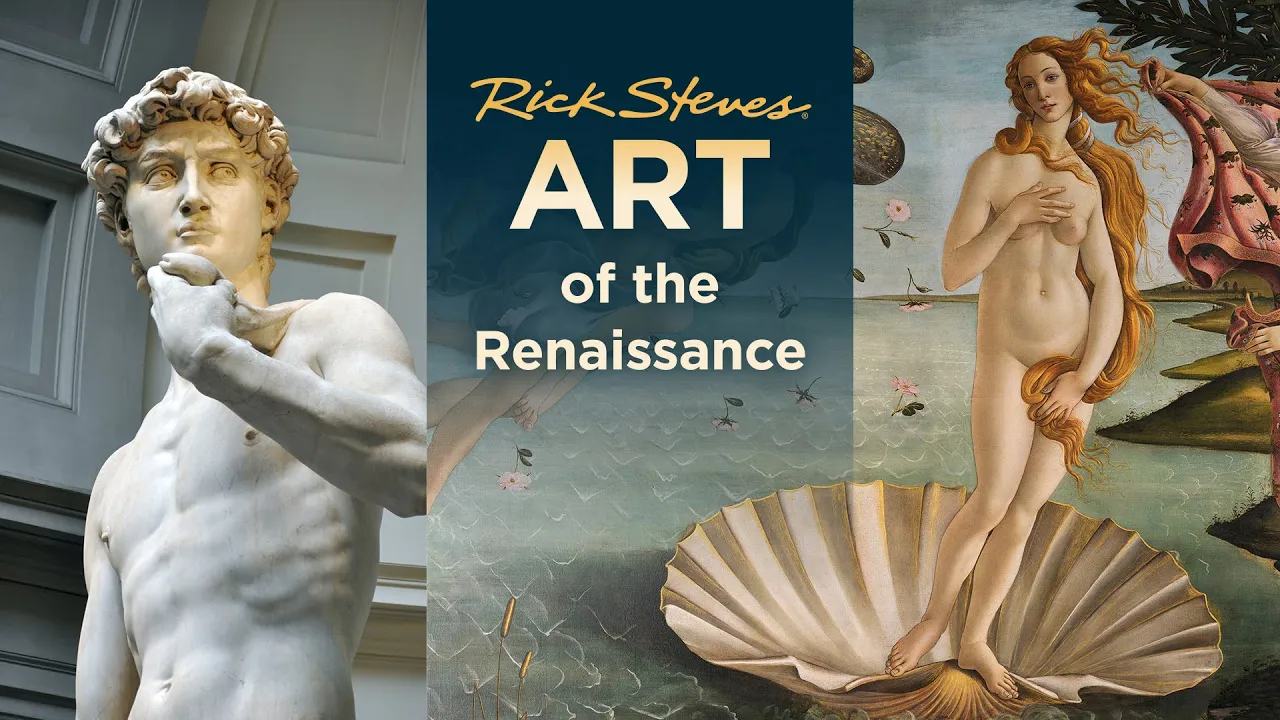
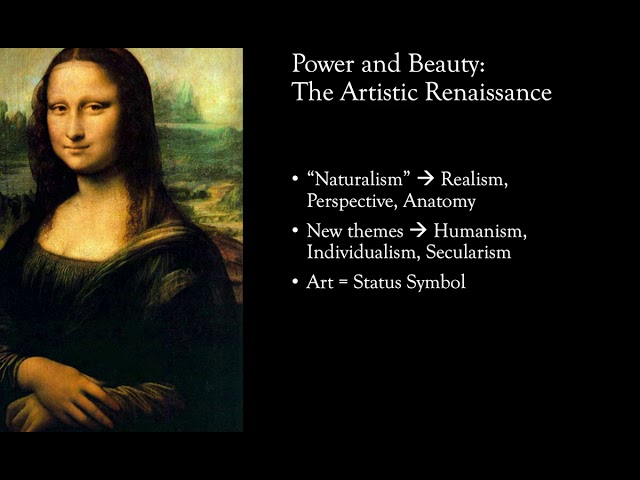
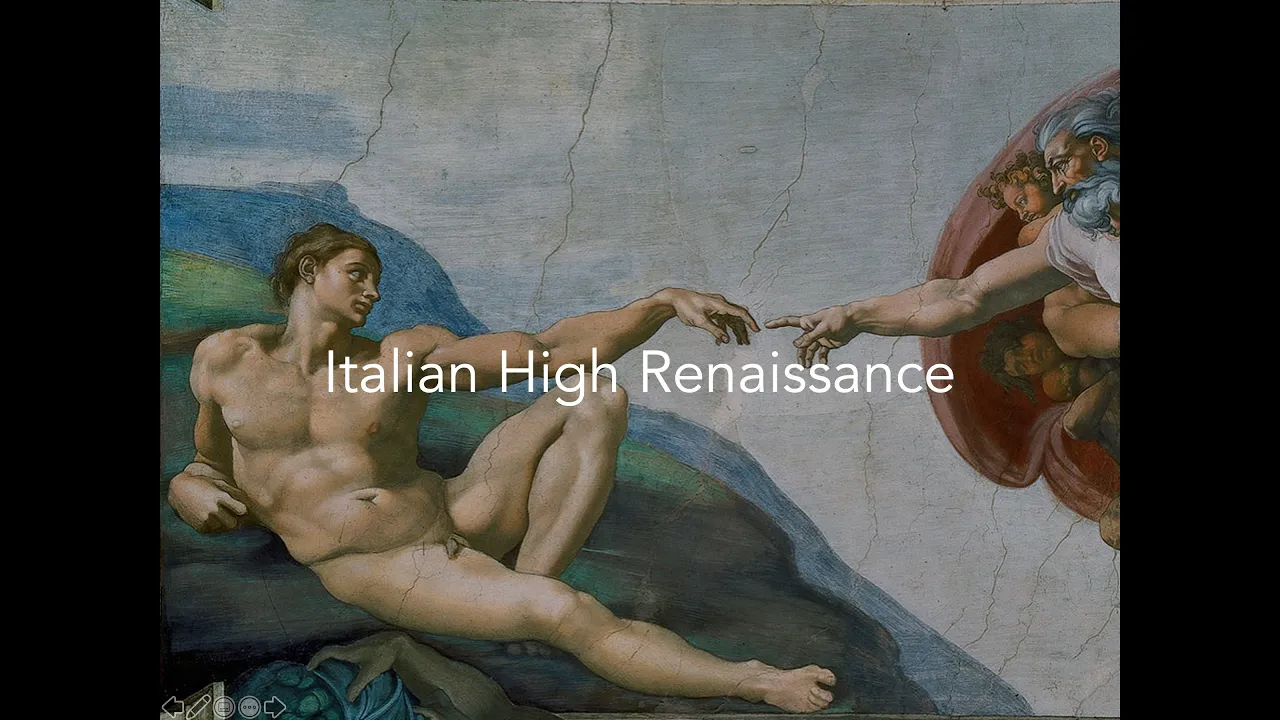
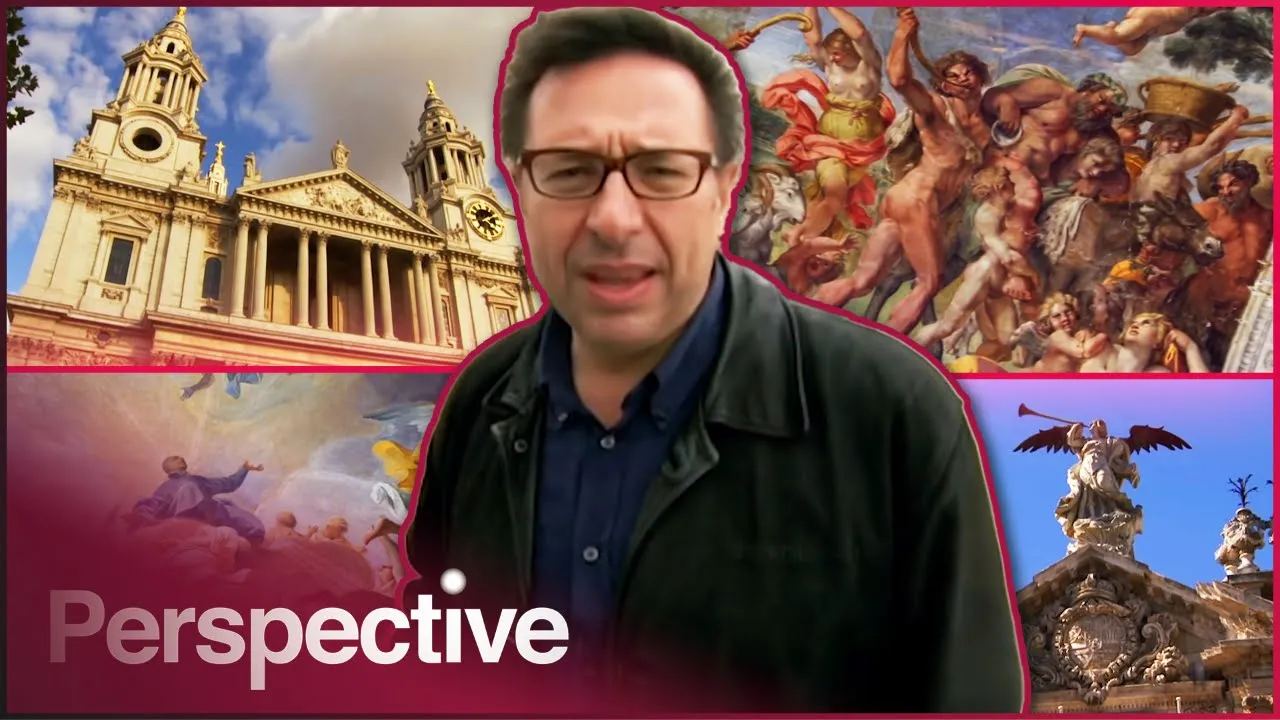
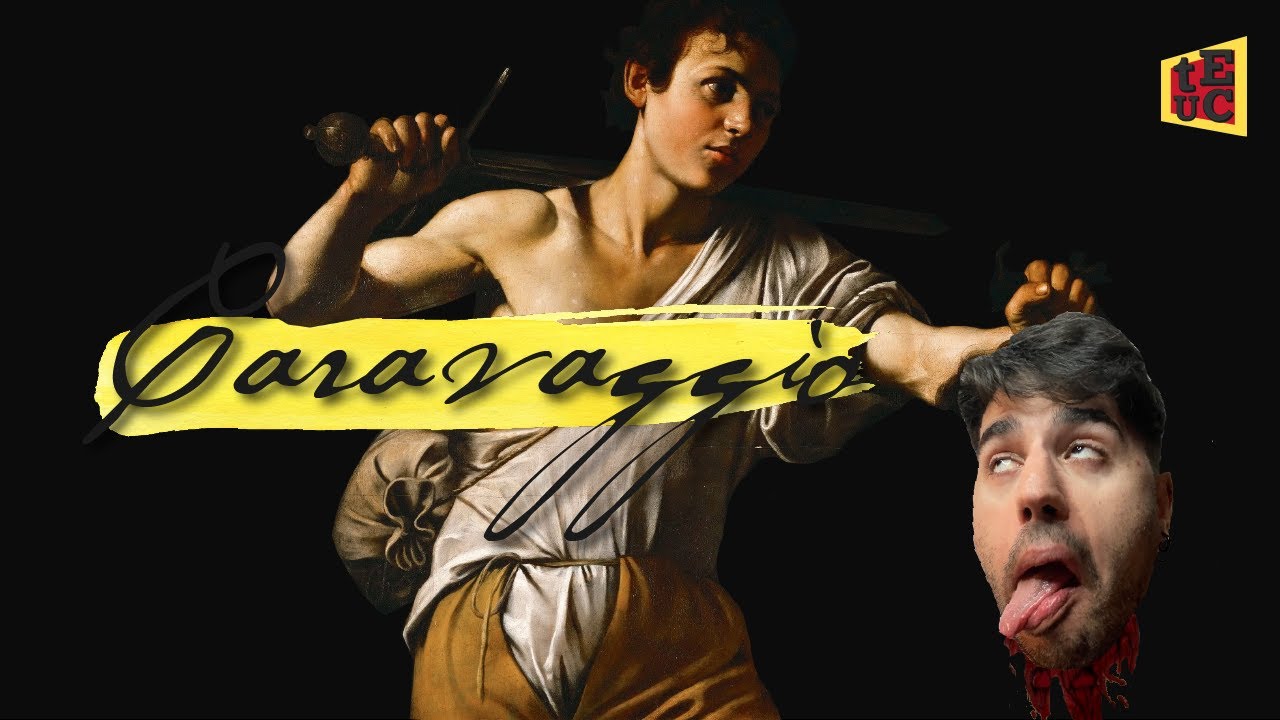
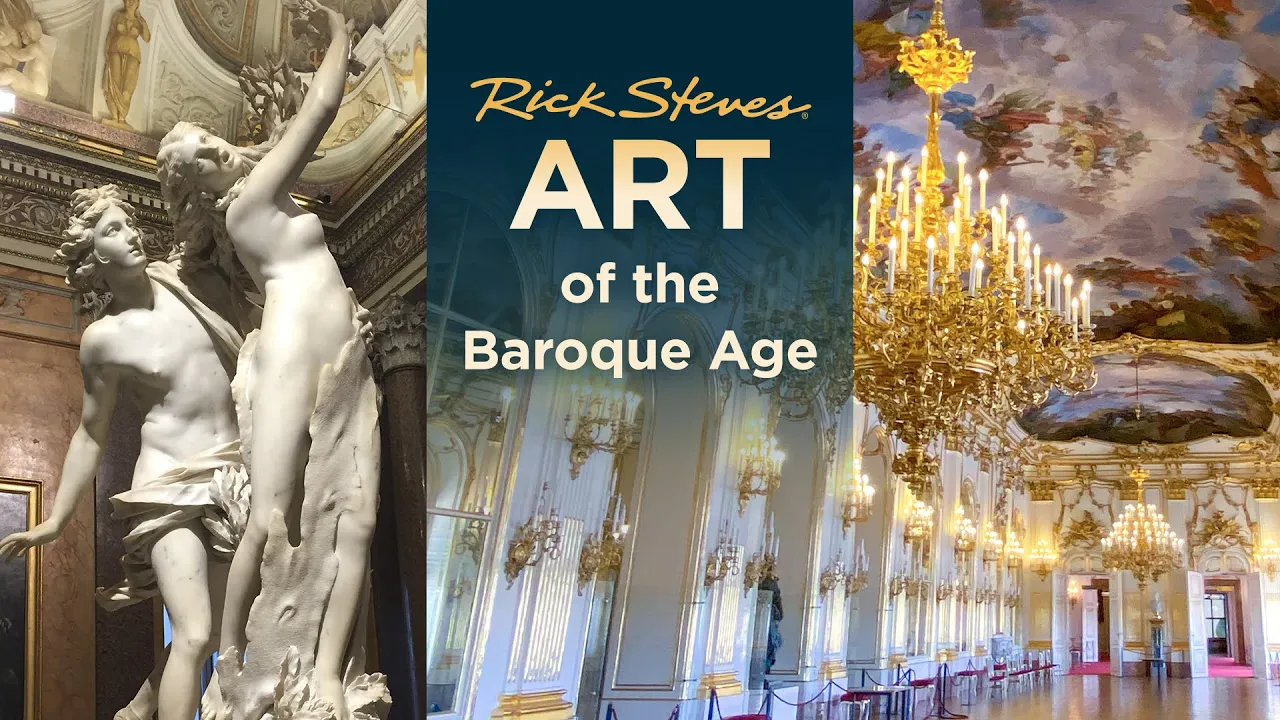
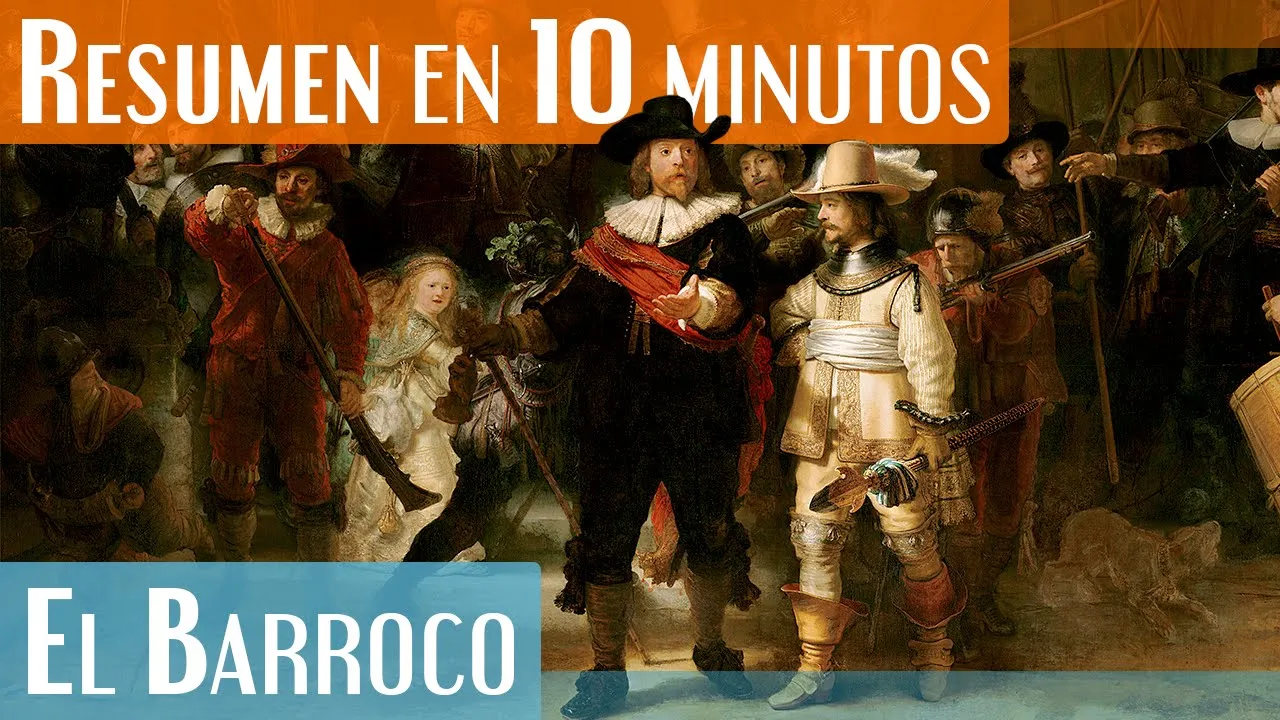
welcome to a journey through the history of art we will travel along a timeline from the caves to the 19th century my name is Dr Jean wette let's begin by making the familiar unfamiliar it is with baroque art that we begin to see distinct differences within a period differences that are cultural and National these differences mean that depending upon the nation or territory art has a distinctly different set of rules and the tasks of the artist varied greatly given that the modern Nations emerged in the 17th century changing how art functioned how can we Define the Baroque the answer is twofold first the Baroque can be defined in terms of a general style and second the Baroque can be discussed in specific Nations Italy France and Holland the term Baroque like many period designations is not a complimentary one meaning a bizarre taste that does not follow the rules of classical which leads us to the basic definition of the Baroque its contrast to classicism despite the fact that Baroque was a reaction to and an adaptation of the classical tradition the art of the Renaissance was established as a gold standard the art historian Heinrich wulfen United the national uses of Baroque Tendencies into a unifying schema of contrasting pairs in which classical art is the presumed Norm although Vine understood the importance of cultural context he concentrated on style or a selected group of formal components Renaissance art as exemplified by Raphael was linear meaning that all the Contours are totally visible and the painting technique was smooth in contrast Baro tours are hard to discern as we see in Caravaggio shapes and forms get lost in the shadows the contrast of light and dark was called karos skiro or tenoso dramatic effects found in the work of George ad delator Baroque painting technique was outside the lines was Brushy often eliminating outlines the painterly technique of Peter Paul Rubin and the High colors he favored were characteristic of the Baro the light of the Renaissance clarifies makes all elements visible and a unified all over Clarity in contrast light sources in the Baroque are specific and focused leaving unilluminated areas shrouded in obscurity as we see in rembrand the night watch Renaissance composition is organized along the plane frontally as the actors are posed on a stage as in J's lamentation while Baroque all allows for a recession moving back into depth characteristic of the Landscapes of Nicholas pan when we compare Michelangelo's David to the David of Bernini we see that the classical art demands balance calm and Poise Michelangelo's David is gathering his courage in contrast the dynamism of the baroo done by Bernini is that of an open form an opened stance David is coiled and ready to launch a Stone Donatello gives the viewer one preferred view but brini requires him or her to walk around the sculpture the porori alterpiece by Hugo vandos is a display of Renaissance multiplicity many many elements Each of which is self-sufficient in comparison Artesia gesis Judith slaying holif fernes all of the parts are fused dependent and cannot be separated all of these pair comparisons add up to a static Renaissance and a dynamic Baroque each style exhibiting a unique sense of time Renaissance Art Is Timeless the scene summarizes everything as in Raphael's School of Athens but in baroque art time like the lines is dynamic ongoing as dramatic as the fall of the Fon by ruin obviously not every Renaissance or class iCal and Baroque work can fit neatly into all the contrasting categories this is because style is too broad a categorization to provide anything more than a general distinction to be more specific it is necessary to examine the role of the artist and the purpose of Art in specific National and historical contexts the Baro style was a longlasting one lingering well into the 18th century and morphing into the broo in France despite its importance the Baro could be dismissed by the Renaissance scholar yaka burkart as a decline or as a degeneration of classicism it was Burkhart who inspired Vine and his separation of the classical from the Baroque Style
Up Next
58:39
Baroque Art Origins: Rome to Naples | Art History Documentary
@PerspectiveArts
1M views•2020-04-30

114:18
Christian Iconography: History, Theology, and Meaning | Fr. Panayiotis Papageorgiou
@Trisagionfilms
58.8K views•2020-02-21
7:48
Ukiyo-e Art: History, Woodblock Printing & Influence
@japanathand
6.3K views•2023-06-08

16:34
Earliest Depictions of Jesus in Art: 10 Ancient Images Explained
@UsefulCharts
5.9M views•2022-06-03
Related Study Plans & Knowledge Roadmaps
Structured learning paths in Art History
art-history
Gothic Cathedrals: Engineering, Light & Society
01The Birth of the Gothic: Romanesque to Suger's Vision
02The Structural Triad: Pointed Arches, Ribbed Vaults, and Flying Buttresses
03Theology of Light: Lux Nova and Sacred Geometry
+ 2 more learning modules
14h5 modules
Explore Roadmap
art-history
Pre-Raphaelites: Realism, Symbolism & Critique
01The Victorian Art Establishment and Academic Formula
02The Founding of the PRB and Radical Realism
03Medieval Revivalism and Literary Symbolism
+ 1 more learning modules
8h4 modules
Explore Roadmap
art-history
Street Art: From Subways to Art Market
01Subcultural Origins in Philadelphia and New York (1970s)
02The Subway Era and Style Wars (Late 1970s - 1980s)
03The East Village Scene and Early Gallery Crossover
+ 2 more learning modules
10h5 modules
Explore Roadmap
art-history
Classic Maya Art: Iconography, Glyphs & Ritual
01Foundations of Classic Maya Visual Culture
02Deciphering Maya Hieroglyphs & Text-Image Integration
03Sacred Geography and Cosmological Architecture
+ 2 more learning modules
14h5 modules
Explore Roadmap