




















![[Theme 207 | HIGH5LANDER] Blue Archive - Perfectly Looped 30 Mins.](https://i.ytimg.com/vi/vqb8gVjyJXY/maxresdefault.jpg)
![Kahoot Soundtrack 10 sec. [Extended] 1 HOUR](https://i.ytimg.com/vi/N08z0L1xCnc/maxresdefault.jpg)
Minimal music is created through a pyramid structure where you start with a repeating ostinato (motif), gradually add notes and make small changes to build toward a climax, then gradually remove those additions to return to the original simple state, using repetition with subtle variations to create an accessible and meditative musical experience.
Minimal Music Composition: A Step-by-Step Guide (50-60 chars)
Added:Understanding of basic music theory, specifically major and minor scales and key signatures, to successfully choose and stay within a musical key.
Familiarity with the concept of a musical motif and rhythm, including basic time signatures and note durations.
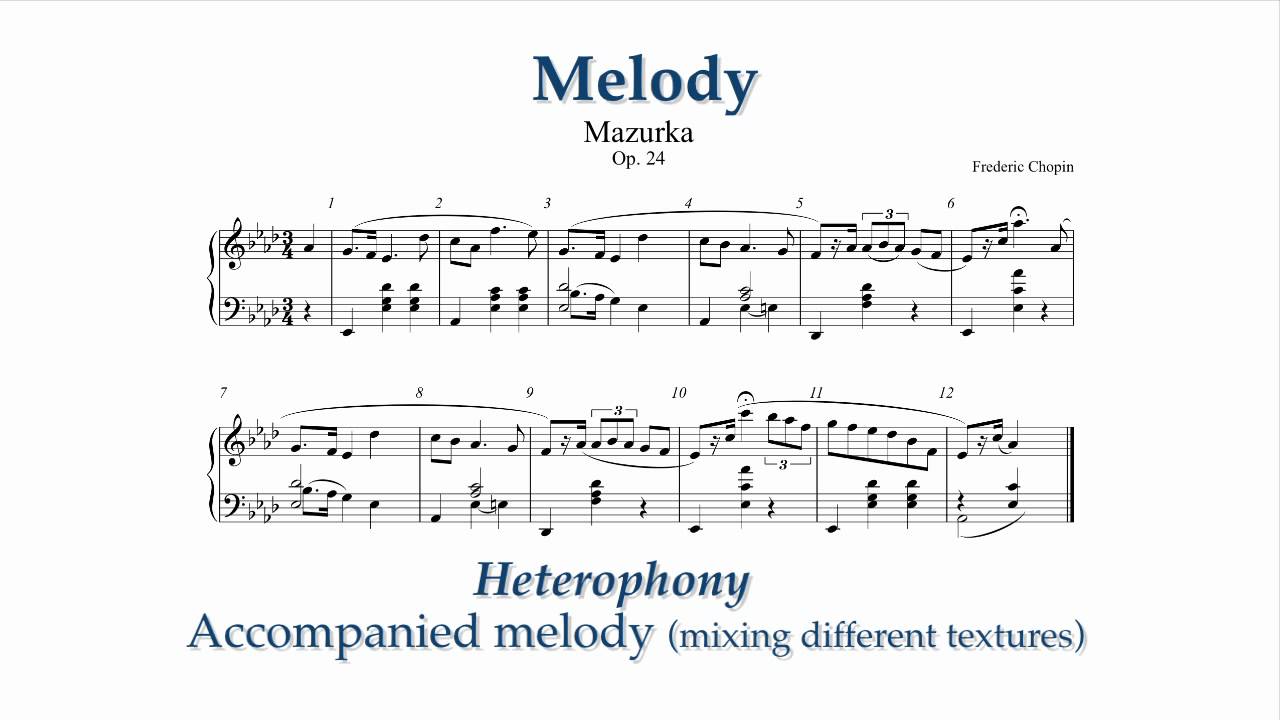
An introductory understanding of texture in music, particularly how melody and accompaniment patterns interact.
Basic proficiency with a musical instrument (such as the piano) or a Digital Audio Workstation (DAW) to input and loop notes.
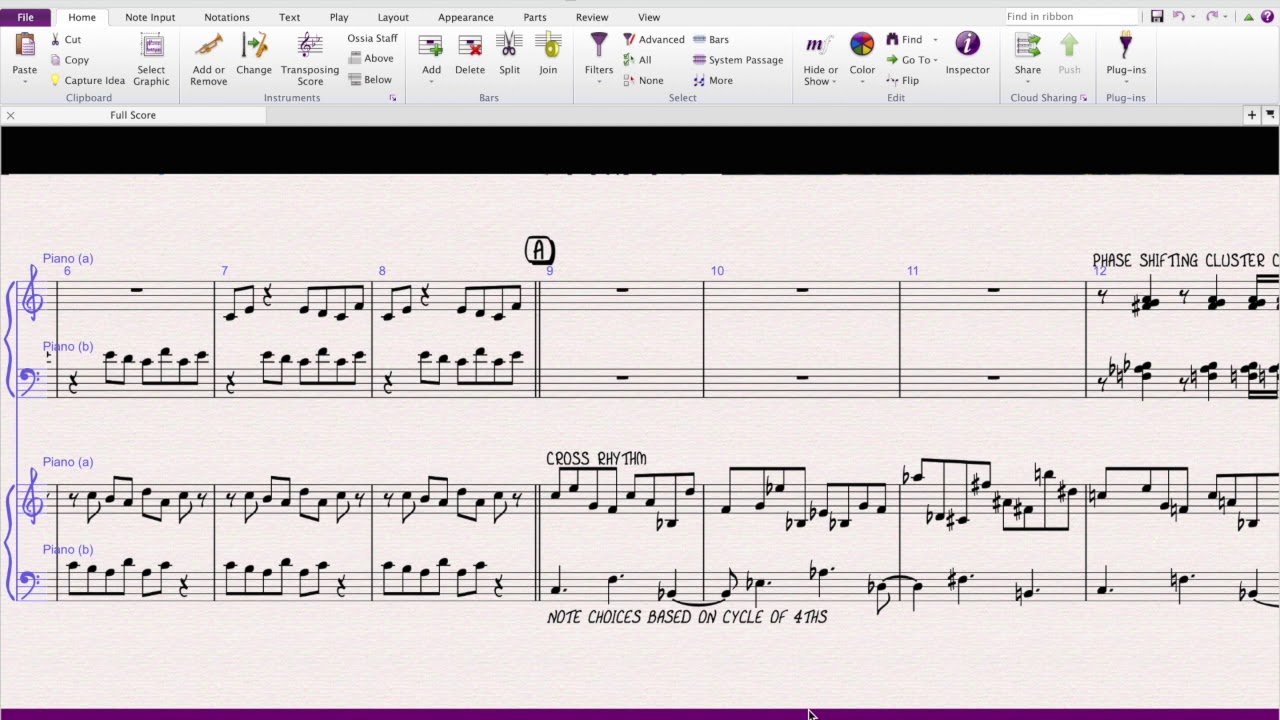
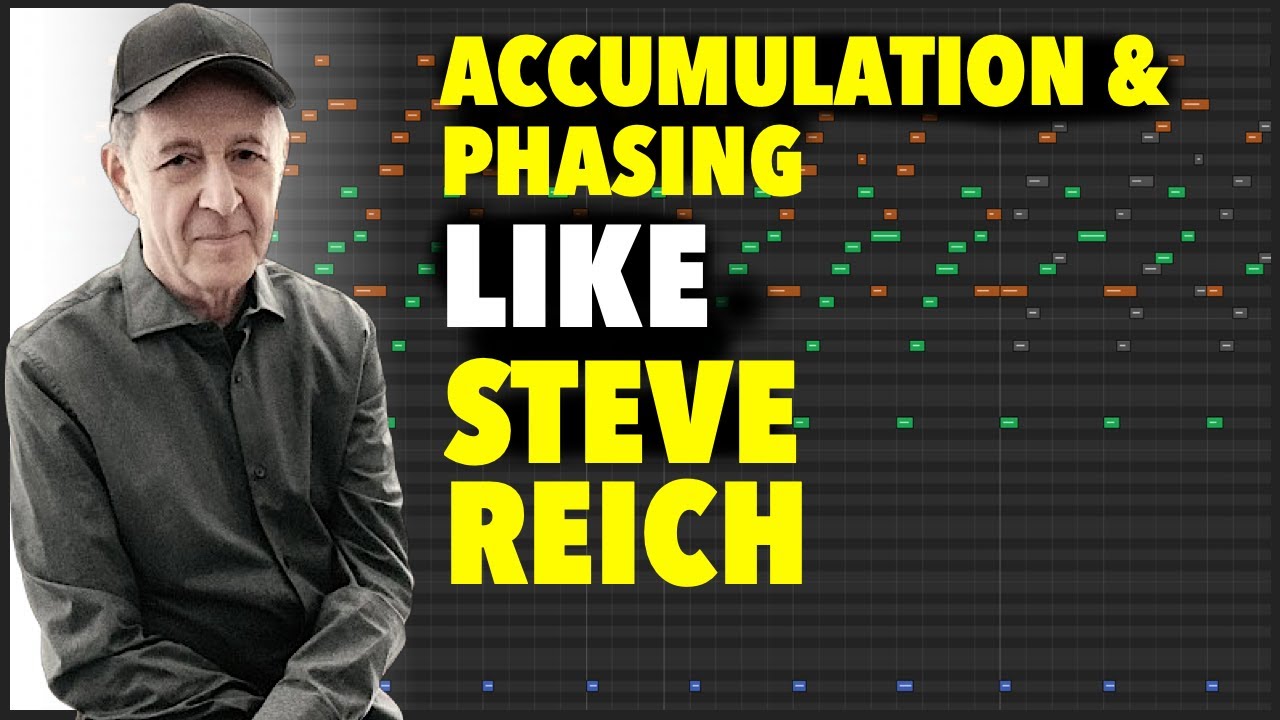
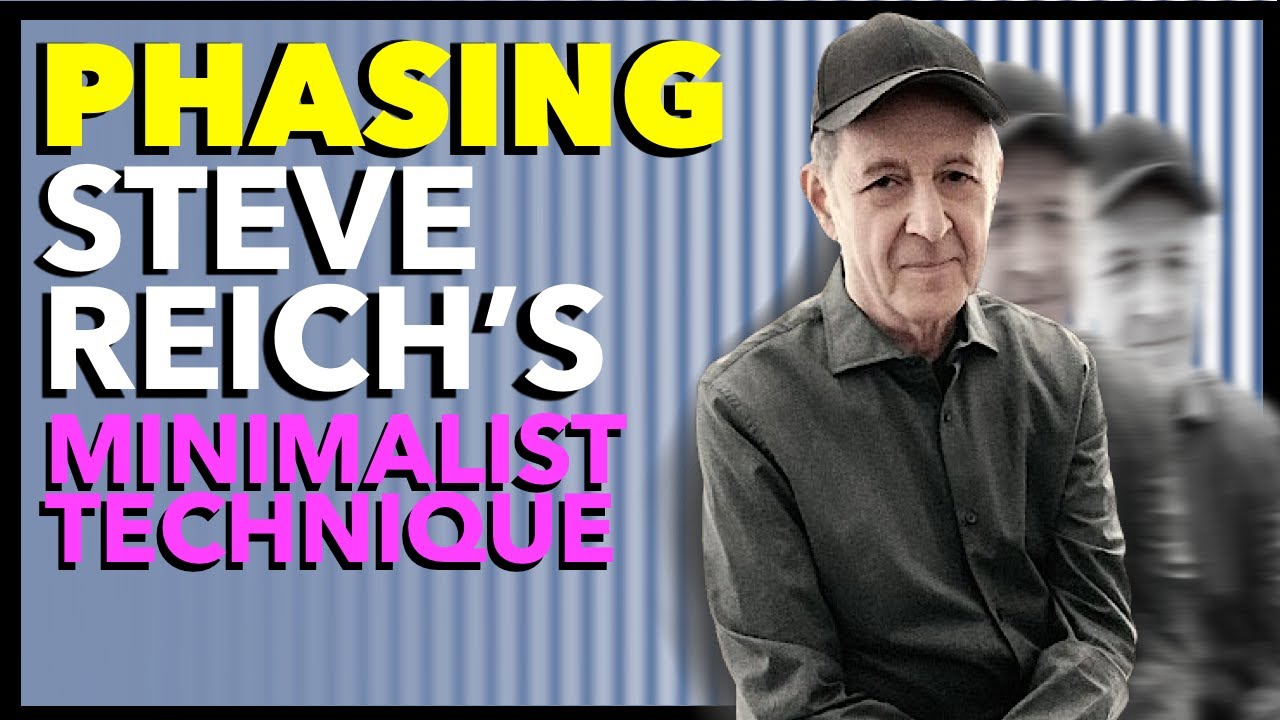
Exploring advanced minimalist composition techniques, such as phase shifting (phasing), additive rhythm, and metric modulation.
Studying the works of seminal minimalist composers like Steve Reich, Philip Glass, and Terry Riley to analyze their structural frameworks.
Learning orchestration and arrangement techniques to distribute minimalist patterns across diverse instrument groups.
Applying minimalist structures to modern media scoring, such as film and video game soundtracks, where looping textures are highly effective.
30.5K views1.2Klikes7:20Original Release: 2022-11-06
hi I'm wisu today we'll be talking about minimalism this is a style of music that started around the 1960s and the key idea is simplicity because of this it's one of the more accessible styles of music and some of the big names who write minimal music you might have heard of are Steve Reich Philip Glass John Adams arvo Parrott and ludovico and Audi one of the prominent characteristics of minimal music is the use of repetition you start with a pattern and repeat it over and over with some small changes each time it's actually pretty straightforward and today I'll teach you in the next few minutes how to write your own minimalist piece step one pick a key say G major [Music] okay then pick some random notes from the G Major scale how about g a F sharp B and B okay so this is now our main idea [Music] we call this the ostinato a motif that repeats over and over in the score I'm going to use this slash notation to say just repeat the previous speed this way the page won't get too cluttered so let's repeat the ostinato a couple times with some petal [Music] you know it sounds nice already but it can get boring if this goes on for the entire piece so let's start making some small changes since we're in G major let's add a bass note G [Music] let's continue the process and keep adding more notes since we're in G major we'll keep using notes from G major but let's pick some notes to make it sound like a different Harmony for example if we pick uh g e b this makes an E minor chord now E minor and G major are relative Keys meaning that they share the same key signature so it's not a huge change in harmony this is another characteristic of minimal music the harmonies are often consonant meaning they share a lot of the same keys foreign [Music] let's keep adding more notes but since we moved away from our tonic in the last measure this time let's return back to G Major by choosing say five notes in the left hand how about g d a b d foreign [Music] okay that sounds nice in the past few measures we went back and forth G major E minor G major let's continue this pattern for the rest of the song So this measure will be in E Minor like I said before minimal music has a lot of repetition of course we haven't forgotten about adding notes so it's repetition with small changes this time let's add an extra D in The Left Hand of the previous measure just to add a little movement to propel us into this measure and we'll also add another e in the left hand to reinforce the E minor Harmony thank you a piece is developing nicely but I think there's still room to continue making small changes so far the Rhythm has been steady quintuplets that keep rolling like waves on a beach this time let's say the tide is rising so the waves are becoming a little more turbulent We'll add some faster notes in the right hand foreign this piece is getting more exciting since we made a pretty big rhythmic change in the last measure let's jump back to E minor and not make any more harmonic changes [Music] good I think we can make one more addition by subdividing that fifth note of the quintuplet into two 32nd notes this will help Drive the piece forward and instead of repeating every beat we can just change it up a little and repeat every two beats so following our pattern we're back in G major foreign I think we've arrived at the climax now so let's keep our harmonic pattern and go into E minor [Music] now since we just passed the climax we can look back at all the small additions to the notes the harmonies and The rhythms that got us to this point now it's time to let the waves die down and we gradually remove all the small changes that we added [Music] okay the waves have calmed down and we're back at a peaceful G major the same one that we started with we basically reversed all our changes so let's end with a simple G in the bass note [Music] foreign [Music] and that's how you write minimal music we made a nice short very pleasant sounding piece but as it turns out this piece actually already exists it's titled scroll along the beach and it's one of the background tracks in watatsumi island in Kenshin all we did today and really what yupanteng did when writing this was follow a very straightforward recipe it's essentially a pyramid structure like the story arc that we all learned in our Middle School English class first start with an asinato which is a repeating motif and then we start gradually adding notes and making small changes until we reach our climax after which we start gradually subtracting things until we arrive back where we started it's simple it's minimal and I think any one of you watching this can do this so I encourage all of you to try out this recipe and write your own minimal music who knows maybe you will be the next upon certain [Music]
Up Next

8:30
Top-Down vs Bottom-Up Nanotechnology Approaches Explained
@keenandcurious123
30.4K views•2020-08-31

178:38
Whole Brain Architecture: First International Workshop 2024
@thewholebrainarchitecturei9784
640 views•2024-07-22

9:49
FastAPI vs Flask vs Django: Choosing the Right Python Web Framework
@TechWithTim
302.5K views•2024-05-26

1:42
Game of Thrones Opening Credits: A Cinematic Analysis
@gameofthrones
46.3M views•2011-04-18
Related Study Plans & Knowledge Roadmaps
Structured learning paths in General & Interdisciplinary Studies
general-studies
Artificial Light: History, Tech & Human Impact
01The Pre-Electric Era: Fire, Oil, and Gas Lighting
02The Incandescent Revolution and Grid Electrification
03Gas Discharge and Fluorescent Illumination
+ 3 more learning modules
14h6 modules
Explore Roadmap
general-studies
Elevator Engineering: History, Physics & Cities
01From Hoists to Safety Brakes: The Dawn of Vertical Lift
02Hydraulic vs. Traction: The Engineering Physics of Elevators
03Modern Speed, Safety, and Algorithms
+ 2 more learning modules
12h5 modules
Explore Roadmap
general-studies
Rubber: Material Science, History & Geopolitics
01Origins of Natural Rubber & Mesoamerican History
02The Chemistry of Natural Rubber & Vulcanization
03The Geopolitics of the Rubber Boom & Colonization
+ 2 more learning modules
12h5 modules
Explore Roadmap
general-studies
Containerization: Evolution, Logistics & Trade
01Ancient Trade & Bulk Cargo: Amphorae to Barrels
02The Industrial Revolution & Cardboard Packaging
03The Containerization Revolution: Malcom McLean
+ 2 more learning modules
12h5 modules
Explore Roadmap