


























Georgia's self-defense law (O.C.G.A. § 16-3-21) allows a person to use force when reasonably believing it is necessary to defend against imminent unlawful force, with three exceptions: invoking the fight, responding to regular felonies, and mutual combat without clear cessation. Defense of habitation (O.C.G.A. § 16-3-23) permits force against unlawful entry into homes, vehicles, or temporary dwellings, but prohibits shooting household members returning to their own residence. The 2006 no retreat law (O.C.G.A. § 16-3-23.1) allows individuals to stand their ground without fleeing. Immunity from prosecution (O.C.G.A. § 16-3-24.2) applies when force is used in self-defense, provided the person was legally possessing the weapon and acting against a genuine threat. Georgia does not require a license to possess a gun in one's home, but a Georgia weapons license is required for carrying in public spaces outside the home and vehicle.
Georgia Defense of Habitation Law Explained by Legal Educator
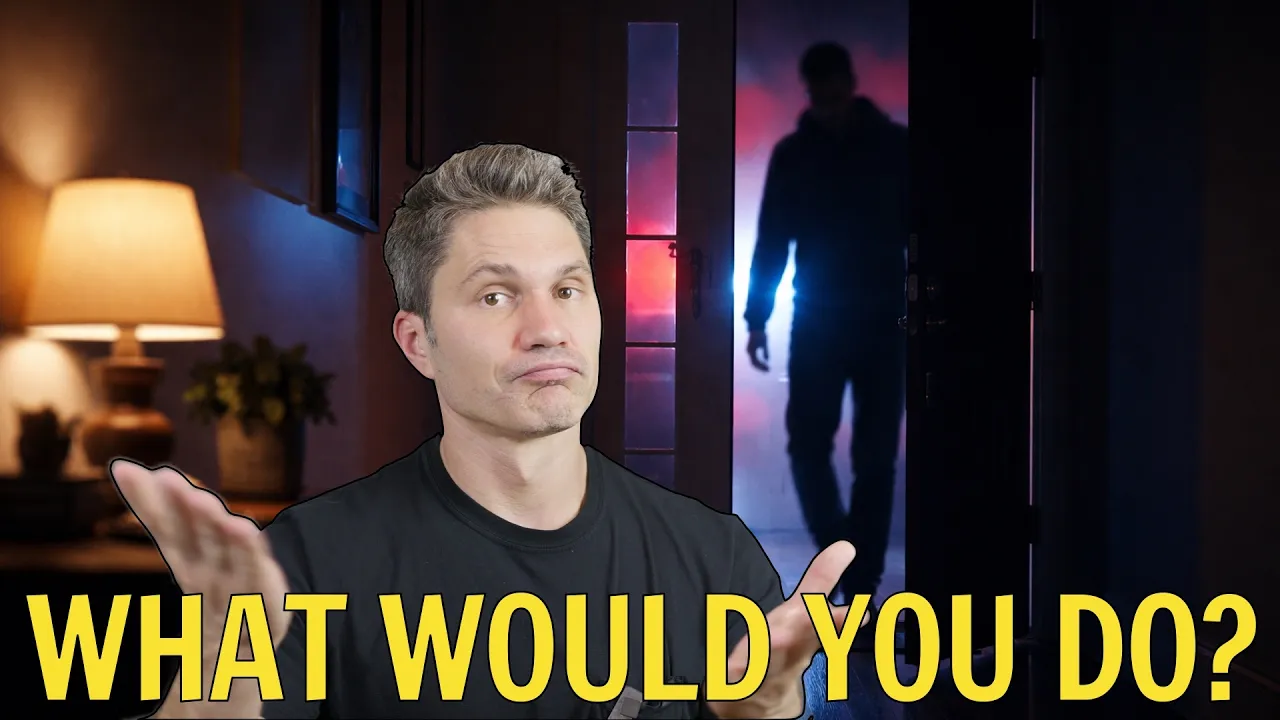
Added:good all right y'all this a special request video from brandy uh good thing is for this youtube video i was already in class you just scan now and show the class so it was actually perfect timing to uh show everything that we've already talked about anyway so brandi asked what is the protection of your house if an intruder breaks in so we're going to break it down and the first thing to understand is what the self-defense law in the state of georgia is now for you guys out there watching my youtube video in other states research your own state laws okay this is applies in georgia and georgia only all right now uh nothing i'm not your lawyer so this is not legal advice for you i'm only giving you how i teach law in my classroom all right so don't just take what i tell you and go with it make sure you go study it and apply it for yourself alright so let's start with 16 321 16 321 and y'all make sure y'all take notes but 16 321 is the self-defense law in the state of georgia the law reads that and i'll read it straight off this case law it's basically uh where says if a person uses user i mean is justified in using force uh or threatening force against another when to the extent that he or she reasonably believes that force is necessary to defend himself or herself against such others imminent use of unlawful force now it also goes to state that that force must be a forcible felony used against you or being used against a third party so when that force being used again you or third party and is a forceful felony then you can utilize force there are three times in the state of georgia where you cannot utilize self-defense as a affirmative defense number one is when you invoke the fight okay if you invoke the fight that is not a proper defense okay what does that mean let's say i'm an officer and somebody says if you take these guys on handcuffs off of me i'ma whoop your butt and what i do i take the handcuffs off and they whip my butt i cannot use the self defense law to protect myself number two if it is a regular felony if the person is fleeing from the commission of on the way to the commission of or during the commission of a regular felony i cannot utilize the self-defense law to stop them basically i could not shoot them during the commission on regular felony an example of a regular felony would be white collar crimes such as fraud bad checks or things like that even breaking into your car and nobody's in the car is considered a regular felony you could not apply deadly force to them and then number three if you are involved in mutual combat and no one makes the indication that you must stop or i want you to stop then i cannot use force okay it must be the fight must be severed everybody on both sides must know that this the fight has stopped and then you can use force against that person all right or self-defense not just for self-defense now let's talk about state versus green state versus green opened up a very very good understanding of what the self-defense law actually says self-defense law was misunderstood by the falcon county da's office all right where it could where it came to this case right here state versus green basically uh green um had a knife that he used or that he was utilizing at the time to protect himself from a guy named walden all right now he wasn't an aggressor to walden green just had the knife for his protection he told walden don't hurt me don't come towards me on me utilize my knife for self-defense walden ignored him and therefore struck green in his head with his head okay now to understand what the other requirements are in self-defense it says that a person must either be causing or getting ready to cause serious bodily injury which is defined as protracted loss of disfigurement loss of use or loss of consciousness all right so if i cut their finger off my head but them in the head and they go get a concussion and go unconscious or something to that effect or something that's considered serious in nature then that is enough for me to utilize the self-defense law and also of course we already know death if the thing that they're going to do is going to cause death i can defend myself okay so somebody's getting ready to swing a bat at you you can defend yourself if somebody presents a gun to you you can defend yourself somebody has a knife and they get it presented to you i can defend myself and what state versus green said is that green could prepare himself for that fight what they tried to do um in this case was charge green as if he was an aggressor he did nothing more than stand there with his protection so they tried to say that it was a fight and he had an unfair advantage with the knife he was doing nothing more than protecting himself all right so go on to here 16-323 16-323 is the self-defense law for habitation habitation is defined as your home your vehicle if you're like in a uh like at a camping site your rv if you're at a campus site your tent a hotel room okay whatever your habitation is for that night and meet make sure you read it on your own in the legal definitions but you can defend habitation if the person poses a unlawful act or threat of harm to people within and they breaking your house in a violent a tumultuous manner okay now same way you have three categories in 16 321 you also have three categories and 16 323 the first one being if the person breaks in in a violent or tumultuous manner what does that mean anybody kicking in your door kicking in your door breaking your window they're basically using force to break in okay number two this is gonna throw people off number two you cannot use 16-323 to shoot somebody coming into your house if that person is a member of the household a member of your family or a member that has basically set up that dwelling as their own okay what that means is when you get arguing with your boyfriend and your girlfriend and you kick them out and they try to break into their own house you can't shoot them okay you cannot shoot somebody from trying to break into their own house it's not illegal to break into your own house all right and the law actually covers that in part two part three is the most interesting one this law tells you that you can shoot somebody for a regular felony okay up here we know that it has to be a forcible felony which means what the threat of harm or the harm to another human being but down here the regular foundation you can shoot somebody for is burglary and it says that if that person is breaking in for the attempt to commit a felony therein then i can utilize this law to stop them okay the law says that i can stop or terminate such others unlawful entry into so people always ask well can i just shoot him at the door again read the law understand it the law says verbatim to terminate all right guys look my battery went dead on my phone but so back at it um in 2006 they had the castle doctrine law that was presented all right 2006 created what we call today the no retreat law okay no retreat laws 16 323.1 all right what the no retreat law says is that i can stand my ground okay basically shoot now ask questions later if that's the way you want to look at it but basically it says that i do not have to run from a fight okay i can stand my ground and fight right now and then i can call the police and come and get them later all right you understand that basically back in before 2006 you had to go to the furthest edge of your house before you could fight okay not today today yeah yeah in 2006 and there's still some states i believe that still have that same law in place when somebody breaks in your house breaking your house you had to run to the furthest corner furthest whatever before you could apply force not no more okay that even applies to your regular self-defense 16-321 if a person is trying to fight to rob you you same thing you had to run to the nearest point to try to get away from them before you could respond back to them okay and then of course you have the one that everybody's probably thinking about sixteen three twenty four point two and this also got brought up in state versus green all right and sixteen three twenty four point two is your immunity from prosecution that means that you cannot be prosecuted for murder for shooting somebody during a self-defense um situation all right when it comes to self-defense self-defense is self-defense they cannot come and say manslaughter involuntary massage manslaughter anything else they have to take it for what it's worth now in order to get immunity from prosecution law also says that you must provide proof that you are in defense of self okay another thing you're gonna have to provide proof of is that you were in legal possession of the weapon that you used to defend yourself can you shoot a person if they come into your house and you do know the person up but they're not supposed to be if they do not live in the house and they are breaking into your house they're just another subject okay only people that live in the household or are a member of your household now obviously what the law wanted to do is separate domestic issues versus realistic issues realistic issue is that um i just dumped this guy and now he come back over here to kill me they're not gonna you're not gonna be charged for that because he was realistically trying to come over and hurt you okay he was trying to offer violence therein which is another part of the law okay they're not gonna cut you off for that but you will be caught because i would be like think mentally right here that morally i have to be right so if i know my boyfriend is coming to kill me and i mean i'm sorry i know my boyfriend's coming over to have a good time with me it's going to be in my text messages it's going to be everywhere else so i'm going to shoot him and foreign find out the details later okay i always be righteously right morally right all right and so going back to this immunity for prosecution basically says again that you are immune from any prosecution that they would try to bring up against you if everything falls in place you legally possess that gun you legally possess that knife you legally possess everything that you utilize to present self-defense for yourself against that person everybody got it all right hope you got it ready that's it that is basically the law make sure you go and read it for yourself remember i can't be there for you to help you applaud on somebody and i can't be there in court for you i'm not your lawyer and it's not legal advice this is just me teaching the classroom how to understand the law all right you know i love you y'all keep doing all right got one thing um as far as having a gun in the house right now the state of georgia does not have a law against you having a gun in your own home you do not have to have a license to carry in your house and if you want to carry it outside the house other than your car you have every legal right um to carry in your car but outside of your car in a public place you would have to have a georgia weapons license all right go to your nearest probate court your county's probate court get the proper documentation before you ever strap a gun on and go outside the house away from your car but inside your car you can carry a gun anywhere you want to and inside your house you can have a gun okay so i hope uh the video serves you well and
Up Next

Police Use of Force: Legal Analysis of the LAPD Incident
@WashingtonGunLaw
111.7K views•2025-06-09

US Secondary Sanctions Impact on EU Businesses and Blocking Legislation
@Bureauvandijk
1.6K views•2019-03-20

Forensic Phonetics: Speaker Identification in Legal Cases
@nptel-nociitm9240
539 views•2025-03-19

Police Interrogation Tactics: False Confessions & Legal Reform
@LastWeekTonight
7M views•2022-04-18
Related Study Plans & Knowledge Roadmaps
Structured learning paths in Law