
![79강: 중세 건축 (2) 고딕 양식 [가톨릭 교회사]](https://i.ytimg.com/vi/bkdExZbocRc/maxresdefault.jpg)

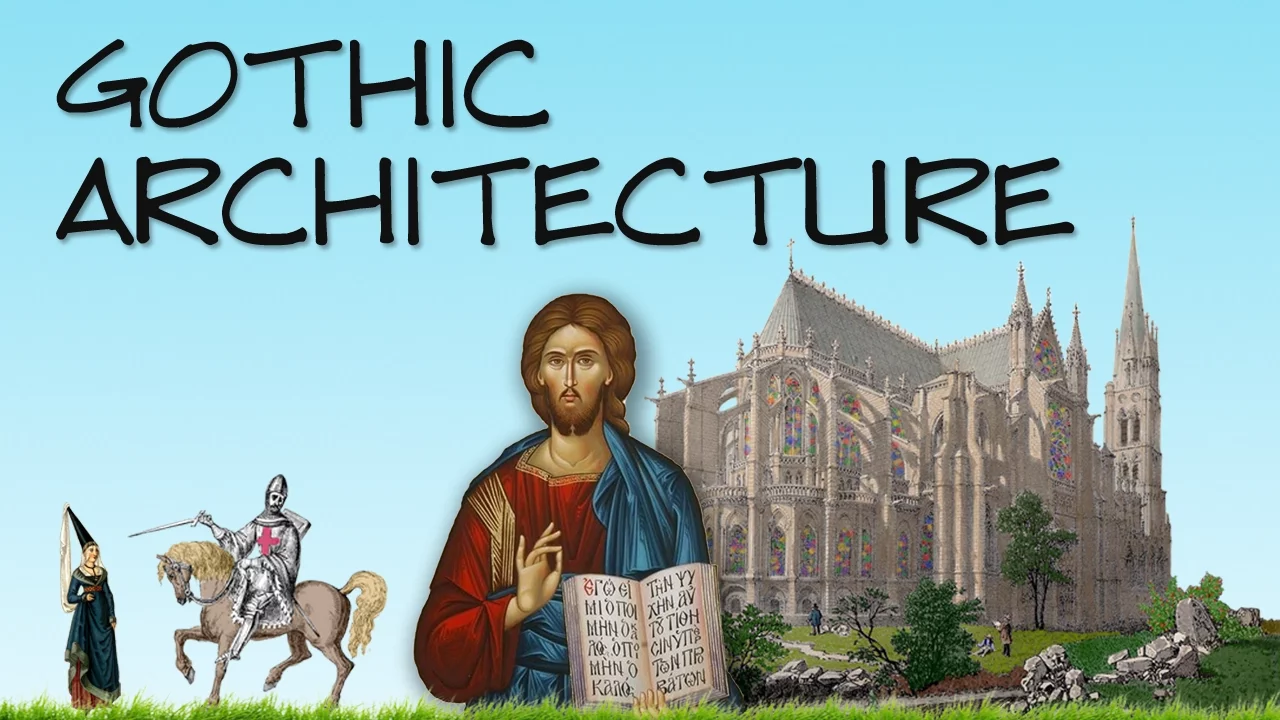


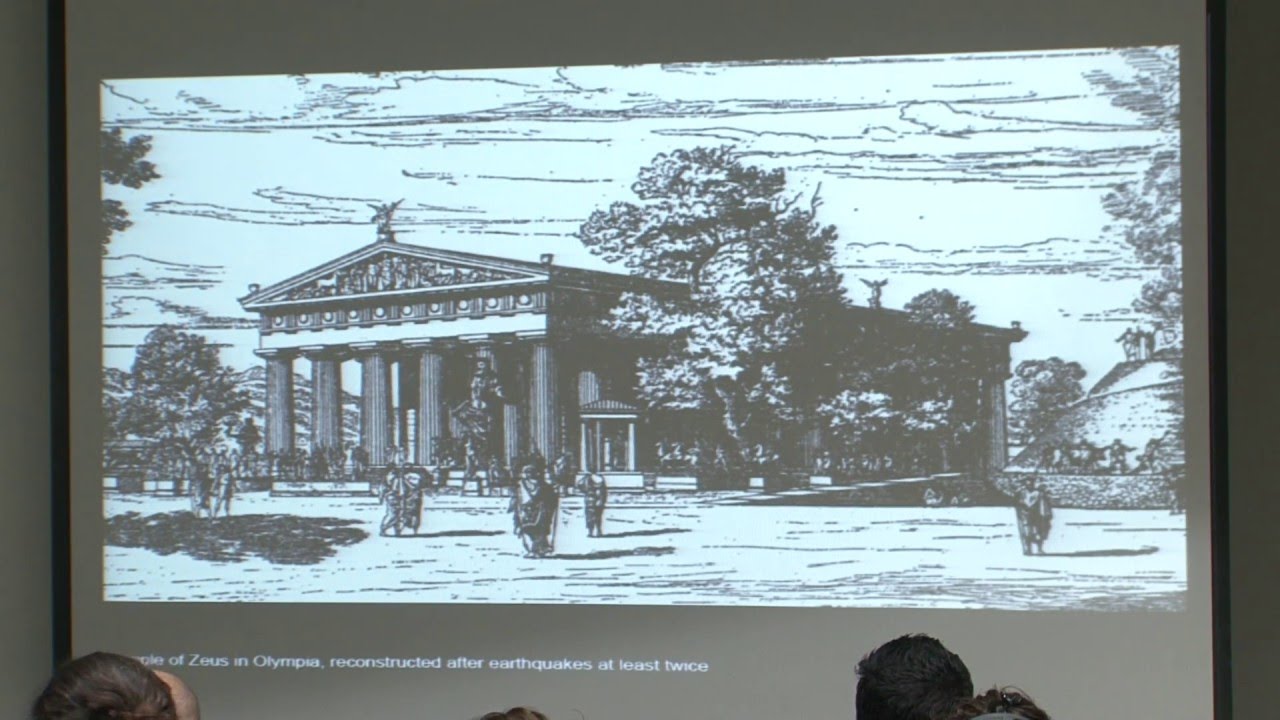












Notre-Dame Cathedral in Paris, a Gothic masterpiece built between 1163 and 1345, has endured centuries of challenges including vandalism during the French Revolution, World War II bombings, and the devastating 2019 fire that destroyed its roof and spire; the cathedral's restoration, led by architect Eugène Viollet-le-Duc in the 19th century and now ongoing following the fire, demonstrates how historical preservation efforts have continuously maintained this iconic symbol of French heritage through multiple centuries of reconstruction and modernization.
Notre-Dame Cathedral: History, Fire, and the 2024 Restoration
Added:Fundamental principles of Gothic architecture, including structural innovations like flying buttresses, ribbed vaults, and pointed arches.
The historical context of medieval Paris, including the political and religious significance of the Catholic Church in 12th-century France.
Basic concepts of architectural conservation, specifically the philosophy of restoring historic structures versus rebuilding them with modern materials.
The application of modern technology in heritage restoration, such as 3D laser mapping (LiDAR), digital twins, and computer-aided structural analysis.
The material science of historic building materials, focusing on how medieval timber, lead roofing, and limestone degrade and react to extreme thermal stress.
The socio-political implications of funding and managing major national restoration projects, including the debate over secular state ownership of religious monuments in France.
Comparative analysis of global heritage disasters and reconstruction efforts, such as the restoration of the historical center of Warsaw or the rebuilding of the Reims Cathedral after WWI.
13.8K views764likes31:34Original Release: 2024-07-16
this video is brought to you by private internet access more about them later in this video Welcome Back to Geographics I'm your host Cosmic horror madman Eric Malachite and today we're talking about notredam with a script provided by the ever factual Larry holsworth be sure to check those links in the description and pinned comment and without further delay well before we begin Carl has added a little note here for me stating that if I want I can add a hint of a French accent to the pronunciation of not oh the faith you have in me Carl let's try it of all of paris's many landmarks and historic sites including Gustav eiffel's aonomus Tower the Cathedral of notredam dupare was the most popular with tourists before it was closed for reconstruction and restoration following a major fire in 2019 more than 12 million visitors toured the site annually they came to experience its soaring Dimensions its famed Rose Windows of stained glass and to Marvel at its Gothic construction its statuary and the Grandeur of service is held within its walls visitors enjoyed its giant organ which stood some 30 ft tall the massive bells in its Tower Each of which clocked in at over two tons and the sermons often delivered by Layman rather than clergy which were a part of its Linton Traditions more on that later notron though a cathedral and Basilica of the Catholic Church was also a beloved symbol of France cherished by the people of the nation and in particular by the residents of Paris yet it was not always so over the nearly 10 centuries of its existence notredam has endured desecrations by its citizens as well as enemies of France several times arsonists have attempted to destroy the edifice its contents have been pillaged by riers revolutionaries and conquerors hell during one of the world wars it was even hit by a bomb at one point in the aftermath of the Napoleonic Wars French authorities viewed the deterioration of the site with such concern they considered tearing it down by then the church had suffered from defacement by vandals as well as modifications attempting to modernize the structure sometimes causing even more damage to the structure in the process for example in 1770 they smashed all of the Irreplaceable stained glass adorning the facade because it wasn't in Vogue at the time replacing it with simple clear glass on another they widened an entryway destroying much of the original brick work all this contributed to noted French writer Victor Hugo being commendably passionate about the need to protect French history and culture throughout conservation Hugo used the cathedral as a setting in an 1831 novel titled notredam dup in which he provided detailed descriptions of the towers gargoyle statuary and decorations of the site as it had appeared in medieval times the novel was published in English under the title of the Hunchback of notredam and its success led to the site acquiring lasting Fame outside of Paris the tale of Quasimoto and Esmeralda proved popular with readers and remains so today so much so that Disney made a movie out of it for which production was granted rare access to seldom visited areas of the cathedral to ensure absolute accuracy it also led to the French government's decision under King Louis Philipa to restore the crumbling Cathedral the restoration under the supervision ofen V let leuk took nearly two decades and gave the cathedral its famous Spire called a flesh and of course most recently the whole thing burned down in 2019 it was one of many Restorations conducted throughout the history of the cathedral including the most recent scheduled for completion with the reopening of the site in December 2024 the restoration will preserve a site which has witnessed a history which includes assassinations coronations funerals arson riots desecrations changes of government changes of religions and all of the convulsions of nine centuries of European history and even of centuries before the cathedral was built if you're stuck in an airport terminal you might be tempted to access the internet and pass the time watching Netflix but stop wait watching Netflix without private internet access VPN the sponsor for today's video is like traveling to London to visit Buckingham Palace but you're stuck in the Oxford Circus tube station streaming services like Netflix and Amazon Prime restrict your access to shows and movies based on your geolocation but with private internet access you can access any region of Netflix in moments with zero headaches for example shows like the office and It's Always Sunny in Philadelphia aren't available here in the US and Brooklyn 99 only has the first four seasons available paa allows you to change your geolocation with a click of a button and just like that you're able to unlock so much content so you can switch your location to the UK and the office is suddenly available but that's not all did you know that when you connect to Wi-Fi networks your data is at risk of being exposed private internet access also hides your IP address and encrypts your internet connection how does it work well paa transmits your data through a secured encrypted tunnel giving you a high level of online anonymity and military grade security private internet access is the world's most transparent VPN provider with over 30 million downloads and 50 servers in the US and best of all their no logs policy means they will never store your user data something the company has proven multiple times in court it's also available on every major operating system like Windows Mac OS Android Linux and iOS and you can use one subscription on an unlimited number of devices so you can protect your entire household with one subscription go to the link in the description to get 83% off private internet access that's just $23 a month and you also get four extra months for free signing up for private internet access is totally risk-free and there's a 30-day money back guarantee with 24/7 customer support so what are you waiting for protect your entire household with one subscription ancient Gul which included what is now France was the site of numerous religious cults and practices the arrival of the Romans saw the incorporation of Roman gods and Cults including in the small town on the sen known as luticia on the S of what is now Paris among the gods venerated by the Romans was Jupiter God of Thunder and the sky and the Supreme deity of the Romans lesser gods and godesses as it were ranked beneath Jupiter among them Vulcan the god of fire and caster and Pollock the twins of Gemini the GS had other gods of their own including among them esos a Divine wood cutter and several others such as a mysterious Trio of super god known only as the hooded Spirits the exact meaning and powers of are still unclear to this day but they sound like the Spectre from DC Comics in March 1710 Workman building a cryp beneath the Nave of notredam Unearthed stone blocks containing carvings of several Roman and Golic Gods the blocks had been moved to help support the retaining wall preventing the s from eroding away at an island in the middle of the river called IL de and Carl notes here this literally translates to to city island lame as he calls it the blocks proved to be parts of a pillar dedicated to Jupiter by Emperor Tiberius and erected in the 1st Century ad carvings dedicated to both Golic and Roman gonds appear on the blocks indicating the pillar known as the pillar of the boatmen after the boat workers who built it was dedicated to a combination of Roman and Golic religious and cultural beliefs whilst this may sound unusual it was common for the Romans to Simply fold the religions of other peoples they conquered into their own Pantheon and just put their own Gods in charge of it when the Romans conquered someone they conquered the out of them the pillar of The Boatman is the oldest Monument to be found in modern Paris and indicates that the site on which it was discovered on today's ilel city was used for religious worship in ancient times it was a practice followed by succeeding Generations near the site were initially stood two places of worship the cathedral de ST aen which itself was seemingly built of stones cut for an early Golic Roman Temple and a smaller Church structure known as a baptistry essentially a chapel built surrounding a baptismal font known as the Church of St John Lon dedicated to John the Baptist in the mid fth century the Huns invaded what became Paris according to Roman Catholic tradition St Jean aiv a patron saint of Paris called for the faithful to take Sanctuary within a portion of St aten therein praying for mercy and salvation the Hun spared the church in most of the City of Paris sacking another city instead we guess their patron saint just didn't pray hard enough St aen served the faithful of Paris for several centuries before Maurice DUI Bishop of Paris decided in 1160 that it was too small for his growing flock his solution then was to demolish St eten and combine the reusable brick work with the ruins from yet another church to create some kind of super cathedral in the gothic style of course dedicated to the Virgin Mary at first glance it appears strange that duli would undertake such a task in the name of the Virgin Mary duli opposed the concept of the Immaculate Conception and forbade celebration of its Feast Day within his dicese yet he was responsible for the construction of arguably the most famous edifice erected in Mary's honor hell even the name notredam literally means our lady but we digress construction of nram began in the spring of 1163 with a Cornerstone laid by Pope Alexander III and the French King Lou iith limestones used for the construction were queried along the sen north of Paris and brought to the construction site by barges the choir the section of the church which would provide seats for the choir in clergy was to be completed first this first phase of construction which included the completion of walkways around the choir known as ambulatories took nearly 20 years with the finishing touches being completed in 1345 sadly our boy Maurice did not live to see the final brick Lade dying some 200 years earlier during the near two centuries it took to build the cathedral countless trees were F to support the roof that would cover the whole thing exactly how many is unclear though the 2019 fire and reconstruction has proved instructive to replace the roof and flesh destroyed by the fire over 1200 oak trees were cut in French forests interestingly though modern technology was used to generate drawings and specifications for the replacement framing the Woodworkers cut the beams for the new roof entirely by hand using tools similar to those used by the original Builders nearly 900 years earlier so it's safe to assume that many were cut down during the initial construction something worth noting is that throughout construction already completed sections of the cathedral were modified and rebuilt as better techniques and Design Concepts emerged over the centuries buttresses were increased in height and the design of their archers altered windows were modified to increase the strength of their design walls were redesigned roof supports strengthened meanwhile the building was technically being rebuilt the entire time it was also being used for various functions despite its state of incompleteness for example an 1185 calls for a crusade against is Islamic infidels the Third Crusade were issued to the faithful from as yet unfinished nram Cathedral construction was considered complete in 1345 though in truth construction and reconstruction of the cathedral has never really halted in all the centuries of its existence modifications as Society Advanced were inevitable including the installation of heating and ventilation systems electrification fire suppression security systems telecommunications and so on and in fact the 2019 fire which caused so much damage and which is still being recovered from was believed to have been caused by construction work part of the ongoing Renovations and modernizations to which the cathedral has always been exposed as notredam was built it was also decorated with internal statuary and art traceries around windows and along walls and externally with carvings many of a decidedly non-Christian bent some of these were decorative only others were critical to the maintenance of the building and protection from the elements together they make up one of the most famous features of the cathedral it's gargoyles and grotesques surrounding the exterior walls of notam are depictions of Strang looking Stone monsters often referred to collectively and erroneously as gargoyles when some should be more accurately referred to as grotesques so what's the difference between a gargoyle and a grotesque to put it simple a gargoyle serves a purpose whereas a grotesque is simply there to make the building look cool either way both look rad as hell and make for a perfect place to perch in that one Assassin's Creed game in regards to the Gargoyles they hang out over the edges of the building including the buttresses with open mouths pointed at the ground they are attached to the ends of the building's gutters and their purpose is to direct rainwater out and away from the building in doing so they protect the exterior walls from erosion from rainwater with the gargling sound made during this process being the inspiration for their name more specifically the term gargoyle supposedly comes from the French World gargi or Gul which can be taken to mean the sound made by water in the throat or mouth another much cooler origin of the name though that we feel compelled to mention is the legendary dragon of Ruan in this classic French tale there was said to be a fearsome Dragon known as La GOI who would terrorize the city of Ruan gobbling up children laying waste to crops and flinging his own over the city's walls Carl notes here that this is a very important part of the legend and he'll be very mad at me if we leave it out La galii was eventually failed by one Saint Roma with help from a convicted Criminal Who was promised salvation should the mission to slay the dragon succeed which it did when Roma blasted a Jesus Beam at it and let LED it back to the city under his power at which point the town's people cut its head off poor Dragon this head was then hung from the walls of the Ruan Cathedral as a warning to other dragons not to try anything funny with a second benefit being that the once formidable ma of the Dragon now harmlessly guided water away from the church the legend pits that other churches replicated this with stonework calling these Stone monsters gargoyles in reference to the dragon killed in Ruan that day also as an assigned as thanks for helping St Roma that criminal was led off and ever since the Cathedral of Ruan was granted the ability to Pardon one criminal each and every year during Lent anyway back to the stone gargoyles of notredam they appear as combinations of humans and animals birds of prey with ferocious appearing open beaks and other Flights of Fancy Made of Stone and designed to protect stone walls from erosion the original gargoyles were subject to considerable erosion themselves as well as other forces detrimental to buildings during the restoration of the cathedral in the reign of Louis felipa most if not all of the original gargoyles were replaced they had sacrificed themselves to the protection of the building and were rewarded by Rebuilders copying their design as meticulously as possible the Gargoyles are nearly all different in appearance each designed to evoke a sense of awe in the beholder though awe of what exactly is unknown some say they reflect the evil which is present outside of the church and to which all are susceptible some say they reflect No More Than The Whimsy of the Stone Cutters who created them they are definitely one of the most popular features of the cathedral with tourists photographers filmmakers poets and philosophers they are often grotesque in appearance yet because they are functional they are not part of the collection of Statuary known as grotesques or chimeras these statues and carvings have long been controversial to some who question their presence on a building dedicated to religion Stone chimeras have long been considered a symbol of idol worship St Bernard of clairo wrote of them in the 12th century what is the meaning of these unclean monkeys these strange Savage lions and monsters to what purpose are here placed these creatures half beast half man perhaps the most famous of the Chimera which is often misidentified as a gargoyle is the stge also called the stricks this winged Beast of Quasi human form sits its ston horned head resting in its stone hands gazing eternally in the direction of the Eiffel Tower in ancient mythology the strix was a bird that had the unpleasant habit of disemboweling infants fun Horus wrote that the feathers of a strix were an important ingredient in love potions there are also tales that equate the stricks with witches in medieval times given its unsavory reputation it is indeed curious that one sits perched to top a significant edifice of the church the Chimera and gargoyles are far from the only carvings and statuary which adorned the exterior of notredam prior to the 2019 fire statues of the Apostles stood on the Roof near the Spire known as the flesh all of them looked out over the City of Paris save the statue of St Thomas who instead gazes inwards toward the Spire this is fitting given that St Thomas is the patron saint of Architects as a nod to this the statue was physically modeled after the cathedral's own architect the affir menion Eugene Viet leuk as early as the mid 16th century notredam was a target for various riters denters vandals and others either attracted to the riches housed within or repulsed by the perceived heresies presented in 1548 hugenots Protestant dissenters rioted in Paris assaulted the cathedral and vandalized statuary and other works of art they considered to be evidence of idol worship during the Renaissance the interior was decorated with tapestries and paintings many of which were vandalized or stolen over the years attacks on the cathedral were not limited to the underprivileged and poor Louis the 14th and his successor Louis the 15th both took it upon themselves to modernized notron their efforts included the relocation of various works of art from the cathedral to their own residences and the aformentioned removal of stained glass windows replaced with clear glass even at the time this was acknowledged as tantamount is sacrilege with the guy responsible for smashing and replacing the glass when Pierre Le VI being stunned by the intricate detail and beauty of the thing he was being tasked with destroying notredam as well as all of the Catholic churches and monasteries of France became symbolic of the excesses of the church and the nobility in pre-revolutionary France during the revolution the cathedral was ransacked by both the peasantry and the successive revolutionary governments not content with merely beh their king and queen Louis the 16th and Marie Antoinette respectively French revolutionaries beheaded the statues of ancient Kings of Judah displayed on the west facade of the cathedral they took the whole down with the monarchy thing very seriously it seems in 1977 some but not all of the stone heads were found on the grounds of a Paris Hotel to this day nobody is really quite sure how the hell they got there during the revolution virtually everything save for the bells was looted from the cathedral bronze lead and iron used in its construction and statues were removed by the government to be melted down for other uses precious metals Gold Silver and copper vanished into secular hands artwork was confiscated tapestry stolen carvings relocated the property of the Catholic church in France including notredam was seized by the Revolutionary government in 1790 in 1792 Catholicism was officially Bann in France and in 1793 the Paris commune the deao government of France at the time time declared the Cathedral of notredam to be a temple of reason that is an official Temple of the state dedicated to atheism and the principles of the French Revolution Liberty equality and Fraternity in 1794 during the reign of terror raspier declared notredam to be a temple of the Supreme Being a new state mandated religion largely designed by robespier himself the new religion denied the existence of Jesus Christ as well as Christian teachings and also those of Islam Rob spe's religion described a Supreme Being which to the minds of his political enemies appeared uncomfortably similar to raspier himself robas speier's cult was short-lived he was guillotined in July 1794 and the cult faded quickly yet the Catholic Church still wielded considerably less influence than it had before the Revolution Napoleon bonapart as first Consul restored notredam to the Catholic church in 1801 though under his leadership the French State retained ownership of the edifice and the land upon which it sat his government invested considerable funds to restoring the interior of the building in part to prepare it for his own coronation as emperor of the French in 1804 Napoleon summoned Pope pasus II to Paris to preside over the coronation of notredam the following year Pas iith partially in return for being allowed to remain as the ruler over the Papal States bestowed upon notredam the honor of being a minor Basilica the first ever so designated outside of the Italian states after Napoleon's coronation which was as opulent as you'd imagine if not more so and involved among other things the newly crowned Emperor strolling into notredam wearing a 40 lb man Cape flinked by thundering cannon fire and his wife decked head to toe in silk also wearing a giant near 60t Long velvet Cape covered in bees made of gold because let's be honest did you really expect anything less from Napoleon after his coronation the newly crowned French Emperor had little use for notredam or the church and the cathedral languished Prussian and Russian troops added to the vandalization and lootings of the cathedral following the abdication in 1814 and again in 1815 after the 100 days restored by as noted Viet leuk in the 1840s through 1860s it was again the target of riers in 1871 during the collapse of the Paris commune communards determined to destroy the symbols of France ripped out pews and piled them along with furniture documents and artwork in the center of the choir and Nave planning to burn the cathedral the cathedral was saved by cooler heads which determined such a fire would threaten too many other structures nearby including a hospital and the attempted arson was thwarted yet many more threats to the building occurred over the following decades including bomb threats arson and other actions by various political entities it is often claimed that notredam was saved from destruction by the Germans as they abandoned Paris to the allies in August 1944 specifically you'll find articles and channels that don't do as much research as us claiming that at the climax of the war the Germans rigged notredam to explode and left a single soldier in charge of detonating the whole thing as they retreated this Soldier is reported to have been so overcome by the awe inspiring beauty of the cathedral that they simply couldn't bring themselves to destroy it and fled this as it turns out is total and utter hor being made up for the movie Before Sunset starring Ethan Hawkin is very Loosely inspired by the story of Dietrich Von citz a German general who was ordered to blow up notredam during the closing days of the war but decided against it exactly why is unclear and remains a subject of debate to this day Von ctit would later claim that he felt Bann about destroying such an iconic landmark in his Memoirs but others have dismissed this as literal damage control and that Von citz wanted to surrender and figured blowing up a Parisian Landmark wasn't the best way to go about it for anyone C ious notredam was hit by numerous bombs during both world wars hell during World War I the Germans literally used the cathedral for target practice using the Monumental structure to zero in their science when conducting bombing runs or artillery strikes Viet lek's work in the 19th century restored the gothic features removed by preceding work on the cathedral including replacing the stained glass windows and much of the artwork appropriated by the bourbon monarchs since Viet Luke's renovation the cathedral has been maintained more or less in the style intended by its original designers and Builders returning the cathedral to a gothic style was controversial in the 1840s and again in 2019 but the structure has remained true to its original Vision Victor Hugo would have heartily approved indeed the Cathedral of notredam dup owes much of its Fame to Victor Hugo and his work there are numerous Gothic cathedrals in France of equally impressive dimensions and with equally impressive histories notredam Duram for example was built beginning over three centuries earlier than notredam dupar yet it pales in comparison to notredam in terms of international Fame notredam particularly its famous towers depicted vividly in the film versions of Hugo's epic tale of the Hunchback is known onsite throughout the Western world notredam dupar is scheduled to reopen in December 2024 with rebuilt roof in Spire though details on the status of various statues and other decorations damaged in the 2019 fire are still uncertain as of April 2024 the Reconstruction following the fire has been hampered by several factors including the covid pandemic and the need to age Feld trees for up to 2 years before they yield Oak beams suitable for the use in construction yet the delay has not been all together a loss work conducted as part of the renovation has yielded previously unknown Secrets held Within in the structure which may have otherwise not been found for example digging necessary for the erection of scaffolding needed to support reconstruction of the roof revealed previously unknown statues and crypts deep beneath the Nave of the cathedral numerous artifacts recovered included a mysterious lead sarcophagus dating from The 14th Century choir screens from the 13th century and scores of iron Staples used in the original construction which indicate that notredam was one of the first structures ever built in which iron was used to bind Stone together all of which is very interesting but shouldn't distract from the fact that they found a giant metal coffin beneath a cathedral which sure as hell sounds like workers found a vampire or something also found in the ruins of the burned roof was the Weather Vein which had been perched above the flesh a depiction of a rooster which had served as a reliquary containing some of the holy relics deposited in the cathedral among the relics was a crown of thorns as in the actual crown of thorns believed to have been placed the top Jesus his head during the crucifixion exactly where this Relic came from is unclear with the earliest references to it being from around 1063 when the crown was moved from Jerusalem to Constantinople before somehow falling into the hands of King Louis V 9th who interred them in the cathedral for all the Skeptics out there including myself the authenticity of this holy Relic has never been established though it is worth noting that the crown in addition to other lesser relics was wholly unharmed by the fire possibly being protected by Jesus magic similarly the statues of the Apostles which stood on the roof surrounding the flesh had been removed for maintenance shortly before the catastrophic fire and were thus unharmed evidence of more divine intervention you be the judge as for how the fire began in the first place this is again unclear with experts concluding that the fire was likely caused by either an electrical fault or a discarded cigarette from a worker conducting Renovations though firefighters were able to eventually get the blaze under under control it took some 15 hours partly due to the sheer size of the structure and amount of stone used in its construction which probably doesn't make sense to a lot of people listening because Stone doesn't burn it does however absorb and trap heat quite well as a result firefighters were largely unable to enter the cathedral to actually get at the wooden supports that were on fire as the stone reflected so much heat the inside of the cathedral was basically an oven for the 15 hours it burned in the end Parisian authorities resorted to sending in a fireproof robot called get this Colossus to tackle the blaze remotely after the fire Renovations began almost immediately with plans being drawn up to recreate the cathedral as accurately as possible a fact that has led to a rather persistent rumor we'd like to debunk right now you see shortly after the fire occurred numerous places reported that the video game Assassin's Creed Unity was playing a part in noto's reconstruction according to this story whilst making the game the developers had scan the cathedral using various kinds of lasers and that these plans had been passed onto the French government this was as you probably guessed not true this all said since the damage to the church notredam dup Pari has acquired New Legends and inspirational Tales to add to its long and impressive history it will shortly be reopened to the public its famed Lenton sermons and formal services will continue its Bells will peel sonorously its organs will fill the Nave with Sound supplemented by The Choir congregation meanwhile all around the visitors and worshippers who will explore its Wonders work will continue building rebuilding and maintaining its structure as it has for hundreds upon hundreds of years and while some ensure its future others will dig figuratively and literally into its fabled past a part of French and human history with still much to tell the present and future Generations go to the link in the description to get 83% off private internet access that's just $23 a month and you also get four extra months for free signing up for private internet access is totally risk-free and there's a 30-day moneyback guarantee with 24/7 customer support so what are you waiting for protect your entire household with one subscription well I hope you found that video to be as informative and entertaining as I did and if you did be sure to do all that algorithmic jazz to help with the YouTube algorithm and be sure to keep it tuned here to Geographics for more just like this I'm Eric Malachai and I'll see you next time space cowboy
Up Next

14:06
Space Archaeology: Uncovering Heritage in Orbit | Alice Gorman TEDx
@TEDx
16.8K views•2013-05-09

33:02
The Great Schism of 1054: Causes and Consequences
@SacredCathedrals
113.5K views•2026-02-19
22:39
Tikal: The Ancient Maya City of the Jaguar God
@geographicstravel
712.8K views•2019-10-10

17:05
Understanding the Cold War: Superpower Conflicts and the Road to Détente
@OverSimplified
46.1M views•2019-01-24
Related Study Plans & Knowledge Roadmaps
Structured learning paths in History
history
Byzantine Iconoclasm: Theology, Art & Politics
01Foundations of Byzantium and Early Christian Images
02The First Iconoclasm: Leo III and the Crisis of Images
03Empress Irene, Nicaea II, and the Second Iconoclasm
+ 2 more learning modules
9h5 modules
Explore Roadmap
history
Iranian Revolution (Causes, Events & Legacy)
01The Pahlavi Dynasty and the Roots of Discontent
02The Spark of Rebellion and the Rise of Khomeini
031979: The Fall of the Shah and the Climax of the Revolution
+ 2 more learning modules
8h5 modules
Explore Roadmap
history
Mali Empire: Mansa Musa, Trade & Timbuktu
01Foundations of the Mali Empire
02The Trans-Saharan Gold and Salt Trade
03The Reign and Pilgrimage of Mansa Musa
+ 1 more learning modules
6h4 modules
Explore Roadmap
history
1947 Partition: Politics, Borders & Legacies
01Foundations of British India and the Divide
02The Political Negotiations and the Mountbatten Plan
03Drawing the Boundary: The Radcliffe Line
+ 2 more learning modules
8h5 modules
Explore Roadmap