![Mitochondria [ Cell -2 Part 2 ]- [ Histology ] - د/عبدالوهاب](https://i.ytimg.com/vi_webp/mn3Ld_dFyfk/sddefault.webp)






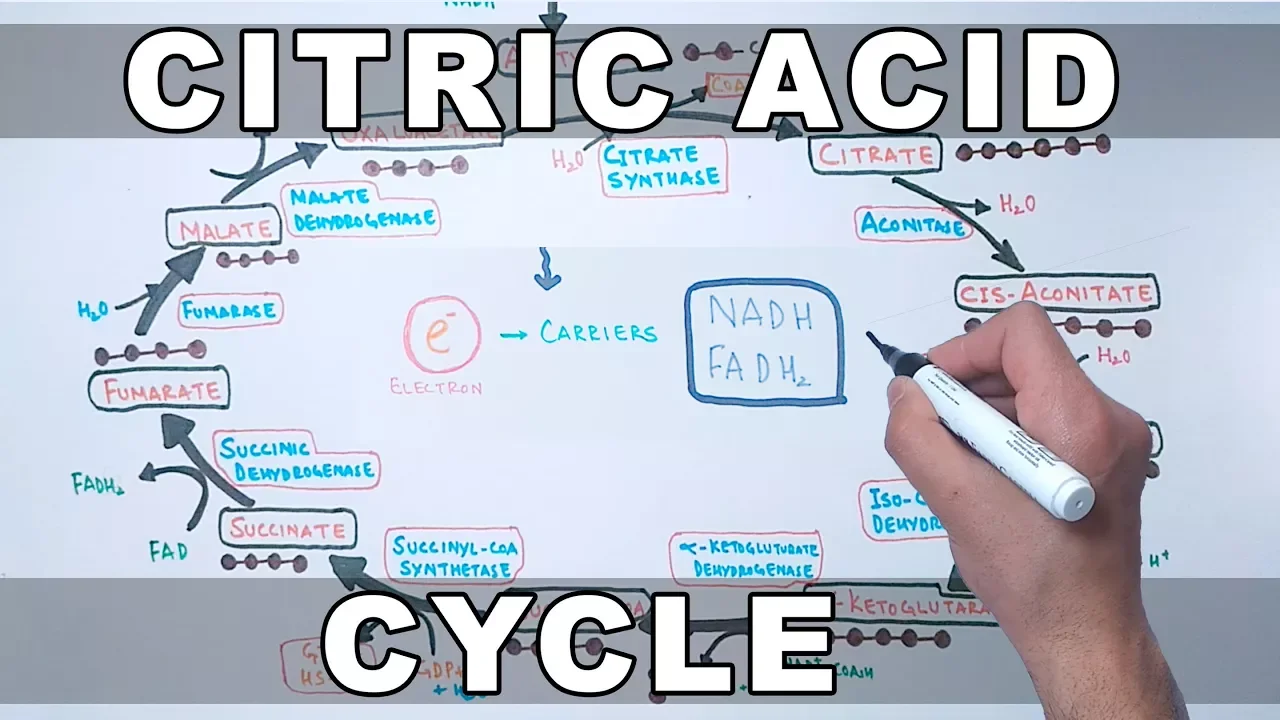
![#5 Cykl Krebsa. Schemat i wyjaśnienie [Matura z biologii 2023 + studia] 👩⚕🧑⚕](https://i.ytimg.com/vi_webp/bSqUrdjDRHc/maxresdefault.webp)



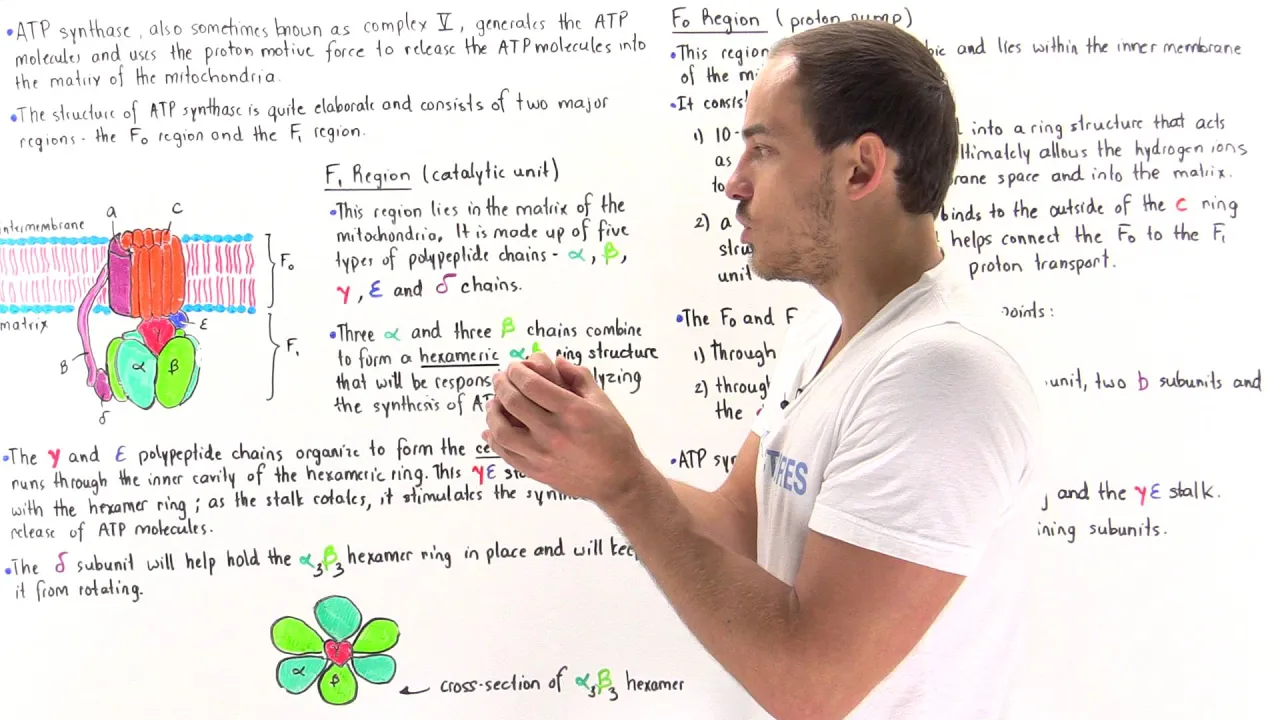
![Биохимия фотосинтеза: #3. АТФ-синтаза [Clockwork]](https://i.ytimg.com/vi/BWkJg4EmLdo/maxresdefault.jpg)
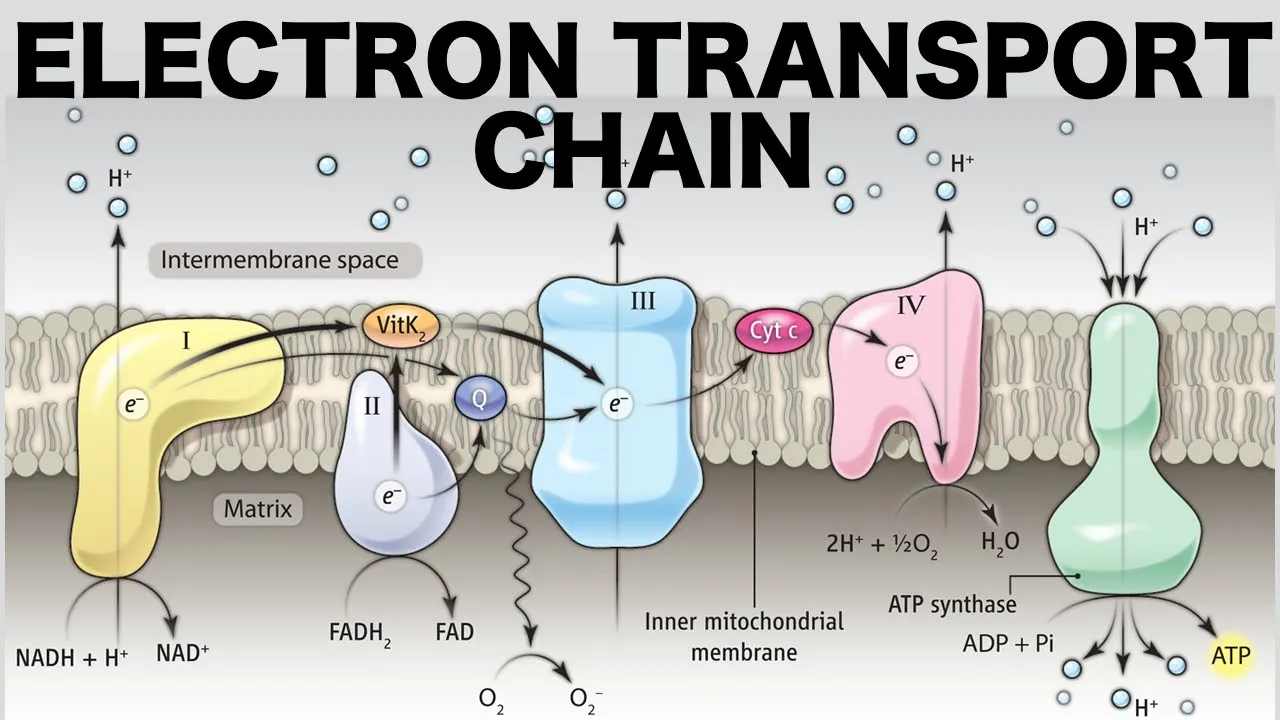
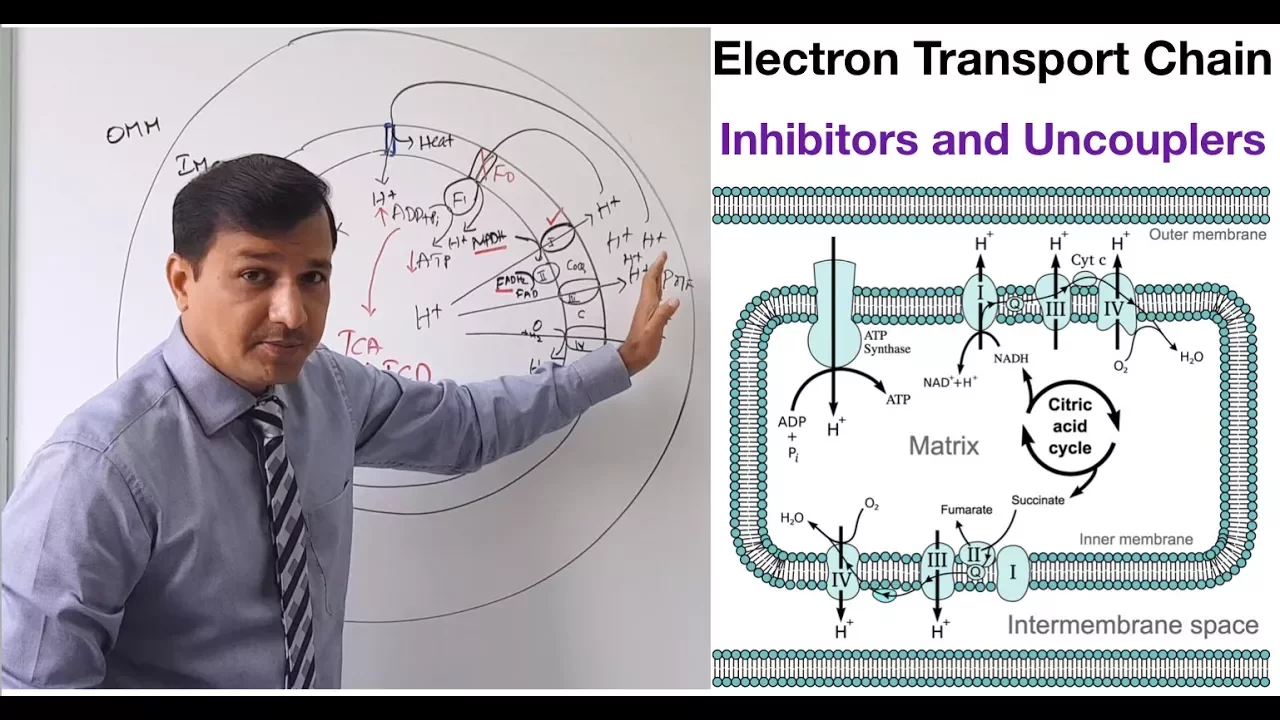




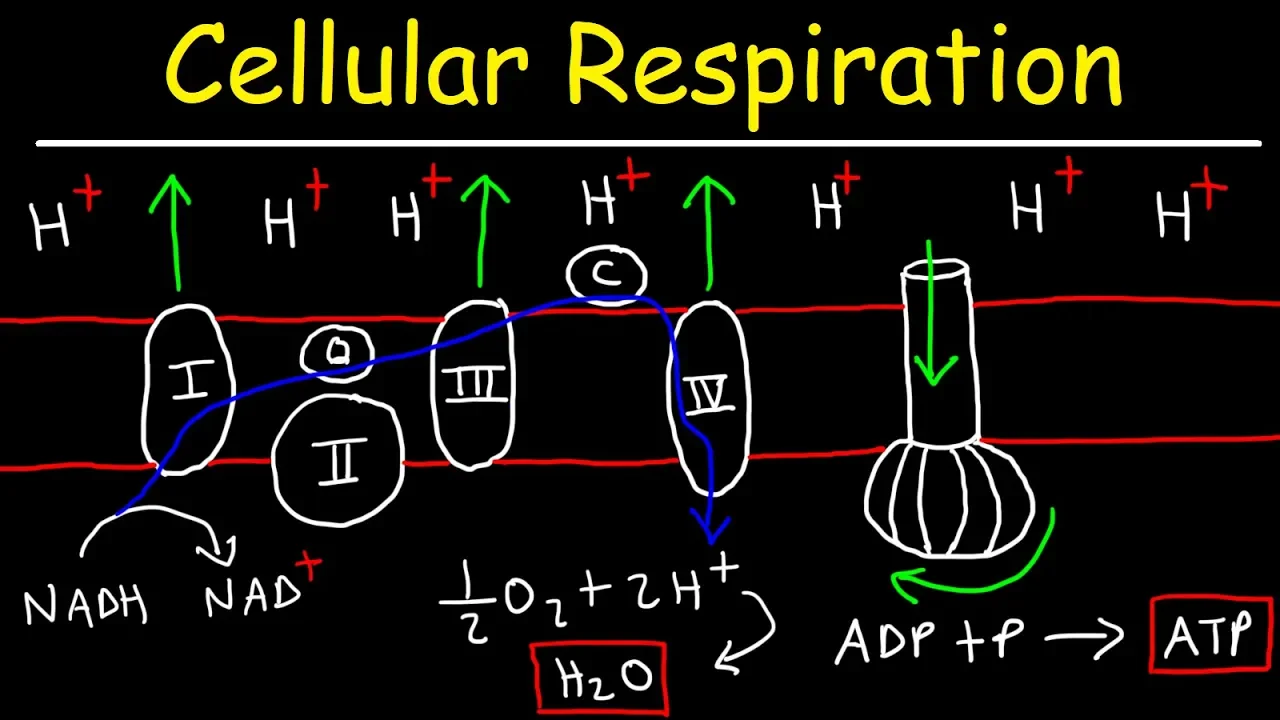
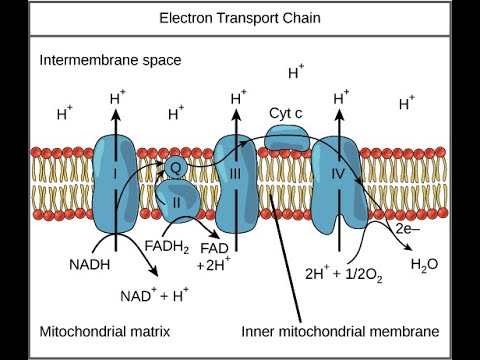
The electron transport chain (ETC) consists of four protein complexes (I, II, III, and IV) embedded in the inner mitochondrial membrane that work together to generate a proton gradient used by ATP synthase to produce ATP. Complex I accepts electrons from NADH via flavin mononucleotide (FMN) and iron-sulfur clusters, using proton wires to pump 4 protons per 2 electrons transferred. Complex II accepts electrons from FADH2 (from succinate dehydrogenase in the TCA cycle) but pumps 0 protons. Complex III uses the Q cycle to transfer electrons to cytochrome c while pumping protons. Complex IV accepts electrons from cytochrome c and reduces oxygen to water while pumping 2 protons. The terminal electron acceptor is oxygen, which is reduced to water. This proton gradient across the inner membrane drives ATP synthesis through ATP synthase.
Electron Transport Chain Complexes I-IV Explained
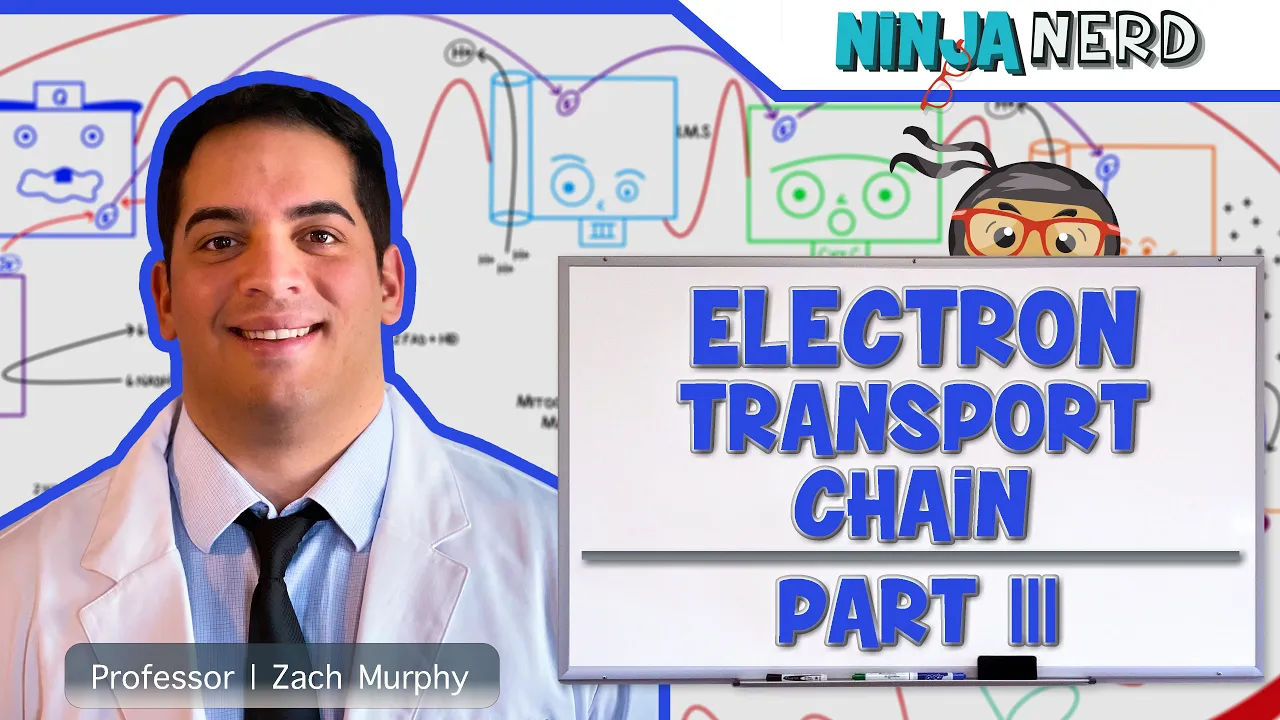
Added:okay so in a previous video we gave like a big picture idea of how the electron transport chain is coupled to ATP synthase and it allows us to take the electrons from nadh and fadh2 and ultimately create this proton green or this electrochemical gradient which ATP synthase then uses so our harnesses to then make ATP maybe I should instead of five over here I should put ATP synthase but some people just complex okay so the idea here again is that we're making that that proton gradients and then ATP synthase requires it and we also came to the conclusion that the electron transport chain produces the pH gradient that ATP synthase requires for function but then also that ATP synthase dissipates that pH grading allowing the electron transport chain to continue to function meaning that they meet each other okay so now what we're gonna be doing is I'm going to take you through each of the complexes and how everything works um and I kind of color-coded this so again so why aren't you guys we have the outer membrane over here the inner membrane space over here and the mitochondrial matrix okay so going back to this drawing over here so again we have the outer membrane right over here then we have the inner membrane or the second membrane and then we have the mitochondrial matrix here okay so I'm just kind of taking a slice of it and remember I'm only gonna be showing you one like series of electron transport chain complexes but there's gonna be multiple of these throughout all of the inner membrane and um that's kind of like why like there's such a larger you're just like if you look over here there's a higher surface area of that inner membrane is because you're basically increasing the surface area of the inner membrane so you can have more electron transport chain complexes and more ATP synthase so you can make more ATP and I guess if you wanna like remember it is like that's why we say like the mitochondria is the powerhouse of the cell is we're gonna have all these foldings in the and they're called Christie but the idea here is that these folds help us create a larger surface here so that we can undergo a larger amount of oxidative phosphorylation okay and something else I just remembered that I want to point out because I don't think I mentioned in the last video um I want to contrast oxidative phosphorylation versus substrate level phosphorylation okay so um anything in glycolysis and then CCA we're gonna say that this is substrate level phosphorylation okay so this is substrate phosphorylation and all this means is that our substrate is going to be a higher energy intermediate and it's gonna then be able to transfer the phosphate from that front from the it's gonna be able to transfer the phosphate from the substrate to ATP to form ATP okay so the substrate level phosphorylation to contrast this now we also have this idea of oxidative phosphorylation okay so the electron transport chain uses oxidative phosphorylation and we're gonna explain this oxidative phosphorylation okay and we're gonna explain why this is in a little bit but the idea here again is that we're oxidizing nadh and our terminal electron acceptor the last thing that accepts those electrons from NADH is oxygen and we're gonna as we're passing those electrons we're gonna form that we're gonna phosphorylate 18 ATP to form ATP so it's oxidative phosphorylation because it's using oxygen okay so key idea here is that if you don't have oxygen you cannot undergo oxidative phosphorylation okay so now let's go to the actual electron transport chain and go over the different complexes okay so I wrote out the different names of the complexes over here complex one is NADH Kwan's I'm Q oxidoreductase and you can read the names but I want you guys to know that I color-coded this is a specific way and let me maybe also bring this a little bit further in so you guys can see it all on one screen because I can't zoom out anymore you'll be able to see everything now okay yeah so now what I'm gonna do is I'm gonna go over each of the complexes and the red so I you can look at the color coding the red is the tracking of the flow of electrons through the complexes and then the blue or the light blue is is referring to the protons being pumped from the mitochondrial matrix into the IMS okay and again we're gonna have a lower pH or a higher H concentration of h+ ions in IMS and we're gonna have a higher ph in the matrix or in other words a lower concentration of h+ ions because we're continually the electron transport chain is continually pumping protons against this concentration gradient into the inner membrane space okay so I guess what we can do first to start off with complex one and then we'll go through the flow of electrons and we'll go through complex one and two three four and then we'll show how this all connects to make ATP um I'm still not sure if I'll put the Q cycle in this video or if I'll make its video for itself by itself but I guess we'll see how it goes or how long it's taking based on what I'm doing here okay so again we're gonna get our NADH remember we're gonna get our ne D H from glycolysis and the TCA cycle and what we're gonna be doing is we're gonna oxidize the NADH in to nad plus and we're gonna take those electrons and pass it through complex one now NADH okay it's going to transfer its electrons in the form of a hydride okay and um the idea here behind the hydride it's like a hydrogen atom with two electrons okay so it's an obligate two electron transfer so laven mononucleotide is going to accept those two electrons and then it's going to pass it to iron sulfur clusters within complex one now i want to emphasize the importance of flavin mononucleotide and explain what role of plays and the idea here is that you can think of it like this well NADH has two it's an obligate two electron transfer has to donate those two electrons in the form of a hydride okay and the iron sort of the iron sulfur clusters can only accept and donate one electron well if this donates to electrons and this can only accept one electron in time you're gonna probably need something that can bridge the two of them and flavin mononucleotide is exactly the thing that bridges the two electron donor of NADH to the one electron acceptor of the iron sulfur clusters okay so f MN is gonna accept those two electrons and then one at a time it's gonna pass them to the iron sulfur cluster so it's gonna do this twice okay maybe I should erase this gonna pass them and it's gonna pass each electron individually to different iron sulfur clusters and they're going to be passed along the it's gonna be passed along and eventually gets a kelan's on cue now the idea here is as we're pet so this is this region of complex one is called the peripheral arm okay it's like the it's the portion that it's it's kind of standing out and pointing into the mitochondrial matrix this is the transmembrane region and this is the part that's within the inner membrane okay so as we're passing those electrons through the iron sulfur clusters remember we said that movement of electrons yields an electric current and we're gonna use that electric current to power something that's unfavorable and what we're gonna be doing is as those electrons are being passed through the iron sulfur clusters it's going to trigger these things are these ideas called proton wires it's been imposed on wires and you're gonna learn about this in lecture and you're it's gonna you're gonna see it on your study questions a lot but the idea here and I'll just read off the definition from the study questions the idea here is that it is the so the electron transfer in the peripheral arm causes a conformational change in the proton wires to activate those proton wires so you have a conformational change that activates the proton wires and then you're gonna have the non-sequential protonation and deprotonation of amino acid side chains causing the net translocation from the mitochondrial matrix into the IMS you're gonna you're gonna have the electrons move through the iron sulfur clusters it's going to cause a conformational change in your proton wires and because you're gonna have those clunk back conformational change in your post on Mars your protons are gonna basically be able to be transported from the mitochondrial matrix into the IMS okay and the way that it works is that you're gonna have different amino acid side chains so you're gonna see it in lecture but it's kind of like you have different amino acids and they have R groups and those protons it's not the same protons not going to be passed from one side to the other it's like this this proton comes over here and then but this proton that was here is gonna get passed over here and then this was gonna get passed over here and then this was gonna get us to a different side chain and then because you have this non-sequential protonation deprotonation of amino acids you're gonna get one proton that gets on to the other side and you're gonna pour it and you're gonna have a total of four protons at the ends of this process blue proton wires be able to be transported from the mitochondrial matrix into that IMS okay so now so we got four protons from complex one now what we're gonna do is we're gonna go and pass them on to cleanse on cue and I'm gonna actually leave the next video I'm gonna put the con the Q cycle in another video because it's gonna take too long but the idea here is that okay we passed those two electrons from FMN which then can pass which can pass it on one hour times the iron sulfur clusters and then coenzyme q what it's gonna do is it can pick up those electrons and it picks up two electrons actually okay it'll be able to pick up two electrons and as a picks up those two electrons it's gonna also be able to pick up two protons so I'm drawing this right it's gonna form two protons so as it takes those two electrons and two protons it becomes its reduced form of Co Q h2 okay and then it's going to it's your coenzyme q is your mobile electron carriers your lipophilic and lipophilic means that it's just hydrophobic and you know it's hydrophobic because it's within your inner membrane so so that you're like oh philic electron carrier it's gonna and some mobile carrier it's gonna take your electrons from complex one to complex three where it's going to pass those electrons it's gonna be oxidized and then pass those protons through complex three into the IMS okay but this is part of the Q cycle and will talk about that in future video but the idea here with coenzyme q it's lipophilic its mobile and it's gonna transfer your electrons not only from complex one but it can also do the same thing from complex two and transport them to complex three where you're going to continue on with the electron transport chain and also pump or protons through the Q cycle okay so we'll talk about that in a future video how that works but that's the idea okay now complex two again we said that it's going to pass its own electrons to coenzyme a different coins on Q which can also then transfer them to complex three but I wanted to also point out that you might notice that this reaction is very familiar and the reason why it's familiar is because this is actually succinate dehydrogenase is from the TCA cycle so a lot of students and I didn't really understand this and so um I'd say this a few times but um succinate dehydrogenase which is that enzyme which we saw in the TCA cycle right it's physically located within complex two of your electron transport chain okay so Sox na is gonna be oxidizing to fumarate and fa d is your prosthetic group it's gonna be converted it's gonna be reduced into fadh2 and you're gonna get two electrons on fadh2 and what its gonna do is it's gonna be it's gonna then pass it on to its own iron sulfur clusters so what fadh2 then does is it can transfer those electrons uh one at a time to the iron sulfur clusters and then coenzyme q can then take it from complex two and go to complex 3 through the Q cycle and you pump protons again okay so again complex 1 & 2 both eventually give their electrons to coenzyme q and then that passes it through complex 3 um and it's in its name as well so that's why you see coenzyme q on the receiving end remember if we're talking about how we name our enzymes this is the electron donor this is the electron acceptor but so coenzyme q both for complex 1 and complex to accept your electrons and then passes it on to complex 3 okay notice again and this is a key thing notice how complex to it on its own does not humph any protons it pumps zero protons and we'll talk about why this is and it has to do with like the Delta G associated with its electron transfers which is not favorable enough to pump protons but again complex one pumps more protons to put some wires complex two pumps to zero protons through zero protons on through no means whatsoever okay so now we have coenzyme q which has those electrons in it'll go through the Q cycle which I'll talk about in a different video but I'm just trying to show you the flow of electrons okay so coenzyme q again it's in this form it's the it's it's gonna get reduced to co q h2 and then again we're gonna oxidize coenzyme q back on the ims side right where right over here what we're doing is we're accid izing it over here and we're passing its electrons to cytochrome c okay so now cytochrome c take tho takes those electrons and what it does and cytochrome c can only accept one electron at a time so and this is why it's important that we have the q cycle which we'll talk about in a future video but the idea here is that cytochrome c can only accept one electron at time coenzyme q has two electrons so one of those electrons is gonna be recycled and we'll talk about that but then cytochrome c will then pass those electrons through complex four and it's gonna go through complex four end your terminal electron acceptor is gonna be oxygen so you need oxygen to take those electrons and then be reduced into water and in the process as electrons are being passed through complex four you're also going to activate proton wires on this one on complex four so we're gonna actively proton wires on this and again you're gonna as you're passing those electrons are going to cause a conformational change in the protein wires and then that causes the net trans it's gonna activate the proton wires to cause the net translocation of protons from the mitochondrial matrix into the ims and in this process you're going to only have two protons pumps and then because we pumped all these protons against its concentration gradients and you have a higher concentration of protons in IMS ATP synthase will then use that electrochemical gradient and it's going to power ATP synthase okay so we're gonna then use that electrochemical gradients of power ATP synthase and we're gonna then create ATP okay so I key thing that a lot of students make a mistake on on their final okay complex is one and for both use proton wires okay complex one pumps for protons complex for only pumps two protons um complex two does not pump any protons and then complex three uses the Q cycle to pump its proton and this is a redox loop which we'll talk about in the next video or actually right now I'm trying to think if there's anything else I want to say in this video and I don't think so but yeah that's it you
Up Next

Bioenergetics: Thermodynamics of Energy Coupling & ATP Hydrolysis
@iit
86K views•2008-01-30

Bacterial Communication: Quorum Sensing and Biofilm Formation Explained
@JHUAAP
12.6K views•2011-06-28

Enteric Nervous System Explained: The Gut's Brain | Neurobiology Lecture
@alumniu6029
438 views•2018-09-12

Bacteriophages: Earth's Deadliest Killers and Future Antibiotics
@kurzgesagt
34.6M views•2018-05-13
Related Study Plans & Knowledge Roadmaps
Structured learning paths in Biology