












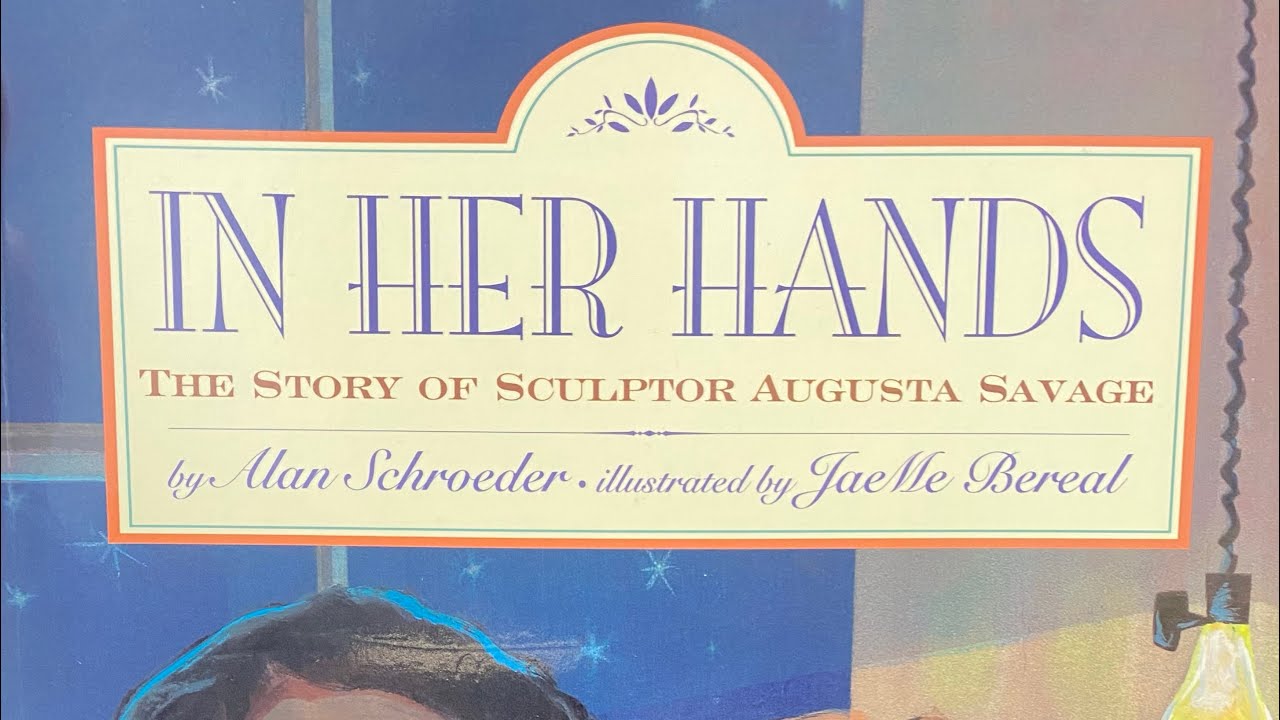





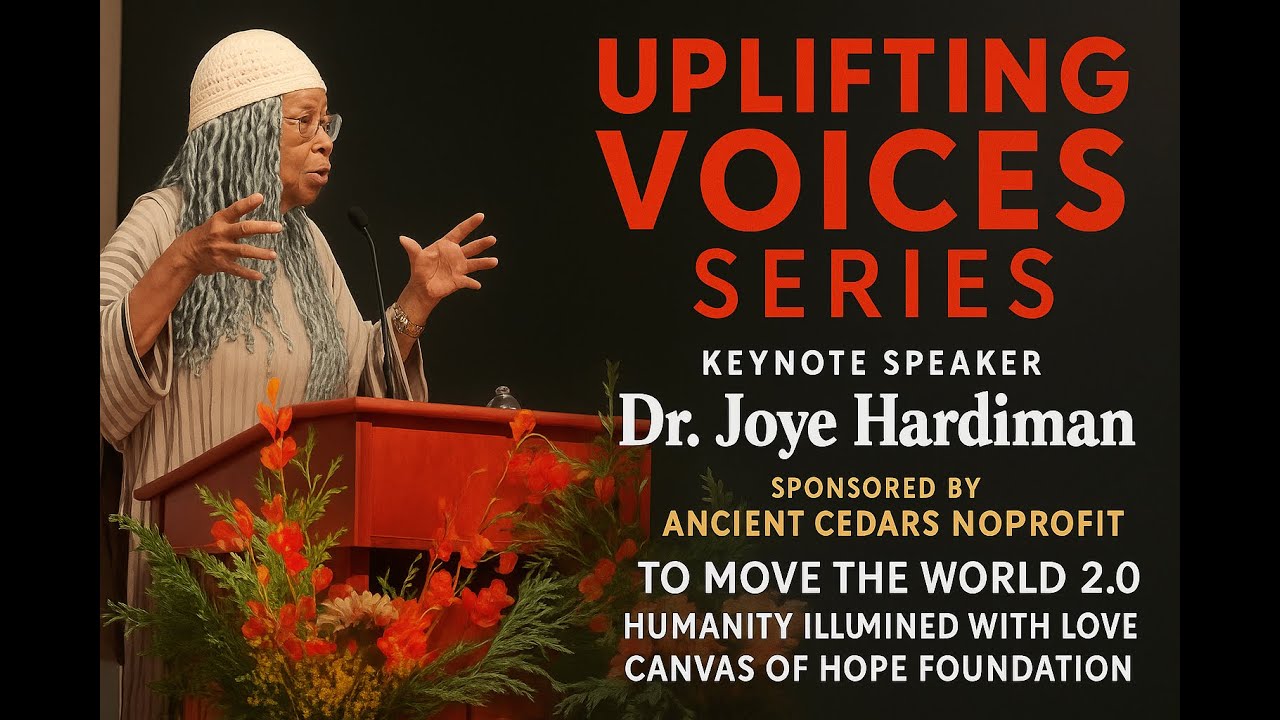





Augusta Savage (1892-1962) was a pioneering African American sculptor and art educator who overcame significant racial and gender barriers to become one of the most influential figures of the Harlem Renaissance; despite creating groundbreaking works like the 16-foot sculpture 'Lift Every Voice and Sing' for the 1939 World's Fair and founding the first Black art gallery and Harlem Community Art Center, her contributions have been largely erased from mainstream art history, with approximately 70 of her 160 artworks lost or missing today, highlighting the systemic exclusion of Black women artists from art institutions and museum collections.
Augusta Savage: Art and Erasure in the Harlem Renaissance
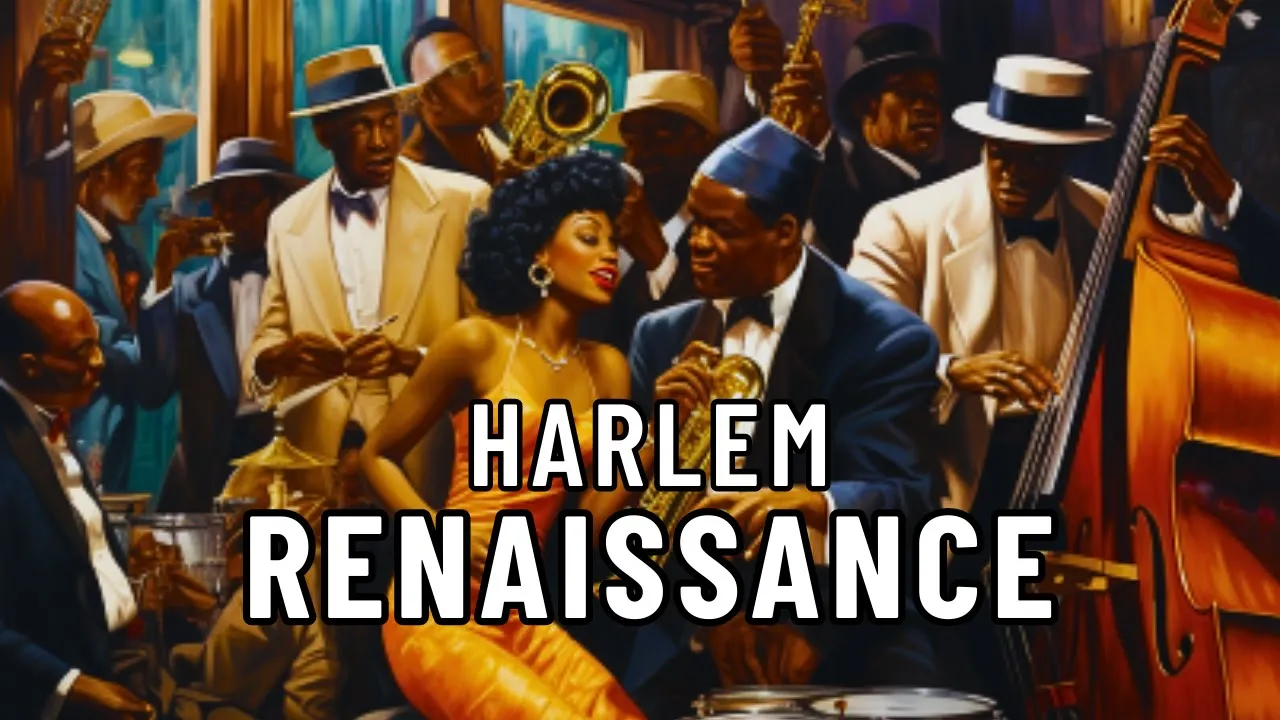
Added:Understanding the Harlem Renaissance: A cultural, social, and artistic movement that flourished in Harlem, New York, during the 1920s and 1930s, serving as a landmark era for African American cultural expression.
The Socio-Political Context of Jim Crow America: How systemic racism, segregation, and economic disparity limited opportunities and institutional support for Black artists in the early-to-mid 20th century.
The Basics of Sculpture as an Artistic Medium: Familiarity with the physical materials (such as clay, plaster, and bronze) and the high financial costs associated with casting and preserving three-dimensional art.
Institutional Erasure in Art History: The concept of how certain marginalized groups, particularly Black women, have been historically excluded from museum collections, archives, and academic art history curricula.
The Legacy of Augusta Savage's Mentorship: Examining her role in founding the Harlem Community Art Center and mentoring next-generation artists like Jacob Lawrence, Gwendolyn Knight, and Norman Lewis.
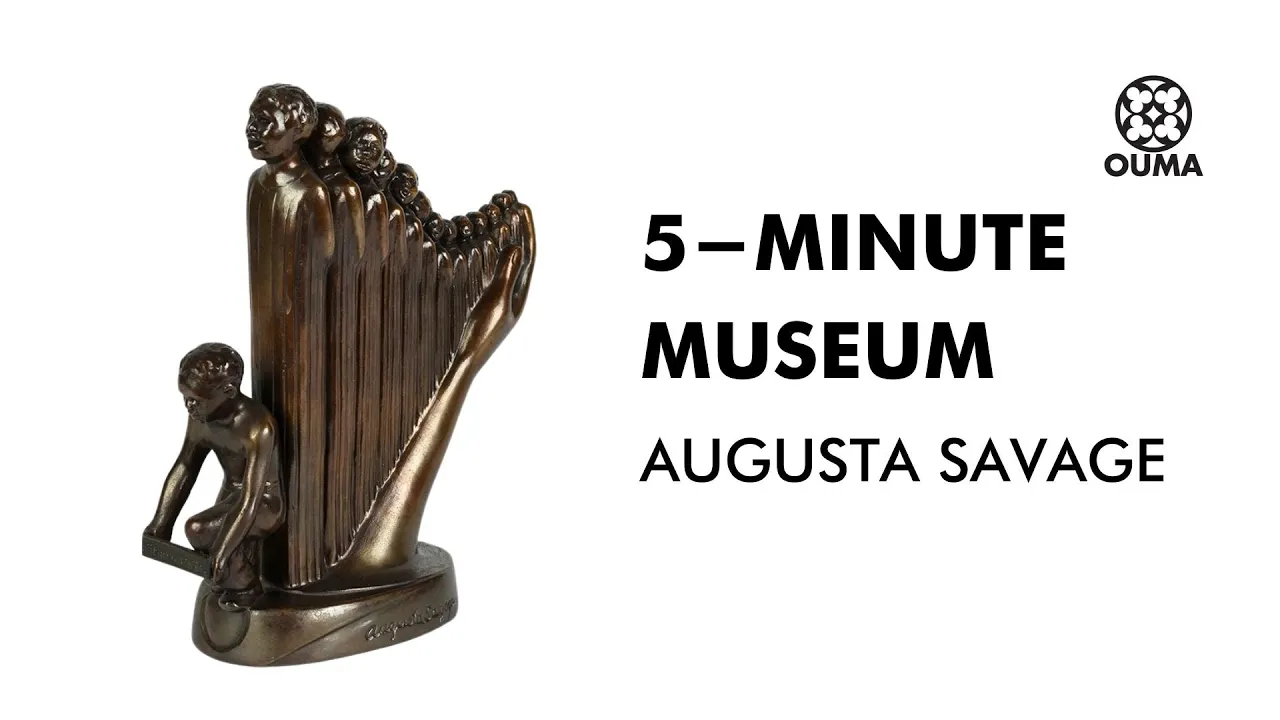
Case Study of Lost Masterpieces: Analyzing the history of Savage's monumental sculpture 'The Harp' (created for the 1939 New York World's Fair) and why it was destroyed rather than preserved.
Comparative Analysis of Harlem Renaissance Sculptors: Exploring the works and career trajectories of Savage's contemporaries, such as Richmond Barthé and Meta Vaux Warrick Fuller.
Contemporary Art Archiving and Restitution: Investigating modern curatorial efforts and digital archiving techniques designed to recover, restore, and center previously marginalized or lost artworks.
146.4K views4.2Klikes22:07Original Release: 2024-02-15
(upbeat music) - [Jeffreen] Augusta Savage was the only African American commissioned to create an exhibit for the 1939 World's Fair in Flushing, New York.
- [Augusta] I have taken for my theme the national Negro anthem.
It is the poem written by the late James Weldon Johnson and set to the music by his brother, Rosamond Johnson.
The title is "Lift Every Voice and Sing."
♪ Lift every voice and sing ♪ - [Jeffreen] Savage worked for over a year creating a 16-foot sculpture that paid homage to African American culture and the promise of Black youth.
♪ Harmonies ♪ ♪ Of liberty ♪ - What were the reactions to the sculpture?
- It was the most popular piece of art in the 1939 World's Fair.
She was able to make souvenirs to sell.
(upbeat music) - After this highly publicized display at the World's Fair, it is literally just dismantled and discarded.
(stones clinking) That's emblematic of the erasure of the history of African-American artists, African-American culture.
We were there.
She was there.
But all that we're left with today is a small scale cast of the original work of art.
(upbeat music) (lively jazz music) - [Jeffreen] Not only was "Lift Every Voice and Sing" destroyed, but some say 70 of the approximately 160 works of art by Augusta Savage are lost or missing today.
I'm Jeffreen Hayes.
I am the curator of the Augusta Savage Renaissance Woman Exhibition, and I'm on a search to understand why one of America's greatest sculptors seems to have been erased.
(lively jazz music) (no audio) (bright upbeat music) (bright upbeat music continues) I'm in Harlem, y'all.
(bright upbeat music) The first stop on my search for answers is the Schomburg Center, the research mecca of Black culture.
(bright upbeat music) (door lock beeps) (bright upbeat music) - I manage a collection of over 15,000 items that document the Black Diaspora.
And of course, we have the largest collection of Augusta Savage work in a public institution.
(bright upbeat music) We have about 22 pieces.
(bright upbeat music) Here we have the "Reclining Nude."
This one is bronze.
And this is "The Pugilist."
She was able to really capture the strength.
You could see his musculature and his facial features.
And then we have "Laughing Boy."
She did a lot of kids.
- And what's the material?
- It's plaster.
(pulsing music) This, of course, is her bust of James Weldon Johnson, a real renaissance man, a lawyer, songwriter, poet, secretary general of NAACP, and a good friend of hers.
And this is the original "Gamin" that one set her off.
That one set her off.
(soft music) - We only have two boxes of her papers.
She didn't leave much behind for us.
(upbeat music) - [Augusta] I was born on the 29th of February at the dark of the moon.
I was a leap year baby and it seems to me that I had been leaping ever since.
(upbeat music) - [Jeffreen] Born in 1892 in Green Cove Springs, Florida, the seventh of 14 children, Savage resisted her parents' early disapproval of her art making.
- [Augusta] Ever since I was a tiny little tot I wanted to model things out of any material I could get my hands on.
Dough, soap, mud, or clay.
I made ducks by the dozen from the red clay and would stick them all around the yard.
(upbeat music) - Augusta got recognition at the county fair in Florida and the commissioner of the fair said, "Augusta, you should go to New York so that you could explore your talent, so you could be an artist."
So she took him up on it and she got accepted to Cooper Union.
- [Augusta] I had just arrived in New York with exactly $4 and 50 cents, a determination to become an artist and a successful one in six months.
- She was a single mom.
She left her daughter Irene with the family so she could pursue her education here and finished her degree in three years instead of four.
(cars sputtering) She did work as a laundress and things were very hard for her.
She wasn't making a lot of money.
(energetic music) - [Jeffreen] After getting established, Savage who was widowed twice and once divorced, brought her daughter and seven other family members up from Florida to live in her small apartment in Harlem.
Her home also became a gathering place for leading artists and intellectuals of the 1920s and '30s New Negro Movement, later known as the Harlem Renaissance.
(energetic music) - Zora Neale Hurston was there, Richard Wright was there.
Countee Cullen was one of her best friends.
(bright jazz music) - The Harlem Renaissance was central to the portrayal of every aspect of modern Black life that was taking shape in the new Black cities that were as a result of The Great Migration.
(upbeat jazz music) We had the founding of the NAACP, of the Urban League, as well as literature, music.
This was the period when jazz really began to flourish.
(upbeat jazz music) - [Jeffreen] In 1923, Savage got a scholarship to attend a prestigious art school in France.
(playful upbeat music) - [Augusta] Then suddenly, when I was all prepared and about ready to sail, I got a letter from the committee saying they were awfully sorry I did not let them know I was colored, as they had not made arrangements for colored students.
(playful upbeat music) Can you imagine the headache and heartache resulting?
However, it only served to fire me with more determination than ever to succeed.
(playful upbeat music) - She started a letter writing campaign to let everyone know what had happened to her.
(playful upbeat music) - [Augusta] I hear so many complaints to the effect that Negroes do not take advantage of the educational opportunities offered them.
(playful upbeat music) Well, one of the reasons is that as soon as one of us gets his head above the crowd, there are millions of feet ready to crush it back again.
(playful upbeat music) How am I to compete with other American artists if I'm not to be given the same opportunity?
(playful upbeat music) - You know, she still never gave up the dream of studying in Paris and then she finally got it mid 1929 when she did "Gamin," and that took her to Europe to study.
(playful upbeat music) So as a Black woman, she just powered through that.
She never let it stop her.
It just made her stronger.
She was a way maker.
She was an artist, an artist advocate, an artist educator, and a activist.
(playful upbeat music) (footsteps thumping) - I'm at the location of the Savage Studio of Arts and Crafts, a space that she founded in 1932 in this building.
(upbeat jazz music) Here Savage hosted free art classes that included painting, and sculpture, and printmaking.
- [Augusta] We really have a lot of native talent in Harlem.
I hope that I can make the school a permanent one 'cause there is a crying need for it.
We've had to turn down 60 persons in the last six weeks for lack of space.
(upbeat jazz music relaxes) (bright piano music) - Augusta put a little bit of steel in my backbone and I don't think that I would've continued against all the odds it is to be a woman artist to keep right on working.
It was because she was my mentor, because she was my friend, and because she had done the same thing.
(gentle bright music) - [Tammi] She started the Harlem Artists' Guild to hire Black artists onto projects.
(slow uptempo music) - Augusta Savage was one of the leading lights in the Harlem community.
This was one of the most important periods in my life.
When I came in contact with her.
She thought it was time for me to start being paid for what I was doing.
I don't know how to make a living delivering newspapers or working in the laundry but when I turned 21 in 1938, Augusta literally took me downtown and had me signed up on the Federal Art Project where was paid a tremendous salary at that time of $23 and 86 cents a week.
(bright jazz music) - Savage also secured government funding during the Great Depression to expand her school to provide training to 2,500 youth and adults.
(bright jazz music) I'm at the location where the Harlem Community Art Center was established in 1937 by Augusta Savage.
There were a number of African American art masters who not only taught, but were also students at the center.
(soft gentle music) The way that she was navigating her career, I began to really think about her as a race woman, putting the Black body and the Black experience at the center, creating a deeper understanding of race in daily life.
(upbeat jazz music) - [Tammi] Augusta Savage was very much in tuned with everyday people, and she made works of everyday people.
(upbeat jazz music) - [Jeffreen] Which work speaks to you the most?
- Well, I have to say "Gamin."
That was my first encounter with her work.
A sweet little boy with his cap on.
He was contemporary and definitely Black.
(upbeat jazz music) For me, I could tell when an artist loves me by what they create.
When they're speaking to me and they recognize Blackness in a beautiful way.
And you know, for 1929, for her to leave that for us.
So, I love that work.
(gentle piano music) - It's a very academically classical rendering of a young boy's face and compare that to the way young Black boys were depicted in the popular culture, that portrait was absolutely modern.
It was radically modern.
(lively jazz music) - Although it's no longer here, this is where Augusta Savage opened the first Black art gallery in the country, the Salon of Contemporary Negro Arts.
(lively jazz music) - [Augusta] I've long felt that Negro artists have reached the point where they should have a gallery of their own.
We've made every effort to make this one of the finest galleries in the country, a mecca for all art lovers.
(melancholic music) - [Jeffreen] The opening was a grand affair attended by over 500 art lovers.
But in the midst of the Great Depression, the artwork didn't sell.
The gallery closed within three months and funding for the Harlem Community Art Center ran out too.
- She said, "The community is not ready for me."
And when she told me this story, she literally cried.
She was so broken.
(melancholic music) (no audio) (light jazz music) - In looking for work by Augusta Savage, I was struck by how few places had the work.
We don't have her in our collection.
Even the historically Black colleges and universities don't all have works by Augusta Savage.
(light jazz music) The museum market, the art market, the galleries, the critical attention was given to male artists.
(light jazz music) Even today, 87% of works of art in museum collections are by men.
(light jazz music) Augusta Savage was at the forefront of the forgotten woman artist.
But she didn't have the means to ship "Lift Every Voice and Sing" back from Flushing into a store room in Harlem or a museum and have it preserved.
And it's probably the most tragic example of Black women artists not having resources to preserve their work.
(light jazz music) (gentle acoustic music) - After the losses and disappointments she experienced, Savage took refuge in upstate New York, a hundred miles north of Harlem, where some say she just disappeared.
(gentle acoustic music) This is really a pilgrimage.
(gentle acoustic music) Here we go.
(gentle acoustic music) (gentle acoustic music continues) The Augusta Savage House and Studio has been listed in the National Register of Historic Places by the United States Department of the Interior.
(loud knocking) Hi. - Hello, Dr. Hayes.
- Nice meet you. - It's so good to see you.
- [Jeffreen] Anthony.
This is so exciting.
- [Anthony] Yeah, welcome to Augusta Savage's home.
(relaxing music) - [Jeffreen] So tell us about or how Augusta ended up in Saugerties.
- She had friends in the Hudson Valley, and that may have been one of the reasons that she came to Saugerties specifically.
It was also a lovely town near a river.
- What's your connection to Augusta?
- I'm related to the owners of this house, but the earlier connection is to my grandfather who was a scientist and he met Augusta Savage in the late '40s.
She would occasionally come over to my grandparents' home on the river and give these poetry readings.
So this was her typewriter, this Remington.
See that's where she did her writing- - Her writing.
- [Anthony] Her stories, her poetry.
- [Augusta] I've spent hours in deep communion with the humming birds and bees.
I've exchanged loves deepest secrets, with the softly sighing trees.
I've discussed my pains and pleasures, I've revealed my dearest treasures.
And upon life's harsh alarms, I've turned my back.
(lighthearted music) - [Jeffreen] Very few people know about her as a poet or a writer.
It's wonderful to hear that perspective about Augusta.
- My grandfather, he would say, "She's the smartest person you'll ever meet."
He would talk about composers and he would talk about scientists, and he'd talk about Augusta Savage.
It was usually something like Beethoven, Erwin Schrodinger who came up with quantum physics, and Augusta Savage.
And so, she was in that orbit of great human beings, great minds.
I wanna show you a few other things.
- Yes, please. - Yeah.
- It's the plastilina and it was a type of clay.
This is the original one that she would've used to do her sculpting.
(gentle piano music) So for instance, like this is the Marian Anderson sculpture.
She made that while she was here in Saugerties.
(gentle piano music) There's a general sense that she was forgotten but from what we understand, she had people coming here all the time.
- She still had a social life.
- [Anthony] She still had a social life. - Still connected to New York.
(gentle piano music) So tell me, what are the plans for this space?
- In the next few years you maybe have some sort of residency program for aspiring artists and writers.
- So what would be helping to fulfill a dream that she put out into the world to found a colony of young artists in the countryside.
- I wanted to ask you if what your impressions were of coming here and seeing what you saw today.
- [Jeffreen] Will probably take me a while to fully digest that I'm sitting in this moment in the same kitchen as someone that I have lovingly called my art godmother.
I think that there have definitely been attempts to erase her and downplay her importance.
- [Anthony] Yeah.
- I'm just really happy that she was most likely at peace here in a way that she may not have found in the city.
(no audio) - [Augusta] I have created nothing really beautiful, really lasting, but if I can inspire one of these youngsters to develop the talent I know they possess, then my monument will be in their work.
(no audio) (lively jazz music) (lively jazz music continues) (logo snaps) (gentle music) (lighthearted music) (lighthearted music continues) (lighthearted music fades)
Up Next

6:41
Aaron Douglas: Harlem Renaissance Artist from Topeka
@TopekaLibrary
12.7K views•2010-12-28

114:18
Christian Iconography: History, Theology, and Meaning | Fr. Panayiotis Papageorgiou
@Trisagionfilms
58.8K views•2020-02-21
7:48
Ukiyo-e Art: History, Woodblock Printing & Influence
@japanathand
6.3K views•2023-06-08

16:34
Earliest Depictions of Jesus in Art: 10 Ancient Images Explained
@UsefulCharts
5.9M views•2022-06-03
Related Study Plans & Knowledge Roadmaps
Structured learning paths in Art History
art-history
Gothic Cathedrals: Engineering, Light & Society
01The Birth of the Gothic: Romanesque to Suger's Vision
02The Structural Triad: Pointed Arches, Ribbed Vaults, and Flying Buttresses
03Theology of Light: Lux Nova and Sacred Geometry
+ 2 more learning modules
14h5 modules
Explore Roadmap
art-history
Pre-Raphaelites: Realism, Symbolism & Critique
01The Victorian Art Establishment and Academic Formula
02The Founding of the PRB and Radical Realism
03Medieval Revivalism and Literary Symbolism
+ 1 more learning modules
8h4 modules
Explore Roadmap
art-history
Street Art: From Subways to Art Market
01Subcultural Origins in Philadelphia and New York (1970s)
02The Subway Era and Style Wars (Late 1970s - 1980s)
03The East Village Scene and Early Gallery Crossover
+ 2 more learning modules
10h5 modules
Explore Roadmap
art-history
Classic Maya Art: Iconography, Glyphs & Ritual
01Foundations of Classic Maya Visual Culture
02Deciphering Maya Hieroglyphs & Text-Image Integration
03Sacred Geography and Cosmological Architecture
+ 2 more learning modules
14h5 modules
Explore Roadmap