












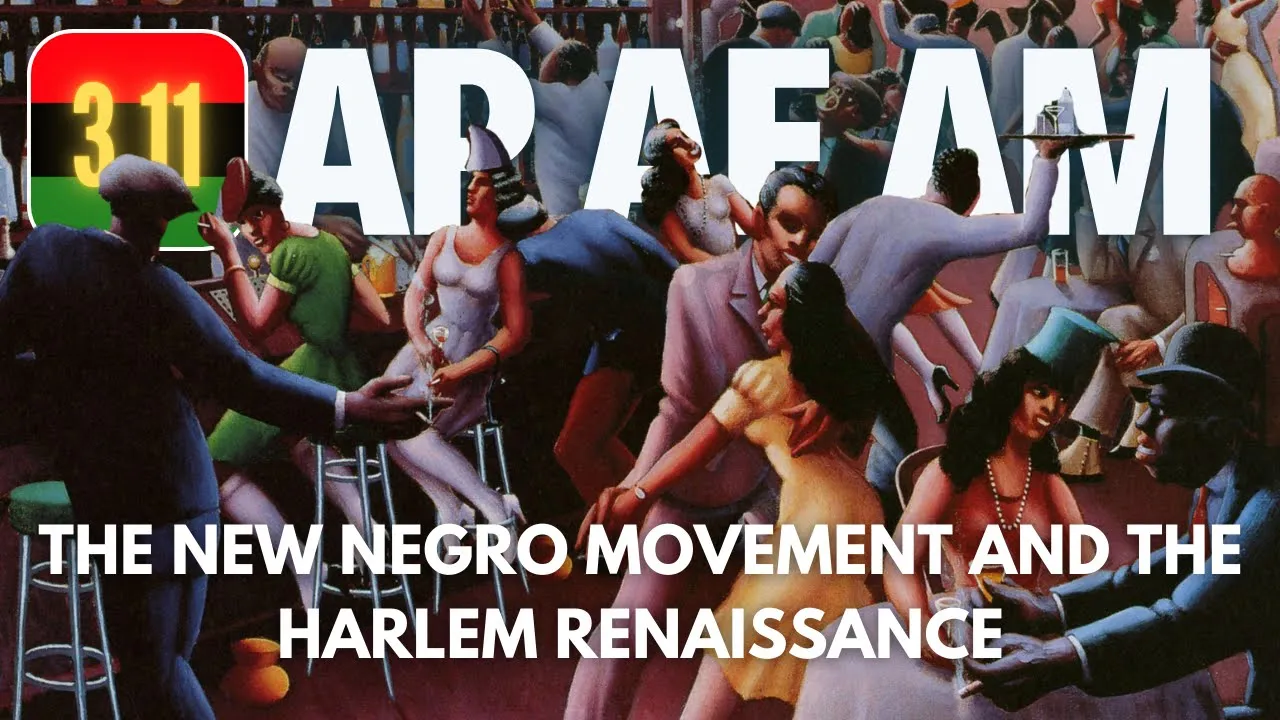
![Alain Locke – The New Negro [Introductory Essay] (1925) – Audiobook](https://i.ytimg.com/vi/3DrvOi-cTBY/maxresdefault.jpg)


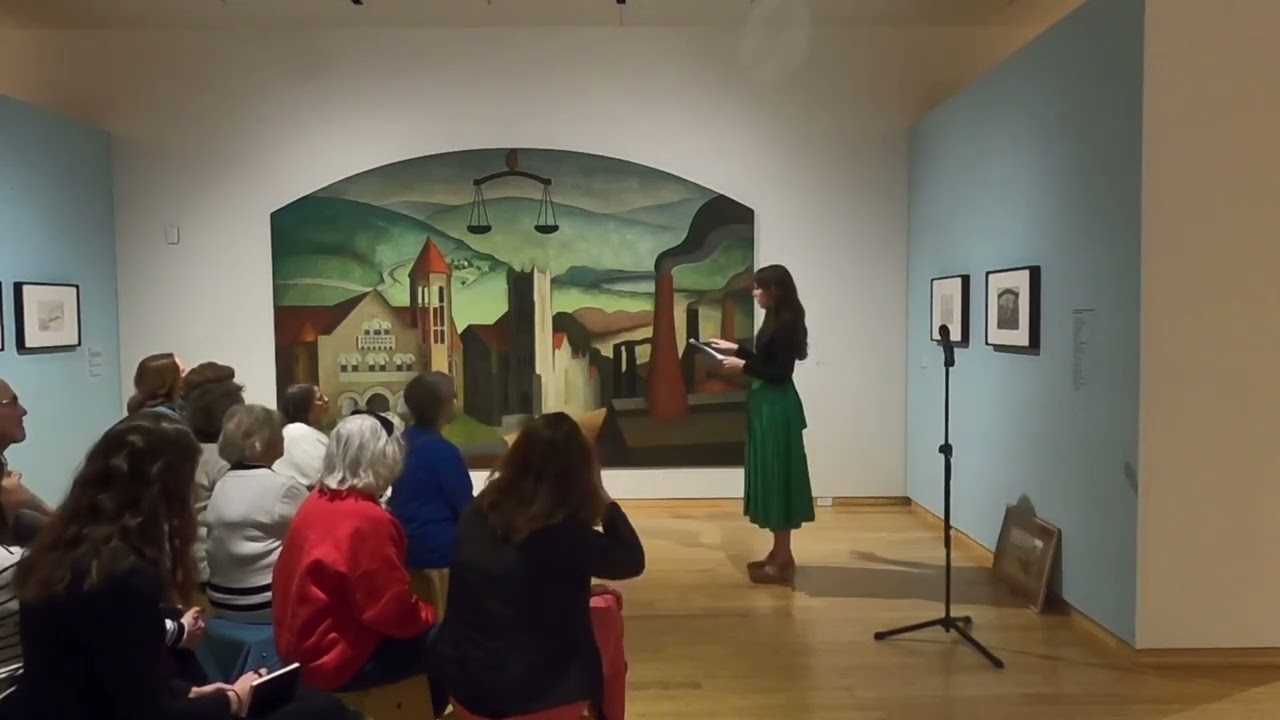


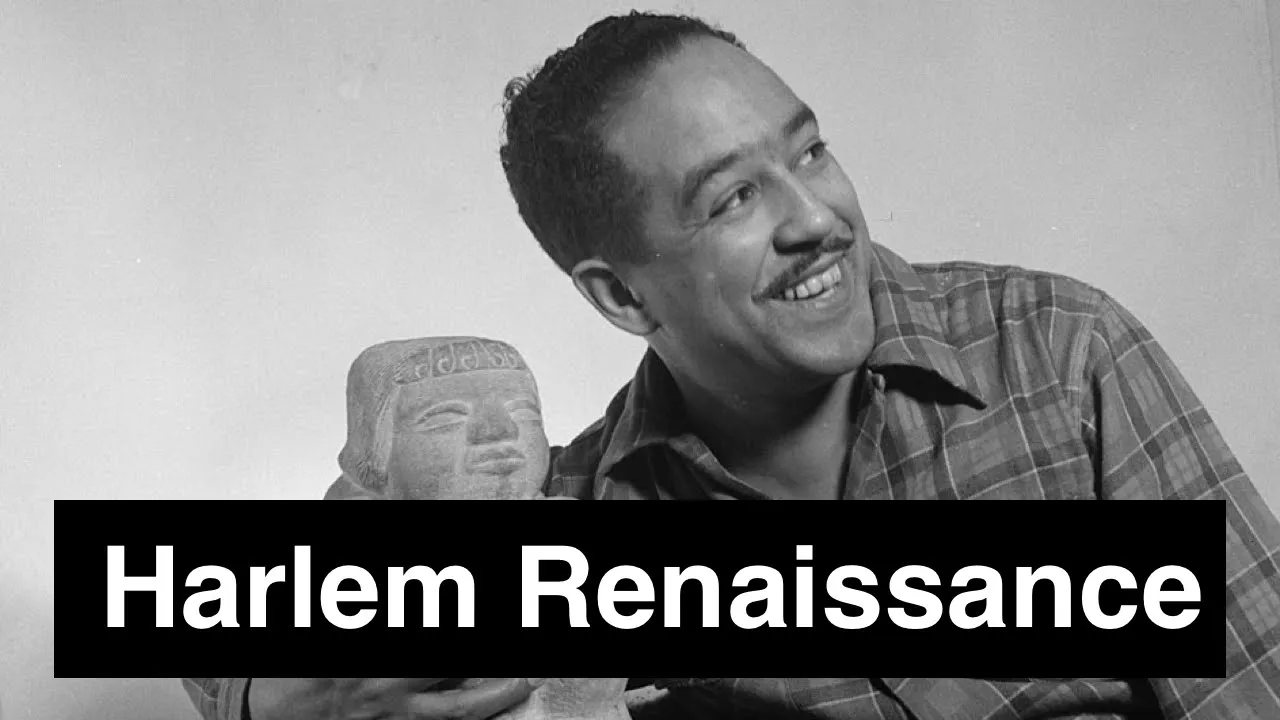


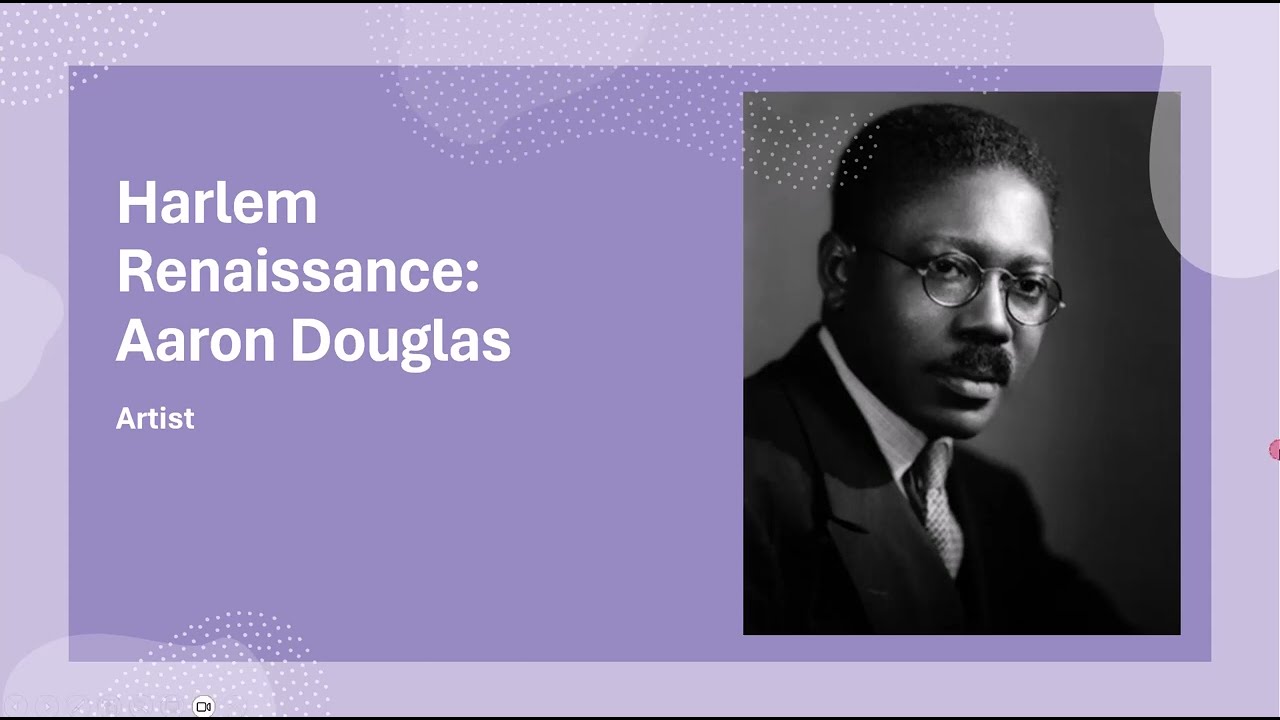
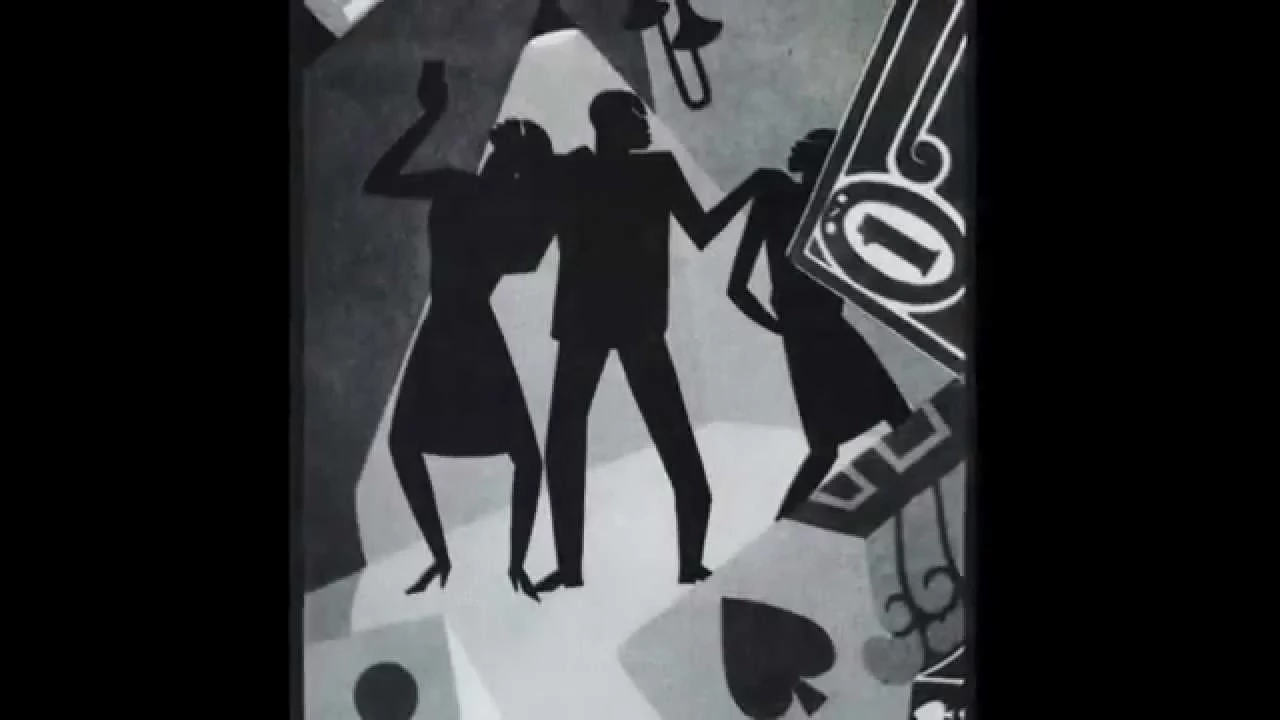
Aaron Douglas, a native Topekan born in 1899, became known as the 'father of African-American art' during the Harlem Renaissance; he developed a distinctive geometric style depicting the struggles of Black Americans through stark black-and-white imagery, creating murals for the WPA and publications like The Crisis and Opportunity, while drawing inspiration from African art in ethnographic museums to convey themes of liberation and resistance.
Aaron Douglas: Harlem Renaissance Artist from Topeka
Added:The historical context of the Harlem Renaissance, including its major literary, musical, and social figures in the 1920s.
The Great Migration, specifically the movement of African Americans from the rural South to Northern and Midwestern cities in search of economic opportunity and safety.
Basic concepts of early 20th-century modern art movements, particularly Cubism, Art Deco, and the integration of traditional African art motifs.
The socio-political landscape of the post-Reconstruction United States, including Jim Crow laws and the distinct racial dynamics in Midwestern states like Kansas.
The philosophical concept of 'The New Negro,' as defined by Alain Locke, and how Aaron Douglas visually translated this ideology.
An in-depth study of Douglas's major mural projects, such as 'Aspects of Negro Life' for the New York Public Library, and his involvement in the WPA (Works Progress Administration) Federal Art Project.
A comparative analysis of other key Harlem Renaissance visual artists, such as Jacob Lawrence, Romare Bearden, Lois Mailou Jones, and Augusta Savage.
The role of graphic design and illustration in racial activism, analyzing Douglas's work for publications like 'The Crisis' (NAACP) and 'Opportunity' (National Urban League).
12.7K views85likes6:41Original Release: 2010-12-28
Aaron Douglas is really special Aaron Douglas grew up in Topeka Kansas he was born here and he was a graduate of Topeka High School he is noted in the yearbooks as being a very very talented artist and these are the Topeka High School 1915 and 1917 yearbook covers that Douglas designed I think think it is fabulous that we have a representation of a kid from Topeka Who Loved art who dedicated himself to it and who now is often referred to as the father of African-American art Douglas was very very talented and he was even recognized in high school as having that Talent the caption below his photograph talks about how he was involved in art and talks about his talent he was able to go to college at the University of Nebraska in Lincoln and he earned his Bachelor of Fine Arts degree in 1922 he said that he was the only black student there but that he felt pretty comfortable because he was very friendly and he made a lot of friends he did not feel singled out I think while he was going to school he felt like it was a pretty nurturing experience the portrait of his wife ala was made in 1936 doulas decided to go back and forth between realism and abstraction for what he wanted to convey in his art which was the struggle of black Americans abstraction was much more expressive even though he could paint realistically what he's best known for are very dramatic black and white Stark angular geometric images depicting struggle anger sometimes people being attacked a lot of diagonal Sharp lines that let you know there's a lot of turmoil going on and it was he was making these images for magazines like the crisis which was the National Association for the advancement of colored persons magazine another magazine called opportunity and while he was doing that he was still having his imagery published in Harpers and in Vanity Fair so he was quite successful in his career but what Douglas was doing in the work was geometrici the human form so taking something that is round and making it flat just using geometric shapes to convey the body to convey movement and especially the face what he was looking at was work from ethnographic museums he was in New York and Harlem and he was able to study at the Natural History Museum different museums that had collections of African art which wasn't in art museums at the time it was in Natural History museums and be influenced by those masks and those sculptures which really simplified the human form exaggerated some features did a lot with geometry when you look at this mask which is from the Ivory Coast you can kind of see the similarity the angular eyes sharp mouth sharp jaw sharp lines and even along the edge of the Mask some of the geometric patterns all of this was part of the Harlem Renaissance after after the emancipation of the slaves after reconstruction after people had fled the South and Jim Crow laws after people were able to start becoming successful the black community pulled together and they wanted to recreate their identity by doing that they looked at black history they looked at black artists black writings and it was a flowering of culture in the 1930s Aaron Douglas was part of the works project Administration the Public Works project specifically he was commissioned to do murals in buildings around New York City this is a shot of one of the wall murals at the New York Public Library on the 135th Street branch TOA has reproduced this mural on the corner of 12 and Lane streets in the area where it is is absolutely appropriate the neighborhood is called Tennessee town and it was founded in about 1880 when people were fleeing the South and coming to Kansas because of Kansas's role in the Civil War in this one you see a person in the center who has broken his chains and he is calling for action on the right you see the flourishing of Music in the Harlem Renaissance period people like Duke Ellington and FATZ Waller were very very popular on the left you see something that depicts the history of America and a sad phase there is a burial going on and writing up behind the people who are mourning is the Klux clan that was part of history and Douglas did want to acknowledge that and also to condemn it he saw what was happening in the South lynching was not yet a federal crime even though there were efforts made to try to get it made into a federal crime and people lived in fear so living with that as a con possibility in the South was something that Aaron Douglas felt he had to protest the Topeka turnaround team worked with David Lowenstein and Stan herd who are two artists out of Lawrence Kansas and also students from our area high schools and colleges they reproduced the mural twice the size that it originally was and I think that was kind of a wonderful way to commemorate and celebrate this very talented Topeka artist Aaron Douglas is so special to us because he did grow up here in Topeka he represents the creativity of our community he represents people who can beat any odd and I think that's one of the reason Topeka should be so proud of Aaron Douglas for
Up Next

3:01
Archibald Motley Jr. Nightlife: Art Institute Analysis
@artinstitutechi
17K views•2020-04-23

114:18
Christian Iconography: History, Theology, and Meaning | Fr. Panayiotis Papageorgiou
@Trisagionfilms
58.8K views•2020-02-21
7:48
Ukiyo-e Art: History, Woodblock Printing & Influence
@japanathand
6.3K views•2023-06-08

16:34
Earliest Depictions of Jesus in Art: 10 Ancient Images Explained
@UsefulCharts
5.9M views•2022-06-03
Related Study Plans & Knowledge Roadmaps
Structured learning paths in Art History
art-history
Gothic Cathedrals: Engineering, Light & Society
01The Birth of the Gothic: Romanesque to Suger's Vision
02The Structural Triad: Pointed Arches, Ribbed Vaults, and Flying Buttresses
03Theology of Light: Lux Nova and Sacred Geometry
+ 2 more learning modules
14h5 modules
Explore Roadmap
art-history
Pre-Raphaelites: Realism, Symbolism & Critique
01The Victorian Art Establishment and Academic Formula
02The Founding of the PRB and Radical Realism
03Medieval Revivalism and Literary Symbolism
+ 1 more learning modules
8h4 modules
Explore Roadmap
art-history
Street Art: From Subways to Art Market
01Subcultural Origins in Philadelphia and New York (1970s)
02The Subway Era and Style Wars (Late 1970s - 1980s)
03The East Village Scene and Early Gallery Crossover
+ 2 more learning modules
10h5 modules
Explore Roadmap
art-history
Classic Maya Art: Iconography, Glyphs & Ritual
01Foundations of Classic Maya Visual Culture
02Deciphering Maya Hieroglyphs & Text-Image Integration
03Sacred Geography and Cosmological Architecture
+ 2 more learning modules
14h5 modules
Explore Roadmap