






![RENINA-ANGIOTENSINA ALDOSTERONA [Renal 02]](https://i.ytimg.com/vi_webp/bBHDNldjONU/maxresdefault.webp)






















This comprehensive nephrology board review covers essential topics including hypertension management across different populations (with emphasis on combination therapy over single-agent high-dose approaches), acid-base disturbance analysis using anion gap and osmolar gap calculations, and electrolyte disorders such as hyponatremia and hyperkalemia. Key diagnostic strategies include recognizing masked hypertension through ambulatory monitoring, distinguishing between chloride-responsive and chloride-resistant metabolic alkalosis using urine chloride levels, and applying the delta gap method to identify mixed acid-base disorders. Treatment principles emphasize avoiding NSAIDs in hypertensive patients, using fomepizole for ethylene glycol poisoning, and carefully managing hyponatremia correction rates to prevent osmotic demyelination syndrome.
Nephrology Board Review: Key Cases & Acid-Base Questions
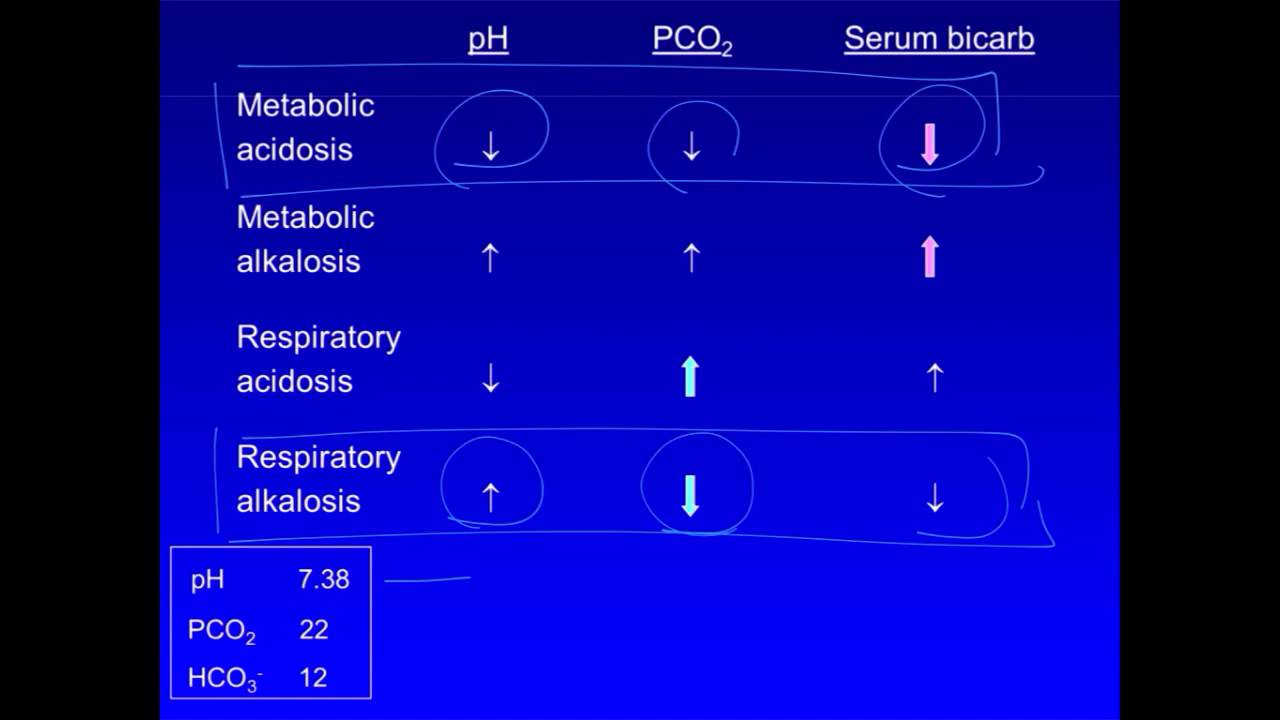
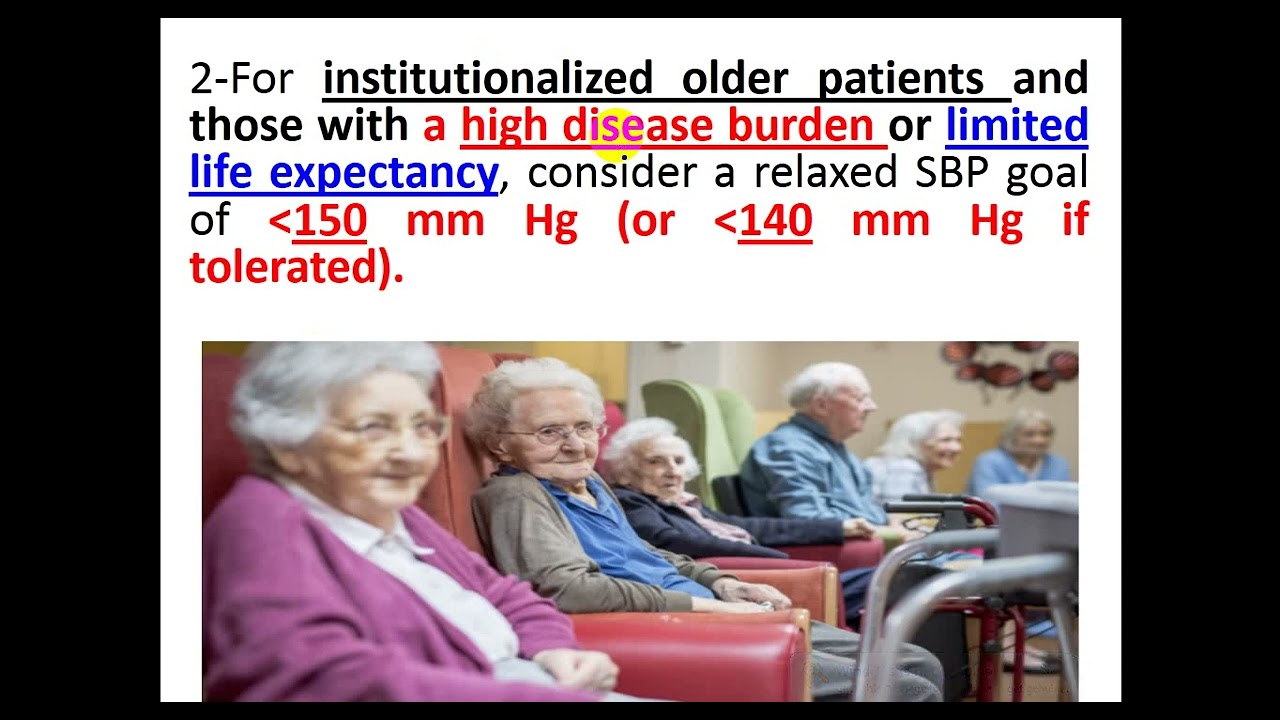
Added:okay so this is this is based on the board review that I did last year but the questions have been modified somewhat I went through and looked at some that I thought were ambiguous or didn't have a clear-cut right answer and reworked some of them so I would very much like for this to be at least a little bit on the interactive side so with that and if I can figure out what to do next here we go alright so just in general and I think most of you guys know this by this time but just a few board isms first of all when you read that stem of the question just try to figure out what is it that they're driving at in this particular question and then look at the answers based on that know your hypertension guidelines now if you're anything like me you sort of feel like right now it's a little bit of a moving target that it seems like just about every year somebody else comes out with some slight modification of what the guidelines were if I were you I would go back and look at the ACP guidelines which of course are based on the ACC and the American Heart Association guidelines but let's face it it's the ABIM you know which is you know pretty much embedded with ACP is makes up the test so I would go back and definitely know their guidelines no hyponatremia that's always big on every exam no hyperkalemia and particularly the drugs that cause it for almost every single question calculate your anion gap Delta gap osmolar gap if they give you urine lights calculate the the your an anion gap and then look for those trigger words and phrases like you know if the words muddy brown cast are sitting in the stem then you're going to head right towards acute tubular necrosis or some answer that has to do with acute tubular necrosis as well again I made up these questions as well as the answers if we come across a question and you guys genuinely think that the answer is not obvious enough I mean not so that everybody gets a hundred percent but but it's not you know it's it's too ambiguous or whatever just let me know and we can modify it for for future use I know have any of you guys out there ever tried to develop questions for a test or anything it's really hard it's trust me it's really hard oh one other thing about the board exam so first of all they generally will not ask you anything that is genuinely controversial so if there's something that has a rampaging debate about it they're not going to ask you about it on the other hand what they do like to do is they like to make sure that you're reading the literature so I would go back over say the last five years of the annals of internal medicine maybe the New England Journal of Medicine and just kind of look at what they're writing about particularly the review articles because I can almost guarantee you that there'll be something that comes out of those particularly if you see somebody wrote about juvenile rheumatoid arthritis as a review in the New England Journal and then in the annals of internal medicine some article came out that was a position stance of Rheumatology on juvenile rheumatoid arthritis and then you go back to the New England Journal of Medicine and they've got two articles in a row about the latest treatment on JRA you can just bet your bottom dollar there's a good chance there'll be at least one question excuse me one question on that all right so I'm just going to jump right into cases this 47 year old man he found that he had an elevated blood pressure at a health fair had not been to a doctor in a considerable period of time and he had three office at which blood pressures were less than 140 over 90 physical exam was notable for BMI 32 yet an s4 gallop and all of his chemistry's and urinalysis were completely normal so why did he have a high blood pressure at the health fair so here are your possibilities he has masked hypertension he has white coat hypertension they used the wrong size cuff when they were taking his blood pressure at the Health Fair or he has a secondary form of hypertension does anybody have any thoughts okay C is a potential possibilities there any piece of data in there that would suggest you that actually maybe this guy you may this guy really has hypertension yeah and it's that s4 gallop it's at s4 gallop which suggests that he has LVH so if he has normal blood pressures in the office but out of the office he has higher blood pressures that has a name and it's a it's masked hypertension so this guy would have masked hypertension which is an entity that's actually only fairly recently described but carries with it the same cardiovascular risk as other hypertension it sometimes the only way that you can pick it up is by which one of these entities which do ambulatory blood pressure monitoring and Aldo to renin ratio you would go back and say okay we only had three office blood pressures let's get three more or do an echo yeah hey you know if you know anybody who's doing inventory blood pressure monitoring on a routine basis great let me know but you know oftentimes insurance companies and Medicare in particular won't pay for it unfortunately so most of the studies that you see having to do with masked hypertension in particular are done out of research studies where somebody's had access to that alright so here's a 40 year old woman who's evaluated for the first time during her pregnancy she is 18 weeks pregnant she's got type 1 diabetes with controlled sugars she has old dismay and edema her meds include insulin and prenatal vitamins she's got a blood pressure of 142 over 90 to pulse of 87 and s3 gallop and trace edema her hemoglobin is 11 platelets 180,000 cratan is 1 and she has a normal urinalysis okay which do you think that this woman most likely has and obviously this is in terms of her high blood pressure chronic hypertension help syndrome preeclampsia or a high de to the form mole now she probably has chronic hypertension so remember that chronic hypertension in pregnancy is generally diagnosed before 20 weeks of gestation and it's unusual for preeclampsia to be diagnosed that early so probably does not have preeclampsia I didn't describe low platelets which is a hallmark of the help syndrome and generally individuals that have a height of tuna form mole and have hypertension associated with that have a really bad hypertension really really bad hypertension so another board ISM with all of the emphasis on differences in sex response and manifestations of illness the manifestations of everything during pregnancy is also likely to be something that you see on your board exam quite a bit okay so what would be the most appropriate treatment of her hypertension at this time a termination of pregnancy be hydrochlorothiazide see losartan or D observation I hear a deafening silence okay the answer is d the answer is d at this point her blood pressure is high does anybody know at 18 weeks of pregnancy what a usual blood pressure would be it's going to be a 105 or 110 over 60 so she clearly has hypertension however however there are there some data anyway that would suggest that using a diuretic is ill-advised because that can cause all ago hydra hydra miios secondly losartan although it's after the first trimester it's not completely and utterly prohibited generally most people still will not use it during the entire pregnancy in termination you would terminate the pregnancy if you thought this woman was running into trouble with her blood pressure she has a touch of edema she didn't have any proteinuria she didn't have any of evidence of anything like help or acute fatty liver pregnancy or anything like that so at this point you would not need to do an immediate termination of her pregnancy all right another hypertension question there's a 60 year old woman of with hypertension who has hyperlipidemia she's currently taking lisinopril which was started just a month ago and rosu the statin she is exercising perfectly well states her blood pressures at home have always been 150 to 160 over 80 to 90 millimeters of mercury today she's falling right in there 160 to over 86 tall 64 and her exam is otherwise unremarkable her BMI is 22 laboratory work is unremarkable so at this point what would you do for her would you add metoprolol and chlorothalonil increase lisinopril or emphasize lifestyle changes and reevaluate in 1 month see well actually if you look at the latest guidelines they are actually recommending more that you use lower doses of more than one drug than you do higher doses of a single drug now 20 milligrams of lisinopril is not a gigantic dose but probably the answer that they would be looking for on here would be adding the core Thal dome to her regimen certainly I think we would all agree that D is just not going to fit at all I mean this woman's exercising every day she's got a BMI of 22 is highly doubtful that she has anything going on in her lifestyle that's making your blood pressure go up and the metoprolol with a heart rate of 64 is certainly not going to work either but yes if you look at the latest guidelines their recommendation is for somebody who has moderate hypertension which she has is actually even in some cases to start low doses of two medications as opposed to a higher dose of one okay so what would your goal blood pressure be for this woman and what would it depend on okay so we have 130 over 80 140 over 90 150 over 90 and 160 over 90 okay so I hear be out there 140 over 90 140 over 90 is pretty much the standard now for goal for anybody who has mild to moderate hypertension with the exception that if you have somebody that you think is at high risk for a cardiovascular event in certain circumstances you can go for a lower blood pressure such as 130 over 80 or 130 over 85 now even as I made up this question you know I realized that this would probably be something that was a bit controversial but in this person who is 60 she already has hyperlipidemia as well as her hypertension although if I had put in there that she had had a previous mi then you definitely would have for a 130 over 80 I think that they could not fault you for saying 140 over 90 for her all right yet another hypertension question don't worry the whole thing is on hypertension 57 year old african-american man with hyperlipidemia he consistently has a blood pressure of 150 over 90 no complaints he's only taking simvastatin for a hyperlipidemia his BMI is 28 his blood pressure yes is 155 over 95 so I think we would all agree it is not a goal he's otherwise normal and his laboratory valuation is fairly unremarkable so which of the following and a hypertensive medications is most likely to increase his simvastatin side-effects so which one of these on the list would you say I better not use that one it is B it is the diltiazem the Delta ISM is ones most likely to increase the simba statin levels and therefore give him a greater chance of having problems with that drug so what would you use in this man okay so you know he is not taking anything right now I was gonna say hopefully nobody said B after our discussion okay yes okay so C would be fine actually D would be fine this is again a situation where I know that the general thinking is somebody that's african-american maybe they respond to diuretics better than ACE inhibitors but if you just look at the latest guidelines they don't make that distinction quite as clearly as they had in the past why is furosemide not the right answer actually it's it's mostly because churros amide is a drug with a limited time of action so remember that it lasts about six hours and so you have then after the furosemide wears off you have a period of time where you're going to have sodium rheic you malaysian chlorothalonil in terms of a diuretic i'm sure that you guys are reading now is being touted more and more as a superior thiazide to hydrochlorothiazide for long-term use in in hypertension all right so now we have somebody who has stage four CKD due to autosomal dominant polycystic kidney disease and hypertension she is on lisinopril throws amide and sodium bicarbonate physical exam shows that her blood pressure is still 150 over 90 pulse is 84 she's got a little flank fullness as would be expected who's with somebody who has ADPKD crantini is 2.8 calcium 9 phosphorus 3.5 intact PTH is 450 her 25 hydroxy vitamin D is 42 I am sure that this sounds like many of the patients that you guys have seen with me in clinic over at the VA alright so in terms of her hypertension first of all I hope we all agree that 150 over 90 is not the goal for this woman she's not 70 or 80 she doesn't need to have a blood pressure that is higher than our goal of less than 140 over 90 so our next steps are and losartan and Mottola zone a damn load of peeing or observed for now C C is the answer the even with the latest guidelines they've come out very very firmly against the use of dual renin-angiotensin-aldosterone system access blockade so low Sarge hands certainly would not be the answer then at Mottola zone you know why would you add a second Dyer Radek excuse me in this woman you know I certainly didn't give any evidence here that she was volume overloaded at all observed for now we do know that in for polycystic kidney disease in particular the rate of progression of the PKD is dependent upon the degree of blood pressure control in fact PKD also the treatment of choice for the blood pressure is either an ACE inhibitor or an ARB which she was already on to begin with so the addition of amlodipine here would be the most useful okay now this woman had a parathyroid hormone level of 450 for those of you that don't go around with the normals in your head the upper limit of normal and most hospitals around here is around 65 grams per ml so you know so she has certainly has significant hyperparathyroidism with a PTH of 450 okay does she have primary hyperparathyroidism probably not but her CKD it would be difficult to diagnose but certainly in somebody who had advanced CKD and has a calcium that's only 9 milligrams per deciliter be highly unlikely that she would have primary hyperparathyroidism so she has secondary hyperparathyroidism and which one of these would be the the optimal treatment for her right now either surgical consult for parathyroidectomy sena calcite the calcium sensing receptor agonist 30 milligrams daily lanthanum carbonate a phosphate binder or a low phosphorus diet that's okay if you don't know this one this may be actually fellow level but that's okay the answer right here is actually D and the newest guidelines that have come out for the treatment of the minimal minimal mineral apone disorder of CKD in somebody who is pre ESRD is not to go with Senna causa a phosphate binder particularly at the phosphorus was normal and you can see in this case this woman's phosphorus was three point five milligrams per deciliter so the recommendation is not to give a phosphate binder and so a low phosphorus diet at this point is what would be recommended alright so we're moving on to a totally different topic 37 year old woman is brought to the emergency room by her family they found her unresponsive at home she had a recent separation from her spouse she has no known medical problems on physical exam she's obtunded blood pressure's a smidge on the high side pulse is 112 otherwise her exam is completely unremarkable and there is her lab work sodium 136 potassium for Cora 96 bicarb 12 B UN 28 cratan 2.2 glucose 90 Oslo ality 314 ethanol is non-detectable lactate undetectable pH is 7 point 2 for the pco2 of 28 and a po2 of 102 okay so what is the here the most likely cause of her acid-base disturbance and does anybody here is they may here willing to go out on a limb and say what they think her acid-base disturbance is and I think you would be right she's got a wide anion gap metabolic acidosis it is correct so if you just calculate her anion gap it is about 28 or anion gaps 28 and the normal is up to 12 although I'll just digress for just a second and remind everybody that each of us has our own anion gap belongs just to you and so you see that range in the hospital where it's 8 to 12 7 to 15 or you know something like that but but every person actually has an anion gap that's the usual anion gap for them for this test it doesn't matter just take the upper limit of normal being 12 this guy has an anion gap of 28 it is clearly elevated now so does this guy have a simple wide anion gap metabolic acidosis or does he have maybe something else going on with it I'm sorry there is an osmolar gap as well so this person has a serum osmolality of 314 and if you calculate that is the measured osmolality if you calculate the serum osmolality which is 2 times the sodium plus the bwin divided by 2.8 plus the glucose divided by 18 I forgotten what it is but I calculated it out before and it is certainly much less than 314 so the osmolar gap there is greater than 10 which is significant so she has a wide anion gap plus she has a wide osmolar gap as well okay all right so if you look at the list of disorders or causes of metabolic acidosis that we have there which ones of these are associated with a wide anion gap all of them that's right every single one of these causes a wide anion gap metabolic acidosis so that is not a distinguishing feature at all all right what about which of these will cause a wide osmolar gap okay a certainly will and then depending upon when this person ingested their alcohol you can also get an osmolar gap with alcohol because remember alcohol itself also contributes to the osmolarity and you know if you measure somebody's ethanol level then you can calculate how much that would add you know to the the osmolar to the osmolality of the serum however we said in this case that this person's ethanol was non-detectable so if nothing else my complete process of elimination you've come to the right answer so this person has ethylene glycol ingestion a wide anion gap primary metabolic acidosis with an appropriate respiratory response and has a wide osmolar gap as well that can be accounted for you know by the ingestion of the ethylene glycol all right so you decide to treat this lady with fomepizole while we're waiting for four Shiley the dialysis nurse to come in the renal fellow to come in and do the whatever the renal fellow does so you're starting with us all what does Filippis all do absolutely it competitively inhibits alcohol dehydrogenase so it prevents the metabolism of ethylene glycol into the substances that are toxic for the body now this is obviously not the end of the line for the treatment of ethylene glycol you still need to get it out of the system as well which is what the dialysis is for okay so we have a break from words this is a picture of calcium oxalate crystals just remember just remember that if you are sincerely expecting or highly suspicious of ethylene glycol intoxication based on findings like that can't get a good history because there was not an empty bottle of antifreeze sitting right next to the bed and you're you sent down the volatile acids or whatever and the lab goes that's a send out we're not going to have it for two days go downstairs and look at the urine now you can do that here at U of L Hospital you can do it at the VA it's actually not very hard and if you need help then you can just get the renal fellow or the renal attending to look down there with you if you look at that urine and you see bunches of calcium oxalate crystals you are certainly very much justified in coming to the conclusion that there's a high probability that this person has ethylene glycol intoxication and needs from Epis all and dialysis all right so now we have a thirty two-year-old prima gravity' with known preeclampsia that had been diagnosed at about thirty weeks of gestation but was doing pretty well and she's now seen in 37 weeks she's only taking a prenatal vitamin her physical exam shows that her blood pressure is high as you would expect with preeclampsia she's got a trace of pedal edema she's also complaining of some scotoma - which are due from her last visit she's got a normal B UN and Kratt mean platelet count is fine those are liver panels she does have one plus protein Maria okay at this point what would be the next step in your management or what would you be telling her when she came into the office recognizing that you're not the OB gen person but hmm I heard some mumbling do I hear anybody for a I still you're mumbling okay all right and I was a sow that the contract she has biscuit okay she has I mean so you so you have identified a key element of this stem which is that she has new neurologic symptoms at 37 weeks the OB gen person would deliver her okay and so the answer here would be scheduled delivery if she were earlier if she were if this had happened at like 33 or 34 weeks then you know the OB gen person may say take a deep breath ago let's give it a try and see what happens but at 37 weeks they're probably just going to schedule the delivery now aspirin 81 milligrams daily does that help with preeclampsia or not not if it's established not if it's established preeclampsia so starting aspirin after the fact is not going to be helpful all right so so she delivers her baby how soon after delivery would you expect the resolution of her hypertension it's actually it can be as long as three months for you to see complete resolution and oftentimes though it is I probably mean I should reward that you know after which period of time would you think something else was going on or because you can get hypertension out as far as three months most of the time it resolves certainly by two weeks and frequently even within 72 hours afterwards but if you see it after after three months then there's probably something else going on okay so which one of these has proven efficacy in preventing preeclampsia and high-risk women is anybody listening low dose aspirin yeah that's exactly right low dose aspirin and in particular in particular I want to say that a low salt diet or a low dose of a diuretic definitely not recommended for the Prevention of preeclampsia and there's actually even some evidence that this may have detrimental effects on fetal growth so for prevention no low dose vitamin C has been tried vitamin E has been tried as well for individuals who are extraordinarily high risk of preeclampsia maybe they've had it three times before and you think they're going to get it again and maybe they had help syndrome etc there are even some studies that show that low dose heparin throughout the pregnancy may help as well but certainly if you think somebody's at high risk for preeclampsia low dose aspirin and it needs to be started very early in the first trimester okay we have a 66 year old woman here hospitalized for nausea vomiting dismount exertion weakness she's got heart failure COPD and hypertension her medications include carb a de la moda P now beautiful and steroid inhalers or physical exam is there she's got she's a little bit on the chubby side her blood pressure is 108 over 65 she's got an s4 gallop no jvd no rails and they're just a minimum of edema this sounds like it could be a veteran and many veterans I see look just like this so here's her laboratory evaluation sodium 131 which has him three chloride eighty bicarb 29 be 125 threatening one point to p2 seven point four seven pco2 of 44 to po2 of seventy four urine sodium is 50 her urine potassium is fifty four urine chloride is 12 and her osmolality urine osmolality is 600 milliwatt moles per kilogram okay what is her acid-base disturbance and first of all the first question to ask yourself is does she have a simple or a mixed acid-base disturbance so if we just looked at the questions simple or mixed what is it what is the thought of the group it is mixed it is mixed even if at this point you had no idea what it was if we do our little things which is first of all let's look at the pH and the pH is high normal or low the pH is high the pH is high seven point four seven is high what's her anion gap 22 so you write you know right there that she's got two things going on right she's got alpha leimia and she's got a wide anion gap metabolic acidosis so she at least has those two so now you can chuck a right because she's got a mixed acid base disturbance okay which one of these up here can you get rid of because it's impossible D that's true you can't be breathing too much and too little all at the same time it's just one of those impossibilities it's not like the metabolic disturbances so we're down to B and C so from what you have just said from what you have just said even if you don't know how to figure it out what is the answer here it's C it's C because B does not have listed in there the white anion gap metabolic acidosis you know so the reason that the reason that I didn't force you to go through every single calculation on this is because we all know that that takes quite a bit of time during the test to sit there and go okay what was the winners formula I have to do this and if somebody's pH goes up this high what do I expect their bicarb do etc you know you don't have time to do that on a test so you go through and you just take the simple pieces of data that you have and start eliminating some and and I said you didn't even have to do all the calculations and you could figure out that this person was that the best answer for this was see does everybody understand that I hope so because that's part of learning how to take the test it's part of learning how to take the test is learning which answers you can eliminate very quickly okay so what's the most likely cause of her metabolic alkalosis and what one piece of lab work do you need to look at to make this answer I'll give you a hint it's in the urine I'm sorry the urine chloride I heard it out there I'm gonna jump on it yes you're right it is the urine chloride it's the urine chloride cuz remember that the world of metabolic alkalosis is divided into two chloride responsive and chloride resistant and your prototype of a chloride responsive metabolic alkalosis is what nausea and vomiting that's exactly right that is your prototype your prototype of the chloride resistant metabolic alkalosis is hyperaldosteronism so steroid excess all right so let's this woman's urine chloride was 12 does that strike you as higher low yeah that's really low that's that's really really low so so she's got a chloride responsive metabolic alkalosis because she has a low urine chloride meaning that if you just gave her chloride back that she would correct for metabolic alkalosis so of all of these things which one of these will give you a chloride responsive or which one results in a chloride responsive metabolic alkalosis a-absolutely all right why don't okay so I know this is kind of hard to sit here and just go through all these so why don't we do this next one and then maybe take like stand-up break say hi to each other sit back down again and do some more okay so fifty seven-year-old woman is seen for follow up on hypertension she's taking hydrochlorothiazide I sent a pearl over-the-counter ibuprofen for osteoarthritis blood pressure is I think we would all agree not a kool 155 over 90 BMI is 34 she's got terrible arthritic changes in her hands and her knees Kratt knees 1.2 potassium 5 and our your analysis is normal okay so what would you do next to control her hypertension absolutely C discontinue the ibuprofen so remember that one of the important aspects of controlling somebody's hypertension and particularly they keep coming back to the office uncontrolled uncontrolled uncontrolled is to start looking at other things that may be antagonizing the work of the medications that you're giving obviously the most common one is a high-salt diet the person says you know I have an Egg McMuffin for breakfast with two extra pieces of bacon on the side you know and for lunch I'm going to PF Changs and I'm having a hot and sour soup and for dinner I have an entire pizza you know trust me anybody can eat sodium above the amount of salt that we can get rid of with a diuretic but of the drugs that are out there that can antagonize the effects of non-structured medications and heart failure medications the nonsteroidals are right up there at the top so discontinuing the ibuprofen is the answer certainly change the height apart thighs I deplore thala Doane obviously put that one in just because everybody's talking about how much better of course a low tone is now than hydrochlorothiazide ad metoprolol not if all you have to do is take away a drug and change lisinopril to m low to p m-- also doesn't make any sense at all either okay so what is the effect of nonsteroidals on blood pressure regulation why is it antagonistic to the effect of the antihypertensives it is a nonsteroidals all by themselves without any other provocation will stimulate renal sodium retention they do not stimulate rent and release they don't cause renal potassium wasting in fact quite the opposite they will cause type 4 renal tubular acidosis so they can cause potassium retention and far from antagonizing the effect of antidiuretic hormone on the distal nephron they'll actually exacerbate the effect of ADH so they will promote hyponatremia so nonsteroidals in somebody who is taking blood pressure medicine and you're having a hard time controlling them best bet is to take them off that okay so do you guys want to quit for a while or do you wanna keep going let's do it okay all right so now we have a man 74 year old man who presents with confusion nausea dizziness of several weeks he's got a history of hypertension osteo arthritis diabetes and hyperlipidemia he is on a number of different medications his blood pressure is 128 over 60 he's disoriented to place in time but his examination is otherwise okay and his laboratory work shows the following sodium 140 potassium 3.8 chloride 106 bicarb 16 bu and 14 kratom 1.4 glucose 88 ast is maybe a teeny little bit on the high side alt is okay it's got a pH of seven point three three pco2 or 32 at a po2 of 88 on room air serum osmolality is measured at 290 your analysis and checks at chest x-ray are unremarkable okay so you're getting called down to the emergency room by the ER doc and he's going this this guy's really confused and obviously has an acid-base disturbance here you know you guys figure out what's going on with them all right so what acid-base disturbance does he have yeah he's got a wide anion gap metabolic acidosis that is correct what about his osmolar gap it's about right yeah yeah that's about right on fact I think it is right on I think I actually created the question so it would be right on so he has a wide anion gap metabolic acidosis but he does not have a wide osmolar gap so you're not going to think about ethylene glycol methanol ingestion so which one of these tests do you think is going to give you the answer see that is correct urine 5 oXXO prolene now I can probably count on one hand the number of cases of elevated 5 octa prolene that I was seen in my entire 35-year career however it's one of these things has become pretty hot to think about and talk about new cause of white anion gap metabolic acidosis it is seen generally in older individuals who take a lot of Tylenol you know basically and they come in exactly with this picture they're confused or nauseated they're dizzy they have a wide anion gap metabolic acidosis and nothing else so why is one of the answers looking at a urine sodium potassium and chloride what are you looking for in that so in the setting of metabolic acidosis remember that you can measure the urine sodium potassium and chloride you can calculate a urinary anion gap and decide whether somebody has a renal tubular acidosis or say diarrhea as the cause of their metabolic acidosis but why would that not apply here that's right it's because it's a normal anion gap he needs that this person has a wide anion gap so B is wrong what about D a serum ketones lovell this guy's you know he's he's old you know he's been not eating perhaps very well he's noisy ated you know why wouldn't we get a serum ketones on him okay so major clue of your acid based life okay when somebody has ketoacidosis it shows up in the urine I mean you're gonna have something you're gonna have trace you're gonna have one plus they will not have no ketones in the urine at all to give them a metabolic acidosis of this severity and serum ammonia all by itself certainly is not going to produce a metabolic acidosis so again by nothing but process of elimination the answer is C okay so what is the treatment of choice for a wide anion gap metabolic acidosis due to pyro glutamic acid or 5ox of prolene you have chosen unwisely okay and acetylcysteine is great if your if your livers bad but no it's a although it's not it's not a really bad answer either you know because it is does replete glutathione in the liver so actually I take it back I'll give you credit for that one but actually you know huh what is easier you know what is easier in which you have just the only thing to do on the board is just give them d5 you have the maximum glucose and everything will go back to normal and that's faster than the n-acetylcysteine and you know you don't have a bad taste and stuff like that so but but I'll have to admit I'll give you credit and a sieve Assisting all right so now we have a 74 year old guy who has chronic osteomyelitis got hypertension diabetes hyperlipidemia he's on the usual array of medications that you would expect to see he's been given chronic lynnae's lid for his chronic osteomyelitis metoprolol enalapril metformin and hydrocodone acetaminophen his physical exam shows that he's got tenderness over the right lower leg but otherwise his exam seems to be pretty much okay now astoundingly enough his lab work is exactly like the last guy which made the question quite a bit easier to write so so this guy has what acid-base disturbance yeah he's got the same one he's got a wide anion gap metabolic acidosis so on this one which is going to be the most useful test and establishing the cause of his metabolic acidosis it's going to be a serum lactate level okay so we already got rid of D for the reason that we talked about before C you know this guy doesn't present with the confusion nausea dizziness lethargy unable to be aroused and again the urine electrolytes aren't going to be useful because this guy has a wide anion gap not a normal anion gap metabolic acidosis so which medication is most likely to be causing a lactic acidosis in the sky [Music] okay the answer here is D okay so how many of you guys have seen somebody with metabolic acidosis due to metformin okay that's another one that I can count on one hand you know it's talked about a lot it's generally seen however in somebody who has pretty far advanced kidney failure as well and this guy did not have that so in that form as much as like the lynnae's lid though you know is associated with lactic acidosis one of those little tidbits to remember for your exam because sometimes it comes up okay I have a 28 year old man evaluated for recurrent nephal Assizes he had a colectomy two years previously for chronic ulcerative colitis he has passed stones on a recurrent basis ever since then so aside from his slender body habitus and ileostomy his exam is unremarkable his laboratory reveals sodium on 40k 3.85 110 bicarb 19 bwin 20 1.1 calcium 9 phosphorous 3.2 we did a 24-hour urine on him his volume is 1.2 liters calcium is a hundred and ten milligrams total for the record the normal for a man or the upper limit of normal for a man is 250 milligrams the oxalate is 34 milligrams again for the record the upper limit of normal is 40 uric acid is 450 the upper limit of normal for a man on that is probably 650 to 700 citrate is 200 pH is 5 pH of his urine is 5 okay so what acid-base disturbance does this guy have now this guy has a normal anti in gap metabolic acidosis you know he's and he probably has that because of yeah his GI losses you know from from his ileostomy exactly alright so with that knowledge and what we have up there what do you think his stones are well pain you think their calcium oxalate because okay so you are going to be right for the next question okay so remember that the that extra oxalate you know that is not found in people who have gut disease gets reabsorbed in : this guy doesn't have a colon so and if you look at the amount of oxygen it's really not particularly high in fact when you look at all of these electrolytes in this urine is calcium oxalate is uric acid these aren't high at all a guy has a citrate of two hundred the lower limits of normal there is around 500 why is his citrate low his citrate is low because he has a chronic metabolic acidosis and the importance of that is its citrate is a natural inhibitor of stone formation citrate you know in the urine so in the setting of a relatively low urine volume a pretty low urine pH of five and other evidence of acidosis the most likely type of stone that this guy has is uric acid now his uric acid is not particularly high but uric acid is very insoluble in acid urine it's very insoluble in acid urine and so in this case the answer here is gonna be uric acid calcium oxalate and calcium phosphate both precipitate more in alkaline urine so if I had put up there at this guy's urine pH was six point five or seven then you would be thinking about A or B now does anybody remember what's true byte stones are you know so struvite is that magnesium ammonium phosphate these are usually associated with infections I didn't say anything about urinary tract infections in the sky so so that would not be in the question so the most likely composition of this guy then is probably uric acid stones all right so in addition to increasing as your in volume what would be the most appropriate therapy so probably in this case the potassium citrate because the guy had the low citrate which is a normal inhibitor of stone formation and it would also help to alkalinize his urine as well now you guys in another context pull another computer file out of your head you guys remember that when you have somebody who has tumor lysis syndrome or somebody who has really bad rhabdo and you look up the instructions on what you're supposed to do to prevent kidney failure you know one of the things that they say is high urine output and try to alkalinize the urine and the reason to try to organize the urine is to decrease the ability of uric acid to crystallize and form stones and just crystal cast inside the tubular so in this case and the in the case of stone disease that's exactly what we're trying to do as well we increase the urine volume Alcon eyes the urine with potassium citrate all right so here is the case that somebody out there in the audience got the right mechanism for so 27 year-old man he's had a bunch of small bowel surgeries because they had a gunshot wound to the abdomen he's got calcium oxalate stones so this guy does have calcium oxalate stones and his metabolic analysis reveals that he's got about two liters of urine calcium's 100 oxalate 75 uric acid for 15 is citrate is 200 so what is going to be in addition to increasing the volume of his urine what would be the most useful intervention here for limiting the oxalate excretion in the urine because as opposed to the other guy this guy has about double the normal amount of oxalate so what would you give this guy to limit the oxalate in his urine and the answer is B yes a calcium supplement you want something that's going to bind that oxalate in the gut so it doesn't get absorbed so you would give the calcium carbonate with the meal does anybody know what high dose pure Daxing is supposed to do okay so that is a treatment for type one primary hyperoxia urea and would not have any utility at all in this case addition of probiotics there are actually some bacteria that eat oxalate for meal and so there are studies out now in using ingested oxalobacter for e's as a treatment for severe calcium oxalate stones as well okay so I believe that a young person from the audience got this right which is for the mechanism for the hyperox Algeria is excessive intestinal absorption that we think is as a result of the oxalate not being bound to something else in the gut and therefore is free to be absorbed but you know when people have a lot of small bowel surgery you know you also have to wonder if it has something to do with the microbiome and maybe these guys are missing some oxalobacter for mijin ease as well alright we have a fifty seven-year-old man here found on the street he's got a history of alcohol use and pancreatitis his physical exam is remarkable for the fact that he's lethargic but arousable he answers questions appropriately disoriented to time but not place he's had stool and urine incontinence other than all that his exam is okay as laboratory work there is the following okay so what do we think about his acid-base disturbance here first of all does he have one yes okay we've got that out of the way there so he's got an acid-base disturbance okay can we can we name one of them he has a wide anion gap metabolic acidosis yes he does so you can see his anion gap is under Nate was that 27 okay so he definitely has a wide anion gap so unfortunately we haven't eliminated anything we might want to look at and see do you think that this guy has an additional respiratory problem okay all right so he's got a pH 7.2 - in a pco2 of 24 right so what do you think about so do you think he's got a respiratory acidosis absolutely not I mean his his pco2 is is low is low so we can knock out D all right so is the amount of respiratory response that he has is that appropriate or inappropriate for the degree of metabolic acidosis that he has it's probably about spot-on okay remember so for primary metabolic acidosis you know this is this is the simplest one because you can look at the last two digits of the pH which is 22 and it should be pretty close to what the pco2 is which it is in his case so Pete his pH 7.2 - pco2 is 24 so this guy probably has a primary metabolic acidosis without a respiratory disturbance does everybody understand that is when you're calculating when you're trying to decide does this person have a mixed or a simple acid based picture you always have to go back and say what is the expected response to the primary disorder so in this guy the expected response is to Kip Nia he's gonna blow down as pco2 which he has done here about to the level where you would expect to see it for that degree of a metabolic acidosis now that leaves us them with either A or B so does this guy just have a simple primary wide anion gap metabolic acidosis or does he have a combination of a wide and a normal anion gap metabolic acidosis and this is where I mean you guys say you get the Delta gap mmm I do it a little bit differently because I have a simple mind so this person's anion gap is what I say it was thank you thank you okay so it is 27 the upper limits of normal for the anion gap is 12 that's that means that he's got about 15 over the normal now if you just take that 15 and you add that back to a serum by car which is 12 that gives you a bicarb of 27 which is well within the normal range so if you calculate it that way this guy looks like his answer is a he's got a primary wide anion gap metabolic acidosis now if I had put these numbers in and his and and the bike car was a different number then I could say that he had a combination so let's just say instead of his bicarb being 12 I put in a bicarb of let's say 6 something really low then if I added the 15 back to that I would have only gotten a total serum bicarb of 21 which is still low so that would mean this guy had a combination of a normal and a wide anion gap metabolic acidosis I don't know if you guys will get a question well they will ask you to do this but for some reason rather it just seems to be a popular thing to come up so remember that the question that you're asking there is if I instantaneously corrected this guy's anion gap what would his total serum bicarbonate be and then you look at that and if it's higher than you expect it to be you know then the guys got at metabolic alkalosis going on if it's less than you would expect it to be then he also has a normal anti on gap metabolic acidosis okay so what would be the appropriate therapy you know for this guy so if I given you any reason to think that this guy has an ingestion of something bad not so we're not going to give him the full map is all right his glucose was 72 are we gonna give them insulin nope we're not gonna do that either does he need sodium bicarbonate and the answer is no for two reasons you know first of all the guy's pH is only seven point two two that's not that terribly low he can certainly live with that the other is that remember this guy's got a wide anion gap so he's got some organic anion there that's going to get metabolized back to bicarb so the minute that you turn around whatever process this is all that unmeasured anion is going to get metabolized back to by carbon we already know that if that happens that his serum by card will go up to 27 so this guy does not need any extra bicarb so again by default the answer is a D five-and-a-half normal saline does everybody understand those calculations I went through getting anything out well I'm this guy in this guy's case you know if I had to make a guess you know I would guess that maybe this guy had alcoholic ketoacidosis or something like that and that I was just mean and I didn't put the ketones in the urine okay now we have a woman who comes in for an overdose of a benzo she's been on lithium she admits to both tobacco and alcohol use her physical exam other than the fact that she's lethargic but easily arousal is pretty much done remarkable and there is her lab work which is notable for sodium 125 right okay so what would you do with this woman would you give her saline 3% saline told apt an or water restriction yeah D is probably the best answer here for her so so why not 3% saline I'm sorry it could correct it too fast Plus her symptoms are not that bad right because theorem so don't fight you know not that bad so you're certainly not gonna go in with that gun okay what about the whole depth in mind I'm just give her some 12 afternoon she could but again you know this is not a situation where you're feeling urgently like you know you need to get this person sodium up okay so water restriction in this in this circumstance would be fine okay so which of the following disorders do you think could explain her picture does she have basically beer Poteau mania does she have lithium induced nephrogenic di does she have lung cancer or does she have pseudo hyponatremia let's go back and look at her lab work again okay which one of which ones of those can you just simply knock out because they don't make any sense okay pseudo hyponatremia you know I certainly didn't say anything like she's got a layer of fat on top of her serum that's this thick or anything like that her glucose is 70 her serum osmolality is only two squares to 63 so she does have true - smaller hyponatremia so she does not have pseudo hyponatremia okay so if you have hyponatremia due to excessive beer intake with a poor diet what do you expect to see in the urine okay so your your sodium is going to be low what else is going to be low the osmolality should be low because remember with beer photomania your defect is you just don't have enough solute to excrete your water load you don't have any problem with actually excreting free water you look at this woman her urine osmolality is 600 she clearly has a big problem with excreting of water load she can't do it because if your eye somehow managed to get our serum sodium down to 125 by guzzling water but what are your in osmolality be maybe 50 maybe 50 we'd be putting out urine that just looks like water this is clearly an abnormal response okay what about lithium induce nephrogenic diabetes insipidus okay what would you expect to see the urine osmolality of somebody who has nephrogenic di it's going to be relatively low remember of nephrogenic di diabetes insipidus the problem is that you have a kidney tubules that can't respond to antidiuretic hormone so you're generally gonna see a urine osmolality that's somewhere between 250 to 70 something like that she doesn't have that her urine aswad she clearly can concentrate her urine also makes you kind of wonder how compliant she is with her lithium therapy you know because she's got no nephrogenic di at all and that would be pretty uncommon so again purely by process of elimination we've come up with unfortunately for her C lung cancer and the mechanism of her hyponatremia would be what sure would be excessive ADH production so we showed that she doesn't have really what looks like inadequate solute intake her urine sodium potassium are reasonably high if she had an osmotic diuresis what would her serum sodium be now that's gonna raise your serum sodium osmotic diuresis either with glycosuria the use of mannitol even with very very high areas that you would get from giving somebody TPN that had a very high protein content you know these guys that urea itself would be in a diuretic and you lose more water than salts and so your serum sodium would go up okay all right so we also have this 45 year old woman bipolar on lithium she'd known ethanol and tobacco use she's lethargic but arousal her exam is otherwise unremarkable she weighs about 50 kilos and her laboratory work now shows her hyponatremia is considerably worse so I need 110 potassium 2.8 chloride 80 bicarb 22 B when 12 panting 0.7 glucose 75 CK is kind of up there a little bit at 275 you're an awesome analogy is 75 you're in sodium 15 you're n K 20 and her urine output in the first hour down the emergency room is 250 MLS all right so what do you think that the mechanism of her hyponatremia is what makes this woman different than the one the last case yeah your nas why the last one was 600 this one has a year in osmolality of 75 and she's pouring out urine so that tells you that she is able to excrete a free water load she's able to excrete a clear water load mmm so again let's look at the things that we can get rid of okay so do you think that she has excessive ADH production now absolutely not with SIADH you would expect her urine aswad to be high like the last case not low like hers what about pseudo hyponatremia same argument you know this woman's glucose was fine so now we're stuck with inadequate solute ingestion and lithium induced solute losses okay let's look at the solutes enter your she's got a year instead of 15 a year in K of 20 if you add both of those together 15 plus 20 is 35 then you multiply that by 2 that gives 70 so of the 70 million moles per kilogram in her urine 70 of those osmoles are sodium and potassium and the concentration of both of them is very low so this person does not have lithium induced solute losses where you would expect higher sodium in the urine and a higher osmolality she probably has inadequate solute ingestion does everybody understand that does anybody understand that ok so again just just to reiterate this woman has a very low urine osmolality this is a completely and totally appropriate response to her hyponatremia her kidney function is intact she is not inappropriately holding on to water she can't get rid of it because she doesn't have enough solute to get rid of it so I told you that you and I we can get our urine osmolality down to 50 but we can't get it down to zero you cannot pee out water that doesn't have any solute in at all so if you don't take in solute in the way of salts and in the way of protein that's made into urea that all by itself is gonna limit how much water you can get rid of when you guys learned in your physiology that because of the beauty of the urinary concentration and dilution mechanisms that you can actually sit down in a day with seven or eight two-liter bottles of beer ED and drink them all day and you can get rid of that water just fine that is that is predicated on the assumption that you eat normally that you are having your Egg McMuffin for breakfast and your pizza for lunch and this nice solid dinner that's a steak and a baked potato so that your body has to get rid of these solutes generally in the neighborhood of 600 to 800 million today so sure you can get rid of if you have to get rid of six hundred eight hundred million miles in a day and you can get your urine osmolality down to fifteen I'm sorry to fifteen then you can excrete fifteen to twenty liters of free water however let's just say that you are one of these people that sits around and does nothing but sip on a bottle of beer all day and that's it that's it and you just do that beer after beer and you're running through a couple of cases and you're not eating anything if all you have to get rid of in a day is say a hundred and fifty to two hundred millions moles of solute you have cut back the amount of urine that you can make by 75% okay that all by itself so in this case when you see somebody who is hyponatremic but they appear to have an intact diluting mechanism that is they can get rid of free water then your differential is either they're not taking in enough solute or this is one of these unusual people that really has primary polydipsia they've had their mouths under the faucet and they've just been drinking drinking drinking drinking water so this is you know when you get a question that has to do with hyponatremia that's one of the first things to look at is what is the urine osmolality now the other big clue what if what if they were like really mean on the test and they didn't give you the urine osmolality you have another clue there that this person can actually make a lot of free water and that is the urine output because we know somebody who has SIADH is not sitting in there making 250 cc's of urine per hour six liters of urine a day know that just simply does not happen so that high urine output is much more consistent with an intact mechanism for diluting the urine okay so which of the following would be a reasonable treatment in this person would you water restrict 3% saline told apt in our friend or observation with frequent repeated sodium measurements okay so how high do you want her sodium to be in 24 hours she started off at 110 where do you want her to be 116 117 something like that do you really want to give her 3% saline if she's making urine at 200 cc's an hour and it's almost all free water I don't think so because of anything then you will accelerate the rise in her serum sodium told apt Ann just ask yourself the simple question in this situation is told that handgun work she's diluting her urine as much as she can dilute it told that fans not going to do a darn thing so in this case you know you're stuck with a and D if this person is really stuck in a bed and kind of obtunded and not very arousal probably D observation with frequent repeated sodium measurements you know would be fine now what is her free water clearance is she a negative neutral or positive free water clearance does anybody remember what that means I don't hear an overwhelming yes to that okay so free water clearance simply means that you are urinating free water a negative free water clearance means that you are not urinating free water it's that actually your body is absorbing the free water so you're on osmolality will generally be very high and if you're in neutral you know then the osmolality of your urine is basically the same as the osmolality of your serum so in this woman's case she's got a urine osmolality of 75 is she and positive free water clearance negative free water clearance or neutral now she's in positive she is extreme or does it means everybody understand that her urine osmolality is 75 her serum osmolality is 250 or you know whatever the heck it is it's much higher than what her urine is so she's putting out urine that has a big amount of free water in it she is in positive free water clearance now okay so I almost hate to say this but but that was like almost a giveaway question okay because the question that you may get on the test is to actually calculate what her free water clearance is okay so does bear in mind that that you probably should know how to do that all right she's still in the emergency room she's still in the emergency room and six hours later her lab report comes back and now her sodium's 116 km six coin but at a few in 12 credit point six now what would you do would you accelerate that process give her some more 3% saline d5w plus ddavp water restrictor or give her more cold Afghan what are you worried about at this point absolutely absolutely you've gotten her up to the point where you want her at a serum sodium 116 you don't want her to go any higher than that over the next 18 hours of this day so are you gonna give her a 3% saline and hopefully everybody says no no we don't want to give her 3% saline that'll make it worse okay do we want to water restrict her no if anything let's bring on the bucket of water let's let her drink some because we don't want her to get any higher so this is a situation where you would give d5w plus ddavp just to keep her where she is so that her serum sodium doesn't go up any higher so everybody understand that because you just wanted 24 hours you want her still to be at 116 or 117 you just don't work yes so the DMV that doesn't make account ledgers professor pretty much pretty much I mean she may get a little basil president response to it but she was putting out so much urine that she could probably use a little bit of basil present response I mean otherwise you know when you look that she was making turn 50 cc's an hour of urine her urine osmolality was about oh I don't know let's just say roughly one third of what her serum was or one quarter that means that for every litre of urine that she put out 750 ccs was free water you would have to be starting her on d5 w+ guzzling water down her throat to keep up so a little bit of ddavp is fine you just have to keep measuring her serum sodium yes yes so if we're urine output was considerably less and her free water clearance didn't look like it was like all that huge yes I think that would be a reasonable thing to do absolutely and just you know let her drink on her own or just give her a little bit d5w yeah but remember okay so remember we're talking about board stuff here we're not talking about real life we're talking about board stuff here and this is a this is a very very hot topic this this you know notion of using the combination of d5w plus ddavp for the prevention of the overcorrection of hyponatremia so IB you know you may not get a question on it but I just wouldn't be surprised at all if you had a question where at least this was raised as a potential therapy I guess okay so we'll probably make this maybe this maybe the next one the last one 42 year-old woman presents for weakness she's got joint pain she's at lower extremity macular rash sometimes her eyes hurt some she's got no medical history she does take a bunch of over-the-counter herbal supplements physical exam is remarkable for dry eyes and a faint macular rash on her legs and this is her laboratory work sodium 138 testing 3.1 chloride 118 bicarb 12 B 112 cratan 0.8 for urine pH is 7 otherwise unremarkable and those are her urine electrolytes there okay so what is the most likely cause of her low bicarb does she have an acid-base disturbance okay what does she have she's got a normal anion gap metabolic acidosis that is correct now you might you know you might come back and say guys I don't have a blood gas I don't know what her pH is but once your bicarb gets down to less than 16 or 15 I mean you got a metabolic acidosis in there somewhere because you really can't blow your bicarb down to that low not your pco2 your bike car you can't play by car so so she's got a primary metabolic acidosis it's a normal anion gap and if we look at the causes we have this is acquired Fanconi syndrome does she have distal RTA does she have bulimia or does she have a cult laxative huge okay do all of these disorders give you a metabolic acidosis okay which one does not the bulimia that's right you know if you're throwing up all the time you're going to get the opposite you're gonna get a metabolic alkalosis so we can toss see now we're at a B and D okay I think that diarrhea Archy B&D that's right both of them are what did what will what does does pain Coney syndrome give you an acid based disturbance desert does anybody here remember what pain Coney syndrome is yes oh remember that Fanconi syndrome is a generalized proximal tubular sorter where you waste phosphate uric acid bicarb glucose amino acids thank you thank you amino acids and so you also do develop a normal anion gap metabolic acidosis because you basically have a proximal renal tubular acidosis okay and who knows you know maybe one of those funky over-the-counter supplements that she was taking was doing something bad to her kidney tubule all right let's look at the rest of her stuff okay all right remember what I told you that you always calculate so you calculated her serum anion gap now you've got her you're an anion gap right her you're an anion gap so would you in the urine anion gap since we generally well not only do we not measure by car but there's usually no bicarb in there it's sodium minus the potassium plus the chloride and in her case that comes out to ten there buddy does everybody get that so 70 plus 40 is a 110 and the chloride is 100 so 110 minus 100 is 10 so her urinary anion gap is 10 now if it's by some horrible event I made it so that one of you guys developed a bicarb of 12 what would your kidney response to that be you would be generating ammonia out the wazoo whereas usually you may have 40 maybe 50 million moles of ammonia in your urine a day if you develop a metabolic acidosis your kidneys can crank out 250 million moles of ammonia this is a normal response when you have ammonia in the urine which is a positively charged ion then your urine anion gap is going to be negative because we don't measure the ammonia so when you calculate sodium plus potassium minus chloride you've got a big chunk of your positives that are ammonia that you're not measuring and so your urinary anion gap is negative so if you see somebody who has a normal anti in Gap metabolic acidosis and they have a positive Y or an anion gap that means they don't have ammonia in the urine they're not having a normal response and that is almost completely and utterly diagnostic of distal RTA a distal renal tubular acidosis and the other piece of information here that would help you with that is the urine pH being 7 you're in pH of 7 okay so we've got a distal RTA it is not a cult laxative use because you would expect a negative urine anion gap the problem is not the kidney the problem is the gut you're losing that bicarb through the gut and with a possible RTA you don't get a positive a non-gaap either okay all right so the mechanism for her low bicarb is what I think I heard a C out there and that is correct it's the inability to secrete your net acid you can't you can't get that ammonia into your urine to pull out the ammonium chloride to pull out that hydrogen and so what disease would be most likely in this case children that's exactly right I gave you a bunch of other clues she's got sick of syndrome but she's got a macular rash she's got a distal RTA so that's very much seen the Sjogren's syndrome with owns disease you know you would expect the normal anion gap metabolic acidosis but a negative Y or an anion gap Wilson's disease will give you a proximal renal tubular acidosis not a distal and of course Addison's disease you know you'll get a normal anion gap metabolic acidosis but your k will be high and your sodium will be really low so I think we should stop there thank you guys very much for your attention and I have like about another 17 cases but I'll let you guys have them and you can just have a good time with them
Up Next

Psychotherapy Basics: Theory, History, & Ethics | Intro Lecture
@understandingpsychology
7.2K views•2021-08-31

ADHD Brain Differences: Executive Function and Neurotransmitters
@trace-elements
102.9K views•2022-01-31

Antimicrobial Stewardship: Principles, Benefits & Resources
@UofLIM
9.9K views•2023-07-21
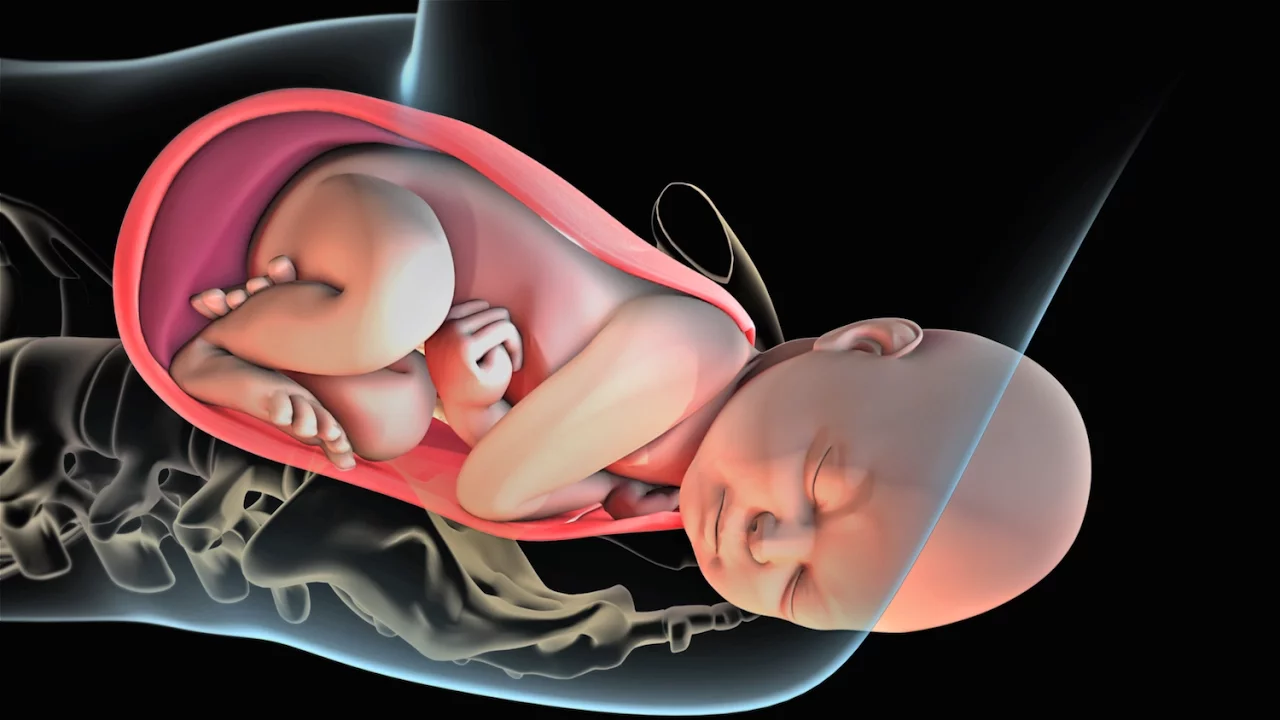
Stages of Labor and Vaginal Birth | Childbirth Animation
@nucleusmedicalmedia
52.1M views•2017-08-18
Related Study Plans & Knowledge Roadmaps
Structured learning paths in Medicine