













![How is reasonable compensation calculated? [S-corporation owner W-2s]](https://i.ytimg.com/vi_webp/RiwWU0WjuZk/maxresdefault.webp)





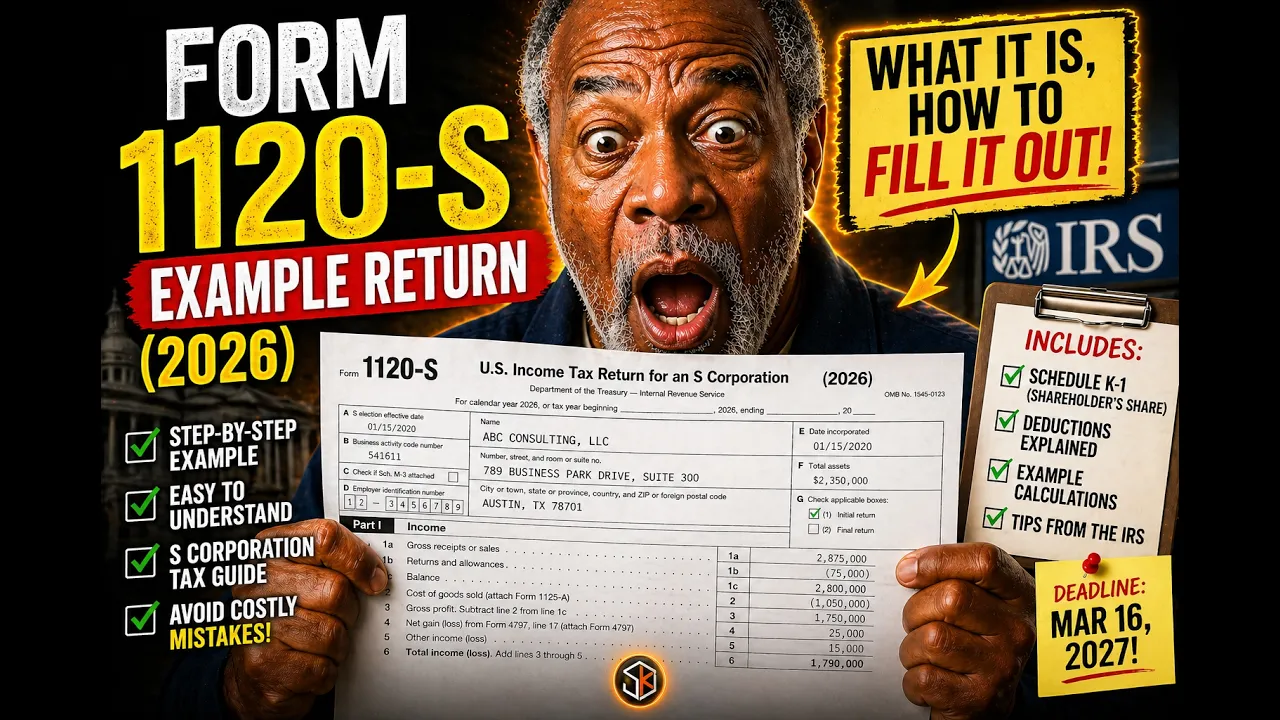
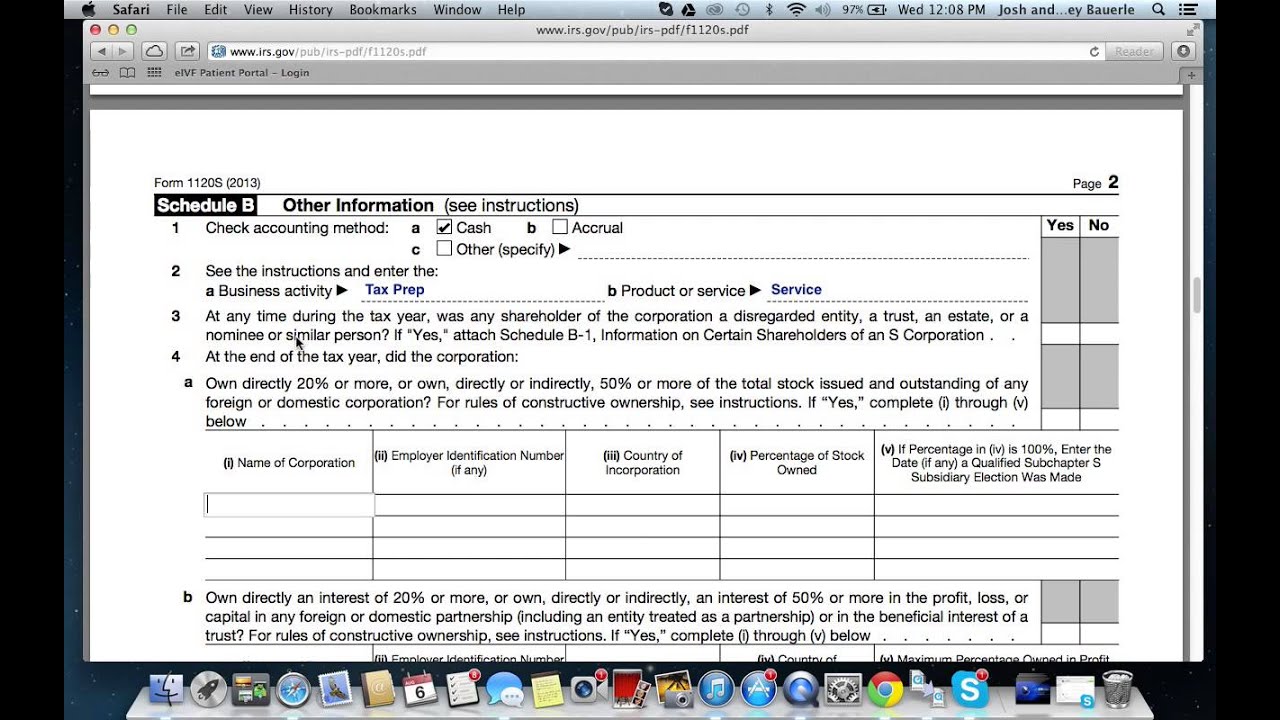






An LLC is a legal business entity type, while an S Corp is a tax classification; the key difference is that LLC members receive distributions subject to both employment tax (15.3%) and income tax, whereas S Corp members can pay themselves a reasonable salary (subject to both taxes) and receive distributions (subject only to income tax), potentially saving significant taxes on distributions, though this requires additional administrative costs and payroll compliance.
LLC vs S Corp: Tax Classification and Business Structure Explained
Added:The difference between a legal business entity (state level registration) and an IRS tax classification (federal level taxation).
The concept of pass-through taxation, where business profits and losses flow directly to the owners' personal tax returns.
The basics of self-employment tax (Social Security and Medicare) and how it differs from standard income tax.
Fundamental business entity structures, specifically the primary characteristics of a Sole Proprietorship and a Limited Liability Company (LLC).
How to calculate and justify 'reasonable compensation' (W-2 salary) for S Corp owner-employees to satisfy IRS audits.
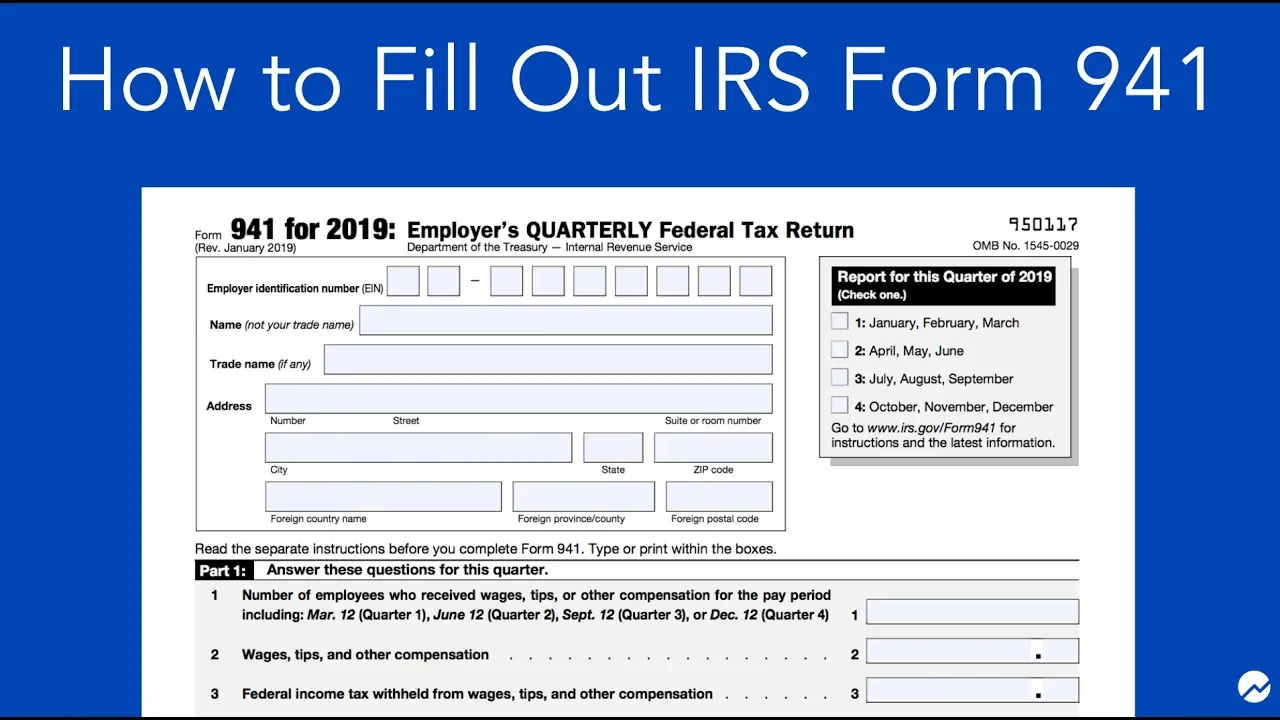
The operational mechanics of running payroll, including withholding federal/state taxes and filing Form 941.
Understanding tax compliance forms for S Corps, such as filing IRS Form 1120-S and issuing Schedule K-1s to shareholders.
Evaluating the impact of the Qualified Business Income (QBI) deduction (Section 199A) on LLC versus S Corp tax savings.
28.4K views1.5Klikes21:46Original Release: 2022-02-02
llc versus s-corp what does it mean what's the difference and can it really save you a ton of money in taxes i'm about to explain hi this is all up in your business i'm aiden durham business and branding attorney with 180 law co in colorado and i have helped hundreds of clients set up successful and tax efficient businesses while i do not claim to be a tax expert i know just enough of the basics to be dangerous and so i talk with my clients a lot about taxes tax deductions and how to best structure their businesses to minimize their overall tax liability at least as much as possible usually a client will come to me saying they're not sure if they should form an llc or an s corp they're not sure what the difference is what it really means if they really need one or the other but you know their uh sisters cousins brothers uh girlfriend's nephew said that you know they own a business and they said you definitely need to set up an s corp so i'm going to explain to all of you exactly what i explained to all of them what it means to be an s corp the tax differences between an llc and an s corporation when it's beneficial to be an s corp and more importantly when it is not beneficial so this video in particular is going to be a lot about the what and the why of s corp what is it why do we care next week's video though is going to be all about the how how do you become an s corp if you've decided that's the right move to make so if you haven't subscribed yet hit that subscribe button and be sure to click that little bell so you get a notification when i post a new video so you don't miss next week's video or any others all right s corpse before we really dive into it let's start with some of the basics we first need to differentiate between an entity and a tax classification an llc is a type of legal business entity an s corporation is not a type of business entity it's only a tax classification an llc is not a tax classification it's only a type of entity so first things first llc entity type s corporation tax election or tax classification so whenever we're starting a business llc s corp whatever it is we're starting with the entity type most commonly this is going to be an llc or a corporation now don't confuse corporation with s-corp they're not the same thing a corporation is like an llc a legal type of entity but a corporation isn't a tax classification so you pick the entity type llc or corporation and then we move on to how's this thing going to be taxed there's a default tax classification for both types of entities if you form a single member llc the default is that it's taxed as a sole proprietorship or as a disregarded entity there's no llc tax classification with the irs the irs doesn't tax you as an llc they tax you as a sole proprietorship in a single member llc by default similarly with a multi-member llc the default tax is as a partnership again there's no llc tax classification single members get taxed as a sole proprietorship multi-members get taxed as a partnership and with a corporation the default tax classification is as they see corporation so we've got the corporate entity type but then we've got the tax classification as c corporation which means it's being taxed under the sub chapter c of the internal revenue code and so either entity type can elect to be taxed in a different way than what it would be taxed as by default so an llc single member or multi-member can elect to be taxed as an s-corporation instead of its default sole proprietorship or partnership classification and the same way a corporation can elect to be taxed as an s corp instead of a c corp so that's the first big thing to get out of the way the difference between llc as an entity and s-corporation as a tax classification for the rest of this video i'm going to be focusing on a single member llc that is electing to be taxed as an s-corporation for my examples and stuff but the rules generally apply uh regardless of the entity type because it doesn't matter what the entity type is we're worried about the tax classification which is s-corp so the question of what's the difference between an llc and an s corporation the only difference aside from some procedural differences but the only difference is how they're taxed so the real question isn't llc versus s-corporation it's sole proprietorship versus s-corp or partnership versus escort because we're comparing the tax classifications and there is no llc tax classification but like i said we're talking about llcs electing to be taxed as an s corporation so the owners of an llc are called members members of an llc aren't considered employees of the llc and they can't be employees by you know tax rules and stuff they're members members aren't paid a salary instead they're paid through distributions of the llc's profits but when an llc elects to be taxed as an s-corporation the members can now pay themselves a salary and distributions and this is where the fun really comes into play because the irs taxes salaries differently than they do distributions a hot take here you guys the irs wants to collect taxes i'm just kidding that's not a hot take i'm pretty sure we all know that the irs cares about taxes in this context primarily they care about employment taxes and income tax like i said in the beginning a single member llc is by default taxed as a sole proprietorship and in this situation the llc is considered a disregarded entity or a pass-through entity the irs is disregarding the entity structure and is just taxing them as a sole proprietorship and so it's a pass-through entity meaning that the money passes through the llc and goes to the member and the member can't be an employee can't be paid a salary so that passes through as distributions and distributions are subject to employment tax and income tax a multi-member llc works the same way but instead of being taxed as a sole proprietorship it's taxed as a partnership and it's still considered a pass-through entity the money passes through the llc to the members in the form of distributions and again those distributions are subject to employment and income tax but if an llc elects to be taxed as an s corporation then the members can now become employees and the income generated by the llc can be paid in the form of both both salary and distributions the salary part is subject to employment tax and income tax but the distributions in that case are not subject to employment tax only income tax there's no employment tax on the distributions it's only applied to the member's salary so that's the big main difference between an llc and an s corporation is that the distributions in an s corporation aren't subject to employment tax only income tax and this is where you can potentially start seeing some significant tax savings when you're in business for yourself this whole tax thing can be really complicated speaking from personal experience and even as someone who has a degree in finance and a law degree one of the very best things you can do for yourself and your business is get a trusted tax advisor on your team from like the very beginning as soon as humanly possible if you want to know what else you should be doing when you start your business in addition to finding a good tax advisor check out the link in the description to download my free new business checklist okay so now that we know kind of the the concept behind the differences between an llc and an s corp let's look at some numbers and do a little math to see how it actually works out now heads up please i'm i'm rounding numbers and i am grossly simplifying things here for demonstration purposes okay i just want to help you guys understand kind of the concepts of how it works not all the intricacies of tax law all right so employment tax uh total is 15.3 percent to make my math easier i'm going to round that down to 15 your income tax rate is going to depend on your tax bracket again to make things easy i'm going to say 25 income tax rate now again please remember i am i am grossly simplifying all of these numbers the u.s tax system is a progressive tax system there are different tax brackets and just because you fall into the upper tax bracket doesn't mean all of your income is taxed at that amount it's progressive so if you make up to the amount up to x number is taxed at this rate up to x number is tax at this rate and so on so it's not like a flat tax rate like i'm going to be using in this example again this is just so you guys understand how it works uh the math is not exact this isn't exactly how things work in real life but it's so you guys can understand the the concept behind how this works okay there's also like limits on employment tax and i'm not taking into account any kinds of deductions or credits or anything like that so just don't come at me with that this isn't how taxes work i know this isn't exactly how taxes work but the idea is that this is how an s corp works okay okay so 15 employment tax 25 income tax let's say our business has a taxable income of 150 000 in a single member llc the irs is going to look at it as if you took a distribution of a hundred and fifty thousand dollars so that 150 000 will be subject to the 15 employment tax and the 25 income tax so that's what forty percent forty percent of a hundred and fifty thousand is what sixty thousand i'm just kidding i bet you guys think i just did all that math in my head i didn't i had to calculate it beforehand and i wrote it down anyway so 25 tax plus 15 tax on 150 000 is gonna be 60 000 total taxes due for that single member llc so now same situation but this llc has elected to be taxed as an s corp hundred and fifty thousand dollar uh taxable income and let's say the member has taken a salary of seventy five thousand the employment tax plus income tax on the salary equals 30 000 the income tax only on that remaining 75 000 distributions equals 750 add those two together and we've got 48 750 total due in taxes saving you uh close to eleven thousand dollars so eleven thousand approximately saved ver uh as an s corp versus a single member llc tax as a sole proprietorship so we can see here how those numbers can break down to save this taxpayer 11 000 in taxes so we're thinking great this sounds spectacular why don't we all do that well while there is a lot of benefit to an s corp there are also a lot of drawbacks in electing to be taxed as an s corp and it's not the right move for everybody the first drawback of an s corp is that you have to pay yourself a reasonable salary think of it kind of like what you would reasonably expect to pay another person for doing your exact job the irs has given us guidance and opinions on what is and isn't considered reasonable but there's no like bright line rule of all right you do this this is your reasonable salary it's up to us to figure out what that reasonable salary is and if the irs doesn't agree with us and doesn't think that it is indeed reasonable then they can you know revoke the s corp election and charge all kinds of back taxes and fines and could get in you know some sticky situations if you're not paying yourself what the irs considers to be reasonable so that's the first drawback is that you have to make sure whatever you're paying yourself as a salary is reasonable there's also just more cost and effort involved as an s corporation you have to run payroll there's more complicated uh tax withholdings and tax filings and it's almost always going to require the help of a tax professional i've seen some folks give estimates that like the cost of making an s corp election is around like two to three thousand a year yeah of course that's going to vary from business to business but that's kind of a good uh starting point is let's assume the cost of being an s corp is going to cost us a be about two to three thousand a year so keeping that in mind let's think back to um that previous example that i gave same situation except uh let's say there's a fifty thousand dollar taxable income instead of a hundred and fifty thousand so fifty thousand dollar taxable income for a single member llc tax is a sole proprietorship again it's a total of forty percent tax rate if we're including employment and income tax so forty percent of that fifty thousand would result in a total tax bill of twenty thousand dollars but now we're doing the s corp election and so we're still the taxable income is still fifty thousand but as an s corp the member uh has to take a salary and let's say that salary is forty five thousand so that forty five thousand dollar salary still has employment and income taxes um applied to it so that'd be about eighteen thousand dollars in taxes on the salary and then just the income tax on that remaining five thousand dollar distribution that would be 12.50 so as an s corp the total taxes would be what 19 250 compared to 20 000 as a single member llc so assuming that cost of two to three thousand dollars uh for the s corp election we that's that means that we're paying two thousand dollars for the year in order to save 750 in taxes so you can see there that it's not always going to be beneficial you may save in taxes but that might be negated by what you're paying in addition for the the benefit of being an s corp and there are also some limitations with regard to like reinvesting money back into the business as an s corporation too if there's a surplus of money and you want to reinvest it back in the business that doesn't always make sense as an s corporation so those might be situations when an s corporation does not make sense for you if you just don't want to deal with the extra hassle and cost if you're not generating enough profit to over you know outweigh that added cost if it's not going to be worth it then you know what's the point but there are a lot of situations where the s corp election is going to be very worth it so situations where you should make an s corp election is if you know you're gonna be making a lot of money and you want to take all or pretty much all of it like to pay yourself i mean strictly speaking if you're not making enough money then the s corps is not going to do you any good what the heck does enough money mean there's no again there's no brightline rule of when you're making this much money you should be an s corp some people put strict numbers on it like oh if you're making a hundred thousand you should definitely be an s corp i don't like to look at it that way i take a kind of practical approach if your business is making enough money that it can sustain itself and you like if you're paying your if you're able to take enough money to you know uh live the lifestyle that you want to live and in addition to that the business is making enough money to sustain itself then that might be a situation where you want to explore the s corporation election that doesn't necessarily mean that it's going to make sense for you but that would be a situation where it'd be worth talking it over with your tax advisor if you don't know how much money your business is going to make or if uh you're just starting your business and you don't know what your profit is going to look like for the year you don't have to make the s corp election right away you can do it later on especially for folks who this is their very first situation experience being in business for themselves i almost always unless we are 99 sure you're gonna be making well into the six figures i almost always say hey let's give it a year see how this first year goes see how your numbers look and then reassess and talk about making this election next year if you're going to be making a lot of money and you want the ability to reinvest some of that back into the business in the current year then it might make more sense to uh stay taxed as a sole proprietorship or a partnership not making that s corp election and if you plan on having a big surplus of money and you want to reinvest that back into the business maybe in future years then that might be a situation where c-corporation makes more sense so as we can see this whole tax thing like i said is pretty complicated and it gets even more complicated when we start talking about s corporations making an s corp election is not something that you should do uh for light-heartedly or without really thinking the whole thing through it can have a a good implication good impact on your business but it can also have a very negative impact with anything that has to do with taxes anything that has to do with taxes and really anything that has to do with any kind of law it's always best to consult with a tax professional cpa or a tax accountant to help you determine if the s corp election is going to make the most sense for you in your business because like i said you have to start doing payroll you have to figure out your reasonable salary you have to do additional filings and more complicated tax filings and these are all things that if you're trying to run a good profitable successful business you shouldn't be doing this stuff on your own unless your business is a tax business but if you're doing anything other than tax then you probably shouldn't be doing this yourself and you should leave it to the pros and there's a lot of other stuff that you want to do when you're starting a business in addition to getting a cpa or tax advisor on your team if you want to know all that other stuff that you should be doing check the description for a link to download my ultimate new business checklist for free if you got value out of this video hit that thumbs up button and share this video with all of your friends and family and spread the good word of all up in your business and be sure to check some of my other videos for more legal tips and tricks and don't forget to subscribe so you don't miss next week's video where i'm going to tell you how to make an s corp election if you've decided that's the right thing to do thanks so much for watching i'm aiden durham and i'll see you next time [Music]
Up Next

10:21
DRAM Cartel: History of Memory Price-Fixing Collusion Unveiled
@GamersNexus
585.1K views•2026-03-07

12:54
Triumph of Orthodoxy Icon: Byzantine Art & History Explained
@BenCallan
2.1K views•2024-08-06

9:49
FastAPI vs Flask vs Django: Choosing the Right Python Web Framework
@TechWithTim
302.5K views•2024-05-26

1:42
Game of Thrones Opening Credits: A Cinematic Analysis
@gameofthrones
46.3M views•2011-04-18
Related Study Plans & Knowledge Roadmaps
Structured learning paths in General & Interdisciplinary Studies
general-studies
Elevator Engineering: History, Physics & Cities
01From Hoists to Safety Brakes: The Dawn of Vertical Lift
02Hydraulic vs. Traction: The Engineering Physics of Elevators
03Modern Speed, Safety, and Algorithms
+ 2 more learning modules
12h5 modules
Explore Roadmap
general-studies
Rubber: Material Science, History & Geopolitics
01Origins of Natural Rubber & Mesoamerican History
02The Chemistry of Natural Rubber & Vulcanization
03The Geopolitics of the Rubber Boom & Colonization
+ 2 more learning modules
12h5 modules
Explore Roadmap
general-studies
Containerization: Evolution, Logistics & Trade
01Ancient Trade & Bulk Cargo: Amphorae to Barrels
02The Industrial Revolution & Cardboard Packaging
03The Containerization Revolution: Malcom McLean
+ 2 more learning modules
12h5 modules
Explore Roadmap
general-studies
Textile Tech: Evolution, Labor & Global Impact
01Pre-Industrial Textiles: Handloom & Cottage Industry
02Mechanization: The Spinning Jenny to the Power Loom
03The Factory System & Global Labor Transformation
+ 2 more learning modules
10h5 modules
Explore Roadmap