


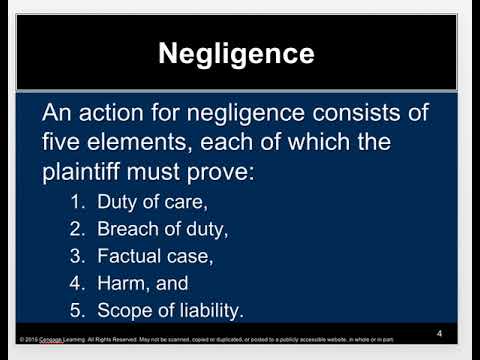



















Product liability law is governed by Restatements of Torts, with Section 402A establishing the consumer expectations test and Section 402B defining strict liability for defective products; effective subrogation requires prompt investigation to preserve evidence, identify all potential defendants in the distribution chain, hire qualified experts to prove design defects under the reasonable alternative design standard, and navigate challenges like the statute of limitations trap and foreign manufacturer jurisdiction issues.
Product Liability Claims: An Engineer's Legal Perspective
Added:Basic concepts of tort law, specifically the definitions of negligence, strict liability, and breach of warranty.
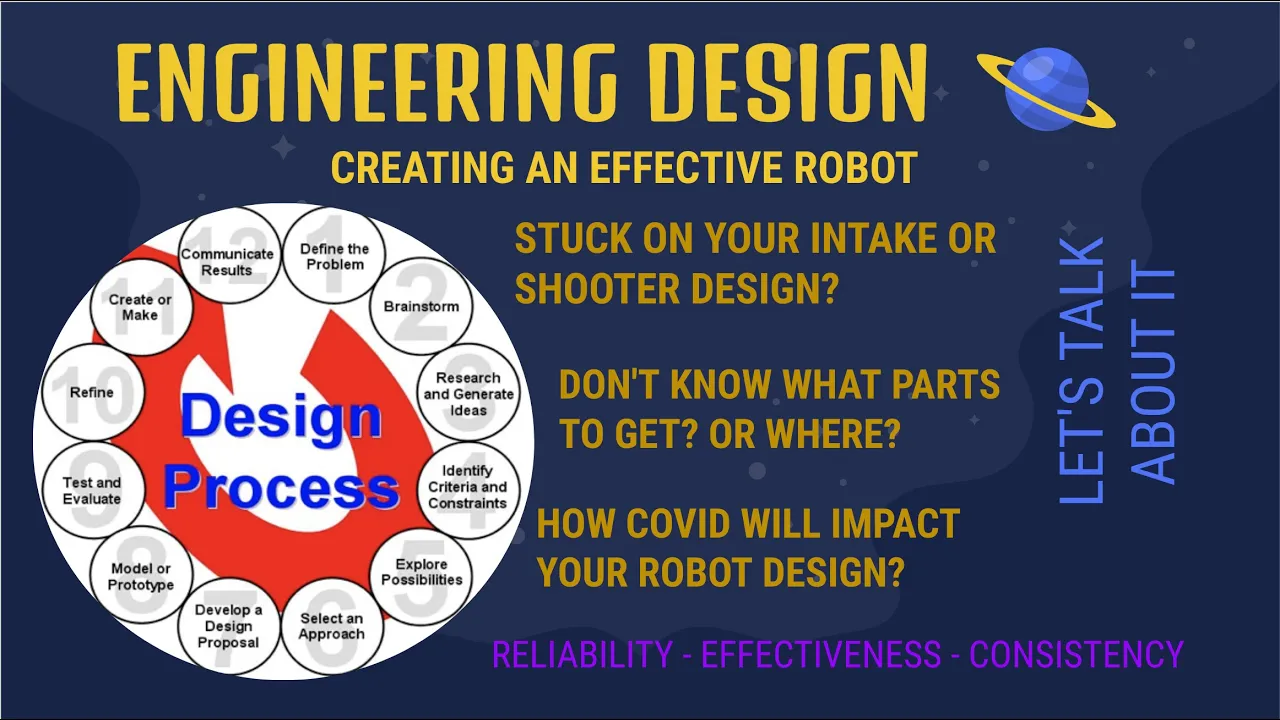
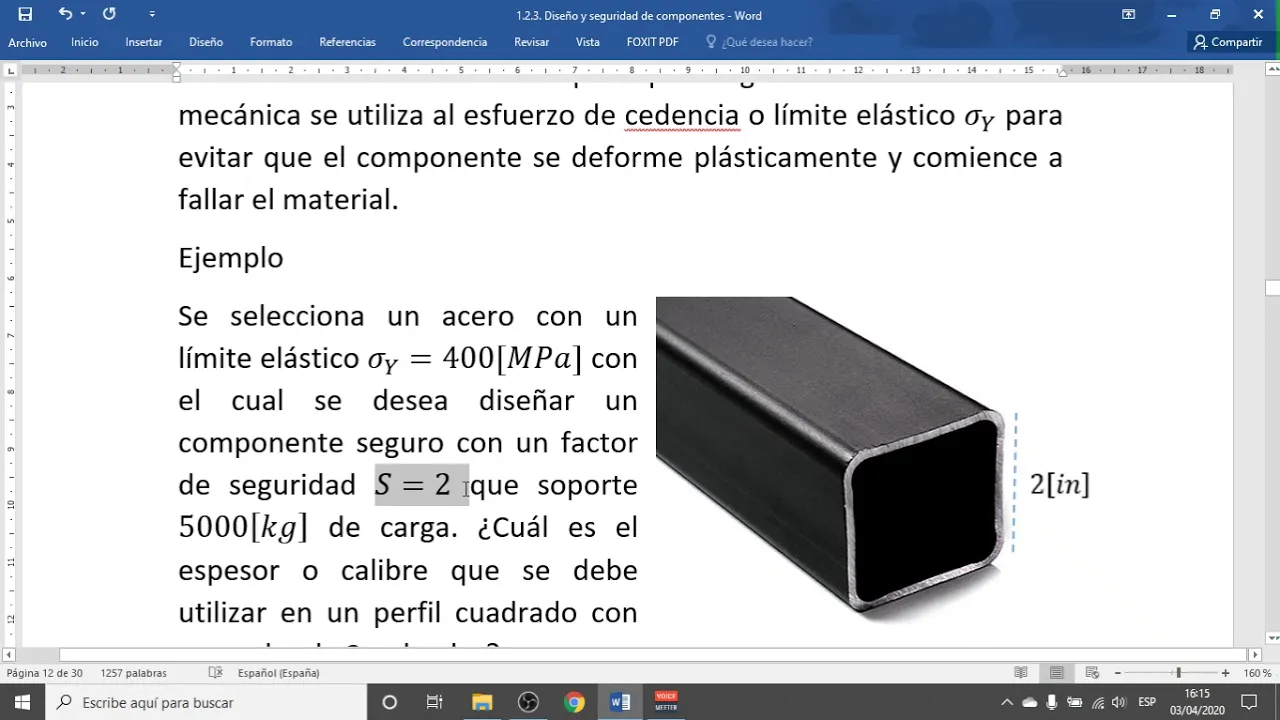
Fundamentals of the engineering design process, including safety factors, risk assessment, and adherence to industry standards.
An introductory understanding of insurance claims, particularly the concept of subrogation and how insurers recoup losses.
The basic rules of evidence preservation, including why chain of custody is critical in legal disputes.
Advanced forensic engineering methodologies used to scientifically determine the root cause of product failures.
The legal standards governing expert witness testimony, such as the Daubert and Frye standards in United States courts.
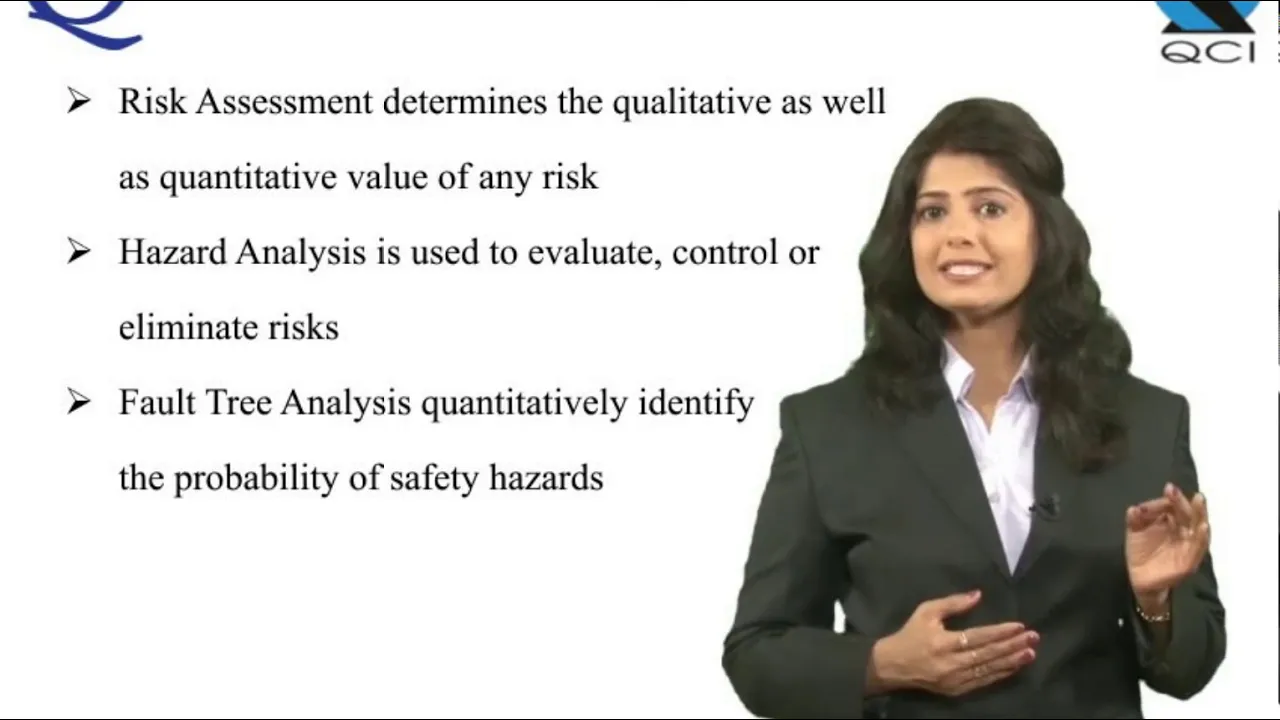
Proactive engineering risk mitigation strategies, including Failure Mode and Effects Analysis (FMEA) and Hazard Analyses.
In-depth analysis of landmark product liability case studies (e.g., the Ford Pinto or GM ignition switch cases) to evaluate engineering ethics and legal precedents.
136 views2likes59:20Original Release: 2018-01-08
you once again my name is Aaron plumb an attorney here with Matisse and Wickard and there and we're going to discuss a little bit of product liability this morning and I know it's a hot topic for a lot of subrogation adjusters in kind of how you recognize that there is a product liability loss how you pursue that and hopefully I will give you some helpful tips and tricks to kind of guide your way through what really has become and you know will be a major part of subrogation recovery here in the future I'd first like to kind of talk about the basis for for product liability really there's there's kind of the two Restatement of torts and you you hear these things thrown around a little bit now I'll show you some language from the restatements but the restatements basically are a panel of attorneys judges law professors that look at the law and kind of try to make a general law for everybody to adopt and follow it has its you know it has this proponents and it you know people you know not necessarily don't like it either so if there's two sides of the coin but a lot of states look to the Restatement and a lot of legislators look to the Restatement to try to take the basis of their their product liability laws and so you'll see states adopting in whole the Restatement second of torts the Restatement third of torts or they'll also kind of mix and match and they'll do that through their own products liability acts so you really have to be aware of which state you're in who you are allowed to you know to pursue what the law states you know as far as your your burden of proof what the law states as far as whether you can pursue a supplier or a component manufacturer and I'll explain a little bit of that later but just kind of going through the Restatement second of torts this is section 402 a and this is the language that you kind of have to follow along with that because a lot of states early on have adopted this a lot of times it's called a consumer expectations test and that comes through you know Part B there it is expected to you know and does reach the consumer without substantial change in the condition which is sold and you know any product that is in a defective condition unreasonably dangerous to the user consumer and it's a lot of times it's used as you know what did the consumer expect if you know throughout this webinar I think I'll probably go back to the tried-and-true water supply line case I think many of you have probably dealt with these in the past and you know the consumer expects that that he has installed a supply line that you know will not break will not fail you know will not spray water you know all over his his bathroom or home and you can kind of compare that with the Restatement third of torts and the Restatement third each time they do these restatements they they try to to take some of the you know the bad parts of the the previous Restatement some problem areas and they try to fix them and you know sometimes that creates new consequences and new new issues but the section two of the Restatement third it kind of wraps everything up into into one section you have a B and C you know a is your manufacturing defect B is your design defect and Part C is your Ian adequate and you know instructions or warning but the the big change in the Restatement third really comes in with with Part B and that can a lot of times be a game changer as far as products liability is concerned and that's because you need to prove that in order to to prove that a product is defective in design you're gonna have to prove that the foreseeable risk of harm posed by the product could have been reduced or avoided by the adoption of a reasonable alternative design and so not only are you going to have to have a you know an engineer give you an opinion regarding the fact that you know that there is a design defect he's gonna have to tell and why but he's gonna have to tell you well instead this seller or manufacturer could have you know could have done this and you know it has to be a reasonable alternative to the alternative design it you know it has to follow along with you know manufacturing principles and sometimes that's easy such as our case of our water supply line we know that in the past they have designed the the supply lines differently and I'm going to explain that later on kind of what they what they used to have and what they've moved to and so you know that there is a reasonable alternative design out in you know that was in the marketplace for other larger machines maybe custom machines when you're talking about guarding for presses you know brake presses or guarding for other machines that can be a little bit a little trickier because you're gonna have to have an engineer that is comfortable not only with inspecting the machine and knowing how it operates but you may have to have an expert who is has you know design guards it has design guarding it knows you know where these guards should be placed and you know can give me an opinion on on why it is deficient and so oftentimes that's going to lead more costs for for the for the plaintiff or the insurance company of the subrogation insurance company in this case and so you really have to be aware that you know in states that have moved to the Restatement third of torts and a lot of times these days states are moving just as a quick example you know tort reform comes up and gets thrown around a lot and this is one of the cases that it can really hurt because if a state moves to the Restatement third of torts all of a sudden you know you're essentially changing the game as far as what you need to prove with God to move to it in 2011 I know other states are looking towards you know moving in that direction and so you can't have to be aware of you know what your state is you know the thing as far as as the as the legislation goes what do you need to prove sometimes states mix up the two they they throw a little bit from one and a little bit from the other they kind of keep you know as far as strict liability law goes they might say you know the Restatement third but as far as just just ordinary negligence thing they follow the Restatement second so just be aware of the state that you're in and you know what uh what the requirements are for that state some other legal issues just to kind of be aware of when I talk about strict liability strict liability essentially means that if you're able to prove that you know that there was a design defect the manufacturer is is the only person liable for that you know that defect however some states do apply comparative law and they apply you know they look at the negligence of the plaintiff you know did they know that this supply line was rusty corroded and they they let it go and they used it anyway did the you know did the worker know that the guard was off of this machine and he knew that some of the machine should have had a in place but for the you know the the time value of you know of keeping the guard on and whatever that he removed it and therefore you know you might have his negligence being applied or being looked at and and that can really affect your you know affect your your claim the economic loss doctrine the economic loss doctrines essentially states that when there is a damage to the product only let's say you have a fire loss in a vehicle a lot of times the economic loss doctrine will not allow you to subrogate or subrogate for the cost of the vehicle if you have other damages if there are contents damages or let's say the fire started in a garage and the the garage and house burned down those are you know ancillary damages that that would apply so just kind of be careful that that you don't put a lot of money into a case and find out that well you're only able to recover you know the only loss is the vehicle itself and that is precluded from recovery there are ways around that as as always some states have a heavy and accident clause where if it's a sudden accident all of a sudden the brakes you know go out and cause a fire or whatnot that can kind of be used to get around that we're also starting to try to use consumer protection laws to try to get around that to kind of use consumer protection laws as far as you know statements made by the manufacturer to try to avoid it and kind of go more of the wrong chrome on the warranty route and then finally just just watch out for the statute of limitations trap a lot of companies like to delay you know cases by requesting more documents by asking more questions and in in essence all they're doing is it's delaying you know your filing of a lawsuit to try to recover your you know your liens and so a lot of times happens is that you will sue one entity that you believe to be the manufacturer and it turns out that they're the distributor of the part or they're this the seller of this and that there really is another manufacturer that is you know that is liable and then all of a sudden you're running up against the statute of limitations and you need to bring this this party in and it's our you know the statute of limitations has already run at that point you know you there are a couple of options and in various states that you know you but for the most part if you can leave yourself enough time and avoid that that kind of that trap you'll be better off in the long run because you'll have plenty of time if all of a sudden the component part manufacturer pops up you'll be able to include them in the suit so how do you how do you recognize you know a product liability you know loss and how do you recognize that there's subrogation potential and and a lot of times that comes with with training and experience but you know most times you know the cause of the loss is evident the supply line broke you have water you know blowing everywhere the insured saw that it was flowing from you know the toilet supply line the insured saw that it was flowing from the washing machine but you know sometimes with regards to fires or you know other catastrophic losses you know a lot of times you're going to have to put on your plaintiffs hat and really dive into the investigation and find your evidence to prove your case you know and that means you know getting experts on board getting investigators on board but the key is a lot of times is that you know you're gonna have to think almost like a plaintiff in you know how do I you know how do I pursue this case and what do I need to prove in order to pursue it and as before you know that means understanding the law in understanding what type of evidence you need and in the beginning stages you know all evidence is important so we'll talk a little bit more about that here as we go your investigation goals is to a lot of times always preserve the evidence that's what you need to prove your case and so you need to preserve that evidence you need to put people on notice of the loss you need to identify you know defendants as their manufacturer is there a supplier is there a component part manufacturer and so you really need to identify you know who is who can be your target but you also need to identify witnesses especially in the matter of fires or other you know losses where you know the cause of in origin may not be evident well you know what happened what did you see that also allows you to kind of do your homework as far as your you know your initial steps go are there coverage issues you know was this a case of arson you know if your cause and origin investigator is is you know is able to put that down you know right away then you can kind of you know mitigate your cost upfront but you know are there any exclusions to the policy I mean are you not going to pay out on this claim for for some reason because the insurance policy excluded it so at that point you can kind of work hand in hand you know with with any sort of a liability background to kind of take a look and say well alright you know if coverage is going to be excluded then you know there's there's no reason to go forward and spend the money on investigation but it also can help you if there are you know if there is an investigation and there is potential to determine the damages and find out you know keep keep things cost-effective as far as investigation versus you know recovery and so if you have a high damage case it may be worth its while to spend some more money upfront to really pursue your case instead of you know kind of letting something go and then learning that well I really should have you know kept this this piece of evidence I really should have gotten this person involved sooner so and as with most investigations you know who what when where why how always the questions you should be asking yourself and always the questions that you're trying to find the answers to you know the who identify all potential target defendants so that's not only just the manufacturer but it could be a supplier who did you buy the big part from who did you buy the washing machine from at Home Depot Lowe's somewhere else you know has maintenance or other work been recently performed is there a service provider that recently performed you know work on this part is there an installer that it recently installed the part you know all of these parties should be placed on notice so that if they you know if they want they can come and take a look at the evidence you know while it is still you know in the field if if possible if it's just a you know a supply line per se you know invite them to any sort of testing or inspection that you want to do after the fact is there a previous owner of the equipment so that previous owner modify anything that he modified one of the guards on the equipment you know was a modified at all fro from the original condition and then you really need to look at you know the companies in the chain of distribution not only the seller but you know where do they get the part and a lot of times and I'll talk about this a little bit more in depth you have a lengthy oisin a distribution when you have parts coming from overseas so you'll have the remaining the foreign manufacturer and a foreign supplier in most times also a u.s. supplier and there's you know many people in the chain before it even gets to to be installed or it gets to the insured so what part of the investigation all of these all this investigation all you're trying to do is look at and investigate the facts and the details you want to learn as much as you can not only about the you know the part or what fails but the machine itself how it is used how it was used at the time of the of the loss and all of this is a valuable commodity because this is your one and only chance it's in order to gain enough evidence to put together your case and you know yeah as a subrogation insurance company you're going to need to prove that this you know that this part failed and that it caused the loss so you need to gather as much information as possible as soon as possible before you you know you even start trying to you know make a demand or anything else you know I'm a legal side of things but you know it's your chance to interview the employee potentially before he or she is represented it is a you know an opportunity to uncover other third parties you know oh there was an installer of this rate let's put them on notice you know they're you know the gas company was doing work you know outside of the home you know two days before the explosion well you know what we need to put them on notice so it kind of really gives you a chance to get your hands around the entire scope of the of the issue and as I said you need to do this as soon as possible after loss not only because a lot of times the insured wants you know whatever happened to be repaired to be cleaned up but also you know witnesses their memories fade over time and it's your chance to to kind of catch them while everything is fresh in their mind and a lot of times you know the more time that you like go buy it allow evidence to deteriorate especially you know up here in the Midwest and I know the East Coast has been hit very really hard by you know the cold weather and the winter storms if you have let's say a fire loss that destroys a you know an entire building well that building is now sitting out in the elements you know oftentimes it's not feasible to tarp the entire structure so you know not only is your your your evidence getting you know snowed on the Sun is heating it up melting in the snow which is refreezing you know overnight and you a lot of times this can either you know hamper the investigation or may even you know caused enough damage to where you can't you cannot determine the cause of the of the loss you can't determine that a gas fitting failed and you're not able to save that gas fitting because you know enough damage has gone over time so you want to try to be diligent and keeping people up to date and getting these inspections you know scheduled you know as soon as possible on larger claims that's tough because you have a lot of you know defendants who are all either you know scrambling to get their insurance companies involved or getting attorneys involved and they have all their own experts but you really want to try to push it and be diligent and getting these inspections you know scheduled as soon as possible if there is a lost sight if there is you know a lot of damage you know yeah fire or other loss you'd like to inspect the loss site with all potential defendants if possible and then your expert should be able to retain that evidence for future study he needs to go through and document his you know what he took where he took it so it can be you know inspected in a laboratory under you know more ideal conditions and a lot of times if you're out in you know the dust the dirt the snow rain of of the of the loss site when shipping evidence always try to take care I'll talk to i'll keep keep discussing this and in a little bit more in other slides but you always want to if you're you know if you're shipping the evidence anywhere you want to take care of that the evidence you know when it's sent it's packaged so that it is received in the same condition as as which is sent because anytime you have a you know if something were to happen to that that piece of evidence you know worst case that gets lost and then your here's your teeth you know can be thrown out otherwise if it's damaged and your expert you know in the future can't tell you know what was the cause of the original loss versus what was the damage and shipping you may be you know your teeth may be harmed by that as well and as I've kind of spoken the why it's you know it's your might be your only chance at at the evidence the the repair company is going to come in they're gonna clean up the place they're gonna throw out you know essentially everything else that you know as rector ruined you may miss that that piece of pipe that has a pinhole in it you may miss that you know that's that supply line that you know where all of a sudden the coupling not has has broken so identify you know retain your evidence it also it gives you an early opportunity to you know kind of explain the subrogation process to the insured a lot of times you know in insurance if they're a homeowner or an owner of a company they're not really sure why you're involved they just want their you know they just want their home fixed they want their you know their worker compensated and and back to work but it gives you a chance to be involved in to you know recognize the issues and really you know explain why you need to investigate this this accident or this loss you know essentially it's going to be a walkthrough of your of your third party lawsuit you have your evidence you have your experts they're gonna let you know if you know what other evidence they may need they need to take you know I need to take all this gas line coming from this fitting I may need to take this dryer even though you know it may not be part of the loss per se but you know if a gas line leading to the dryer failed well we need to you know we need to save this as well in order to eliminate you know any other causes so gives you that chance you can lock witnesses into positions you know in testimony you can you know if if they change their story you know throughout you know you can kind of get to know the testimony that's out there and you know if they change it in the future then you you know you're at least going to know that if you don't in you know if you don't investigate or interview them until you know weeks or months after you know they may not remember or they they may remember incorrectly also the final one you'll notice the parties and government entities most of you probably know that you know the government mental entities operate on their own notice requirements a lot of times if they're a much shorter window to give them notice of acclaim and so if you have one involved just take care of that that you get them notified with your claim information and whatever else may need to required in a timely fashion so how do you do this you take statements recordings you get experts involved to take photographs and preserve the evidence you may have investigators you know interviewing witnesses you really just need to document the scene you need to document what happens you know and then you can kind of try to figure out why it happens but you know engaging an expert right away is a lot of times important or at least an investigator to kind of pinpoint your cause and origin to make sure that all the evidence is being kept track of any you know in a timely fashion so that nothing is lost and then you know you can you can look at the case you can summarize it for your colleagues to take a look at you know and even maybe engage subrogation counsel to assist with either the you know the investigation itself or if your case is you know a good one to either take the trial or you know just make demands and how to proceed so as I said before you know hiring an expert is is important so so how do you hire how do you select and hire an expert and you know really it comes down to a lot of times you know who you are comfortable with you know you need to work with the the expert and provide some direction and also take some advice from him on on what needs to be done a lot of times you know you should try to hire these experts you know right away especially a cause and origin if it's a bigger loss and you know there may be some mechanical or electrical issues you you may want to to get an engineer involved right away in order for them to make sure you you know you preserve enough evidence you know origin versus cause you know you have you know a lot of times it's in there called cause and origin experts because they're looking at you know where where did this fire originated where the look where did the loss originate and then what caused it well it's the it's the washing machine you know the the insured notice that water is running out of the laundry room you know we see a crack in the the drum of the washing the washing machine unit we can take this and you know secure it for you know further inspection by by an engineer if you have some sort of a workplace accident you may need something like a human factors a biomechanical engineer to kind of take a look at well how did this how this person interact with this part or how did this person interact with you know this this product and I'm sure all of you have seen you know expert databases and referral companies and while you know those are fine you still need to be comfortable with your your expert you really need to interview your expert just like you were to interview another you know an employee or even an attorney you know have they handle these losses before have they do they have an understanding of the product involved you know so if you're comfortable with them then you can kind of look and see you know the budget and you know how cost-effective they're they're going to be you know you a lot of these a lot of bigger companies you know we're impious tonin just to name a few they're they're nice because they're you know they have a national president seeing you give one call and find somebody but you really still need to be comfort with that person and comfortable with with interacting and comfortable with with trusting that person I've had a couple of cases where it's nice to find somebody that is an expert in the field that they're there investigating there was a large valve that caused a workers compensation law sup and I in a hole in this valve came from a hydraulic dam and we were able to find an expert out of Seattle that used to design and operate these dams and so he had a knowledge and as soon as he was able to come in he asked the right questions he knew which questions to ask and you know it put the insured at ease and it also gave us the best chance you know in the future of recovery sometimes it's in a larger loss it may be more cost effective to even fly in an expert from somewhere you know cuz in the long run they're gonna save you money by knowing what you inspect who to put on notice and what are the previous you know losses in this instance and so sometimes it's it can be just as cost-effective to fly in an expert as to grab somebody that is down the road so just some some tips for handling experts you really sometimes need to help the expert understand subrogation just because you're an insurance company doesn't mean that you're defending the case and that can kind of be the the default setting for a lot of experts you know they hear you know insurance company they think well you know we're defending the case and while I like to say that you know all experts should be impartial in their in their views that initial bias can kind of help or hurt you know just and you need to state that you know we're trying to prove this case you know we're not trying to defend it and it kind of cuts both ways and that you know if your expert really understands the case he's going to know some of the defenses that that they're gonna try to you know attempt to bring but you know you really need to explain that you know what you're doing and you know and how you would like to go about doing it with regards to reports at the start I always say verbal get a verbal report save the written report for litigation it's you know a written report the experts file is discoverable and so you know a lot of times if you can just get a verbal report you can oftentimes save money especially if it's a case that you know there where there isn't a good subrogation potential but you need to have some sort of a your an inspection just to find that out well just get a verbal you know a verbal report from the expert and you can kind of walk through what when we're go and write what went wrong you know how can you proceed just be aware Tina custody issues I know a lot of insurance companies have their own you know evidence storage but you know a lot of times it's staying with the experts and most you know most experts have some sort of a chain of custody form or you know a chain of custody process so you can you know verify that this part has remained you know within somebody's control at all times and just a final you know on a damage experts we're seeing this a little bit more now in more complex cases Daubert is a a federal case where the in a lot of states have adopted the Daubert ruling in that not only you know must your expert be qualified but he must also base his opinion on some sort of I want to say scientific background he needs to have some sort a basis for his opinion in order to be you know in order to be qualified and we've seen that kind of being thrown around too now if you get a separate person on on damages and so a lot of times you know he's gonna have to potentially not only you know state what the damages are but he's gonna have to explain you know how he came about on this value no this valuation of this you know a piece of heavy machinery what are other you know pieces of heavy machinery going for why are you know why he came to this valuation so just kind of be aware that you know sometimes you know if he's going to be an expert and you're gonna you know you're gonna call him an expert he he made me to meet some heightened requirements so at this point I think what we're going to do is we are going to to do a little bit of trivia in this case and the the first person to to either either email Jaime Breen in our office or to to type it in the in the chat or submit submit this to us will will win one of our books you know the 50 states compilations my favorite is the the workers compensation subrogation book but the automobile or the fundamentals of insurance defense or ERISA are all extremely popular as well so the trivia question is going to be what is the total annual dollar value of property damage caused by defective products in the United States and so the first person to to get that to Jamie will will win one of our books and we'll announce the winner of that at the end before I take some questions I'd like to talk just a little bit about any large lost property investigation we've kind of hit these before and so I I'll just kind of go through this and that one of the main things you want to do is just to make sure that everybody is involved put everybody on notice you know get your your cause and origin person involved get a an engineer involved if needed if you know what the you know what the cause was surveyor you know and the goals of their defense are always that they're going to try to prove that there's an alternate cause and that you spoil eiated the evidence somehow and so you just kind of want to avoid those two instances in spoliation kind of gets thrown around a lot these days but you know the definition is you know the intentional destruction mutilation alteration or concealment of evidence and you know in in truth that intentional part you know kinda gets left out and you know it undermines the truth-seeking function so it gets thrown around a lot but in most instances it's either not applicable or there are you know the effects of it you know are not as as perceived so you know if you do everything if you're diligent and providing notice and protecting scene you know establishing your chain of custody and preserving the evidence you know a lot of times you're gonna defeat any kind of a bully and claim there you know the to sanctions would be you know either adverse inference that you know well they I destroyed this part because it would have damaged their case it's only presumption it's a you know it's in the jury instruction it's not a complete you know dismissal which some states do you know if you you know they could strike the introduction on the evidence you know if they don't dismiss the case outright and a lot of times you know if the court strikes your introduction of evidence at trial then you're you know that can't be taken into effect and so you know your case is going to be lost anyway but if you take the you know the the necessary steps a lot of times you know defense adjusters will will throw that around without without a whole lotta basis since we're getting a little late on time I just gonna just gonna kind of talk about handling insurance just a little bit you know you can oftentimes you know and you need to explain the concept of subrogation you can explain the process you know explain what you have to do and why you have to do it you know the issues always you know the insured's want the repair to start you know immediately and you if you you know can explain why you need to take the time to preserve you know your case a lot of times you know that I'll go far with regards to you know them being understanding that you need to take a week and you know get everybody on notice and get people involved to properly document the loss site so you know they're always they always want their their repairs to start you know immediately but a lot of times you need to take a step back at least for you know a day or so just to make sure that everybody is on board and that you're you're doing enough to to protect the the scene I'll talk a little bit about some of the common product liability failures that we see and I'm sure you know you guys are on the front lines of of these claims and so you know you you see these you know a whole lot more but the classic is the water supply line either you have the braided hose or the plastic coupling nut will will fail I think after this you know and after handling product liability you know losses I think everyone needs to go home and check their their their water supply lines because the braided the hose is made most times from stainless steel and most people think well stainless steel doesn't rust well that's not entirely true when it comes into contact with a chloride the chloride can can break down the metal and cause it to fail and and most appliance are made of a two-part system they have an inner hose which is made of a plastic and then they have the braided supply line or the line which is supposed to you know essentially protect that inner hose well as manufacturers have gone on they've made that in her hose out of a cheaper and cheaper plastic and so it cannot handle the homes water pressure in and of itself the the braided part really does that so when you lose the braided part of the supply line a lot of times you're gonna get a failure of the inner host right there manufacturers used to make it a three part system so that inner hole is carrying the water was surrounded by another hose which was surrounded by the braided line so if you had a failure of the braided line you know you still had two hoses inside that would hopefully you know protect it until the insured saw it and you know was able to fix it and if you had a breakdown of the the inner hose he still had two levels of security and I know that some manufacturers now are moving back not to the three hole system but they're making that inner line a little beefier to be able to handle these because you know as you know these these supply lines are under cabinets they're in behind toilets now people are not looking at at these supply lines even though you know the common defense is that well it's a replacement part that you're supposed to inspect well I've never inspected the the holes underneath my kitchen sink you know but but maybe you should but a common homeowner you know probably will never think about that until until it breaks the plastic coupling nuts I like the the water supply lines with metal nuts on both ends the plastic coupling nuts a plastic is is a loss point in that it's not some plastics can hold the hole you know stress over time others are not as you know it's not as capable and so when you have a plastic coupling nuts that is screwed on to onto a toilet a lot of times if it's leaking the insured will simply give that another twist or take a wrench and then even though you're really not supposed to take a wrench and you know tighten it down some more well that just puts additional stress on this plastic and overtime is that that plastic is going to fail in the past they've they've said that well this does not has to be hand tight plus a quarter turn well they've now backed off of that even in such as hands height and sometimes they warn about that sometimes they don't and so if it's you know if it's on there too tight it's not gonna feel right away but it's gonna fail over time washing machines and clothes dryers you know clothes dryers as they you know what the fires the the typical you know you need to you know determine what was the cause of it was the was the lint trap cleaned out you know regularly was you know if that was then then what's the other is that the you know is the drama on a bearing that failed you know is that the gas coming into it's as if it's a gas dryer you know washing machines there's a lot of different ways that you know in lists can fail water inlets the drums can can can break the the base of it could could break with you know with with just the jostling of the machine so there are different ways that that can fail as well fireplaces there are a couple of different ones and we've been seeing a lot of pellet stoves lately that have started on fire you know just due to the inherent you know use of of the product you have you know pellets that are being fed by an auger into a burn box and a lot of times they're not meant to be the primary heating source of the home and so a lot of times are overused or if the you know the the auger is run by you know electricity so if that auger or if the electricity goes out you don't have a very backup all of a sudden you have the chance where the the fire can spread you know back up into this hopper full of pellets fireplace inserts a lot of times you'll see that the experiences weren't you know weren't taking care of - a lot of times you know you need at least you know in an inch or so of clearance codes kind of bury on that but a lot of times you'll see inserts being put you know if it's not sized correctly it can if it's in touch with a wood stud or a piece of insulation it may not start fire right away but it may over time it's going the heats going to build up to the point where a fire will start in plastic failures I kind of I kind of touched on that you know why they fail the you know the threaded coupling nuts you know a lot of times the stresses involved you know it really needs to be the correct type of plastic it needs to be designed correctly a lot of times it's the the threads are too sharp and so that kind of thing you know adds increased stress and the plastic is going to fail over time it's not going to be and immediate failure foreign manufacturers I know this is another kind of hot-button topic just because of what the difficulties in the cost and the time you know you have legal issues to avoid your lot of times the foreign manufacturer isn't going to be you know subject to the jurisdiction of the United States Court if it's if it's you know purely in a foreign country and it's you know it has never made any advances to either market or sell its product in the in the United States you know a lot of these supply lines that you see are coming from China Taiwan other you know electrical cords or electrical parts are oftentimes you know manufactured overseas and then and then brought in some states allow you to pursue the the supplier or the distributor which is great because then you at least have you know you know somebody in the United States that you can hold responsible and a lot of times if it's a big enough loss or if it's a more sophisticated part or manufacturer the supplier will put pressure on the manufacturer to be involved you know if it's just a water supply line you may not get that because you know a lot of companies are making supply lines and it's easy to get these from from various entities here at at matisse and Wickard and layer we're trying now to kind of pursue these matters in either Taiwan or China directly it's a it's a it's an area that you know we know that our clients are facing issues in and we're trying to come up with a way to you know potentially pursue these pieces directly in in their home countries rather than going through the cost and the expense of of the foreign service so we're excited about that and I think we're just trying to to figure out a way to do that that you know would benefit everyone as these tort reforms and other laws are kind of shifting the tide back against you know against really the US consumer and that they really don't know where they're you know where their products are coming from but a lot of times in order to save cost they're being manufactured you know somewhere overseas so watch out especially for for any of the statute of limitations trap that I talked about earlier because if all of a sudden you have a foreign manufacturer you you need to get them involved it's not always easy to find out their name their address for service you know who is involved so if you need to file suit in order to learn that information at least you have some time on the backend then that you can bring these people into the case if needed and you're able to you know you have the time in order to do that if we're going up against the statute of limitations you know you may get burned in the end so you know we always like to see these get to legal counsel early so there's enough time to fully investigate and get everybody involved that as needed so there's finally some subrogation tips you just want a quarterback to recovery from the start get involved you know be the person that is is handling the investigation that you know you know we're you know the experts are getting their information from what you know what they're stating as far as causes of origin and the cause of loss and you know subrogation is this is an investment but it's also one that you you know you want to do it in a cost-effective manner so you're not you know oh it's spending your your recoveries so you know take the investigation seriously preserve the evidence you know identify any qualified expert that you need to that you need to assist find out who owned whoelse owns this loss is there a landlord or attendants or you know is there a contract an identification contract who else can you know be brought in to own this loss rather than just simply you know the classic you pay out and you're going after this this you know third party if there's somebody else that should be paying out on this loss and if so then then your investigation you know may be fruitful and as always you know work we're stating you always need to think subrogation so we just have a couple of minutes for questions I have a few here to answer but I guess first our our winner of our book is a Maria Marion demo trophy from pure insurance and Marion Jaime will be contacting you after the webinar to find out what book you'd like and to get all of the the shipping address and the the answer to through the question was that five hundred billion dollars in you know in Dahlia was it's a total annual dollar value of property damage and so a lot of people were on the lowest side but it really is the you know it's something that everyone deals with and that really causes a lot of harm one of my other questions that I would like to ask you know what the number of Americans injured annually by defective products and that's anywhere from thirty to thirty five million so it really is a big a big problem that you know we'd like to get a handle on and especially with regards to foreign manufacturers we were trying to find a way to you know to bring them in and make them responsible as far as questions go I just have a couple minutes here I got a question on the cost of foreign service of process and a lot of times if it's a one of the the member countries of the Hague Convention China is one of them England near some of the other European countries you need to hire a foreign process server to translate the documents into the the native country language and then to serve them via via The Hague processes if it's just as simple as that it'll cost you anywhere from from a thousand to two thousand dollars depending on how many really on how many documents you need to translate how many pages if they're not a member of The Hague Convention Taiwan is not because China will not let them be it's a it's a more onerous process and you not only need to translate the pages but then you need to go through diplomatic channels to to serve these on a recent case that came out to be to be right around four thousand the forty five hundred dollars so it can be can be costly to serve you know foreign manufacturer especially when there's no guarantee that they're going to be you know liable in a u.s. court of law and that kind of dovetails into another question you know when is it cost-effective to file suit and a product liability case well it may always be cost-effective to file the suits but it may not be cost effective to take to trial just because you're you know you're dealing with experts where you have you know they they need to investigate they need to inspect they need to write a report they're very need to you know review the the other experts reports they're going to need to be deposed and they're need to provide trial testimony so a lot of times if you know that can cost anywhere from you know ten to fifteen thousand dollars on the low side you know just depending on how many experts you have involved so you know you really need to take care you know early on if it's a a lower value case sometimes you can you can do things you know you can you can have the expert you know if you know you're not going to take it to litigation you can have the expert write a strong report and present that to the other side you know I you know in the hopes of getting some sort of settlement right off the bat we rather than you know being drawn out that might be a good investment you know it may be may be cost-effective to just get a verbal report and pursue it as far as you can and then you know not take it to trial or file suit to try to get a settlement and not take it to trial so there are a lot of different areas in ways you can go about trying to do this in a cost-effective manner because I think he everyone needs to just be aware of that you know it's you know if you're making a recovery and you just need to you know outstrip your costs in order to be effective for for everybody so I know there are some other questions I will respond to those as soon as I can here after the webinar is over but I really like to thank you for your time this morning is there any other questions that you think of next week or in a couple of weeks like my contact information is there you can always give me a call or shoot me an email and I'll be happy to give you whatever insight I have so once again have a great rest of the day and thank you for for attending our webinar
Up Next

100:14
Solar Flare 1.9 X-Class: Implications for Tech & Infrastructure Risks
@StefanBurns
443.1K views•2025-12-01

12:54
Triumph of Orthodoxy Icon: Byzantine Art & History Explained
@BenCallan
2.1K views•2024-08-06

9:49
FastAPI vs Flask vs Django: Choosing the Right Python Web Framework
@TechWithTim
302.5K views•2024-05-26

1:42
Game of Thrones Opening Credits: A Cinematic Analysis
@gameofthrones
46.3M views•2011-04-18
Related Study Plans & Knowledge Roadmaps
Structured learning paths in General & Interdisciplinary Studies
general-studies
Elevator Engineering: History, Physics & Cities
01From Hoists to Safety Brakes: The Dawn of Vertical Lift
02Hydraulic vs. Traction: The Engineering Physics of Elevators
03Modern Speed, Safety, and Algorithms
+ 2 more learning modules
12h5 modules
Explore Roadmap
general-studies
Rubber: Material Science, History & Geopolitics
01Origins of Natural Rubber & Mesoamerican History
02The Chemistry of Natural Rubber & Vulcanization
03The Geopolitics of the Rubber Boom & Colonization
+ 2 more learning modules
12h5 modules
Explore Roadmap
general-studies
Containerization: Evolution, Logistics & Trade
01Ancient Trade & Bulk Cargo: Amphorae to Barrels
02The Industrial Revolution & Cardboard Packaging
03The Containerization Revolution: Malcom McLean
+ 2 more learning modules
12h5 modules
Explore Roadmap
general-studies
Textile Tech: Evolution, Labor & Global Impact
01Pre-Industrial Textiles: Handloom & Cottage Industry
02Mechanization: The Spinning Jenny to the Power Loom
03The Factory System & Global Labor Transformation
+ 2 more learning modules
10h5 modules
Explore Roadmap