






![CITIZEN KANE - Pourquoi c'est culte ? [#3]](https://i.ytimg.com/vi_webp/95KcrLkQLkU/maxresdefault.webp)













![Wolfgang M. Schmitt: "Cinema of Desire. Žižek's Theory of Film" [auf Deutsch] (Žižek Conference 25)](https://i.ytimg.com/vi/v4IyWf3FXmE/maxresdefault.jpg)

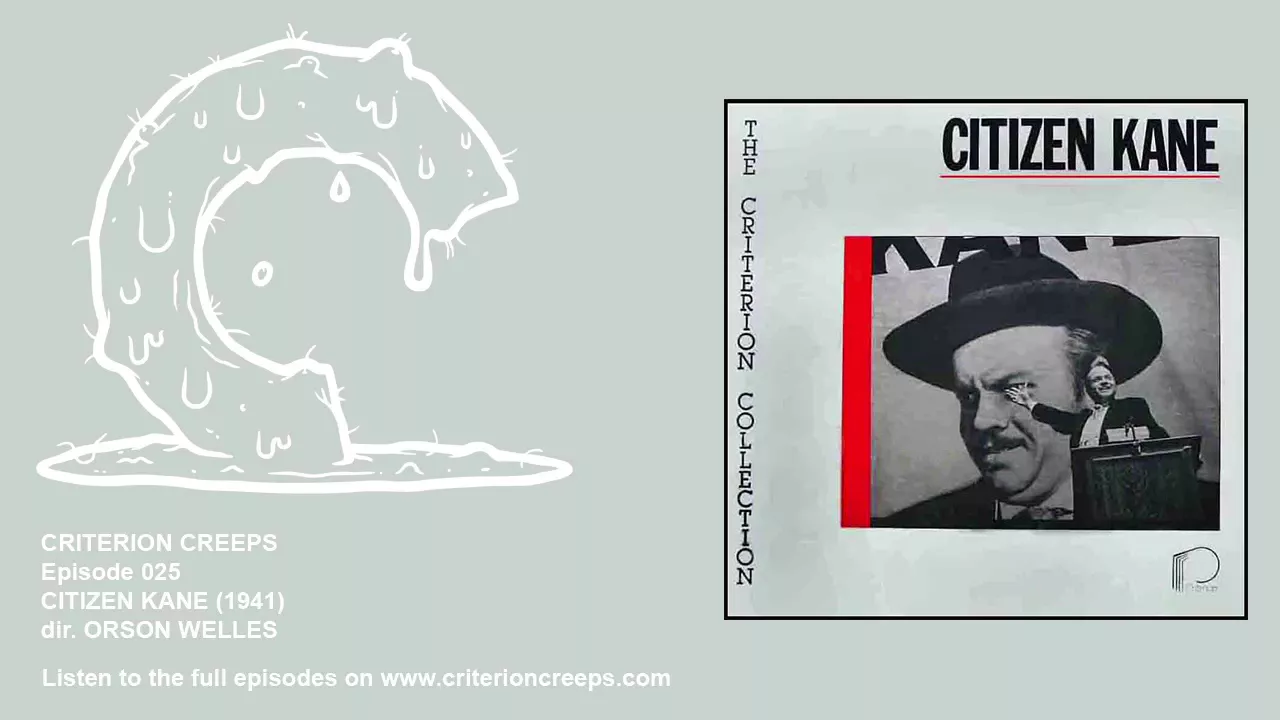
Film form encompasses all formal elements—visuals, audio, performances, and narrative structure—that filmmakers use to create effects and feelings beyond the literal content of a story; this includes understanding that story (the chronological chain of events) differs from plot (the film's actual presentation of those events), as demonstrated by how Orson Welles' Citizen Kane rearranges its story chronologically to create narrative complexity.
Film Form and the Story-Plot Distinction in Citizen Kane Analysis
Added:Basic elements of film language, such as cinematography, mise-en-scène, editing, and sound, which collectively constitute 'film form'.
The basic concept of narrative structure, including how stories are traditionally built around a beginning, middle, and end.
A general familiarity with Orson Welles' landmark 1941 film 'Citizen Kane' and its historical significance in cinema.
The foundational literary definitions of 'story' (the chronological sequence of events) versus 'plot' (how those events are structured and presented).
The study of Formalist Film Theory, specifically exploring the concepts of 'fabula' (story) and 'syuzhet' (plot) as defined by Russian formalists.
Analyzing narrative complexity and non-linear storytelling in contemporary cinema (e.g., 'Memento', 'Pulp Fiction', or 'Rashomon').
Advanced technical analysis of Orson Welles' and Gregg Toland's use of deep focus cinematography and innovative sound design to shape narrative meaning.
Applying film form analysis to decode ideological, political, and thematic subtexts in media and cultural studies.
1.5K views19likes1:06:55Original Release: 2020-08-31
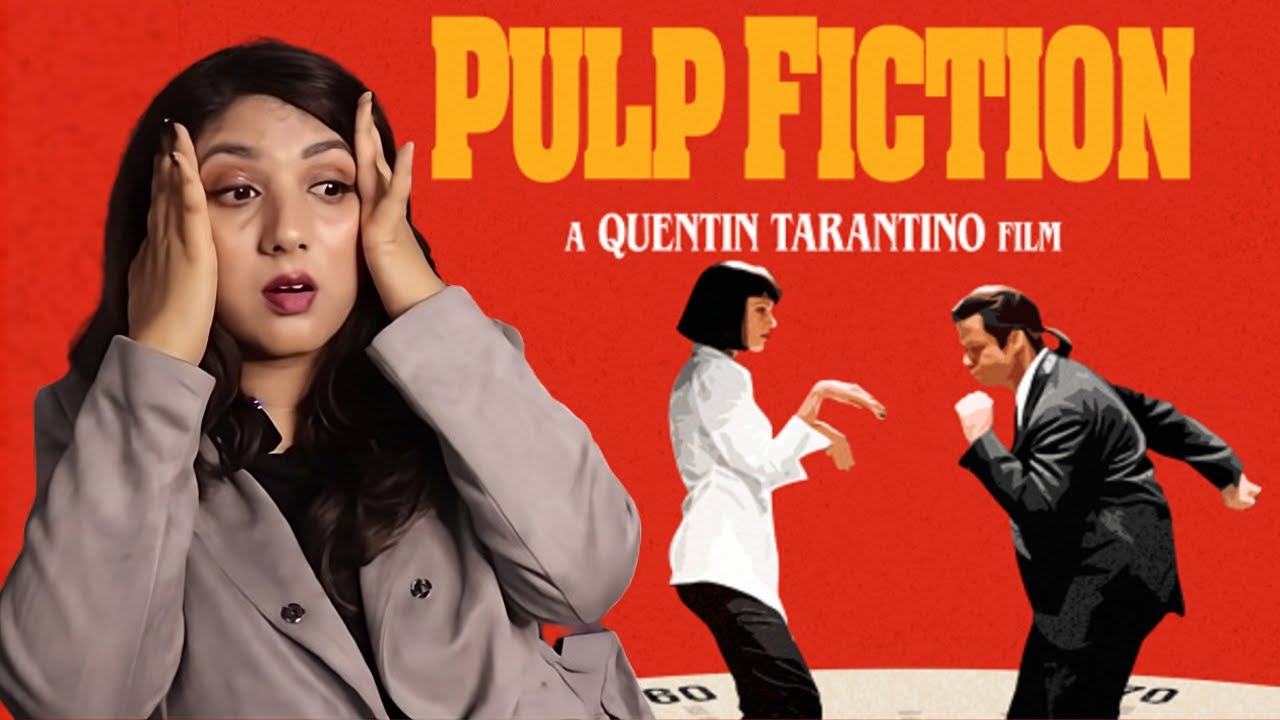
hey everybody welcome to your lecture for intro to film analysis it's actually going to be a double lecture covering quite a lot of material from the boardwell and thompson textbook so part one will cover the question of what is film form and why should we care about it part two will cover the second question are story and plot the same thing you'll see how those things are connected as we move forward but first let's just lay down a couple of expectations about what these lectures will cover and what they will not cover so i will let you pause the recording here and read through these these points on your own time the gist of the point that i'm trying to make here is that you cannot do well in this class if you approach the workload as i will listen to the lectures and that's it that won't work well for you what you need to be thinking of these lectures as is a supplement to this what you're going to be learning in the screenings in the readings and through discussion sections kind of an anchor around which these other these other course components revolve so that's the gist of this slide and also the gist of this slide as well which i will again encourage you to pause the recording here just take a look at these make sure you're have a good grasp on what i'm saying but again the point i'm making should be simple and clear you cannot do well in this class if this is all you do is listen to me and this lecture thing right got to see this as one part of a larger process cool so let's get on to the fun stuff what is film form and why do we care about it i think most people when they talk about movies are thinking and talking about content the question of what happens in a movie so in star wars you know who are the good guys who are the bad guys what are the main conflicts between luke and darth vader and chewbacca and han and all those characters we know and love in the wizard of oz we think about how dorothy starts in kansas travels to oz wakes up realized it was it was all a dream casablanca the the the meaning on the tarmac same very very famous scene where humphrey bogart lets ingrid bergman go off for the good of the the fight against world war ii but here's the thing about about content content in and of itself what happens can't really tell you what makes a movie interesting for the simple reason that a film is so much more than just the sum of the events that are happening take take the scene in the top left from the empire strikes back where darth vader confesses to luke that he is in fact his father the content is very very dramatic but imagine how different the scene might feel if it wasn't taking place in this enormous cavernous space it was taking place in a more intimate location it would be a very very different feeling if they were having this conversation in a cramped closet for example or in a forest um the cavernous space the the huge the huge block of space between vader and luke on the one hand and between these characters and the walls of this building on the other hand serves to reinforce the emotional distance between these characters same thing can kind of be said about the wizard of oz this is if you can tell a very very difficult shot for the filmmakers to stage because look at how the three uh farm hands are stacked up on top of each other uh on the right hand side of the frame like there is a lot of work being put into setting up what is in actuality a very uncomfortable and unnatural way of inhabiting a room in order to emphasize the key theme of the movie on a formal level there is no place like home because home is a place where your friends and family are always always around you like guardian angels the the scene would not really work on an emotional level like this is the last shot of the film for those of you who have seen it if they had not taken the trouble to squish everybody into that one frame because you wouldn't have that subliminal sense of unity that the film is trying to underline through its dialogue a couple of quotes that i find myself returning to very frequently that i want to share with you all of which are speaking to this point but the first comes from roger ebert and if you have been reading the syllabus carefully you will be saying i know this quote because it is in the course description but ebert frequently said uh in his writings that a movie is not about what it is about is it about how it is about it and effectively what he's saying in this somewhat convoluted uh syntax is that when you're talking about a movie you need to be talking about how the content of the film is being depicted in a very very particular way and that the filmmakers made those particular choices about how to tell their stories because they were trying to create effects and feelings that aren't necessarily reducible to the question of what happens our textbook authors boardwell and thompson david bordwell and kristen thompson who it should be noted uh are our university of iowa alumnus uh alumni from uh the 1970s they were both doing graduate film work here in the film department and in the english department just kind of a couple of different departments back in the 1970s before it was a really fully developed field of academic study so that's a cool little fact about them but here in this quote uh is is them effectively articulating and building upon ebert's point saying when you're looking at a movie what you want to be asking is what is this shot doing to cue some sort of understanding in my brain about what's happening in the film and how i'm supposed to interpret it we'll touch more on some of this uh what they have to say about this question later but it's it's important to throw this out at the outset here's another great one for uh from a filmmaker so if you are sitting in uh sitting here listening to me thinking like okay that's all great and well and good if you're a critic but what about if i want to make movies well it's it's it's the same story uh as sydney lumet the man pictured here can can say he's a man who directed films for 50 years in a variety of genres including classics like 12 angry men and dog day afternoon for those of you who have seen some of those films and he writes in his book making movies that there are there is simply no such thing as a small decision in film making everything in the movie from decisions about casting to decisions about what kind of music to use to decisions about do you shoot the scene in the daytime or at nighttime all of this is going to contribute in some small way shape or form to the overall effect that your movie has on your audience and if you don't have a good idea about what that effect is it is very easy for a lot of small throwaway decisions that maybe weren't carefully thought about to completely undermine what could be a really interesting film and you'll see a lot of the uh films that maybe aren't so great you get the sense that there was not a totally shared understanding on the part of everybody what this movie was and how every little thing is going to contribute to that overall piece of work being an effective one and you'll see a lot of moments where the cinematography for example might be at cross purposes with the acting or the editing or vice versa so we talk about form because form is the thing that allows these films to really speak to us in an intellectual and an emotional way and i would encourage you here to just pause real quickly and do a thought experiment with some of these images and just ask yourself how alternative ways of staging some of these iconic scenes from the history of the movies would might profoundly change how you respond to them so for example imagine that scene from the empire strikes back in a small cramped space instead of this large open cavern imagine what casablanca or the wizard of oz might be like if they had been filmed in color or if these particular scenes from the wizard of oz had been filmed in color it would be a different feeling it would be a different movie but again don't take my word for it pause the video do a little thought experiment see see what comes out if you are not prone to thought experiments i have good news i have we have a ready-made example for us out in the world of how small decisions can have a huge impact on how your audience responds to and interprets your film so on icon in the media gallery tab there should be a few clips from two different versions of stephen king's novel the shining most people have seen or at least heard about stanley kubrick's famous 1980 film the shining starring jack nicholson fewer people have seen the 1997 miniseries that stephen king commissioned because he had hated stanley kubrick's film so much that he he felt as if he needed to rescue his own novel from this filmmaker who had completely trashed it in his view and so there's two short clips i want you to go and watch these clips and think about some of the things that you're noticing on the visual level the audio level and in terms of performances so more specifically what are you looking for because there's a lot of things that you can you can you can look for when you look at these clips or any clip generally speaking you want to be looking for unusual or unexpected details things that don't totally seem to fit or seem to fit conversely so well that they provide a way of thinking about what the movie is doing on a visual or audio or performance level the other thing that you're looking for are patterns repetitions and similarities things that show up several times in the course of a clip or in the course of an entire film and these things especially will just you just want to be looking for how these these two things kind of interplay with each other as you are making these observations about visuals audio and performance and anything else that jumps out at you you want to be thinking about how do form and style affect your perceptions of who the characters are you want to be thinking about how formal decisions in the visual and audio and performance tracks are affecting your expectations about what will happen next who these characters are what they're going to do what kinds of conflicts they might run into and the last thing that you want to think about is how do visual audio and performance decisions affect your understanding of what the story means on a symbolic level the themes the the stuff that's below the surface so pause this video go check out uh those clips they should be again under the media gallery tab of the main course icon page and then come back here and uh i will i will tell you some things that i always think are really cool about this clip so if you have returned uh now i'm going to tell you what i think is really cool about these clips um as you can see there's a lot of things that are virtually identical across these two clips some of the same shots are like literally replicated in the 1997 version but the scenes have a very very different effect i think primarily because of two things that mcgarris who directed the 97 version does differently than stanley kubrick thing one the music is extremely different in the 1997 version the 1980 stanley kubrick film uses very ominous uh modernist music from uh the experimental like music scene in hungary and it creates this foreboding sense of dread that you absorb while watching that two-minute scene uh by contrast mcgarris uses much more upbeat and cheerful music and it creates the sense that this is a family that really cares about each other not a family that is already kind of fallen apart and is driving into almost certain doom but a family that really has a future that may be interrupted by something horrific happening at the hotel so again it's the same substantially the same story but the tone is very different because the music the second thing that makes the two clips very different from each other in terms of how they feel and how you interpret them is the difference in casting jack nicholson is an actor who has a sense of menace about him because he has played so many roles in a villainous register whereas stephen weber the actor in the 97 version is best known for sitcoms at least he was at the time and so he brings to the character without a word being said just this af ability that he has kind of in his body just as a sitcom actor as someone who is best known for making people laugh and you respond to him much more warmly than you do with nicholson who has this reputation then and now is this brooding serious intense kind of off-the-wall crazy guy so this isn't an exhaustive read of the scene but this gives you a sense of how again small differences small decisions about who to cast and what kind of camera angle to use and when to use music and so on and so forth end up making a huge difference in terms of how you interpret and respond to film so here are a few uh terms and concepts that are discussed in the boardwell and thompson reading i would encourage you very strongly when you get a hold of your textbook to really focus in on this section and read through what they have to say about the different ways that movies can communicate meaning to viewers but suffice to say there's a couple of different layers there are referential meanings being the most literal and direct statement about what the film is showing you like these are the statements of the shining is showing me a family driving to a motel or a hotel through the colorado mountains like literal descriptions of what you are seeing explicit or implicit thematic meanings are like the things that are just below the surface the things that the film isn't directly telling you necessarily through dialogue but is maybe showing through action so for example the shining is often seen as a story about alcoholism about a family that can't hold its its its connection to each other in the face of turbulent times like these aren't necessarily things the film comes out and says like there aren't necessarily scenes in these movies where these characters are saying oh my goodness my family is following up art and that's because i've been drinking it's it's but it's embodied through the action and then symptomatic or cultural meanings that's that's one level further down that's the statements about how a film is connected to the politics of the time historical events that may have been happening around the time of the film's production or release statements about how the film is contributing to a larger ideology about gender or sexuality or race or class or anything else and so all of these layers of meaning are in most films operating uh interdependently sort of with one another and they are all very deeply connected and the challenge of film criticism and the challenge of filmmaking is to think about how to draw that those connections and those meanings which may or may not be obvious all the time how do we draw them out how do we make them visible how do we think about them more fully because it ends up having a huge impact as i said on how how we think about what these stories are telling us and what this medium can do so this is another pause point i want you to pause the video here and just pick one or two of your favorite films find find a scene from them youtube is a wonderful resource for short clips of films but if you have your favorite films handy scroll to your favorite scenes and really look at some of the choices that these filmmakers are making on a formal level like look at what they're doing with the visuals look at what they're doing with the audio think about the performances and ask yourself how are these specific choices contributing to my sense of what the movie is about another way of asking this question is to say how are these choices really helping make this movie so resonant like what is it about this particular shot or this color palette that is speaking to me in a really deep and meaningful way and i think if you think about your favorite films in some of the scenes from them in these terms you'll really really start to see that it isn't just the content that's drawing you to these films it's also the form it's also the how it's being told another big point that boardwell and thompson discuss in the second chapter the one that is called the significance of film form is this question of evaluation because let's be real we are all film nerds in this this classroom myself included your tas like you you we all love talking about movies and the impulse is always going to be to want to evaluate them to make declarative statements that this is a good movie or this movie sucks or this movie had so much potential and squandered it and so on and so forth i don't know if you can ever really truly totally get away from from an evaluative event when you're talking about movies uh it's it's it's too ingrained in how the medium is supposedly a democratic medium where you don't need to be an expert to uh watch a movie no one needs to teach you necessarily how to follow the story at least no one needs to teach you how to follow a classical hollywood film but even though that's the case i still am going to make the case that in this classroom we should all be striving as much as we can to to suppress the urge to evaluate and to think about these films uh objectively and analytically to think about how they might be working on in ways that aren't necessarily served by an evaluated framework and so i'm bringing you this list of ways that people evaluate films that david bordwell and kristen thompson provide for us as a way of underscoring how there are many many different ways that we can think about what makes a movie good or bad and sometimes that's sometimes we just have to switch between them and then sometimes we have to discard them all together and doing that usually ends up really teaching us something valuable and interesting about how these films work and it ends up opening up your horizon of possibility and makes it easier to approach and appreciate films that would otherwise be very very difficult to get into so this is just a long-winded way of saying that there are going to be some movies in here that you're not crazy about from a just gut level standpoint and that's cool that's that's totally okay like these are not anybody's idea necessarily of films that you're going to just want to sit down and watch when you're bored maybe well maybe one or two of you i don't want to say everyone but for but that's okay like that's they're they're working in a different way and this is just a way of saying that be prepared not necessarily to like everything that you see but be prepared to find something interesting to say about it about how it's working on a formal level or about how it's connected to a larger cultural context that was a lot of that was a lot of words uh definitely this is a great pause point so i would encourage you at this point to pause the video take out a piece of notebook paper or your notebook or a you know a word document on your computers and just try to jot down a few main points from the lecture that i just delivered on film form just try to jot down a few things jot down a few key terms jot down a few questions that you may have for your tas or for for me your instructor and this will just be a great thing to bring into your discussion sections on friday and you can say listen i listen to this lecture and here are some questions and that will make the ta's job so much easier because they will then know exactly what you want to learn to more fully appreciate what makes a film like citizen kane interesting and some of these points on a film form that i'm making so pause here and when you come back we're talking about our story and plot the same thing so our story and plot the same thing for many people the answer is yes of course they are what what are you talking about like that's a silly question and that's that's that's often the case you'll look in the dictionary and these terms have virtually identical uh definitions but bordwell and thompson and consequently uh everyone in this classroom use these terms in a very very specific way and so i really want to underline what those terms mean for boardwell and thompson not because i necessarily think that they're smarter than the people who write the dictionary but because their use of these terms can teach us something really really interesting about how film narration works so the other thing that we're going to do in this portion of the lecture is work through that all-important story plot distinction that boardwell thompson make through reference to the film for this week citizen kane which has the unfortunate distinction of being known as one of the greatest films if not the greatest film ever made and i say unfortunate distinction not because i think citizen kane is a bad movie susan kane i think is a great movie but no movie can really stand up to that claim that a film is the greatest film ever made this when someone tells you that your first impulse is always always always always going to be to say no uh like no way you know asking the greatest film ever made is aliens you know or or the untouchables or or whatever it is that in your gut reaction says is the greatest film ever made so so get that out of your idea your that idea out of your head right now susan kane is not the greatest film ever made but it is a very interesting film from a number of different evaluative frameworks that were proposed and brought up at the end of the previous lecture and i hope to suggest by the end of the lecture how even if this film wasn't necessarily the greatest thing you'd ever seen it's still interesting from a formal level it still tells us something cool about how a movie can tell a story but before we get into that i i i'm a child of the 90s so of course when i find when i think of things i i look for examples in the great animated television shows of the late 90s and early 2000s of course family guy being one of them and there's a wonderful little bit about citizen kane in an early season uh a family guy that i want to share with you or reshare with you if you've seen this episode but i i rented those for peter he got banned from the video store for taping over their movies [Music] rosebud is his sled it was his sled from when he was a kid there i just saved you two long boobless hours so i love that clip because it's it really speaks uh powerfully to the theme of this lecture um but not necessarily in an obvious way but here's the question i want you to think about how does me how does peter miss the point if you've seen citizen kane and i hope by this point that by the time you get to this lecture that you have checked out citizen kane if not maybe a good idea to pause the lecture here and come back to what remains after you've seen the film so that you can more fully follow along some of the points i'm going to make but if you've seen the film this is what you should be thinking about how is peter missing the point and i think the answer that i always come to when i ask this question is that peter is missing the point because he is focusing too much on what happens in citizen kane old man dies he was sad about his sled that is a very accurate description of what citizen kane is about on a referential level going back to that term from earlier but it completely misses anything about the implicit meanings of the film or the cultural meanings of the film because peter is only focusing on the what happens and not on the how the film is telling you that story so that's what we're going to be talking about for the next several slides but first i think you've earned some definitions these are boardwell and thompson's terms for the different facets of film narration they have three in the textbook i do want you to be familiar with the third term narration but i think for our purposes here right now the two most important ones uh from that that section are story and plot and here's what bordwell and thompson say about story and plot so be ready to write these down and commit these definitions to memory because you'll be using them throughout the semester but story for david bordwell and kristen thompson is the chain of narrative events in chronological order this is what you get in the film if you take every event that happens in a movie and you write it out in linear order that's different from plot because if you're if you're following along you're thinking to yourself story is not directly accessible in the film it is something that most of the time is required you have to extrapolate from information in the film and project in your imagination events that you may hear about but not see for example so so the story is everything that's happening in the film including things that you're not seeing or that you're only hearing about if you wrote it out in a linear narrative that didn't miss any single detail no matter how small plot on the other hand is what most people i think think of when you say what's the story about it's the direct representation of narrative events in a film so this might be blowing your minds a little bit and not necessarily in a good way uh it's a little tricky it takes a little time to totally work out this distinction so this is something i would encourage you to ask your tas about on friday when you see them but let me see if i can try to make it a little more clear with citizen kane as our test case so this is a really rough representation of the story in citizen kane so what i have done here is i have taken some key things that happened to charles foster kane that you either see directly represented or in some cases only hear about like if i'm lining them up in chronological order i've kind of had to fudge the years because it's not always totally clear when some of these things are supposed to be happening but roughly speaking this is what the story of citizen kane would look like if you took all of the events that are shown in the film or talked about in the film or even or just alluded to in the film and you organized them in chronological order and this is obviously not what orson welles the director and hermann menkowitz his screenwriter were interested in doing sometimes you do see films where the filmmakers do this process of saying what is the story laid out from start to finish and then they say that we're going to just film that you do see that happen sometimes but more often than not filmmakers will have that big story bible sometimes called in television telling them that this is all the events that happen in linear chronological order and they will most of the time get to a point where they say we don't need this thing in the middle or we can move this thing at the end to the start and they start rearranging the story and that's where you get the plot so here's the plot in citizen kane all of those events that we discussed just momentarily ago with story can be slotted into this rough and very broad plot segmentation of citizen kane and you can see here even if the film isn't your favorite thing ever which that's totally fair how complex it is from a structural point of view this is the reason why this film wins an oscar for best original screenplay the only oscar really this film wins uh and that scene for by many people is like oh my goodness how did that happen but the other way of seeing of looking at that is to say the academy really got it right when they said the the brilliance of this film is in a large part due to its screenplay the intricacy of the way this otherwise straightforward biography of this rich guy who was not very happy they've reworked it into something very complex and interesting so again thought experiment time uh pause the video and i would encourage you just to think for a moment or two about how this organization that you are seeing uh here fundamentally changes what you know about charles foster kane as a character how you relate to him and how you understand uh the various story events that are presented in the course of the film because they had the opportunity to do a straightforward film and they elected to do this and it's worth thinking about how citizen kane is a different film on a fundamental level because of it a few other terms from the reading that you will want to be familiar with these all refer to narrative time and they all are relevant not simply to citizen kane but to many of the other films that we will be discussing this semester as well as films that you will be encountering and making in your in the course of your time here at as film students at iowa um so again three terms uh order frequency and duration and i would really caution you not to overthink these terms i sometimes have students who come up with the most inventive definitions and ways of thinking about these concepts and that is to some degree a function of bordwell and thompson's love of creating terms so resist that this is really pretty simple like order is basically you asking have they presented has the plot presented the story linearly or is it being told out of order frequency is are you seeing the same event shown one time or do you get to see the same event multiple times maybe from multiple points of view or with different things emphasized so on and so forth duration how long do events take like how long is something happening in the world of the story and is that the same amount of time that it takes in the plot or do those two timelines diverge so another way of saying this is to say like you know is the film a real-time film is this a film where the events of the story take two hours the movie takes two hours and you see every little thing that happens or is it like citizen kane where 70 years worth of stuff is being compressed into a much shorter period of time so again i know these terms can be a little tricky at first so i would encourage you to really kind of think through what they mean try to come up with some of your own examples and bring them to the tas or or send them to me and we can happily help clear up confusion but they do take some time to kind of grasp so it's important to start practicing them now a couple of examples uh that i can share with you though uh as you as you start to think through uh what these terms mean and how to apply them to different films um order and frequency sunset boulevard it's the classic example of the device where the filmmaker starts the story at the end and then flash it back to the beginning you'll certainly see this film at one point at in your time here at the university of iowa it's a canonical favorite of everyone who teaches movies but it's it it epitomizes that device again where you start at the end and you flash back to the beginning the in medius rays beginning so it's a good example of how a film can shuffle the story line and go out of order um a more recent film that i know many students love rightfully in my opinion is quentin tarantino's pulp fiction which is both a movie where a story is being told out of order um the events of that film are not told from start to finish like you have like an immediate raise beginning you flash back you flash forward it jumps all around before cycling back to the beginning and in the course of that cycling you also see some of the same events repeated from different perspectives most notably the robbery at the beginning you see the end of the very first scene of the film repeated at the very end of the film from a different point of view with slightly different emphasis on the dialogue so so good examples for thinking about how these terms play out in practice for duration the two examples that i think always spring to mind for me are 12 angry men which i know many many students have seen because that's a film where the events of the story 12 12 jury jury members trying to figure out whether to let this young man off uh to give him to let him go free or to convict him of killing his father the events of the story take about 90 minutes the film lasts about 90 minutes and you pretty much see everything that happens in that room with maybe one or two brief moments where some time is cut out but by and large that's a film where like the time of the story and the time of the plot really kind of converge um sane tango is a really interesting film that i suspect most of you have not seen because it's nine near impossible to see i i had the good fortune of seeing this film projected at the george eastman museum when i lived in rochester and it's a seven and a half hour movie where very very little happens on the level of plot the things that do happen are extremely consequential for the world of the film but a lot of the film is just centered on these very long tracking shots of these characters just kind of walking through their environments and existing and so it's a film where all of the boring stuff that normally gets cut out of a two-hour film is left back in and really focused on and you have this really interesting another convergence of story time and plot time but in the service of of a very very different kind of film and a very different experience than 12 angry men so again i'm just i'm presenting a few examples that show the utility of these terms and why uh we can be why we should start to be using them to think about the movies that we're watching because they help you really appreciate how filmmakers are constructing characters and stories and worlds and to what end but let's get back to citizen kane for a moment since it's the film that we have theoretically all seen and or will soon see and think for a moment about how these terms order frequency and duration uh can apply to citizen kane so here are just a couple of statements about the film that i hope will further solidify what these terms mean and why they're useful while also opening up your appreciation for citizen kane as a movie so the plot again the film's presentation of the story is organizing the narrative events of the movie in non-chronological order and the primary way the film does this is through the flashback where the characters are telling uh mr thompson the reporter oh i remember charlie here were the years the plot generally does not repeat unlike pulp fiction like the plot generally does not repeat the same story events from multiple points of view most things that you see you see only once even though the film doubles back to some of the same conflicts from multiple points of view there are however a few brief moments where you do see the same thing happen twice the most notable example is probably the opera scene where the first time you see the opera it's uh from i believe bernstein's perspective and then the second time it's from leland's perspective so you have two different perspectives on the opera the last uh way you can very briefly apply these terms to citizen kane is to just note and this is where it gets really crazy i think that the film is compressing 70 years of story time into a few short days of plot time the span of thompson's investigation and two hours of screen time so it's really juggling an enormously complex timeline like an enormous amount of events have happened in charles foster kane's uh life the life that they the the filmmaker and the screenwriter have imagined for him and they have done an ex the the juggling act on display in this film in terms of what moments of time have been selected for us to watch and how they have been sequenced and when we sometimes see something repeated how long it all i mean it's it's it's extraordinary like very very few films have the same degree of narrative complexity as citizen kane another great example that illustrates the utility of these terms is the breakfast table scene and i would encourage you to take a look at the scene in close detail on your own time it is a great contender for the shot by shot analysis assignment that will be due right before thanksgiving but you have here a great example of how the film is compressing an enormous span of time events that are happening in the store in the story if you wrote it out chronologically are happening just kind of throughout and all along and they have lifted those events they have taken them they have lifted them out of their context and they have stitched them together and by doing so you just you you have in the course of two three minutes this enormous recognition as to like what the years these characters have spent together are doing to their relationship and how that relationship has changed over time it's really really fascinating check the scene out it is justly one of the most famous scenes in the history of the medium but the other thing that i would encourage you to do here is again to pause the video and to think a little bit about your own favorite films and how you would describe uh those films using these terms how have the filmmakers organized the story information into a plot like how would you describe the order the frequency and the duration of events in that film and really think about like don't just like check off you know write down those observations you want to be thinking about how is this contributing to my overall interpretation of the film how are some of these decisions that maybe i hadn't thought about before with respect to story plot order frequency duration how is that maybe resulting in a film that is really speaking to me very very powerfully whereas other films don't have that effect i i think that you'll find when you start thinking about narrative structure in these terms that the really the films that really stick with you these things are being used very purposefully so there are a couple of other uh terms to describe narration that appear in the textbook and i want to use the next few slides to review these terms and provide some definitions and examples that will help you think about how they apply to citizen kane the two biggies are range and depth of narration range referring of course to the number of characters or perspectives that viewers are allowed to follow in depth referring to how much information viewers have about what characters are thinking or feeling these can be uh i like the other terms a little tricky to grasp at first so don't hesitate to pause the video and really kind of rewind and review if you need to but we'll start with range two ranges of narration are described in the textbook the first is restricted restricted is a plot that represents the story from the perspective of only one or two characters the viewer only knows as much about story events as these characters as opposed to unrestricted which is the plot representing the story from an omniscient point of view and the viewer in this mode of narration knows more about story events than the characters in the film do now it's not an either or and this is going to go for a lot of things that we discussed in this class it's not an either or it's more a continuum of possibilities very very few films are purely 100 restricted and there are very very few films that are purely 100 percent unrestricted most of the time a film is somewhere on the continuum between these two polls but the nutshell way of thinking about range is in effect to ask a simple question who knows what and when do they know it so this is just another way of saying like like are you learning about things at the same time as the characters or do you learn about things before the characters do or maybe in some cases after they learn about it some famous examples of restrictive narration uh memento christopher nolan's second film which i suspect some of you have seen and would encourage the rest of you to check out at some point it's really quite quite great uh is a film that's memorably told backwards um the story is being presented in the opposite order in which the events actually occur if you line it up chronologically and that is a device that nolan employs so that you only learn about story events at the same rate that the character does and the character suffers from amnesia so it's a way of preventing the viewer from having full knowledge because the character does not have full knowledge another example of restricted narration uh is alfred hitchcock's very famous film vertigo in which a detective is hired to investigate a dead woman and for most uh or a woman who is uh suicidal and is a husband her husband is worried that she uh will soon be dead and so he follows her around and uh then she appears to kill herself but the viewer discovers uh that that she is actually an actress and that the whole thing was staged uh for you know nefarious purposes collecting insurance money that kind of thing until that moment of revelation we are completely restricted to the hero's point of view we assume that everything is on the up and up that this woman truly is suicidal and that he is following her around because that's it's all as as it seems so restricted film you're you're locked into the viewpoint of one or maybe two characters and you only know as much about the story as they do you discover events in the story at the same time at the same rate that they do unrestricted narration the other side of the continuum are films these multi uh ensemble huge cast of character films where the filmmaker will move between or juxtaposed a variety of different perspectives war and peace is the classic example in literature it follows like 20 something you know historical and fictional characters in through the napoleonic wars in russia and it covers an enormous range of years enormous geography you're you're you're reading about characters who in some cases don't meet each other for long stretches of time or in some cases never meet um films like magnolia or boogie nights or robert altman's films or tv shows like this is us i mean the list goes on and on but you have this genre in films where it's called network narratives now uh films where characters are you follow an enormous range of characters and sometimes their lives intersect sometimes they really have they they develop relationships with each other and then other characters are put into the story or into the film to act as a thematic counterpoint stories where the characters don't necessarily meet each other and they don't know about each other's existence but we're allowed to see all these characters because that speaks to what the filmmaker is trying to say about community and alienation and blah blah blah so unrestricted narration large cast of characters you tend to know more about what is happening in the world of the film than those characters is it possible for a film's narration to be both restricted and unrestricted yes yes again because this is not again an either or situation it rarely is a film may be 90 restricted to one or two characters points of view for most of its run time before in the last 10 minutes suddenly giving you access to information that none of the characters have i am of course talking about citizen kane citizen kane for most of its run time is totally restricted to the perspective of one character mr thompson the reporter you follow him he is your viewer surrogate he is asking the questions about charles foster kane that you would be asking if you were the reporter and he is searching for the juicy meaty like the meaty bits that you would be wanting to see if you were like again in his shoes so from one point of view citizen kane's narration is highly restricted to what thompson knows about kane as well as to what the other characters know about kane like jed leland only tells the reporter what he knows about citizen kane same thing goes for susan alexander and thatcher they only present what they saw of cain and so the film is very very restricted to what these narrators know and none of these narrators knows what rosebud means which is why it is so significant that the film in the final moments of its run time nearly two hours after it starts breaks away from the point of view of any character that we have seen in the film and gives us this beautiful shot of the sled none of the characters in the film sees this we are the only ones who have access to this information so you can see like a film starts in a restricted mode but near at the end it opens up into an unrestricted mode or sometimes the opposite happens where a film will be very forthcoming about what is happening will be willing to tell you things about the world of the film the characters don't know but in the final moments might make shut it all down and give you a cliffhanger ending where you you share a character's confusion about what happens next so again think about some examples from your own film-going uh history and i think you will start to see how some of these terms become really fun and interesting the next and last big thing to discuss for how film narrative works as a formal system is narrative depth and there are three types of narrative depth that are described in the boardwell thompson reading one version of objectivity and two versions of subjectivity so objective narration is the film representing what characters do and say most movies in the hollywood tradition are objective most of the time this is sort of the default perceptual subjectivity the first kind of subjectivity refers effectively to point of view shots something we'll talk about in more depth when we discuss editing and cinematography but it's when the film represents what a character is seeing or hearing in contrast to mental subjectivity which is when the film represents characters memories dreams fantasies or hallucinations the things the characters are feeling and imagining so in effect this is a question of how much do i know about the characters thoughts perceptions and or emotions a couple of visual examples just to to hopefully underline it a little bit more but perceptual subjectivity the classic example is the point of view shot where you see something happening in the world of the story through one character's eyes you also have something called which we'll again talk about more in the sound unit the audio point of view where you might hear but not necessarily see what a character is is hearing filmmakers often do this by turning up the sound on a particular source and then turning down the sound and everything else creating this sort of heightened sensory perception effect very very few films however are organized completely around perceptual subjectivity which makes the few examples and almost examples really really fascinating so the one of the only films that actually uses perceptual subjectivity for more than 85 percent of its run time is this 1947 film noir called lady in the lake where it's a detective story so it's actually quite restricted as well to its protagonist's point of view but much of the first half of the film and huge segments of the second half are completely told from the detective's point of view and you have these really wacky shots where he walks up to the mirror the camera walks up to the mirror and then you see robert montgomery standing in the mirror it's crazy orson welles before he stumbled upon the idea for making citizen kane had considered making an adaptation of joseph conrad's heart of darkness where the camera would embody the perspective of the narrator mr marlowe who if you've read heart of darkness you know that it's told from a first person point of view and this was wells's way of thinking well i'll get an equivalence by using uh having the camera represent the character and his bosses at rko were like you gotta you gotta be crazy right like you're not actually gonna do that and he said yeah yeah you're right just joking and then he made it citizen kane which then resulted in him losing all privileges in hollywood and becoming person on grata for the next uh several decades but that's another story mental subjectivity uh the classic uh example would be the dream scene here i've selected an image from the crazy crazy dream scene in alfred hitchcock's film spellbound which is more famous for being the only collaboration between hitchcock and salvador dali than for being a particularly great film but you have this ridiculous dream scene about halfway through the film uh which was severely kind of cut down in the final release but it's it's just crazy it's cra crazy representation of the sensation of of dreaming and of what the subconscious might look like if we represented it artistically another example or genre of examples for mental subjectivity is the drug film and these are film these are like the only films that really commit to mental subjectivity for the entire film films like fear and loathing in las vegas or climax where more or less from start to finish the filmmakers are using cinematic decisions to represent the experience of losing your control of your body and or mind on hardcore drugs these are the exception rather than the rule though most films are not committing to mental subjectivity for their entire run time more frequently it is a brief moment in a film that is by and large representing events objectively what the characters are doing and saying same question as before though can a film use both objective and subjective narration the answer is unequivocally yes and i think citizen kane is a good example of how a film will move between different modes of narration because think about it like when you are looking at kane you never really get access to what kane is seeing and hearing or thinking and feeling it is always from the outside right but when you look at how you are getting his story you realize that you were also looking at narration that is in some sense subjective you are in some sense getting a subjective take on citizen on who charles foster kane is now you're not typically getting shots that are representing what the witnesses are thinking or feeling or or dreaming so it's not a perfect fit for how boardwell and thompson are defining these terms but nonetheless there are moments in the film where they are emphasizing that you are getting what these characters are thinking and feeling and some of the most pronounced examples come in the susan alexander sequence where you get out of focus shots when she is uh recovering from her failed suicide attempt that suggest her her distorted perception um and things like that like isolated moments where you're brought into the perspectives of the characters but long story short a film can have objective and subjective narration at the same time for the simple reason that very frequently filmmakers want to give you voice over telling you what character is thinking or give you a point of view shot showing you what they're seeing within the context of an otherwise straightforward objective film we are only seeing uh what characters are doing and saying so again these terms can be a little tricky the first time that you are learning about them and trying to use them so i would encourage you to spend some time writing out your own definition of these terms and applying some of these principles and concepts to your favorite films asking yourself and moments from them asking yourself is this a movie where the narration is objective or subjective or some combination of both or does it move between both is this a film where i am restricted to one or two characters points of view or do i have a lot of characters points of view just just apply these terms to your own examples because that will do so much to help it sink in and it will give you something to talk to your tas about when you meet with them for discussion sections on friday i hope you found this lecture useful if there are any questions or concerns you're always free to email me or contact me through office hours you are also of course always welcome to reach out to your tas with questions and concerns and we encourage you to do that again just because the more that we know about what's happening in your brains the more we can help you all right catch you next time
Up Next
9:58
Midsommar Cinematography: Long Takes and Natural Light Analysis
@CinemaStix
490.3K views•2024-08-31

23:14
Visual Analysis Essay: How to Analyze Graphic Novels in College Writing
@nataliepleimann5941
1K views•2020-10-14
4:55
Film Blocking Techniques for Directors: Space, Shapes, Lines
@StudioBinder
1.9M views•2018-07-23

4:00
Evolution of Darth Vader: Anakin Skywalker's Animated Journey Across Star Wars Films
@TellItAnimated
13.4M views•2019-03-30
Related Study Plans & Knowledge Roadmaps
Structured learning paths in Film Analysis
film-analysis
Sensory Cinema: Foley, Haptic Sound & Texture
01Introduction to Film Sound and Foley Artistry
02Micro-Sounds, Textures, and Extreme Amplification
03Haptic Audition and Film Phenomenology
+ 1 more learning modules
12h4 modules
Explore Roadmap
film-analysis
Breaking the Fourth Wall: Mockumentary & Satire
01The Invisible Wall: Basics of Cinematic Illusion
02Looking at the Lens: Direct Address & Character Glances
03The Mockumentary: Satire, Realism, and Complicity
+ 2 more learning modules
12h5 modules
Explore Roadmap
film-analysis
Analyzing the Long Take: Cinema, Space & Ethics
01Foundations of Film Grammar: Montage vs. The Long Take
02Choreography and Mechanics of the Simulated One-Shot
03Phenomenology of Film: Real-Time Spatial Continuity
+ 1 more learning modules
14h4 modules
Explore Roadmap
film-analysis
Anachronistic Music: Period Drama & Subversion
01Foundations of Film Sound and the 'Needle Drop'
02Traditional Authenticity vs. Revisionist History
03The Rise of the Anachronistic Soundtrack
+ 2 more learning modules
12h5 modules
Explore Roadmap