

![[영상법칙/카메라 렌즈] 광각, 표준, 망원렌즈를 각각 이해해도 당신의 영상이 어색한 이유 - 렌즈 조합 이해하기](https://i.ytimg.com/vi/CTUcs1Eyy0I/sddefault.jpg)










![Jackson Wang - BUCK (feat. Diljit Dosanjh) [Behind The Scenes]](https://i.ytimg.com/vi_webp/bde5VsZSAf4/maxresdefault.webp)
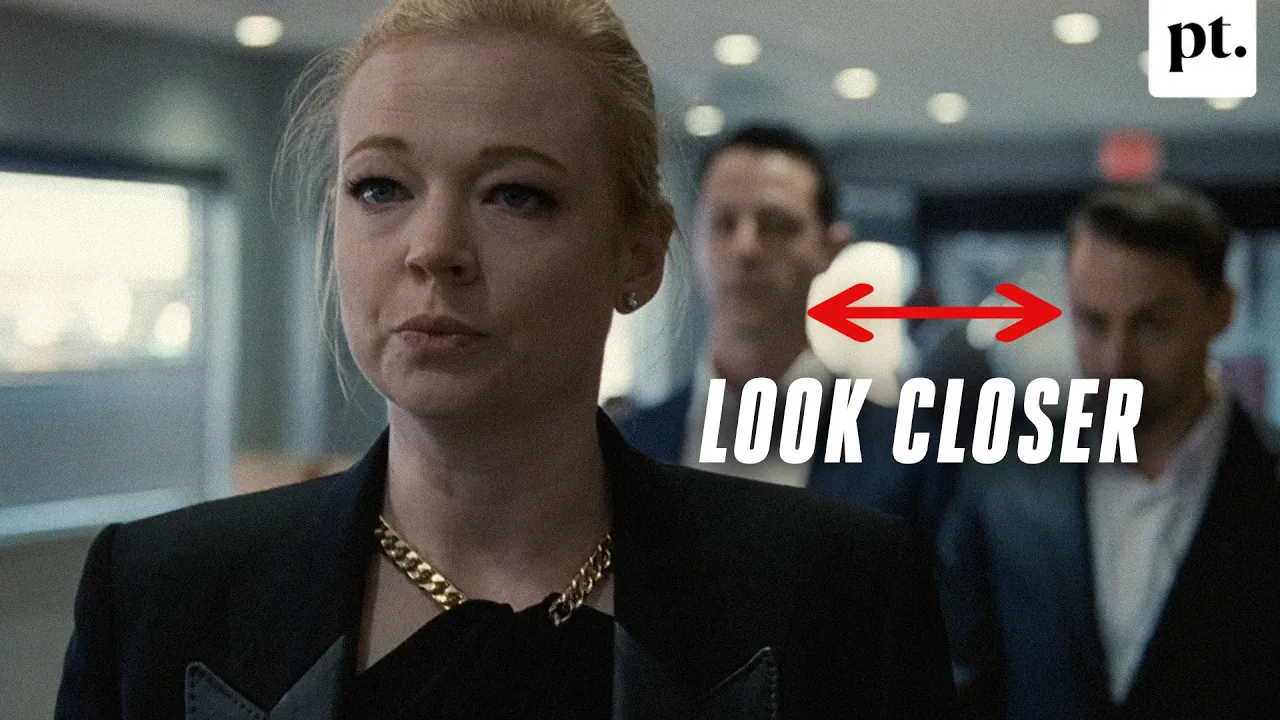

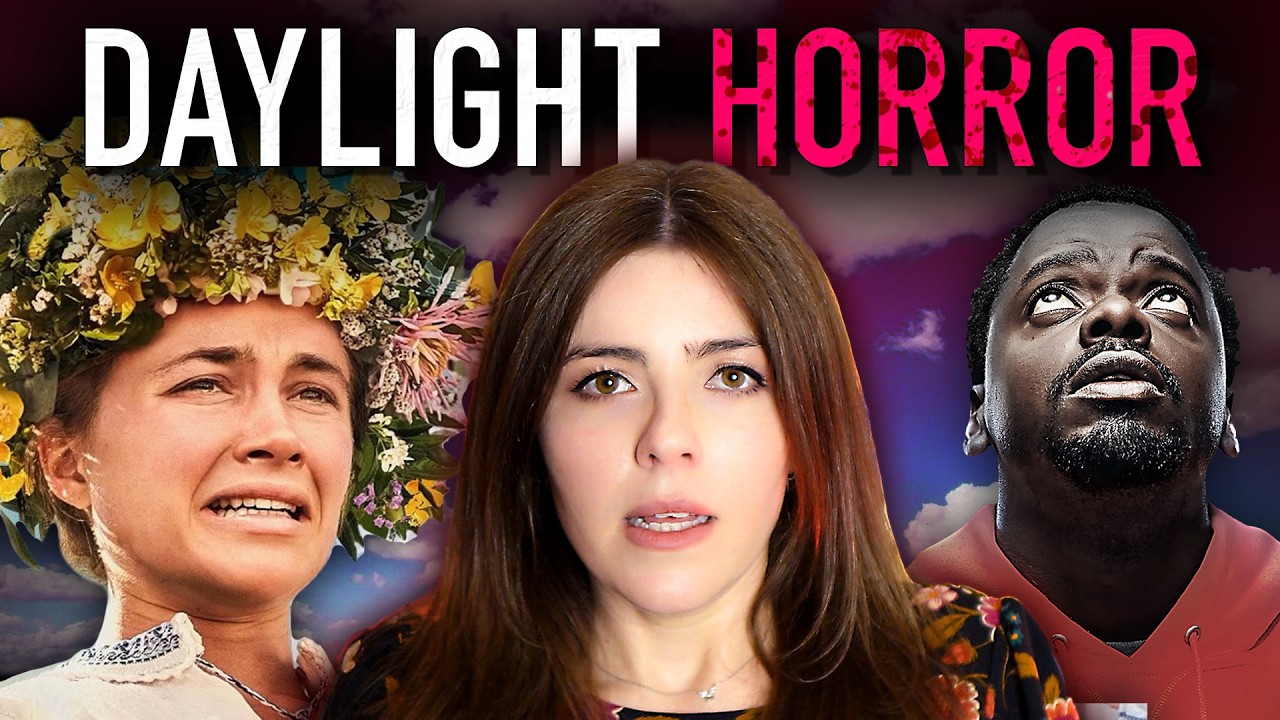




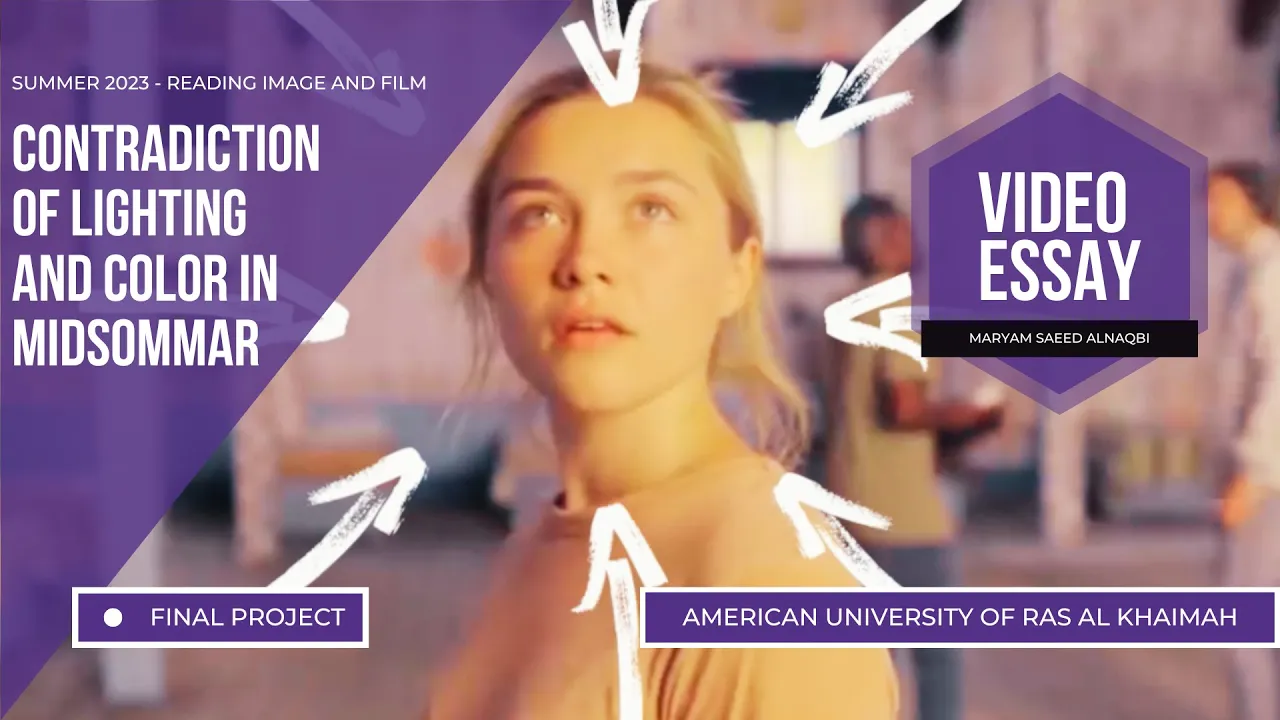
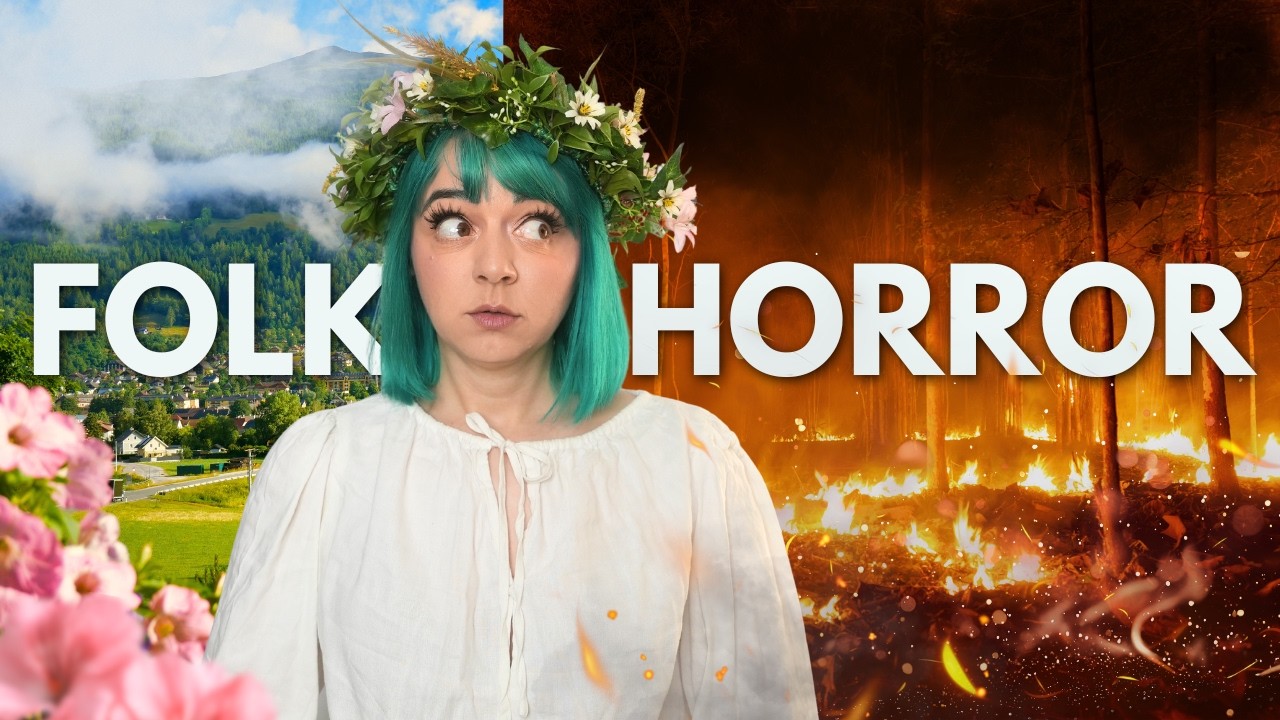
Ari Aster's Midsommar (2019) demonstrates how controlled lighting and cinematographic techniques serve narrative themes; the film transitions from dark, isolated American settings to bright, open Swedish landscapes, using wide-angle shots and abundant natural light to represent collective cult psychology versus individual isolation, with Aster employing meticulous camera choreography to control audience perception through gradual character introduction and strategic use of mirrors and long takes.
Midsommar Cinematography: Long Takes and Natural Light Analysis
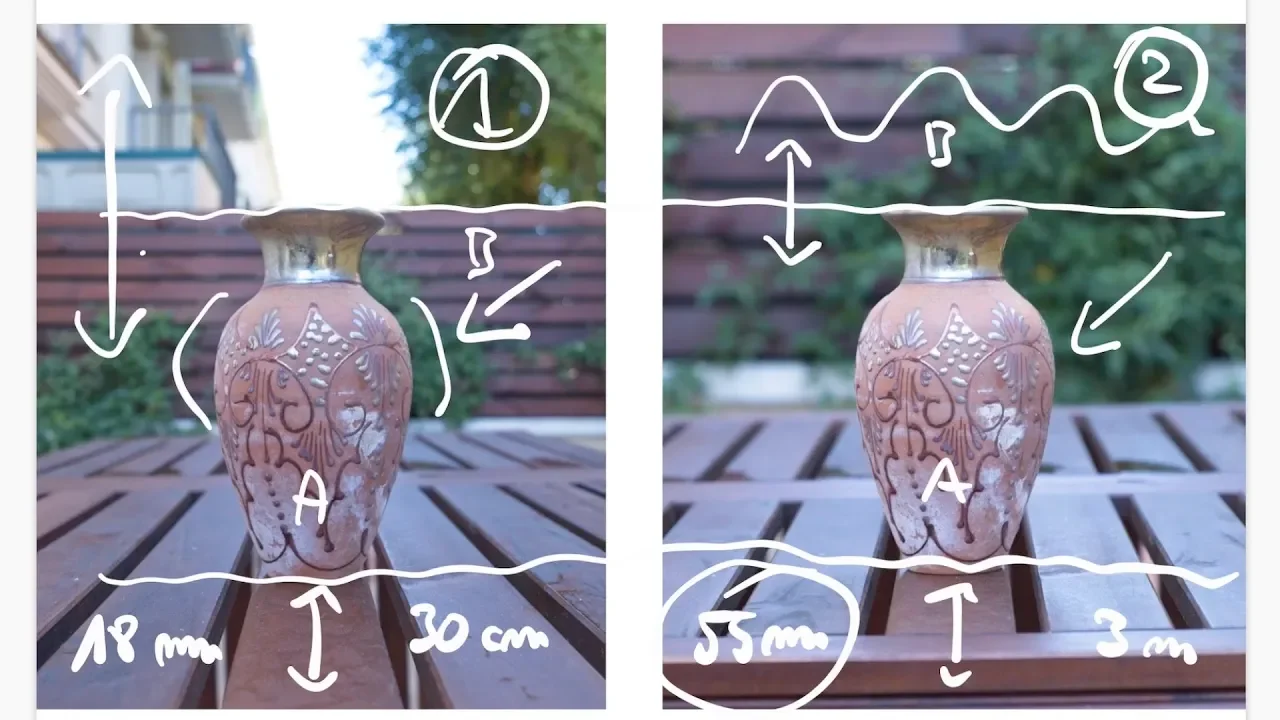
Added:Basic principles of cinematography, specifically how focal length and wide-angle lenses affect depth perception and spatial distortion.
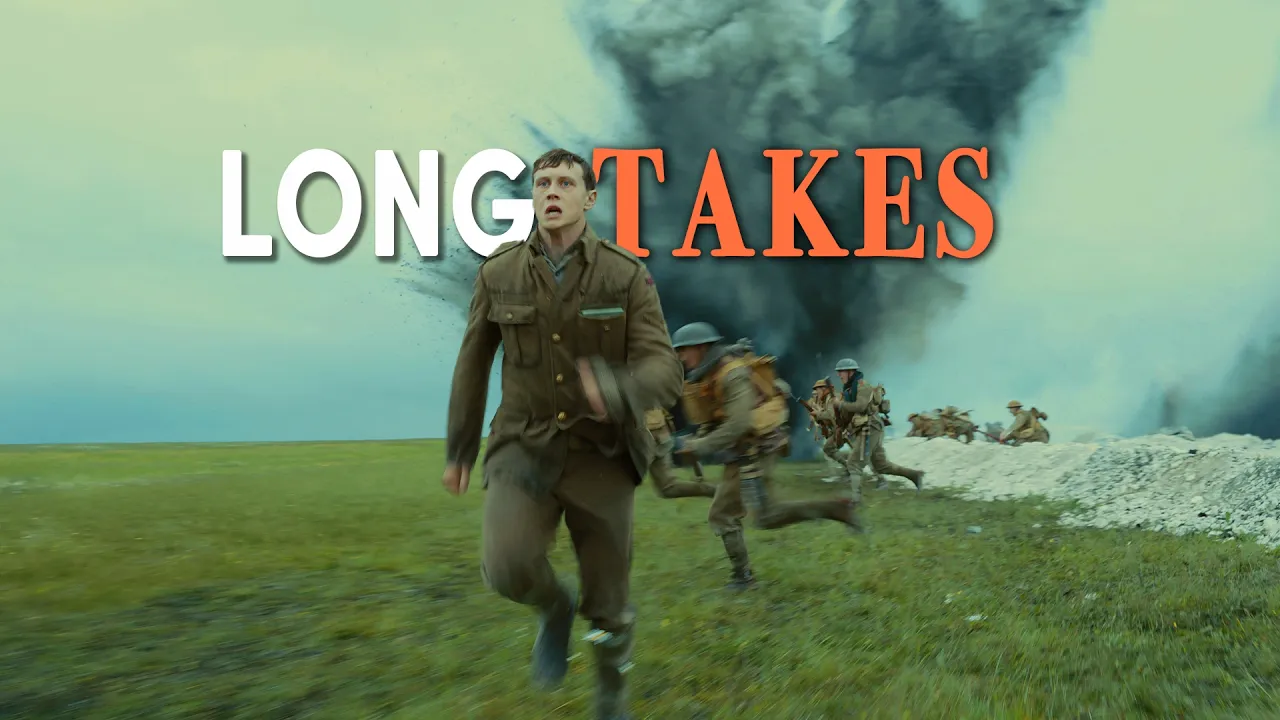
The concept of the 'long take' (sequence shot) and its historical use in building cinematic tension versus traditional continuity editing.
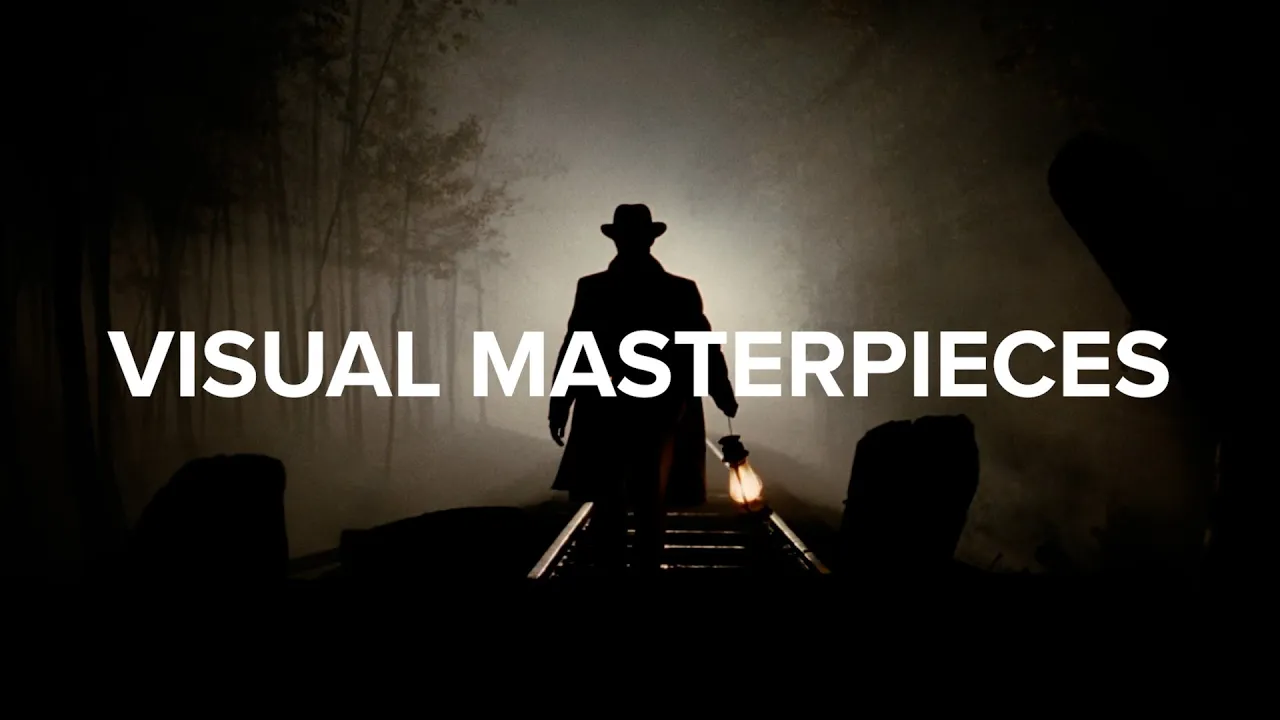
Traditional horror lighting conventions, particularly low-key lighting and chiaroscuro, to contrast with Midsommar's subversive daylight setting.
Fundamentals of natural light exposure and the technical challenges of filming outdoors without highly controlled studio lighting.
Analysis of the Folk Horror subgenre's history and its thematic reliance on pastoral landscapes, isolation, and community rituals.
Advanced study of camera blocking and choreography required to execute complex, uninterrupted 360-degree shots in natural environments.
The psychology of 'daylight horror' and the cognitive dissonance created by pairing bright, saturated aesthetics with visceral dread.
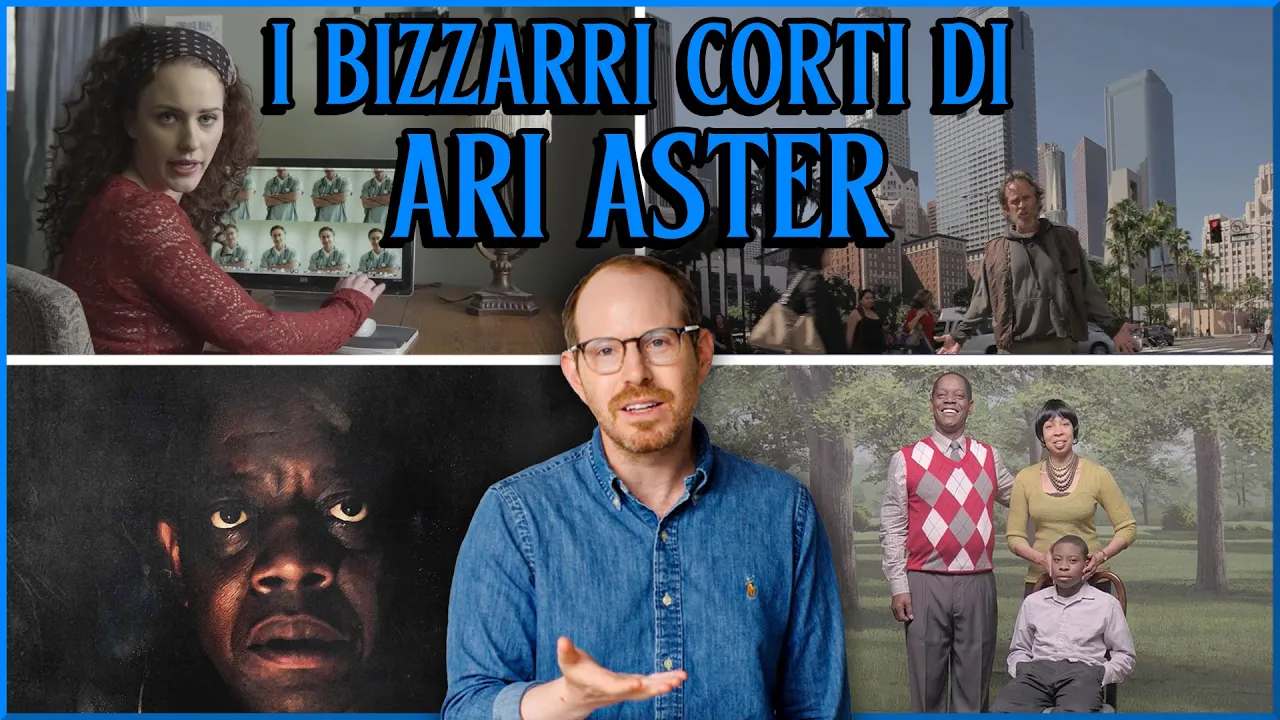
Comparative analysis of Ari Aster's visual signature across his broader filmography, focusing on recurring motifs like overhead tracking shots and dollhouse framing.
490.3K views12.9Klikes9:58Original Release: 2024-08-31
now I'm an actor not a director but for me there are really sort of two fundamental styles of cinematography that I would put into the category of ways I would work with my DP to shoot a film and well maybe to No One surprise they both involve a lot of creative subtle and efficient wers I've talked about both these Styles before the first is a handheld camera that remains at all times very fluid organic not necessarily precise on its surface but deceptively and impeccably well rehearsed just as much a part of the action as it is a witness to it this would be stuff like alien which I talked about recently Children of Men or really anything shot by Emanuel leeski the Nick which I'll be delving deep into in November or Victoria the one shot Wonder out of Germany if you want a really extreme example where the camera is a character a Voyer dirty naturalistic visceral and at times even uncomfortable to watch and the other category is what I would compare to a game of chess calculated and methodical always thinking three steps ahead but prepared to Pivot before a particular strategy becomes exhausted obvious or predictable where movements are clean and sophisticated cuts to new frames are considered and done with purpose this would be something like unbreakable which I've talked about the films of David Fincher or and the film I'd like to focus on today Ari Aster welcome Midsummer to from 2019 and happy Midsummer as with what made Fincher famous AR asra the directors very very meticulous he knows what he wants and how to get it and the first thing Asar wants like any good director is to control or perception and this comes right out of the gate with the very first non-establishment shot of the film please leave a message after the tone the camera remains locked onto an answering machine we don't cut to Danny on the other end of the line we're not directly introduced to her visually not until after we get this Eerie track over to her parents whose still bodies lay the foundation for a presentation of ambiguous information employed later on in the film and it's finally time for the shot to end the next major character too Christian is introduced to us in almost the exact same way not directly but indirectly did we talk about doing something tonight over the phone over an extended long take a take not of himself but of the person he's talking to and then when each character is physically introduced to us notice how even their faces are revealed gradually it's that methodical revealing of information that drives the anxiety we're meant to feel in these opening scenes of midar but keep that all in mind because that strategy is going to change as the film progresses the drama of the scene will dictate its blocking the blocking will dictate the movement of the camera but while those moves do tend to be long in this movie the camera will cut when it's time for something or someone to be introduced or if a shant simply has nowhere interesting left to go the first 2 minutes and 45 seconds of this scene is one of the best single shots in the movie now there are a number of scenes imid some are that utilize mirrors to avoid shot reverse shot cutting hey guys hey here the camera is able to make a full 180° Journey from the door to the desk to the couch before the technique exhausts itself the dynamic in the scene needs to shift hey and we revert to normal coverage overreacted I'm sorry so while the onot decision can be strong here it doesn't necessarily Dominate and if anything the use of standard coverage in a scene helps to elevate the power of the one shot when the two things are side by side and well balanced which as we can see can split the other way too that first scene of Dany after leaving the message actually starts off with a considerable amount of cutting especially considering she's a single character on her own in a room but this sets up a palpable contrast when the scene transitions into a conversation with Christian what ends up being a 2 and 1/2 minute phone call with no cuts and no camera moves but so far we've looked mainly at the First Act of the film because after that is a transitional Point thematically photographically demarcated by one of the most interesting and complex camera moves never this is when we enter the Twilight Zone this is Alice going down the rabbit hole it's a long move and a moment as an audience we simply Can't Ignore an as mids suar moves from the dark cold dysfunction and isolation of the American segment to the bright hot wide openness of Swedish summer we see a transition in shot types too we see a change from tighter traditional 5K 35 mm lenses to wider 8K 70 mm large format we see a transition the way indirect perspectives and secondary focuses within a scene are presented no longer about what's outside the frame but what's inside no longer about isolation but about collectiveness cult psychology we have bigger shots more characters more elements in play vying for our attention notice the backgrounds in this movie The dueling stories and Dynamics going on at once and the challenges also that come with it you have dozens of extras on screen almost always a lot of bodies a lot of movement shooting in big environments a wide open field large open structures all on location on Under the Sun in the open air no fancy sets no sound stages and very little supplementary lighting to boot because extra fixed heavy equipment would make shots like this just impossible but the flip side is all that freedom to move to be dynamic is huge there's a reason asra refers to his staging and blocking in midar as choreography a dance of the camera for him for his actors Aster does a lot of takes to get things right but not a lot of coverage to over complicate it it's what allows for single shots moving from one character to another to be instrumental in establishing the geography and dynamics of those huge spaces like chess it's now a total information game we see everything and so uncertainty isn't created by what's withheld from us it's created by the ambiguity the opaqueness the excess of what's revealed to us and we can compare all of this to the very different approach AST and as DP took on hereditary their first feature film together a literal night and day difference in how information is controlled and imagery presented in hereditary the goal was to keep things as dark as they could get away with here horror and Dread are injected into us by rejecting our ability to see it we plant pictures in our mind based on reactions expression typical of good horror using our imaginations against us while midar takes the opposite approach a literally Overexposed image overexposing us to leld shots of tense uncomfortable relationships of very graphic imagery a lot of which I can't show you here but in general this is the fundamental philosophy midar took to its cinematography on all accounts and these are cues taken from older films like the original wickerman from 1973 a well-lit rural Village setting well stayed shots lots of bodies to fill them to say nothing of the thematic and visual comparisons or the use of color in mids somar a modern emulation of the three strip Technicolor look inspired by films like black narcissus not over saturated but vibrant and very well separated all of it is almost antithetical to most horror and in fact in the words of arastra himself mids suar isn't a horror film it's horror adjacent but it isn't from the majority of mainstream horror that it takes its cues mitar is first and foremost a fairy tale a bright and twisted folk tail and it shows hey everybody today's video was brought to you by movie a curated streaming service dedicated to elevating great Cinema from all across the world from Iconic directors to emerging aors movie's always got something new and amazing to discover and that's because with movie every film you see is hand selected by a team of curators real people giving you access to the best of cinema at your fingertips streaming anytime anywhere and if you want to check out more from the Twisted world of AR Aster right now on movie you can watch has executive produced short film the bones or losos a very eerie stop motion picture from T Chile and directors evoking a style reminiscent of very early Tim Burton and other expressionist works you can watch the bones or anything else streaming on movie for free with an extended 30-day trial if you go to movie.com Cinemas sticks for a whole month of great Cinema for free
Up Next

26:02
Mind Trap 1989 Analysis: Low-Budget Action Film Secrets Revealed
@FanboyFlicks
508.8K views•2020-04-06

23:14
Visual Analysis Essay: How to Analyze Graphic Novels in College Writing
@nataliepleimann5941
1K views•2020-10-14
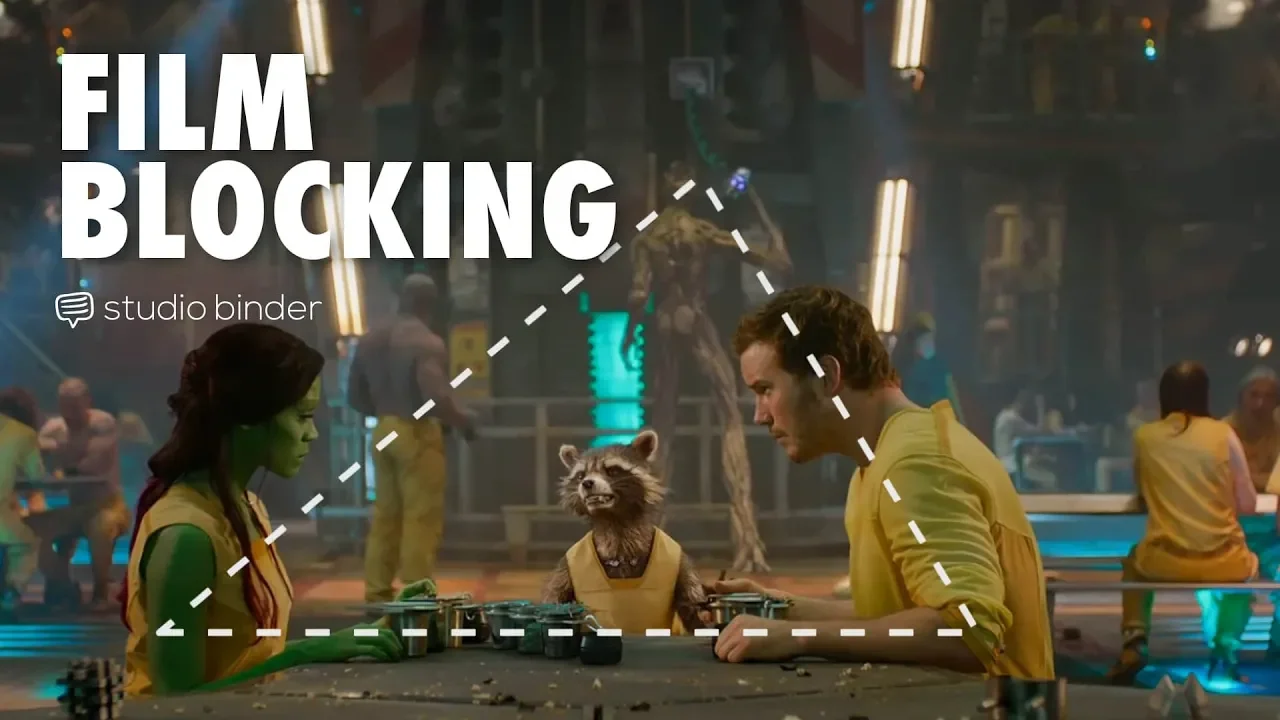
4:55
Film Blocking Techniques for Directors: Space, Shapes, Lines
@StudioBinder
1.9M views•2018-07-23

4:00
Evolution of Darth Vader: Anakin Skywalker's Animated Journey Across Star Wars Films
@TellItAnimated
13.4M views•2019-03-30
Related Study Plans & Knowledge Roadmaps
Structured learning paths in Film Analysis
film-analysis
Sensory Cinema: Foley, Haptic Sound & Texture
01Introduction to Film Sound and Foley Artistry
02Micro-Sounds, Textures, and Extreme Amplification
03Haptic Audition and Film Phenomenology
+ 1 more learning modules
12h4 modules
Explore Roadmap
film-analysis
Breaking the Fourth Wall: Mockumentary & Satire
01The Invisible Wall: Basics of Cinematic Illusion
02Looking at the Lens: Direct Address & Character Glances
03The Mockumentary: Satire, Realism, and Complicity
+ 2 more learning modules
12h5 modules
Explore Roadmap
film-analysis
Analyzing the Long Take: Cinema, Space & Ethics
01Foundations of Film Grammar: Montage vs. The Long Take
02Choreography and Mechanics of the Simulated One-Shot
03Phenomenology of Film: Real-Time Spatial Continuity
+ 1 more learning modules
14h4 modules
Explore Roadmap
film-analysis
Anachronistic Music: Period Drama & Subversion
01Foundations of Film Sound and the 'Needle Drop'
02Traditional Authenticity vs. Revisionist History
03The Rise of the Anachronistic Soundtrack
+ 2 more learning modules
12h5 modules
Explore Roadmap