













This video covers essential polymer chemistry concepts including four types of molecular weight averages: number average molecular weight (MN = Σmi×ni/Σni), weight average molecular weight (MW = Σmi×ni²/Σmi×ni), Z-average molecular weight (MZ = Σmi×ni³/Σmi×ni²), and viscosity average molecular weight; the polydispersity index (PDI = MW/MN) which equals 1 for monodisperse polymers with uniform chain sizes; and tacticity classifications (isotactic, syndiotactic, and atactic) describing the spatial arrangement of side groups in polymers. Additionally, the degree of polymerization (Xn) for homopolymers is calculated as MN/Mo or 1/(1-P), where P represents monomer conversion percentage.
Polymer Chemistry Crash Course: Molecular Weights & Dispersity
Added:Basic organic chemistry principles, including covalent bonding, functional groups, and the distinction between monomers and polymers.
Fundamental concepts of molecular weight, molar mass, and stoichiometry from general chemistry.
Basic statistical concepts, specifically arithmetic means, distributions, and how variance in a population is measured.
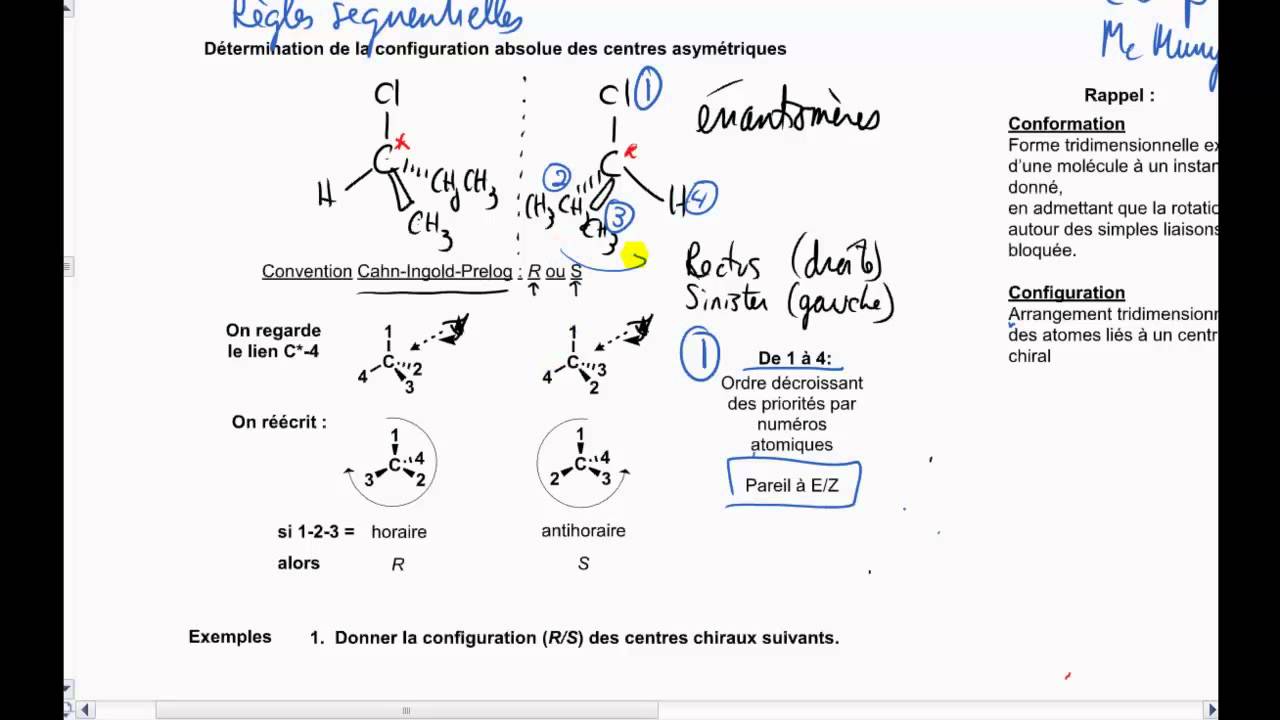
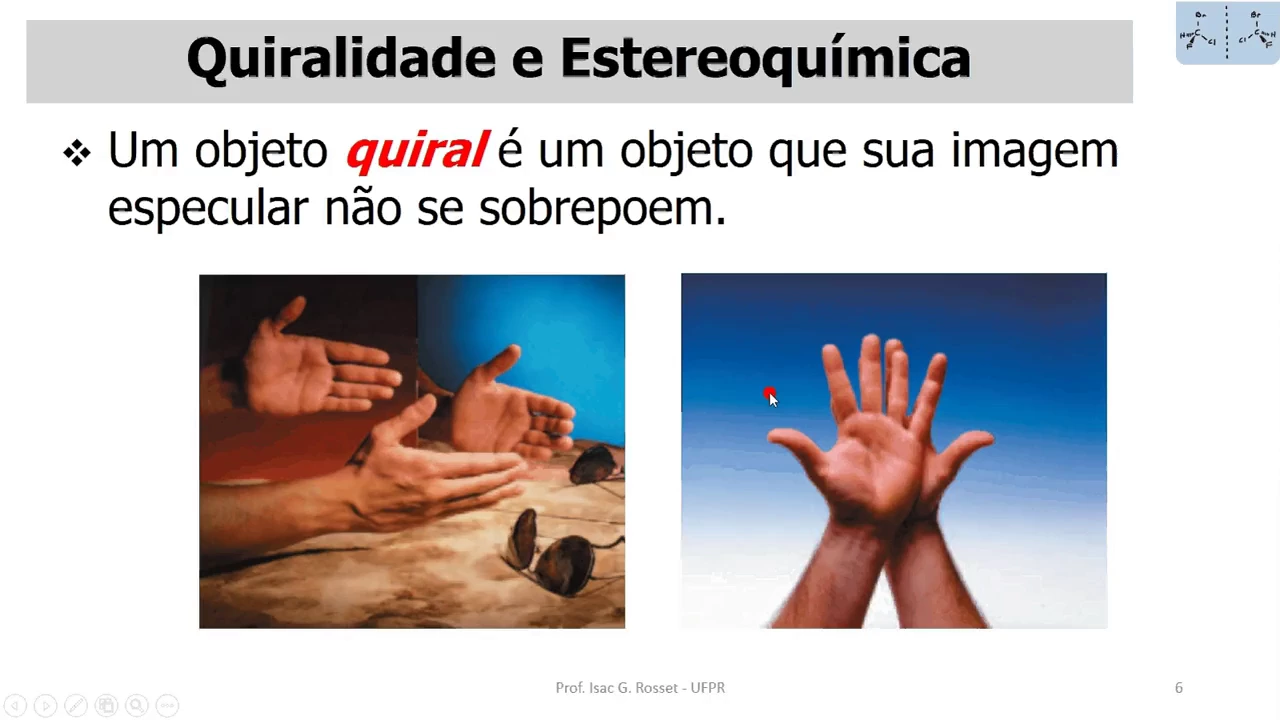
Introduction to stereochemistry, including chiral centers and spatial configuration, to lay the groundwork for understanding tacticity.
Experimental techniques for polymer characterization, such as Gel Permeation Chromatography (GPC) / Size Exclusion Chromatography (SEC) and light scattering.
The correlation between molecular weight/tacticity and macroscopic physical properties, such as glass transition temperature (Tg), crystallinity, and mechanical strength.
Polymerization kinetics and mechanisms, analyzing how different synthesis methods (e.g., free radical, anionic, or coordination polymerization) dictate the resulting molecular weight distribution.
Industrial polymer rheology and processing, exploring how dispersity and molecular weight affect melt viscosity and manufacturing methods like extrusion and injection molding.
37.1K views1.8Klikes11:15Original Release: 2018-05-28
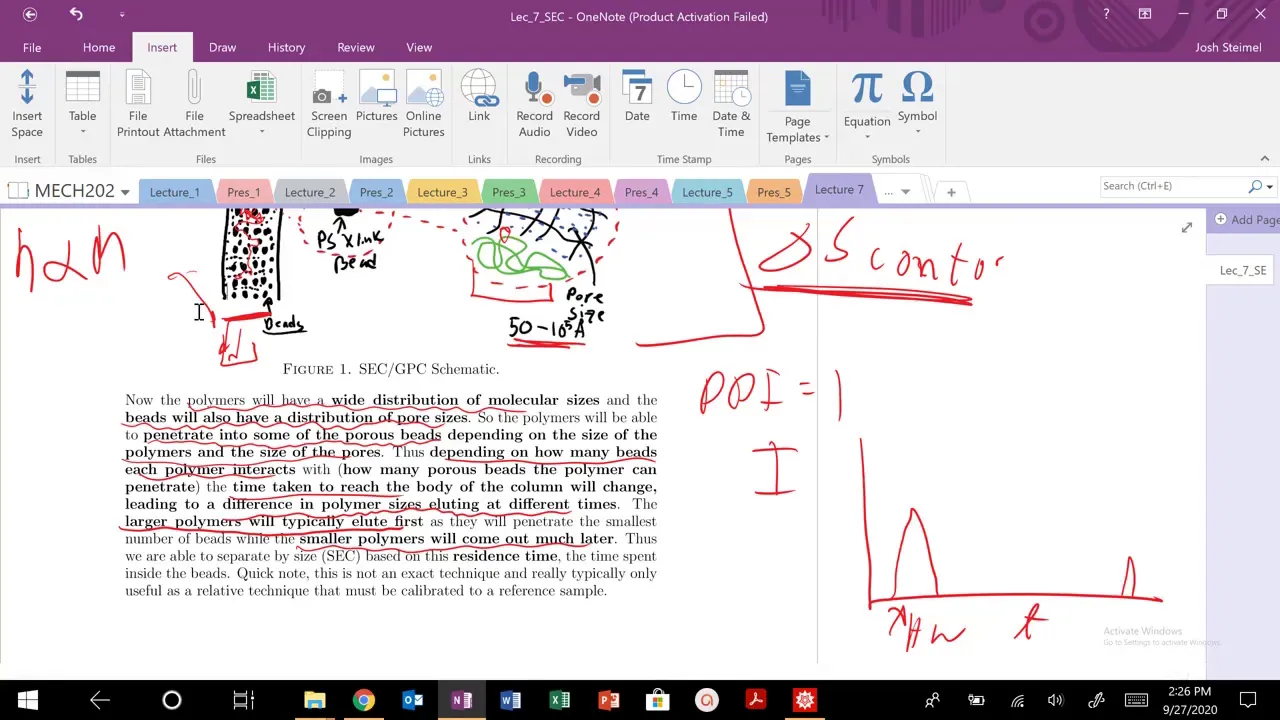
hey guys so I am an educator at an Academy and you can follow me over there if you're interested to watch videos on basic concepts of chemistry or physical chemistry topics you can also recommend this to your juniors and to your younger siblings right all you need to do is download the an Academy learning app and watch my videos over there now let's just begin with our topic so welcome to another course on polymer chemistry it's a crash course and I'm going to go really fast so if you want you can slow down the video using YouTube options and the video I know after this video you need to study from anywhere else about polymer chemistry right so let's just get into it now these are the first four formulas now let me tell you one thing see you guys think that okay this question was asked the last year and it was asked last last year so the same question is going to come this year it's not going to happen this way things change all right so you will be lucky the same question comes up again but I am of the opinion that the same question won't be repeated for a very long time so it's important for you not just to focus on things that have already been asked but to also focus on things that might be asked right so I'm going to cover everything in this short video I'll try and keep it under 10 minutes now we have number average molecular weight right this is the MN is number average molecular weight which is Sigma mi ni upon Sigma n I am going to tell you each and the meaning of each and every term so mi is basically the molar mass all right mi is the molar mass ni is the number of molecules with that particular molar mass all right I repeat again mi is the mi is the the molar mass and n is the number of monomers of that particular molar mass all right right for example I have taken a question from a csironet December 2017 paper this was for 4 marks and the question is we have been given number of molecules and we have been given the molar mass so I told you M is the molar mass so we have molar mass 5,000 and 6,000 for two different kinds of fragments of polymers there are two different kinds of fragments for the polymers so for one fragment we have molar mass five thousand and for the other we have murder mass six thousand now the formula is summation of mi ni so first we will multiply number of molecules 50 into 5000 so that comes out to be 25 thousand right 50 into 5000 that comes out to 25 thousand plus now we will have to again by the number of molecules these of different molar mass this has 6,000 molar mass and there's 75 number of molecules so six thousand in 275 that is 45 thousand so 45,000 summation means we're adding two terms so 75,000 sorry 45,000 plus 25,000 that gives us 70 thousand and seventy thousand a point total number of molecules how many total number of molecules are there 75 plus 50 that is 125 molecules so 70,000 upon 125 and that gives us the answer 5,600 this question believe me was of four marks in your CSS and at December 2017 and similar question was asked in a June 2017 exam as well so it's a very very basic formula now the next one the next formula is similar to the number average molar mass that's weight average molar mass and that's summation MI and I square you just have to square the n item and I miss number of molecules you just have to square the number of molecules number of molecules come and you'll get the answer right do practice some questions before just don't mess up the formulas do practice some questions as well then we have M Z when Z is Z average molar mass simply the same formula okay I missed out one third one term the same formula the only thing that you have to do is in weight average molecular mass you had Sigma mi ni square upon Sigma mi ni here you only hexing my night down here you have Sigma mi n item okay and in this red average you are cubing the N item okay you're cubing the an item and over here also you are having ni square so simply you're multiplying by here you're multiplying your here you are dividing by ni here you are dividing by mi ni here you are dividing by mi ni square right so it's coming in professions if you can see right similarly on the top also on the numerator also Sigma mi ni Sigma mi ni square and Sigma mi ni cube so that's really really simple to understand then we have one more term which I don't think might be asked but still I'll give you just for the sake of it that's viscosity average molecular weight and how do you calculate that Sigma mi here one new terms new term comes that is alpha Sigma mi 1 plus alpha ni upon Sigma mi ni and the whole bracket 1 by alpha to the power 1 by alpha right so this is the formula now what is this alpha so they were two scientists mark and Home Week mark also called Markovic equation this one and alpha is basically a constant or exponent of Markovic equation so in case the question is asked from this particular formula they will give you the value of alpha or they might give you to find out the value of alpha B given these all the terms are given to you right so this is really rare that they might ask you right then we have a very important term that spoiled this polydispersity index that is equal to your weight number average so from here we had calculated weight average and this was a number average so it's just the difference or the division of weight average molecular weight upon number average molecular weight so if it is equal to one then the polymer or then the solution is said to be mono dispersed and what do you mean by mono dispersed means that the size and the dimensions of the polymer are uniform it's a uniform polymer basis you use dispersity mono dispersed for colloids also in coli in if you use it in terms of colloids it means all the particles are of same size if you use it in terms of polymers it means basically the polymer is quite you can say uniform right it is made up of same monomeric units so it's quite quite uniform and if it is equal to one then it is said to be mono dispersed so if it is mono dispersed then your MW by MN is equal to one that means the number average molecular weight and your weight average molecular weight is the same and this question was asked for two marks in your csironet June 2017 exam it was given that a solution is monodisperse so what is the relation between the weight average and in number average molecular weight so they would be equal right now this one question that can be asked in terms of analytical chemistry and that question is that how do you find the polities polydispersity index so you calculate the polydispersity index whether with a technique called gel permeation chromatography right all you need to know is that it is calculated with the help of gel permeation chromatography then okay I talked about degree of polymerization later then we have isotactic syndiotactic and atactic this is something you might have studied way back in your bachelors and what is this a tactic single tactic and a tactic okay so I just tell you isotactic also tactic is basically when we have the same like this is your let us say this is your branch okay this is a polymer and we have our group over here then we have our group over here so you can see the same repeating unit on this inside so it's the same polymeric repeating unit on the same side what is syndiotactic syndiotactic is basically same repeating unit but the al group is on the opposite side so like over here we have R over here then we have our below the plane then we have our above the plane then we have our below the plane so this is called single tactic and what is a tactic a tactic it basically is I'll try it over here a tactic is basically you have random random orientation there's no uniformity it's just random okay it's it's random totally random so like this it's totally random right so a tactic is random single tactic this uniform but on the opposite sides the I group is not present on the same side and isotactic its present on the same side so again a question can be framed from this that you know they'll give you this kind of polymer and they'll ask you what is it whether it's you tactic a tactics in you tactic or isotactic right you tactics a little complex I'll tell you maybe in some other video okay now we have degree of polymerization so what is degree of polymerization it basically tells you to what extent the polymerization has occurred so if you have taken two monomers let's say and you have you have done polymerization so how much of the monomer was actually consumed for the consumed in the polymerization process and how much was left over so it's somewhat like a huge for a polymer how much how much was the yield for the polymer so the formula for homo polymers homo polymers means it's made up of same monomer okay let's say for example if I make you can say a polysaccharide of glucose okay if I make a polysaccharide of glucose I make polymer of glucose then glucose is a single monomeric unit right so that is that is it is called a homo polymer that is it is made up of the same monomer so for that the formula is MN upon a moon now MN you know what is MN MN is number average molecular weight but what is mo mo is basically mass of the single monomeric unit so for example the number apple is the number average molecular weight of a polysaccharide of glucose is is let's say 10,000 okay let's say it's 10,000 so you have to divided by the molecular mass of glucose single unit of glucose right okay and then there's another formula which is this xn in this system xn is basically a it's a symbol to denote degree of polymerization okay it's a symbol to denote degree of polymerization so one formula for homo bond polymers is MN upon mo and the other formula is 1 upon 1 minus P and this is applicable to all kinds of polymers so 1 upon 1 minus P what does P mean over here P basically tells you the conversion conversion percentage of a monomer okay P tells you the conversion percentage of a monomer so let's say we want to find the degree of polymerization when the value of P is 99% 99% so xn equal to 1 upon 1 minus now I'm saying 99% so 99% means 1 minus 0.99 99% right so 1 1 upon 1 minus 0.99 so I'm saying that 99% of the mono monomer has been converted to polymer has been utilized in the polymerization process so this is the formula 1 upon 1 minus 0.99 so this will give us degree of polymerization as hard bread because it will be 1 upon 0.011 appoint 0.01 yeah so it will give you value hundred okay so that means degree of polymerization is 100 if your monomeric percentage conversion is 99% so this was short and a quick overview about polymers I don't think anything will be asked outside of this if something is asked then it is not worthwhile because I think this much weight is should be given to polymers it's hardly a four month or a six more question so I hope you found this video helpful this quick video if you want if you like this video please give it a big thumbs up it will really motivate me and also subscribe to my channel for more videos for more crash course videos before your csironet exam thanks so much for watching
Up Next
29:49
Gel Permeation Chromatography Fundamentals (GPC/SEC Guide)
@MalvernPanalytical
68.3K views•2016-08-23
83:56
Biocatalysis and Catalysis in Islatravir Synthesis | Merck Webinar
@SCIwheresciencemeetsbusiness
675 views•2020-10-08

11:54
Retrosynthesis Introduction: Organic Chemistry Basics for Beginners
@gatechemistry
42.9K views•2018-07-17

17:31
Edible Water Bottles: A DIY Guide to Sodium Alginate Spherification
@ryan
10.5M views•2019-06-21
Related Study Plans & Knowledge Roadmaps
Structured learning paths in Chemistry
chemistry
Nuclear Chemistry: Decay, Meds & Fuel Cycle
01Introduction to Nuclear Structure and Radioactivity
02Decay Dynamics and Kinetics
03Radiation Interaction and Detection
+ 2 more learning modules
24h5 modules
Explore Roadmap
chemistry
Supramolecular Chemistry: Forces & Machines
01Foundations of Chemical Bonding and Intermolecular Forces
02Introduction to Host-Guest Chemistry
03Thermodynamics and Dynamics of Self-Assembly
+ 2 more learning modules
16h5 modules
Explore Roadmap
chemistry
Photochemistry: Excited States & Reactions
01Foundations of Light-Matter Interactions
02Molecular Orbitals and Electronic States
03Photophysical Processes and Jablonski Diagrams
+ 2 more learning modules
18h5 modules
Explore Roadmap
chemistry
Coordination Chemistry: Bonding & Properties
01Introduction to Transition Metals and Ligands
02Crystal Field Theory (CFT) and Geometry
03Magnetic Behavior and Spin States
+ 2 more learning modules
14h5 modules
Explore Roadmap