



















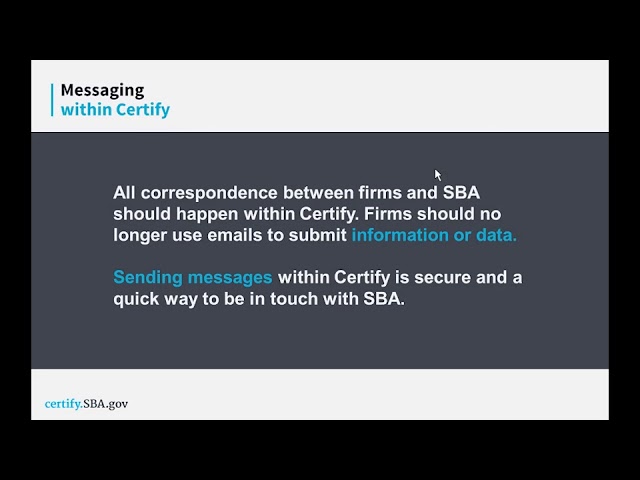





The SBA 8a certification program, named after Section 8A of the Small Business Act, provides small minority-owned businesses with preferential access to federal contracts through set-aside or limited competition bidding, lasting for a nine-year period. To qualify, a company must meet specific requirements: be classified as a small business based on annual gross revenue (e.g., $19 million for IT companies), have been in business for at least two years, and have never been ADA certified before. The individual owner must demonstrate both social disadvantage (belonging to minority categories like African-American, Hispanic, Asian-American, Native American, or being a woman-owned business) and economic disadvantage (average adjusted gross income of $250,000 or less over three years, personal net worth below $250,000, and overall assets under $4 million). Additional requirements include owning at least 51% of the business directly, being the highest officer and highest compensated individual, and dedicating full-time effort to the company. The application process typically takes 4-8 months and involves electronic submission to SBA processing centers, with a 90-day review period.
SBA 8(a) Certification: A Guide to Federal Contracting Eligibility
Added:The broadcast is now starting. All attendees are in listenonly mode.
Hello everybody. This is Jennifer Sha and welcome to our government contracting webinar series. Today we're joined by Mike Ve of LASA Monrig and Bev. And Mike will talk us through the SBA AA certification.
We've got a full hour slotted for today.
Um, typically the presentation takes about 15 to 20 minutes and the bulk of it will tend to be the question and answer session. So, if you have any questions over on the right hand side of your screen, you should see a a box where you can type in your questions and once Mike gets through uh the slides, then we will address questions. Then everything is being recorded. So at any time if you have to jump off, we will be sending out the link to the webinar at the end of um well probably tomorrow at some point. So um just keep that in mind.
Uh we wanted to first uh make a couple quick introductions. Two of our partners, Fed Bidspeed and Fierce uh government have been uh gracious enough to help promote and uh and sponsor the webinars. Fed Bidspeed is a uh basically a software tool for government contractors to help them identify RFPs and solicitations on Fed Biz ops and manage those opportunities through the software that uh that they have. Uh it's a great tool and I believe that they offer either a 10 or or 30-day trial.
So, if you're in the government contracting arena and having trouble um managing the various opportunities that you're seeing, I would definitely suggest reaching out to them. Their website is uh www.fedbidspeed.com.
Our next partner is Fierce Government.
Uh they're a local provider of content about all things uh IT and the government. They've got very um in-depth articles about cyber security and different IT issues um focusing on different agencies including defense um and some of those things. So if you look at some of the other providers in this space, you'll definitely find that Fierce Government uh is one of the top providers um of content and and decent quality out there. Their website is fierce.com.
Uh our speaker today, Mike Bev, comes from the law firm LASA Monre and Bev. Uh they're based in Virginia and also have a Washington DC office. Uh they primarily focus on federal contracts, uh ADA certifications, corporate law, and I believe some nonprofit work as well.
Uh my firm is focused on working with government contractors and helping them with GSA schedules, uh businesstogovernment marketing plans, uh and various research related to government contracting.
We've got a series of webinars and we'll be continuing those next month in May.
Uh stay tuned as we update our calendar for those. Uh we also host events uh throughout the year over at the Kennedy Center. for a list of all of our events and webinars, you can follow the link that's on the screen there.
Okay, now I'm going to turn over uh the presentation to Mike. And like I said, if you've got questions, feel free to type them in over on the right hand side and we'll get to those at the end of the presentation. Mike, it's all yours.
Good afternoon, everyone. It's a pleasure to be here. Um I uh am going to be uh speaking about ADA certification.
uh just the bare essentials uh to uh give you some uh indication on what that is all about and uh what uh are the elements of a successful application and what is the uh procedure. The ADA program is named after section 8A of the Small Business Act.
It's a program that's been around for over uh 50 years and it's um a program designed to help small minority owned businesses to uh obtain uh federal contracts uh on a favored uh level or or basis uh to be able to grow to the next level.
Um the uh normal um uh rule in federal contracting, the general rule is that all contracts issued by Uncle Sam uh can only be awarded on a competitive bid basis.
Uh one of the exceptions to that rule is uh the ADA program. If you are a certified uh ADA small business, uh you can obtain uh federal contracts uh on a set aside basis or if it's a larger procurement, you can obtain it on a limited competition basis with just only other ADA firms uh bidding uh in that particular procurement.
So it's um it's a major advantage uh and it allows the uh small business that is certified as AA to go around the different federal agencies and market itself and if uh it identifies opportunities that are um uh within its specialty and the a uh it and the agency wants to uh do that procurement on an on a set aside basis. It can do so without uh any uh legal uh problem. Uh indeed uh federal agencies normally like uh to do that uh set aside uh work because it facilitates the procurement. They don't have to go through months of a bidding process to uh get a contractor to start work on a project. And at the same time uh each agency uh is given a goal of uh small business minority business contracting every year which is rarely met. And uh uh so uh federal agencies and departments are eager to identify uh ADA candidates uh for uh uh small business procurements uh to allow them to meet uh those goals.
Uh the uh the other feature of the ADA program uh is that uh the certified small business is in the program only nine years. Uh so anybody who is contemplating getting into the ADA uh program should be ready to hit the ground running in terms of marketing itself. Uh indeed uh the uh well-prepared ADA applicant will after submitting its application begin marketing itself as soon as it can while that applications in the pipeline so that they can uh look ahead and uh uh start uh marketing for for example the next fiscal year.
uh the ADA program has two sets of eligibility requirements.
One of the uh set of requirements is uh imposed on the company that's applying and the other uh set of requirements uh are uh applied to the individual owner who uh uh has uh ownership or at least majority ownership of the company.
uh on the company uh requirements uh the company has to be what is technically known as a small business.
the the federal government has a catalog called the NICS code catalog uh which uh classifies every commercial uh activity by a specific code number so that when a procurement is issued uh by Uncle Sam, it'll identify uh what kind of uh service or uh product it's seeking and uh Uh so any uh company uh any ADA company that has those specialties can go after that procurement.
Uh smallness is usually measured um based on uh the annual gross revenue of the company.
uh a company that is for example in IT is small if it's annual gross revenue I believe now is about $19 million a year uh different for someone in civil engineering or consulting all of those definitions of smallalness uh have to be looked at uh before an application is considered to make sure that uh your company has not uh exceeded that uh uh rule. Uh the uh second major requirement is that the company should have been in business for at least two years. Uh anybody who is setting up or incorporating a business today is not going to be able to uh submit an ADA application tomorrow morning. Uh the Small Business Administration does not certify paper companies that have just been incorporated. They want to certify going concerns.
So the general rule on uh being considered a going concern is precisely that you've been in business for two years. Now, that's a general rule that has an exception. And the exception is that if you can show that you've incorporated uh your business, that you've been able to get clients right away, that you've been able to staff up quickly, and that you're operating uh uh without being uh without uh being financially in the red. Uh, in other words, that you can show that you're a going concern. You've got clients, you've got staff, and you're operating at a profit, then you're showing Uncle Sam that you are uh ready to be able to undertake a federal contract.
Um so if you can show that uh with only uh with less than 24 months of existence that then uh you uh would be able to get in uh to the ADA.
Um the last major requirement of course is that the business has never been ADA before. Uh the uh 9-year uh advantage uh of an AA business is a once- ina-lifetime 9 years for both the company that was certified AA as well as for the individual owner who is uh also qualifying the company uh as the individual owner.
Um so let me go to the next slide and talk about the individual owner requirements. Um there are two major sets of requirements that are looked at in assessing whether the individual owner of the applicant business uh qualifies for aid.
And basically that individual has to show that he or she is quote socially disadvantaged and quote economically disadvantaged.
The meaning of social disadvantage which is in the regulations is basically that you are in one of the minority categories that have been identified by law and regulation as a uh a minority that has suffered discrimination in the past. Uh typically all you need to do to demonstrate social disadvantage is uh to show that you are either African-American, Hispanic American, Asian-American, Native American, um and some other uh ethnic categories uh as well as uh any woman-owned business who uh is run or owned by a non-ethnic uh female.
Uh that individual can also uh show social disadvantage through uh uh a narrative, a written narrative that has to be provided to demonstrate that that uh woman owner has suffered discrimination in her employment history, in her education history, and in the history of setting up and running the business that is now uh being brought into the ADA program.
Um the economic disadvantage uh standards uh are uh defined by three different uh requirements and the uh individual owner has to meet all three of the economic disadvantage tests.
Uh the first one AGI stands for adjusted gross income.
Uh your annual 1040 tax returns. Uh at the bottom of page one of the 1040 will show what your adjusted gross income is.
Um to meet the adjusted gross income test, the individual owner has to uh show that their adjusted that his or her adjusted gross income over the past three completed tax years uh average no more than $250,000.
So uh anybody who is above that is not going to be able to uh qualify unless their adjusted gross income goes down in future years.
Uh second uh the individual owner has to show that their uh uh personal net worth is uh below $250,000.
Uh what that means is that um when you add up the value of the owner's personal assets and you subtract from that total the liabil the personal liabilities and debts that that person has.
The net result of that subtraction has to be $250,000 or less. Now, there are three major carveouts to that number which makes it uh quite accessible uh to meet the personal net worth test.
The Small Business Administration will not count against that owner the value of that owner's primary residence, which is usually going to be the largest personal asset of that individual.
Second, the uh Small Business Administration will also not take into account and will carve out uh the value that that owner has in any retirement funds.
uh they won't compute those uh because they are considered uh not an accessible uh asset to the individual because they're they face uh penalties if they are to withdraw those funds early before uh retirement age. So if you're below 59 and you have a growing uh pension fund, uh that's a safe harbor uh asset that isn't counted against you in the personal net worth test. The third category is of course your spouse's uh personal assets are not counted against you uh as the owner of the company. So if you own uh any asset in common, the one that uh the owner would list on the asset column uh would be half of the value of a jointly held asset.
Um there's a third economic disadvantage test that uh uh was added last year in new regulations that came out in early 2012 and it's what I call the overall assets test. The overall asset test has no carveouts except one. And that test is this. Um if we add up your personal assets uh without any exclusions except pension funds, uh if the total exceeds $4 million, then you're not considered to be economically disadvantaged.
Um so um they will take into account under that new third test the value of your primary residence for example.
Um but they still uh exclude the uh retirement funds.
Uh let's go to uh other uh of the personal requirements. uh the uh owner of the business that's applying has to show that he or she is at least 51% owner of the business that's applying.
Um that has to be directly held. Ownership can't be done. You can't have it through a holding company for example.
Um, and it has to be an ownership without condition, unconditional ownership. So, if you have pledged your shares as part of a loan, uh, you're going to have to get rid of that pledge before you apply for the ADA program.
Uh again, uh a lot of these tests, as you will see, respond to the need to show SBA that the owner has full control of the company and isn't beholden to someone else who really uh runs the shop.
Uh the second major personal requirement uh is the full-time dedication requirement. Uh which simply means that you need to show that your only uh source of income is uh the W2 work that you do for the applicant company. If you own a second company and you get a second W2 from that second company, you will not meet the full-time dedication test. SBA wants to make sure that ADA firms grow and prosper. And uh the regulations and the act uh set up as a basic premise that if you're attention is divided between two or three firms that you own, you're not going to bring any success to your ADA firm. So if you have a second firm, you should be ready either to spin out uh the shares that you own in that or make that second business a wholly owned subsidiary of the company that's applying for ADA.
Uh the other test that's in the panel is that uh the owner has to be also the highest officer in the company. So, they want to be sure that when they get the application, they'll see that the owner's title is president or president, CEO, or managing member if it's an LLC.
If they see a vice presidency or something like that, they're not going to uh let you uh uh get they're not going to give you the ADA certification.
The final uh major uh personal requirement is that they want to make sure that the owner is also the highest compensated individual in that business.
uh by compensation. What the regulations mean is that uh when you add up the salary and the dividends and the bonuses of everyone in the company uh that the owner uh is uh the top dollar winner in that uh c in that listing.
So that's another thing to look at uh uh before uh the application uh is uh dropped into the hopper.
Uh I'll cover now some of the uh time frames of the application. Uh when you're dealing with an ADA application, you're typically dealing with a process that could take easily uh four to six months, six to eight months. It depends on how difficult each application is, but it's not a simple turnaround.
Just assembling the application, for example, can easily take four to six weeks. And they asked for every conceivable uh document related to the company and the individual that you can imagine to make sure that as they process the application that the individual as well as the company are meeting all of the uh numerous requirements that are in the regulations.
Uh once the application is ready, it's about the size of a phone book and there is a principal application that is filled out and sent in electronically.
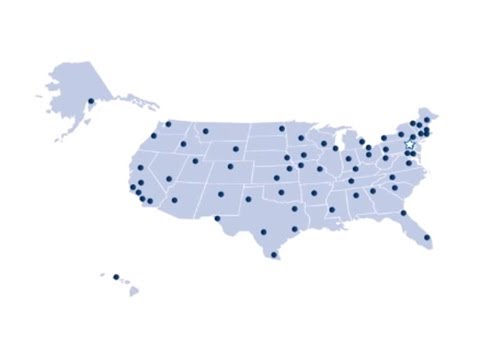
Today they only the Small Business Administration only has two processing centers in the entire US. So, if your business is located west of the Mississippi, the application is going to be processed by an ADA processing center in San Francisco.
If you're east of the Mississippi, uh the application will be processed by uh a regional SBA office in Philadelphia.
Um once the application is ready, it is submitted to one of those two locations and you overnight uh after you press send on the electronic form, you overnight the by FedEx the print attachments uh to that uh office.
When that office uh receives that uh electronic and paper application uh they will first check it for uh completeness and if they feel anything's missing. They will let you know that same week whether uh you need to supplement it with additional documents and information. And until they receive that supplementation, they're not going to start processing the application.
Once they start processing the application because they consider that they have a completed application then uh they that regional office uh is now taken as much as 90 days. It used to be 60 days but now they're taking as much as 90 days to review the application uh in detail.
And during those 90 days, they will also send the applicant letters asking for further questions and information.
The typical requests will involve areas where they feel the application has a major weakness or uh point of uh risky eligibility.
And uh so the the way that you respond to those letters is is very very important.
uh so that uh you're not making uh an admission that's going to sync the application.
Um once that regional office finishes its review, it then sends the application to SBA headquarters in Washington DC with an inside uh memorandum that you don't get to see uh recommending a final action from headquarters.
Uh typically the uh recommendation will be what I call uh the A recommendation or the B recommendation. The A recommendation is this application is perfect. Headquarters go ahead and certify this applicant.
The uh B recommendation, which is much more frequent, is uh headquarters.
This applicant has some deficiencies that need to be corrected before we can certify.
uh if you uh so when you hear back from headquarters, you'll typically see a B- letter coming to you and it'll say uh after reviewing the your application, we consider that you have uh a series of uh deficiencies that you need to cure and fix up during the next 45 days.
Uh please fix them up. uh send us these additional items and we will then uh certify you. Uh so uh if you get a B- letter then uh the uh response has to be prepared to make sure that whatever new information is submitted will uh achieve the cure that SBA is seeking.
Uh once you get certified then what happens with the application is that uh you you'll get a certification letter which will mark the start of your nine years of the program and the uh uh at the uh file is then sent to your local district office where you will be asked to attend a debriefing uh on how the ADA program works.
Uh where you will also be assigned a district SBA office staffer called a business development specialist who will serve as your contact uh person during the nine years to help you out with any issues that come up uh or troubleshoot any issues with you.
And uh uh every year on the anniversary date of your certification, the district office will ask you to submit new information.
Uh for example, your new tax returns uh personal and uh business to show that the uh company and the individual are uh maintaining eligibility under the regulations. And uh uh and after nine years the uh the company has graduated from the program and uh uh by then the hope is that it will have grown to its next level of development to be able to then compete with uh some of the larger companies that are out there bidding uh for federal contract work.
Uh so that's where I'm going to uh stop on my presentation and see if we can uh get some questions answered so that uh we can get your individual uh requests addressed.
Great. Uh thanks Mike for a great presentation. Again, everything is being recorded and please type your questions in on the right hand side. It looks like we've got quite a few coming in. Um, I'll eventually advance to the next slide which has Mike's contact information should you need individual assistance. Uh, but let me start with the first one here which reads, "Can my son or daughter take over the AA company status if I retire?"
uh if the nine years are still running in your business as an 8A and you retire in year five, let's say, you certainly need to uh replace the ownership with someone who can satisfy the social and economic disadvantage eligibility requirements. And that could certainly be a son or daughter if they meet the same tests that dad met when uh he got certified. Now the only difference is uh or the only slight disadvantage is that that reertification of son or daughter will not generate a fresh 9-year period for the business.
the company will still be in year five of nine and that son or daughter can only look to four more years of ADA life as opposed to a freshly minted nine years.
Great. Thanks. Next question reads, can a permanent resident obtain the AA status?
Uh, no. The uh individual owner of the business that is going to certify the company for AA purposes has to be a US citizen. That is uh uh a legal requirement in the Small Business Act that's been there from the very beginning. So, permanent residents have to wait until they get uh their naturalized citizenship before they're able to apply.
If my net worth increases during the ADA tenure, will I be kicked out?
Uh what's what's if the net worth the net worth net worth uh no the uh net worth test during the nine years increases to $750,000.
The theory there is that once you're certified AA, uh, SBA assumes that you'll do well as an ADA firm and therefore they will allow you to show an increase in your personal net worth during the nine years. So, um, the $250,000 personal net worth test in the yearly eligibility assessment that SBA makes is kicked up to 750,000.
Great. Can I also be involved as co-owner of a second company that wants to obtain the ADA status?
No, you uh have to remain as the sole owner of one business. If during your certification uh or the application or during your ADA uh period uh you show ownership of a second business, uh SBA will make a determination uh pretty quickly that uh you're not fully dedicated to your ADA firm and will therefore uh graduate you early, which can happen if you're not meeting one of the key requirements of the uh regulations.
Am I required to submit my application electronically?
Yes. Uh they they changed to electronic filing uh in recent years. So uh they no longer accept paper applications. What they have now is a hybrid.
You have to fill out the electronic application which appears in the SBA's uh website.
And once you complete it and send it in, you have to then follow up and send uh the paper attachments that go with it on an overnight basis to the uh regional office that's going to process your application.
Great. How much does SBA charge for the application? Uh there are no fees char uh involved. Uh SBA since the very beginning of the program has not uh charged any fees for the processing of the application by SBA.
If SBA rejects my application, how many times can I resubmit? Is there a limit?
Uh there's no limit. What the regulations say is that if you're rejected and you submit a reconsideration with some cures and you're still rejected, then the only adverse consequence is that you have to wait 12 months before you can reapply. And there is no uh time limit on the number of reapplications except of course that you have to wait a full 12 months before reapplying. So you can't be doing it every month.
What if we do not have significant revenues over the past two years?
Um you have to make sure that the regulations don't have an objective test on uh revenue.
What they do say uh without any objective test is that they want to make sure that the ADA applicant as a business is uh meeting monthly overhead operating uh in the black not in the red.
Um, so you have to make sure that your financial statements for the last 2 or 3 years don't show negatives uh year in and year out. You have to be able to show that you're in the positive numbers uh to make sure that they uh certify you. It's also a good idea if you can to get a line of credit uh because it also helps to show that aside from operating at a profit that the company also has uh the ability to staff up quickly through a line of credit while it's uh starting to uh operate uh and execute a new federal contract. For example, given the aging population, do you think that SBA will relax the uh question of the 59 and a half age for retirement investments?
Uh difficult to predict that. Um uh the carve out of pension funds is a recent carve out.
Uh so certainly there's an indication that the aging population did have some pressure that it brought to bear on the issue of uh retirement funds.
Uh of course the small business administration's also going to want to have eligibility requirements that are practical in nature. So they're pretty much going to look at what the retirement plan considers the cut off age before a penalty is eliminated. So they um to the extent that the retirement plan planning uh community uh raises uh or lowers the retirement age. Um that's probably the practical test that SBA will apply in determining whether you count retirement funds or not. I had uh a recent applicant last year who decided to apply after just turning 60.
And the application was submitted and the individual who has a IT firm met every single requirement in the application which is and the regulations which is quite numerator numerous.
But they a the SBA requested that he submit a copy of his retirement fund plan and it uh stated quite clearly that uh he could withdraw funds without penalty from his retirement fund even though he had retdic to shoot down his application.
So uh that single issue alone uh um and he's someone who could have applied 10 years ago successfully or five years ago successfully but decided to wait until age 60 and the circumstances of his retirement fund were such that uh it single-handedly destroyed his opportunity to get ADA certified.
Great. What if I am economically disadvantaged but not socially? Can I still qualify?
You can submit what I would call the long narrative. Um, the ADA regulations basically say that certain ethnic groups are going to be deemed automatically socially disadvantaged.
What it says about the remainder is if you can show that you suffer discrimination continuously in the US not abroad uh and you can come up with a good hard luck narrative then they're willing to certify you. uh uh there are some ethnic groups that are not considered automatically socially disadvantaged. Um uh people from the Middle East for example or Iran uh have to go through the long narrative because they're not in the automatic categories. Uh but if they can show through that narrative uh that they have uh because of their ethnicity uh suffered discrimination in their educational history, suffered discrimination in their employment history in the US and suffered discrimination in trying to run their new ADA firm or the firm that they're trying to bring into the ADA program, then uh it's uh it's doable.
Great. Am I guaranteed contracts once I obtain the ADA certification?
The answer is no. A lot of people think that once you get the ADA certification, the Small Business Administration will be there with a bucket of contracts ready for you to grab up. That is not the case.
You have to take steps to market yourself. The Small Business Administration will simply tell you where you can go fishing, but it's not going to go fishing with you.
You have to already know based on your specialty and your services which agencies contract out the type of services that you provide so that you can start knocking on doors to get those set aside contracts while you're waiting for your ADA certification.
If you don't do marketing, no one else is going to do it for you unless uh you contact Jennifer uh and uh uh there are some consultants available that can help you uh start identifying uh marketing strategies and venues.
uh and that's one of the great resources that she can bring to bear uh as part of uh her work.
Great. Thanks. Uh next question reads, "If I have a sales rep whose annual salary includes bonuses and commissions and this amounts to more than my salary as the CEO, will this disqualify me and my company from obtaining the ADA certification?"
The answer is yes. The irony is that the regulations allow SBA at its discretion to make an exception to these type of compensation situations.
The reality is SBA never exercises that discretion.
So, if you're in a business that has someone getting more dollars from your company than you, uh whether it's rocket science or nuclear physics, and you need to hire those nuclear physicists and rocket scientists who are very expensive, you will not get certified ADA. It's a terrible thing to say, uh but that's the reality. Uh, I have never seen the Small Business Administration in more than 30 years that I've been doing these things granting it in its discretion a break to someone who can make a good argument that they're in a particular field that needs to hire highly technically qualified individuals who are not that cheap to hire.
Unfortunately, that's the case.
Great. Next question reads, "Regarding the AGI adjusted gross income, is the $250,000 revenue, is that per year or a total of the three years?"
It's a total of the last three years. So if you're applying tomorrow morning for 8A, you have to be able to show that in your 1040 returns for 2012, 2011, and 2010, the average AGI of those specific three years is under 250K.
If it's over, then you're going to have to wait another year to see if you can uh make less income in 2013 to qualify.
Great. What's the number one reason most of the applications get rejected?
Um there's the regulations, you know, not knowing the regulations is really uh in my experience where the rejections occur. U the Small Business Administration has 50 different ways of shooting down an applicant. Any applicant who fills out an application without knowing the regulations behind it, what the eligibility requirements are, is pretty much going through an exercise of shooting blindly to see if they'll get the ADA.
Uh and my experience through the years has been that the Small Business Administration does not welcome a ADA applications with open friendly arms.
The posture has always been that it's a hostile process. The SBA will try to find out how your application is deficient. so that they can shoot it down. Uh that hasn't changed through the years. The purpose of uh the application process, as you will discover, if you haven't already, is to determine whether it has any weaknesses to allow the SBA to say no to your application.
Right. If I have a GSA schedule or if I'm a veteran certified business, is the ADA certification automatic or will it be easier for me?
Um, neither. Uh, the AA certification has to be applied for.
You don't get it simply because your GSA schedule granted uh or because you have uh service disabled veteran status. It is a wholly different uh process. It has its own application requirements and there's nothing automatic about it simply because you have GSA schedule or service disabled veteran status.
Uh so um and the eligibility requirements for GSA schedule and the eligibility requirements for service disabled veterans are in different universes.
they they they don't have any commonality. The only potential commonality of the service disabled side is that the service disabled business has to be a small business. That's pretty much the only overlap that I can think of.
Great. I think that wraps it up for questions. Uh so we want to thank Mike for his time and great insight and uh very intelligent uh presentation. A special thanks again to Fierce Government and Fed Bidspeed who were our sponsors and partners for the event. And uh Mike, any last words?
No. Uh just uh to let you know that uh there's a whole world of opportunity there. Um don't be afraid of any of the things that I said. It's important that you do consider ADA certification because the benefits far outweigh any disadvantages.
Fantastic. Thanks everybody for joining us and if you have further questions for Mike, his contact information is on the screen in front of you. Thanks everyone.
Up Next

NY MWBE Certification Process: Eligibility, Application, and Approval
@EmpireStateDev
19.2K views•2022-01-12
Retention Habits of Top DTC Ecommerce Brands Revealed
@SendItPodcast
44K views•2026-03-03

Teaming Agreements vs Subcontracting in Federal Contracting
@jenniferschaus
633 views•2019-10-23

The Planned Obsolescence of Light Bulbs and Tech
@veritasium
25.3M views•2021-03-26
Related Study Plans & Knowledge Roadmaps
Structured learning paths in Business