


















The Peace of Westphalia (1648), emerging after the brutal 30 Years War, established three foundational principles of modern international relations: (1) religious sovereignty—religion became an internal matter of each state with wars forbidden for religious reasons; (2) sovereign equality—all states are independent and equal to each other; and (3) balance of power—no state can dominate others. Unlike previous international arrangements, the Westphalian system was procedural rather than substantive, focusing on how states should treat each other through rules and order rather than prescribing specific territorial or hierarchical outcomes. This framework, which continues to influence international relations today, requires states to accept non-intervention in internal affairs, non-imposition of values, and non-dominance as prerequisites for recognition as reliable members of the international community.
Westphalian Peace: IR Theory Foundations Explained
Added:[Music] as it has been already said one of the most important characteristics of the 30 Years War was its extreme brutality not only armies fighting have been fighting each other but also the numerous gangs of the mercenaries former soldiers and other illegal individuals have been crowding the roads of Europe and have been destroying Europe European cities and towns mainly in Germany but what was the biggest shock for the people is that all parties who have been fighting this war they were Christians it the brutality is known in European history for example European Crusaders have been extremely brutal when they traveled the Middle East during the Crusades the fight with the Ottoman Empire was a very cruel fight but during the 30 Years War was the first after the beginning of Renaissance case when the Christian nations have been fighting each other and destroying the population of another States almost completely thus the people of that age as Thomas Hops and many others started to think of what can be the substantial replacement for the Christian morality which has been dominating the international politics before the reform in Germany and before the 30 Years War the war was also very exhausting the European nations have been fighting 30 years they lost so many human lives so they were prepared to any decision just to end it here we can use the quotation from the book World politics of one of the most famous nowadays practitioners and intellectuals in international relations the former American Secretary of State Henry Kissinger Henry Kissinger writes in his book paradoxically this General extion and cynicism allowed the participants of the valian Congress to transform the Practical means of entering a particular War into general concepts of World Order there was no piece of vilia or vestan congress as a one event there were several negotiations conducted in two German German cities one of basically populated by the Catholics other one by the Protestants entirely the participants of this negotiation have mounted up in numbers up to the 400 450 none of them what is most important was the state leader or the king most all of them have been lawyers and representatives of the communities they were bureaucrats and this is particularity of the vest fan order and vest fan peace it is not a decision of the heads of the states it is a decision of lawyers that's why it is so important and this why the this falany system and vallan Order continues nowadays but let us look at the three principle of vallan sovereignity the vallan treaties gave a birth to three essential principles which became a foundation of vallan sovereignity and wallan Order of the relationships between the states so nowadays when we use World Order when we speak international relations we always and first of all we refer to the valian order which was established after the brutal 30 Years War the first principle is who arm his religion a sovereign defense religion in a certain area it was very important to say that days after Europe has been fighting the religious War for almost nearly a century so with the w fan peace the European nations managed to come to the conclusion that their religion must be exclusively Internal Affairs of each of them and the wars what is most important should not be fought because of the religious reasons so fighting for religion fighting for values not interests was forbidden by the valian peace the other principle is is not less not less simple every King is the imperior in his own kingdom all states are independent and equal to each other so by this principle within valian peace The Sovereign equality of the States was introduced and now if we look to the United Nations chter we see that this principle exist there the United St Nations chter says that every nation every state is equal and independent to each other the third principle says that no one can be stronger than others and this principle represents the one of the most important principles of the EUR European politics for several centuries after balance of power as the key principle of international politics if we look at the international relations during the several centuries after the pallan piece was concluded back in 16 1648 we will find that these principles were very rarely damaged or abused by the European states only at times and we can see that most of the big European wars were fought because one European country could try tried to become stronger than the others the Napoleonic Wars the first world war the second world war was provoked by one nation trying to dominate the others and if we look at the international relations nowadays after the end of the Cold War we will find that when one nation tried to become stronger and become dominant over the others the others resisted and the reason for the Anarchy and international relations the reason of the decrease of the order international relations is exactly because of the conflict around attempts of one power to become the strongest and dominant and resistance of the others so by the bestf order the new international order the new international way of doing things of organizing the relationships between the states emerges here we can quote Henri K and again he writ he writes The Genius of this system this vient system and the reason it's spread across the world was that its Provisions were procedural not substantive if a state would accept these basic requirements it could be recognized as an international citizen able to maintain its own culture politics religion and internal politics shadowed by the International System from outside intervention I think this is very genous observation so first of all it points out that the difference between this violence system and any other International vage Arrangement is that this fan Arrangement was not about the substance it was not about which territory belongs to which state it was not about which Sovereign is stronger and more important than the other sovereigns it is about the procedure it is about how the states should treat each other it is about the rules it is about the order and it is about after all the law the three principles of the valian systems are the basic three principles of international communication between the states even nowadays and Henry Kissinger also underlines that if a state would accept these basic requirements it will be recognized as the international citizen so the basic requirement for the state to be treated as equal and to be treated as a reliable member of International Community is to accept these basic requirements do not intervene into the internal affairs of each of anothers do not impose your views do not impose your values do not impose your culture politics religion on the others not trying to become the strongest not trying to dominate The Others not trying to limit The Sovereign rights and equality of the others these are requirements for one state to become a reliable part of the International Community with having said that we end our section about the classic realist Theory and further you can find some readings which can help you to understand these basics of our Theory next time we go to the antagonist of the realistic approach we go to the Liber tradition in the theory of international relations and we start with a Christian tradition thank you [Music]
Up Next

US Veto Power at the UN Security Council: Gaza Ceasefire Blocked
@aljazeeraenglish
139.7K views•2024-03-04

BRICS Pay and de-dollarization: A New Financial Order Emerges? | 55 chars
@DannyHaiphongYT
164.6K views•2024-10-22
Government Surveillance Methods: 10 Ways You May Be Watched
@BeAmazed
1.6M views•2017-04-09
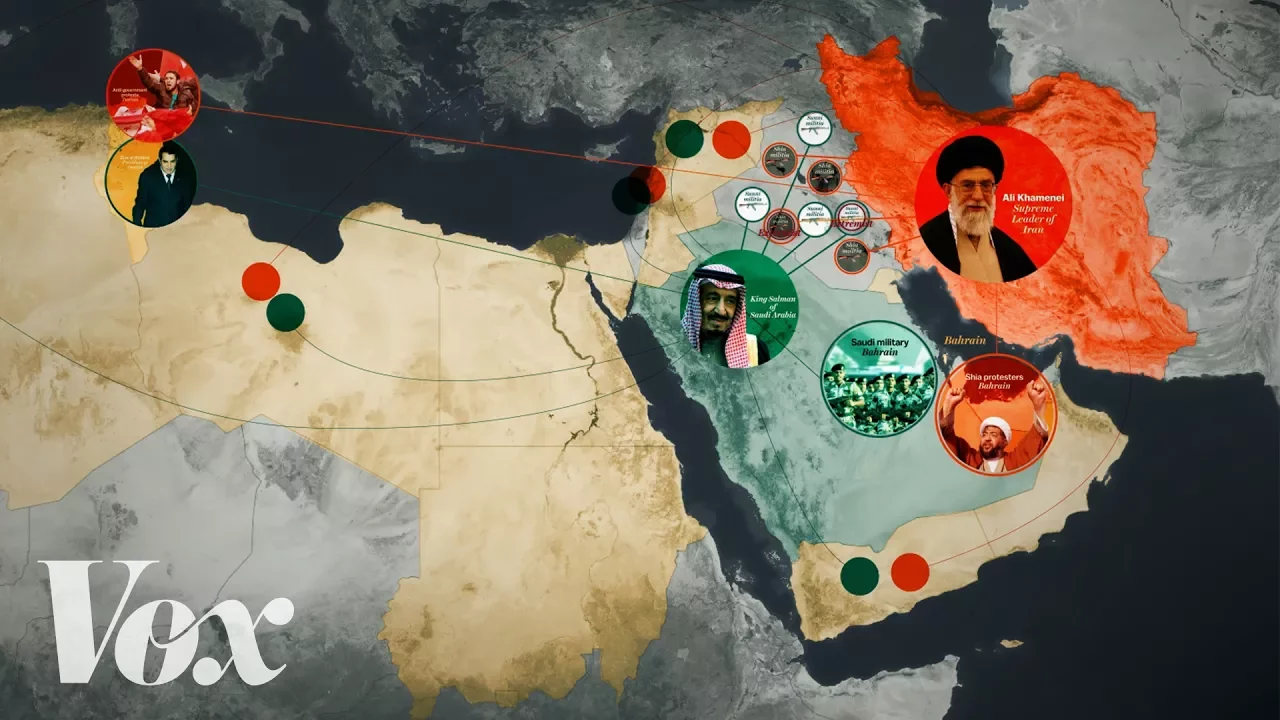
Explaining the Saudi-Iranian Proxy Conflict in the Middle East
@Vox
18.2M views•2017-07-17
Related Study Plans & Knowledge Roadmaps
Structured learning paths in Political Science